Independently Owned, Locally Grown, Community Loved

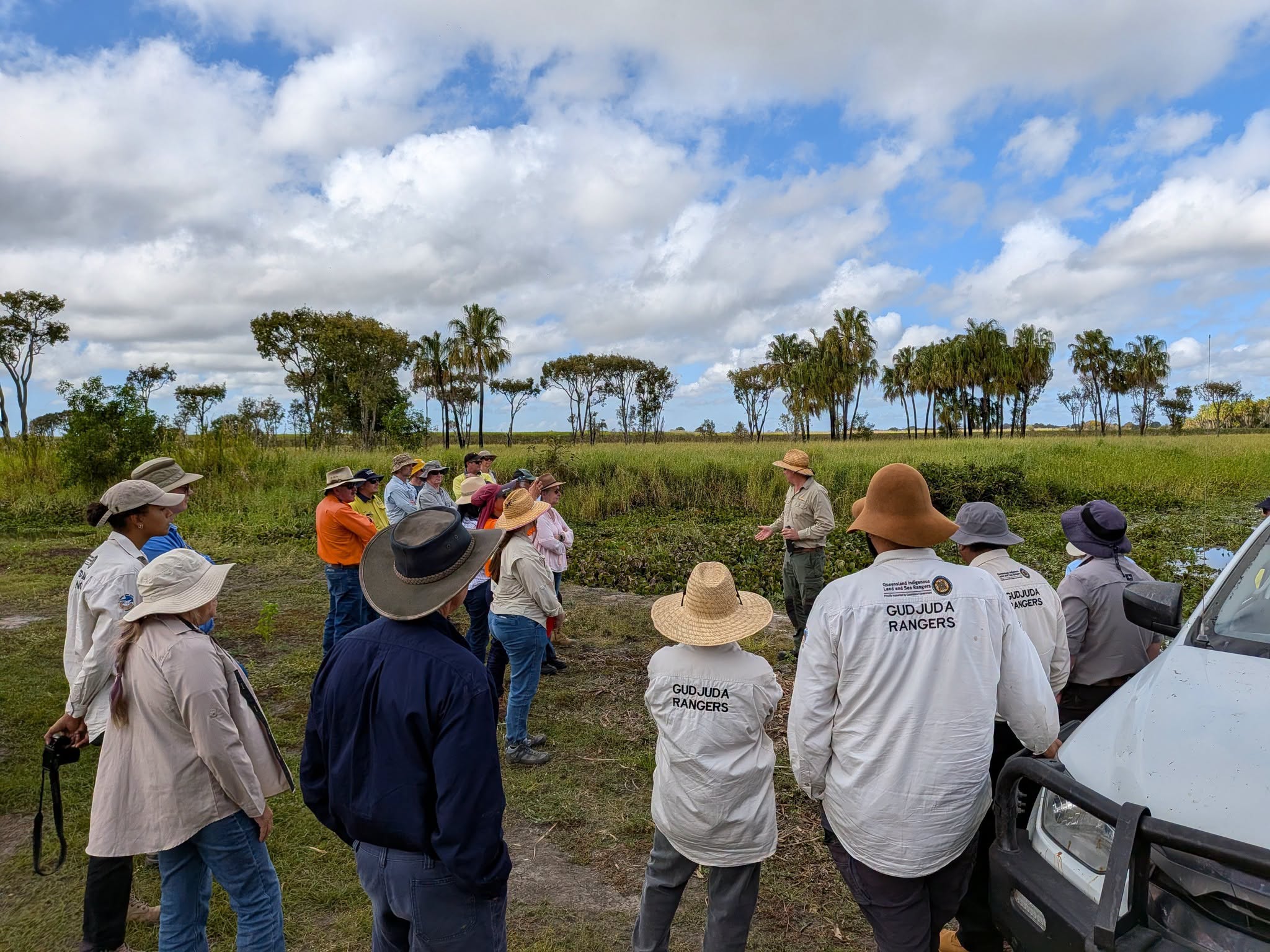
A major Burdekin Delta wetlands restoration project has entered its next phase, with scientists, land managers and Traditional Owners coming together to establish how improvements to local waterways will be measured over coming years. Photo: NQ Dry Tropics.
A major Burdekin Delta wetlands restoration project has entered its next phase, with scientists, land managers and Traditional Owners coming together to establish how improvements to local waterways will be measured over coming years.
The Working Wetlands in the Burdekin Delta (WWBD) project recently held its first Steering Committee and Monitoring Advisory Group (MAG) meetings, bringing together project partners to guide the development of a long-term monitoring program.
Led by NQ Dry Tropics, the project is targeting wetlands across Sheep Station Creek, Kalamia Creek and Plantation Creek, with restoration works already underway to improve wetland health and reduce pollutants entering the Great Barrier Reef lagoon.
The newly formed groups will help oversee the project’s direction, with the Steering Committee providing strategic guidance and the Monitoring Advisory Group providing independent scientific and technical advice.
NQ Dry Tropics said the meetings marked an important step in establishing a monitoring framework that will allow the environmental benefits of wetland restoration to be measured and modelled.
The project’s monitoring program will track changes across the restoration sites, helping determine how effectively wetlands can capture and process pollutants such as sediment, nutrients and pesticides before they reach the Reef.
The meetings also included a field visit to project sites across the Burdekin Delta, allowing participants to view restoration areas and discuss future activities.
The WWBD project is being delivered by NQ Dry Tropics in partnership with local stakeholders, including land managers and Traditional Owners, with funding through the Australian Government’s Reefwise Wetlands Program.
Publishers Indemnity. Any individual or entity that places advertising, supplies copy material, or submits editorial content to Core Life Publishing agrees and undertakes to ensure that all such material:- Does not infringe upon any copyright, trademark, or other intellectual property rights;- Is free from any content that could be considered defamatory, libelous, or slanderous;- Does not infringe upon any rights related to privacy or breach of confidence;- Contains no obscene, indecent, or otherwise unlawful material;- Complies fully with the Trade Practices Act and all other applicable laws, regulations, or statutes.Furthermore, by submitting or placing such material, these individuals or entities agree to indemnify and hold harmless the publisher, Core Publishing and Events Pty Ltd, and/or its agents from and against any and all investigations, claims, demands, liabilities, damages, costs, or judgments arising out of or in connection with the material provided. All material is believed to be accurate at the time of printing and remains the copyright of Core Publishing and Events Pty Ltd.
© 2026 Life Publishing Group Pty Ltd.






.jpg)
