
Independently Owned, Locally Grown, Community Loved

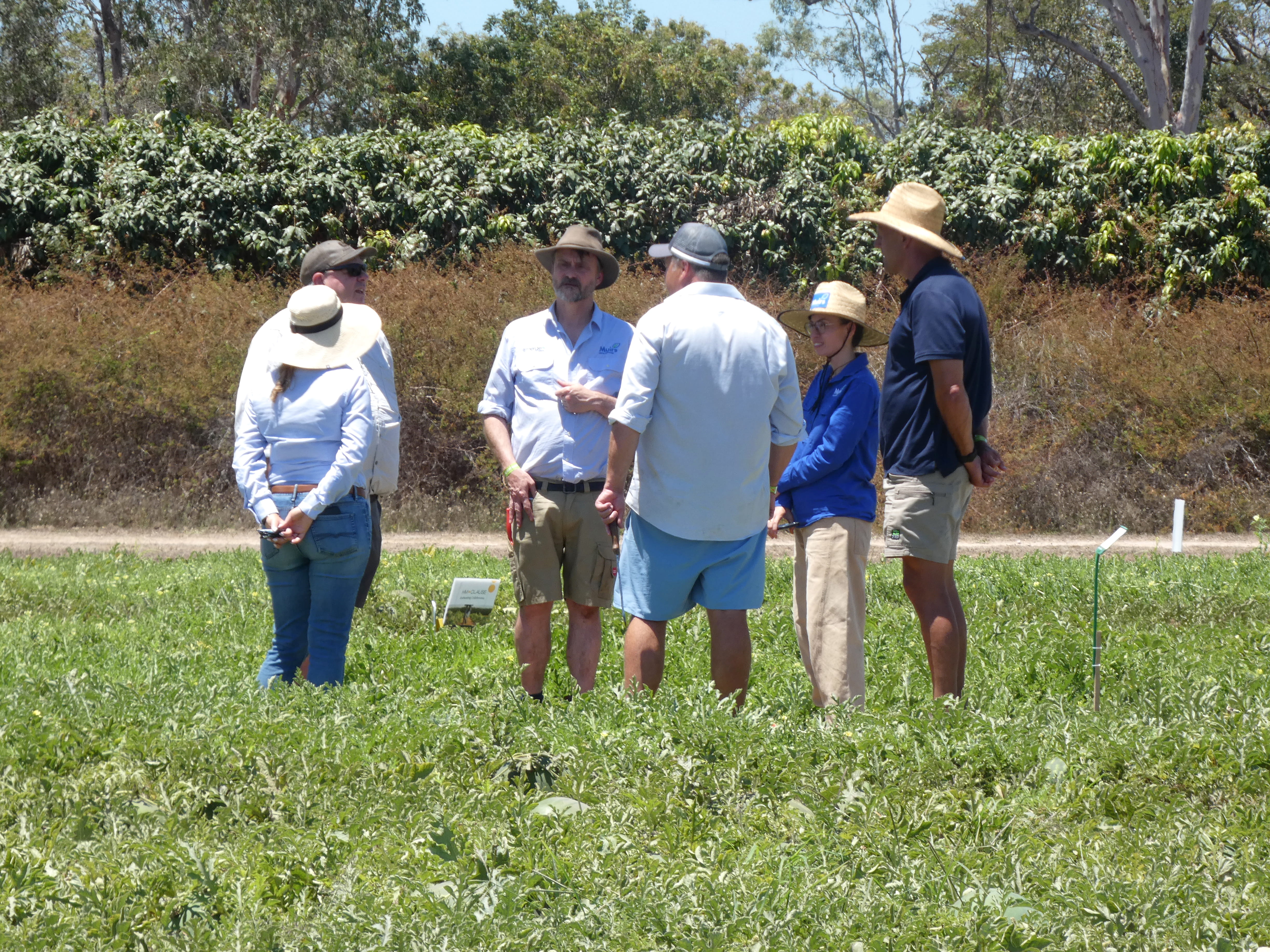
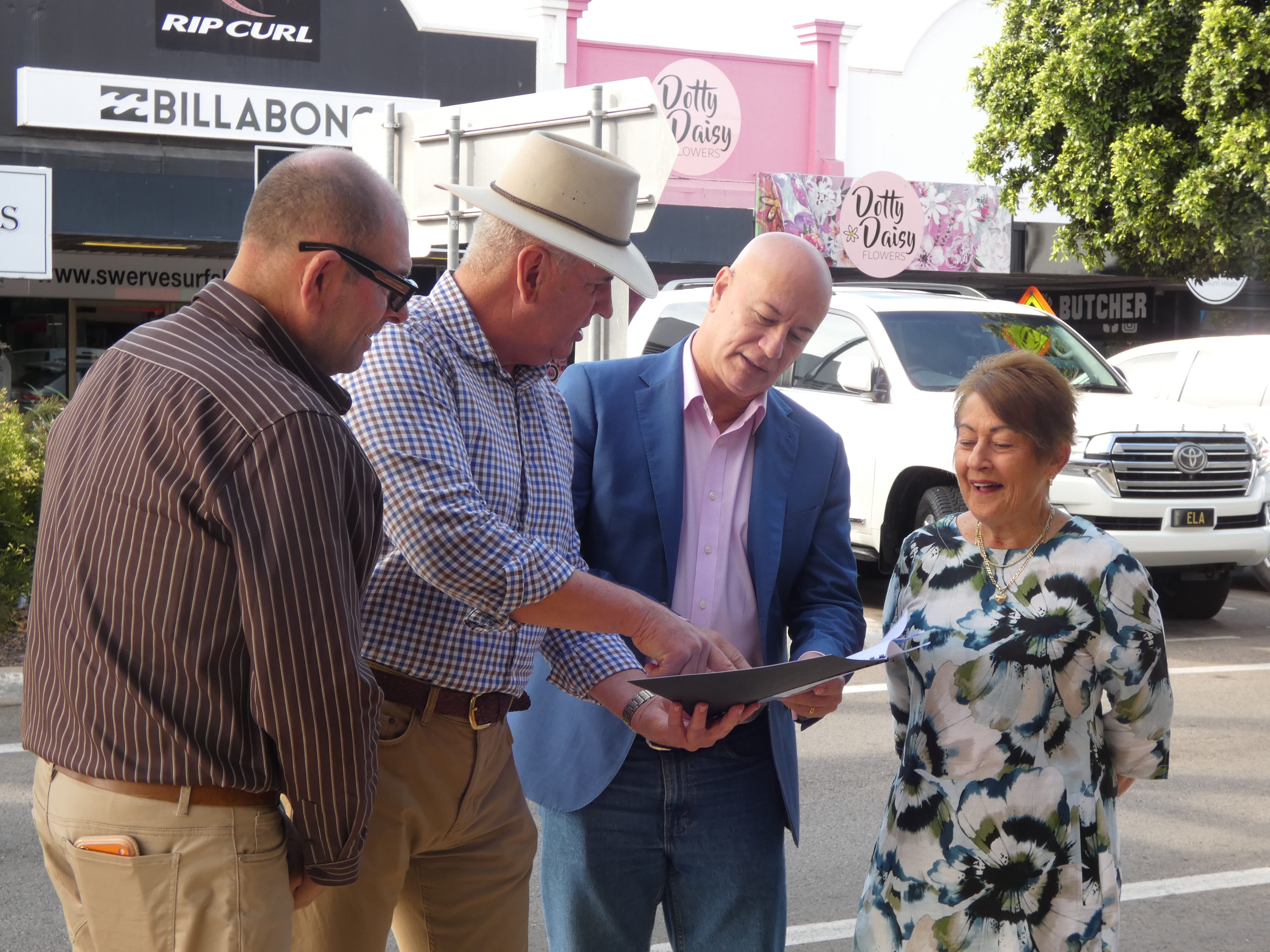
Last Wednesday’s Australian Melon Field Day in Ayr was a chance “to bring our industry back together” to discuss cost-of-labour challenges and the industry’s long-term future, say organisers. Photo credit: Jacob Casha
Last Wednesday’s Australian Melon Field Day in Ayr was a chance to bring the industry back together, discuss cost-of-labour challenges and the industry’s long-term future, organisers said.
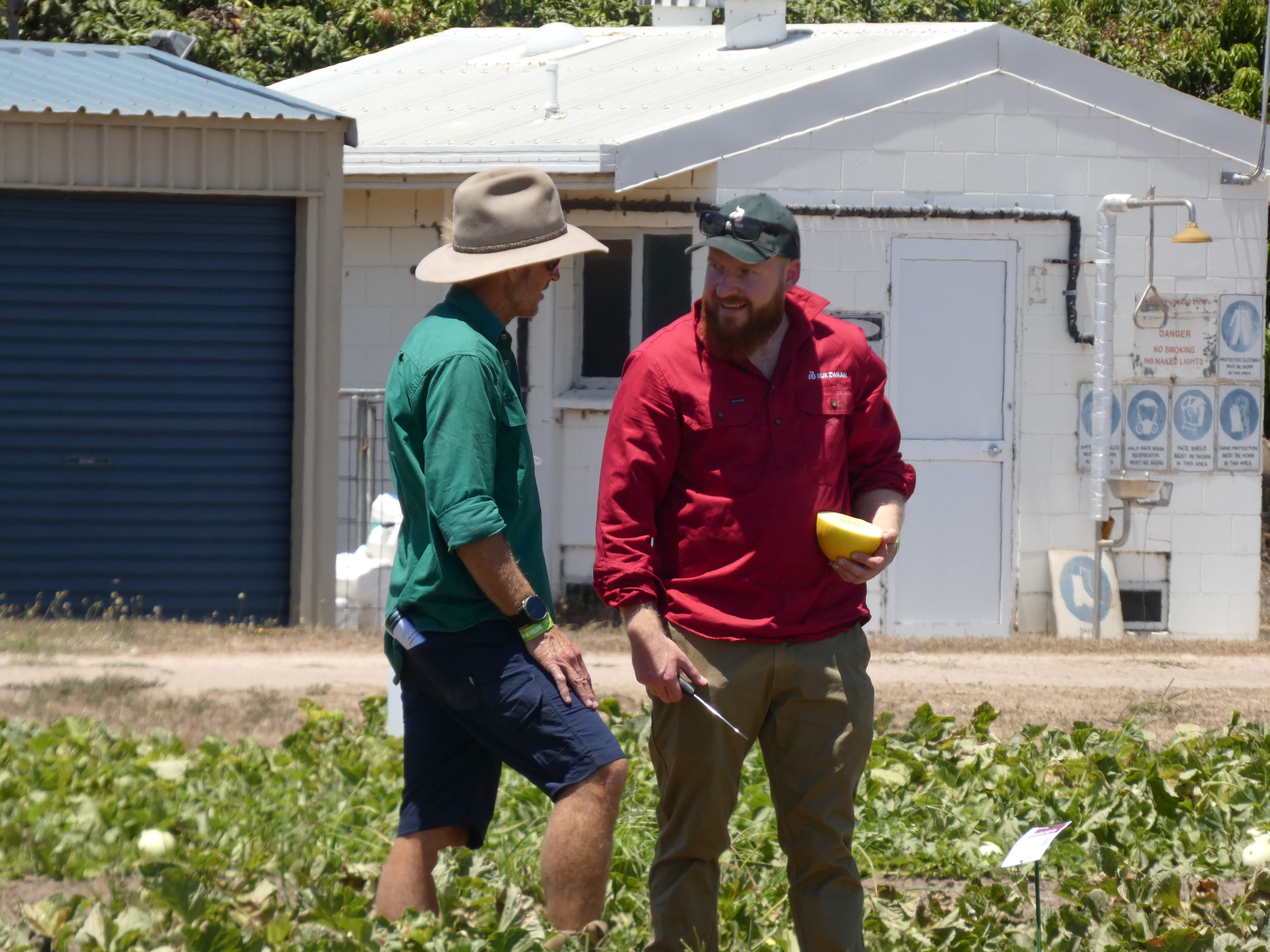
The field day, held at the DPI Research Station, attracted roughly 200 growers and students—the first event of its kind since 2018.
“The industry has been knocked from pillar to post lately; pricing, biosecurity incursions, you name it, they’ve endured it,” Melons Australia chief executive Johnathan Davey said.
“We need to work out who we are and what we want to be in the future and today was just the start.”
Mr Davey said labour costs had long been a concern for growers.
“We’ve heard over the last couple years that our growers need support in reducing workforce costs; automation, mechanisation, the whole concept of being able to support your crops and do weeding at the same time,” he said.
“40-odd dollars an hour for wages, the labour cost of doing business—it’s something that’s going to drive people out in the near future.”
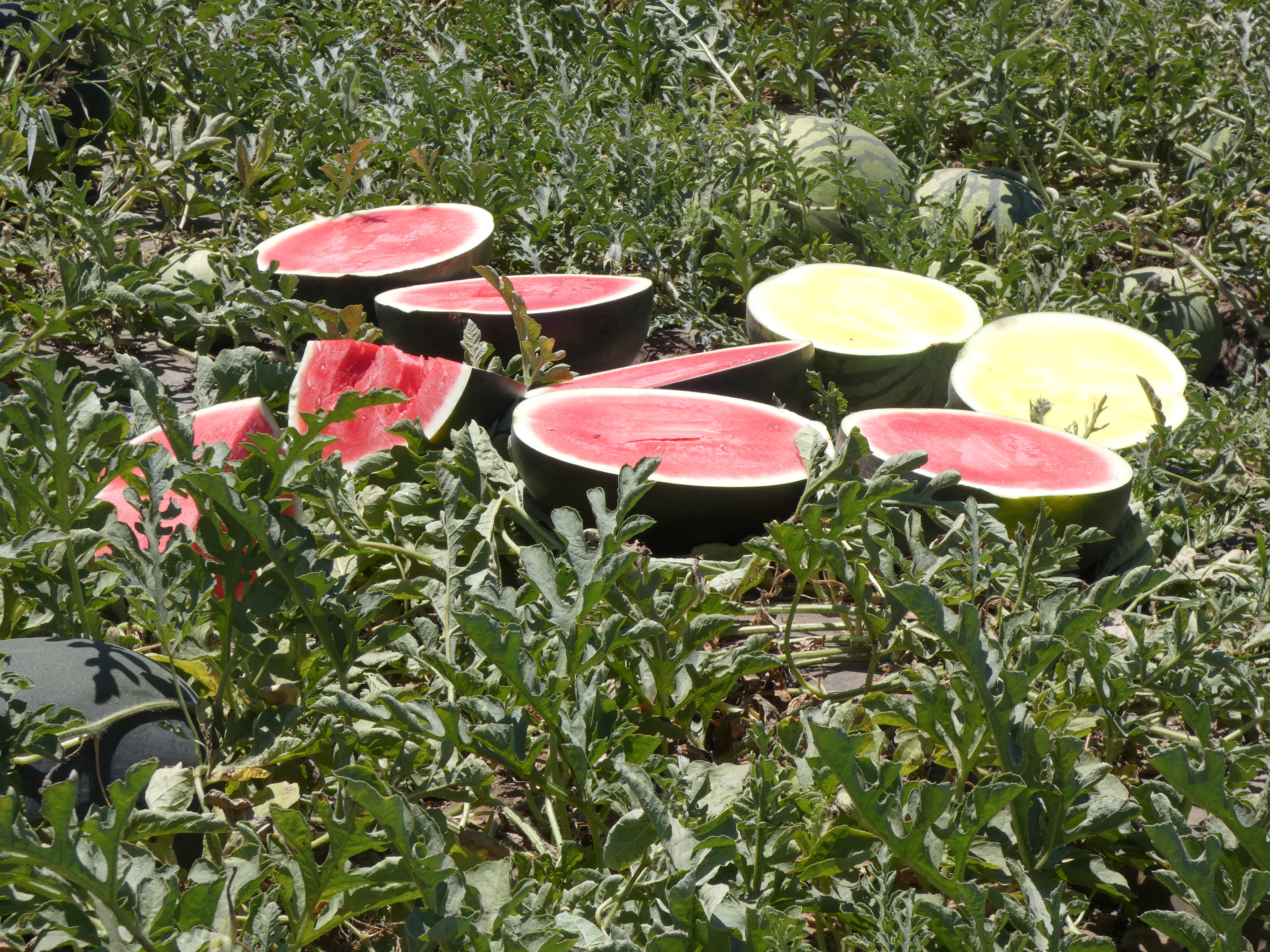
Despite the challenges facing growers, Mr Davey said emerging melon varieties and projects by Burdekin students offered reasons for optimism.
Home Hill State High School students showcased their melon-growing project, developed over two years with the Department of Primary Industries’ Protective Cropping Team.
The school's agriculture and horticulture students have used their on-site protected cropping facility to grow melons, learn about fertigation, plant development and production data, and trial varieties supplied by seed companies HM Clause and Rijk Zwaan, with support from Melons Australia.
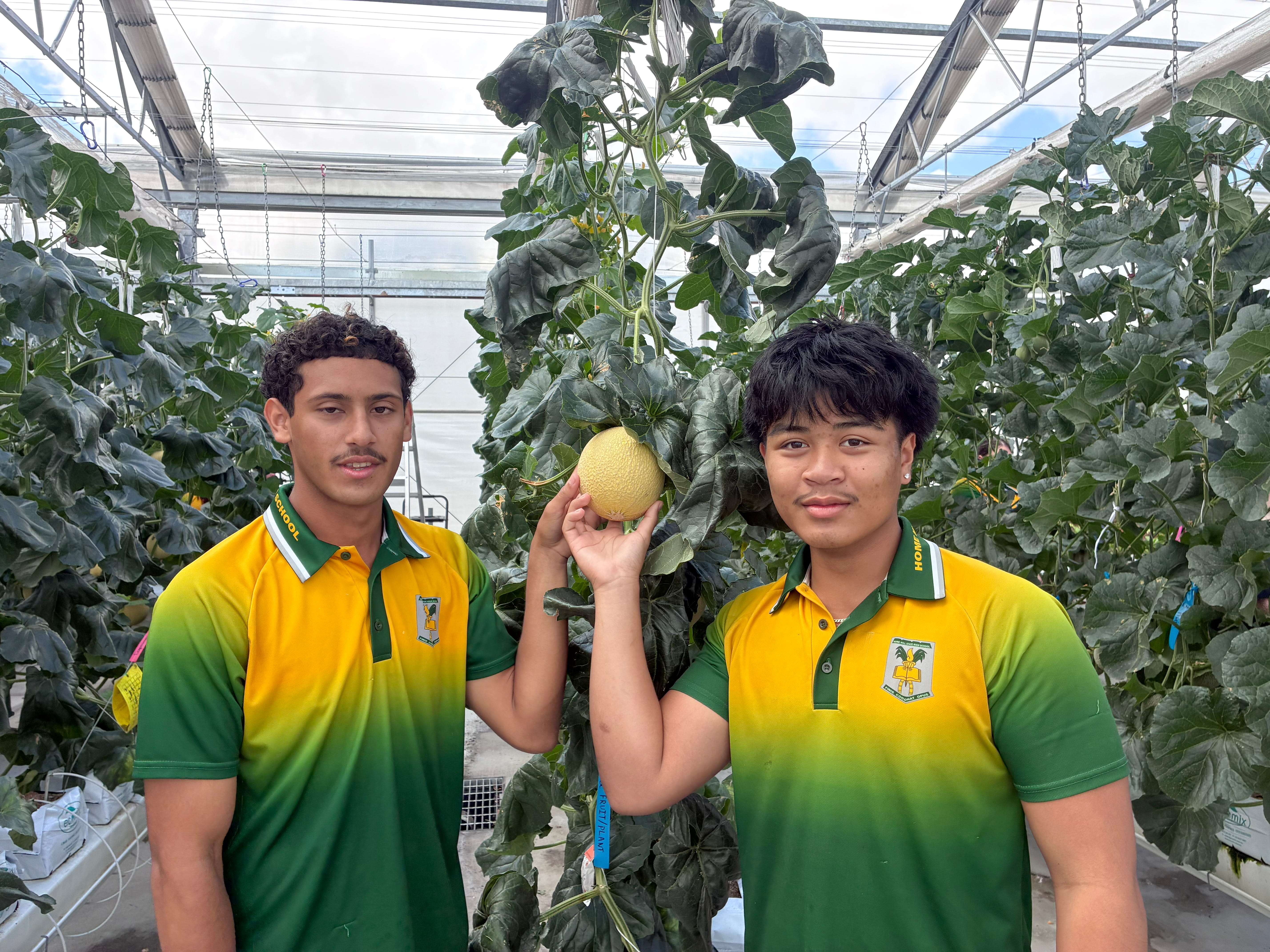
“To be able to showcase the work of the next generation was fantastic,” Mr Davey said.
“We need to be identifying and working with the next generation of farmers, of wholesalers, and people who have a passion in the industry.
“A lot of people thought it was amazing to see young faces having an interest.”
He also praised DPI Research Station staff, saying their contributions to the industry “can’t be understated.”
Publishers Indemnity. Any individual or entity that places advertising, supplies copy material, or submits editorial content to Core Life Publishing agrees and undertakes to ensure that all such material:- Does not infringe upon any copyright, trademark, or other intellectual property rights;- Is free from any content that could be considered defamatory, libelous, or slanderous;- Does not infringe upon any rights related to privacy or breach of confidence;- Contains no obscene, indecent, or otherwise unlawful material;- Complies fully with the Trade Practices Act and all other applicable laws, regulations, or statutes.Furthermore, by submitting or placing such material, these individuals or entities agree to indemnify and hold harmless the publisher, Core Publishing and Events Pty Ltd, and/or its agents from and against any and all investigations, claims, demands, liabilities, damages, costs, or judgments arising out of or in connection with the material provided. All material is believed to be accurate at the time of printing and remains the copyright of Core Publishing and Events Pty Ltd.
© 2026 Life Publishing Group Pty Ltd.






.jpg)
