Independently Owned, Locally Grown, Community Loved

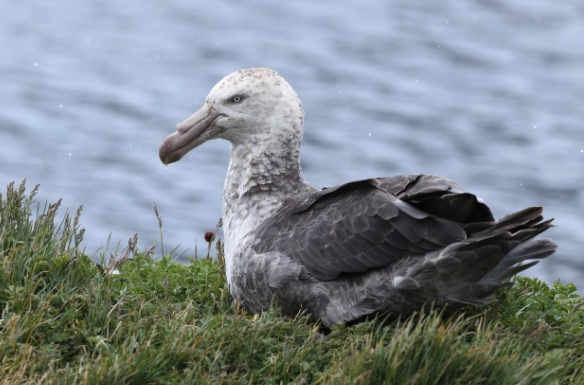
Queensland has recorded its first suspected positive case of H5 high pathogenicity avian influenza after a deceased petrel washed ashore on Moreton Island. Photo: iStock.
Queensland has recorded its first suspected positive case of H5 high pathogenicity avian influenza last Friday, after a deceased petrel washed ashore on Moreton Island.
The Department of Primary Industries confirmed initial testing at the state’s Biosecurity Sciences Laboratory returned a positive result for the H5 strain. Samples have since been dispatched to the CSIRO’s Australian Centre for Disease Preparedness in Geelong for final confirmation, with official results to be released by the Federal Government.
Authorities have stressed that the detection presents no immediate threat to commercial poultry or native wild animal populations. No further cases have been identified across the state, and there is no evidence of mass animal mortality.
Department of Primary Industries Chief Veterinary Officer Dr Allison Crook said biosecurity teams were primed for the detection following previous cases in Western Australia, South Australia, and New South Wales.
“We have known that a H5 bird flu detection in Queensland was a matter of when, not if,” Dr Crook said.
“The Queensland Government is well prepared to respond. This suspect positive result has not impacted our poultry sector or domestic wildlife. We are continuing our enhanced passive surveillance program throughout the state and would encourage the community and industry to continue to be vigilant.”
The Minister for Primary Industries reaffirmed that human health risks remain exceptionally low, noting that local food supplies are entirely unaffected.
“The risk to human health remains unchanged,” the Minister said.
“It is safe to continue to eat chicken meat or eggs, and I would encourage Queenslanders to purchase these products as they normally would. The Crisafulli Government remains focused on supporting the poultry industry during this time.”
Australia recorded its first detection of this H5 strain on 20 June in Western Australia, with subsequent cases confirmed among wild marine birds in southern and eastern states.
While commercial poultry operations remain clear, poultry keepers and landholders across regional Queensland are being asked to maintain strict biosecurity measures. Domestic flocks and their feeding areas should be kept strictly segregated from wild birds to prevent potential exposure.
Members of the public who spot sick or dead wild birds or other wildlife are advised not to handle them.
Publishers Indemnity. Any individual or entity that places advertising, supplies copy material, or submits editorial content to Core Life Publishing agrees and undertakes to ensure that all such material:- Does not infringe upon any copyright, trademark, or other intellectual property rights;- Is free from any content that could be considered defamatory, libelous, or slanderous;- Does not infringe upon any rights related to privacy or breach of confidence;- Contains no obscene, indecent, or otherwise unlawful material;- Complies fully with the Trade Practices Act and all other applicable laws, regulations, or statutes.Furthermore, by submitting or placing such material, these individuals or entities agree to indemnify and hold harmless the publisher, Core Publishing and Events Pty Ltd, and/or its agents from and against any and all investigations, claims, demands, liabilities, damages, costs, or judgments arising out of or in connection with the material provided. All material is believed to be accurate at the time of printing and remains the copyright of Core Publishing and Events Pty Ltd.
© 2026 Life Publishing Group Pty Ltd.



.jpg)