Independently Owned, Locally Grown, Community Loved

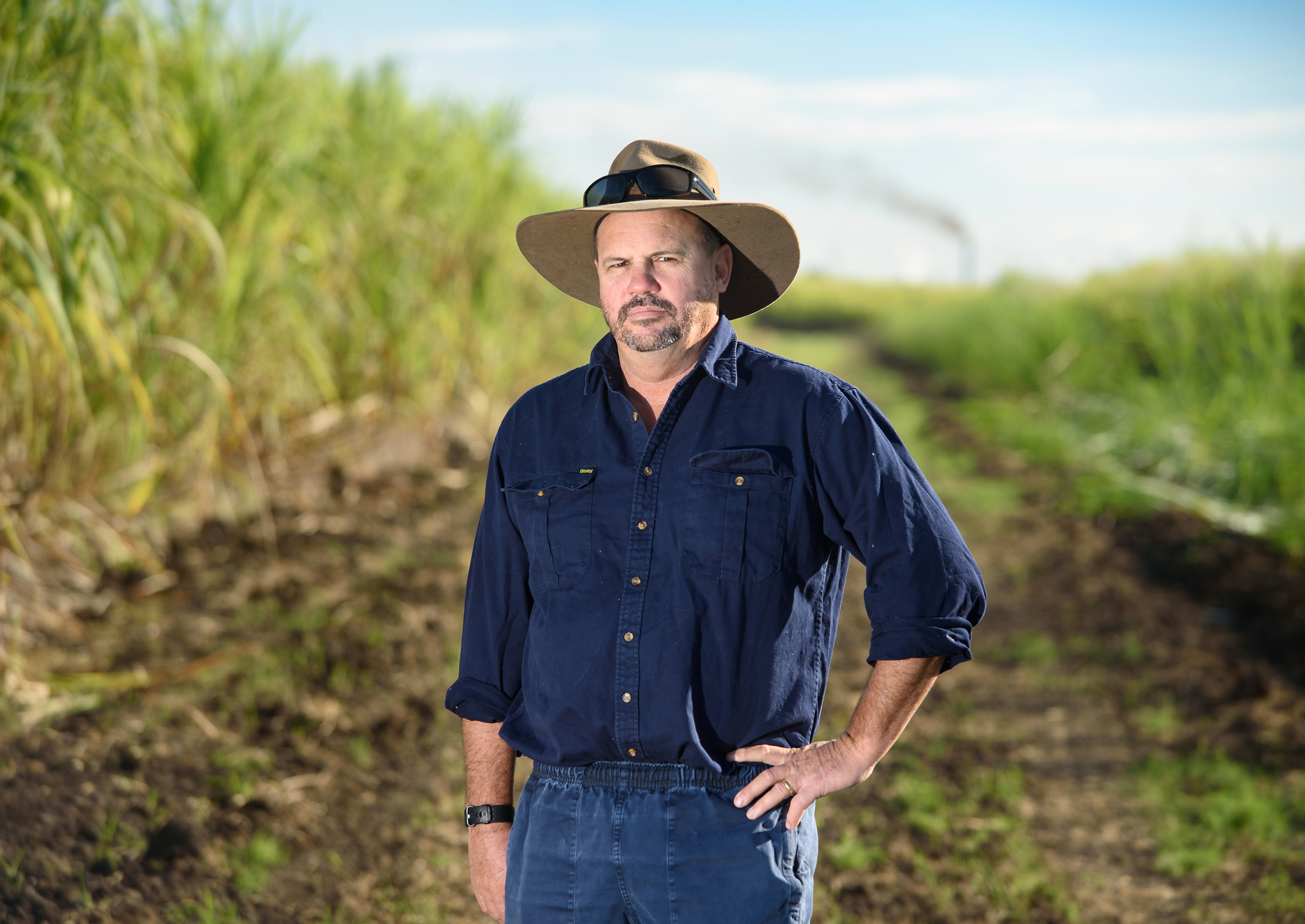
CANEGROWERS Chairman Owen Menkens said the statewide numbers meant little to growers dealing with the reality on individual farms. Photo supplied by CANEGROWERS.
Queensland’s sugarcane crush is closing in on the halfway mark, with over 13 million tonnes of an estimated 27.4-million-tonne crop through the rollers—but that headline figure hides a season of extremes.
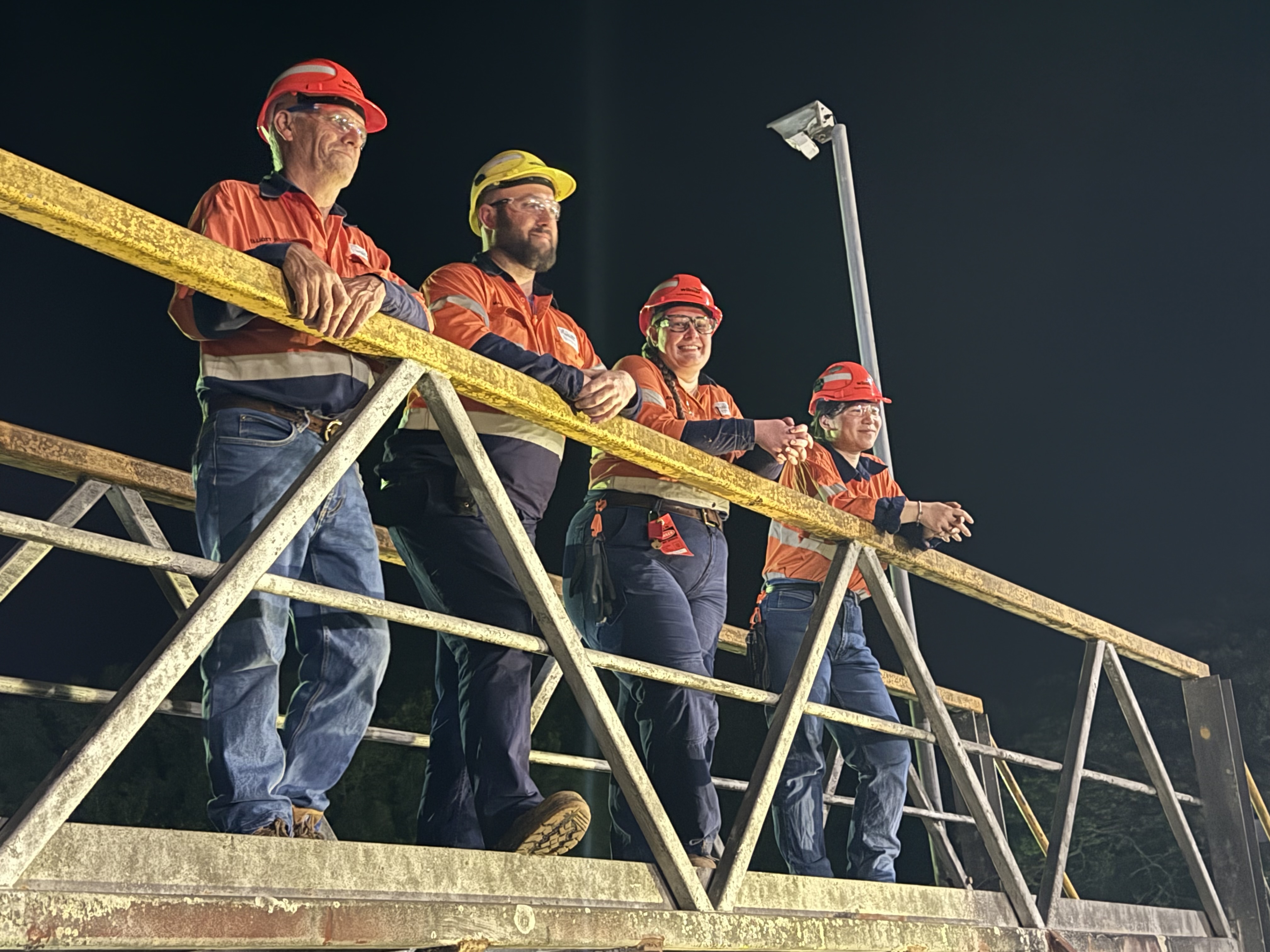
In the Burdekin, growers are already well beyond the midpoint. Elsewhere, rain and mill stoppages have cost weeks, while poor bin delivery is holding up harvesting crews – even in districts where mills are running better than they have in years.
CANEGROWERS Chairman Owen Menkens said the statewide numbers meant little to growers dealing with the reality on individual farms.
“The average doesn’t mean much when you’re the grower sitting at 20% and watching the weeks tick by,” Mr Menkens said.
“The Burdekin was more than 64% through its crop by the end of August. A week earlier, Rocky Point was still below 20% and Innisfail was at around 25%. That’s how uneven this season has been.
“In the north, rain has been the main problem. District reports show South Johnstone has lost more than 350 hours to wet weather this season and Tully more than 500. Those hours add up to weeks of lost harvesting time.”
In parts of central and southern Queensland, drier conditions have kept harvesters moving, but lower yields and reduced cane availability have pushed crop estimates down.
In Plane Creek around 200,000 tonnes have been slashed off the estimate, while the Burdekin estimate has fallen from 7.92 million tonnes to 7.2 million tonnes.
Mr Menkens said growers in some districts were also seeing better mill performance than they had experienced in recent years.
“Credit where it’s due—some mills are running better, and growers notice that,” he said.
“But in some of those same districts, harvesting crews are still being held up because empty bins aren’t getting back to them quickly enough.
“Once a crew runs out of bins, everything stops. It doesn’t matter how well the mill is running if there’s nowhere to put the cane.”
CCS has been a bright spot across much of the industry, but Mr Menkens said it could only do so much.
“Good CCS helps, but it can’t replace tonnes that aren’t there,” he said.
“Crushing will continue through November across much of the industry and into December in some districts.
“From here, every available crushing hour matters. Growers need the mills running and the bins getting back to the paddock while the weather allows it.”
Contributed by CANEGROWERS
Publishers Indemnity. Any individual or entity that places advertising, supplies copy material, or submits editorial content to Core Life Publishing agrees and undertakes to ensure that all such material:- Does not infringe upon any copyright, trademark, or other intellectual property rights;- Is free from any content that could be considered defamatory, libelous, or slanderous;- Does not infringe upon any rights related to privacy or breach of confidence;- Contains no obscene, indecent, or otherwise unlawful material;- Complies fully with the Trade Practices Act and all other applicable laws, regulations, or statutes.Furthermore, by submitting or placing such material, these individuals or entities agree to indemnify and hold harmless the publisher, Core Publishing and Events Pty Ltd, and/or its agents from and against any and all investigations, claims, demands, liabilities, damages, costs, or judgments arising out of or in connection with the material provided. All material is believed to be accurate at the time of printing and remains the copyright of Core Publishing and Events Pty Ltd.
© 2026 Life Publishing Group Pty Ltd.






.jpg)