
Independently Owned, Locally Grown, Community Loved

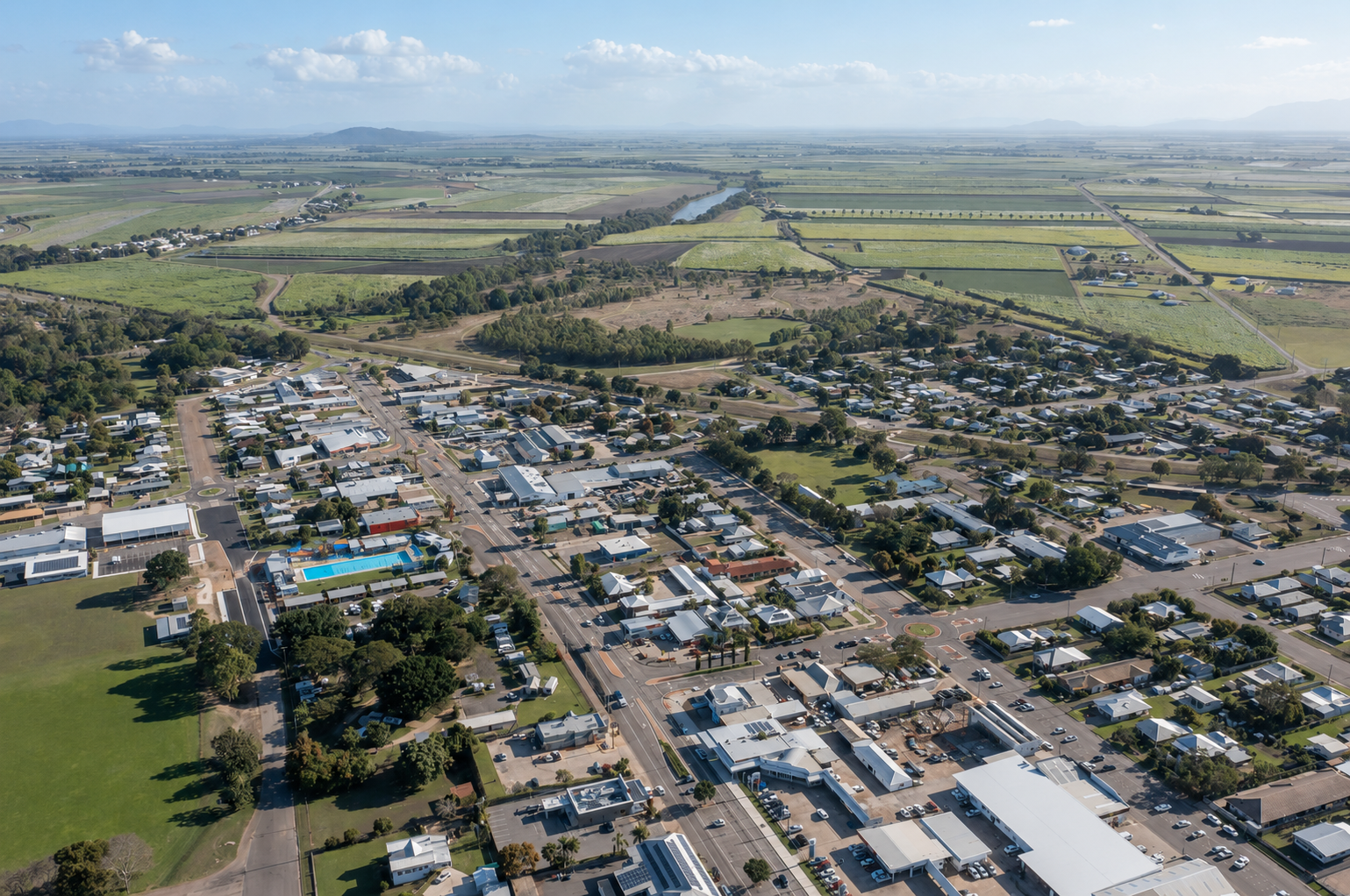
The Burdekin could be among the regional communities to benefit from a Coalition pledge aimed at unlocking thousands of new homes across rural Australia. Photo: alamy.
The Burdekin could be among the regional communities to benefit from a Coalition pledge aimed at unlocking thousands of new homes across rural Australia.
The Coalition has committed $1.5 billion of its proposed $5 billion Housing Infrastructure Fund specifically to regional, rural and remote Australia.
The fund would pay for foundational infrastructure like roads, water and sewerage needed to support development, with the Coalition saying its broader $5 billion commitment could unlock up to 400,000 homes nationally.
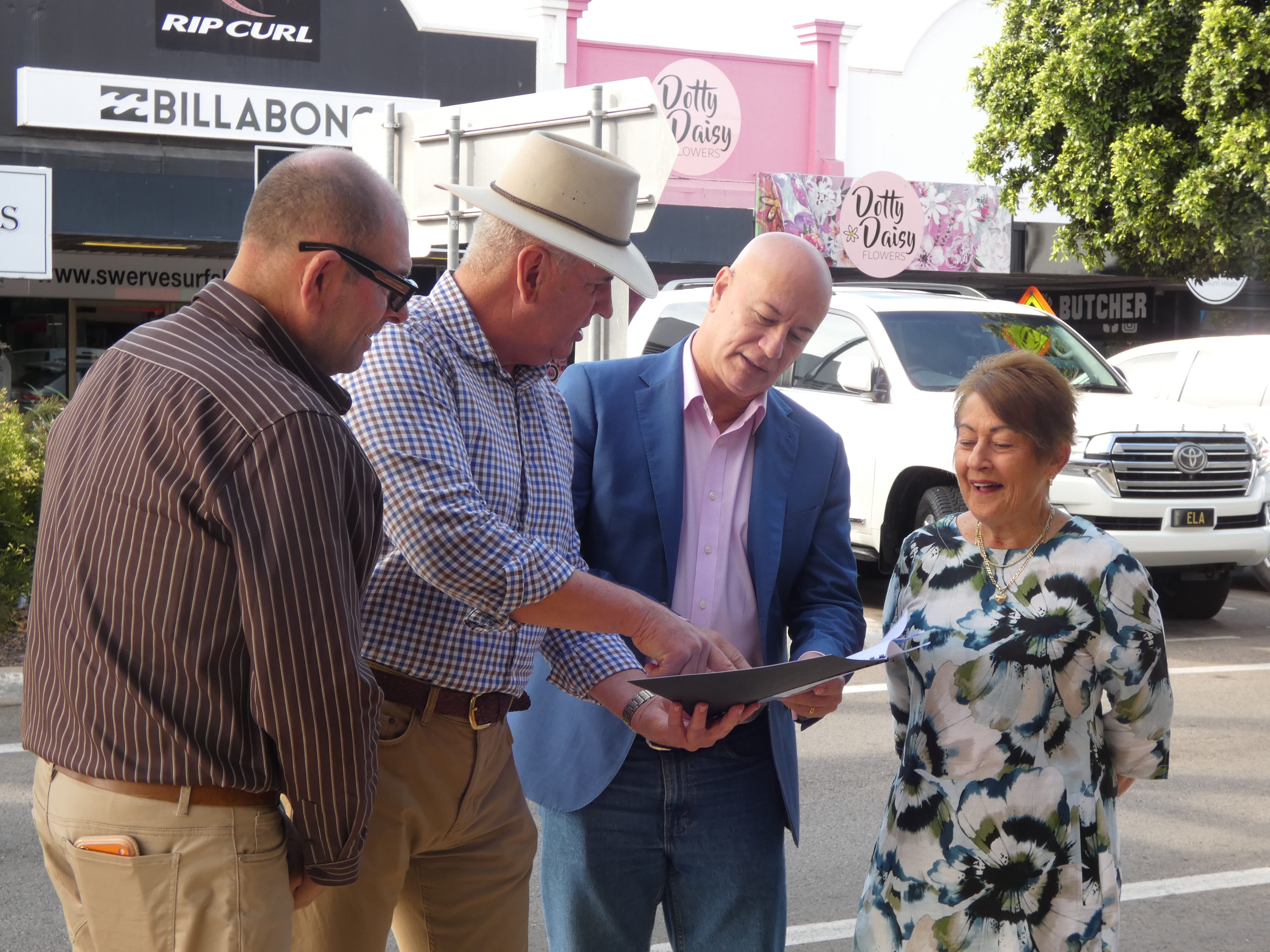
Federal Member for Dawson Andrew Willcox said regional communities needed greater support to accommodate growth.
“The regions are doing the heavy lifting for the Australian economy. We should not be told to grow, and then left to work out how to pay for that growth ourselves,” Mr Willcox said.
“We need houses, but we also need the roads, water, sewerage and other infrastructure that makes those houses possible.”
The pledge comes as the Burdekin continues to grapple with a shortage of housing and development-ready land.
Burdekin Shire Council has already identified infrastructure as a major barrier to housing growth, lodging a $53 million application through the Queensland Government's Residential Activation Fund to unlock about 1,000 residential lots in Ayr.
The proposed project would deliver trunk infrastructure to growth areas around Craig Street, Chippendale Street and Beach Road, including roads, water and sewerage.
Council is currently awaiting the outcome of its Round 2 RAF application, having previously secured more than $500,000 through the fund's first round for planning, hydraulic modelling and detailed infrastructure design.
While the Coalition has not yet outlined how its regional allocation would be distributed, Mr Willcox said investment in housing infrastructure would ultimately determine whether regional communities could continue to grow.
“If a nurse, teacher, tradesperson or young family cannot find an affordable place to live in Dawson, eventually they will look somewhere else,” he said.
“Businesses cannot expand if they cannot attract workers. Industries cannot grow if workers have nowhere to live.”
Publishers Indemnity. Any individual or entity that places advertising, supplies copy material, or submits editorial content to Core Life Publishing agrees and undertakes to ensure that all such material:- Does not infringe upon any copyright, trademark, or other intellectual property rights;- Is free from any content that could be considered defamatory, libelous, or slanderous;- Does not infringe upon any rights related to privacy or breach of confidence;- Contains no obscene, indecent, or otherwise unlawful material;- Complies fully with the Trade Practices Act and all other applicable laws, regulations, or statutes.Furthermore, by submitting or placing such material, these individuals or entities agree to indemnify and hold harmless the publisher, Core Publishing and Events Pty Ltd, and/or its agents from and against any and all investigations, claims, demands, liabilities, damages, costs, or judgments arising out of or in connection with the material provided. All material is believed to be accurate at the time of printing and remains the copyright of Core Publishing and Events Pty Ltd.
© 2026 Life Publishing Group Pty Ltd.







.jpg)
