Independently Owned, Locally Grown, Community Loved


Burdekin Shire Council CEO Matthew Magin has warned a proposed overhaul of federal disaster funding arrangements could come at an "enormous cost to ratepayers" if passed in its current form.
The new Disaster Recovery Funding Arrangements (DRFA), announced by the Albanese Government last week, would split disaster recovery costs 50/50 between the Australian Government and state and territory governments.
Under previous arrangements, Commonwealth funding typically covered about 64 per cent of disaster recovery funding.
Burdekin Shire Council Mayor Pierina Dalle Cort said the change could increase pressure on already stretched council budgets, with concerns some costs may ultimately flow through to ratepayers.
“While we acknowledge the intent to streamline funding and improve response times, there is a real concern that local governments will be left to carry more of the financial burden, which could impact how quickly and effectively we can rebuild after future events,” she said.
“It’s essential that funding arrangements recognise the scale and frequency of events we face, so we can continue to rebuild stronger and support our communities when they need it most.”
North Queensland leaders have slammed the proposal, with Federal Member for Dawson Andrew Willcox calling it a “direct hit to the heart of North Queensland.”
"Canberra is treating natural disasters like a corporate budgeting exercise; however, out here, it is a matter of community survival,” Mr Willcox said.
He said the new arrangement could leave communities “dangerously exposed.”
“Small regional councils do not possess the independent asset base to fund multi-million-dollar rebuilds alone,” Mr Willcox said.
"To penalise the very regions that drive the nation’s agricultural wealth and mining export revenues is a profound betrayal.”
Minister for Emergency Management, Kristy McBain said the proposed arrangements will streamline funding channels to communities in recovery.
"Our reforms will create certainty about the support available to communities and ensure it flows as quickly as possible,” she said.
“I look forward to working constructively with jurisdictions to deliver a system that is simpler and fairer for all Australians.”
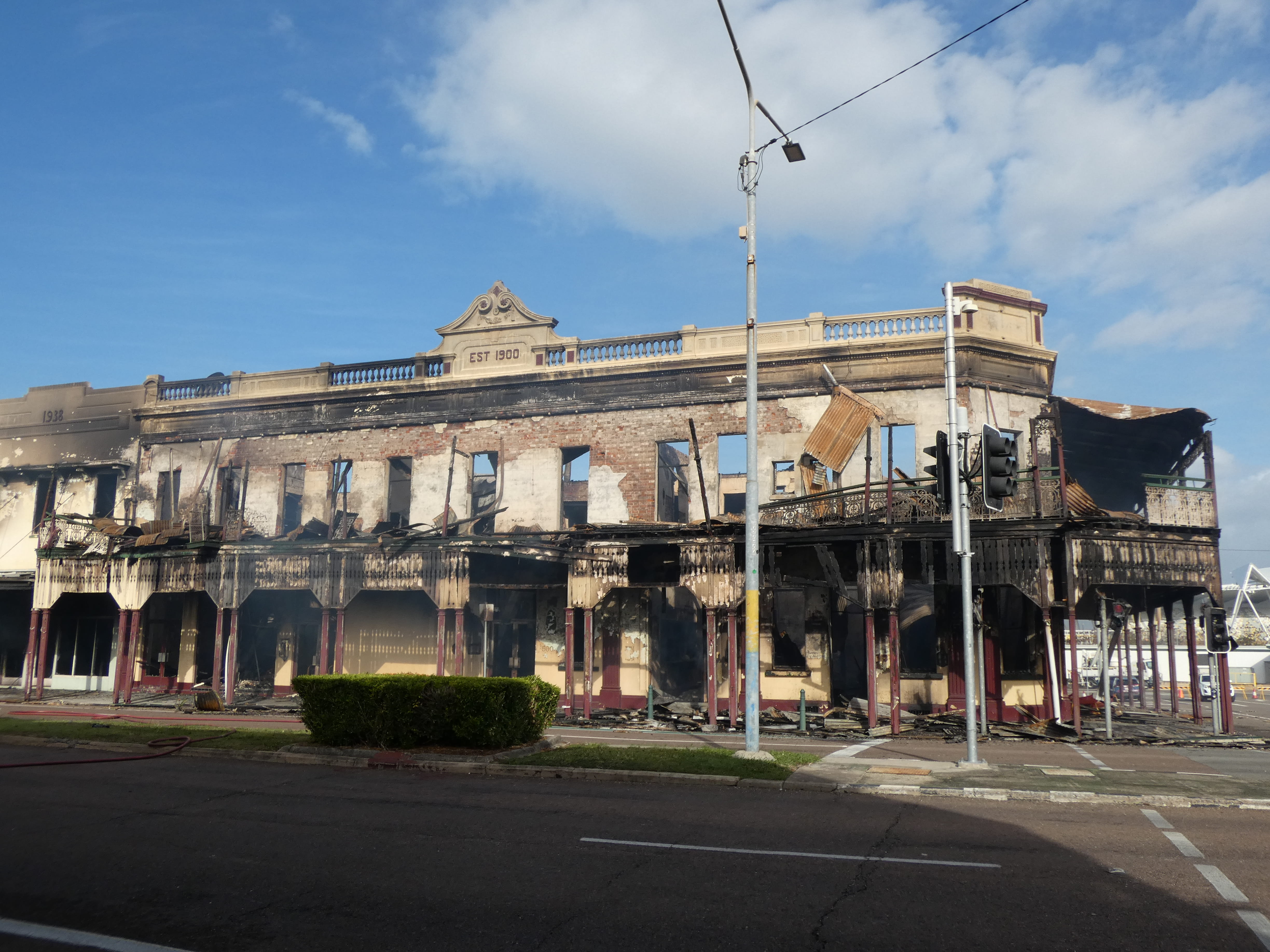
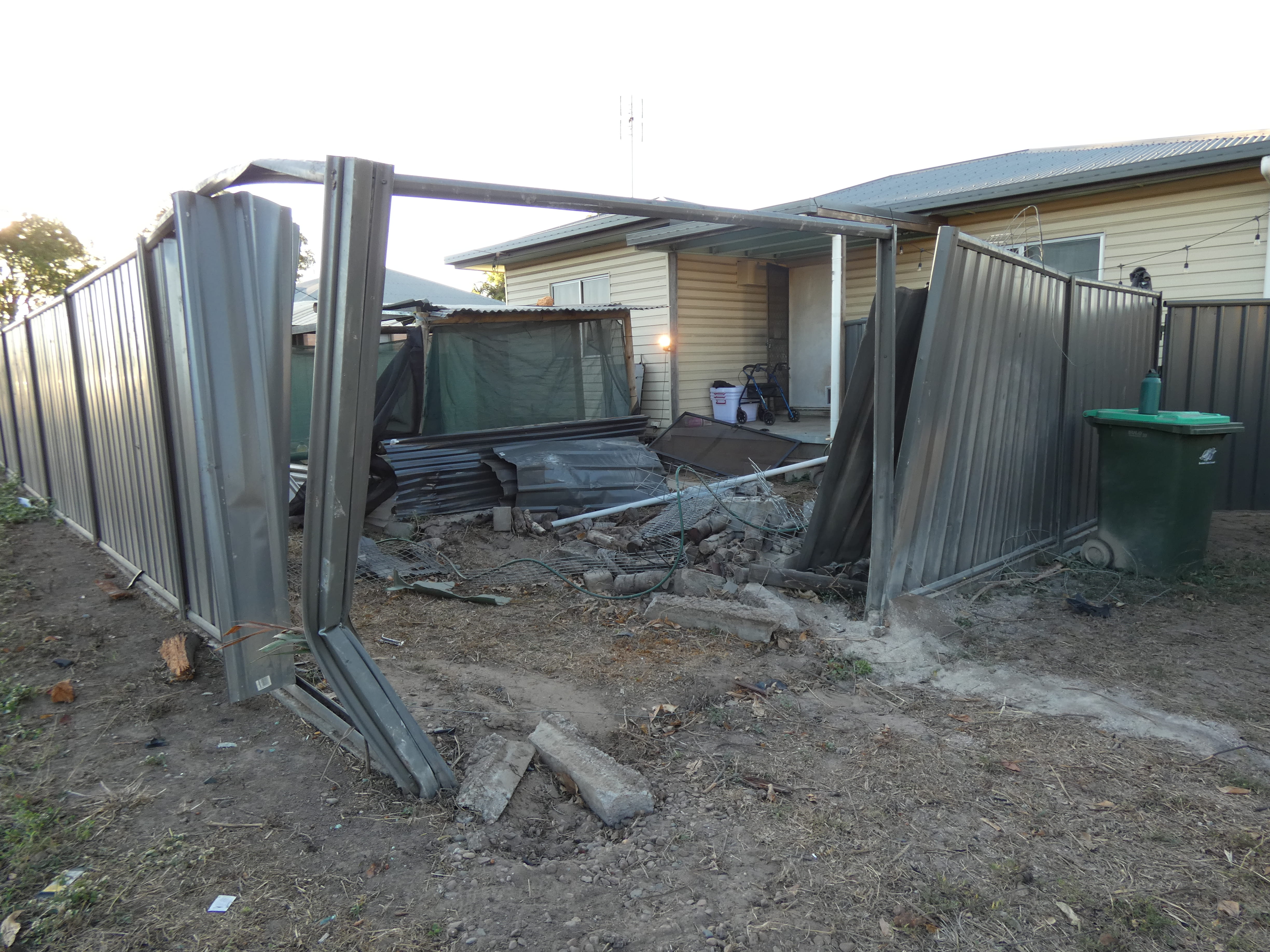
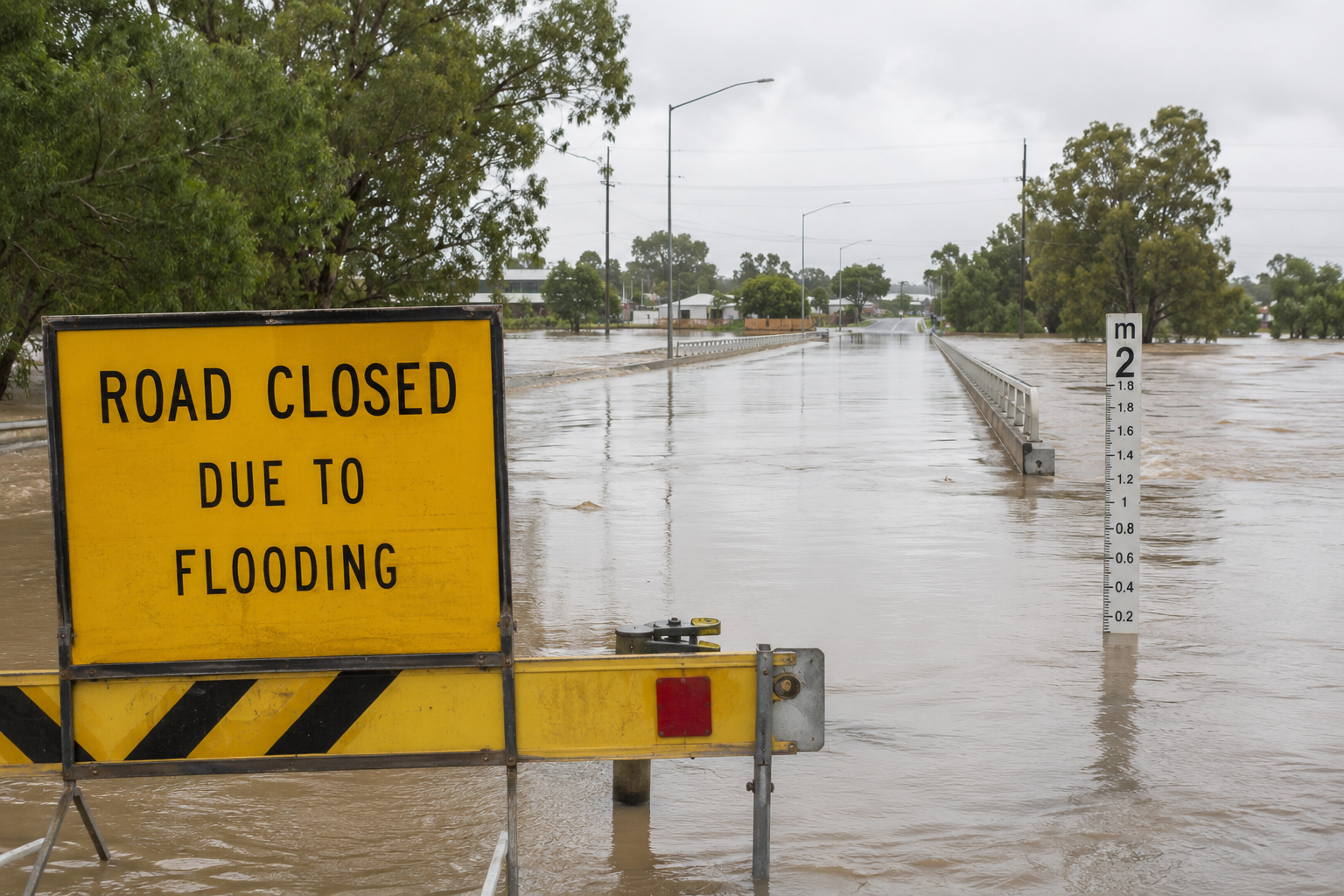
The Burdekin has experienced several major floods dating back to 1911, and as recently as 2025, with floodwaters periodically cutting major roads, isolating communities and disrupting key transport infrastructure across the region.
Mayor Dalle Cort said past funding arrangements had been critical in restoring key Burdekin infrastructure like roads, bridges, and other transport links after major weather events.
She confirmed a letter had been sent on Thursday to Prime Minister Anthony Albanese and Minister McBain, urging the Government not to proceed with its proposal.
Publishers Indemnity. Any individual or entity that places advertising, supplies copy material, or submits editorial content to Core Life Publishing agrees and undertakes to ensure that all such material:- Does not infringe upon any copyright, trademark, or other intellectual property rights;- Is free from any content that could be considered defamatory, libelous, or slanderous;- Does not infringe upon any rights related to privacy or breach of confidence;- Contains no obscene, indecent, or otherwise unlawful material;- Complies fully with the Trade Practices Act and all other applicable laws, regulations, or statutes.Furthermore, by submitting or placing such material, these individuals or entities agree to indemnify and hold harmless the publisher, Core Publishing and Events Pty Ltd, and/or its agents from and against any and all investigations, claims, demands, liabilities, damages, costs, or judgments arising out of or in connection with the material provided. All material is believed to be accurate at the time of printing and remains the copyright of Core Publishing and Events Pty Ltd.
© 2026 Life Publishing Group Pty Ltd.