
Independently Owned, Locally Grown, Community Loved
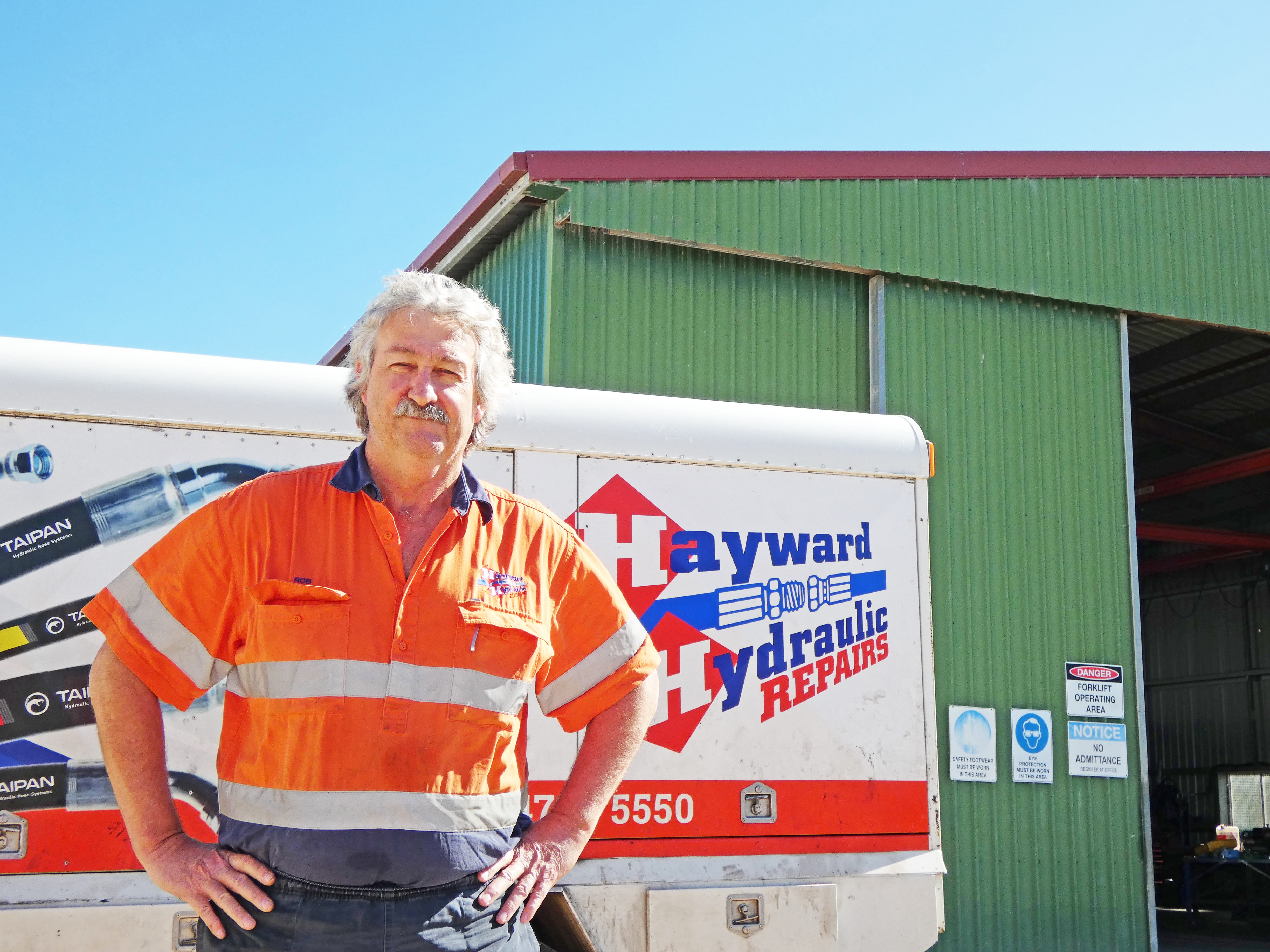
Not every business starts with a blueprint. For some, it begins as a calling… in more ways than one. Burdekin local Robert Hayward had been in the hydraulics industry since he was 18. A diligent worker who loved his job, he quickly built a reputation locally as one of the best in the business. But despite a mutual affinity with the industry that had formed over years, he stepped away in the early 1990s to help his father-in-law maintain a cane property in Clare. Until he received a call. Then another… and another. Rob quickly realised that, despite his brief hiatus, his reputation in hydraulics had not faded. With that, he was pulled back into the game, this time with nothing but a $2,000 ute, a toolbox, and work up to his neck. And the only way to keep himself from drowning in it was, ironically, to go in deeper. “As the Burdekin is, if you do a very good job, word travels quickly between the community. One farmer talked to another, he talked to another, he talked to another… “Until I sat down with my wife one day and said, ‘I think we can make a business out of this.’” His ute would eventually make way for a permanent space—a small sub-shed at Larry Hudson Engineering in the Ayr Industrial Estate that would serve as his headquarters for the following four years. He tackled the first year solo, before demand forced him to put an apprentice on in the second year, and a qualified tradesman in the third. By the end of the fourth, Rob’s work had outgrown its humble base, moving down the road into a new purpose-built shed that would become the home of Hayward Hydraulics. That shed would officially open in 1996, spurring a 30-year legacy sustained by three defining pillars. Growing with the industry “I had no idea how to use computers,” Rob said with a smirk. Admittedly, he hadn’t realised he signed himself up for a three-decade, three-fold evolution between an entire industry, his own business, and himself. What he did know was that he was ready to learn, and eager to grow. It started with the basics. For Rob, that meant wrapping his head around modern computers, attending TAFE courses on emerging welding techniques, and becoming a leader. “I went from being a very good tradesman to having to be an employer,” he said. “You have to be a people's person, you have to treat people the right way, treat your workers the right way. That part I never even thought of until we started getting into it.” Rob treated this evolution as a marathon rather than a sprint, dedicating the business's first decade cementing its reputation as a local leader. After striking up deals with major companies, including Queensland Rail and Wilmar Sugar in the mid-2000s, he decided to take the leap into the mining industry in the early 2010s as a safety net for the unpredictable sugar industry. With that growth, Hayward Hydraulics’ shed would undergo its third structural expansion to accommodate its continuously increasing popularity and modernised technology. He built a habit of gleaning ideas from various online hydraulic magazines, and then building on them to not only keep up with the industry, but to will it into the future himself. “I eventually built a reputation for thinking outside of the square. If somebody's been doing something for 20 years, I'll look at a better way of doing it,” he said. Albeit, he admits he and the business are still evolving today. “I've seen harvesters and planters go from chain and sprocket to hydraulic motors, to hydraulic motors being linked to satellite GPS,” he said. “The industry has changed in leaps and bounds, and you have to keep finding ways to move with it.” Doing it the right way Hayward Hydraulics’ evolution was founded on something Rob didn’t need to be taught. Care. And he makes sure his staff do, too. “I didn't come from a real wealthy family, so we were brought up to work; you work, you do the job right, you get paid,” he said. “So if I'm not happy with something, I'll ask my workers: ‘would you pay for that?’” When the mining industry began to boom in Queensland, Rob admits he had a difficult time retaining workers. To compete, he was forced into paying top-dollar for what he called “good quality workers,” causing financial tension. When asked if compromising staff quality for cost was ever an option, with the conviction of a true-blue purist, he said: “No.” “I've always maintained that a business is only as good as your employees. You can be the best boss in the world, but if you've got workers that people don't like, they don't come through the door,” he said. “My current staff are up there with the best that I've had. I just try to make sure they’re happy to come to work every day.” With quality and care as its engine, Hayward Hydraulics became known not just for technical know-how, but for doing things the right way. As its stature in the industry continued to grow, so did the scope of its customer base. Calls started coming in from as far north as Tully, all the way to Mackay and Western Queensland, all saying the same thing: “We heard you were the guy to talk to about this problem.” Family and community at its heart For the last 10 years especially, the business has made a point of supporting local organisations and sports clubs, most notably the Burdekin Roosters Rugby League Club. Rob described it as a duty to a community that has given so much to him and the company. “The community has been so important to it all. I’ve got some customers that have been with me from day one, and with some, I’m onto the third generation of the same family,” he said. “The’ve given a lot to me. They've helped me grow and supported me, so it's about time I supported them back.” Beneath it all, though, he points to his family as the driving force. “I remember those early days when we were setting up the new workshop, building benches and all that, my two brothers-in-law and my father came out and gave me a hand,” he said. “But my biggest support is my wife. Especially in the early days when I wasn't home, and she solely looked after the kids and everything. “It got to the stage where I was working seven days a week, 12 hour days, and my wife would bring the kids on a Saturday and Sunday, and we'd sit on the shop floor and have lunch. “She's been with me through the lows and the highs, and that I thank her for.” Now, thirty years later, it’s his family pulling him out of the industry. Driven by the desire to make up for lost time with his wife and kids, Rob has loosened his grip on business operations, working four days a week with plans to eventually let his brainchild find its own footing. As for right now, he’s not yet ready to call time on a chapter that was, perhaps, never meant to last this many pages. “I still love what I do,” he said. “The early days come with sacrifices, but when I look back now, it was all worth it. “I remember when it all first started, looking on the ATO website and coming across that statistic that most businesses fail within five years. “When I read it, I said to myself, 'well, I'm gonna make sure I’m not that statistic.’” And that, he did. CAPTION: Rob and his current team. Back L-R: Chase Pearce, Stephan Du Plessis Front L-R: Kade Pearce, Renee Viero, Robert Hayward, Tina Dennis, Bryan Parison Absent: Sam Tomasetig Photo credit: Jacob Casha
Read the full story
The Burdekin has rallied behind a local family after a sudden medical diagnosis turned their life upside-down. Ryan and Holly Davenport dropped everything when their two-year-old son, Rowen, was diagnosed with a brain tumour last month, temporarily relocating to Brisbane for his ongoing treatment. In response, a GoFundMe fundraiser has since raised over $55,000 in support of the family. Created in late May by Shannon Malone, a close friend of the Davenports, the fundraiser has been shared all over Facebook and Instagram by local organisations, garnering comments of support on top of 271 individual donations. “Words can’t describe how much it means to us to have everyone’s support behind Rowen as he begins his journey,” Ryan said. “They have given us precious time to spend with Rowen without the everyday worries.” The money will help fund hospital stays, travel, time away from work, and ongoing treatment expenses as the Home Hill family navigates a medical journey that began in April. Already on edge after daughter, Ally, underwent brain surgery to have a cavernoma removed just before Easter, Ryan and Holly acted promptly when they noticed a twitch in Rowen’s eye. Following weeks of consultations with Townsville doctors and specialists—which included MRI scans and a Royal Flying Doctors flight—Rowen was eventually diagnosed with pilocytic astrocytoma, a slow-growing brain tumour. He has since been transferred to Queensland Children’s Hospital in Brisbane for chemotherapy, with the couple leaving their two young daughters with their grandparents in the Burdekin to be by his side. In their absence, locals have offered meals, helped on the family’s sugar cane farm, assisted around their home and helped look after their daughters, along with the generous donations. Ryan said the funds raised would not just help relieve the financial burden of Rowen’s treatment, but allow the flexibility to fly their daughters down and spend some time as a family. “(The toughest part has been) the unknown, not having our family together … and watching Rowen go through these traumatic times and … not being able to do anything,” Ryan said. “It has been a very emotional journey so far, and it is hard to believe we are only at the start.” Anyone wanting to support the Davenports is urged to donate using the following link: https://www.gofundme.com/f/supporting-the-davos-and-little-rowen?attribution_id=sl:75c20475-06e5-4752-8e11-d1b7a07c7728&lang=en_AU&ts=1779705595&utm_campaign=fp_sharesheet&utm_content=amp20_t1&utm_medium=customer&utm_source=copy_link CAPTION: Funding will allow the family to fly their daughters down and spend more time together during Rowen’s treatment. Photo supplied
Read the full story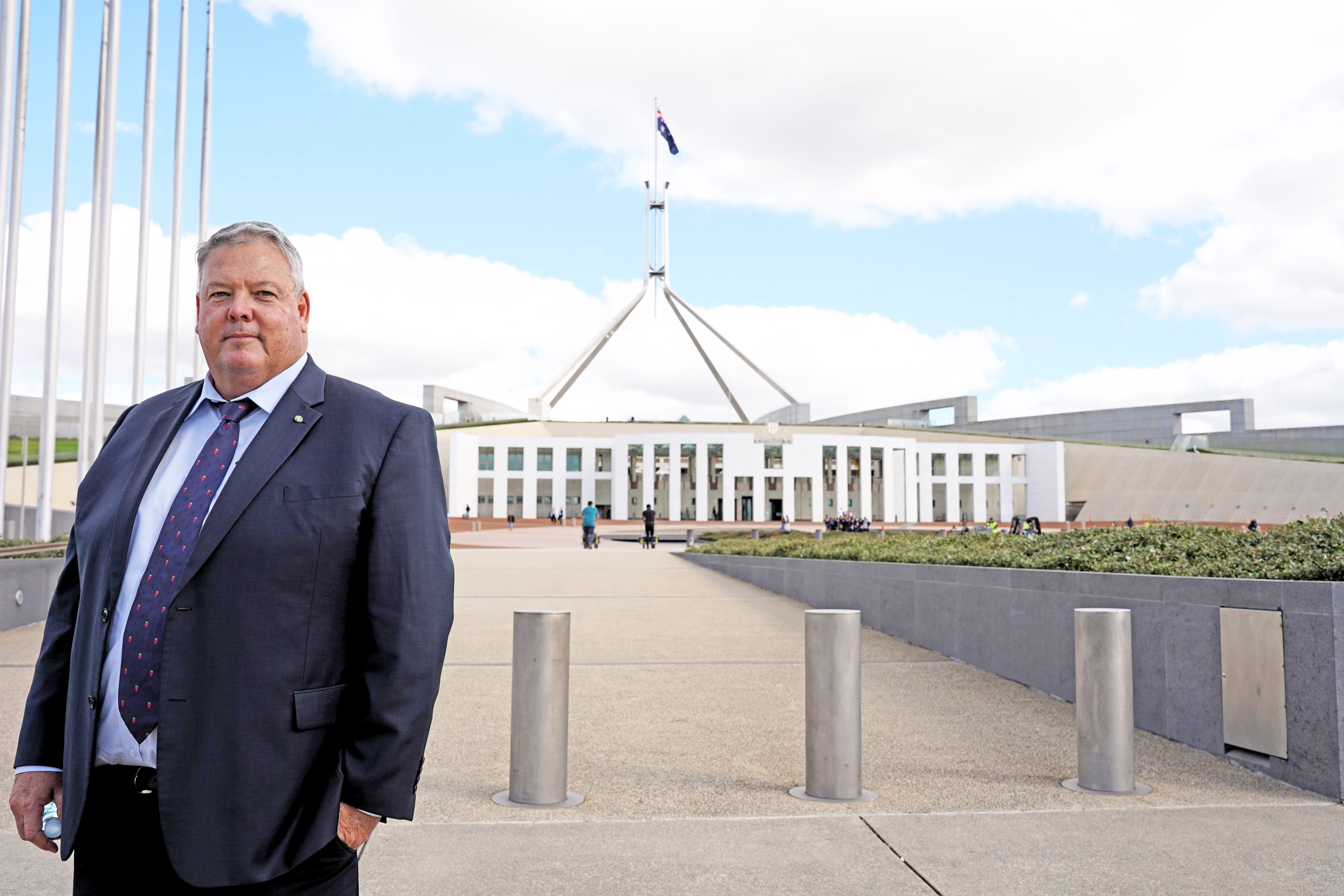
The Federal Member for Dawson, Andrew Willcox, has slammed the Albanese Government for an unacceptable ambush on regional communities, accusing the Commonwealth of abandoning disaster-prone areas to balance its own budget. The Federal Minister for Emergency Management, Kristy McBain, used a late Friday afternoon media release to quietly flag sweeping alterations to the Disaster Recovery Funding Arrangements (DRFA). The proposed changes dismantle the long-standing, scalable framework, which historically provided an average of 64 per cent federal coverage and capped support at 75 per cent for catastrophic events. In its place, Canberra intends to implement a rigid 50-50 funding model. This policy shift arrives at the worst possible time for the state; it follows a volatile severe weather season that caused widespread damage across 71 of Queensland’s 77 local government areas. Federal Member for Dawson, Andrew Willcox, is warning that the sudden funding shortfall threatens the future viability of essential infrastructure, local water treatment facilities, and emergency evacuation operations. Mr Willcox, drawing on his extensive experience as the former Mayor of the Whitsunday Regional Council, stated that the Federal Government is completely detached from the realities of regional recovery. "This decision is a direct hit to the heart of North Queensland," Mr Willcox said. "Canberra is treating natural disasters like a corporate budgeting exercise; however, out here, it is a matter of community survival. To penalise the very regions that drive the nation’s agricultural wealth and mining export revenues is a profound betrayal. "During my time steering the Whitsunday community through the wreckage of Severe Tropical Cyclone Debbie in 2017, I learned exactly what it takes to rebuild. We relied heavily on scalable federal assistance to restore our shattered rural road networks. Under a flat 50-50 split, local councils across Dawson would be forced to find millions of dollars in matching revenue; that is a financial burden our regional ratepayer base simply cannot sustain." Mr Willcox emphasised that major historical recovery operations would have been completely unviable under the newly proposed guidelines. "The total reconstruction of the Shute Harbour marine terminal and the $5 million federal package required to replace the decimated Proserpine Entertainment Centre occurred because the previous framework allowed for exceptional circumstances," Mr Willcox said. "Small regional councils do not possess the independent asset base to fund multi-million-dollar rebuilds alone. Furthermore, the historical system guaranteed that funding flowed directly into local economies, ensuring that regional earthmoving businesses and contractors were awarded the repair work. By lowering the funding floor, the Commonwealth is forcing cash-strapped councils to delay vital resilience works; this leaves our communities dangerously exposed before successive wet seasons. "It is a coward’s tactic for the Minister to leave this announcement until the day after the parliamentary sitting concluded, ensuring they avoided any real scrutiny or accountability in Question Time. “This is yet another calculated deception from a government that knows exactly how damaging these cuts are; this is absolutely not what the Australian people voted for, and I truly hope this betrayal is remembered at the next election. "This is yet another chapter in the ongoing federal neglect of regional Australia. The government is hiding behind the cover of an independent review to justify cutting essential frontline services. I call on the Emergency Management Minister to reverse this decision immediately; regional Queenslanders refuse to be treated as second-class citizens.” Supplied by the office of Federal Member for Dawson, Andrew Willcox CAPTION: FIGHTING FOR THE NORTH: Federal Member for Dawson Andrew Willcox MP outside Parliament House in Canberra, condemning the Albanese Federal Government's plan to slash scalable disaster recovery funding for regional councils. Photo supplied
Read the full story
"As the final week approaches for public submissions into the Sugar Code of Conduct, Member for Burdekin Dale Last has renewed his calls for growers to unite and make their voices heard. Mr Last said the public submissions for the sunsetting review of the Sugar Code of Conduct should be an opportunity for sugarcane growers from across the Burdekin to outline the benefits of the code for both farmers and the wider community. “Over recent weeks I have taken the liberty of providing a submission on behalf of the community, because ultimately the flow-on impact from changes in our sugar industry stretch beyond the paddock and the mills,” Mr Last said. “I recently met with several grower representatives which provided the opportunity to bring key stakeholders together, reaffirm my support as the Member for Burdekin and emphasise the need to work collaboratively as the review period unfolds.” Mr Last said while it was important stakeholders took the time to make their voices heard during the public submissions there was no better way to understand the impact of the Sugar Code of Conduct than to visit the area and speak directly to representatives. “A decade ago this district played a central role in bringing this code of conduct to fruition so I would expect our stakeholders receive a seat at the table they deserve,” Mr Last said. “If the Federal Labor Government was serious about consulting with the industry, the responsible Assistant Minister would be looking for every opportunity to listen to those who are most impacted by the Sugar Code.” Anyone wishing to have their say in the review can visit https://haveyoursay.agriculture.gov.au/sugar-code-review"
Read the full story
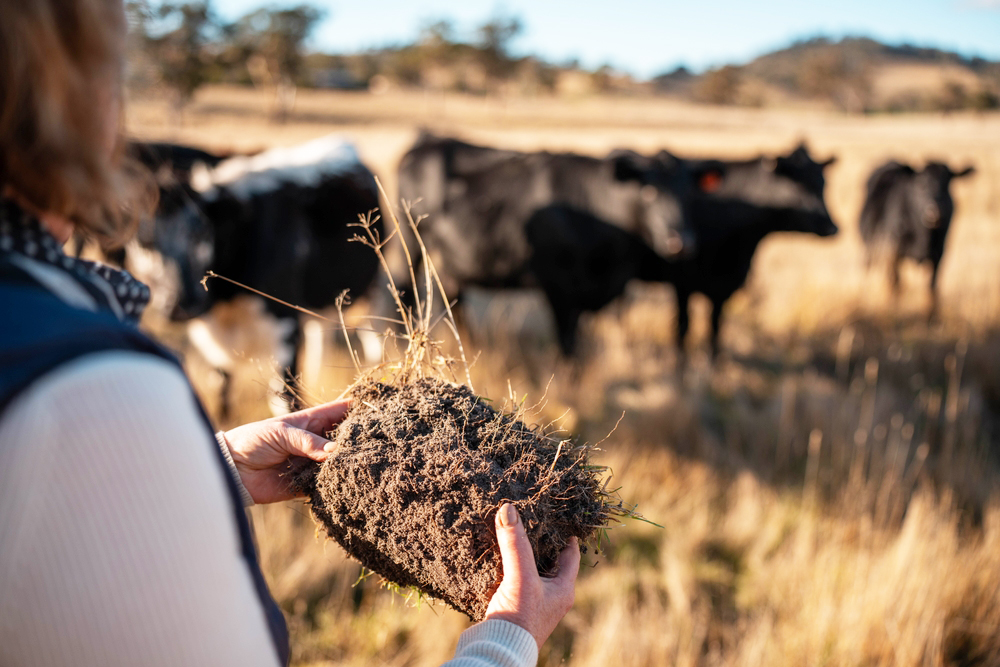
Up to $86.7 million has been made available nationally to help strengthen drought preparedness and resilience in regional communities. Photo source: Shutterstock
The Government has launched a new funding round for its Future Drought Fund Drought Resilience Hubs program, creating opportunities to further strengthen drought preparedness across agricultural regions including the Burdekin.
The national initiative will establish seven Drought Resilience Hubs across Australia, supporting farmers and rural communities with practical tools, knowledge and services aimed at improving resilience to future drought conditions.
Following an independent review, the program has been redesigned to place greater emphasis on delivering on-the-ground outcomes and helping producers adopt proven drought-resilient practices.
A total of $86.7 million will be invested nationally through to June 2032 to support the next phase of the program.
The hubs are intended to act as regional connectors, linking producers with experts, innovations, research and support services while identifying local challenges and opportunities specific to their area.
The program also aims to strengthen collaboration between industry groups, governments, research organisations and regional communities.
Applications are now open for eligible organisations interested in operating the hubs, with funding expected to support activities from March 2027 through to June 2032.
Applications will close on the 10th of August. Visit www.grants.gov.au for more information.

Burdekin Shire Mayor Pierina Dalle Cort says the $53 million project would address the region’s key barriers to growth. Photo supplied
The Burdekin Shire Council is seeking over $53 million in state funding to unlock roughly 1,000 new residential lots in Ayr, in a bid to ease the region’s ongoing housing shortage.
The proposal will be submitted under Round 2 of the Queensland Government’s $2 billion Residential Activation Fund, which supports major infrastructure projects needed to open up new housing supply.
If successful, the funding will deliver critical trunk infrastructure including roads, sewer networks, water supply upgrades and treatment plant expansions, targeting long-standing development constraints that have limited new housing construction in the area.
Burdekin Shire Mayor Pierina Dalle Cort said the project would address one of the region’s key barriers to growth.
“Council recognises that a lack of enabling infrastructure is one of the biggest barriers to housing growth in the Burdekin,” Mayor Dalle Cort said.
“Through the Residential Activation Fund, we are investing in the essential infrastructure needed to unlock new residential land, reduce development barriers and support future population growth.”
She said the investment would also strengthen the local economy by improving housing availability for workers.
“This project is not just about housing—it’s about strengthening our local economy, attracting workers and ensuring the Burdekin remains a great place to live, work and invest,” she said.
Council data shows local housing construction has fallen by 41 per cent since 2021, a decline attributed to a shortage of affordable, development-ready land. High upfront development costs, flooding constraints, rising insurance premiums and a shortage of builders and trades have also contributed to the slowdown.
The $53 million proposal targets infrastructure upgrades and extensions in growth areas including Craig Street, Chippendale Street and Beach Road. The figure includes construction costs, contingency allowances, contractor margins and indirect expenses.
If approved, council expects enabling works to begin in July 2027 and be completed by December 2028, with housing development to follow as serviced land becomes available.
The state government has already approved almost $994 million in projects under the Residential Activation Fund to unlock both infill and greenfield housing. Successful projects from Round 2 are expected to be announced from July 2026.
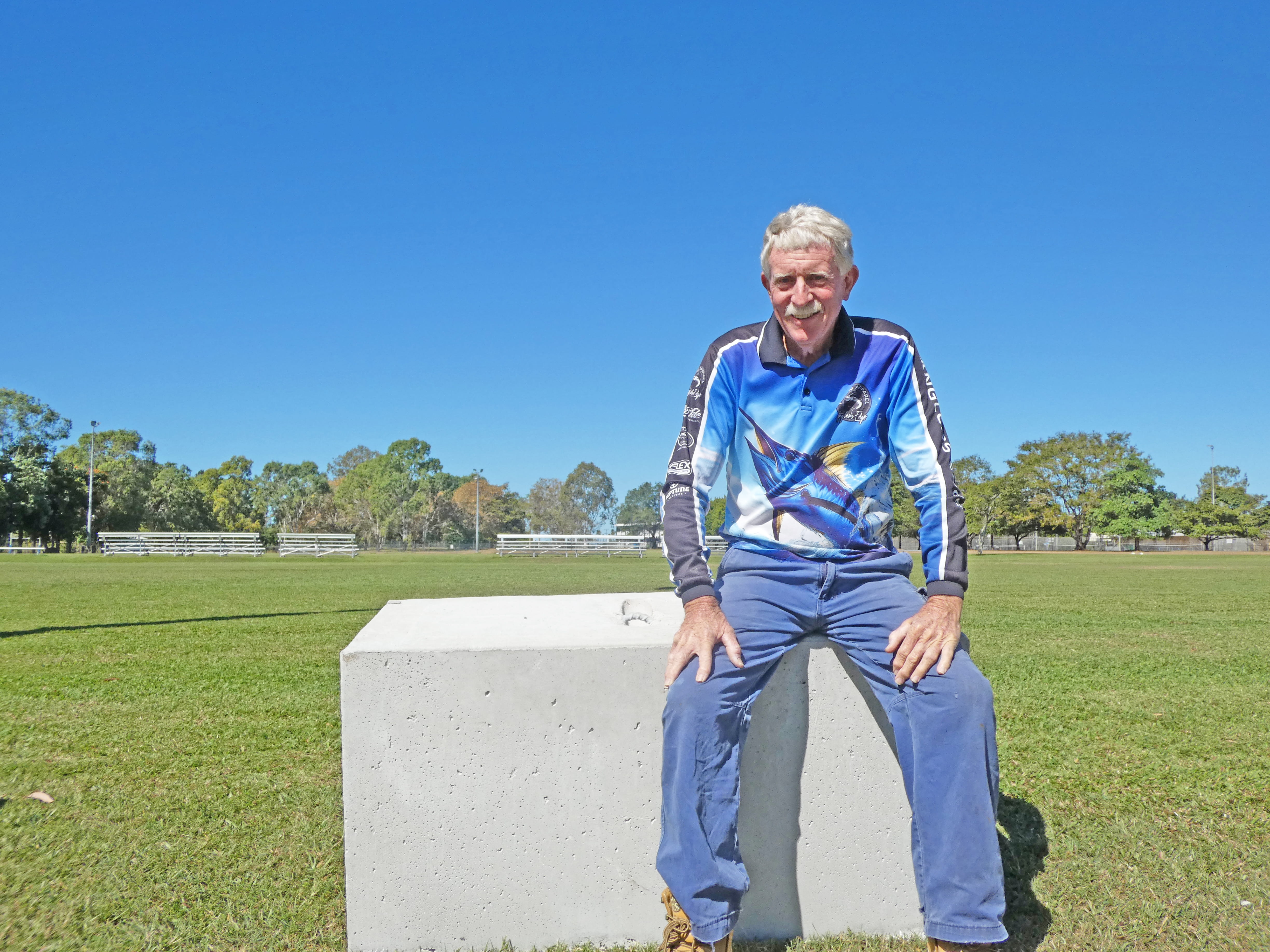
“When all blocks are in place, there will be a sense of protection for the fields from intruders,” says Club President Peter Knapton. Photo credit: Jacob Casha
The Burdekin community has rallied behind the Burdekin Touch Football Association, rapidly backing a new "Sponsor-a-Block" initiative to protect local sporting grounds following devastating damage last month.
The fundraiser allows local businesses and residents to sponsor heavy concrete barriers recently placed around the Wickham Street complex, each block stencilled with the sponsor's name to serve as a permanent wall of advertising and security.
A total of 60 blocks have already been sponsored as of 28 May, raising vital funds to secure what are regarded as some of the best in North Queensland.
The immediate response from local businesses, families, individuals, and teams follows an incident where vandals tore through the complex, leaving four fields with considerable damage and forcing a four-week halt to all men’s, women’s, and junior competitions.
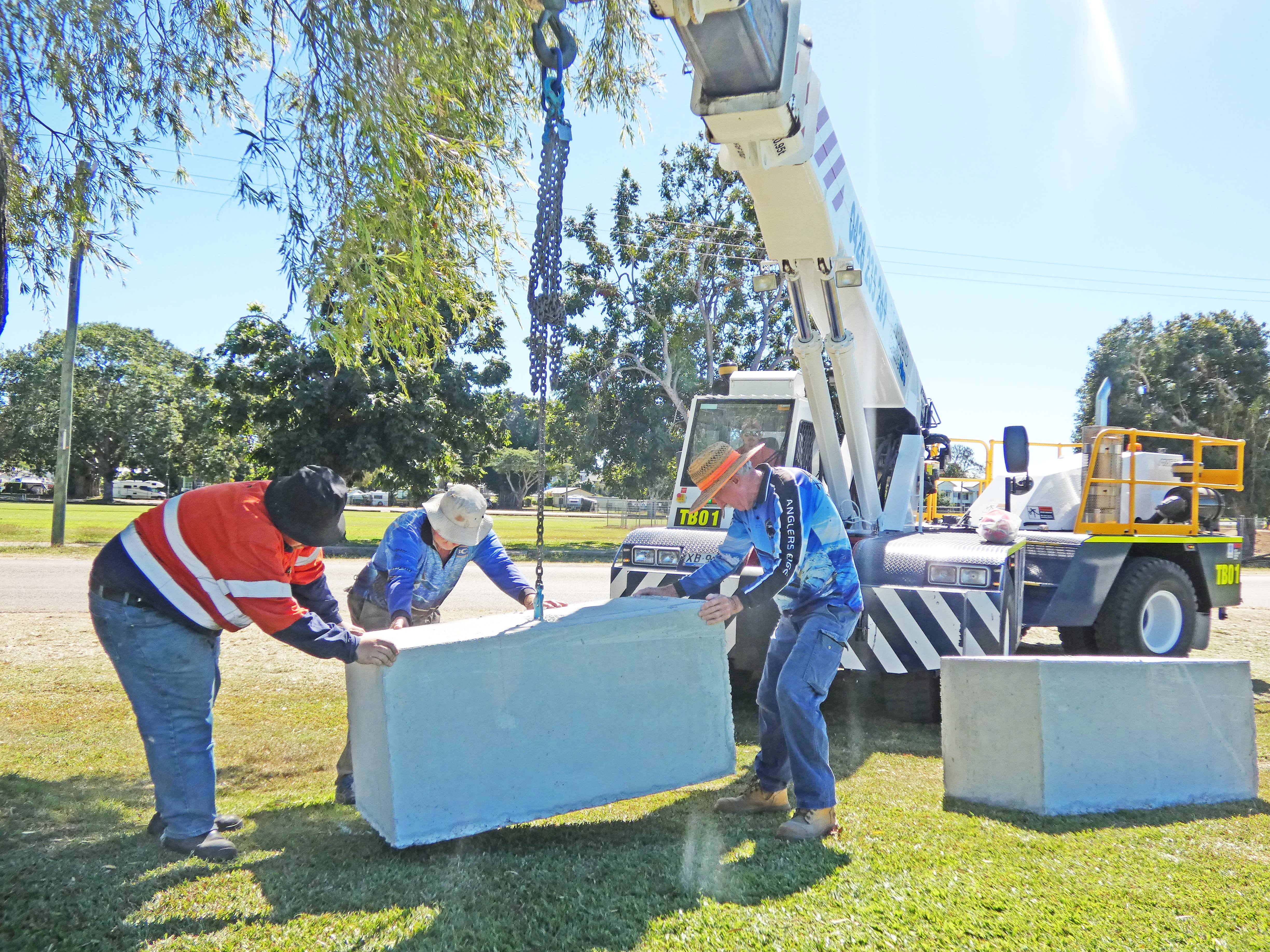
Club President Peter Knapton said the widespread support highlighted local outrage over the vandalism.
"The community is obviously sick of mindless damage and the obvious lack of respect for other people’s property by a small minority,” Mr Knapton said.
“When all blocks are in place, there will be a sense of protection for the fields from intruders.”
The committee launched the initiative after discovering that standard rock barriers used by other councils were too expensive. While Ergon Energy initially offered used power poles, the club ultimately sourced the cement blocks from BQC Quarries to create a vehicle-proof barrier.
The project, which carries a total cost of $10,000, is being funded through a combination of the block sponsorships and club funds. 56 blocks have been positioned at the complex so far, with a further 135 blocks still available for sponsorship.
Anyone interested in sponsoring a block is encouraged to text Peter on 0427710500.

Fifty years since the formation of the Groper Creek Rural Fire Brigade was commemorated on Sunday, coinciding with National Volunteers Week.
Formed on 24 May 1976, the brigade was presented with a Queensland Fire Department Certificate of Appreciation stating –
“This milestone acknowledges the brigade’s longstanding commitment to protecting lives, property and the community through volunteer service, resilience, teamwork and unwavering dedication during emergencies and times of need”.
Groper Creek Fire Brigade’s First Officer Dave Coplick accepted the recognition from Rural Fire Service Queensland Deputy Chief Officer Northern Region Tony Hazell, who travelled with Townsville Area Manager/Inspector Mick Thomson to thank volunteers for their ongoing service.
“We couldn’t let the date go by without acknowledging the brigade’s 50 years of service to the community of Groper Creek and we would like to thank you for your ongoing commitment to fire safety and disaster management,” Mr Hazell said.

Queensland has more than 27,000 RFSQ volunteers in the 1,400 rural fire brigades and 2,400 fire warden districts throughout the state.
Brigade First Officer Dave Coplick thanked those who were able to join in the informal foreshore festivities, particularly RFSQ representatives and Dalbeg-Millaroo Brigade members who had travelled for the occasion.
Groper Creek Brigade Secretary Jeanette Garvey paid tribute to those who had previously been involved in the brigade and current voluntary members, who continue to work behind the scenes.

“The brigade has evolved from the initial ‘bush’ brigade when it was first formed in 1976 and we are continuing to evolve with the latest equipment, resources and support provided by the State,” Ms Garvey said.
“Like many other community groups, we are always looking for more active hands-on volunteers, especially young and fit persons, to train and use brigade equipment. We also welcome all volunteers who are able to support in so many ways.”
To find out more about joining the Groper Creek Rural Fire Brigade, contact Jeanette Garvey ph 0421 508 510.
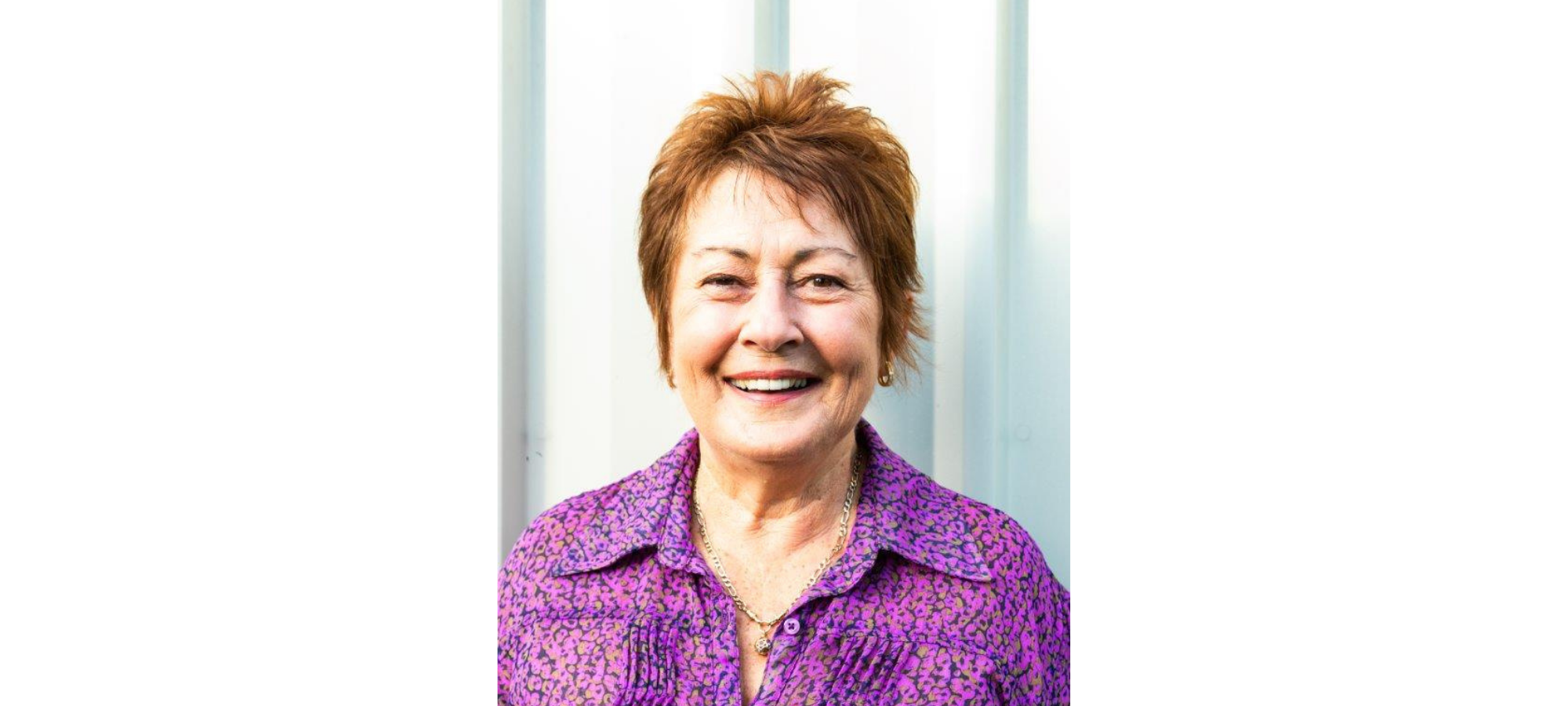
It was another busy and positive week across the Burdekin, with strong community engagement and continued progress on key initiatives.
Over the weekend, I attended a number of community events, including celebrations for the 100-year milestone of the Burdekin Surf Life Saving Club and the 2026 Burdekin Domestic Violence Walk, which raised awareness for an important cause. These events highlight the strength of our community and recognise the ongoing contribution of volunteers who play a vital role in keeping our region safe and connected.
We have also had some exciting news on the international stage, with Home Hill’s Adam Walton delivering an outstanding performance at the French Open. His success is a fantastic achievement and a proud moment for the Burdekin, showcasing the talent that comes from our region. Congratulations to Adam on this remarkable milestone.
Community participation was strong at the recent Free Mulch Day at the Ayr Transfer Station, with residents taking advantage of the opportunity to collect mulch and support sustainable waste practices. It is great to see the community’s ongoing involvement in initiatives that promote environmental responsibility.
Across our operations, works programs continue to progress well, with road and infrastructure projects advancing across the Shire. Council will continue to keep the community informed as works progress.
Should you wish to reach out, don’t hesitate to contact me directly by phone at 0447 150 582, or feel free to send an email to mayor@burdekin.qld.gov.au.

There is no greater gift you can give to others than that of your time. There is no greater gift to yourself than the pleasure and satisfaction gained from helping others. We are all quick to complain - it’s human nature, but rather than expend that energy on social media, ring a Councillor. That’s our job and why we’re on Council. I’m pleased to say that I receive quite a few phone calls from people who have an issue, who need assistance or simply information and I get the greatest satisfaction from helping them resolve an issue or pointing them in the right direction. Those phone calls to say thank you mean more than you know and are truly appreciated. As always, my mobile number is 0427827386.
Congratulations to Conway and Jo Ganderton of the Ayr and District Orchid and Allied Plants Society for stepping up in the co-organizing of the Plantation Park Markets with Ayr State Primary School. The ASPS Bush Markets are held on the first Sunday of each month, with the next one being held on 7th June from 8am to 12noon in Plantation Park. The Ayr and District Orchid and Allied Plants Society Markets are on the third Sunday of each month with the next being held on 21 June 8am-12noon at Plantation Park. As always, there will be a myriad of goods for sale with literally something for everyone. Stallholders can phone 4790 3333 or 4783 6627 to find out more information.
People who volunteer their time for the many different organisations are such an invaluable part of our community. I had the pleasure of attending the Home Hill Chamber of Commerce general meeting recently where Margie Ryder was one of the guest speakers. Margie is Secretary of Volunteering NQ and she is indeed a pocket dynamo. Her effervescent energy and love of volunteering is captured in the phrase “Without volunteers NOTHING happens”. This is the absolute truth so thank you to all who volunteer in our community.
Don’t forget to get your tickets for the Burdekin Interschool Drama Festival which is on at the Burdekin Theatre Friday 5th June. We have some wonderfully talented young people in the Burdekin and this event, along with the recently held Burdekin Eisteddfod and Fast Track showcase these talents beautifully. I remember being involved as a student at Home Hill State High School, although I was more at home in the background doing props than centre stage. Tickets are $25.00.
Lastly, should you require the services of a JP, you can find one at the Burdekin Library between 10am and 2pm each Tuesday.
God Bless and take care.

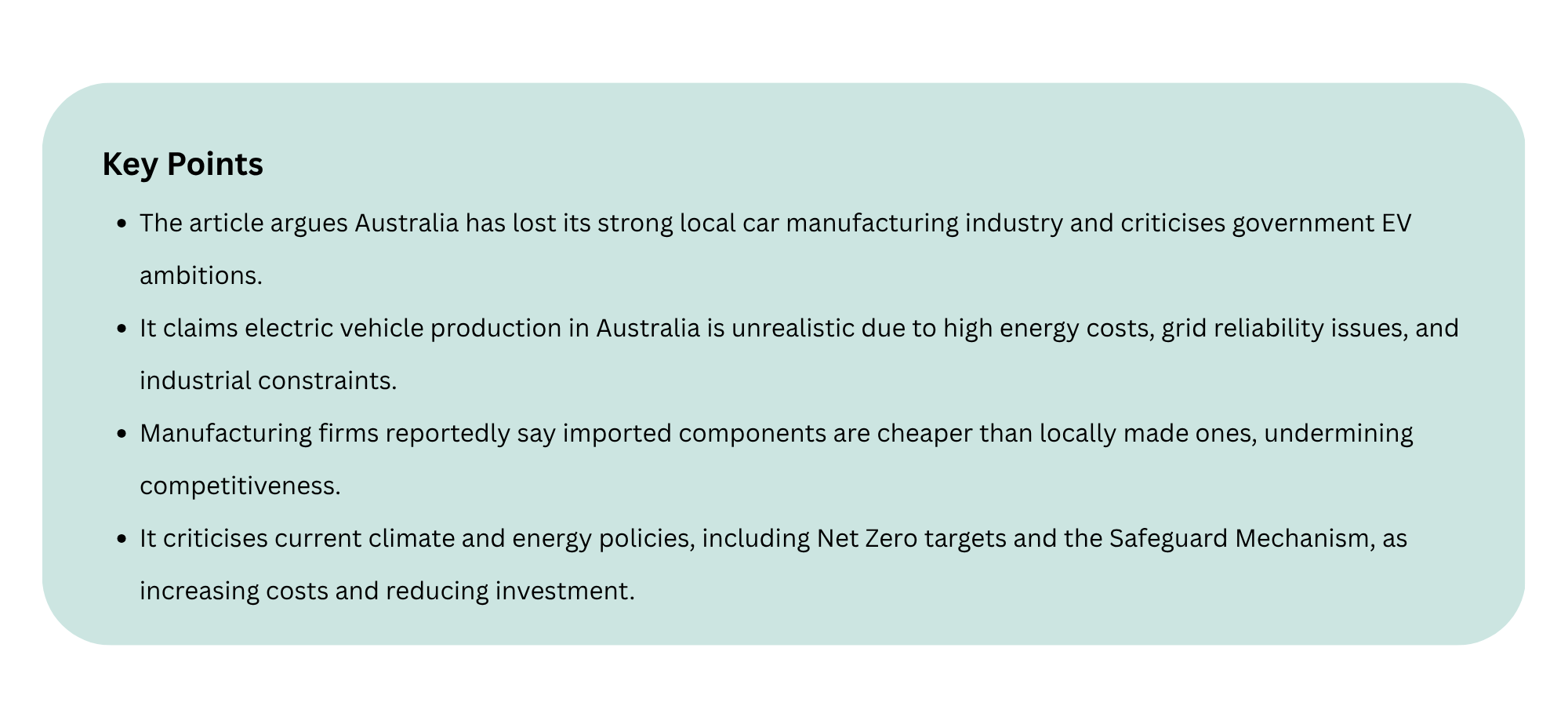
The EV Pipe Dream vs. The Factory Floor
There was a time when walking into an Australian garage meant standing next to something we actually built.
For generations, brands like Holden weren't just names on a tailgate; they were proof that Australia possessed the sovereign grit to shape its own heavy industrial destiny.
When Prime Minister Anthony Albanese lamented over the death of the Australian-made car, calling it a national "pity," he expects us to ignore the fact that his own government is standing over the body holding the smoking gun.
But then came the political pivot. Speaking at an industry event, the Prime Minister confidently
declared that "there is no reason why we can’t make electric vehicles here."
The Prime Minister is banking on the idea that automation will solve everything, assuming that robots don't care about penalty rates or energy bills. But this completely misses the point. You cannot build a heavy automotive industry when the basic foundational costs of doing business in Australia are being driven through the roof.
His theory is an absolute pipe dream, completely detached from the hard mechanical facts, the soaring input costs, and the real-world physics of actually building things on an Australian factory floor.
I recently hosted a manufacturing roadshow in Mackay, sitting down with local engineering firms, component makers, and fabricators who operate on the frontlines of our regional economy.
These are self-reliant operators who don't want taxpayer-funded corporate welfare or green
subsidies to generate a good headline, they just want a fair go.
What they showed me is that this Labor Government is actively widening a sovereignty gap that punishes our local makers. The brutal truth is that any attempt to build sophisticated electric vehicles here will stall long before it ever reaches the assembly line.
To understand why, you have to look past the political rhetoric and look at the basic physics of heavy automotive engineering.
An electric vehicle is essentially an incredibly complex, high-voltage computer on wheels.
You cannot run the factories of tomorrow on a fragile power grid. The advanced robotics required to assemble modern electric vehicles demand perfect, constant 24/7 power. A short drop in voltage, a mere blink that you wouldn’t even notice at home, is enough to trigger a total shutdown on an automated line. The machinery freezes, precision calibrations are lost, and thousands of dollars bleed out for every single minute the assembly track sits idle.
Yet, Labor’s rushed, ideologically driven race toward its Net Zero fantasy is driving electricity prices through the roof and leaving the grid structurally vulnerable.
There is also the glaring double standard embedded in our current trade settings.
Right now, overseas competitors can buy Australian coal and raw minerals, ship them across the ocean, use them to fire up cheap baseload power, and then dump low-cost, substandard hardware right back into our market.
Local engineering firms at our roadshow pointed out that fully imported Chinese components land in Mackay substantially cheaper per unit than those manufactured locally. How can we dream of manufacturing a 3,000-kilogram electric vehicle when our policy settings make it unviable to competitively produce the nuts and bolts that hold it together?
Additionally, Labor’s Safeguard Mechanism acts as a carbon tax by stealth, slapping a financial handbrake on our heavy component producers and forcing international capital offshore to nations with cheaper, more predictable energy strategies.
It is precisely why Australia’s share of global resource investment has plummeted from 40% to just 15% over the last decade. Capital goes where there is certainty, and right now, Australia looks like a high-risk zone because the regulatory goalposts change at the stroke of a pen.
We need a government with the common sense to close the sovereignty gap. That means establishing a National Import Quality Taskforce to stop sub-standard foreign dumping, offering royalty discounts for companies that procure 100% Australian-made items, and overhauling the "Australian Made" logo fees so local workshops aren't charged a premium just to tell the world where their goods were built.
Most importantly, we must restore sovereign confidence by scrapping the punitive Net Zero targets, removing the Safeguard Mechanism, and focusing heavily on delivering the cheap, stable baseload power that makes Australian industry competitive on the global stage.
The Coalition has a clear plan to get our energy affordability back on track, back the regions,
reward true technical efficiency, and protect the Australian dream for our workers.
It is time to swap the green pipe dreams for reality on the factory floor.
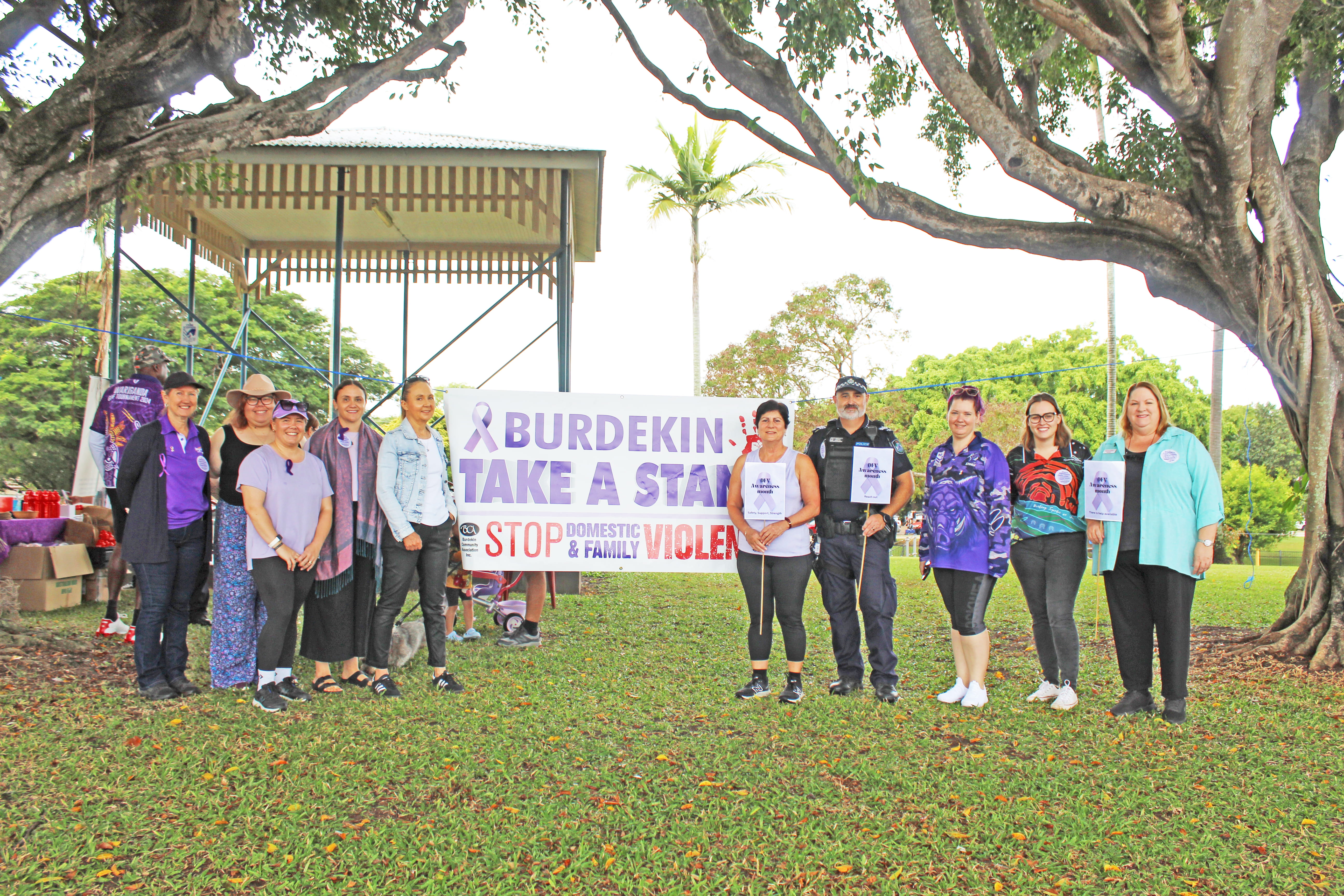
The annual Domestic and Family Violence (DFV) Awareness Walk will return to its original home at Ayr’s Plantation Park on 31 May. Photo supplied
Burdekin residents are being urged to lace up their shoes and wear purple this Sunday to help take a stand against domestic and family violence.
The annual Domestic and Family Violence (DFV) Awareness Walk will return to its original home at Ayr’s Plantation Park on 31 May, following years of pandemic disruptions and weather setbacks.
Organised by a host of local organisations, the inclusive event aims to bring locals together to spark crucial conversations, reduce stigma, and show solidarity with victim-survivors.
BCA Chief Executive Officer Debra Cochran said the walk was intentionally designed for maximum visibility to spread its vital message.
"The DV awareness walk was originally started to encourage greater community engagement and bring people together to raise awareness and gain access to information about domestic and family violence," Ms Cochran said.
"We intentionally chose a walking route that could be completed safely while also providing strong visibility to the wider community, particularly along the highway where passing traffic can clearly see the event and its message."
First held in May 2018, the event built strong momentum before COVID-19 restrictions and last year's flooding at Plantation Park disrupted its format. Ms Cochran said the BCA hopes this year's edition will help rekindle momentum and leave a lasting impression on participants.
"We hope attendees leave the DFV Walk with a greater understanding of the impact domestic and family violence has on individuals, families and the wider community," Ms Cochran said.
"We want victim-survivors to know they are not alone and that there are people and services within the community that care and are available to support them."
The free community event kicks off from 8:15am on Sunday 31 May at Plantation Park, Ayr, with the walk officially commencing at 9:00am. Participants can enjoy a free BBQ breakfast and kids' activities throughout the morning.

The Burdekin Neighbourhood Centre (BNC) has recorded its strongest Australia’s Biggest Morning Tea yet, raising more than $2,300 for the Cancer Council.
The Burdekin Neighbourhood Centre (BNC) has recorded its strongest Australia’s Biggest Morning Tea yet, raising more than $2,300 for the Cancer Council and smashing previous fundraising totals in a show of local generosity that surprised even organisers.
Held on Thursday, 21 May from 10am to 12pm, the annual event drew more than 70 community members to the centre, with organisers saying this year’s turnout and donations marked a clear step up in both engagement and giving.
The morning featured a generous spread of morning tea options alongside a Lucky Door Prize, Mega Raffle and Special Raffle, with most prizes kindly donated by local businesses and community members.
Attendees shared conversations while MC Councillor John Furnell facilitated the event that featured "plenty of laughter and community spirit” throughout.
said the strong turnout and fundraising result reflected the growing support behind the annual event and its purpose.
"The main purpose of the event was to bring the Burdekin community together to raise vital funds and awareness for people affected by cancer through the work of the Cancer Council, while encouraging community connection and fundraising by providing a welcoming space, raffles, and food for attendees to enjoy together,” Ms Darley said.

She said the overwhelming support continued a pattern of overwhelming community generosity that the BNC sees each year.
“The BNC is absolutely astonished each year by the generosity shown by the community, local businesses, and everyone attending our morning tea event—whether in person or through online donations—to help support anyone affected by cancer," she said.
“We hope attendees took away a sense of community connection, compassion, and support, while knowing that their attendance, donations, and participation helped make a meaningful difference to people affected by cancer.”
The BNC extended its thanks to all local businesses and community members who supported the event, including those who contributed food, vouchers, raffle prizes, and other assistance in any form.
The organisation encourages any businesses interested in being involved in the 2027 event to contact the Burdekin Neighbourhood Centre on

Journalist Jacob Casha was awarded Best Young Journalist of the year at the Queensland Country Press Awards
Burdekin Life’s young journalism duo took home gold and silver at the Queensland Country Press Association Excellence Awards on the Sunshine Coast.
Burdekin Life’s young journalism duo has come away from the Sunshine Coast with gold and silver honours after a strong performance at the Queensland Country Press Association Excellence Awards on Friday, 22 May.
Jacob Casha was announced as Best Young Journalist of the year and also received a silver for Best Single Story by an Individual Journalist, while Chelsea Ravizza, who writes across all Life Publishing Group papers, received a silver in the Best Young Journalist of the Year category.
Life Publishing Group Editor in Chief Rachael Smith said the awards are a strong result for the young journalists and the organisation.
“Young journalists are the lifeblood of regional journalism,” said Ms Smith.
“Our journalists learn the ropes fast, attending community events, forming connections and networks, writing and reporting on every aspect of news from sports to events – it is a big job that sets the tone for a dynamic career.
“To think that two members of our team took out the two top spots in this category is incredibly humbling – and an example of the calibre of writing all our journalists are striving towards.
“This was capped off by Jacob receiving a silver award for Best Single Story — it’s fantastic to see him recognised in his first year alongside seasoned journalists who have spent years refining their craft.”
The editorial achievements rounded off one of Life Publishing Group’s most successful years at the QCPA event, where it also won a further three advertising awards on the night.
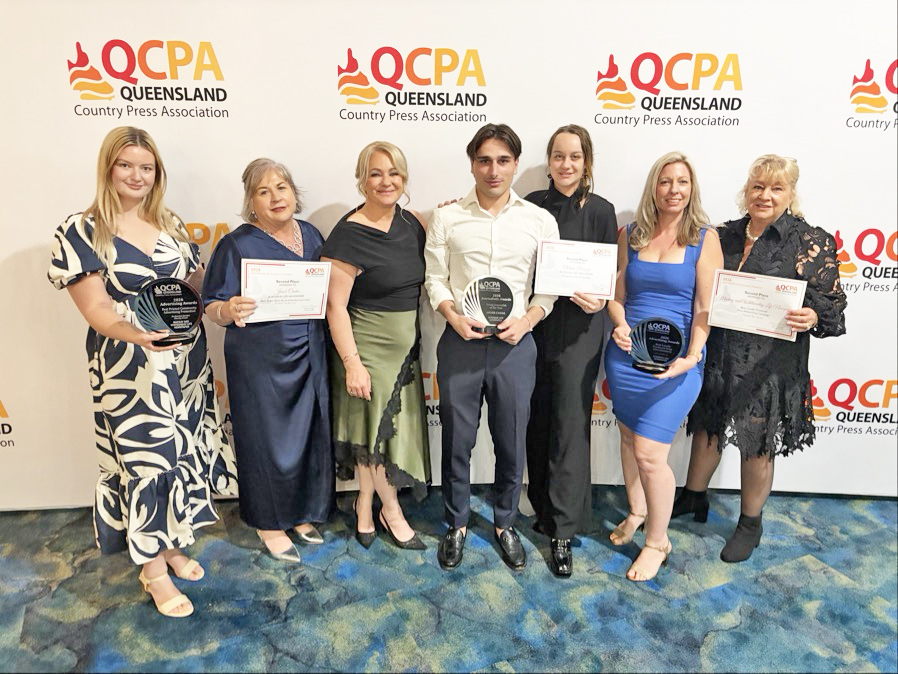
A highlight was receiving gold for Best Print Community Advertising Promotion for the Life Publishing Group Enchanted Garden Charity Event which raised an impressive $56,000 for seven regional charities.
A second gold was awarded for Best Locally Produced Print Advertisement of the year and was followed by silver for Best Locally Produced Advertising Campaign of the year.
“It makes life easy when you know you have a great team to back you up,” said Hinchinbrook Life Sales Manager Sherie Hensler Adams.
“At Life Publishing Group, our incredible creative team designs each ad from scratch, working closely with our clients to bring out the best in their business.
“We truly care about every client, and you can see this clearly in the love that goes into the design of all the ads and all the pages in every paper.”
There are more than 60 independent news media publishers registered with Queensland Country Press Association.
“In 2024 we were thrilled to bring home Best Free Newspaper in Queensland for our sister publication Mackay and Whitsunday Life,” shared Rachael Smith.
“This was a huge honour, and one we are looking forward to achieving again as we grow our other publications, especially here in Hinchinbrook.
“2026 represents a year where we have solidified our presence within the newspaper community and are seen as high achievers among our peers – this is something I am truly proud of.
“Everyone in the team has contributed to the success behind all these awards and they are a result of us all striving for excellence in everything we do.”

Director of Infrastructure Planning & Environmental Services, James Stewart, provided an overview of the Burdekin Shire Council’s push for a slice of the $55 million Residential Activation Fund (RAF). Photo credit: Jacob Casha
Major infrastructure projects designed to unlock residential land and secure water access took centre stage at the Burdekin Industry Breakfast last Wednesday.
The event, held at the Burdekin Theatre on 20 May, brought together developers, landowners, and agricultural stakeholders to discuss investments shaping the region's economic future.
Topping the agenda was the Burdekin Shire Council’s push for a slice of the $55 million Residential Activation Fund (RAF). The council has officially applied for Round 2 funding to construct crucial trunk infrastructure, aiming to open up fresh housing developments across the Ayr township, specifically targeting the Beach Road, Chippendale, and Craig Street areas.
Council had already secured Round 1 funding to complete the detailed design work for the infrastructure, positioning the project for immediate progression if the secondary funding application is successful.
Bowen Pipeline Company director Sean Brown also provided an update on the $700 million Bowen Pipeline Project, a privately funded 182-kilometre water pipeline running from the Burdekin River to Bowen along the Bruce Highway corridor.
Designed to deliver 100,000 megalitres of water to a region historically reliant on unpredictable summer rainfall, the project hit a major milestone just days before the breakfast, with water sales officially commencing on 18 May.
Local agricultural prospects are also set for a further boost via the North Queensland Food Futures Precinct Project in Ayr.
Spearheaded by the Bowen Gumlu Growers Association (BGGA) using Regional Economies Future Fund grants secured in 2024, BGGA CEO Jenn Honnery said the pilot food processing facility will focus on converting the 30 per cent of fruit and vegetables that fail tomeet market standards into shelf-stable products.
The breakfast also detailed how the new facility will serve as an innovation space, giving local growers access to specialised commercial processing equipment to value-add their produce.
It was a privilege to attend the Regional SES Awards Ceremony and 50th Anniversary Celebration over the weekend, recognising the dedication of our SES volunteers. It was great to see members of our Burdekin unit alongside crews from Townsville, Hinchinbrookand Magnetic Island, all coming together to support award recipients.
The SES plays a vital role in keeping our community safe, particularly during severe weather events, and they are always looking for new recruits. I encourage anyone interested to get involved, it’s a meaningful way to give back while learning valuable skills.
Another milestone event this weekend is the Ayr Surf Life Saving Club’s 100th anniversary. This club is defined by its people. While I was not a member, many of my family were, as have generations of Burdekin families. From Nippers and competitions to patrolling Alva Beach, the club has long upheld the values of surf lifesaving.
As Mayor, I see the impact this club has on our region. It builds responsibility, teamwork and courage, brings families together, and keeps our coastline safe. To everyone who has contributed over the past century, this milestone is yours. Here’s to 100 years of service, and to the next 100.
Council continues to deliver important infrastructure works. Upgrades have commenced at Wunjunga Road and Beachmount Road, along with a new cattle grid installation. Construction of a concrete floodway on Bahr Road is also underway to improve resilience during severe weather.
I encourage young people and their families to attend the Pathways and Possibilities event on Wednesday 3 June at the Burdekin Theatre Foyer from 5pm. This event will be a great opportunity to hear from local industry speakers, explore real career pathways, and connect directly with employers, training providers and support services.
Should you wish to reach out, don’t hesitate to contact me directly by phone at 0447 150 582, or feel free to send an email to mayor@burdekin.qld.gov.au.

Community helping Community creates great outcomes.
I had the privilege of attending two events recently where it was an honour to see the spirit of giving to others. The first was when I was MC for ‘Australia’s Biggest Morning Tea 2026’, Burdekin style, organised by the ‘Burdekin Neighbourhood Centre’ to support the work of the ‘Cancer Council’, Australia’s leading cancer charity. Around 150,000 Australian’s are diagnosed with cancer every year, if you or others need advice call 13 11 25. I counted thirty four local businesses as well as private citizens who donated prizes, thank you to them all. This is why it’s important to support our local businesses, who are often asked for donations, that support community events.
Burdekin Junior Soccer Fields Hall was toe tapping and dancing to ‘Rock The Decades’ by Attori on Saturday night. Rick Romeo and friends donated their time and talent for Burdekin School, whose P&C were raising funds for the school community. Once again Burdekin community members building a better Burdekin.
This weekend sees Ayr Surf Lifesaving Club celebrating 100 years, a milestone of another tremendous voluntary organisation locally and throughout Australia. The weekend kicks off Friday with a Meet n Greet and book launch at the Kalamia Hotel, Gala Dinner Saturday at the Burdekin Memorial Hall, concluding with a Community Fun Day at the Ayr Surf Lifesaving Club. The weekend will see past and present members, friends and community come together for celebration and sharing of stories.
The Cowboys had another fine win over the Bunnies without two of their best, Tom Dearden and Reuben Cotter. The game has rallied together after one of South’s best, Jai Arrow, was diagnosed with Motor Neurone Disease. The Community Raffle raised over fifty thousand dollars to help Jai and his family with his battle.
Wishing you all health & happiness
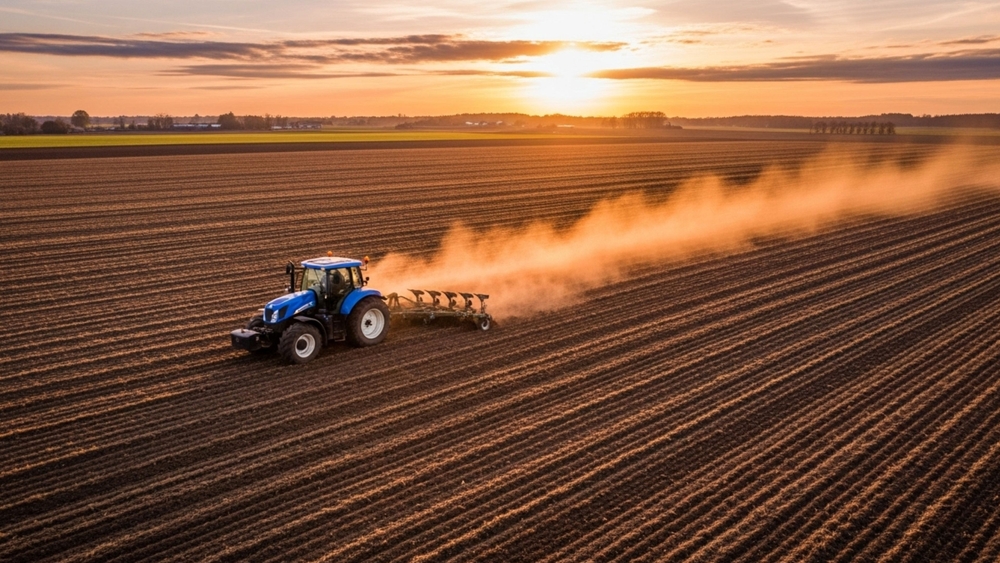
The Federal Government is seeking feedback on proposed Right to Repair reforms that would expand repair access for agricultural machinery and support independent repairers. Photo source: Shutterstock
The Federal Government is seeking feedback on proposed Right to Repair reforms aimed at expanding repair options for farmers, drivers and small businesses while helping reduce machinery downtime and maintenance costs.
Released last Thursday, the discussion paper proposes extending Australia’s existing Right to Repair framework to agricultural machinery, alongside improvements to the Motor Vehicle Information Sharing Scheme, which has operated since 2022.
The current scheme requires vehicle manufacturers to provide independent repairers with access to service and repair information at a fair market price, supporting competition and consumer choice.
According to the Federal Government, a review of the scheme found it had contributed to a $2.4 billion increase in annual turnover across the independent repair sector.
Under the proposed changes, farmers and regional businesses could gain faster access to repair information for agricultural machinery, helping reduce delays during critical planting and harvest periods.
The Productivity Commission estimates expanding Right to Repair laws to agriculture could increase annual GDP by $97 million through increased grain outputs alone by reducing downtime during harvest.
Minister for Agriculture, Fisheries and Forestry Julie Collins said the reforms would give farmers more choice and support regional repair businesses.
“By extending Right to Repair laws to include agricultural machinery, these changes will help reduce downtime, lower repair costs and keep farm operations moving when it matters most,” Ms Collins said.
The consultation period is open until Friday, July 3, 2026.
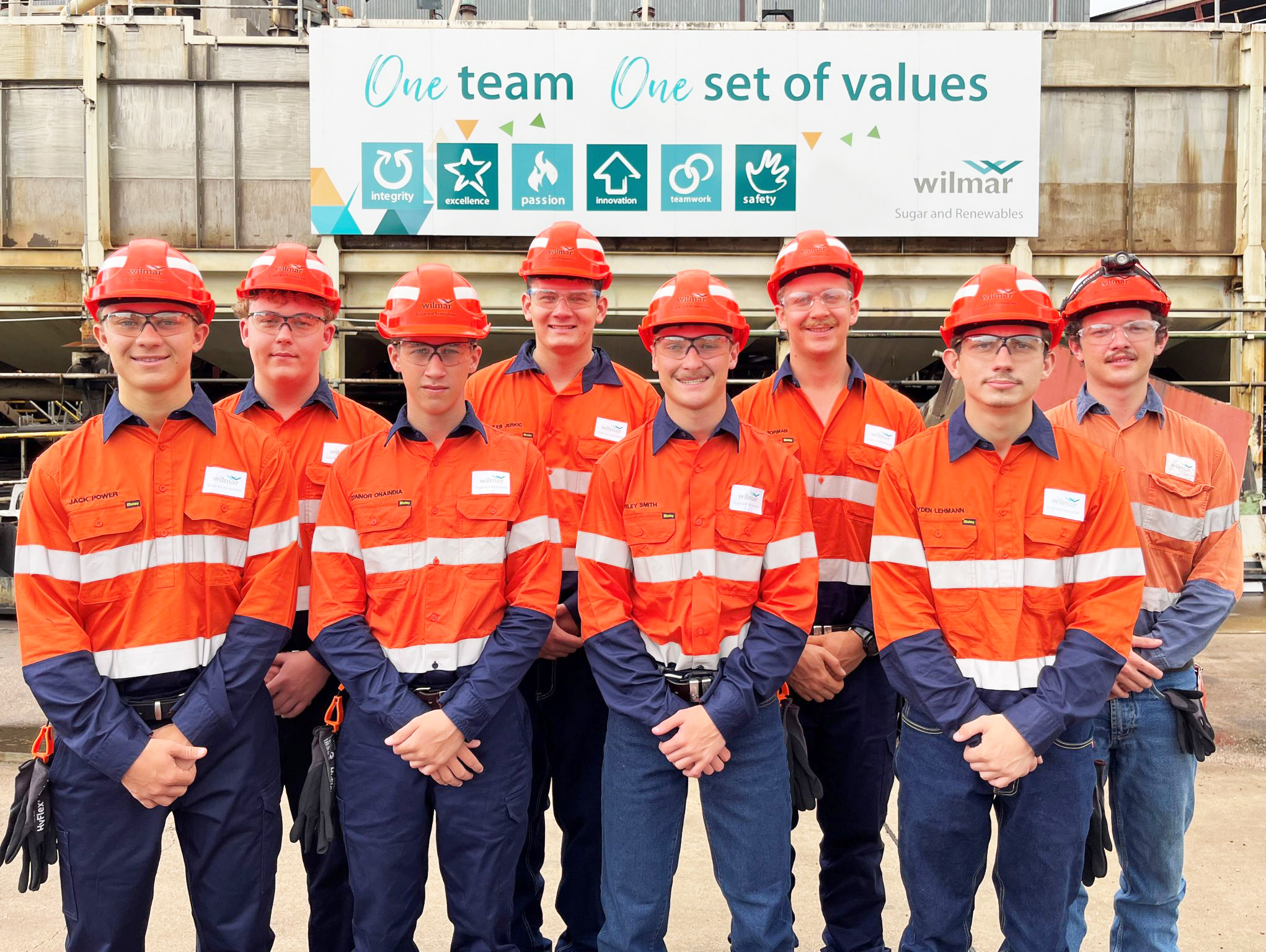
New Burdekin apprentices, from left Jack Power (electrical), Nicholas Ellis (electrical), Connor Onaindia (electrical), Caileb Jerkic (diesel fitting), Riley Smith (fitting and turning), Benjamin Forman (electrical), Jayden Lehmann (boiler making), and Dylan Thorley (electrical). Photo source: Wilmar Sugar Australia
Wilmar Sugar and Renewables has welcomed 18 first-year apprentices across its operations this year, with the new recruits already settling into roles spanning electrical, fitting and turning, boilermaking and diesel fitting trades.
The apprentices officially commenced in February and are now working across the company’s Sugar and Renewables division as part of one of Queensland’s largest apprenticeship programs.
Group Manager Mechanical Engineering Tienie van Blerk said the new apprentices had adapted well to their roles and embraced the company’s workplace values.
“They've integrated really well into the business and are demonstrating the values of teamwork and passion in their day-to-day work,” Mr van Blerk said.
“I'm really impressed by how keen they are to learn from our experienced trades and become the best they can be.”
Group Manager Electrical Instrumentation and Control Chris Pickering said apprentices at Wilmar benefited from exposure to a wide range of advanced technologies and industrial systems.
“The sugar industry is known for turning out really well-rounded apprentices and our factories have some of the most advanced technological platforms available,” Mr Pickering said.
“Our electrical trades are working with advanced automation and control systems, modern power generation and distribution systems, and smart instrumentation. Most electrical apprentices only get exposure to a narrow range of equipment. Ours are trained across a large range of industrial plant.”
General Manager Engineering Istvan Torok said the apprenticeship program played an important role in the company’s long-term workforce development and retention strategy.
“We have one of the largest and most successful apprenticeship programs in Queensland,” Mr Torok said.
“Not only do we have a very high completion rate, but we have a high retention rate among our newly qualified tradespeople. These first-year apprentices will become the highly-skilled tradespeople we rely upon to keep our factories, locos and mobile fleet running efficiently. They'll also become mentors for future generations of apprentices at our sites.”
Wilmar Sugar and Renewables currently employs around 120 apprentices across the business.
Applications for the company’s 2027 apprenticeship intake will open on 9 June.
Publishers Indemnity. Any individual or entity that places advertising, supplies copy material, or submits editorial content to Core Life Publishing agrees and undertakes to ensure that all such material:- Does not infringe upon any copyright, trademark, or other intellectual property rights;- Is free from any content that could be considered defamatory, libelous, or slanderous;- Does not infringe upon any rights related to privacy or breach of confidence;- Contains no obscene, indecent, or otherwise unlawful material;- Complies fully with the Trade Practices Act and all other applicable laws, regulations, or statutes.Furthermore, by submitting or placing such material, these individuals or entities agree to indemnify and hold harmless the publisher, Core Publishing and Events Pty Ltd, and/or its agents from and against any and all investigations, claims, demands, liabilities, damages, costs, or judgments arising out of or in connection with the material provided. All material is believed to be accurate at the time of printing and remains the copyright of Core Publishing and Events Pty Ltd.
© 2026 Life Publishing Group Pty Ltd.
