Independently Owned, Locally Grown, Community Loved


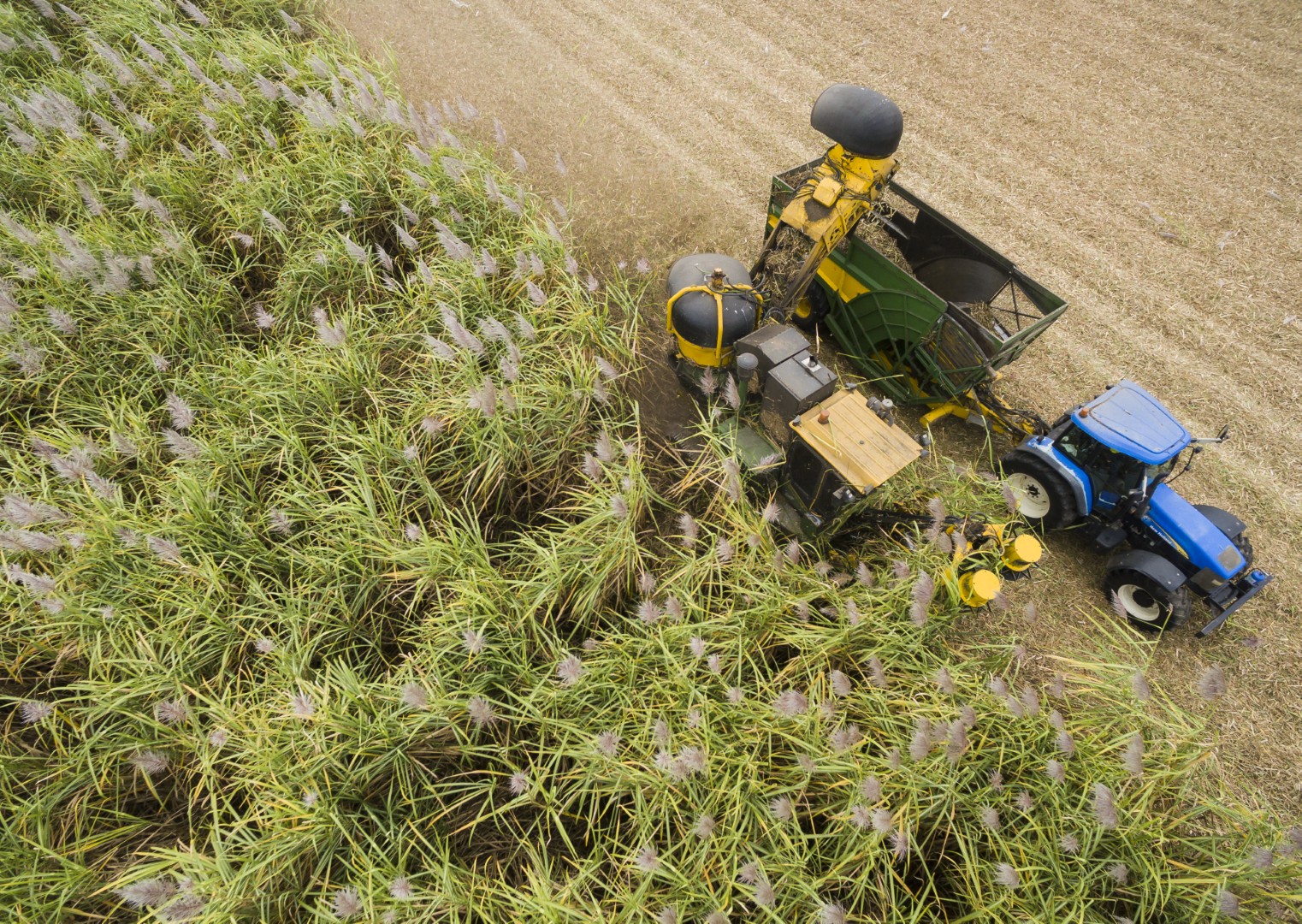
Australia’s sugarcane industry could play a pivotal role in the development of sustainable aviation fuel, with researchers pointing to the crop’s productivity, scalability, and environmental benefits.
At the ARC Research Hub for Engineering Plants to Replace Fossil Carbon, scientists are working with global technology leaders to develop renewable aviation fuel at the scale the industry requires. Emeritus Professor Robert Henry said sugarcane offers the best chance of success.
“Our mission is ambitious: create economically viable, renewable aviation fuel at the scale this huge industry needs. Plants are the best current source for renewable carbon, and all available evidence suggests sugarcane is the plant offering the best chance of success,” Professor Henry said.
Other potential feedstocks, such as algae and canola, face significant limitations. Algal systems are expensive and difficult to scale, while canola yields are low and much of Australia’s crop is exported for fuel rather than food, raising food security concerns.
“Land use is a critical consideration. So, what crops can you scale? Sugarcane is productive and grown on a relatively small proportion of land. Its small footprint and exceptional productivity make it the standout choice,” Professor Henry explained.
The Hub’s research focuses on improving plant biomass for fuel conversion. Genetic improvements are first tested in rice, then applied to sorghum, and finally transferred to sugarcane, its closest domesticated relative. This tiered approach boosts efficiency and success rates.
Queensland’s established sugarcane industry, strong research capability, and domestic demand for aviation fuel position the state to lead the field. “The challenge now is clear: breed crops with a high proportion of convertible biomass without sacrificing yield. It’s a complex puzzle, but one worth solving. Sugarcane hits the sweet spot. It’s productive, sustainable, and scalable. If we get this right, Australia won’t just be part of the solution; we’ll be leading it,” Professor Henry said.
Queensland’s sugarcane fields could become a key source of sustainable aviation fuel, thanks to new research into plant biomass and renewable carbon. Photo source: QAAFI
Publishers Indemnity. Any individual or entity that places advertising, supplies copy material, or submits editorial content to Core Life Publishing agrees and undertakes to ensure that all such material:- Does not infringe upon any copyright, trademark, or other intellectual property rights;- Is free from any content that could be considered defamatory, libelous, or slanderous;- Does not infringe upon any rights related to privacy or breach of confidence;- Contains no obscene, indecent, or otherwise unlawful material;- Complies fully with the Trade Practices Act and all other applicable laws, regulations, or statutes.Furthermore, by submitting or placing such material, these individuals or entities agree to indemnify and hold harmless the publisher, Core Publishing and Events Pty Ltd, and/or its agents from and against any and all investigations, claims, demands, liabilities, damages, costs, or judgments arising out of or in connection with the material provided. All material is believed to be accurate at the time of printing and remains the copyright of Core Publishing and Events Pty Ltd.
© 2026 Life Publishing Group Pty Ltd.






.jpg)