Independently Owned, Locally Grown, Community Loved



Lower Burdekin cane growers have the opportunity to boost irrigation efficiency and reduce farm costs through a new project aimed at modernising irrigation systems.
The Burdekin Tailored Automation project, delivered by NQ Dry Tropics, is encouraging growers to register their interest in upgrading to automated irrigation systems, with incentive grants of up to $30,000 available to help fund the transition.
The three-year project aims to improve irrigation practices across the region by ensuring crops receive the right amount of water at the right time. By automating irrigation infrastructure, growers may be able to reduce input costs, labour and water usage while maintaining crop yields.
Project Officer Michael Hobbs said inefficient irrigation systems were one of the main drivers of nutrient and pesticide runoff from farms.
Excess irrigation water can carry dissolved inorganic nitrogen (DIN), pesticides and other nutrients into nearby waterways, where they may eventually reach the Great Barrier Reef.
“That excess water provides no production benefit to the farmer and can wash valuable nutrients and pesticides away from where they’re needed in the paddock,” Mr Hobbs said.
“By applying the correct amount of water needed by the crop, it’s possible to reduce that runoff pathway while also improving the farm’s bottom line.”
Improved irrigation efficiency can also help address rising groundwater levels in some parts of the Lower Burdekin and may reduce issues such as waterlogging that can impact crop growth.
The project forms part of the Australian Government’s Reef Trust Reefwise Farming Program, which aims to improve water quality flowing to the reef while supporting farm productivity.
Places are limited and growers are encouraged to submit an expression of interest as soon as possible.
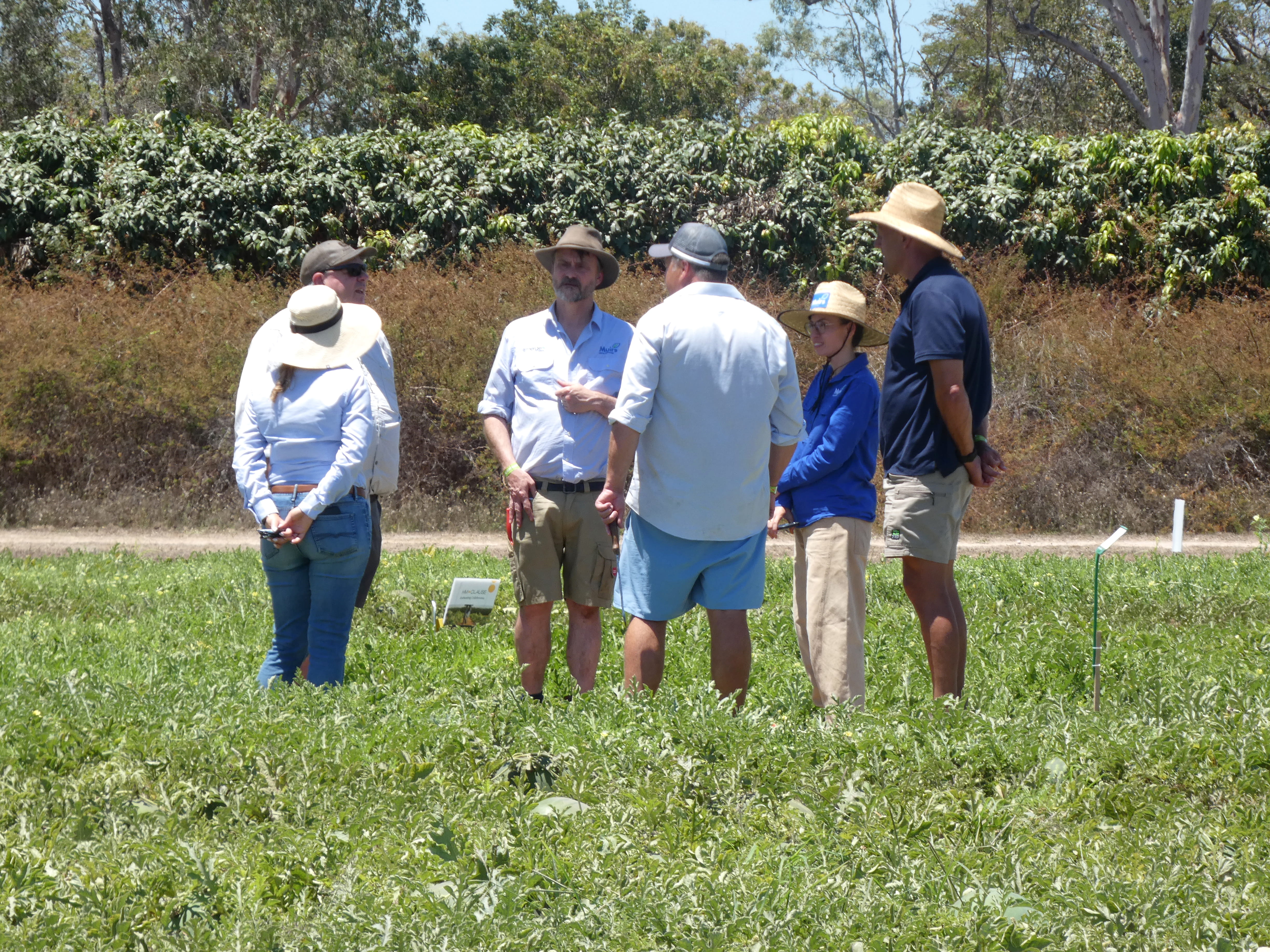
CAPTION: NQ Dry Tropics are giving local canegrowers with the opportunity to take their irrigation regimes to the next level, reducing input costs, and labour while maintaining yields. Photo source: NQ Dry Tropics
Publishers Indemnity. Any individual or entity that places advertising, supplies copy material, or submits editorial content to Core Life Publishing agrees and undertakes to ensure that all such material:- Does not infringe upon any copyright, trademark, or other intellectual property rights;- Is free from any content that could be considered defamatory, libelous, or slanderous;- Does not infringe upon any rights related to privacy or breach of confidence;- Contains no obscene, indecent, or otherwise unlawful material;- Complies fully with the Trade Practices Act and all other applicable laws, regulations, or statutes.Furthermore, by submitting or placing such material, these individuals or entities agree to indemnify and hold harmless the publisher, Core Publishing and Events Pty Ltd, and/or its agents from and against any and all investigations, claims, demands, liabilities, damages, costs, or judgments arising out of or in connection with the material provided. All material is believed to be accurate at the time of printing and remains the copyright of Core Publishing and Events Pty Ltd.
© 2026 Life Publishing Group Pty Ltd.




.jpg)