Independently Owned, Locally Grown, Community Loved


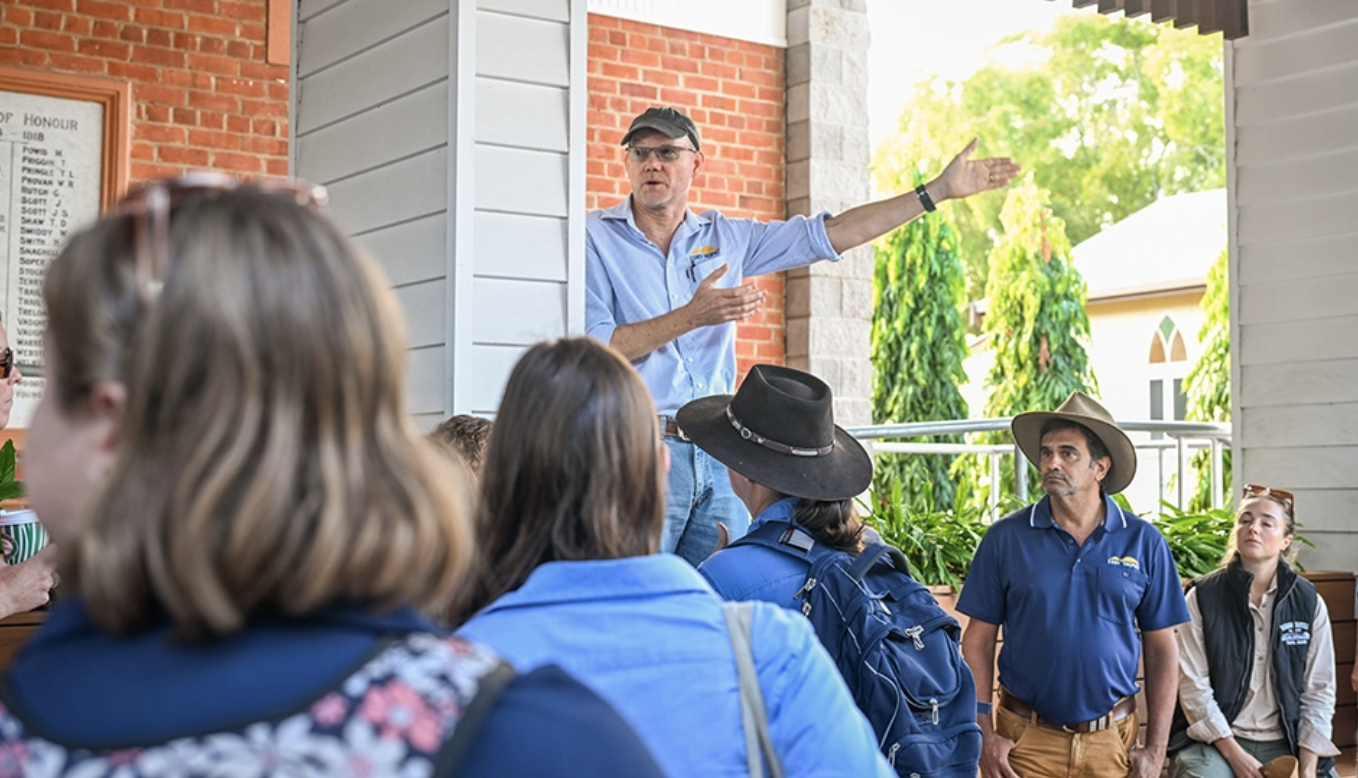
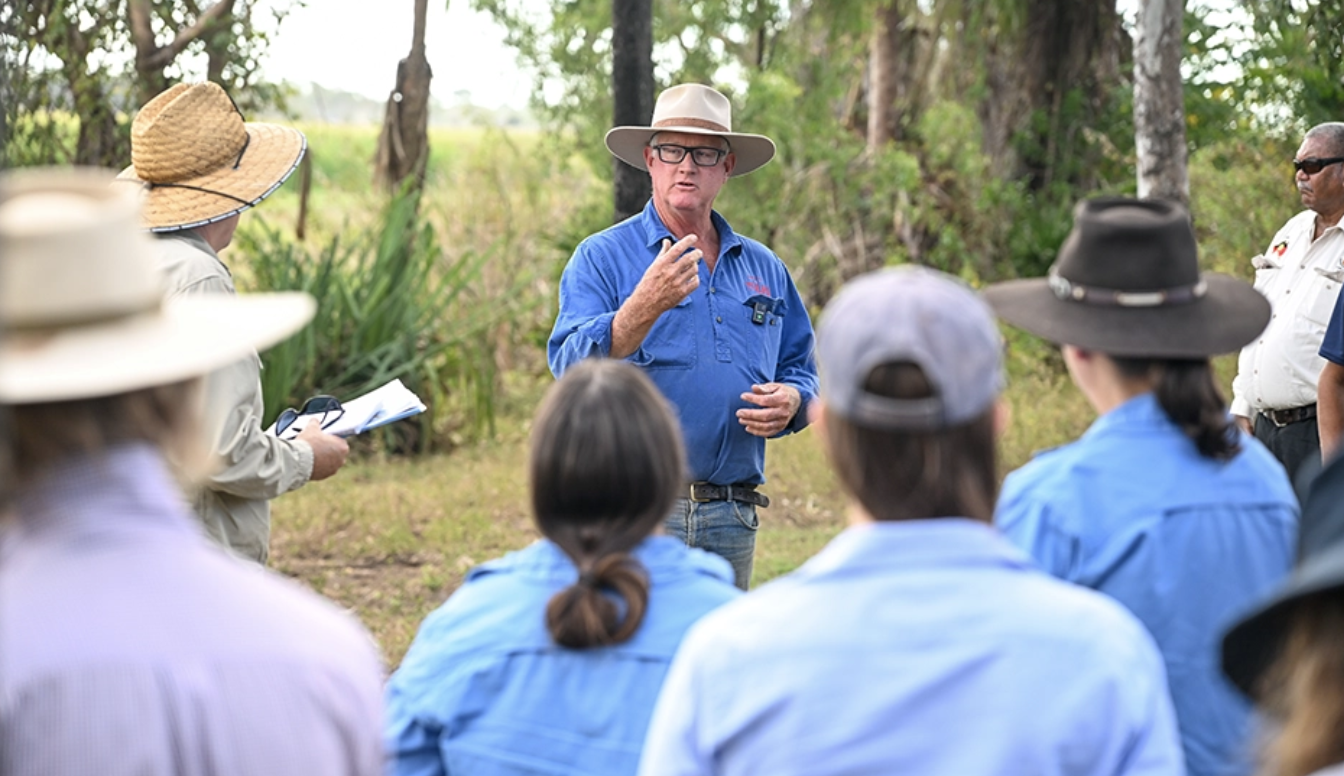
NQ Dry Tropics Sustainable Agriculture Program Manager Rob Hunt directing people onto the bus to begin the forum. Photo source: NQ Dry Tropics
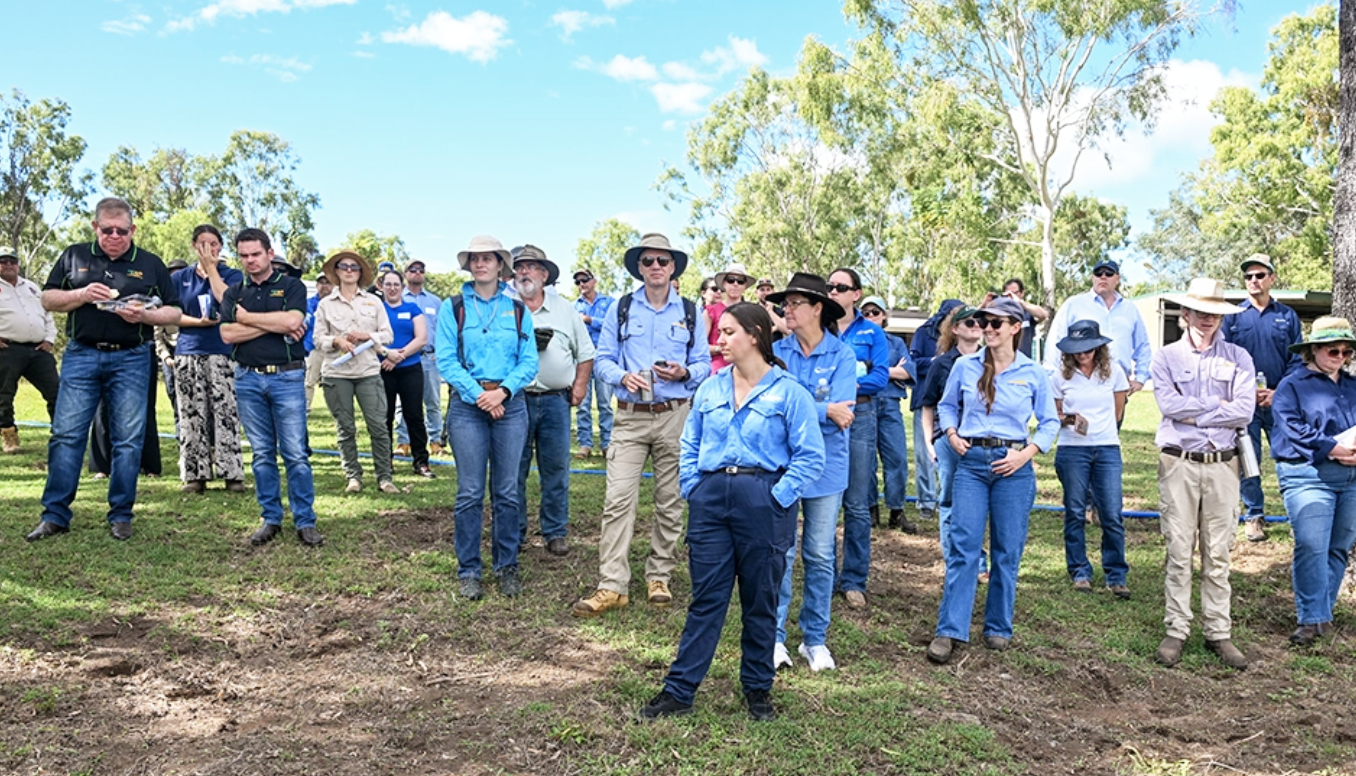
More than 60 scientists, farmers, Traditional Owners, conservationists and industry representatives gathered in Home Hill this month to explore new ways of protecting waterways, strengthening agricultural resilience and improving water quality flowing to the Great Barrier Reef.
The 2026 Burdekin Regional Water Quality Science Forum, hosted by NQ Dry Tropics, highlighted the importance of strategic planning, collaboration and targeted investment to address environmental challenges while supporting productive farming systems.
A field tour showcased practical projects already delivering results, including streambank restoration at Molongle Creek, where almost 4,000 timber piles were installed after severe flooding to stabilise the creek bank and encourage natural regeneration.
Forum delegates also visited Mt Alma Organics near Inkerman, where the Spotswood family is working alongside NQ Dry Tropics to restore more than 60 hectares of wetland through long-term landscape management.
Chief Scientific Officer from the Queensland Department of the Environment, Tourism, Science and Innovation Carl Mitchell said long-term thinking was becoming increasingly important in water quality planning.
"We need to think strategically about how the program would be used in, say, 20 years from now," he said.
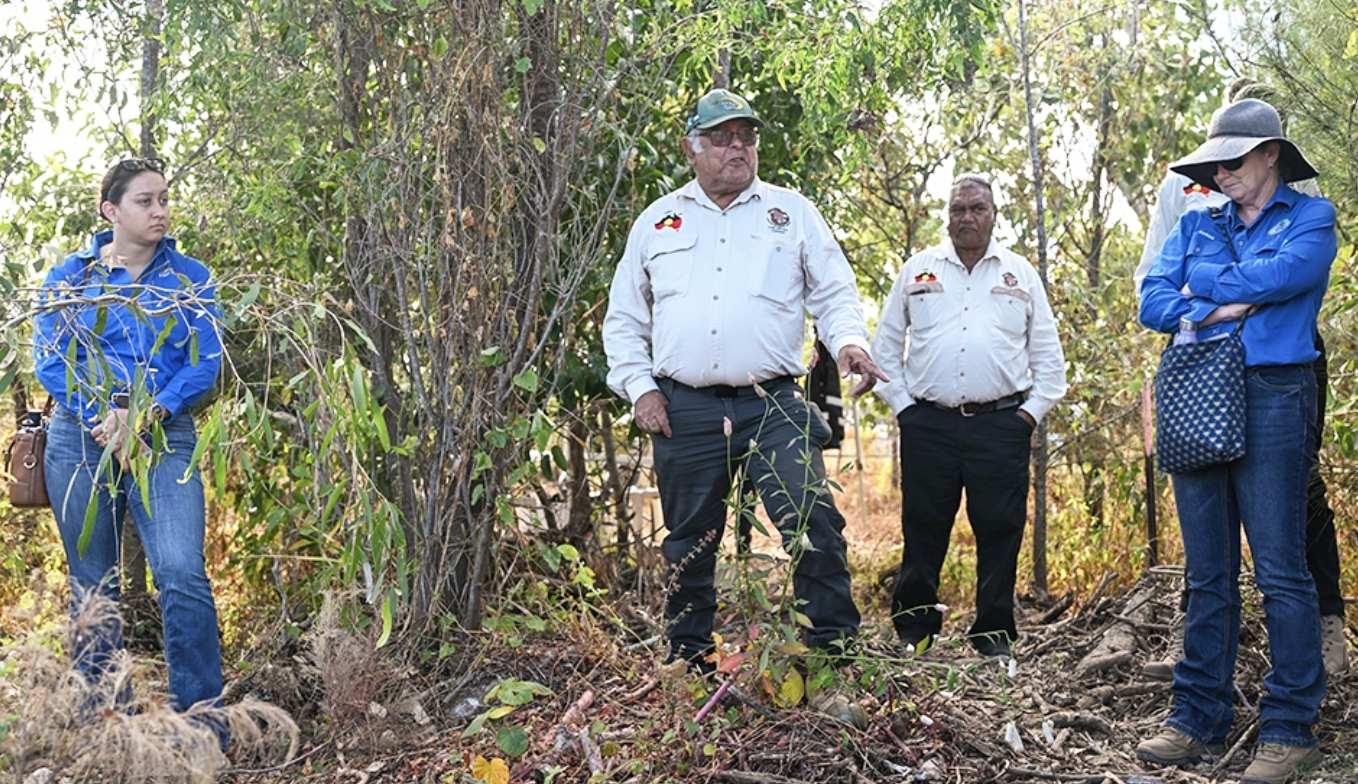
Collaboration between landholders, scientists and Traditional Owners was another key focus, with discussions highlighting the growing use of cultural burning as a land management tool.
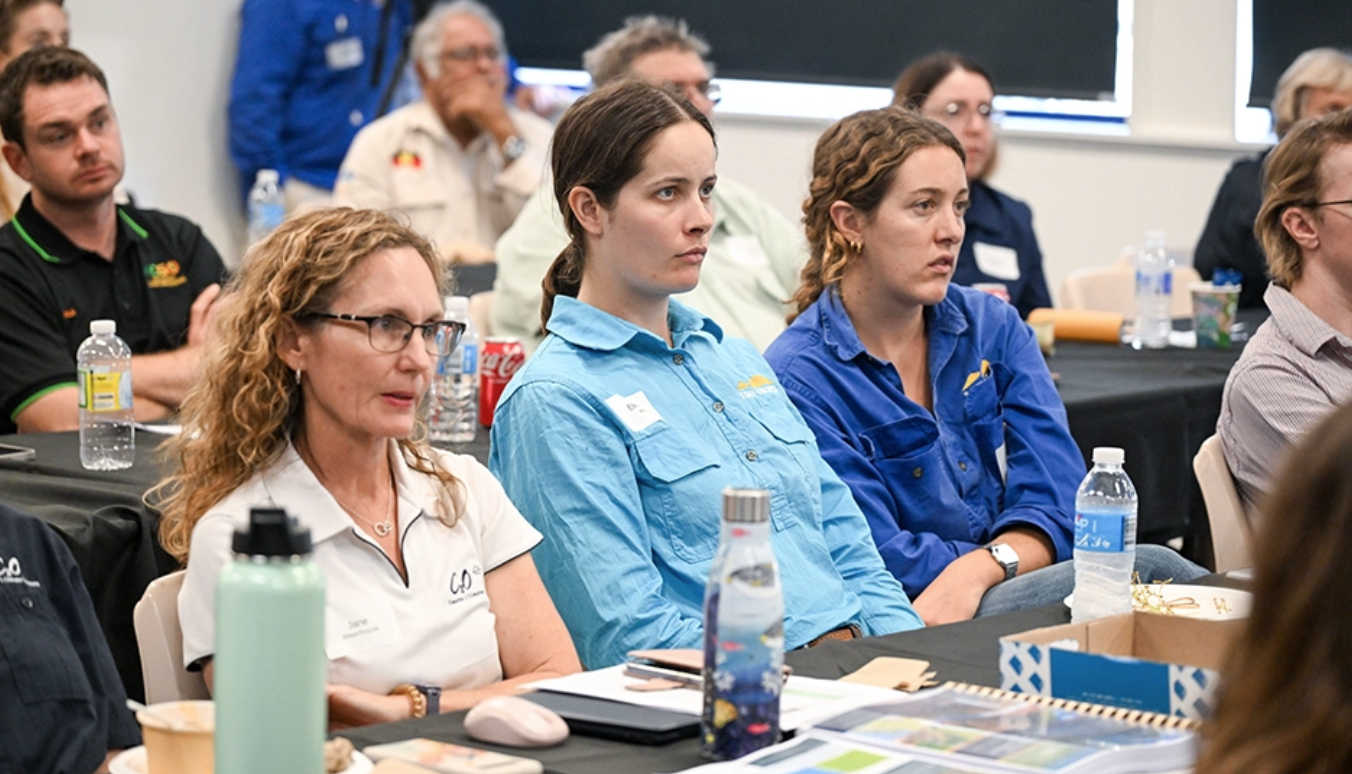
NQ Dry Tropics Sustainable Agriculture Program Manager Rob Hunt said collecting the right information was essential to improving environmental outcomes.
"We really need to know what we're measuring," he said.
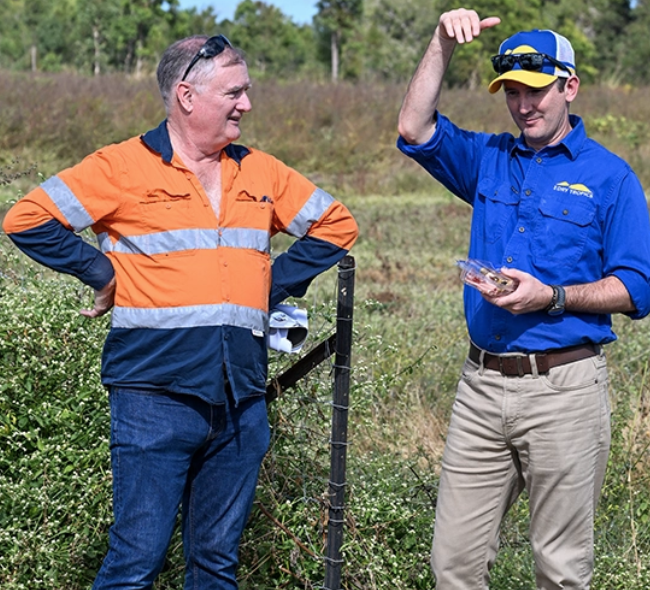
"Whether it's to make sure our models are right, or to ensure a project is delivering what it's meant to deliver, or properly understanding the co-benefits arising from a project, we need to be able to map those out and understand what we're measuring."
Senior Scientist and principal at C2O Consulting Jane Waterhouse said investment also needed to be carefully prioritised.
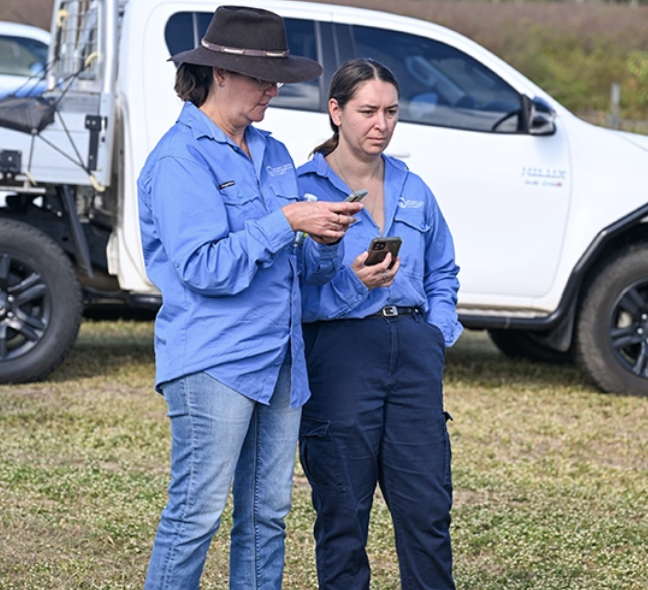
"We also want managers and investors to think about protecting the areas in good condition ensuring we are taking action if necessary to maintain good water quality," she said.
The forum also examined emerging opportunities in carbon emissions reduction, with researchers and industry leaders discussing how changes to fertiliser use and farming practices could improve productivity while creating future carbon market opportunities.
The event was funded through the Australian and Queensland governments' Paddock to Reef Integrated Monitoring, Modelling and Reporting Program.
Publishers Indemnity. Any individual or entity that places advertising, supplies copy material, or submits editorial content to Core Life Publishing agrees and undertakes to ensure that all such material:- Does not infringe upon any copyright, trademark, or other intellectual property rights;- Is free from any content that could be considered defamatory, libelous, or slanderous;- Does not infringe upon any rights related to privacy or breach of confidence;- Contains no obscene, indecent, or otherwise unlawful material;- Complies fully with the Trade Practices Act and all other applicable laws, regulations, or statutes.Furthermore, by submitting or placing such material, these individuals or entities agree to indemnify and hold harmless the publisher, Core Publishing and Events Pty Ltd, and/or its agents from and against any and all investigations, claims, demands, liabilities, damages, costs, or judgments arising out of or in connection with the material provided. All material is believed to be accurate at the time of printing and remains the copyright of Core Publishing and Events Pty Ltd.
© 2026 Life Publishing Group Pty Ltd.






.jpg)