Independently Owned, Locally Grown, Community Loved

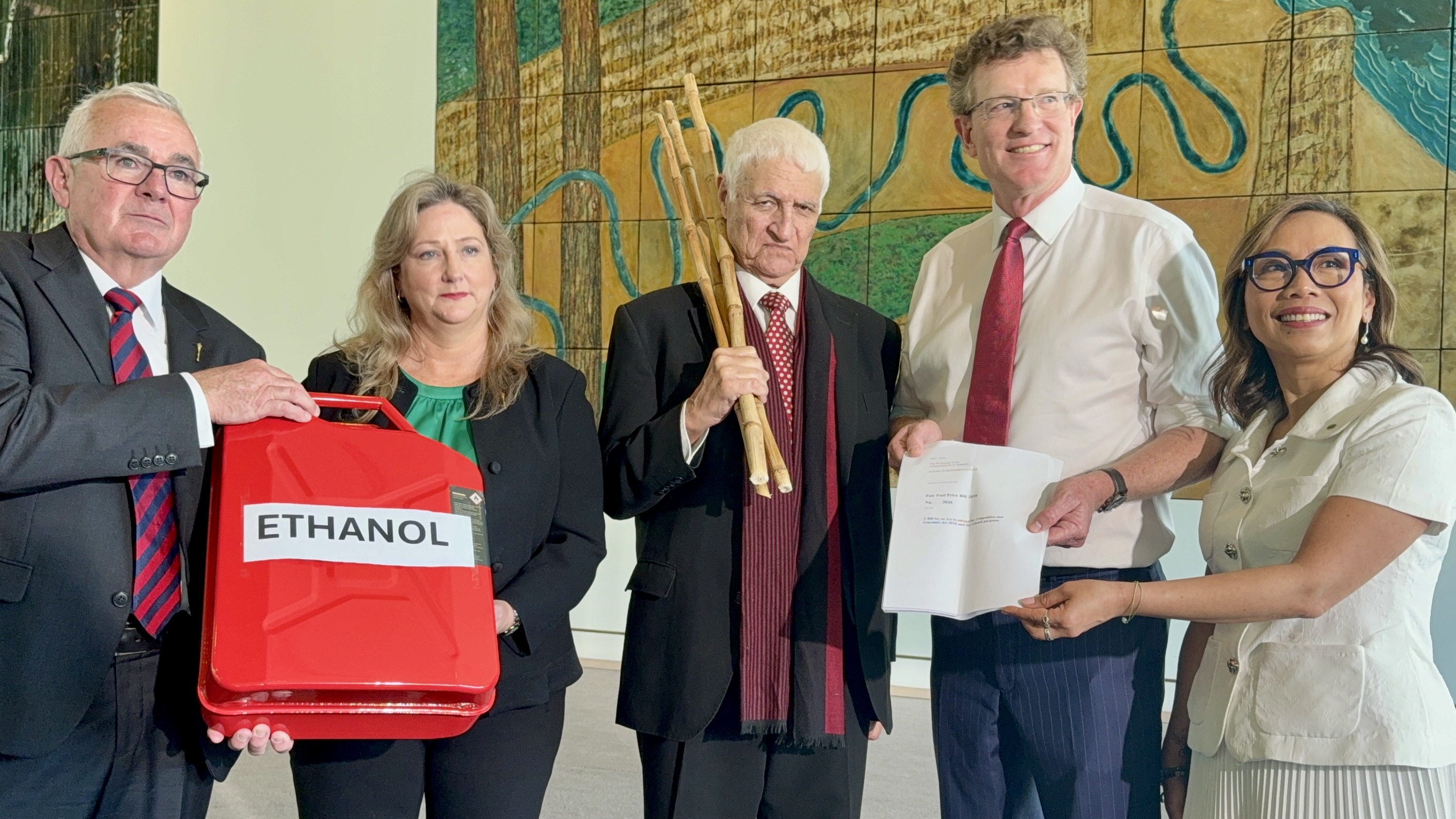
Sugar Industry Slams Australia–EU Trade Deal As ‘Horrendous Outcome’ Australia’s sugar industry has strongly criticised the outcome of the Australia–EU Free Trade Agreement, with CANEGROWERS warning the deal fails to deliver meaningful benefits for cane farmers. CANEGROWERS CEO Dan Galligan described the agreement as a major setback for the industry, particularly for growers across Queensland. “This is a horrendous outcome for Australia’s cane growers,” Mr Galligan said. “For the past decade we have made our needs abundantly clear to the Australian Government and they have not delivered. There is no meaningful commercial access for sugar in this deal. “The market access Australia has achieved is extremely small – less than 2% of Europe’s import requirement and well below what Brazil and its Mercosur partners secured last year, which was around four times larger than Australia’s outcome.” Under the agreement, Australia will receive an additional 35,000 tonnes of sugar quota access over three years, adding to an existing allocation of 9,925 tonnes. However, Mr Galligan said the increase falls far short of what is needed to create real commercial opportunities. “These volumes are not economically meaningful. They will not shift the dial for growers or materially change Australia’s position in the European market. “This is not what genuine market access looks like.” He also criticised the lack of long-term growth opportunities within the agreement. “Compounding this, the agreement delivers no growth, no pathway to expand access and effectively locks growers into a bad deal for the next generation. “It’s a capitulation to protectionist European sugar interests, plain and simple.” Mr Galligan said the outcome was particularly disappointing given Europe’s reliance on imported sugar. “The EU is a net importer of sugar and must bring in significant volumes each year to meet domestic demand. “Australia can help meet that demand with high-quality, sustainably produced sugar, but instead we have been locked out.” He added that the deal does little to address the challenges faced by Australian producers, particularly exposure to volatile global prices. “This deal does nothing to change that position. “We support trade liberalisation, but it has to be meaningful. Growers need outcomes that create genuine opportunity, not agreements that deliver nothing now and take us backwards when it comes to trade liberalisation.” CANEGROWERS said it will continue to review the full details of the agreement while advocating for improved global market access and fairer trading conditions for Australia’s sugar industry.
Read the full story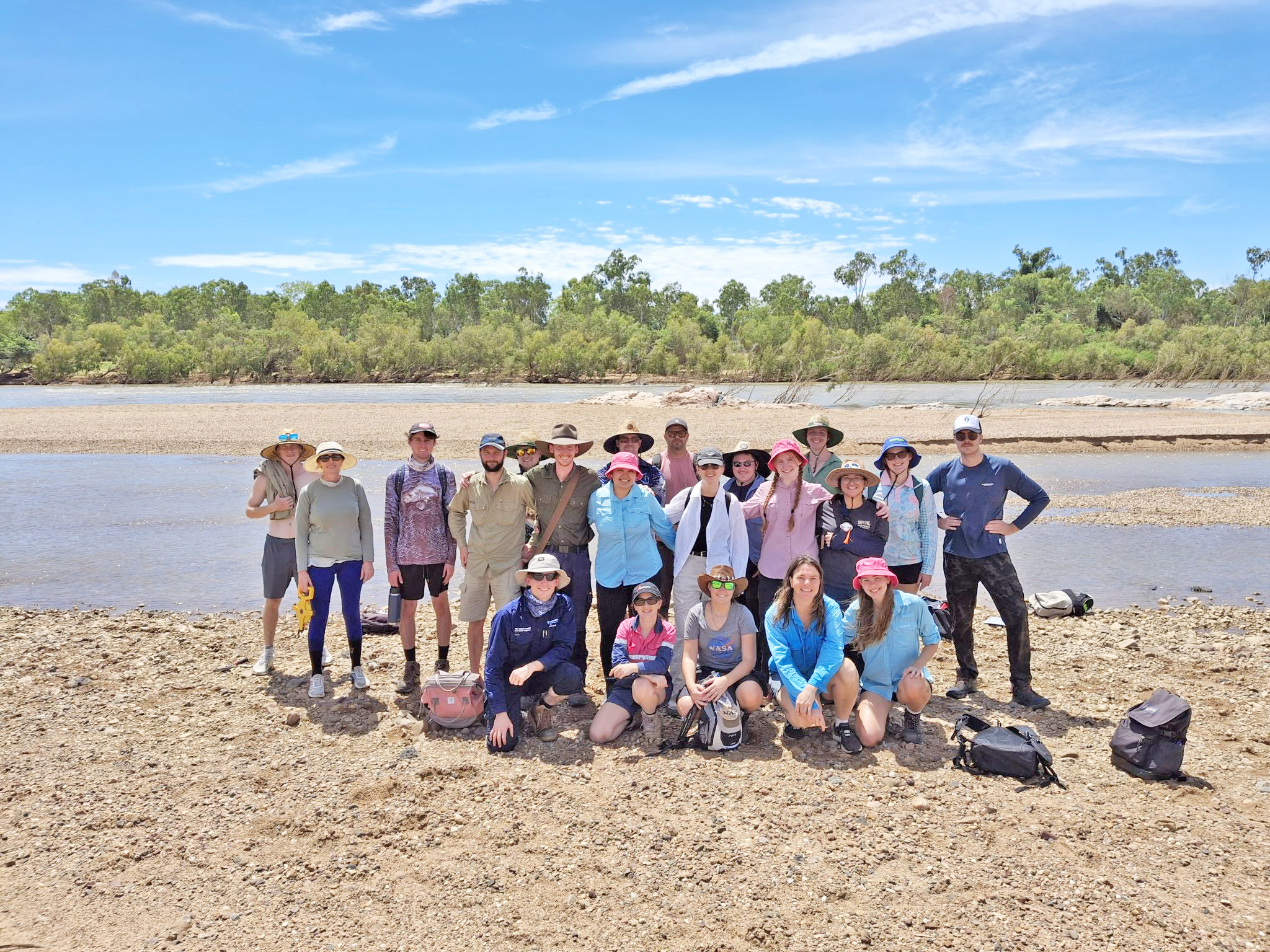
Students from the geoscience faculty at James Cook University (JCU) recently headed to the Burdekin River for a hands-on field trip, gaining real-world experience studying the region’s unique geology. The group spent the day examining igneous intrusions and striking magma mingling textures, with conditions requiring them to quite literally get their feet wet. “We had to get our feet wet this year but it was another fantastic geology field trip to the Burdekin River to look at igneous intrusions and spectacular magma mingling textures,” said JCU Senior Lecturer in Geoscience, Helen McCoy-West. Staff and students described the excursion as a valuable learning experience, offering the opportunity to see geological processes up close while exploring one of North Queensland’s key natural features. “Thank you to the staff and students for a great day out!”
Read the full story
Primary producers across the Burdekin are set to benefit from a new climate tool designed to better predict the end of the northern wet season. Developed through the Northern Australia Climate Program, the Northern Rainfall Retreat (NRR) tool identifies the date of the last significant rainfall before the wet season ends—critical information for farmers managing livestock and crops. The timing of late-season rain can have a major impact on agricultural operations, influencing mustering, livestock transport, stocking rates and crop harvesting. Unseasonal rainfall events can also disrupt harvests, damage infrastructure and affect herd numbers if conditions become extreme. The tool uses historical rainfall data and climate modelling to pinpoint when rainfall typically “retreats” at a specific location. By analysing cumulative rainfall anomalies from the start of the year, it determines the point when rainfall peaks before transitioning into the dry season. Local natural resource management group NQ Dry Tropics is one of several organisations involved in delivering the program, alongside partners including the University of Southern Queensland and the Bureau of Meteorology. The broader program focuses on helping the red meat industry manage drought and climate risk across northern Australia. For Burdekin producers, the NRR tool offers a practical way to reduce uncertainty and make more informed decisions as the region transitions out of the wet season.
Read the full story

Volunteers at NQ Wildlife Care are calling on the community to lend a helping hand, one piece of fabric at a time.
Behind the scenes, dedicated volunteers are busy sewing essential items such as bedding, pouches and bat wraps, all designed to keep injured and orphaned wildlife warm, safe and comfortable during their recovery.
To continue this important work, the organisation is seeking donations of suitable fabric. Items must be clean, freshly washed and in good condition, with natural fibres like cotton or linen preferred. Larger pieces, ideally bigger than 30 centimetres by 30 centimetres, are most useful for sewing.
Synthetic materials, heavily worn fabrics, very small scraps or dirty items unfortunately cannot be accepted.
Donations can be dropped off at the group’s shop on Aitken Street in Aitkenvale, which is open on Sundays from 10am to 1pm. Those unsure whether their fabric is suitable are encouraged to get in touch via email for guidance.
Every contribution, no matter how small, helps volunteers continue their hands-on care for North Queensland’s native animals, offering them comfort, protection and a better chance at recovery.

Burdekin’s reputation as a breeding ground for young talent held true at the 2026 North Queensland Fast Track Talent Showcase, with 39 performers taking to the stage at the Burdekin Memorial Hall.
Acts travelled from as far as Darwin to compete in this year’s iteration, with Townsville’s Lola Lombardi taking top honours. Local performers Milla Licciardello and Alaya Mugica also featured among the major winners, with Mugica earning a career development opportunity through Yoyo Music Management.
More than $7,000 in prizes went to performers on the night, which climaxed with a headline set by global star and special guest Conrad Sewell.
Fast Track Spotlight Falls on Burdekin’s Emerging Talent
Young performers from across North Queensland and beyond touched down on the Burdekin Memorial Hall on Saturday, 21 March, as the 2026 Fast Track Talent Showcase brought 39 unique acts to the local stage.
With competitors travelling from as far as Darwin, the event once again drew a diverse mix of singers and musicians, some as young as just four years old.
10-year-old Townsville native Lola Lombardi claimed first place for her rendition of Never Enough, impressing judges to secure the $1,000 prize.
Burdekin local Milla Licciardello, 16, was awarded runner-up with a soulful performance of Gone by Lianne La Havas, accompanying herself on keyboard.
Another local, 15-year-old Alaya Mugica, was awarded the ‘Fast Track to Fame’ prize, which includes a development opportunity with Yoyo Music Management. Her performance of I Will Survive stood out for its creativity, beginning with a stripped-back guitar arrangement before building to a high-energy finish.
Mugica’s showing drew praise from guest judge and multi-award-winning artist Conrad Sewell, who offered the budding talent a one-on-one songwriting workshop as part of her prize.
Co-Founder of Fast Track and Director of Yoyo Music Management, Ben Brazil, said the showcase continues to highlight the depth of regional talent.
“The NQ Fast Track was another huge success this year, showcasing a wealth of regional and local talent. Our team was thrilled to see so many fresh faces on the stage,” he said.
“We gave away some brilliant prizes this year—worth over $7,000—thanks to our amazing sponsors.
“Conrad Sewell was a highlight for the region, and well done to the team at Burdekin Shire Council for continuing to support the arts and providing upcoming performers with a world-class showcase to be proud of.”
Saturday’s program opened with a performance from local artist Rene LeFeuvre, before Sewell closed the night with a set featuring Firestone, Healing Hands and Start Again.
Now in its 11th year, Fast Track continues to provide a platform for emerging performers, reinforcing the Burdekin’s standing as a hub for developing creative talent.
CAPTIONS:
Cover—Young performers from across North Queensland converged on the Burdekin Memorial Hall on Saturday, 21 March, as the 2026 Fast Track Talent Showcase brought 39 acts to the local stage. Photo credit: Melanie Napier Memories and Photography
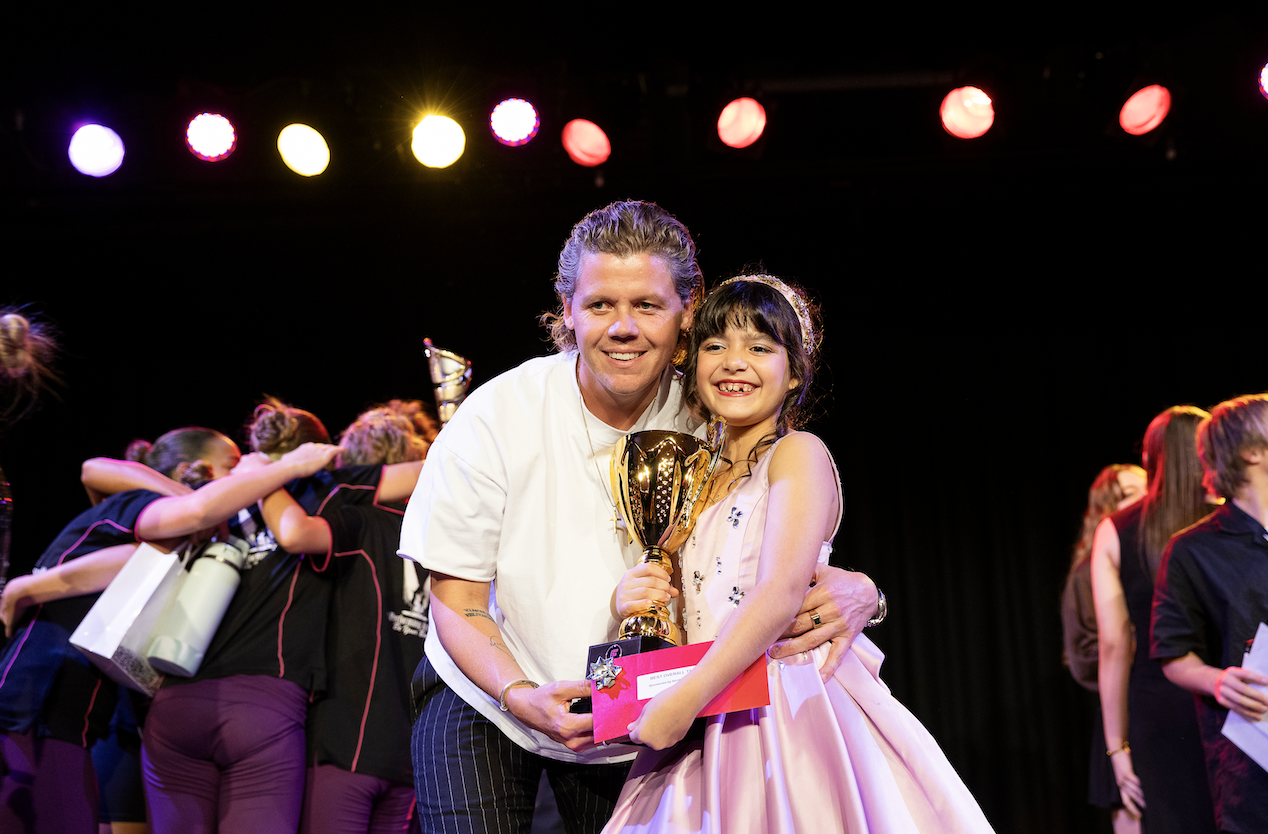
2—Guest judge Conrad Sewell closed the night with a set featuring Firestone, Healing Hands and Start Again. Photo credit: Melanie Napier Memories and Photography

Amid a nationwide lull in volunteering, the Rotary Club of Home Hill has welcomed three new members, giving the longstanding community club a timely boost.
Peter Macaway, Meryl Clarke and Don Clark were sworn in during an intimate ceremony at the Crown Hotel in Home Hill, each receiving a certificate and badge to mark their official entry into the club.
Part of Rotary International, Home Hill Rotary supports local projects, charities, and community initiatives. Club president Alf Musumeci said the additions are invaluable in carrying out the club’s duties, bringing much-needed support to the organisation that has served the Burdekin for decades.
“New members bring new ideas and they are essential to our club's work,” Musumeci said.
“Welcoming new members into our club means we can continue the ideals of Rotary and continue our donations to [Burdekin] entities… and charities. It’s all about giving back to the community.”
The new members will help spread the load within the club, helping with raffle ticket sales, running the club's mega markets, and helping out at events like RYDA (Rotary Youth Driver Awareness).
Musumeci hopes the club can continue to build momentum off the back of the new additions.
"We are a club of older members and we need to attract younger members to learn and eventually become knowledgeable and continue our work in the community,” he said.
“We are constantly on the lookout for new projects to help the community where we can. If you have a plan or an idea, put it to us and we can consider it and take it from there.”
The club recently announced its flagship fundraiser of the year, aiming to raise about $40,000 for a new all-terrain vehicle (ATV) for local police. With added hands, the club is hopeful of reaching that target.
CAPTIONS:
1—President Elect Clive Williams, new member Peter Macaway, Club President Alf Musumeci at the swearing-in ceremony.
2—Clive Williams and Alf Musumeci with new member Meryl Clarke.
3—Clive Williams and Alf Musumeci with new member Don Clarke.
Photo credit: Jacob Casha

Students from Ayr and Home Hill have gained a hands-on look at the science behind agriculture, taking part in an interactive Agricultural Careers Day hosted at Home Hill State High School.
Delivered by NQ Dry Tropics staff, the workshop introduced Year 10–12 students to the fundamentals of soil health and its role in sustainable farming across the Burdekin.
The session moved beyond theory, with students rolling up their sleeves to take part in real-world soil testing activities. They compared soil types, explored how to interpret soil test results and learned practical conservation techniques used across the region.
At interactive stations, students conducted soil dispersion tests, examined soil texture using the “ribbon test” and tested pH levels — all key skills for understanding how land can be managed more effectively.
NQ Dry Tropics Soil Conservation Officer Bernie Claussen said building this knowledge early was essential for the next generation of farmers and land managers.
“Healthy soils have a structure; this means that much of it is air; spaces for plant roots and millions of micro-organisms to live in, all the while fertilising the soil," she said.
“Healthy soils grow healthy crops and pastures while using less inputs. These living soils erode less and improve the long-term resilience of agricultural production systems."
The event formed part of the school’s Future Field Immersion Program, giving students insight into career pathways in grazing, cropping, agronomy and environmental science.
CAPTION: Students get hands-on experience tasing soil pH. Photo source: NQ Dry Tropics

Heavy rainfall and the impact of Ex-Tropical Cyclone Narelle have pushed the Burdekin River to capacity, with floodwaters now running bank to bank across the region.
Earlier this week, Sunwater confirmed the Burdekin Falls Dam had reached 112.44 per cent capacity, underscoring the scale of inflows across the vast catchment.
Stretching more than 800 kilometres, the Burdekin River is one of Queensland’s most significant waterways, draining an area of approximately 130,500 square kilometres. Its extensive system, fed by tributaries including the Suttor, Bowen and Star Rivers, plays a critical role in supporting agriculture across North Queensland.
For the Lower Burdekin, the river is the lifeblood of one of Australia’s most productive farming regions. Intensive irrigation supports a thriving sugarcane industry, which generates an estimated $160 to $180 million annually and delivers the highest cane yields per hectare in the country. The river system also underpins cattle grazing operations further upstream.
As floodwaters continue to move through the system, the Burdekin once again highlights both the strength and complexity of one of Queensland’s most important agricultural regions.
The Burdekin Dam has dropped to an approximate capacity of 112 per cent. Photo credit: Lachlan Allegri

More than 500 small businesses across Queensland have already benefited from a new apprenticeship support program aimed at strengthening the state’s construction workforce.
The Queensland Government’s $19 million Small Business Apprenticeship Pilot Program was launched in October and has so far supported 526 small and family-owned businesses employing 579 apprentices in training.
The initiative is designed to help small construction businesses train and retain skilled workers by providing wage subsidies while apprentices attend formal training. Under the program, eligible businesses can receive a subsidy covering 50 per cent of wages for first and second-year apprentices and 25 per cent for those in their third and fourth years during training periods.
The pilot program aims to support up to 2,000 apprentices across the state, with a strong focus on regional Queensland. About one-third of registrations so far have come from small construction businesses located outside south-east Queensland.
Carpentry currently represents the largest share of registrations at 26.3 per cent, followed by electrical trades at 25.3 per cent and plumbing at 15.7 per cent.
Minister for Small and Family Business Steve Minnikin said the program also supports small businesses taking on apprentices.
“Small businesses are the backbone of our economy, and this is another example of the Crisafulli government putting Small and Family Business first to ensure they have the support they need to take on apprentices and contribute to critical infrastructure projects across the state,” Minister Minnikin said.
“I encourage small construction businesses to apply to secure funding.”
More information is available online at business.qld.gov.au/apprentice-pilot.
CAPTION: Apprenticeships in plumbing, painting, construction and locksmithing are among several eligible for the Small Business Apprenticeship Pilot Program. Photo source: Next Gen Building Co.
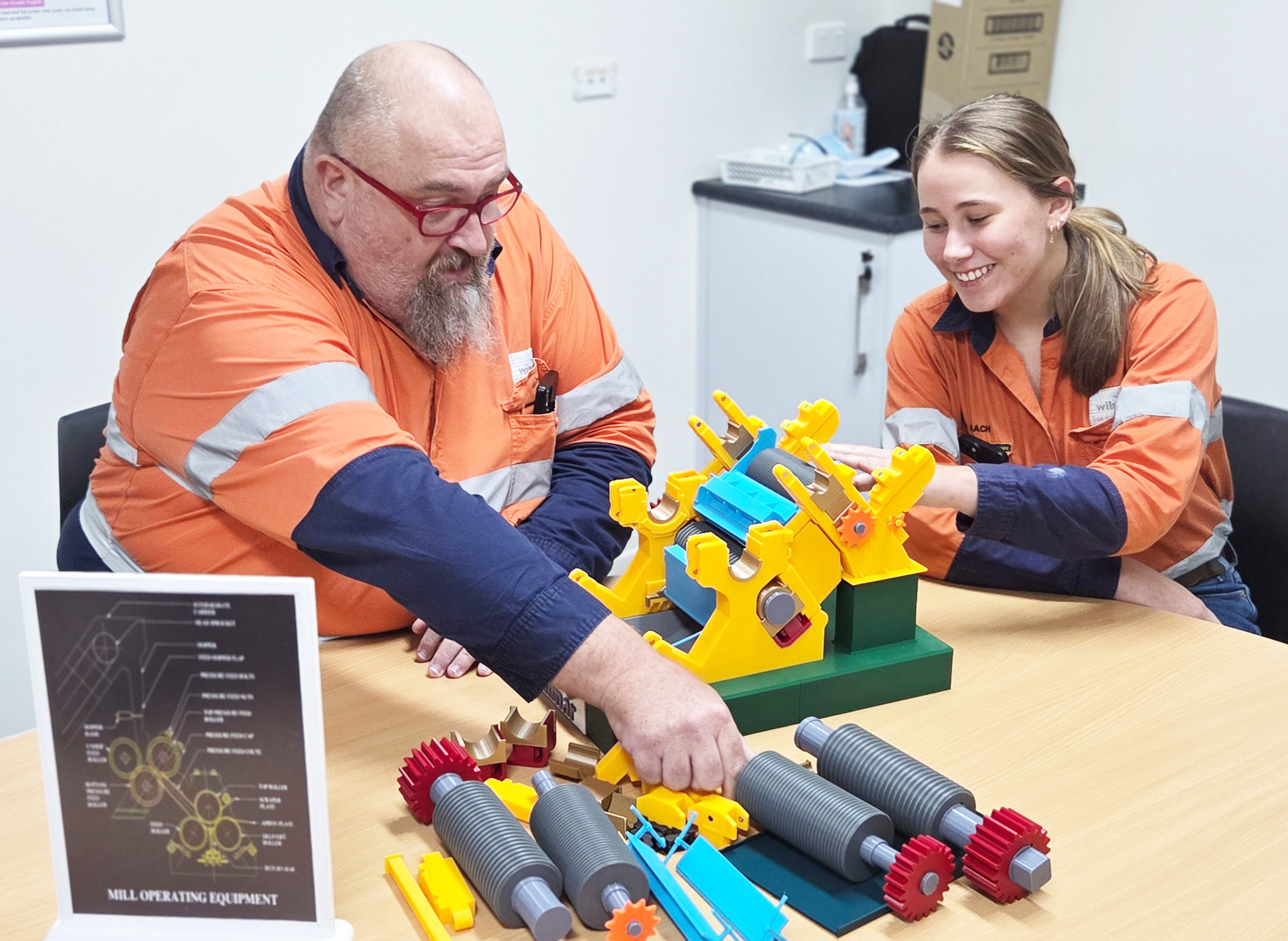
Wilmar Sugar Australia has developed a 3D printed model of a crushing mill to support hands-on training for trades and operational employees working across its sugar factories.
The model is the first in a planned series designed to help workers better understand equipment components and key operational settings used within the milling process.
Wilmar’s design team began by creating a generic 3D model of a crushing mill using AutoCAD, ensuring it included all the necessary elements for training while remaining suitable for 3D printing.
A Townsville-based 3D printing company was then engaged to produce the final model.
The completed training tool features 75 individual parts connected using rare earth magnets, allowing it to be easily taken apart and reassembled. Despite being designed for repeated use in training environments, the model is also robust enough to withstand long-term handling.
The mill was printed using Polylactic Acid Plus, a plant-based material made from renewable resources including sugarcane.
Wilmar said the model is intended to improve practical learning by giving employees a clear, hands-on understanding of how mill components work together.
Following the success of the project, the company is now considering producing additional 3D printed models of other critical equipment used in sugar processing, including shredders and mud filters.
CAPTION: Design Draftsperson Paris Ogden and Cadet Draftsperson Grace Bach reassembling the printed mill at Pioneer Mill. Photo source: Wilmar Sugar Australia Limited
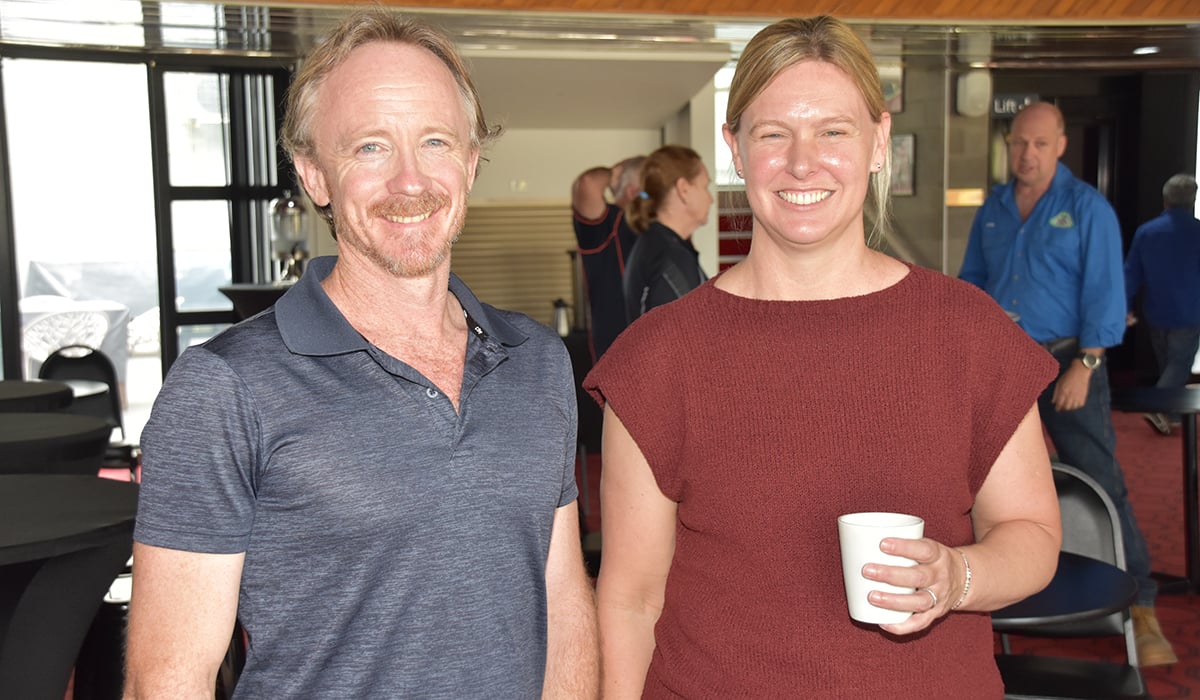
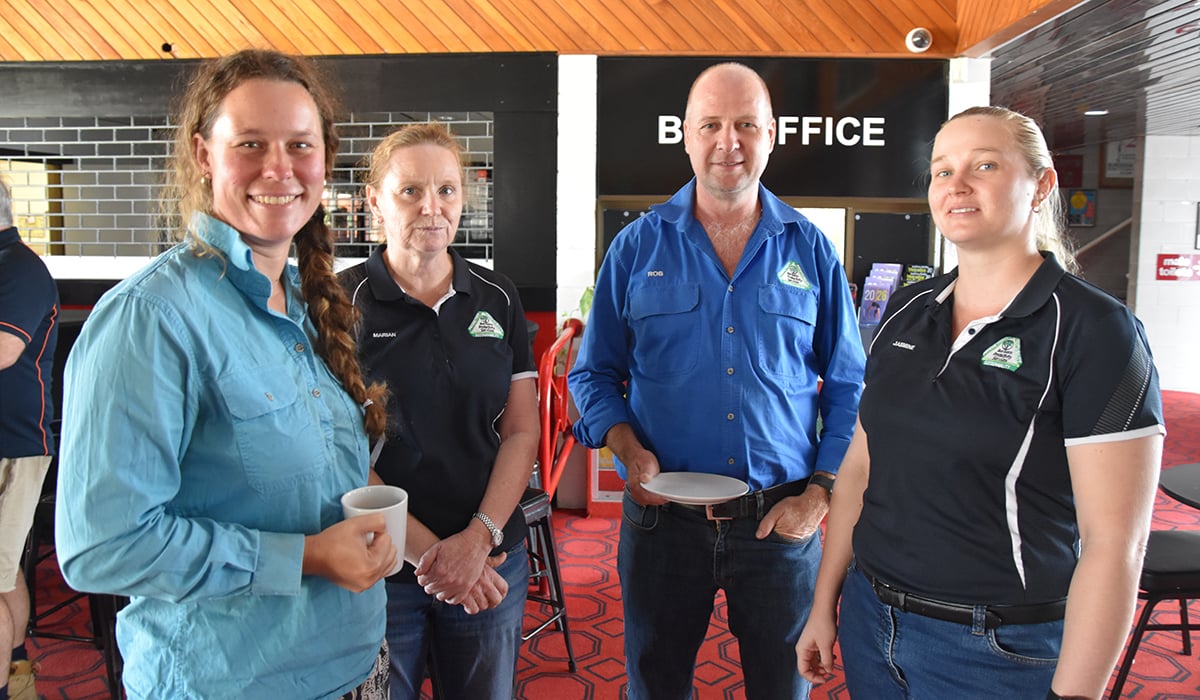
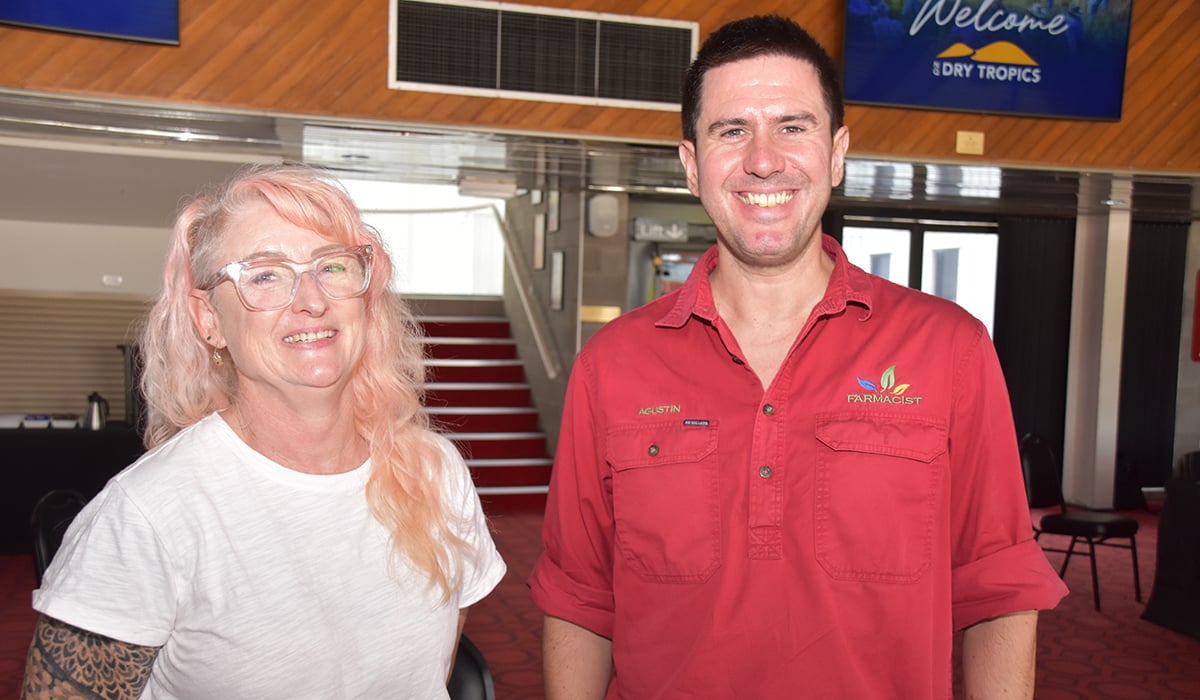
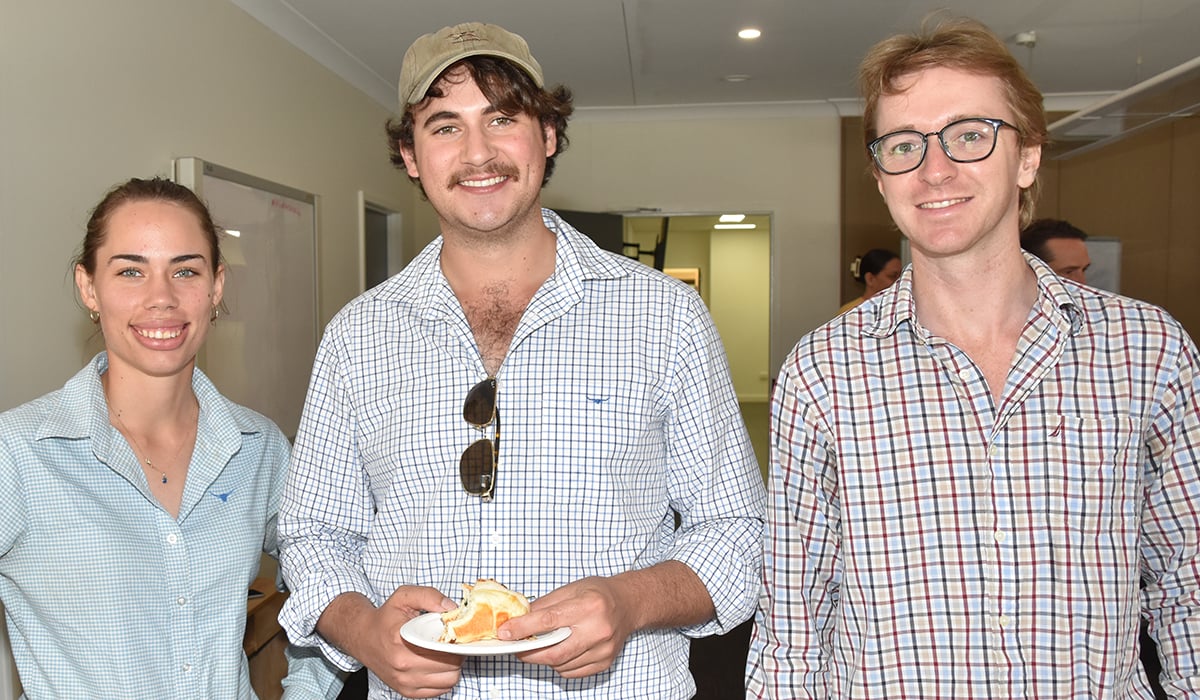
Natural resource management officers from across North Queensland recently gathered in Townsville and Ayr to take part in workshops focused on improving the effectiveness of environmental monitoring programs.
Hosted as part of the Paddock to Reef Integrated Monitoring Modelling and Reporting Program, the sessions brought together field officers and delivery partners to ensure they remain up to date with the latest tools and processes used to track the impact of land management practices on the Great Barrier Reef.
The program relies on data collected in the field to help inform modelling that guides future environmental initiatives while also monitoring the effectiveness of current projects.
Representatives from Queensland Department of Primary Industries and Queensland Department of Environment, Tourism, Science and Innovation led the workshops, which were delivered across the state to support extension officers, project managers and delivery partners involved in reef protection work.
Adam Northey, Principal Agribusiness Development Officer for the Paddock to Reef program with the Department of Primary Industries, said the workshops were designed to strengthen knowledge and connections within the sector.
"It's also to refresh personal connections and keep communication channels open," he said.
NQ Dry Tropics field officers attended the grazing-focused workshop in Townsville and a similar session in Ayr centred on the sugar industry.
Information collected through the Paddock to Reef Program helps guide environmental management strategies and shape future projects while supporting progress toward the Reef 2050 Water Quality Improvement Plan targets.
In addition to Townsville and Ayr, workshops were also delivered in Bundaberg, Cairns, Mackay and Rockhampton as part of the statewide initiative.

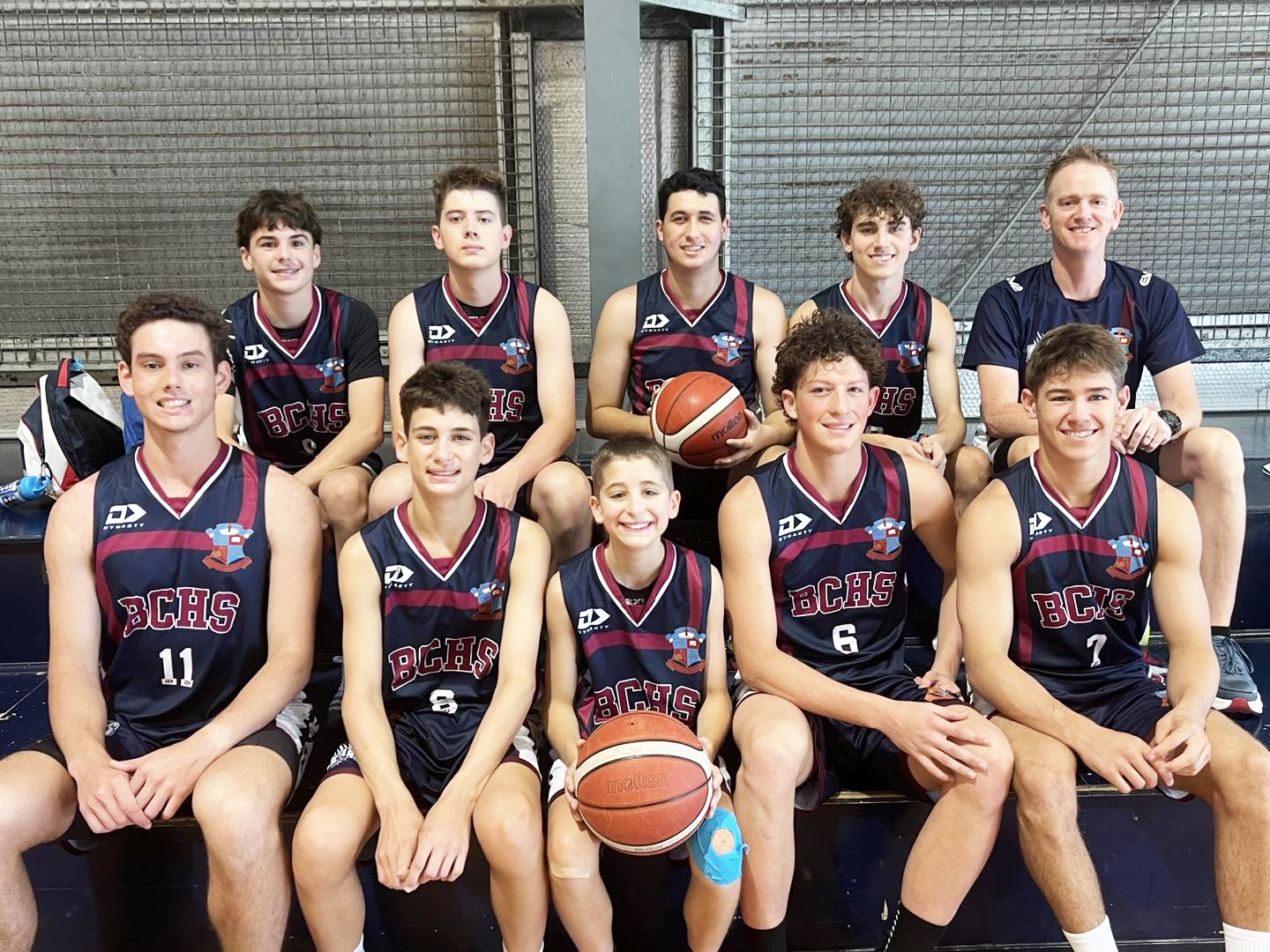
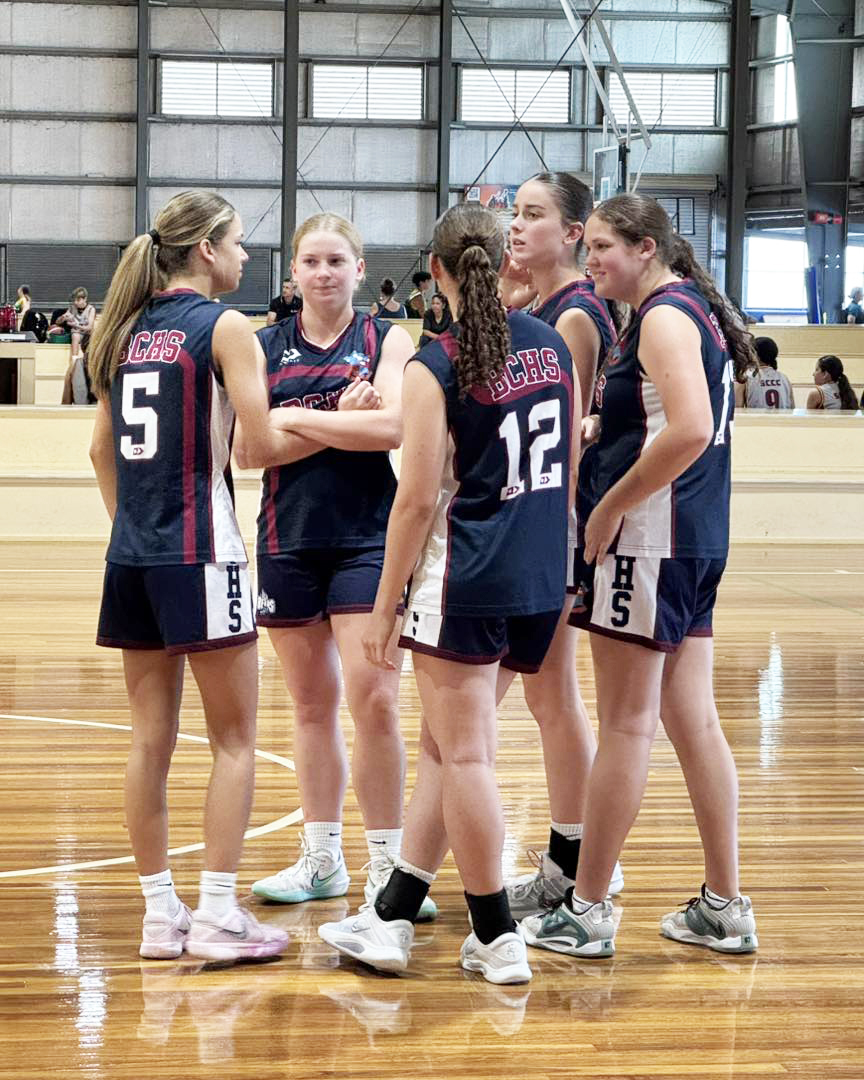
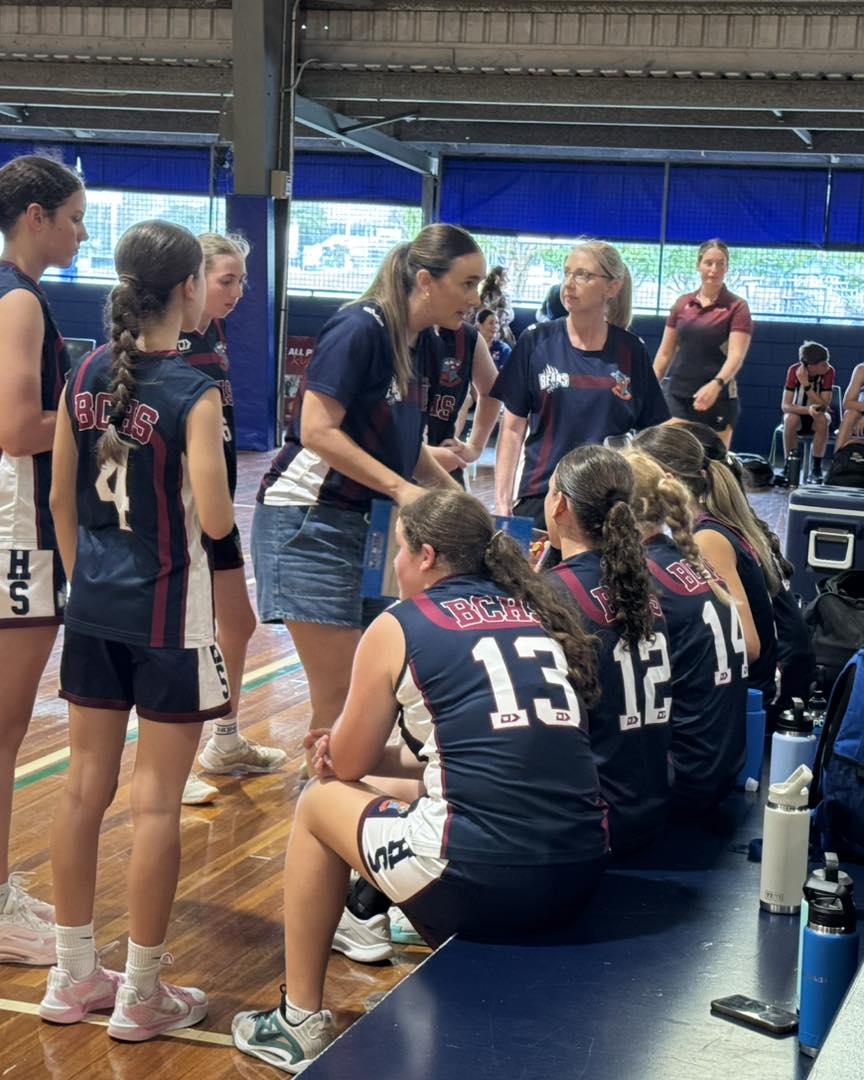
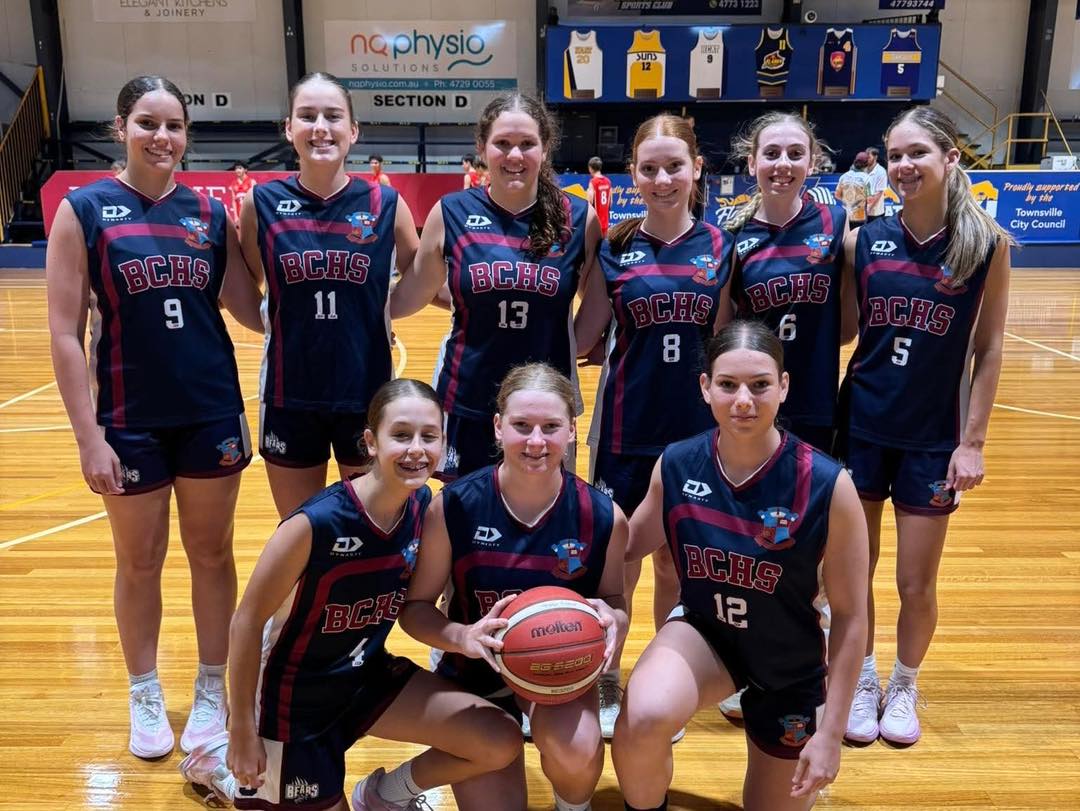
Burdekin Catholic High School’s basketball teams have delivered an outstanding performance at the recent CSBQ North Basketball Carnival, with both the boys’ and girls’ Bears teams showcasing skill, resilience and teamwork across two exciting days of competition.
The BCH Division 2 Boys produced a tremendous campaign, finishing runners-up after a series of impressive performances. The boys secured strong wins against Northern Beaches State High School and Annandale Christian College, demonstrating composure and determination throughout the tournament.
Despite extremely hot conditions and limited rest between games, the team maintained a high level of intensity and teamwork. Their ability to compete under demanding circumstances highlighted both their physical endurance and mental toughness, making their second-place finish a fantastic achievement for the Bears.
Meanwhile, the BCH Girls’ Bears delivered a remarkable tournament of their own, ultimately being crowned DIVISION 1 CHAMPIONS.
The girls recorded impressive wins against Ryan Catholic College, Ayr State High School, and Southern Cross Catholic College, but it was their thrilling clash with Ayr High that provided one of the most memorable moments of the carnival.
Trailing for the entire game, the Bears girls showed incredible composure and belief under pressure. With just 0.7 seconds remaining on the clock, Andy Eathorne produced a stunning pull-up buzzer-beater to snatch the lead and secure an unforgettable victory.
The success of both teams reflects not only the dedication of the players but also the commitment of those who support them behind the scenes.
A special thank you goes to Lauren Roncato and Brett Eathorne, the volunteer coaches who generously give their time to develop the teams and help the Bears shine on the court. Their guidance and passion for the game continue to inspire the students.
Gratitude is also extended to team managers Annitta Boland and Lee-Anne Eathorne, whose organisation and support ensured the teams were able to focus on their performances.
The Bears’ success is a testament to the school’s strong sporting culture and the commitment of players, coaches and supporters alike.
With a Division 1 championship for the girls and a Division 2 runner-up finish for the boys, the future of BCH basketball is looking bright. Go BCHS Bears!

Students at Clare State School have been wished the very best as they begin their NAPLAN testing earlier last week.
The school shared a message of encouragement ahead of the national assessments, acknowledging the efforts students have already put into preparing for the tests.
“Good luck to all of the students who are commencing their NAPLAN testing today,” the school said.
Across Queensland, thousands of students are sitting the annual literacy and numeracy assessments, with those in Years 3, 5, 7 and 9 taking part between 11 and 23 March.
For Clare State School, the focus remains on supporting students to feel confident and do their best.
NAPLAN provides an opportunity for schools and families to better understand student progress and identify areas where additional support may be needed.
As testing gets underway, the Clare State School community has rallied behind its students, encouraging them to approach the exams with confidence and a positive mindset.
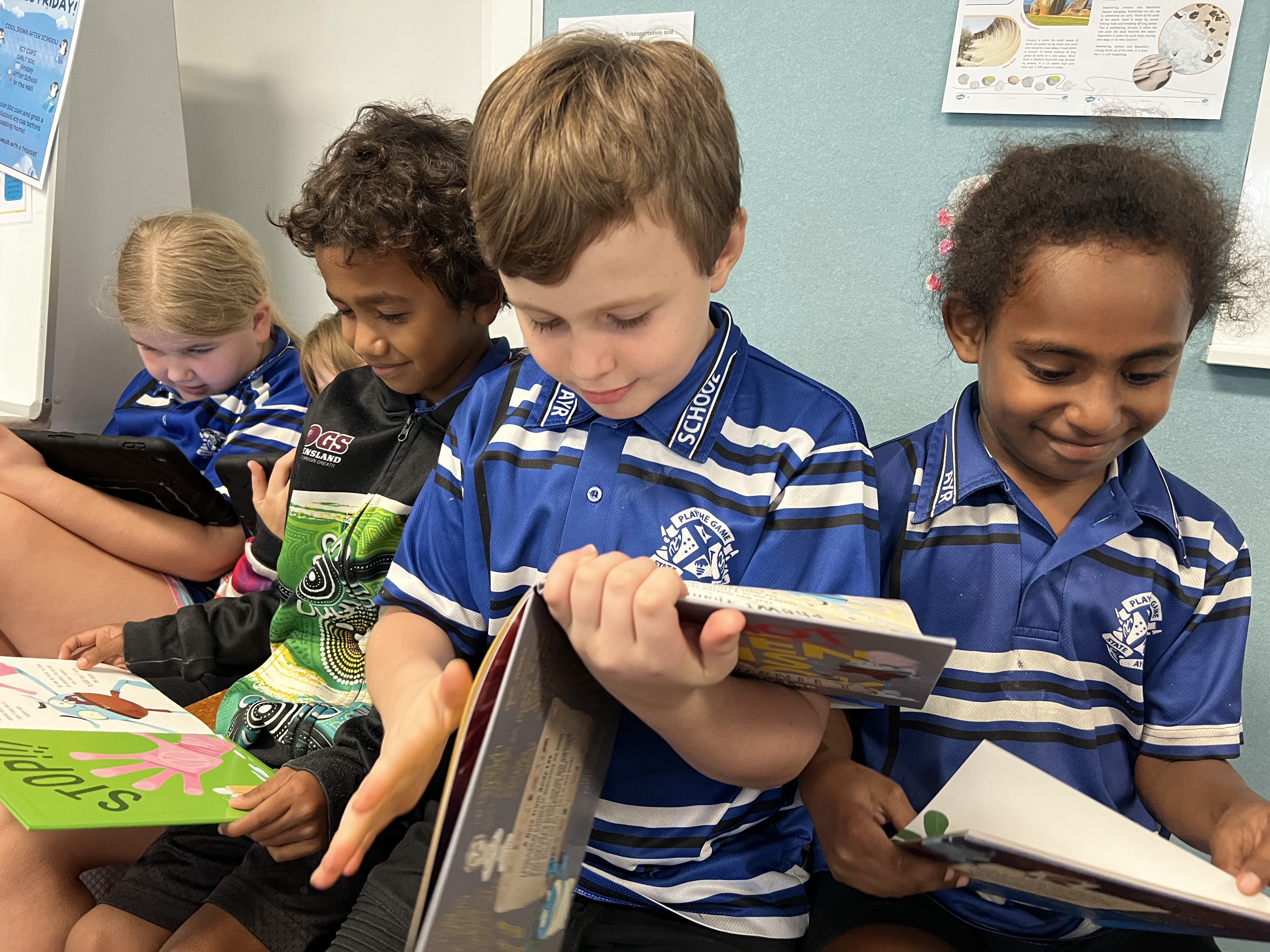
At Ayr State School, a love of reading sits at the heart of everything we do. We believe that reading opens the door to opportunity, confidence and lifelong learning. That’s why developing strong readers is one of our highest priorities. Our teachers work closely together to ensure every student is supported to become a capable and confident reader, using evidence-based approaches that build both word reading and comprehension.
This commitment to literacy has seen Ayr State School selected as one of only 26 schools across Queensland to take part in the Reading Accelerator Program. Being chosen for this initiative recognises the school’s strong focus on improving reading outcomes and allows staff to work alongside experts to further strengthen teaching practices and support student success.
While reading is a key focus, learning at Ayr State School extends far beyond the classroom. Students have access to a wide range of extra-curricular opportunities, particularly in the arts, where creativity, expression and performance are celebrated. These experiences allow students to explore their interests, build confidence and develop important skills such as collaboration and communication.
The school also places a strong emphasis on sport and physical activity. Students participate in a variety of sporting opportunities throughout the year including track, field and running events, as well as swimming lessons provided twice each year to help build water confidence and important life skills. These programs encourage teamwork, resilience and healthy, active lifestyles.
The school environment itself is also evolving. Over recent years, Ayr State School’s facilities have undergone extensive refurbishment, creating bright, modern and welcoming learning spaces for students.
Exciting developments are continuing, with construction currently underway on a brand-new basketball court and a ninja-style playground, providing students with even more opportunities to stay active, challenge themselves and enjoy their school environment.
Staff are proud of the strong culture that exists within the school community—one where high expectations, strong relationships and a focus on student success guide everything that happens each day.
With a clear focus on reading, rich opportunities in the arts and sport, and ongoing improvements to facilities, Ayr State School continues to provide an environment where students can thrive both academically and personally.
Contributed with thanks to Ayr State School

Students at Ayr State High School recently stepped beyond the classroom and into the world of work during a special session with local industry representatives.
The school’s Year 11 cohort welcomed visitors from businesses across the Burdekin for an engaging discussion about life after school and the pathways available to young people entering the workforce.
The event gave students the opportunity to hear firsthand about different careers, workplace expectations and the personal qualities employers value most. From communication and teamwork to resilience and reliability, the message from industry guests was clear: success often comes down to attitude, effort and a willingness to keep learning.
Throughout the session, students asked questions, shared ideas and gained valuable insights into what working life can look like beyond the school gates.
Teachers said the visit provided an important chance for students to connect classroom learning with real-world experiences, helping them build confidence as they begin thinking about future careers and training opportunities.
School staff also expressed their gratitude to the local businesses and representatives who gave up their time to speak with students and share their experiences.
The visit highlighted the strong connection between the school and the local community, while giving students a fun and practical introduction to the many possibilities that await them after graduation.
CAPTION: Ayr State High School’s Year 11 cohort was pleased to welcome visitors from businesses around the Burdekin. Photo source: Ayr State High School

There was plenty of excitement, cheering and school spirit at the annual Interhouse Swimming Carnival at Ayr State High School, with Cook House making a splash by claiming the 2026 championship title.
Cook secured the win with an impressive 890 points, marking their third consecutive victory at the carnival. The competition was tight throughout the day, with Macquarie House leading early before Cook surged ahead to take the top spot.
Final standings saw Cook finish first on 890 points, followed closely by Macquarie on 888 points. Banks placed third with 763 points, while Phillip finished fourth with 639 points.
While Cook celebrated the overall swimming honours, Banks House was awarded the Spirit Stick, recognising their outstanding enthusiasm and support throughout the event.
The carnival featured a full program of races and events, with students competing across age groups as well as taking part in popular activities like the dash for cash. Age champions, record breakers and Max Tavasci Trophy winners were also recognised for their strong performances in the pool.
Beyond the results, the day was filled with teamwork, friendly rivalry and plenty of encouragement from the sidelines, reflecting the strong house spirit that defines the school’s sporting events.
Staff congratulated all students who competed, cheered on their teammates or helped behind the scenes to make the carnival a success, showcasing the vibrant community spirit that continues to make the event a highlight of the school calendar.
CAPTION: Cook was victorious at Ayr State High School’s 2026 Interhouse Swimming Carnival. Photo source: Ayr State High School

Burdekin children aged 9 to 15 will get a hands-on introduction to the latest digital technologies during school holidays, thanks to a partnership between Burdekin Shire Council and the State Library of Queensland.
Two workshops will be held at the Burdekin Library in Ayr on Wednesday 8 April. The Drones & Programming session runs from 10:00am to 12:00pm, followed by 3D Design & Printing from 2:00pm to 4:00pm. Red Dirt Robotics will be a special guest presenter, giving students practical experience with real-world technology.
“By partnering with the State Library of Queensland, Council is able to bring exciting, future focused learning experiences to our community,” Mayor Pierina Dalle Cort said.
“These workshops encourage creativity, problem solving and confidence with technology—skills that are increasingly important for both young people and adults.”
Places are limited, ensuring each student can get personal attention and fully explore the technology during the two-hour sessions.
The partnership also offers opportunities for local business owners, with free Digital Marketing for Business online workshops running throughout March. Each two-hour session explores how digital platforms such as Google, Facebook, Instagram, email marketing, and online reviews can help businesses connect with customers.
Sessions are scheduled on 9, 10, 11, 12, 17, 18, 19, and 20 March, providing flexible options for local business owners to participate.
The workshops are delivered through the State Library of Queensland’s Regional Digital Development project, supported by the Department of Customer Service, Open Data and Small and Family Business, as part of a broader initiative to improve digital skills in regional Queensland.
Registrations are now open. Bookings for youth workshops can be made at https://bit.ly/burdekinlibraryevents. Business owners can register via the Digital and You app at www.digitalandyou.com.au/app or Eventbrite at https://bit.ly/4cnomiT.
CAPTION: Two workshops will be held at the Burdekin Library in Ayr on Wednesday 8 April. Photo source: Adobe Stock

Volunteer Coordinator, Burdekin Visitor Information Centre, Ayr
What inspired you to volunteer?
“My husband and I moved up from Victoria after we retired, and I was volunteering and participating in a few local groups. I met this lady there, and she talked me into trying the information centre. I said, 'Look, I wouldn't know anything’, and she said ‘Oh, you'll learn.’ 15 years later, here I am coordinating the place!”
What’s a typical shift like?
“Once we open, clean up, and top everything up, we wait for tourists to come in and show them around. If they need help, we give advice, provide maps, and suggest things to do in the area. It’s important to make visitors feel welcome and show them around without taking over the conversation. We let them talk, listen to what they want, and help them plan where they’re going.”
What do you enjoy most?
“I just really enjoy meeting people and the tourists that come through. We’ve got a lot of knowledge to share along with the brochures, and it’s just nice to see visitors leave thankful and smiling. It makes you feel really good inside, and it helps give the town a great reputation.”
What makes a great volunteer?
“I think volunteers should be outgoing and very welcoming, and able to get on with people. That’s really all you need. It also helps to be honest and tidy—keep things clean and organised—because visitors notice those details.”
Why should someone give volunteering a try?
“Just come and give it a go. Volunteers don’t have to stay if it’s not for them, but it’s worth trying. We usually pair new volunteers with someone they’ll get on with, so everyone feels comfortable. Most people end up loving it!”
For more information or to volunteer, contact Burdekin Shire Council’s Tourism team on (07) 4783 9800 or email tourism@burdekin.qld.gov.au.
Publishers Indemnity. Any individual or entity that places advertising, supplies copy material, or submits editorial content to Core Life Publishing agrees and undertakes to ensure that all such material:- Does not infringe upon any copyright, trademark, or other intellectual property rights;- Is free from any content that could be considered defamatory, libelous, or slanderous;- Does not infringe upon any rights related to privacy or breach of confidence;- Contains no obscene, indecent, or otherwise unlawful material;- Complies fully with the Trade Practices Act and all other applicable laws, regulations, or statutes.Furthermore, by submitting or placing such material, these individuals or entities agree to indemnify and hold harmless the publisher, Core Publishing and Events Pty Ltd, and/or its agents from and against any and all investigations, claims, demands, liabilities, damages, costs, or judgments arising out of or in connection with the material provided. All material is believed to be accurate at the time of printing and remains the copyright of Core Publishing and Events Pty Ltd.
© 2026 Life Publishing Group Pty Ltd.