Independently Owned, Locally Grown, Community Loved

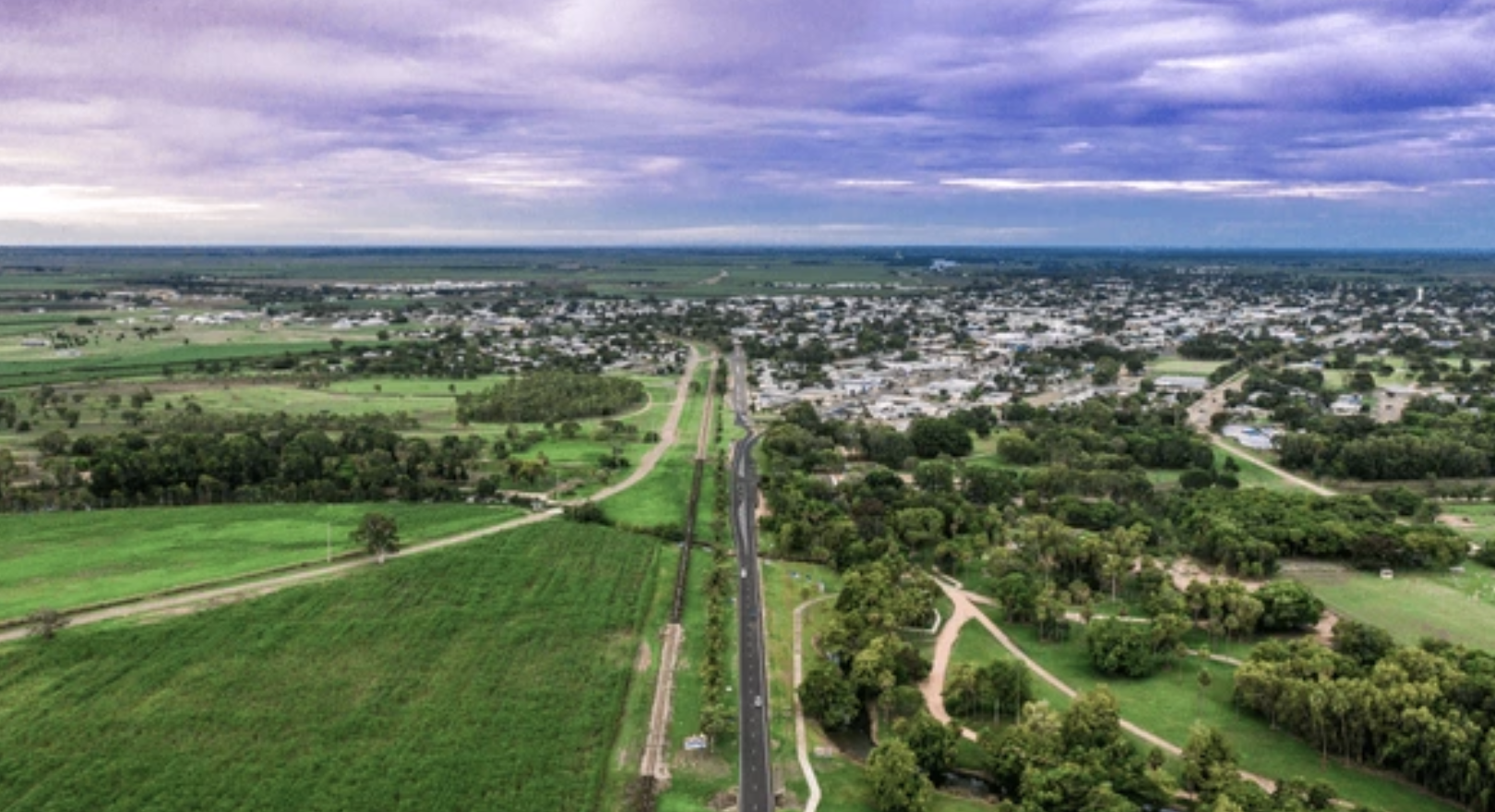
The Burdekin is set to benefit from a major environmental investment, with the Government committing more than $10 million to tackle weeds, feral animals and wildfire threats across North Queensland.
As part of the $117.8 million Natural Resource Management Expansion Program, NQ Dry Tropics will lead three local projects aimed at restoring land condition, protecting wetlands, and safeguarding vulnerable coastal ecosystems — with much of the work centred in the Lower Burdekin.
The program includes $3.7 million to improve 1,450 hectares of grazing land, native vegetation and wetlands in the Lower Burdekin, $4.4 million to strengthen coastal and wetland ecosystems across the broader Burdekin Dry Tropics region, and $1.9 million to support landholders in the Townsville Offshore and Lower Burdekin catchments to manage weeds, feral animals and reduce fire risks.
Minister for Natural Resources and Mines and Member for Burdekin Dale Last said the injection of funding would support both the environment and local jobs.
“This region is especially important to me, and it gives me great pride to deliver for the local community and our natural assets,” Minister Last said.
“Through our $117.8 million Natural Resource Management Expansion Program, the Government is putting local knowledge to work to deliver real results on the ground.
“These NRM organisations are leading the way in safeguarding our natural resources and that’s why we’re proud to support them and invest in Queensland’s future.”
NQ Dry Tropics CEO Dr Scott Crawford said the funding demonstrates strong government backing and will drive practical, collaborative, science-based projects across the Burdekin Dry Tropics region.
"This investment demonstrates strong government backing for NQ Dry Tropics and its sister natural resource management (NRM) groups across Queensland," Dr Crawford said.
"Protecting our environment is a shared responsibility, and the projects we deliver in the region under this funding will be practical, science-based, and founded on strong community partnerships.
"For example, the Fighting Invasive Species Together project will strengthen collaboration between graziers and Traditional Owners to better manage the threat of feral animals and invasive weeds.
"The Climate-Ready Coastlines project will repair high-priority coastal habitats and help protect communities from the impact of flood and fire, and the Climate-Ready Rangelands project will support landholders to improve land condition, productivity and biodiversity on grazing properties.”
The investment marks one of the largest recent boosts to on-ground environmental work in the Burdekin, with long-term benefits expected for local landholders, waterways and wildlife.
Publishers Indemnity. Any individual or entity that places advertising, supplies copy material, or submits editorial content to Core Life Publishing agrees and undertakes to ensure that all such material:- Does not infringe upon any copyright, trademark, or other intellectual property rights;- Is free from any content that could be considered defamatory, libelous, or slanderous;- Does not infringe upon any rights related to privacy or breach of confidence;- Contains no obscene, indecent, or otherwise unlawful material;- Complies fully with the Trade Practices Act and all other applicable laws, regulations, or statutes.Furthermore, by submitting or placing such material, these individuals or entities agree to indemnify and hold harmless the publisher, Core Publishing and Events Pty Ltd, and/or its agents from and against any and all investigations, claims, demands, liabilities, damages, costs, or judgments arising out of or in connection with the material provided. All material is believed to be accurate at the time of printing and remains the copyright of Core Publishing and Events Pty Ltd.
© 2026 Life Publishing Group Pty Ltd.


.jpg)