
Independently Owned, Locally Grown, Community Loved
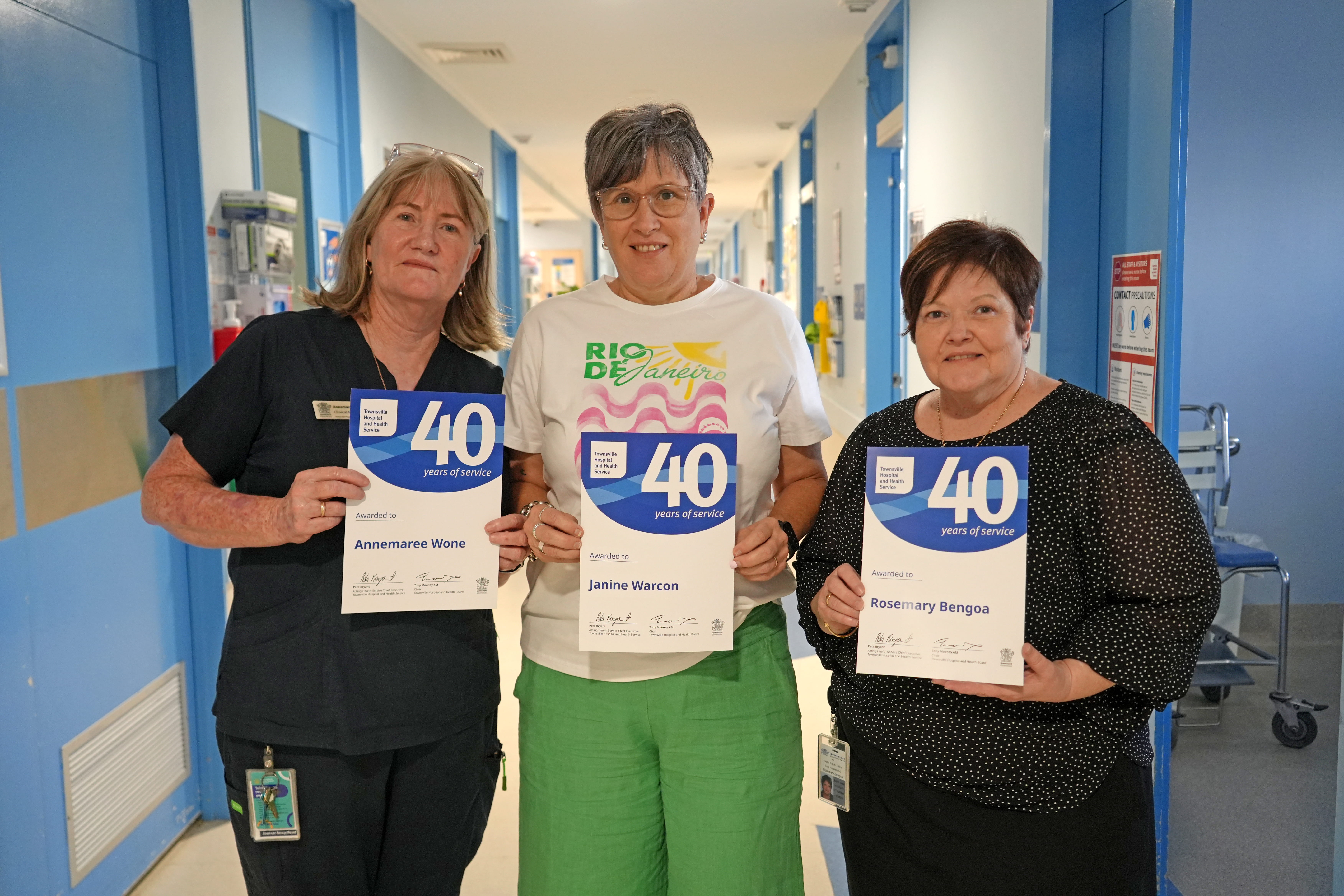
Three Burdekin hospital workers have clocked up 120 years of combined service to the Ayr and Home Hill communities. Rosemary Bengoa, Janine Warcon and Annemaree Wone have each reached 40 years of service, with the milestone recognised at local staff thank-you events. Rosemary began at Ayr Hospital in 1985 in the front office before moving into medical records, accounts payable, assets and finance. Janine started in the Home Hill Hospital kitchen and has since worked across kitchen, cleaning and laundry roles at both Ayr and Home Hill. She later became an orderly before moving into her current role as an assistant in nursing at Home Hill. Annemaree began her career at The Prince Charles Hospital in Brisbane, working as an enrolled nurse for four years before completing her registered nurse training in Townsville. She returned to the Burdekin after the birth of her first child and now works across the dialysis unit and emergency department at Ayr. The three staff members said their connection to the community, colleagues and variety of work had kept them in the health system for four decades. “Your work colleagues and the friendships you make along the way keep you in the role,” Rosemary said. For Janine, working in her own community and caring for patients has been a key part of her career. “We’ve had some funny moments; just the other night one patient was disco dancing in the hallway with me,” she said. Annemaree said working across different areas had kept her career varied. “I work in dialysis, sometimes in the emergency department, and sometimes on the ward, and because I have always worked across multiple areas, I’ve never felt stuck in one place,” she said. The breadth of responsibilities is a common feature of working in rural hospitals, Ms Wone said. “You need to know lots of different things when you work in a rural or remote hospital setting, so we are very busy,” she said. “But even with how much we have all achieved, I can’t believe it’s been 40 years; it feels like it happened overnight.” CAPTION: Rosemary Bengoa, Janine Warcon and Annemaree Wone have each reached 40 years of service, with the milestone recognised at local staff thank-you events. Photo supplied
Read the full story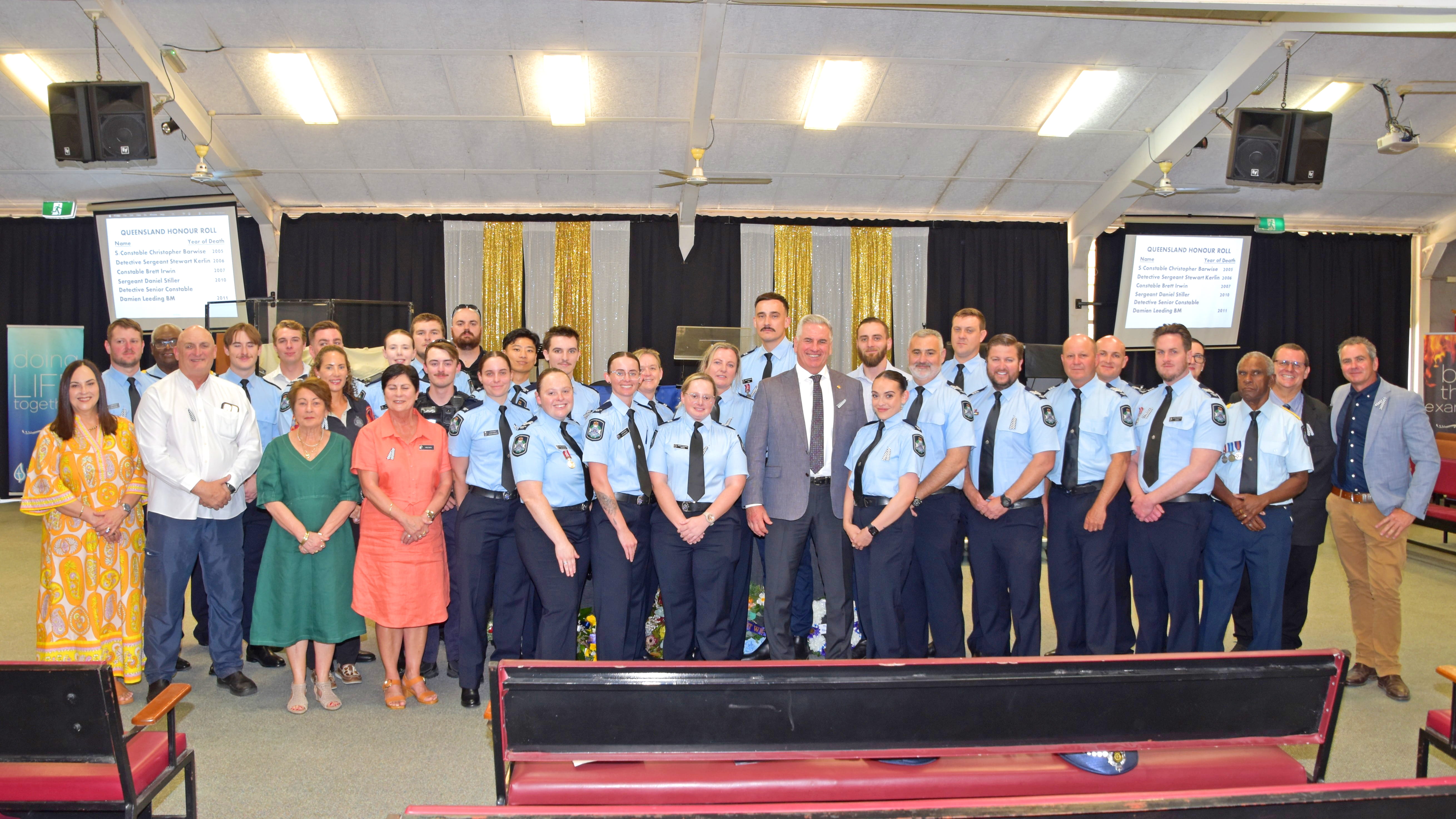
Burdekin police, dignitaries and community groups gathered Tuesday morning to honour officers killed in the line of duty. Photo: David CooperBurdekin community members, local dignitaries, and police gathered at Ayr's Burdekin Community Church on 29th September to commemorate National Police Remembrance Day. The solemn service honoured officers who made the ultimate sacrifice in the line of duty, featuring a wreath-laying ceremony and a reading of the Roll of Honour.Read more here: www.burdekinlife.com/article/burdekin-honours-fallen-officers-on-remembrance-day
Read the full story
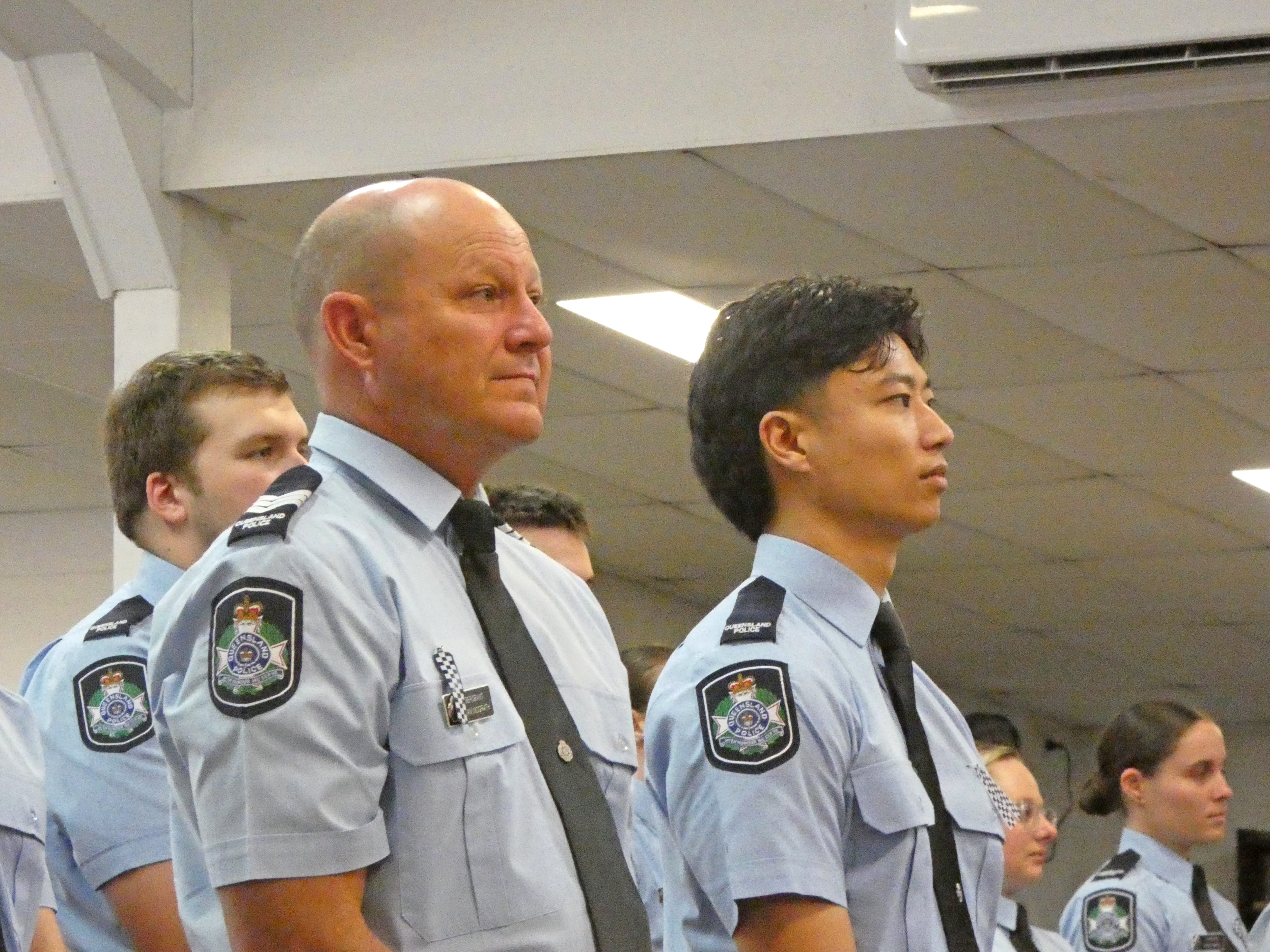
Burdekin police, dignitaries and community groups gathered on Tuesday morning to honour officers killed in the line of duty. Held at the Burdekin Community Church in Ayr, the service formed part of National Police Remembrance Day, observed each year on 29th September. Pastor Peter Holmes, who led the service, said it was a chance to pay tribute to the bravery and service of the fallen. “Someone has to protect those who cannot protect themselves. Someone has to step into the disorder and work to restore order—and that is one of the responsibilities entrusted to our police,” he said. “Today, we honour those who stood. Some stood in circumstances that ultimately cost them their lives, and this day each year ensures that their courage will never be forgotten.” A Police Commissioner’s Address was delivered by Acting Inspector Megan Benson before local officers read the Roll of Honour, commemorating police officers killed in the line of duty. Officers then lit memorial candles, before community groups joined police and dignitaries in laying wreaths. Among dignitaries were Burdekin Shire Council Mayor Pierina Dalle Cort and Member for Burdekin Dale Last, who called it a “privilege” to join local police in their commemorations. “As a former police officer, National Police Remembrance Day is an incredibly important opportunity to remember those officers who lost their lives while serving their community and to show our support to those who continue to keep our communities safe today,” Mr Last said. “Small regional towns like the Burdekin mean our police officers become involved in a variety of facets in our community and it is part of what makes these roles in our small communities so unique.” “It also means that chances to stand with our men and women in blue should not be overlooked.” A morning tea was held in the church hall following the service. CAPTIONS: 1—Burdekin police, dignitaries and community groups gathered Tuesday morning to honour officers killed in the line of duty. 2—Pastor Peter Holmes, who led the service, said it was a chance to pay tribute to the bravery and service of the fallen. 3—Held at the Burdekin Community Church in Ayr, the service formed part of National Police Remembrance Day, observed each year on 29th September. 4—Mayor Pierina Dalle Cort and Deputy Mayor Max Musumeci laid a wreath on behalf of Burdekin Shire Council 5—Among dignitaries was Member for Burdekin Dale Last 6—Local officers read the Roll of Honour, commemorating police officers killed in the line of duty 7—Liaison Officers light memorial candles 8—Senior Sergeant Lisa Shields addresses the audience 9—Community groups joined police and dignitaries in laying wreaths Photos: Jacob Casha
Read the full story
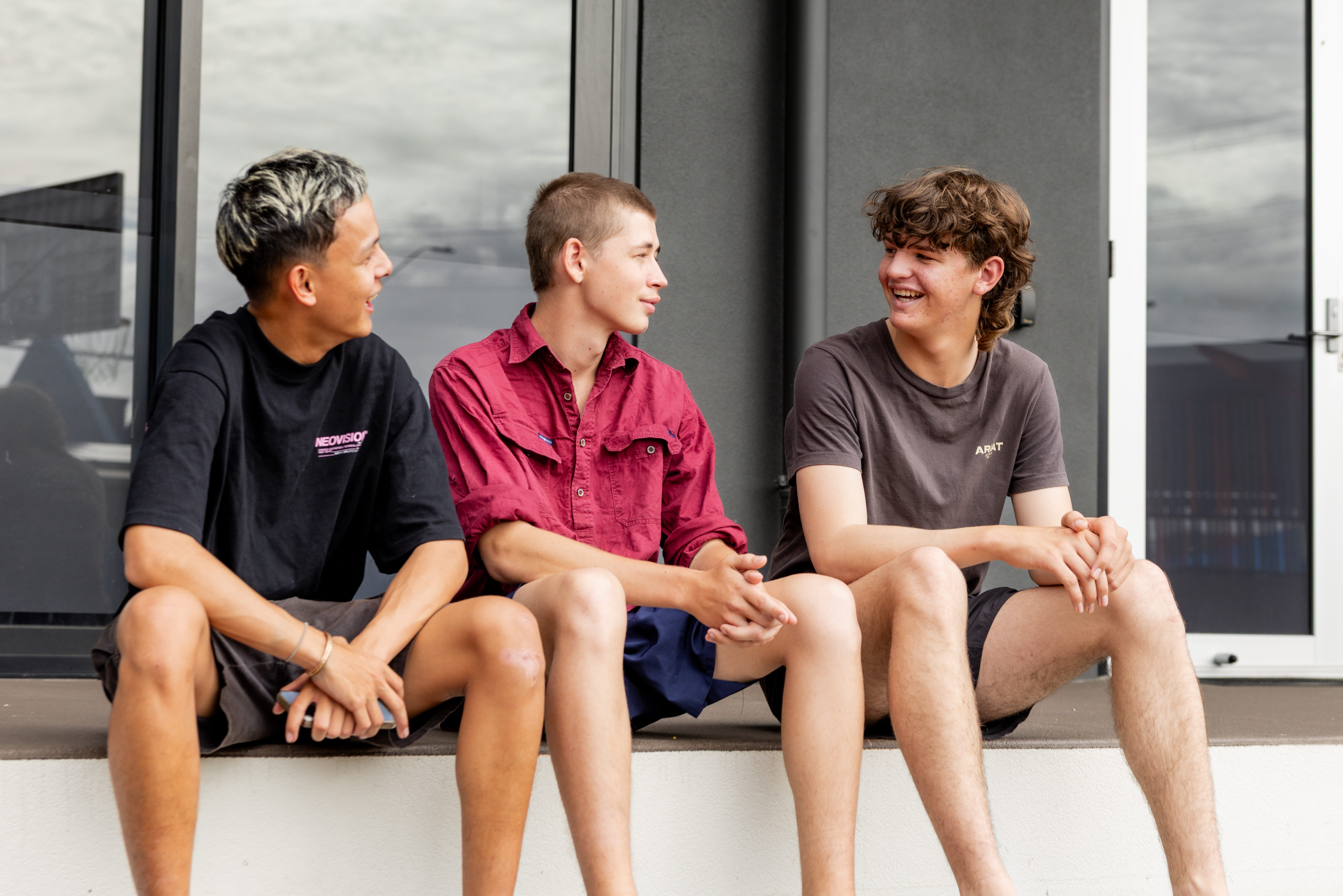
For students from regional and remote Queensland, choosing a senior school pathway can often mean looking beyond what is available locally.
At Tec-NQ in Townsville, students in Years 10 to 12 can complete their senior schooling while building practical trade skills, gaining industry exposure and preparing for apprenticeships, employment, further training or future study.
For students like Brandon Pope, that pathway has opened the door to new opportunities.
Brandon moved from Mount Isa to Townsville to attend Tec-NQ and boards at Tec-NQ House while completing his senior studies. Now a Year 12 Automotive student, he has completed work experience in truck repairs and has already been offered work for after school.
“I found a job, signed up, and I’m good to go when I graduate,” he said.
Tec-NQ House plays an important role for families outside Townsville, providing access to Tec-NQ’s trade-focused senior school while students live in a supervised boarding environment.
Located in Rosslea, Tec-NQ House supports regional and remote students with routine, supervision, daily transport to the Douglas campus and support as they build independence away from home.
For parents and carers, this means students can access a specialised senior school pathway without losing the structure and care they need during their final years of school.
Tec-NQ is an accredited senior school and Registered Training Organisation. Its model brings senior schooling, practical trade training, work placement and industry connection together, giving students a hands-on way to learn and a clearer view of where their education can lead.
At the Douglas campus, academic subjects are connected to industry, workshops form part of the everyday learning environment, and students have opportunities to build confidence in practical settings.
Students work toward their Queensland Certificate of Education, learn from registered teachers and trade-qualified facilitators, and are supported by student wellbeing, boarding and industry teams.
For Charlie Cobb, a Year 12 Automotive student from Chillagoe, the Tec-NQ pathway has also helped create a practical start in industry. After boarding for much of his schooling, Charlie has built experience through casual work and signed into an apprenticeship.
“If you’re thinking of doing a trade, this is your best start,” he said.
Stories like Brandon’s and Charlie’s show how Tec-NQ can support students who are ready for a senior school environment with a stronger connection to work, industry and future direction.
Families interested in learning more will have the opportunity to see Tec-NQ in action at Campus Open Day on Saturday 22 August.
The event will give prospective students, parents and community members the chance to tour the workshops, meet staff, speak with industry partners and learn more about Senior School, Tec-NQ House, work placement and Full Time Training pathways.
For regional families considering boarding and senior school options for 2027, Open Day is a chance to understand how Tec-NQ connects the steps from school to work.
Families who are unable to attend in person can also speak with Tec-NQ’s enrolments team to learn more about senior school options, boarding, entry points and the pathway from learning to work.
For students ready to learn differently and build a future beyond the classroom, Tec-NQ offers a practical, supported pathway with real direction.
Supplied by Tec-NQ

Burdekin SES will receive two replacement operational vehicles through the Queensland Government's accelerated SES vehicle replacement program. Photo source: Queensland State Emergency Service
Burdekin SES volunteers are set to benefit from two replacement operational vehicles as part of the Queensland Government's latest investment in strengthening disaster preparedness across the state.
The Burdekin Shire has secured funding of $53,768 and $93,988 for two replacement vehicles through an accelerated vehicle replacement program, which forms part of the Queensland SES Support Grant Program.
Statewide, almost $2.5 million is being invested through the 2026-27 Queensland SES Support Grant Program to deliver 35 projects, including new and upgraded SES facilities, backup generators, storage sheds, command buildings and replacement operational vehicles.
An additional $875,000 has also been committed to fast-track the replacement of 12 ageing SES vehicles identified as high priority due to safety and age-related concerns, including the two vehicles for the Burdekin.
Minister for Police and Emergency Services Dan Purdie said the investment would strengthen Queensland's emergency response capability.
"Every Queenslander relies on our SES volunteers when disaster strikes, and we're making sure they have the facilities, vehicles and equipment they need to keep communities safe," Minister Purdie said.
"This latest round of grants will deliver 35 projects across Queensland while fast-tracking the replacement of 12 priority SES vehicles, strengthening our emergency response capability right across the State.”
Queensland SES Acting Chief Officer Danny Baade said the funding would help improve volunteer safety and operational capability.
"It's vital that our members are supported in disaster preparedness and response.
"Whether it's floods, cyclones, or search and rescues, this funding will allow our units to be equipped to help Queenslanders when they need it most."
The investment forms part of the Queensland Government's broader commitment to strengthening SES capability, with volunteer numbers increasing to 5,555 statewide alongside 216 staff.
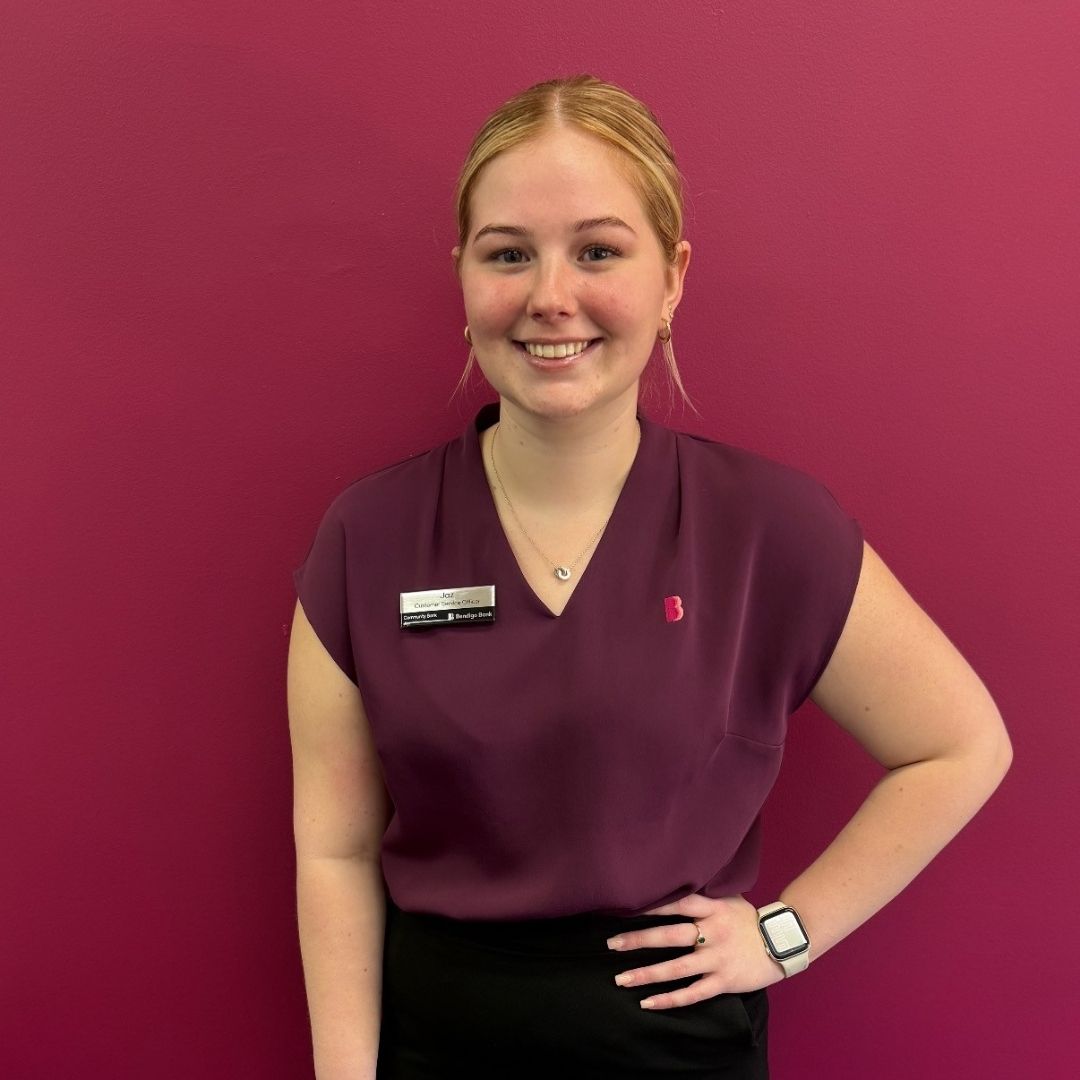
Since joining the branch as a Customer Service Officer, Jaz has quickly become known for her welcoming nature and genuine interest in building relationships with customers. Photo supplied.
Community Bank Home Hill & Ayr is proud to celebrate the promotion of team member Jaz Green to the role of Personal Banker, recognising her commitment to customer service and her passion for helping people achieve their financial goals.
Since joining the branch as a Customer Service Officer, Jaz has quickly become known for her welcoming nature and genuine interest in building relationships with customers.
Originally from Port Macquarie, New South Wales, Jaz has embraced the Burdekin community and says its friendly, diverse spirit is one of the things she enjoys most about living and working in the region.
Her promotion marks an exciting new chapter, allowing her to work more closely with customers as they navigate important financial decisions throughout their lives.
"The Personal Banker role is a relationship driven role," Jaz said.
"It's not just transactional customer service; it's about partnering with customers to help them understand and secure the financial products they need to achieve their goals."
Rather than simply assisting with day-to-day banking, Personal Bankers take the time to understand each customer's individual circumstances and provide guidance on the products and services best suited to their needs.
"The benefit for customers is having someone who understands their financial journey, helps simplify complex decisions and ultimately saves them time," she said.
Jaz is particularly looking forward to supporting customers through life's important milestones, whether they're purchasing their first home, growing their savings or planning for the future.
"I look forward to mentoring people through their financial milestones and guiding them towards the right products. I'm excited to build genuine relationships and see the positive impact my work can have in their lives."
For Jaz, working at Community Bank Home Hill & Ayr is about far more than banking.
"The most satisfying thing about working for a community bank is being part of something bigger than just a company. We help fuel local success and return 80 per cent of our profits back into the communities we serve,” she said.
Community Bank Home Hill & Ayr Branch Manager Sally Smith said Jaz's promotion reflects both her dedication and the bank's commitment to developing local talent.
"Jaz has embraced every opportunity since joining our team, and this promotion is thoroughly deserved,” the said.
“Her caring approach, willingness to learn and genuine desire to help others make her an excellent fit for the Personal Banker role. We know our customers will benefit from the relationships she'll continue to build as she supports them through every stage of their financial journey."
Supplied by Community Bank Home Hill & Ayr
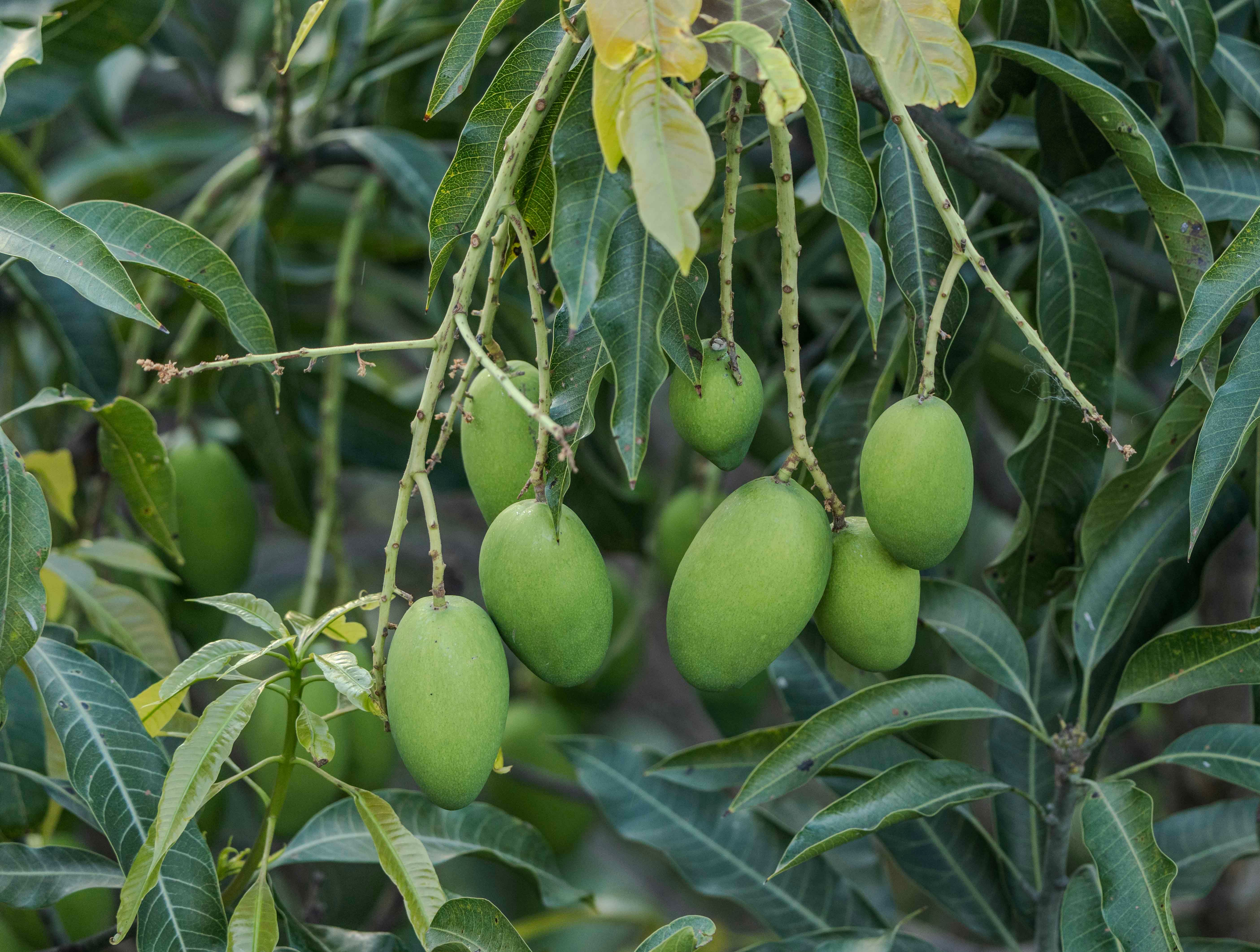
QRIDA is offering disaster recovery grants of up to $75,000 to help eligible Burdekin primary producers restore their businesses after the 2025–26 severe weather events. Photo source: Pexels
Eligible primary producers across the Burdekin region can now apply for disaster recovery grants of up to $75,000 to assist with rebuilding and restoring their operations following severe weather and tropical cyclone events earlier this year.
The Queensland Rural and Industry Development Authority (QRIDA) is administering the Exceptional Disaster Assistance Recovery Grants for primary producers affected by the Queensland Monsoon Trough, Cyclone Koji, Cyclone Narelle and associated severe weather between December 2025 and April 2026.
The Burdekin is among the Queensland local government areas eligible for assistance under the program whereby eligible producers can access an initial grant of up to $10,000 to support immediate recovery activities, with further applications available up to a combined maximum of $65,000, bringing the total funding available to $75,000.
Grant funding can be used to support clean-up and recovery costs, including repairing damaged buildings and fencing, replacing crops and livestock, restoring essential machinery and equipment, purchasing fodder, employing additional labour and undertaking other reinstatement works required after the disaster.
The program is designed to help producers recover from direct physical damage and resume normal farming operations as quickly as possible.
To qualify, applicants must operate an eligible primary production enterprise within the declared disaster area, hold an Australian Business Number (ABN), provide evidence of direct damage caused by the disaster and intend to continue operating their business.
QRIDA staff are available to assist producers through the application process, with personalised support and appointments available for those requiring additional guidance.
Applications remain open until 6th January 2027. For more information, eligibility guidelines or to apply, visit the QRIDA website, www.qrida.qld.gov.au, or phone 1800 623 946.

There are times in life when we wish we could turn back the clock, and for me, one of those moments was the recent opening of the Anzac Park Pump Track. Watching the excitement and enthusiasm of so many young riders brought back memories of carefree days spent on a bike. Seeing our community come together to enjoy this fantastic facility was a reminder of the importance of creating spaces where families can connect, be active and make lasting memories.
Another important date on the horizon is Census Night on Tuesday 11 August. I encourage every household in the Burdekin to take part and ensure their information is recorded accurately. The Census is much more than a statistical exercise. Population data influences how funding is distributed across Australia, helping to support infrastructure, services and community wellbeing. It is important that our region is counted so the Burdekin receives its fair share of future investment.
I was also honoured to attend the 60th anniversary celebrations of Lavarack Barracks in Townsville. The event included a live combat demonstration and a historical address originally delivered by Prime Minister Harold Holt when he officially opened the barracks on 29 July 1966. Interestingly, Townsville was not the only location considered, with Victoria's Mornington Peninsula also in the running. Today, Lavarack Barracks spans approximately 750 hectares. To put that into perspective, that's roughly the size of more than 1,000 rugby league fields, an impressive reminder of its significance to North Queensland and Australia's defence capability.
As part of the visit, I also toured James Cook University, where we learned about innovative work being undertaken in civil engineering and robotics. It was fascinating to discover that students from more than 100 countries choose to study at JCU, highlighting the university's strong international reputation and contribution to our region.
Should you wish to reach out, don’t hesitate to contact me directly by phone at 0447 150 582, or feel free to send an email to mayor@burdekin.qld.gov.au.
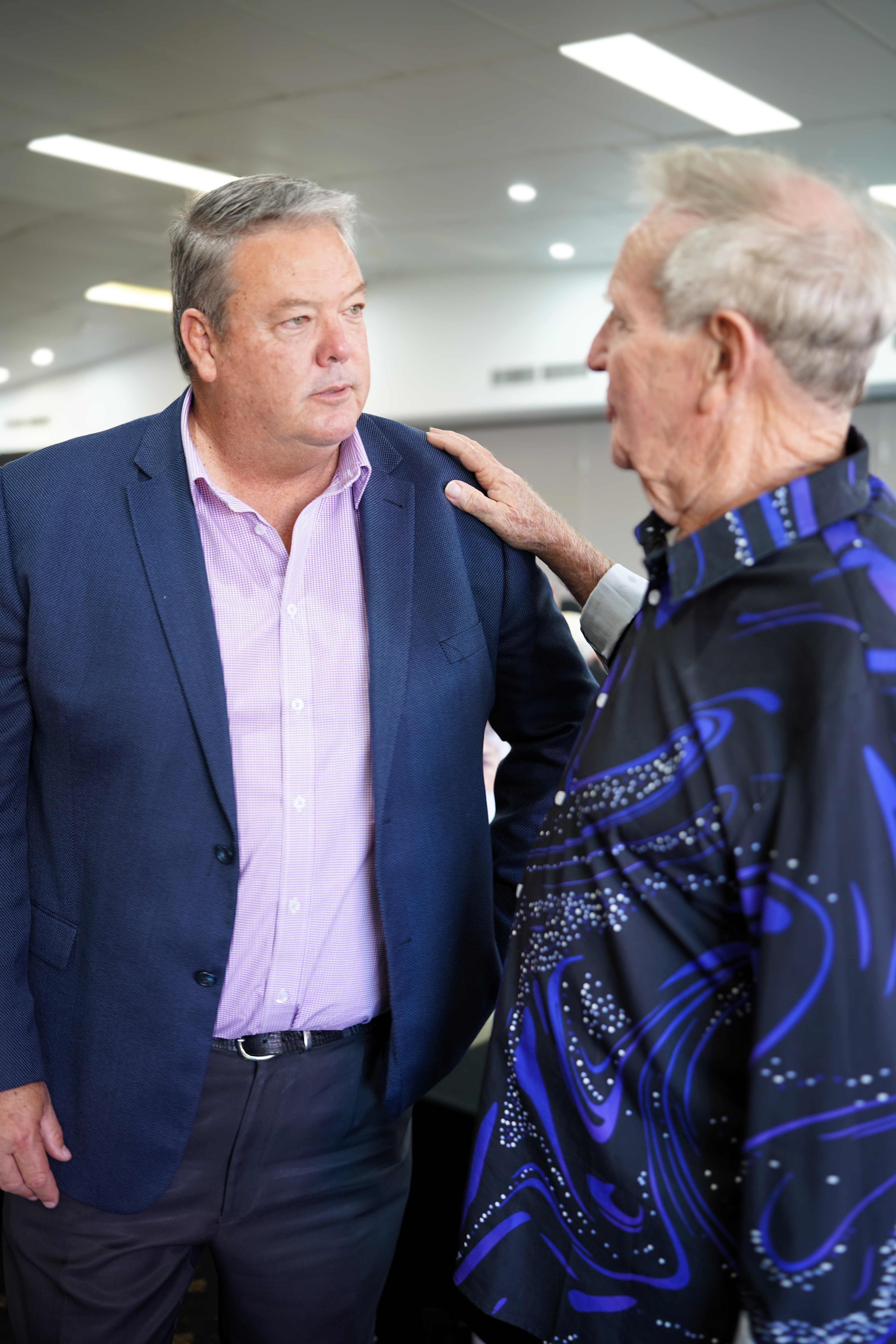
DEFENDING LOCAL RETIREES: Member for Dawson Andrew Willcox listening to community concerns as he rallies support against rising health costs for regional seniors. Photo supplied.
Opinion piece by Federal Member for Dawson, Andrew Willcox
Seniors who spent decades working hard, paying taxes, and saving to fund their own future have earned the right to stability and security in their retirement. You expect your government to respect that lifetime of contribution. You do not expect it to target your retirement savings the moment you turn 65.
Yet that is the harsh reality facing tens of thousands of seniors across Dawson under a policy shift by the Albanese Labor Government as part of its latest budget cash grab.
Starting in April 2027, the government will abolish the extra private health insurance rebate built specifically to keep healthcare affordable for retirees on fixed incomes. Right now, older Australians receive a higher rebate tier to offset the loss of a regular wage. Labor is scrapping that support to help cover its own budget deficit.
The financial penalty is severe. Support drops from 28.1 per cent down to 24.1 per cent for people aged 65 to 69; for anyone 70 or older, it plunges from 32.2 per cent to 24.1 per cent.
In real dollars, this decision forces a massive annual price hike on vulnerable members of our community on fixed incomes. On average, this adds up to around $807 more for singles and $1,614 more for couples on comprehensive cover.
Under a Labor-created cost of living crisis where the price of basic necessities are rapidly rising, adding around $1,600 a year to a retiree’s healthcare is not insignificant, it is a heartless and brutal blow to locals who are already struggling under record electricity, grocery, and insurance costs.
Labor ministers can spin this as a routine adjustment, but internal department documents obtained under Freedom of Information expose the ugly truth. Federal health bureaucrats knew exactly what this cut would trigger: pensioners skipping meals and medicines, downgrading their protection, or dropping private cover entirely to join endless public waitlists in severe pain for joint replacements.
And while this policy directly punishes seniors for self-funding their healthcare, the fallout will be felt by every family in our region.
Nearly half of all Age Pensioners make significant personal sacrifices to maintain private health cover because prompt treatment matters. Forcing them out of private health does not make their medical needs vanish, a failing heart or damaged joint still requires surgery. The only difference is that these patients will be shifted directly into local public hospital queues, piling unsustainable pressure onto doctors, nurses, and beds throughout our hospitals in Dawson.
The economics behind this decision are completely backwards. Independent analysis confirms that for every single dollar the Federal Government saves by stripping away this rebate, our public hospital system will absorb $1.20 in extra emergency admissions and surgeries.
It is a short-sighted cost-shift that treats local retirees like cash machines, will push state hospitals to breaking point, and has the real potential to blow out surgical wait times across the region.
The Coalition firmly believes that if you take responsibility for your own healthcare, your government should support you, not penalise you. Seniors who built our communities deserve dignity and stability in retirement.
I want to hear directly from you about how this budget decision will impact your household. I have set up an online petition to gather our community's voice: if you are able, please fill it out at http://lbr.al/89sk. If you cannot access a computer, you can contact my office directly on (07) 4944 0662 or pop in to see us at Level 2, 47 Gordon Street, Mackay.
The Coalition will fight this unfair health tax every step of the way in Parliament to protect our retirees and defend our regional health services.

New funding will support regional councils in expanding recycling services and improving waste management infrastructure across communities such as the Burdekin. Photo source: Burdekin Shire Council
The Burdekin could benefit from improved recycling services and waste infrastructure under a new $487 million Queensland Government investment designed to increase recycling rates and reduce the amount of waste going to landfill.
The newly launched Waste Reduction and Recycling Activation Fund forms part of the Government's Less Landfill, More Recycling 2035 strategy and will deliver funding over five years for councils and industry to expand recycling services and resource recovery projects across Queensland.
Among the key initiatives is an $11 million Regional Recycling Transport Fund, aimed at helping regional councils move recyclable materials to processing facilities and making recycling projects more financially viable.
The package also includes funding for kerbside recycling, education campaigns, illegal dumping initiatives, recycling technology and new resource recovery infrastructure.
Environment and Tourism Minister Andrew Powell said the investment would help strengthen Queensland's recycling sector.
"Less Landfill, More Recycling 2035 is our plan, and this investment is how we're getting on with delivering it,” said Mr Powell.
"We've already made strong progress by putting the right incentives in place so councils and industry can invest with confidence and deliver the recycling infrastructure Queensland needs."
Mr Powell said the funding would make it easier for councils to expand services while supporting regional jobs and reducing waste.
Local Government Association of Queensland chief executive officer Alison Smith welcomed the return of transport funding for recycled materials.
"Councils have been consistently calling for this transportation funding to be restored because it is key to increasing recycling rates and reducing the overall amount of waste going to landfill in a state as decentralised as Queensland," chief executive officer Alison Smith said.

Burdekin motorists could return to spending up to $2.20 per litre for unleaded and up to $2.65 for diesel after the reinstatement of the full fuel excise nationwide.
The price hike will follow a four-month period during which the Federal Government reduced the fuel excise, saving some motorists up to $20 per tank.
The government has now confirmed it will not extend the cut for a second time, with RACQ Principal Economic and Affordability Specialist Dr Ian Jeffreys predicting the change will reach bowsers by next week.
“It normally takes around a week to 10 days for the higher excise to flow through to station prices, depending on when retailers purchase new fuel stock,” Dr Jeffreys said.
“That means there will still be cheaper fuel available in the market in the coming days and motorists should continue looking for the best value.”
He said that, amid the return of the full excise, uncertainty in global oil markets could see prices rise even higher.
“Unfortunately, we’ve also seen the global oil price jump from below US$80 per barrel to around US$90 in the past two weeks,” he said.
“If renewed tensions in the Middle East remain high, we could see these increased oil prices persist and ultimately push bowser prices up further in Queensland.”
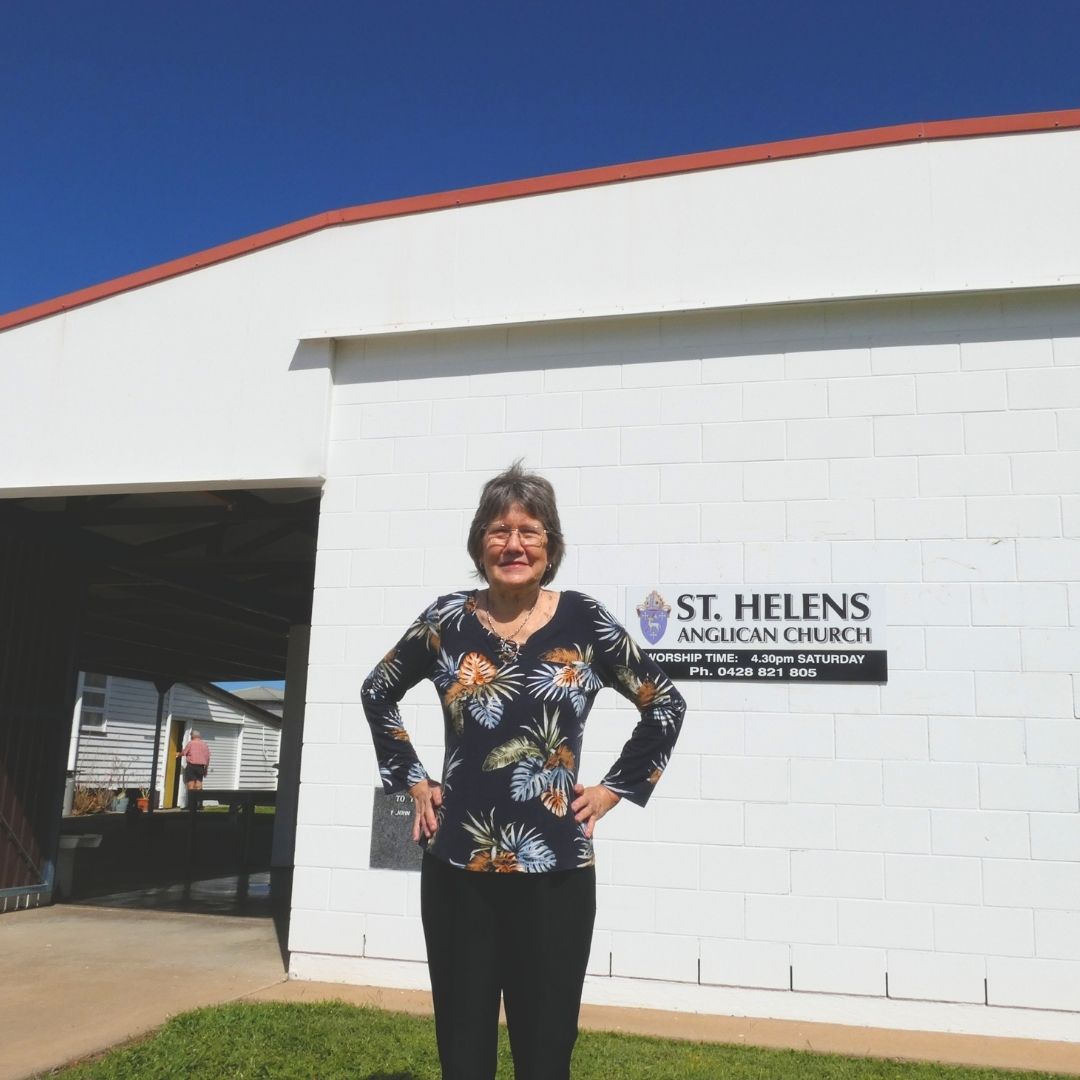
Ministry Unit Warden Pam Ashworth (pictured) said that while the sale would spell the end of the building as it’s known today, it opens the door for “a new start” for the congregation. Photo: Jacob Casha.
St. Helens Anglican Church in Home Hill has seen generations of love, life, and new beginnings unfold within its walls over the last 49 years.
Ironically, it now prepares for its own new chapter.
The church is among a group of properties owned by the Anglican Diocese of North Queensland earmarked for sale as the diocese works to meet its financial obligations to victims of historic child sexual abuse.
The diocese, which covers almost one-third of the state, was placed into receivership after facing millions of dollars in financial liabilities, with court-appointed receiver Michael Brennan now overseeing the sale of its assets in a bid to raise up to $18 million.
According to an ABC report, Mr Brennan said the diocese had “too many churches, not enough priests, and probably not enough parishioners” to justify the cost of operating all of its properties.
Eleven properties have subsequently been placed on the market, with a further 23 church assets across North Queensland awaiting court approval for sale, including St. Helens.
Ministry Unit Warden Pam Ashworth said that while the sale would spell the end of the building as it’s known today, it opens the door for “a new start” for the congregation.
“Christianity still lives on,” she said.
“The church is an extension of our own families … and we have a wonderful group of people that, hopefully, will see it continue.”
The St. Helens congregation has a history in the town dating back more than 100 years. Its current building on Fourteenth Street was built in 1977, hosting services and becoming a fixture of the town ever since.
Home Hill local Kate Casswell, who was married at St. Helens, said she could understand—albeit regrettably—the decision to sell the Home Hill church, pointing to its close proximity to All Saints Church in Ayr.
“One can see why it’s been slated for sale,” she said.
“We have to accept that times have changed. If Home Hill was established now, [the church] probably wouldn’t have been built in the first place; it’s really only 10-15 minutes across the river to All Saints.
“But that doesn’t make [the sale] less sad. All the special memories made there will live on.”
Church assets in Mackay, Proserpine, Bowen and Townsville are also among properties being sold as part of the diocese’s broader effort to resolve its financial liabilities.
Mrs Ashworth confirmed that stocktaking procedures at St Helens were being undertaken in preparation for the church’s expected sale next year.
She said the congregation would continue meeting at the building until a buyer was found, with discussions to determine where services would be held once the property changed hands.
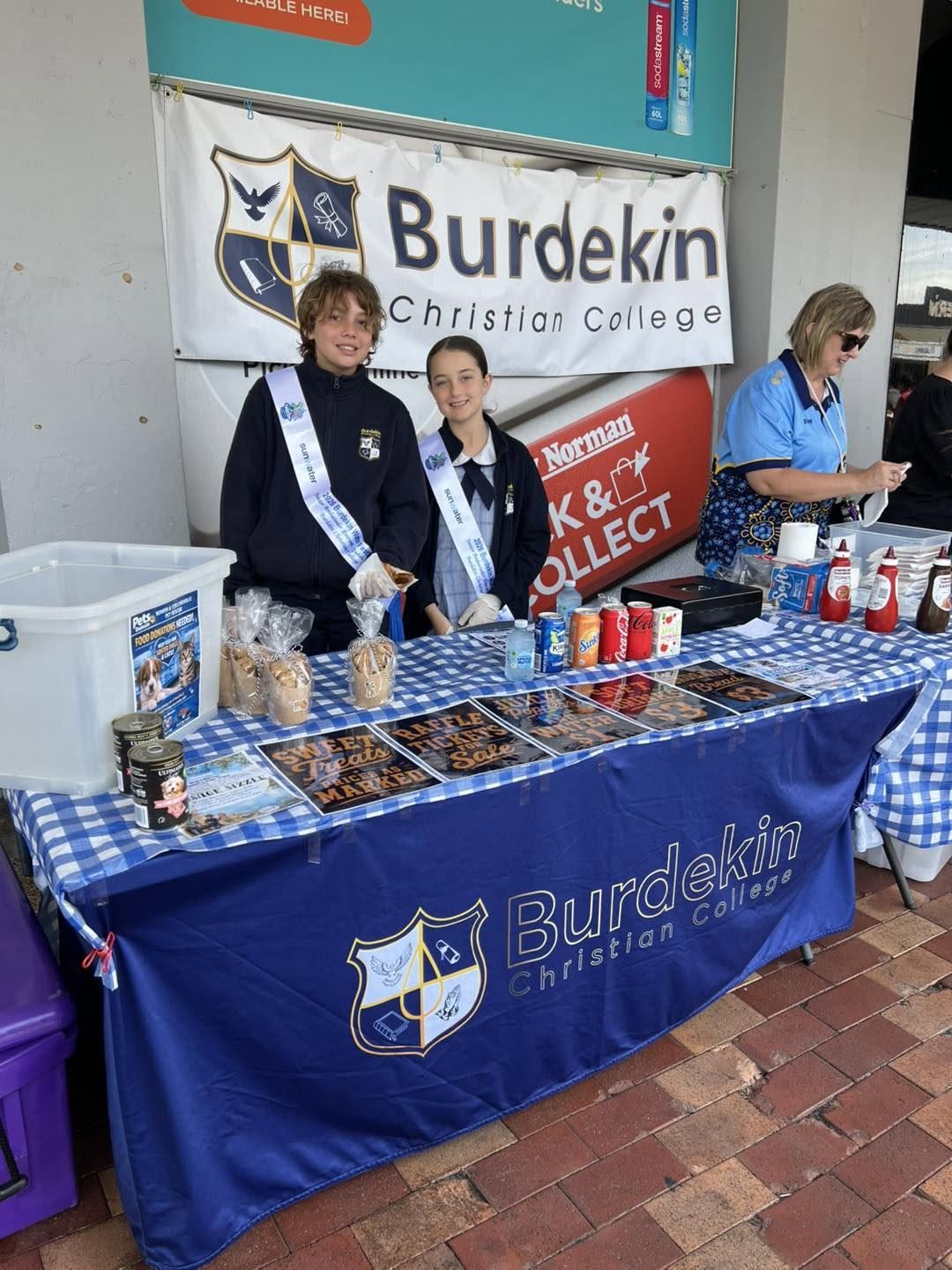
Judah and Mia's sausage sizzle attracted a steady stream of locals eager to enjoy lunch while backing a worthy cause. Photo: Kari Ravizza.
Two Burdekin Water Festival Junior Ambassadors have turned sausages, raffle tickets and community spirit into much-needed support for vulnerable animals, raising hundreds for Bowen and Collinsville Pet Rescue last Saturday.
Held outside Harvey Norman and proudly supported by Burdekin Christian College, Judah and Mia's sausage sizzle attracted a steady stream of locals eager to enjoy lunch while backing a worthy cause.
Alongside sausage sandwiches, drinks and raffle tickets, the event also accepted donations of pet food to help care for foster dogs and cats through Bowen and Collinsville Pet Rescue.
By the end of the day, the community had helped the Burdekin Christian College students raise $828 for the rescue organisation, while also donating pet food for animals currently in foster care.
Burdekin Christian College later took to Facebook to thank the staff, community members and Burdekin Water Festival Committee members who supported the fundraiser, paying special tribute to Mrs Knight and Amanda for their behind-the-scenes preparation and contributions.
The successful event forms part of the Burdekin Water Festival program, which sees ambassadors host community fundraisers throughout the festival season while developing leadership, teamwork and community engagement skills.
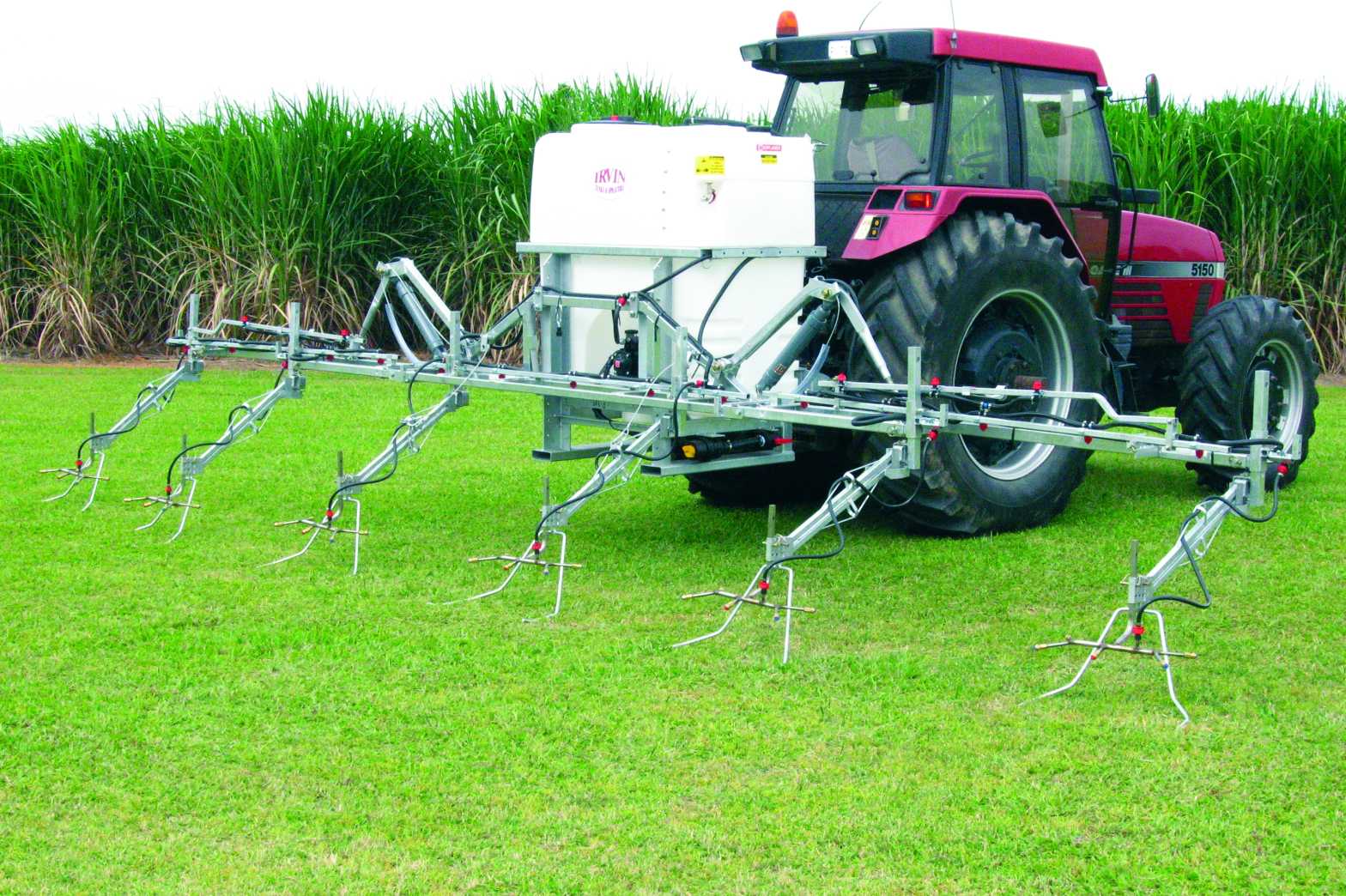
The Queensland sugarcane industry has launched a push to secure the evidence needed to restore paraquat access in cane production, with industry groups warning the herbicide’s removal could leave growers without effective weed-control options.Photo: CANEGROWERS.
The Queensland sugarcane industry has launched a push to secure the evidence needed to restore paraquat access in cane production, with industry groups warning the herbicide’s removal could leave growers without effective weed-control options.
Following the Australian Pesticides and Veterinary Medicines Authority’s (APVMA) decision to remove sugarcane from revised paraquat and diquat labels, Queensland Cane Agriculture and Renewables (QCAR) has joined Sugar Research Australia (SRA) and other agricultural groups in seeking a pathway for continued use.
The APVMA’s decision was based on an unresolved risk assessment relating to birds, while assessments covering residues, trade and mammals were resolved without issue.
QCAR General Manager Tara Malapass said paraquat remained a key tool for early-season weed control in sugarcane.
“It remains one of the few effective options for early-season weed control, and its removal from in-crop use has significant implications for a farmer’s ability to manage weeds effectively and sustainably,” she said.
Mrs Malapass said historical data on bird interactions with paraquat use in cane did not provide the specific evidence now required by the regulator.
“Generating that evidence is the core task ahead,” she said.
QCAR has begun discussions with SRA to establish a cross-industry technical working group to investigate the APVMA’s requirements and develop the evidence needed to support continued paraquat use.
The group will include specialists in chemistry, regulation, agronomy, ecology, spray technology and cropping systems.
QCAR said the work would involve collaboration with other industries, including grains, rice, potatoes and vegetables, which are facing similar challenges.
Mrs Malapass said there was no guarantee the review process would result in paraquat’s continued approval.
“What we can commit to is exhausting every viable avenue, working transparently with farmers and industry partners, and keeping members informed as this progresses,” she said.
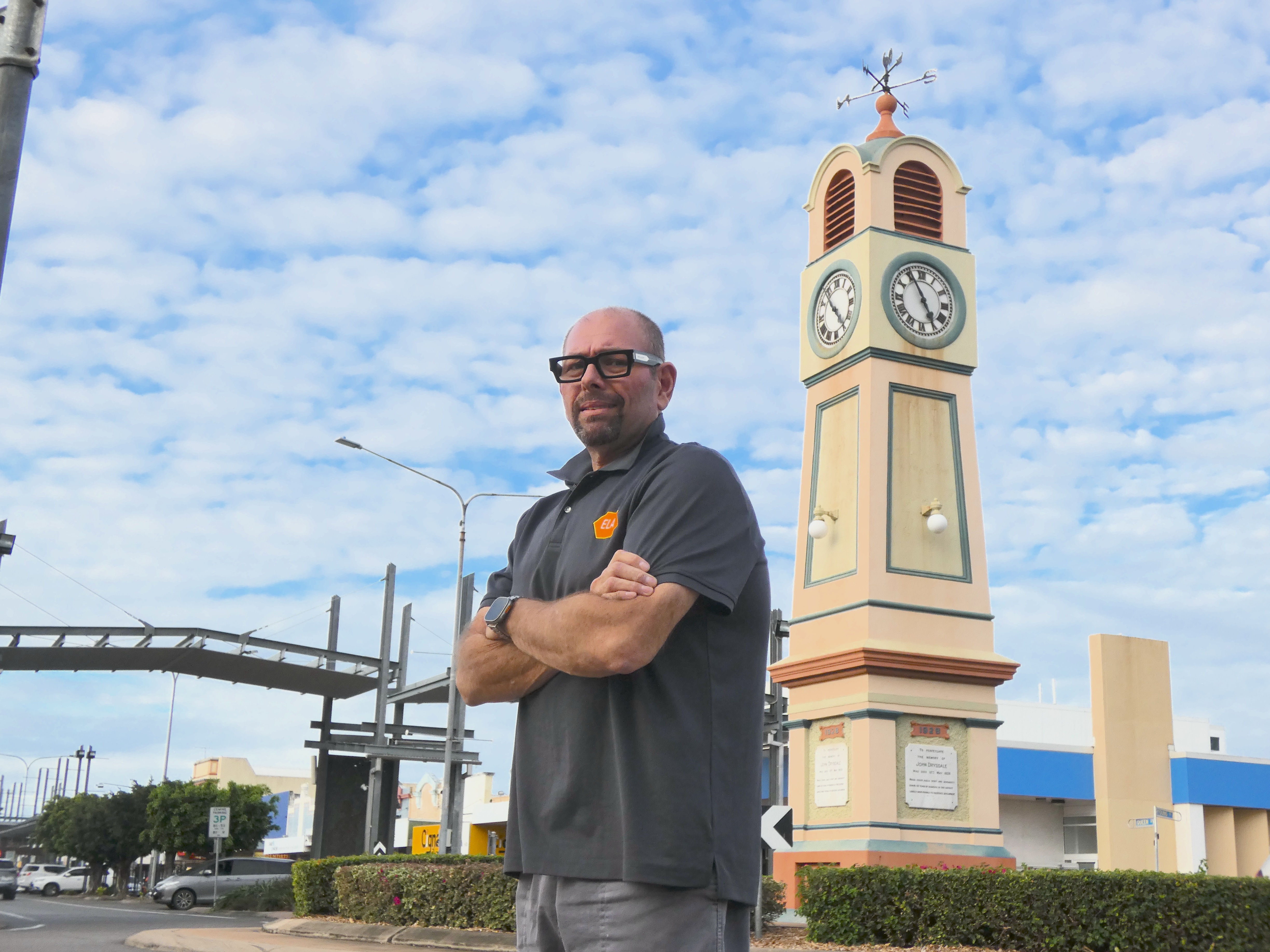
Outgoing president Eusebio Aguirre (pictured) is urging the community to step up and “help save the region’s business community”. Photo: Jacob Casha.
A shortage of willing leaders has pushed the Burdekin Chamber of Commerce to the brink, with the longstanding business organisation calling a crisis meeting in a final bid to secure its future and preserve a key voice for the region’s business community.
The Burdekin Chamber of Commerce has sounded the alarm, calling a public crisis meeting in an effort to keep the longstanding organisation from folding.
The move follows the resignation of its last remaining executive members, leaving every position vacant ahead of the organisation’s Annual General Meeting (AGM) in September.
In keeping with its bylaws, if a president, secretary and treasurer do not step up by the AGM in a month’s time, the organisation will cease to operate.
The Chamber’s demise would spell the end of a decades-long legacy of business advocacy in the region. Its annual Burdekin Christmas Street Party has also become a beloved fixture on the Burdekin calendar, with the organisation estimating it generated more than $2 million for local businesses last year.
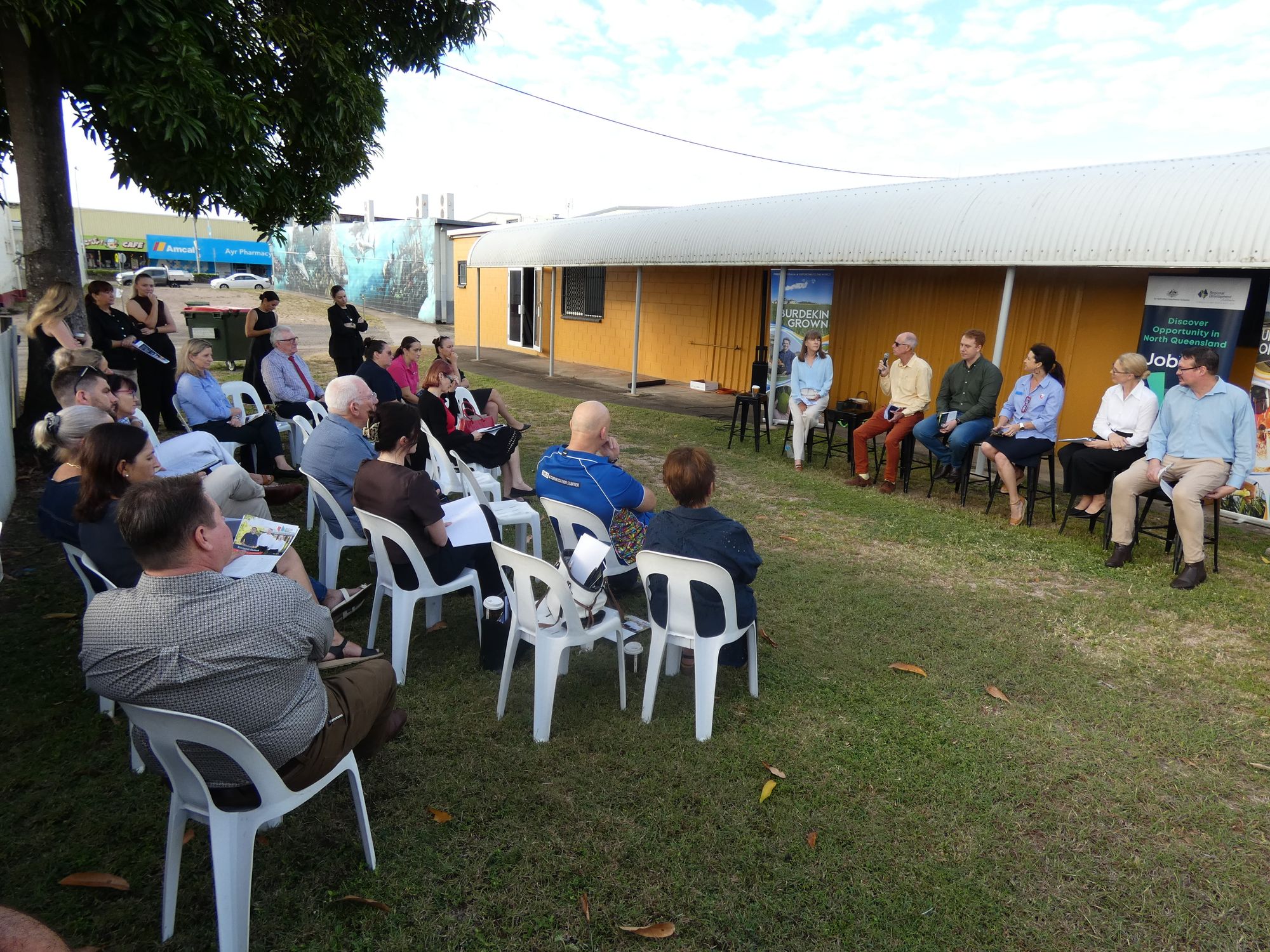
As one final throw of the dice, the Chamber has announced an open crisis meeting at the Queens Hotel in Ayr at 5.30pm Thursday 6th of August.
Led by outgoing president and owner of ELA Solutions Eusebio Aguirre, alongside other former executive members, the meeting will outline each vacant role in a bid to drum up interest and fill the positions on the night.
Mr Aguirre said the meeting was open to all local business houses, urging the community to step up and “help save the region’s business community.”
“I’m worried,” Mr Aguirre said.
“We’ve built [the Chamber] up to be such a great thing—and for what?
“We just need people with passion to step in. We can’t let it fold.”
Mr Aguirre admitted that these were not uncharted waters for the organisation, which held a crisis meeting three years ago for almost identical reasons.
The positions were ultimately filled after a small group of business owners, including Mr Aguirre himself, made a pact on the night to take charge of the organisation.
After fulfilling his three-year term as president, he hopes next month’s meeting can produce a similar outcome.
“We all made a pact—‘if you do it, I’ll do it’. Then, more and more came onboard … everyone was talking about it, and it snowballed into something amazing,” Mr Aguirre said.
“That’s what we’re hoping will happen this time.”
If the Burdekin Chamber folds, it would follow a North Queensland trend which has also seen Charters Towers and Hughenden lose their respective Chambers of Commerce.
Mr Aguirre said the irony of the crisis was that it was not driven by financial distress.
He said the new committee would inherit a “very financially viable” organisation which had increased its membership by almost 100 over the past year. The organisation has also maintained strong attendance across its monthly workshops and networking meetings.
However, Mr Aguirre said the membership support alone was not enough to save the Chamber.
He urged anyone interested in taking on an executive role to attend the 6th of August meeting at the Queens Hotel to learn more.
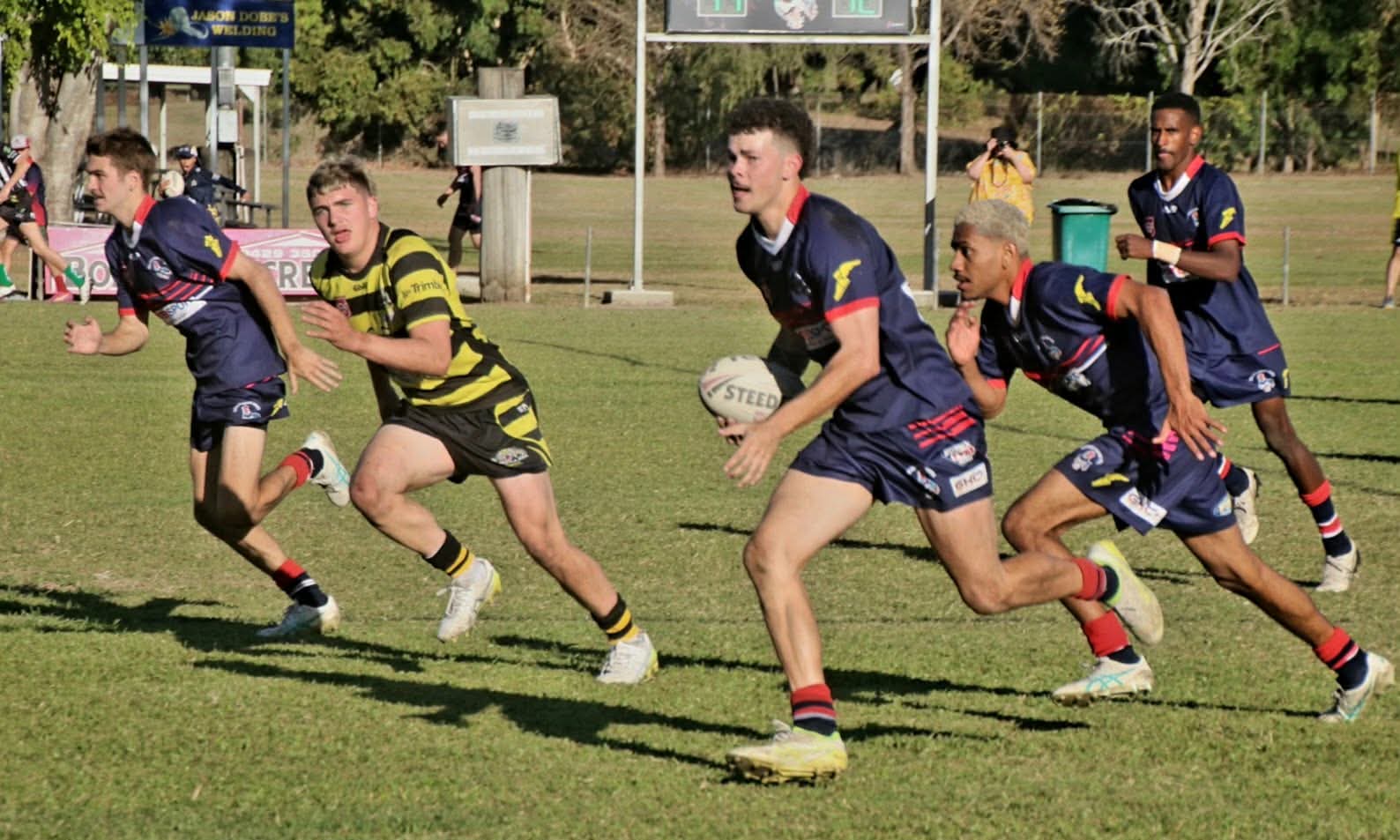
More than 2200 Burdekin children have taken part in local sport through the Queensland Government’s Play On! Sports Vouchers program. Photo: Burdekin Roosters Rugby League.
More than 2200 Burdekin children have taken part in local sport through the Queensland Government’s Play On! Sports Vouchers program, with the initiative helping families offset participation costs.
The previous round of vouchers saw 2,256 redeemed through 50 sporting and activity providers across the Burdekin region, as clubs continue to welcome children across a range of summer and winter sports.
With the latest round of vouchers now open and local sporting seasons underway, Member for Burdekin Dale Last said the timing provided an opportunity for families to access support.
“Despite soccer, rugby league and netball holding the highest number of voucher participants across the state, with Burdekin’s 50 listed sport clubs, there are certainly plenty of opportunities for kids to get involved in a summer or winter sport,” Mr Last said.
“Research shows a long list of benefits that come from kids playing sport and we want to make those benefits available to as many families as possible. Basically, if a child is aged between 5 and 17, and is named on a Medicare card then they are eligible.”
Mr Last said the program would continue after the Crisafulli Government committed $62.5 million each year for the next four years.
“By providing this real cost of living relief, the Crisafulli Government is getting more kids playing sports and a continuation of the success the Burdekin has already seen on the national and international sporting stages.”
“We have already seen a strong uptake of vouchers in regional areas of Queensland and we want that to continue which is why the Crisafulli Government has continued its dedicated allocation of vouchers for children living with a disability and for kids in regional and remote areas,” Mr Last said.
“This is real cost of living relief that is getting kids active, supporting local clubs, and backing families in our community.”

Creativity has always come naturally to local artist Monica Kupke, whose journey has taken her from painting murals at Ayr State High School to building a career as a tattoo artist. Photo supplied.
Creativity has always come naturally to local artist Monica Kupke, whose journey has taken her from painting murals at Ayr State High School to building a career as a tattoo artist; transforming a childhood passion into a profession.
Ms Kupke fondly recalls spending countless hours throughout her childhood painting and sketching in the comfort of her room. By the age of 10, she had begun taking her craft seriously, dedicating herself to mastering realism through graphite and coloured pencils.
"My pieces would end up being really detailed and very time consuming, but I always adored the final result," Ms Kupke said.
During her time at Ayr State High School, Ms Kupke helped design and paint several murals that remain proudly displayed around the grounds today; a legacy she holds close, knowing future generations of students can continue to experience and engage with art during their schooling journey.
"My experience with art class at Ayr State High School was one I'll never forget—it shaped me for the better in so many ways," she said.
"Art is so special. It involves much more than just ink on a page. It can tell stories, involve science, history and so much more. I really hope the new generation keeps traditional art going, as it keeps us human. I hope I have inspired at least one person to pick up a pen and paper."
Over the years, Ms Kupke has developed a style that blends realism with subtle elements of surrealism, and her graphite and coloured pencil works are known for their intricate detail and precision, while commissioned pet portraits have become a particular favourite.
That same versatility now extends to her tattooing, where she specialises in traditional, neo-traditional and fine line black and grey designs. Inspired by fellow artists, pop culture, gaming and the natural world, Ms Kupke said she enjoys creating pieces that are both distinctive and enduring.
"Neo-traditional focuses on bold, colourful elements while still feeling modern and timeless, while fine line black and grey is challenging but incredibly rewarding," she said.
"Capturing light and shadow while incorporating softness and texture is something I really love."
While pursuing a career in the arts can often be challenging, Ms Kupke found herself drawn to tattooing after discovering the craft online. Combined with her background in customer service and her love of connecting with people, it wasn't long before she pursued a tattoo apprenticeship.
"I knew I wanted to do something creative while also being able to express my personality," she said.
Now practising at a local tattoo studio, Ms Kupke said the support she has received from the community that raised her has been invaluable, describing the loyalty of Burdekin residents as "truly unmatched".
"I'm so grateful for the people who have trusted me to tattoo them—being able to help people bring their ideas to life brings me so much joy," she said.
"In my tattooing career, I have met so many amazing souls that have changed my life, and having that close experience with an artist who brings your vision to life honestly makes it all worth it. I really do hope people can share that experience with me while getting tattooed—being comfortable and happy is all that matters to me when you're in my chair."
Ms Kupke sees tattooing as far more than a way to create beautiful designs; she believes the process offers a sense of peace, connection and personal expression that resonates deeply with many people, including herself.
"It's the tattooing ritual and making art that keeps us down to earth and connected," she said.
With an exciting future ahead, Ms Kupke hopes to continue refining her craft to grow as an artist, emphasising that learning is a lifelong journey and hopes to encourage aspiring young creatives to pursue their passions with an open mind.
“Young creatives, don’t give up on your art form, keep working on it – being open to learning is something you should never shut yourself off from as it will keep you locked away from trying new things,” she said.
“Grow, flourish, and watch the people around you – the world offers never ending inspiration, and the best piece of advice is do not be scared and doubt yourself; be you – keep practising and keep working hard – someone will appreciate your art for what it is.”
-p-2000.jpg)
FriendlyCare Pharmacy is a not-for-profit, community-owned organisation that has been serving the Burdekin region and beyond for over 100 years. Photo supplied.
If you have ever walked past the membership sign at FriendlyCare Pharmacy Ayr and wondered whether it was really worth ten dollars, the answer is a resounding yes. In fact, for most local families it pays for itself within the very first visit.
FriendlyCare Pharmacy is a not-for-profit, community-owned organisation that has been serving the Burdekin region and beyond for over 100 years. Unlike large chain pharmacies, every dollar of profit generated by FriendlyCare is reinvested directly back into the organisation. That means better pricing for members, and community sponsorships and donations that support the groups and events that matter to Ayr residents.
Membership costs just $10, and when you sign up you receive a $10 welcome credit to spend in-store straight away. Effectively, your membership pays for itself on the spot.
From that point forward, you receive member-only pricing on just about everything in the pharmacy. That includes pharmacy medicines, vitamins and supplements, and all your favourite health and beauty brands. The savings quickly add up, especially for families who rely on their pharmacy regularly.
FriendlyCare Membership also includes access to the CarePoints rewards program. Every dollar you spend in-store or online earns you CarePoints, which you can then redeem to get money off future purchases.
It is a simple way to be rewarded for the shopping you are already doing. The more you spend, the more you save over time. CarePoints work alongside your member-only discounts, so you are benefiting in two ways every time you visit.
As a FriendlyCare member you will be the first to hear about promotions, member-only email offers, and exclusive competitions. These are not available to general customers, and they are sent directly to you, so you never miss out.
Members also have access to the FriendlyCare App, which helps you manage your medications, request prescription repeats from home, set medication reminders, and stay connected to your pharmacy team without needing to call or come in.
Perhaps the most meaningful part of FriendlyCare membership is what it represents beyond the savings. As a not-for-profit, community-owned organisation, FriendlyCare does not send profits offshore or to shareholders. When you become a member and shop with FriendlyCare, you are helping to sustain a local business that gives back to the community.
It is the kind of pharmacy model that is rare in Australia today, and Ayr is fortunate to have it.
Signing up takes just a few minutes. Simply visit our friendly team in-store at FriendlyCare Pharmacy Ayr and they will get you set up on the spot. You can also join online at friendlycare.com.au.
As a FriendlyCare member, you will receive: a $10 welcome credit to spend in-store immediately; exclusive member-only pricing on most products; CarePoints earned on every dollar spent, redeemable for rewards; exclusive member email offers and competitions; and access to the FriendlyCare App to manage your medications
Join today and start saving for the rest of your life. Pop in and see the team at FriendlyCare Pharmacy Ayr or visit friendlycare.com.au to sign up online.
Supplied by FriendlyCare Pharmacy
Publishers Indemnity. Any individual or entity that places advertising, supplies copy material, or submits editorial content to Core Life Publishing agrees and undertakes to ensure that all such material:- Does not infringe upon any copyright, trademark, or other intellectual property rights;- Is free from any content that could be considered defamatory, libelous, or slanderous;- Does not infringe upon any rights related to privacy or breach of confidence;- Contains no obscene, indecent, or otherwise unlawful material;- Complies fully with the Trade Practices Act and all other applicable laws, regulations, or statutes.Furthermore, by submitting or placing such material, these individuals or entities agree to indemnify and hold harmless the publisher, Core Publishing and Events Pty Ltd, and/or its agents from and against any and all investigations, claims, demands, liabilities, damages, costs, or judgments arising out of or in connection with the material provided. All material is believed to be accurate at the time of printing and remains the copyright of Core Publishing and Events Pty Ltd.
© 2026 Life Publishing Group Pty Ltd.
