
Independently Owned, Locally Grown, Community Loved
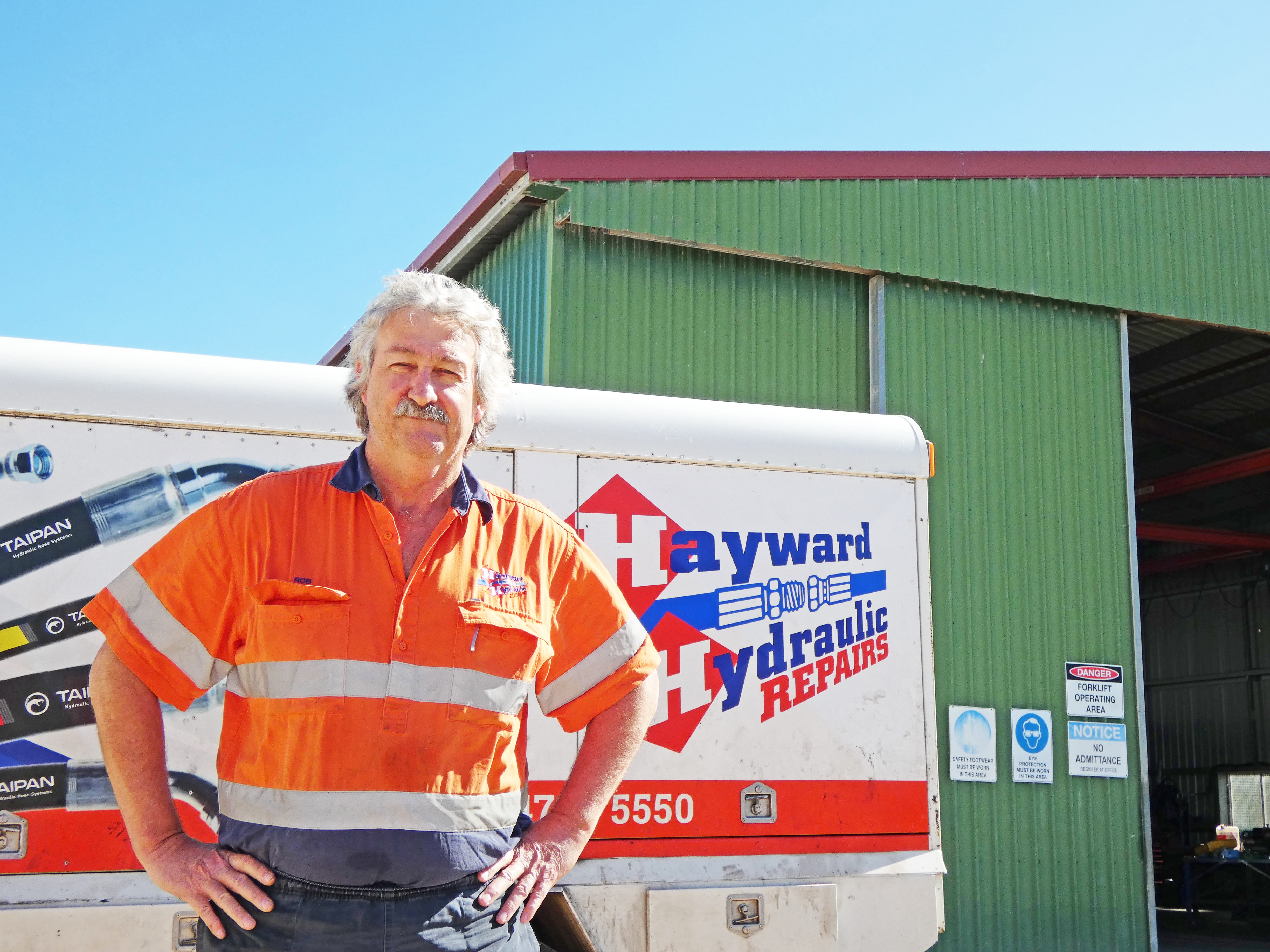
Not every business starts with a blueprint. For some, it begins as a calling… in more ways than one. Burdekin local Robert Hayward had been in the hydraulics industry since he was 18. A diligent worker who loved his job, he quickly built a reputation locally as one of the best in the business. But despite a mutual affinity with the industry that had formed over years, he stepped away in the early 1990s to help his father-in-law maintain a cane property in Clare. Until he received a call. Then another… and another. Rob quickly realised that, despite his brief hiatus, his reputation in hydraulics had not faded. With that, he was pulled back into the game, this time with nothing but a $2,000 ute, a toolbox, and work up to his neck. And the only way to keep himself from drowning in it was, ironically, to go in deeper. “As the Burdekin is, if you do a very good job, word travels quickly between the community. One farmer talked to another, he talked to another, he talked to another… “Until I sat down with my wife one day and said, ‘I think we can make a business out of this.’” His ute would eventually make way for a permanent space—a small sub-shed at Larry Hudson Engineering in the Ayr Industrial Estate that would serve as his headquarters for the following four years. He tackled the first year solo, before demand forced him to put an apprentice on in the second year, and a qualified tradesman in the third. By the end of the fourth, Rob’s work had outgrown its humble base, moving down the road into a new purpose-built shed that would become the home of Hayward Hydraulics. That shed would officially open in 1996, spurring a 30-year legacy sustained by three defining pillars. Growing with the industry “I had no idea how to use computers,” Rob said with a smirk. Admittedly, he hadn’t realised he signed himself up for a three-decade, three-fold evolution between an entire industry, his own business, and himself. What he did know was that he was ready to learn, and eager to grow. It started with the basics. For Rob, that meant wrapping his head around modern computers, attending TAFE courses on emerging welding techniques, and becoming a leader. “I went from being a very good tradesman to having to be an employer,” he said. “You have to be a people's person, you have to treat people the right way, treat your workers the right way. That part I never even thought of until we started getting into it.” Rob treated this evolution as a marathon rather than a sprint, dedicating the business's first decade cementing its reputation as a local leader. After striking up deals with major companies, including Queensland Rail and Wilmar Sugar in the mid-2000s, he decided to take the leap into the mining industry in the early 2010s as a safety net for the unpredictable sugar industry. With that growth, Hayward Hydraulics’ shed would undergo its third structural expansion to accommodate its continuously increasing popularity and modernised technology. He built a habit of gleaning ideas from various online hydraulic magazines, and then building on them to not only keep up with the industry, but to will it into the future himself. “I eventually built a reputation for thinking outside of the square. If somebody's been doing something for 20 years, I'll look at a better way of doing it,” he said. Albeit, he admits he and the business are still evolving today. “I've seen harvesters and planters go from chain and sprocket to hydraulic motors, to hydraulic motors being linked to satellite GPS,” he said. “The industry has changed in leaps and bounds, and you have to keep finding ways to move with it.” Doing it the right way Hayward Hydraulics’ evolution was founded on something Rob didn’t need to be taught. Care. And he makes sure his staff do, too. “I didn't come from a real wealthy family, so we were brought up to work; you work, you do the job right, you get paid,” he said. “So if I'm not happy with something, I'll ask my workers: ‘would you pay for that?’” When the mining industry began to boom in Queensland, Rob admits he had a difficult time retaining workers. To compete, he was forced into paying top-dollar for what he called “good quality workers,” causing financial tension. When asked if compromising staff quality for cost was ever an option, with the conviction of a true-blue purist, he said: “No.” “I've always maintained that a business is only as good as your employees. You can be the best boss in the world, but if you've got workers that people don't like, they don't come through the door,” he said. “My current staff are up there with the best that I've had. I just try to make sure they’re happy to come to work every day.” With quality and care as its engine, Hayward Hydraulics became known not just for technical know-how, but for doing things the right way. As its stature in the industry continued to grow, so did the scope of its customer base. Calls started coming in from as far north as Tully, all the way to Mackay and Western Queensland, all saying the same thing: “We heard you were the guy to talk to about this problem.” Family and community at its heart For the last 10 years especially, the business has made a point of supporting local organisations and sports clubs, most notably the Burdekin Roosters Rugby League Club. Rob described it as a duty to a community that has given so much to him and the company. “The community has been so important to it all. I’ve got some customers that have been with me from day one, and with some, I’m onto the third generation of the same family,” he said. “The’ve given a lot to me. They've helped me grow and supported me, so it's about time I supported them back.” Beneath it all, though, he points to his family as the driving force. “I remember those early days when we were setting up the new workshop, building benches and all that, my two brothers-in-law and my father came out and gave me a hand,” he said. “But my biggest support is my wife. Especially in the early days when I wasn't home, and she solely looked after the kids and everything. “It got to the stage where I was working seven days a week, 12 hour days, and my wife would bring the kids on a Saturday and Sunday, and we'd sit on the shop floor and have lunch. “She's been with me through the lows and the highs, and that I thank her for.” Now, thirty years later, it’s his family pulling him out of the industry. Driven by the desire to make up for lost time with his wife and kids, Rob has loosened his grip on business operations, working four days a week with plans to eventually let his brainchild find its own footing. As for right now, he’s not yet ready to call time on a chapter that was, perhaps, never meant to last this many pages. “I still love what I do,” he said. “The early days come with sacrifices, but when I look back now, it was all worth it. “I remember when it all first started, looking on the ATO website and coming across that statistic that most businesses fail within five years. “When I read it, I said to myself, 'well, I'm gonna make sure I’m not that statistic.’” And that, he did. CAPTION: Rob and his current team. Back L-R: Chase Pearce, Stephan Du Plessis Front L-R: Kade Pearce, Renee Viero, Robert Hayward, Tina Dennis, Bryan Parison Absent: Sam Tomasetig Photo credit: Jacob Casha
Read the full story
The Burdekin has rallied behind a local family after a sudden medical diagnosis turned their life upside-down. Ryan and Holly Davenport dropped everything when their two-year-old son, Rowen, was diagnosed with a brain tumour last month, temporarily relocating to Brisbane for his ongoing treatment. In response, a GoFundMe fundraiser has since raised over $55,000 in support of the family. Created in late May by Shannon Malone, a close friend of the Davenports, the fundraiser has been shared all over Facebook and Instagram by local organisations, garnering comments of support on top of 271 individual donations. “Words can’t describe how much it means to us to have everyone’s support behind Rowen as he begins his journey,” Ryan said. “They have given us precious time to spend with Rowen without the everyday worries.” The money will help fund hospital stays, travel, time away from work, and ongoing treatment expenses as the Home Hill family navigates a medical journey that began in April. Already on edge after daughter, Ally, underwent brain surgery to have a cavernoma removed just before Easter, Ryan and Holly acted promptly when they noticed a twitch in Rowen’s eye. Following weeks of consultations with Townsville doctors and specialists—which included MRI scans and a Royal Flying Doctors flight—Rowen was eventually diagnosed with pilocytic astrocytoma, a slow-growing brain tumour. He has since been transferred to Queensland Children’s Hospital in Brisbane for chemotherapy, with the couple leaving their two young daughters with their grandparents in the Burdekin to be by his side. In their absence, locals have offered meals, helped on the family’s sugar cane farm, assisted around their home and helped look after their daughters, along with the generous donations. Ryan said the funds raised would not just help relieve the financial burden of Rowen’s treatment, but allow the flexibility to fly their daughters down and spend some time as a family. “(The toughest part has been) the unknown, not having our family together … and watching Rowen go through these traumatic times and … not being able to do anything,” Ryan said. “It has been a very emotional journey so far, and it is hard to believe we are only at the start.” Anyone wanting to support the Davenports is urged to donate using the following link: https://www.gofundme.com/f/supporting-the-davos-and-little-rowen?attribution_id=sl:75c20475-06e5-4752-8e11-d1b7a07c7728&lang=en_AU&ts=1779705595&utm_campaign=fp_sharesheet&utm_content=amp20_t1&utm_medium=customer&utm_source=copy_link CAPTION: Funding will allow the family to fly their daughters down and spend more time together during Rowen’s treatment. Photo supplied
Read the full story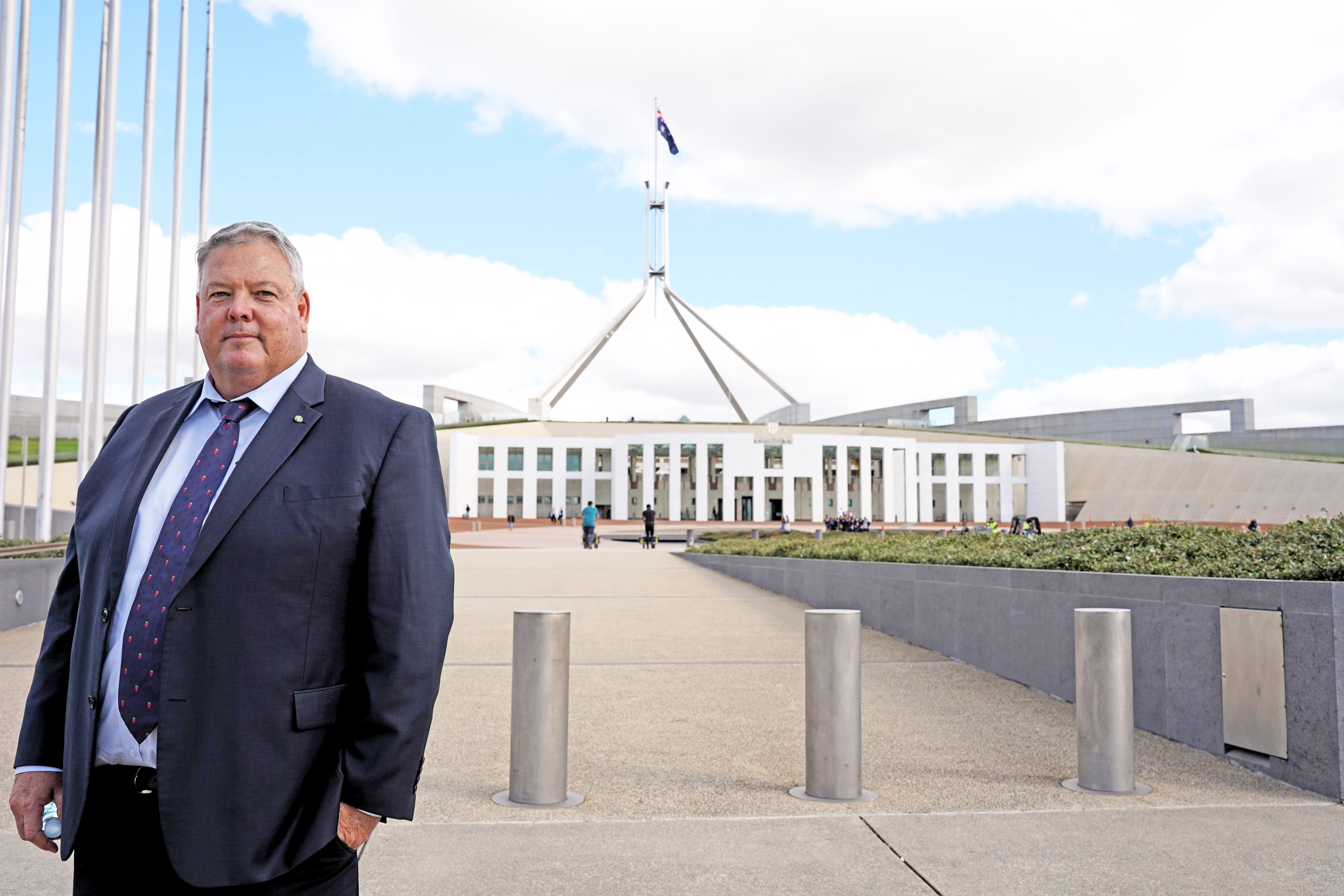
The Federal Member for Dawson, Andrew Willcox, has slammed the Albanese Government for an unacceptable ambush on regional communities, accusing the Commonwealth of abandoning disaster-prone areas to balance its own budget. The Federal Minister for Emergency Management, Kristy McBain, used a late Friday afternoon media release to quietly flag sweeping alterations to the Disaster Recovery Funding Arrangements (DRFA). The proposed changes dismantle the long-standing, scalable framework, which historically provided an average of 64 per cent federal coverage and capped support at 75 per cent for catastrophic events. In its place, Canberra intends to implement a rigid 50-50 funding model. This policy shift arrives at the worst possible time for the state; it follows a volatile severe weather season that caused widespread damage across 71 of Queensland’s 77 local government areas. Federal Member for Dawson, Andrew Willcox, is warning that the sudden funding shortfall threatens the future viability of essential infrastructure, local water treatment facilities, and emergency evacuation operations. Mr Willcox, drawing on his extensive experience as the former Mayor of the Whitsunday Regional Council, stated that the Federal Government is completely detached from the realities of regional recovery. "This decision is a direct hit to the heart of North Queensland," Mr Willcox said. "Canberra is treating natural disasters like a corporate budgeting exercise; however, out here, it is a matter of community survival. To penalise the very regions that drive the nation’s agricultural wealth and mining export revenues is a profound betrayal. "During my time steering the Whitsunday community through the wreckage of Severe Tropical Cyclone Debbie in 2017, I learned exactly what it takes to rebuild. We relied heavily on scalable federal assistance to restore our shattered rural road networks. Under a flat 50-50 split, local councils across Dawson would be forced to find millions of dollars in matching revenue; that is a financial burden our regional ratepayer base simply cannot sustain." Mr Willcox emphasised that major historical recovery operations would have been completely unviable under the newly proposed guidelines. "The total reconstruction of the Shute Harbour marine terminal and the $5 million federal package required to replace the decimated Proserpine Entertainment Centre occurred because the previous framework allowed for exceptional circumstances," Mr Willcox said. "Small regional councils do not possess the independent asset base to fund multi-million-dollar rebuilds alone. Furthermore, the historical system guaranteed that funding flowed directly into local economies, ensuring that regional earthmoving businesses and contractors were awarded the repair work. By lowering the funding floor, the Commonwealth is forcing cash-strapped councils to delay vital resilience works; this leaves our communities dangerously exposed before successive wet seasons. "It is a coward’s tactic for the Minister to leave this announcement until the day after the parliamentary sitting concluded, ensuring they avoided any real scrutiny or accountability in Question Time. “This is yet another calculated deception from a government that knows exactly how damaging these cuts are; this is absolutely not what the Australian people voted for, and I truly hope this betrayal is remembered at the next election. "This is yet another chapter in the ongoing federal neglect of regional Australia. The government is hiding behind the cover of an independent review to justify cutting essential frontline services. I call on the Emergency Management Minister to reverse this decision immediately; regional Queenslanders refuse to be treated as second-class citizens.” Supplied by the office of Federal Member for Dawson, Andrew Willcox CAPTION: FIGHTING FOR THE NORTH: Federal Member for Dawson Andrew Willcox MP outside Parliament House in Canberra, condemning the Albanese Federal Government's plan to slash scalable disaster recovery funding for regional councils. Photo supplied
Read the full story
"As the final week approaches for public submissions into the Sugar Code of Conduct, Member for Burdekin Dale Last has renewed his calls for growers to unite and make their voices heard. Mr Last said the public submissions for the sunsetting review of the Sugar Code of Conduct should be an opportunity for sugarcane growers from across the Burdekin to outline the benefits of the code for both farmers and the wider community. “Over recent weeks I have taken the liberty of providing a submission on behalf of the community, because ultimately the flow-on impact from changes in our sugar industry stretch beyond the paddock and the mills,” Mr Last said. “I recently met with several grower representatives which provided the opportunity to bring key stakeholders together, reaffirm my support as the Member for Burdekin and emphasise the need to work collaboratively as the review period unfolds.” Mr Last said while it was important stakeholders took the time to make their voices heard during the public submissions there was no better way to understand the impact of the Sugar Code of Conduct than to visit the area and speak directly to representatives. “A decade ago this district played a central role in bringing this code of conduct to fruition so I would expect our stakeholders receive a seat at the table they deserve,” Mr Last said. “If the Federal Labor Government was serious about consulting with the industry, the responsible Assistant Minister would be looking for every opportunity to listen to those who are most impacted by the Sugar Code.” Anyone wishing to have their say in the review can visit https://haveyoursay.agriculture.gov.au/sugar-code-review"
Read the full story

16V71 in place at Burdekin Machinery Preservationists. Photo supplied
Burdekin Machinery Preservationists has added a new exhibit to its collection: a 16V71 Detroit Diesel. So why is this engine special?
BMP proudly showcases a range of engines representing the evolution of power generation over the centuries—live steam plant, hot-air engines, hot-bulb internal combustion engines, semi-diesels, and finally, modern diesel engines.
Among the diesel exhibits is the historic Walkers No.1 air-fuel-injected diesel engine, built around 1930 by Walkers Ltd. Maryborough under licence to Mirrlees Watson and based on Rudolf Diesel’s original design. At 25 tonnes, this rare engine powered a 150 kW standby alternator at Kalamia Mill. Only two air-injected diesels are known to still operate in Australia.
From Inkerman Mill, we also display a Ruston 7VEB, a four-stroke diesel weighing about 18 tonnes and manufactured around 1950 to the highest British engineering standards. It powered a 350 kW standby alternator set.
Now, thanks to 4QN, BMP is proud to present a 16V71 Detroit Diesel. This 3-tonne unit powered a 184 kW standby alternator at the local 4QN transmitter. An iconic two-stroke diesel, the 71-series was manufactured from 1938 to 1995. Developed just before WWII, these engines powered landing craft and many other military applications. Their robust design made them popular across transport industries worldwide.
Locally, many sugar mill locomotives ran 6-71 Detroit Diesels, often clocking up around 2,000 hours per season. Our newly acquired 16V71 has only 1,800 hours on the meter—barely run in. Fuel consumption is notable at around 70 litres per hour under load, though our diesel mechanics, President Bruce and Secretary Al, are confident they can “turn the wick down a bit.”
Retrieving the engine proved straightforward. The contractor upgrading the transmitter power supply needed the unit removed and kindly provided cranage and assistance. Transport was arranged by our club’s go-to man, Graham Seib.
At the Brandon site, the only available space was across one end of the powerhouse—an arrangement originally proposed by our late treasurer Alf Shand for an earlier project that never eventuated. It turned out to be the perfect solution.
Contributed with thanks to Burdekin Machinery Preservationists
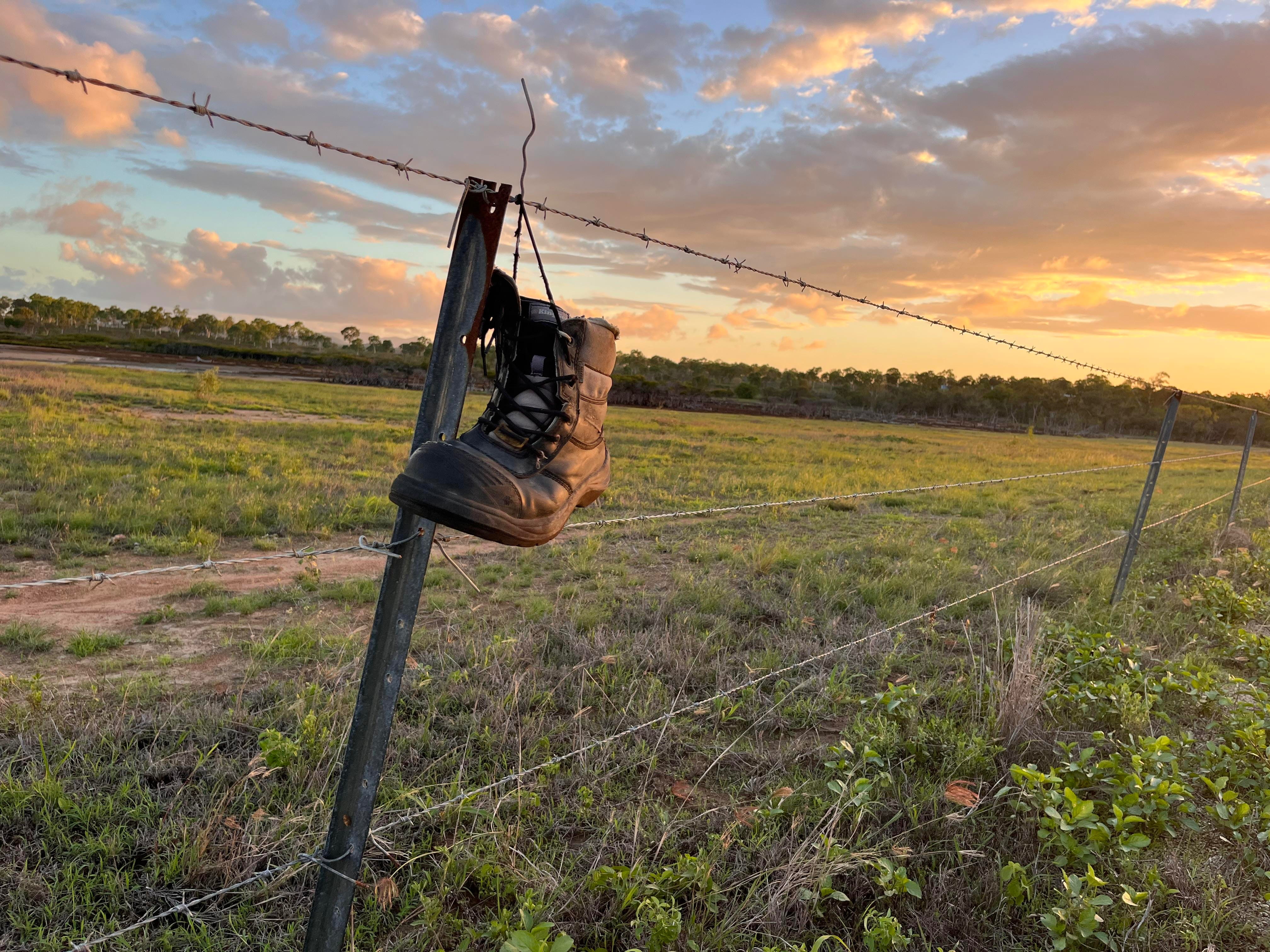
Dry paddocks and rising costs signal a tough season ahead for rural Queensland, as El Niño heightens the risk of drought, fire and economic strain across regional communities. Photo source: Shutterstock
Rural communities across the state are facing mounting pressure as intensifying drought conditions compound the challenges of ongoing flood recovery and test local resilience.
With El Niño bringing hotter, drier weather, farmers are grappling with worsening soil moisture deficits and water scarcity, placing livelihoods at risk and raising concerns about long-term sustainability.
With conditions expected to deteriorate in the coming weeks, the 2026 El Niño is forecast to be one of the strongest on record, bringing an increased risk of drought, extreme heat and bushfires. Rural Fire Service Queensland Deputy Chief Officer Clint Tunnie said residents could expect fire conditions to return to more typical levels through autumn as the state heads into winter, with growing fuel loads emerging as a key concern.
“Northern parts of the state have experienced significant rainfall and severe weather events throughout summer, leading to increased fuel loads in some areas,” Mr Tunnie said.
“Now is the time for landholders to start preparing for the heightened bushfire period later this year. It is important to remember that managing Queensland’s bushfire risk is a shared responsibility and landowners are legally responsible for managing bushfire hazards on their properties.”
Dale Last MP, Member for Burdekin, said the primary concern for the region lies in the uncertainty surrounding growers’ access to fuel, fertiliser and the rising costs of freight.
“The Burdekin district’s reputation as an agricultural powerhouse is built on our access to water so we are rarely impacted by the droughts that El Nino can bring,” he said.
“The main threat to our local producers lays in the increase in costs for supplies like fuel and fertiliser that can be caused by El Nino.”
Mr Last said farmers value rainfall during the growing season, but in the lead-up to and throughout the cane harvest, dry conditions are generally preferred. He noted that while drought remains a risk in the Burdekin, growers in the Isaac Regional Council area are particularly vulnerable, with many crops relying solely on rainfall.
“Drought conditions are a definite risk in the western areas of the Burdekin electorate,” he said.
“When you look at cattle grazing for example, the effect of drought means a dramatic increase in workload at best and, at worst, an absolute disaster for livestock, primary producers and the communities that rely on them.”
Mr Last said that despite the challenges, he remains confident the Burdekin Shire is well placed to respond, pointing to the strength of its close-knit community and its willingness to support one another.
“Challenges are nothing new to the people of the Burdekin. We are fortunate, in the agricultural sector, to have the resources like water and the knowledge that has been built up over several generations, including during challenging times,” said Mr Last.
“We keep an eye out for each other and pitch in to help when times get tough. That can honestly be the difference between making it through and the worst possible outcome.”

The Federal Government has moved to safeguard Australia’s agricultural and transport sectors against global supply chain volatility, securing an additional 300 million litres of diesel and launching a new initiative to shore up domestic fertiliser supplies.
The intervention, enacted through the government’s new Strategic Reserve powers, comes as the Middle East conflict continues to disrupt international markets. The package aims to insulate regional producers—including those in the Burdekin—from extreme price volatility and potential supply shortages during the critical growing season.
The government successfully partnered with BP Australia and expanded its existing agreement with Viva Energy to secure the diesel boost, equivalent to over 1.8 million barrels. Further negotiations are currently underway with suppliers including Ampol, Park Fuels, and IOR to procure additional shipments in the coming weeks.
Simultaneously, federal authorities have commenced work with major industry players Incitec Pivot and CSBP to accelerate the delivery of essential fertiliser. The government is providing price risk support to importers to ensure that supply remains stable and affordable for local growers.
Prime Minister Anthony Albanese emphasised the necessity of the measures amid ongoing global instability.
“As conflict in the Middle East and global volatility continues, we are working to shield Australians from the worst of the impacts,” the Prime Minister said.
“We want to keep our people, our economy and our nation moving, which is why we’re working with industry to quickly secure additional shipments of fuel and fertiliser.”
For the agricultural sector, the security of fertiliser supply is paramount for continued food production. Minister for Agriculture, Fisheries and Forestry, Julie Collins, highlighted the importance of the partnership with industry.
“We understand how critical fertiliser is for Australian farmers, for our food production system and the food security of our region—that’s why I have been working with industry to support getting fertiliser to Australian farmers,” Minister Collins stated.
“This is a significant outcome for our farmers and will support industry to secure and deliver the fertiliser we need sooner.”
Federal authorities have pledged to continue working with industry partners to ensure these critical resources are directed to the regions and industries that require them most.

Sugarcane is already used to produce green electricity through co-generation at sugar mills and ethanol
Queensland’s move to kick-start a biofuels industry is a major step towards unlocking the full potential of the state’s sugarcane industry, CANEGROWERS CEO Dan Galligan says.
Mr Galligan welcomed today’s decision by the Crisafulli Government to invest $25 million into biodiesel production at Ampol’s Lytton Refinery in Brisbane, calling it a chance to build a stronger, more resilient economy.
“While this project may not directly involve sugarcane, it’s an important step in establishing the kind of industry that, with the right investment and policy settings, can unlock significant opportunities for cane growers,” Mr Galligan said.
The development of a domestic biofuels industry is something Queensland’s sugarcane growers have been advocating for decades.
The sector is already well placed to help power the next phase – from significantly expanding ethanol production to increasing green electricity generation at sugar mills, and ultimately producing advanced biofuels such as sustainable aviation fuel.
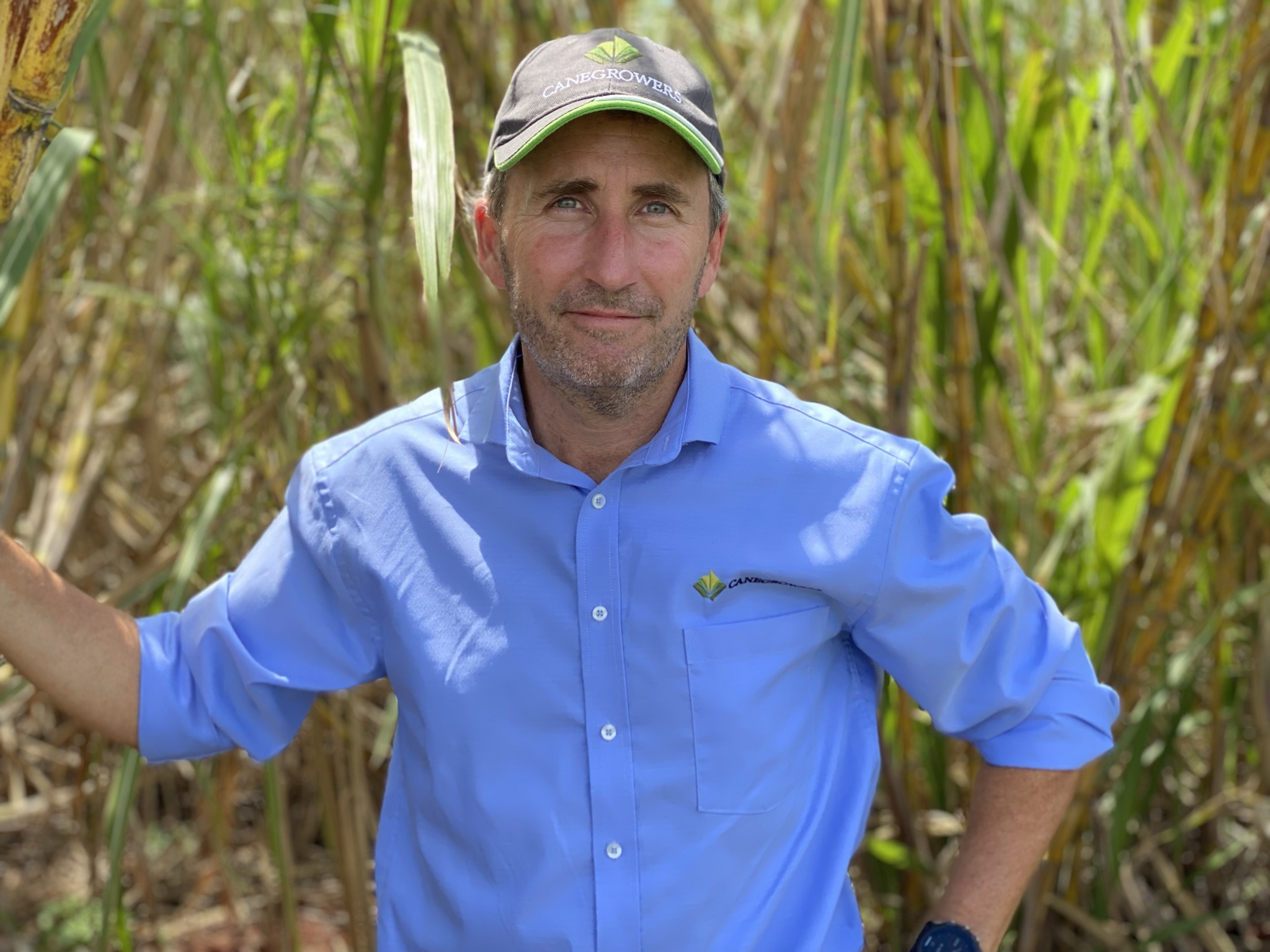
With Queensland’s deep connection to the sugarcane industry, there is a clear opportunity to ensure growers are at the centre of this emerging sector, Mr Galligan said.
“This is about more than cleaner energy—it’s about building a stronger, more resilient economy, creating new markets for growers, adding value to every tonne of cane, and backing regional jobs and investment.
“It’s also about fuel security. Recent global disruptions have shown how exposed Australia is to supply shocks, and building a domestic biofuels industry helps reduce that reliance.
“This announcement is an early step towards greater fuel independence for Queenslanders, using the resources and expertise we already have here at home. Ensuring sugarcane is part of that future will be critical to delivering it at scale.”
CANEGROWERS will continue working with government and industry partners to ensure this momentum delivers practical outcomes for growers and regional communities.

The Burdekin region plays a vital role in Australia’s agricultural landscape, particularly within the sugar industry and broader primary production sector. While the foundations of farming remain the same, the environment in which producers operate has become increasingly complex.
From evolving regulations and environmental obligations to land use pressures, succession planning and business structuring, agricultural operators are navigating more change than ever before. Having trusted legal advisers who understand both the law and regional realities is essential.
Connolly Suthers Lawyers has a long-standing connection with primary industries across North Queensland, with a strong presence in the Burdekin. With offices in Townsville and Ayr, the firm brings over a century of experience supporting rural clients.
The team advises on a wide range of matters, including rural property transactions, leasehold land tenure, water entitlements, sugar industry issues, mining and energy agreements, land resumptions, succession planning, environmental regulation and native title.
Recent work includes advising on rural acquisitions for carbon farming, supporting family succession and asset restructuring, and acting in large-scale agricultural transactions such as banana plantations and aquaculture developments. The firm has also represented clients in compensation claims relating to land resumptions and the sale of significant pastoral holdings.
The team regularly visits surrounding areas and is available for consultations in Ayr and the wider region.
For advice or support, please contact the Ayr office on (07) 4790 4790 or the Townsville office on (07) 4771 5664, or visit Connolly Suthers Lawyers at www.connollysuthers.com.au.
Contributed with thanks to Connolly Suthers Lawyers
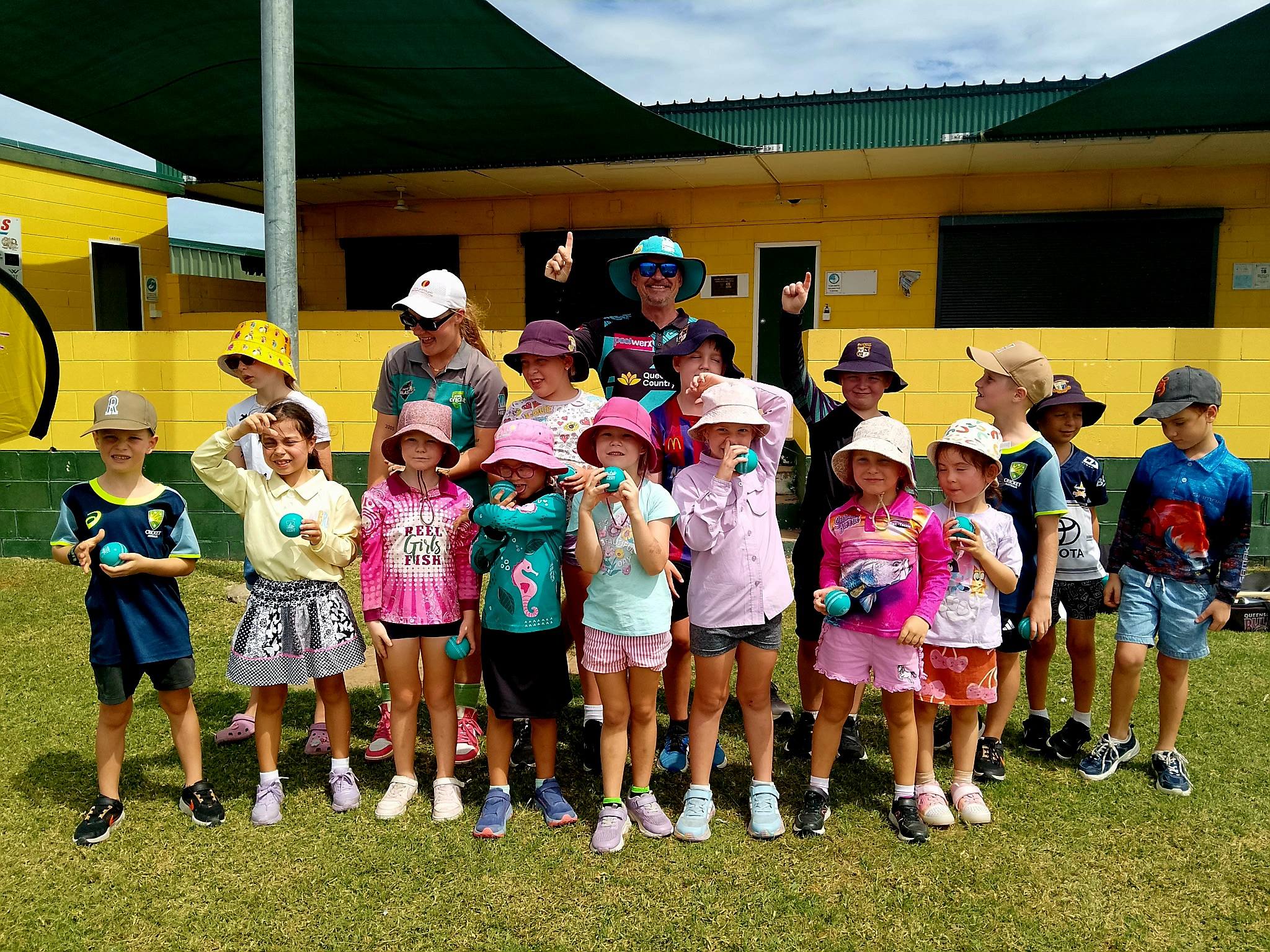
Community Bank Home Hill & Ayr has played a key role in helping the Home Hill Cricket Association continue to thrive, providing both sponsorship and grant funding for important projects. Photo supplied
For more than 100 years, the Home Hill Cricket Association has been at the heart of sport in the Burdekin, bringing generations together through a shared love of the game.
As the region’s only junior and senior cricket club, the association plays a vital role in keeping grassroots sport alive. But for Tiffany Olditch and the many volunteers behind the scenes, it’s about far more than cricket.
“Ensuring grassroots sports remain active in the community contributes to a sense of belonging and promotes a healthy lifestyle,” Tiffany explains.
That sense of belonging is evident across all levels of the club. From young rookies learning the basics to senior players competing in the CNQ Townsville Second and Third Grade competitions, the Home Hill Cricket Association creates opportunities for people of all ages to connect, compete and grow.
A highlight on the local sporting calendar is the Canefield Ashes cricket carnival, hosted annually by the club. Now in its 22nd year, the event honours the memory of past member Eugene Pagotto and brings together 40 teams from across North Queensland for a two-day T20 competition. Beyond the action on the field, the carnival also gives back, with a portion of proceeds donated each year to a local cancer-related charity.
It’s events like these that showcase the power of community sport—and the importance of local support.
Community Bank Home Hill & Ayr has played a key role in helping the association continue to thrive, providing both sponsorship and grant funding for important projects. That support has delivered real outcomes, including the purchase of a new zero-turn mower to maintain the playing fields and the installation of roller shutters to improve the clubhouse’s security and weather protection.
“These improvements make a big difference to our players and volunteers,” Tiffany says. “They help us provide a better environment for everyone involved.”
Equally important is the club’s focus on developing the next generation. Young cricketers are introduced to the game through weekly skills sessions at East Ayr State School, while older juniors take to the field on Friday afternoons. With support from Queensland Cricket, school-based programs and holiday clinics ensure kids across the Burdekin have the chance to get involved.
Whether it’s a child picking up a bat for the first time or a team representing Home Hill across the region, the association continues to strengthen community ties both on and off the field.
And with the ongoing backing of Community Bank Home Hill & Ayr, the future of cricket in the Burdekin looks as strong as ever.
Contributed with thanks to Community Bank Home Hill & Ayr

I would like to begin by thanking our community for the wonderful show of support over the weekend at Anzac Day events held across the Burdekin. It was heartening to see such strong attendance and respect shown at services throughout the Shire.
A special thank you must also go to Council staff who volunteered their time to assist with flying fox dispersal at Arch Dunn Park in preparation for the Anzac Day Memorial Services. Starting work as early as 3:30am is no small feat, and I am sure those who attended the Dawn Service were appreciative of the effort that helped ensure the service could proceed smoothly and respectfully.
This week, Council had the pleasure of hosting the Mayor, CEO and Councillors from the Whitsunday Regional Council. The visit included a tour of our Macroalgae Bioremediation Facility, followed by meaningful discussions on how our councils can work together on shared challenges and opportunities. Advocacy and partnership are critical to progress, particularly on issues that affect both regions, including the Bruce Highway, infrastructure priorities, support for our agricultural sector, water planning, and opportunities for greater regional collaboration. These connections are invaluable as we continue to learn from one another and deliver better outcomes for our communities.
I would also like to inform residents that the Ayr Pool has closed early for the winter season to allow preparations to begin for the construction of a new amenities block. Having grown up with these amenities, I know this upgrade is long overdue and will bring the facility into a modern era for current and future generations.
Finally, I want to acknowledge the incredible generosity I continue to see across the Burdekin. At every event, local businesses and service clubs step up to support those in need, often without recognition. I encourage everyone to remember this when making purchasing decisions. Supporting local businesses helps sustain local jobs, services and our broader community. When we support each other, the benefits come full circle.
Should you wish to reach out, don’t hesitate to contact me directly by phone at 0447 150 582, or feel free to send an email to mayor@burdekin.qld.gov.au.

Council continues to work through budget discussions for the 2026/27 financial year. This is a critical process, as we balance competing priorities and ensure we are making responsible decisions for the long term.
Over the weekend, we marked Anzac Day. It was pleasing to see strong attendance across the Shire, with well attended services that recognised the sacrifices made by those who served.
Yesterday, we welcomed representatives from Whitsunday Regional Council. It was a productive meeting and a great opportunity to strengthen relationships with a neighbouring council. While we may differ on some matters, we share many of the same challenges. Open discussions like these are valuable in identifying practical solutions and learning from each other’s experiences.
It was also great to see strong community participation in local events, including Sugar Rush over the weekend. Events like this bring people together and are a positive reflection of our community.
Finally, I want to acknowledge growing concerns around antisocial behaviour, particularly impacting some of our local businesses. This is not acceptable, and it is something that needs to be taken seriously. Everyone should feel safe in our public spaces, especially the elderly, families and business owners. I will continue to support efforts to address these issues and encourage anyone affected to report incidents so they can be properly dealt with.


From major city firms to launching his own business in the Burdekin, Harry Vo has been supporting clients across a wide range of industries and business sizes during his accomplished accounting career. His path to this success, however, began in a much humbler setting.
Growing up in the Mekong Delta, a region synonymous with Vietnam’s agricultural heartbeat, Harry's childhood was shaped by veggie and fish farm work. Known as the nation’s “Rice Bowl,” the landscape and lifestyle demanded long days under a relentless, sweltering sun.
When he looked around, he realised he craved more.
“My dream was to go to a big university,” he shared.
“In my entire family, nobody had any qualifications or a degree. Everyone would transfer their farms onto the next generation and it would just go on and on. I told myself, ‘I need to do something different. I need to live a different life. I don’t want to do this.’”
That determination would propel him to Australia after a decade splitting his time between hospitality work and studying, where he eventually turned to accounting to build a more sustainable and long-term career path.
From there, he never looked back.[Text Wrapping Break][Text Wrapping Break]He earned his masters in professional accounting in Sydney in 2018, before strengthening a number of years of accounting experience across Big Four, mid-tier and SME advisory roles in regional Victoria, Brisbane and Townsville.
It was along this journey that he felt the tug of the regional lifestyle, which prompted his eventual move to the Burdekin in 2025.
“I was drawn to the lifestyle: the space, the pace, and the stronger sense of community,” Harry said.
“The Burdekin stood out because of its strong agricultural base and close-knit business environment. People value relationships here, and there is a genuine opportunity to make a meaningful impact.”
When Harry arrived in the Burdekin, he realised he wasn’t all that different from many of the locals—active, community-minded, and focused on contribution, reflected in a local volunteer award he received in Sydney in 2019.
“It’s about giving back and supporting the community,” Vo said.
“That mindset fits naturally in a regional community like the Burdekin, where relationships and trust matter. I want to make a positive impact in the community where I live and do business—a place I now proudly call home.”
Despite swapping rice paddies for Australia’s cane country along his journey, Vo said it’s those early lessons from his upbringing in Vietnam that still guides him in his work at HV Tax.
“All those challenges helped build my resilience. I always say, ‘I can’t choose where I’m born or start out, but I can choose my destination. I can choose my future,’” Harry said.
“Those experiences don’t just shape my unwavering professional ethics, but how I approach my work today. That’s what I’m bringing to this region; not just my technical qualities and capabilities, but empathy, perspective and understanding to help people navigate their own challenges.”
________________________________________________________________________________________________________________________________________________________________________________
In a region where relationships matter as much as results, HV Tax is carving out a reputation for delivering both.
The brainchild of Harry Vo, an experienced tax and advisory professional with both metropolitan and regional expertise across Australia, HV Tax was born out of a gap he identified while working in regional areas.
“I saw a great opportunity in proactive advisory and high-quality services,” Harry excitedly shared.
“I wanted to build a firm that goes beyond excellent compliance; one that supports clients year-round, helps them make informed decisions, and adds real value to their business.”
Under that philosophy, Harry relocated HV Tax—a chartered accounting practice—to the Burdekin in late 2025, offering locals accounting and taxation services that fuse technical compliance with future-oriented business strategy.
At the helm, Harry brings more than seven years’ experience across financial reporting, tax compliance and business advisory. He has worked with SMEs and high-net-worth clients across agriculture, construction, retail and professional services, experience that now shapes the firm’s local approach.

“It starts with understanding the local industries, particularly primary production and agribusiness,” Harry emphasised.
“My background, combined with my experience in a mid-tier firm specialising in agriculture, allows me to relate closely to these challenges.”
HV Tax delivers end-to-end support across Income tax, GST, CGT, FBT, and Payroll Tax, alongside proactive tax planning, structuring, and business advisory. The firm also supports financial modelling, performance analysis and growth forecasting to help business owners make informed decisions.
“What sets HV Tax apart is the combination of strong technical expertise and a forward-thinking approach,” he said, adding that while many accountants focus on historical reporting, his approach balances compliance with strategic planning.
For clients, that approach is designed to simplify what can often feel overwhelming.
“I want clients to feel clear, confident, and in control of their financial reporting and tax obligations” Harry noted.
“Tax and accounting can feel overwhelming, so I want clients to feel understood, supported, and assured that they are in capable hands from the very first meeting.”
That same emphasis on guidance and long-term support extends beyond clients, with Harry also mentoring future professionals and helping bridge the gap between study and practice.
“I understand how challenging it can be to start a career without guidance. I experienced that myself early on. Supporting students helps build confidence and bridges the gap between study and real-world experience.”
With his roots firmly planted in the Burdekin, the focus for Harry is on steady growth, with ambitions to build HV Tax into a trusted advisory firm recognised both within the region and beyond.
That direction hinges on his simple, “Your success is our success” philosophy.
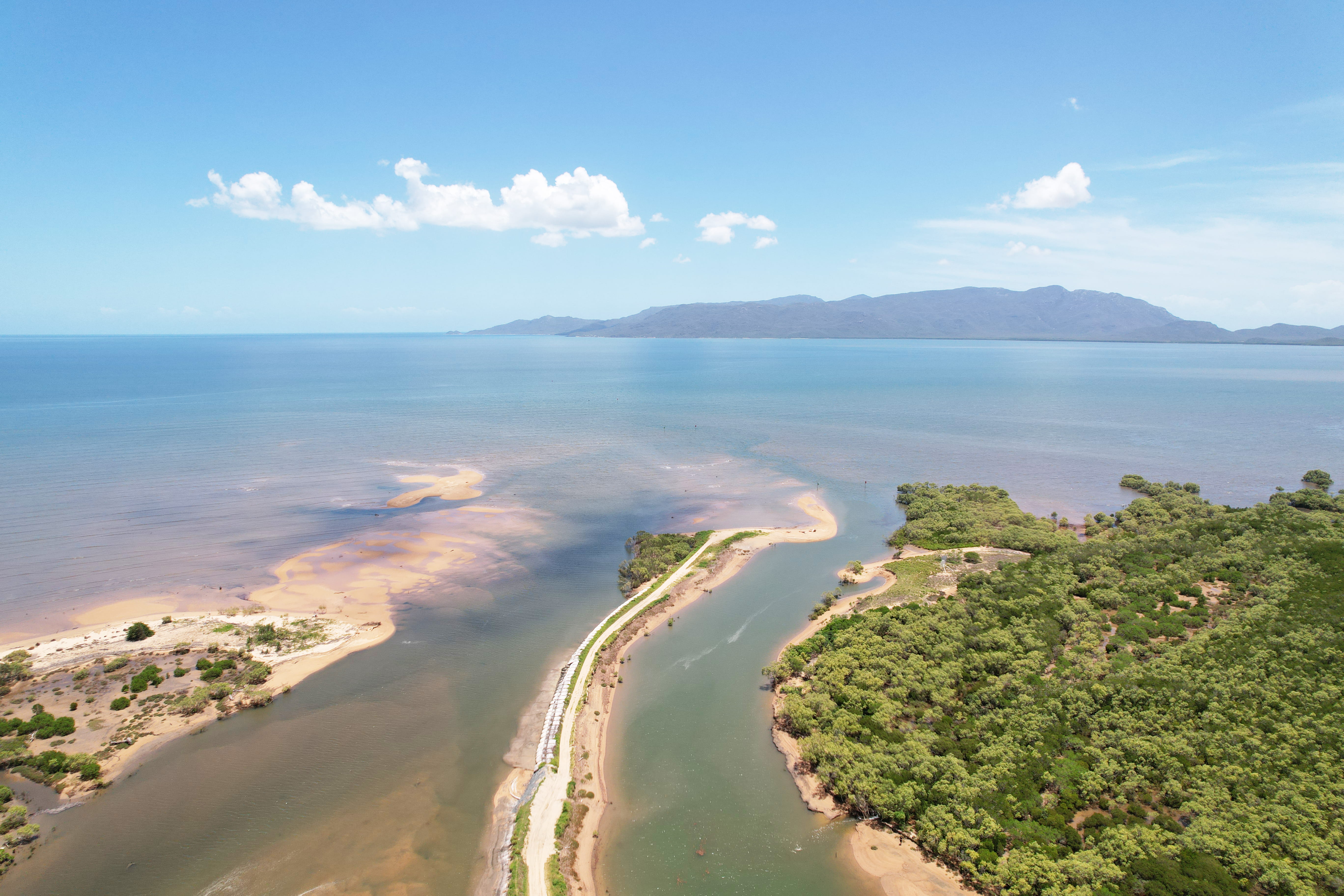
Poor planning by the previous state government means new permits are required for maintenance of the Molongle Creek channel. Photo supplied.
Years after shovels and people power saw a community hold the former state Labor Government to account over all-tide access at Molongle Creek, Member for Burdekin Dale Last has taken the concerns of local boaties to the Federal level in a bid to ensure a decade-long commitment is not lost at sea.
Despite millions of dollars spent by the former Labor state government, Mr Last said what had been delivered four years ago had seen the advice of locals fall on deaf ears and the taxpayer footing the bill to bring about a long-term solution.
“The tidal dependant access of Molongle Creek is and always has been a matter of safety for those property owners at Cape Upstart, especially in times of emergency. It’s why the project garnered support from both major parties in 2017 and following their state election win, it was Labor’s responsibility to deliver on their promise,” Mr Last said.
“Poor planning and implementation by the previous Labor state government means we now need to seek permits from GBRMPA in order to maintain all-tide access and neither the current state government nor the Molongle Creek Boat Club have any control over how long it takes for those permits to be granted or the conditions that apply to the permit.”
“This project has always been first and foremost borne from a need to address community safety and it’s why I have stood shoulder to shoulder with the community right up to this week where I have written directly to the Federal Minister for Environment for his assistance in the matter.”
Mr Last said he had committed his support to bringing about a solution for Molongle Creek with the state government now having to undertake long-term strategy and channel management options.
“The frustrations and importance of this project have not been lost on me as the Member for Burdekin and once again I will be continuing to work with all agencies and local community representatives to ensure all options are on the table for the long-term future of reliable access to Cape Upstart.”
Contributed with thanks to Member for Burdekin Dale Last MP’s office

Burdekin young people are invited to get creative and show their appreciation for first responders ahead of Thank a First Responder Day on 10th June. Photo supplied
Children and young people across the Burdekin Shire are being invited to channel their creativity into a meaningful cause as part of this year’s Thank a First Responder Day.
The Young Voices Art Showcase is calling on local youth to create artworks that celebrate and thank the first responders who work tirelessly to keep communities safe.
Whether it’s through a colourful painting, a striking photograph or a digital design, participants are encouraged to capture what first responders mean to them and their community.
The competition highlights the important role emergency services play across regional areas like the Burdekin, where strong community ties and local support networks are essential, particularly during challenging times.
Themes include acts of kindness, appreciation and community connection, giving young people the opportunity to reflect on the impact of those who respond when it matters most.
Two winners will each receive a $200 book voucher, but organisers say the real value lies in giving young people a voice and a way to show their appreciation.
Entries close on 24th May, ahead of Thank a First Responder Day on 10th June. Visit fortemaustralia.org.au for more information.
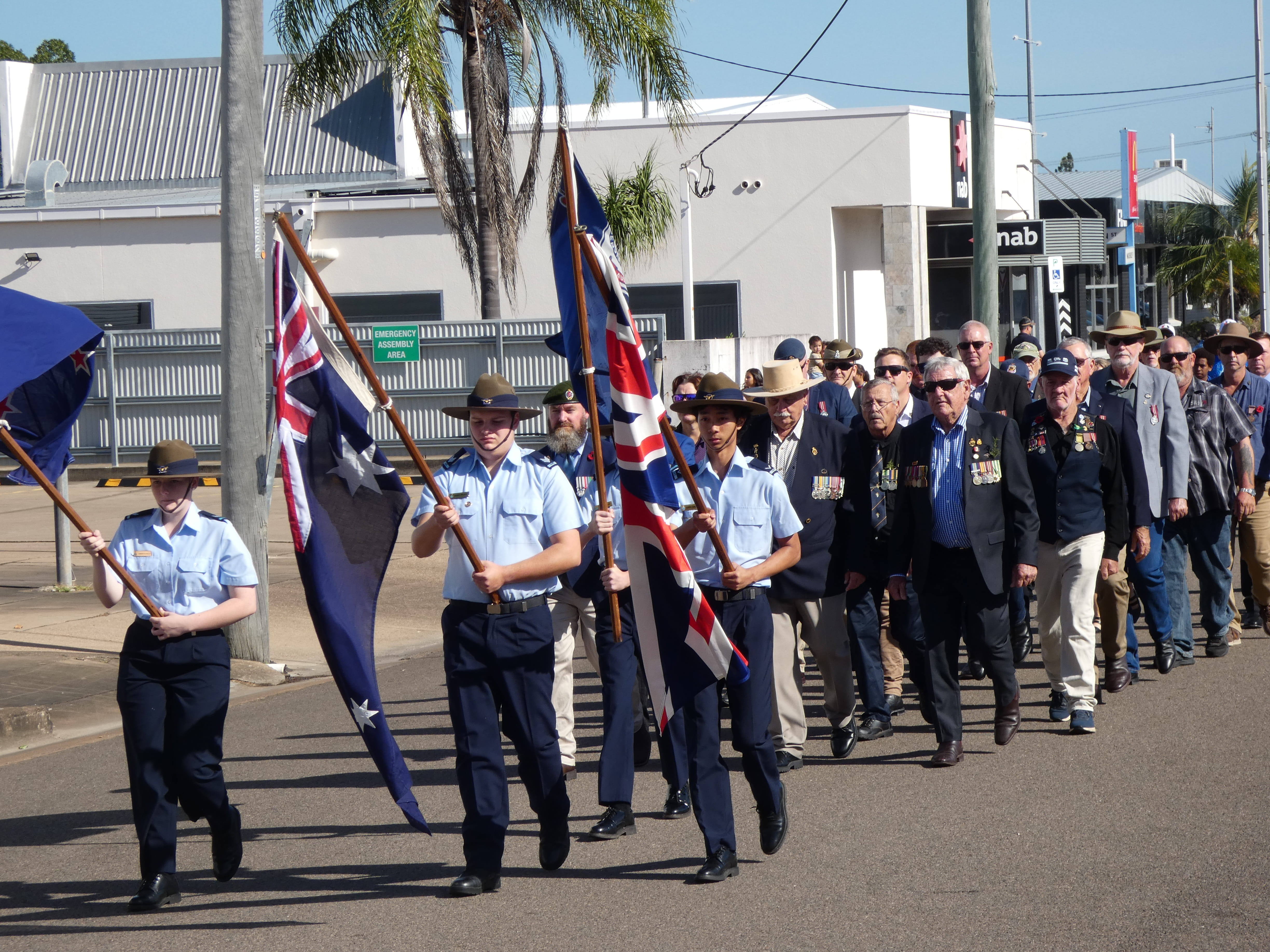
The morning of commemorations continued with an 8am service at Spiller Street in Brandon, before marches in Ayr, Giru and Home Hill at 9am, 9:30am and 10:45am respectively. Photo credit: Jacob Casha
Hundreds across the Burdekin region stood still on 25 April to honour ANZAC Day, uniting in solidarity to remember those who served.
Dawn Services were held in Ayr, Home Hill, Giru and Groper Creek at around 5:30am, each marked by the laying of wreaths, the sounding of the Last Post, and a minute’s silence as the sun rose over the region.
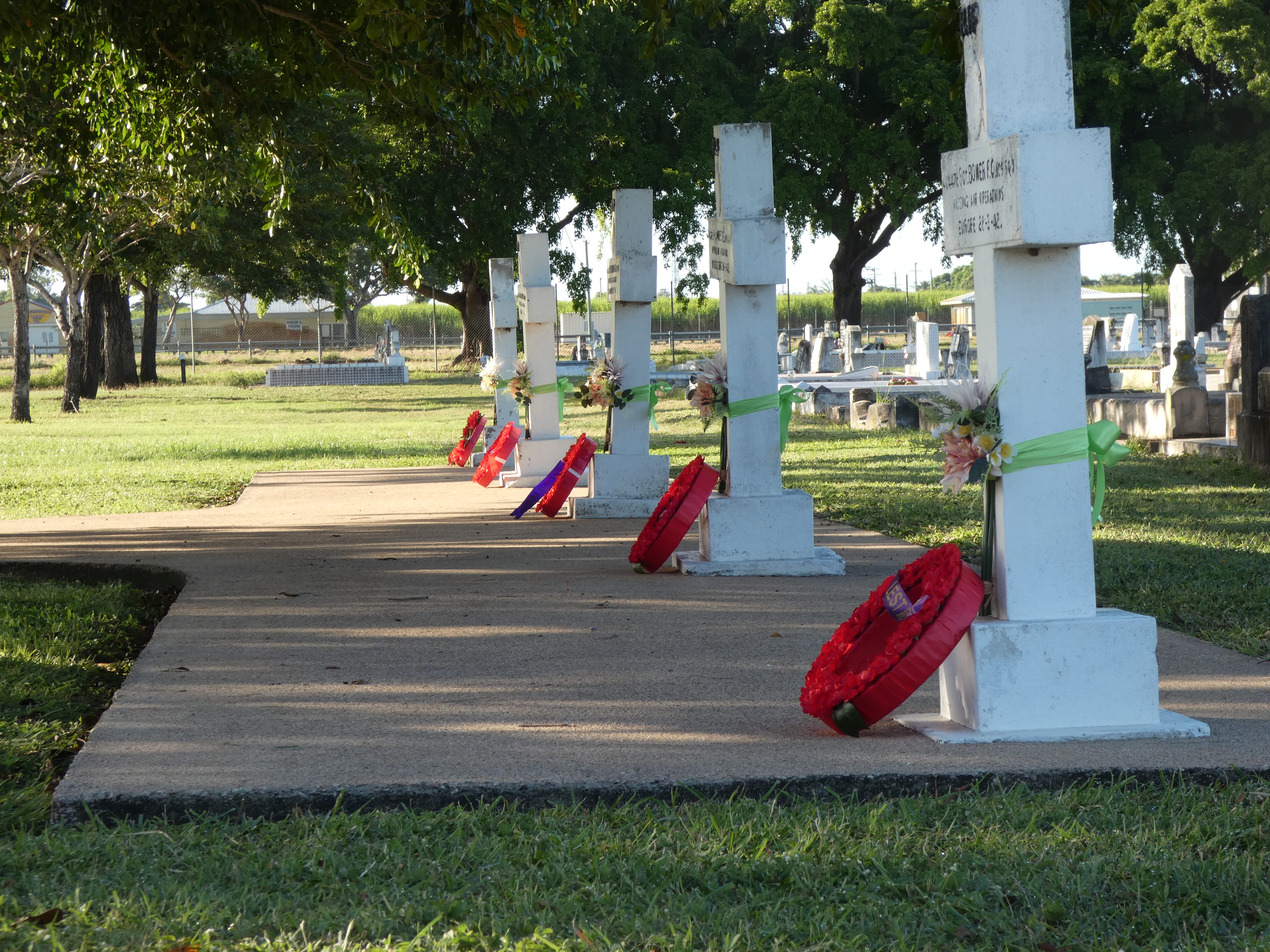
An intimate ceremony at Ayr Cemetery followed, where Flight Lieutenant B.B. Newman, Pilot Officers K.M. MacDonald and J.R. Newman, Flying Officer T.E. Jones, and Sergeant F.G. Bower were honoured for their service.
The morning of commemorations continued with an 8am service at Spiller Street in Brandon, before marches in Ayr, Giru and Home Hill at 9am, 9:30am and 10:45am respectively.
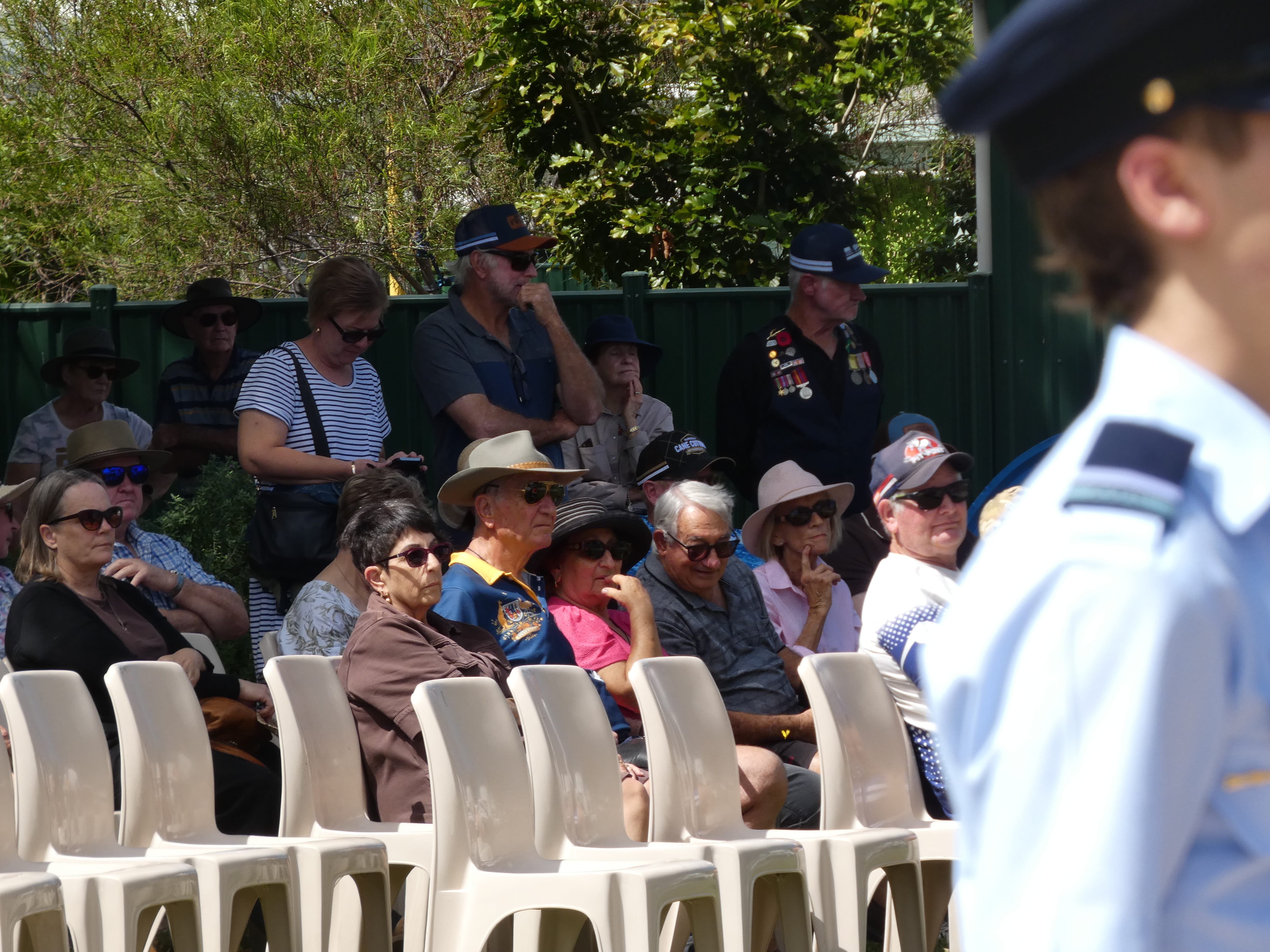
Each march moved through closed-off streets lined by local crowds, with community groups, emergency services and schools taking part. In Ayr, the march concluded at the ANZAC Memorial, where a commemorative service was held. In Home Hill, participants made their way down Ninth Avenue to Arch Dunn Memorial Park, where a similar service followed.
Burdekin Shire Council Mayor Pierina Dalle Cort and Member for Burdekin Dale Last MP addressed crowds at both ceremonies. Mayor Dalle Cort also attended the Giru dawn service and Ayr Cemetery service, while Mr Last attended a dawn service in Bowen.
The morning’s events brought together residents from all walks of life in a shared act of remembrance for those who have served and continue to serve in the Australian and New Zealand Defence Forces.
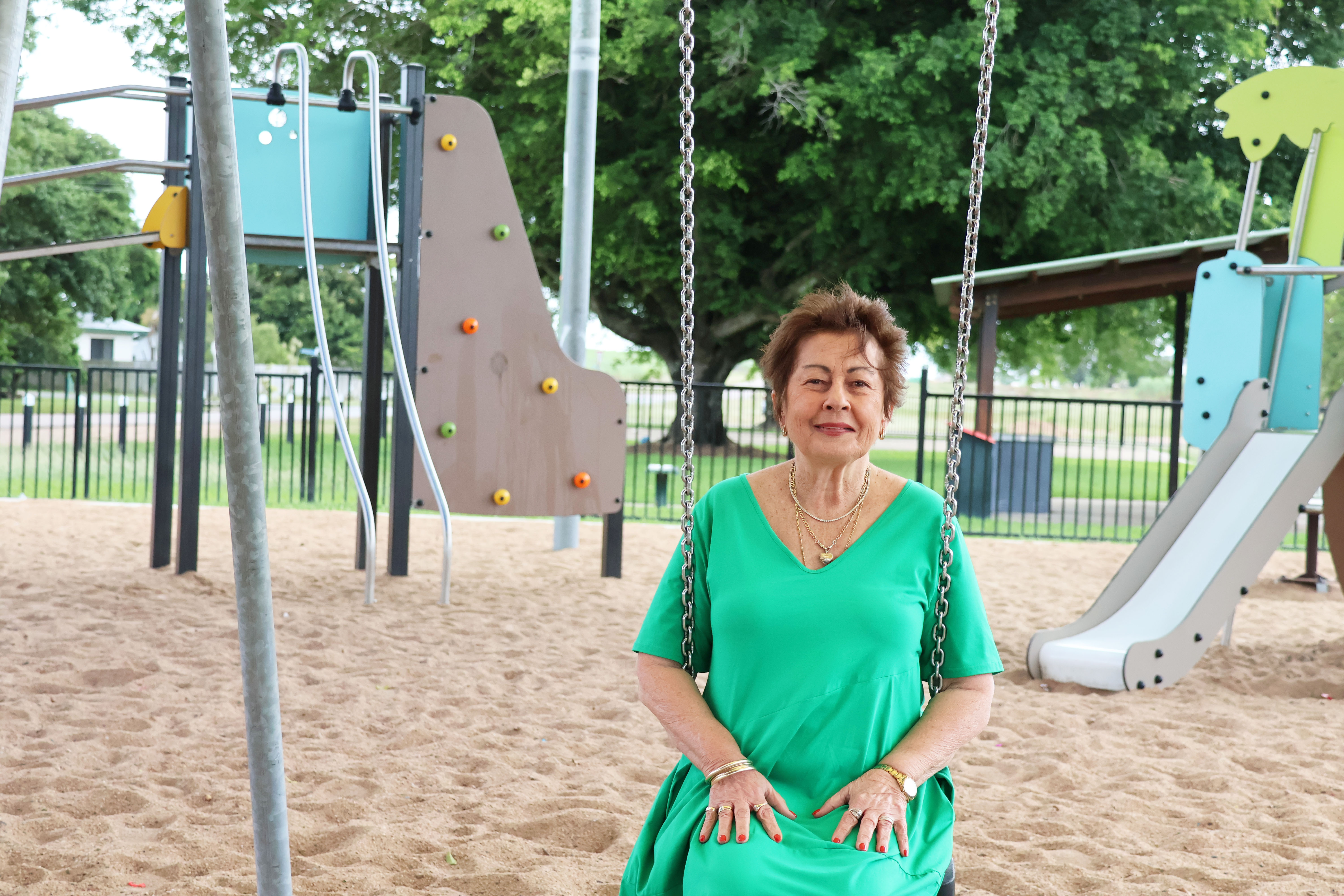
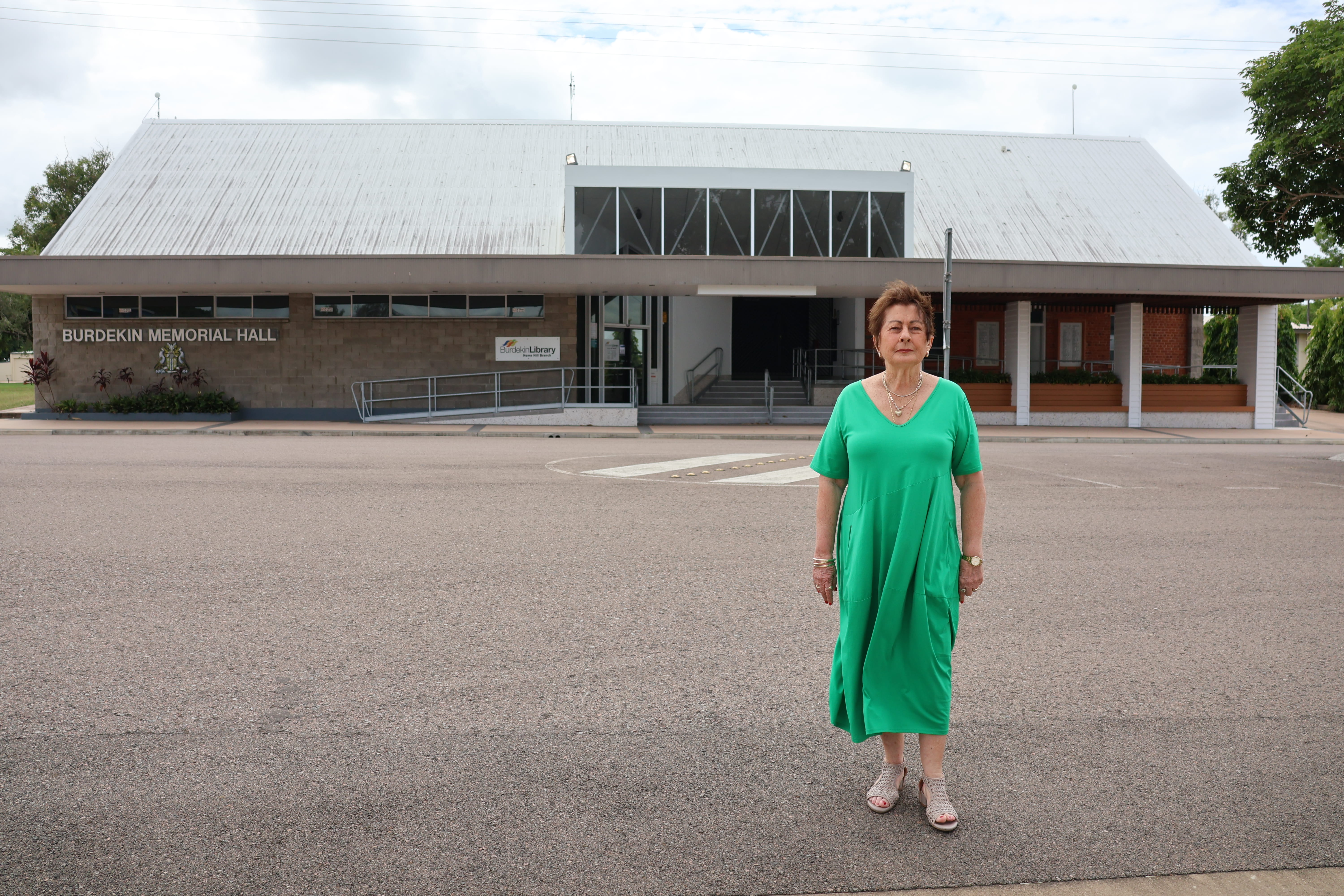
Locally, the original LRCIP funding—in effect since 2020—has been instrumental in delivering practical community assets. Photo source: Burdekin Shire Council
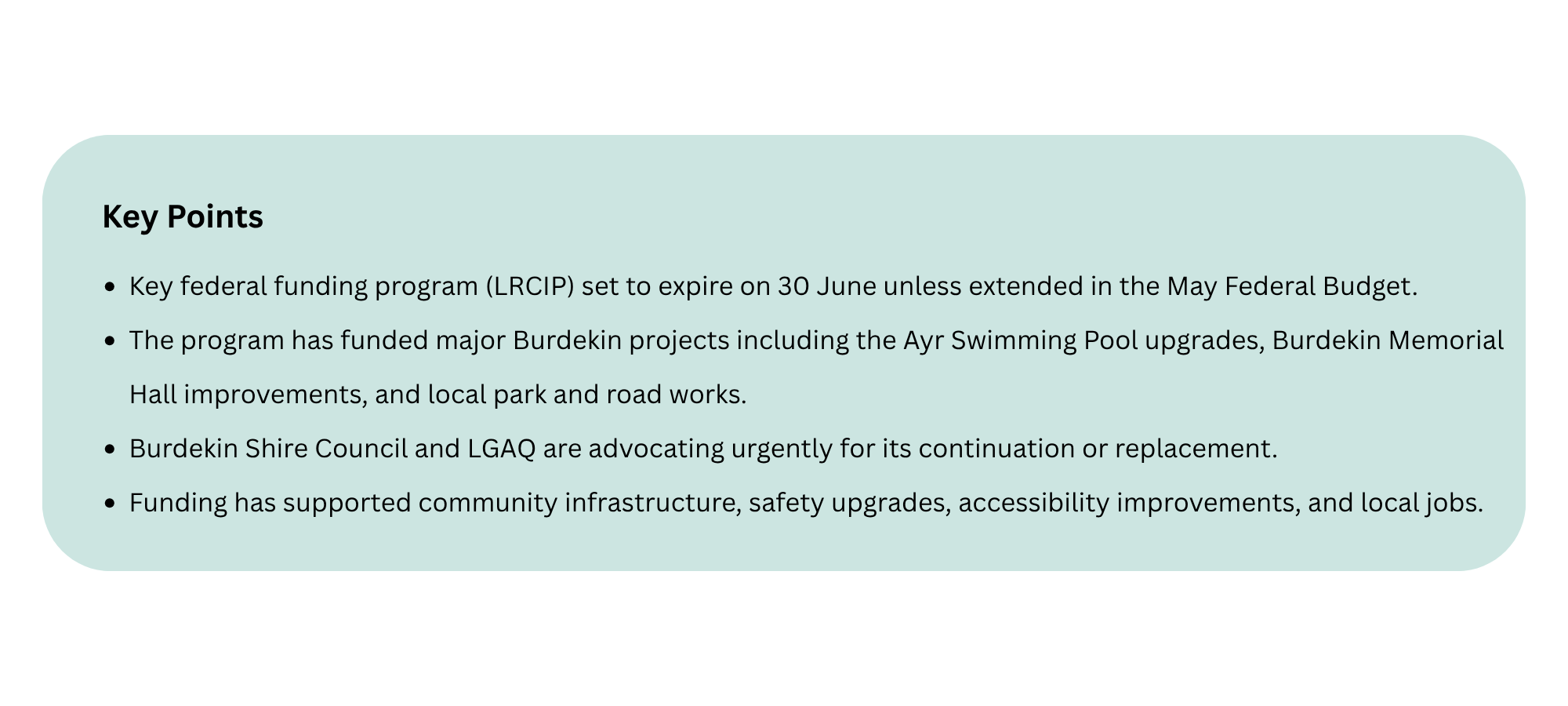
The Burdekin region faces a potential financial headache as a vital federal funding stream, which has bankrolled major local upgrades from the Ayr Swimming Pool to the Burdekin Memorial Hall, is set to expire on June 30th.
The Local Roads and Community Infrastructure Program (LRCIP), which has injected millions into projects across the state, will cease at the end of the financial year unless the Federal Government announces an extension in the upcoming May Budget.
Burdekin Shire Council has joined the Local Government Association of Queensland (LGAQ) in an urgent advocacy campaign, warning that regional communities stand to lose the most if the program is not replaced.
“Burdekin Shire Council supports LGAQ’s call for ongoing infrastructure funding that recognises the scale and importance of what councils deliver, particularly in regional areas,” Burdekin Shire Council Mayor Dalle Cort said.
“This is about ensuring regional Queenslanders have access to the same opportunities, infrastructure and services as those living in metropolitan areas.”
The Burdekin Shire Council is joining a statewide push for the Federal Government to extend a crucial infrastructure program due to expire on June 30th, warning that local councils face a significant funding gap without a new commitment in the upcoming May Budget.
Locally, the original LRCIP funding—in effect since 2020—has been instrumental in delivering practical community assets. Significant projects supported by the program include the refurbishment of the Burdekin Memorial Hall entrance and the installation of a compliant disabled access ramp, upgrades to the Burdekin Water Park at the Ayr Swimming Pool complex, and the revitalisation of Spiller Street’s Brandon Park, which included new playground equipment and amenities.
Burdekin Mayor Pierina Dalle Cort said the Shire relies on predictable funding to maintain the essential infrastructure residents use every day.
“Councils across Queensland are responsible for infrastructure that communities rely on every day – from local roads and footpaths to sporting facilities and shared community spaces,” Mayor Dalle Cort said.
“Programs like LRCIP have allowed councils to deliver practical, community-driven projects that improve safety, connectivity and liveability while also supporting local jobs.”
The LGAQ estimates the program has contributed roughly $668 million to the Queensland economy, supporting nearly 4,000 full-time equivalent jobs. Peak body leadership warns that without a replacement, the loss of this funding will create a "financial black hole" for local governments.
LGAQ President Mayor Matt Burnett stated that regional equity is at the heart of the issue.
“People living in regional Queensland should be able to access the same employment, infrastructure and service opportunities as those living in the cities,” Mayor Burnett said.
“This program has been used to build roads, sporting grounds and other vital community facilities, and it’s our smallest communities who stand to lose most if funding isn't continued.”
For the Burdekin, the uncertainty makes long-term planning difficult, says Mayor Dalle Cort, who emphasised that local councils are now facing “difficult decisions” that could impact the standard of services provided to residents.
The LGAQ is pushing for a commitment in the May Budget that goes beyond the LRCIP, calling for an increase in untied Financial Assistance Grant funding to at least 1 per cent of Commonwealth taxation revenue to improve long-term financial sustainability.
Residents can learn more about the campaign at www.lgaq.asn.au.
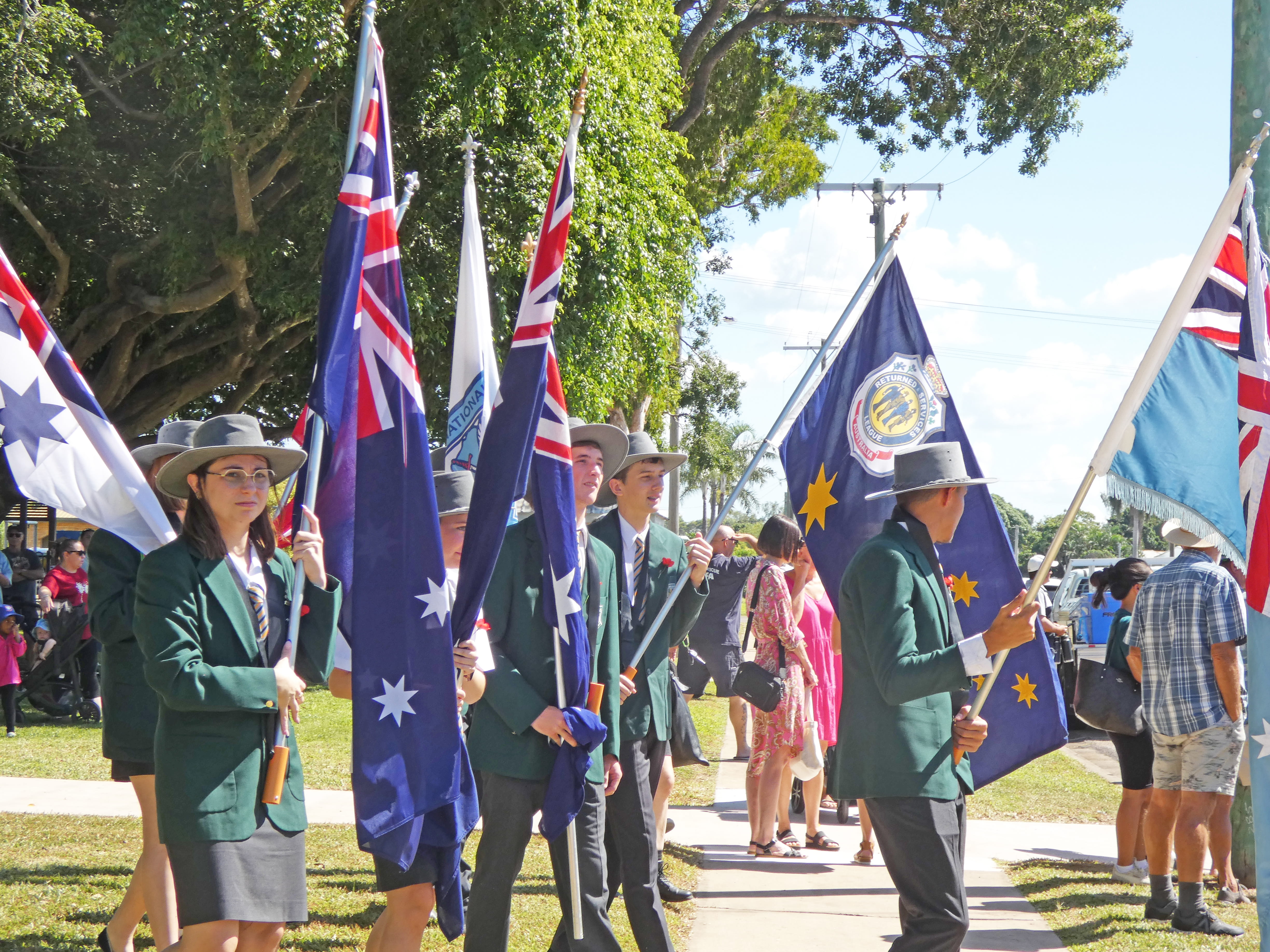
Communities across the Burdekin Shire will come together this ANZAC Day to honour the service and sacrifice of Australia’s veterans, with a full program of dawn services, marches and commemorative ceremonies planned throughout the region.

Early risers will have several opportunities to pay their respects, with dawn services commencing at 5:25am at the Memorial Hall in Home Hill, followed closely by 5:30am services at Brolga Park in Giru and ANZAC Park in Ayr.
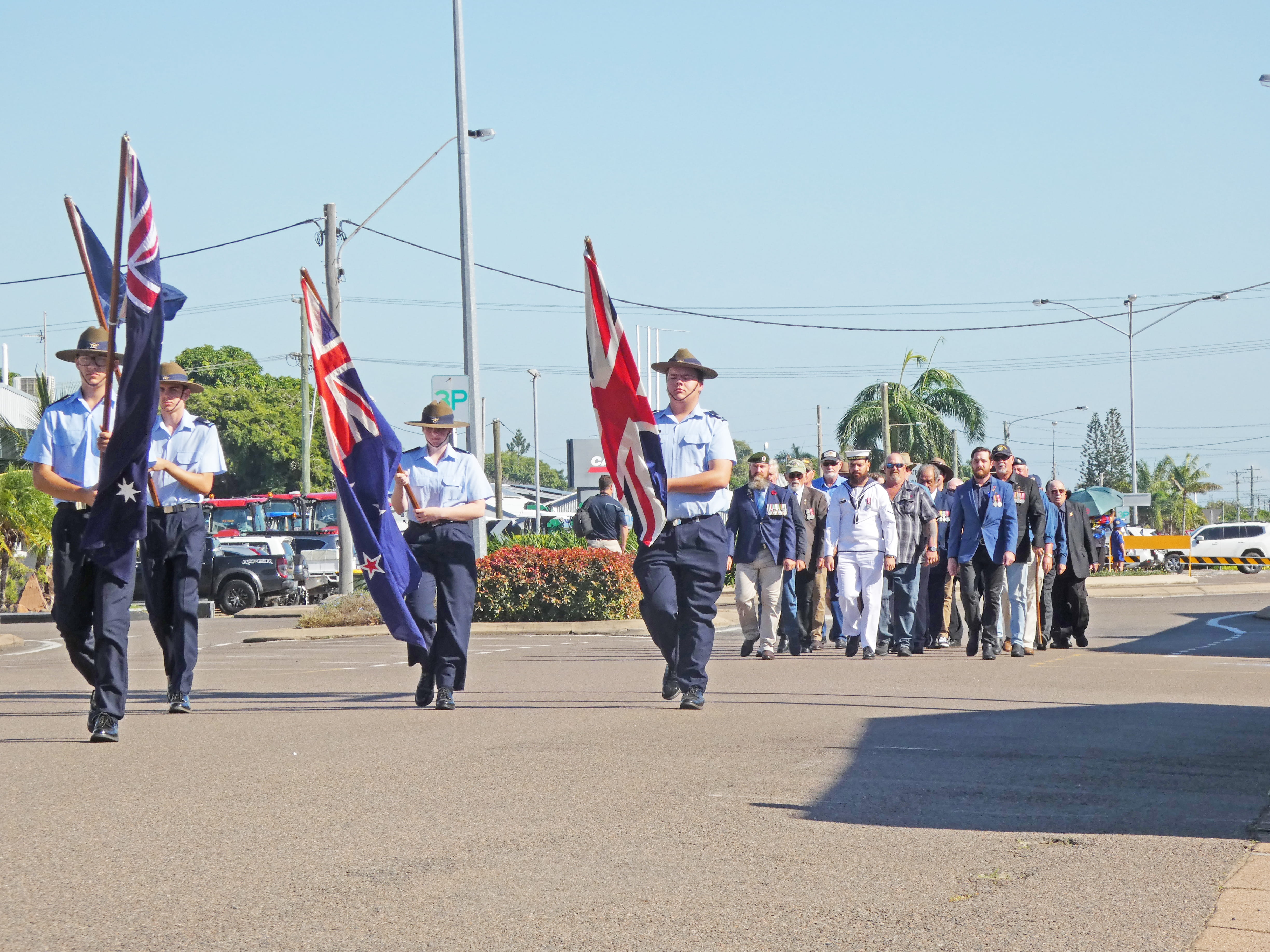
As the morning continues, smaller community services will take place across the district, including an 8am gathering at the Spiller Street Cenotaph in Brandon, before returning to Giru for a 9:30am service at Brolga Park.

In Ayr, the annual ANZAC Day parade will step off at 9am, leading into the main service at ANZAC Park at 9:20am, while in Home Hill, the parade will begin at 10:45am, followed by a commemorative service at Memorial Park at 11:20am.
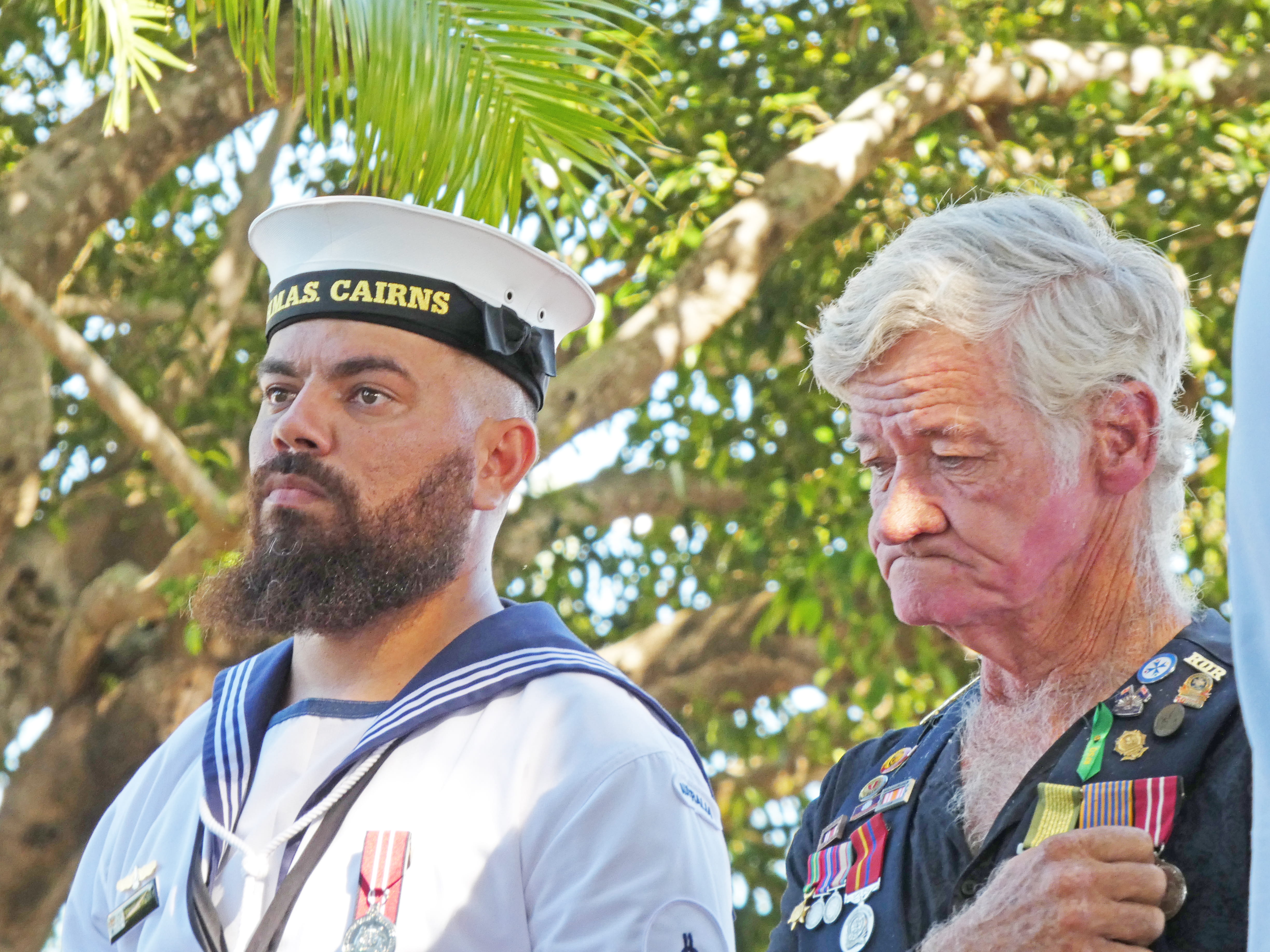
The day’s events provide an opportunity for residents of all ages to reflect on the legacy of those who have served, while also reinforcing the strong sense of community across the Burdekin.

Locals and visitors are encouraged to attend a service or parade, stand in silence, and take a moment to remember the sacrifices made in the name of peace and freedom.

Kirsten Loader and Chris Mann officially became the owners of Hotel Brandon on Monday, 18 April, opening a fresh new chapter for the popular establishment. Photo source: Little Leaves Nursery
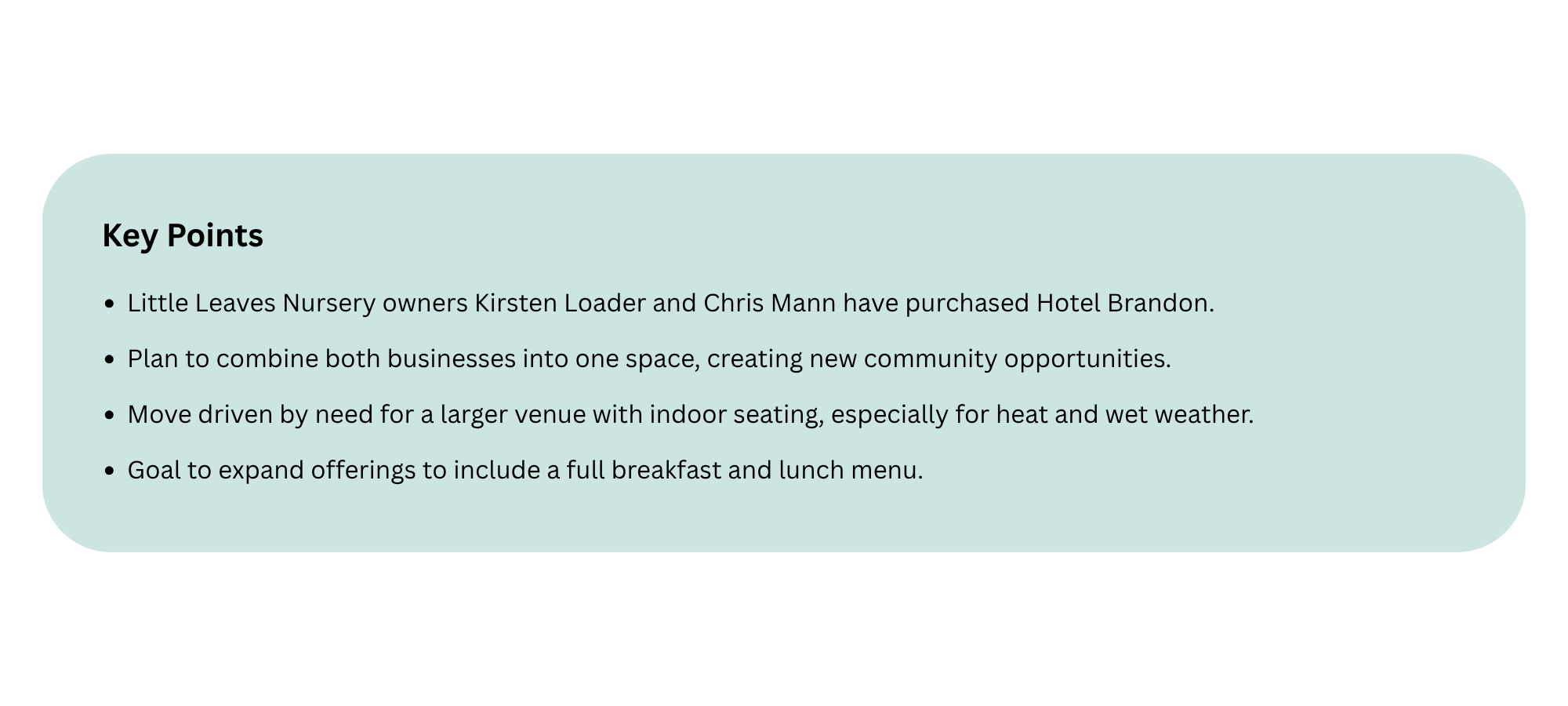
Little Leaves Nursery is set to enter an exciting new chapter, with owners Kirsten Loader and Chris Mann announcing they will take over Hotel Brandon, bringing the two much-loved businesses together in one dynamic space designed to create new opportunities for the community, rain, hail or shine.
The pair said they had been searching for some time for a larger venue that could offer indoor seating, particularly during the peak heat of summer and periods of wet weather.
“We have been looking to address this issue for a while and we’ve always wanted to provide a full breakfast and lunch – but unfortunately our little food van gets far too hot in summer,” Kirsten explained.
The idea to purchase Hotel Brandon was first floated by the venue’s former manager; something Kirsten and Chris initially saw as a little far-fetched. Over time, however, the concept began to take root, eventually prompting the couple to take the leap.
“We were very fortunate the owner wanted to keep the hotel in local hands, and so here we are,” she said.
With plans still taking shape, the pair say they are keen to settle in and get a feel for the venue before making any major changes. In the short term, locals can expect a handful of updates, including the bottle shop transitioning from Star Liquor to Liquor Legends, along with the introduction of a fresh new menu.
Looking ahead, Kirsten and Chris hope to undertake renovations to give the hotel a facelift and create a more family-friendly space; a vision shaped by Brandon’s shifting demographics, and they’re also exploring the possibility of a drive-through coffee and hot food service, catering to early risers in search of a quick bite on the go.
“We are still working through how we can incorporate Little Leaves Nursery into the hotel without it losing the relaxed atmosphere we have worked so hard to create,” Kirsten said.
“Since we opened Little Leaves Nursery, we have watched Brandon’s demographic start to change. We have noticed a lot of young couples and families starting to move into the area, and I think there’s a gap in the market to provide takeaway meals as well as a great in-house menu and kids’ play areas.”
Little Leaves Nursey and Hotel Brandon will continue to operate as usual for now, with Kirsten and Chris buzzing with excitement for what’s to come.
“We are grateful for the support of the staff who have remained with us at the venue, and we have a lot to learn from them, and from the locals before we make any big changes,” Kirsten said.
“There are definitely big plans, and we think the hotel has a lot of potential and look forward to exploring that in the future!”
Publishers Indemnity. Any individual or entity that places advertising, supplies copy material, or submits editorial content to Core Life Publishing agrees and undertakes to ensure that all such material:- Does not infringe upon any copyright, trademark, or other intellectual property rights;- Is free from any content that could be considered defamatory, libelous, or slanderous;- Does not infringe upon any rights related to privacy or breach of confidence;- Contains no obscene, indecent, or otherwise unlawful material;- Complies fully with the Trade Practices Act and all other applicable laws, regulations, or statutes.Furthermore, by submitting or placing such material, these individuals or entities agree to indemnify and hold harmless the publisher, Core Publishing and Events Pty Ltd, and/or its agents from and against any and all investigations, claims, demands, liabilities, damages, costs, or judgments arising out of or in connection with the material provided. All material is believed to be accurate at the time of printing and remains the copyright of Core Publishing and Events Pty Ltd.
© 2026 Life Publishing Group Pty Ltd.
