Independently Owned, Locally Grown, Community Loved

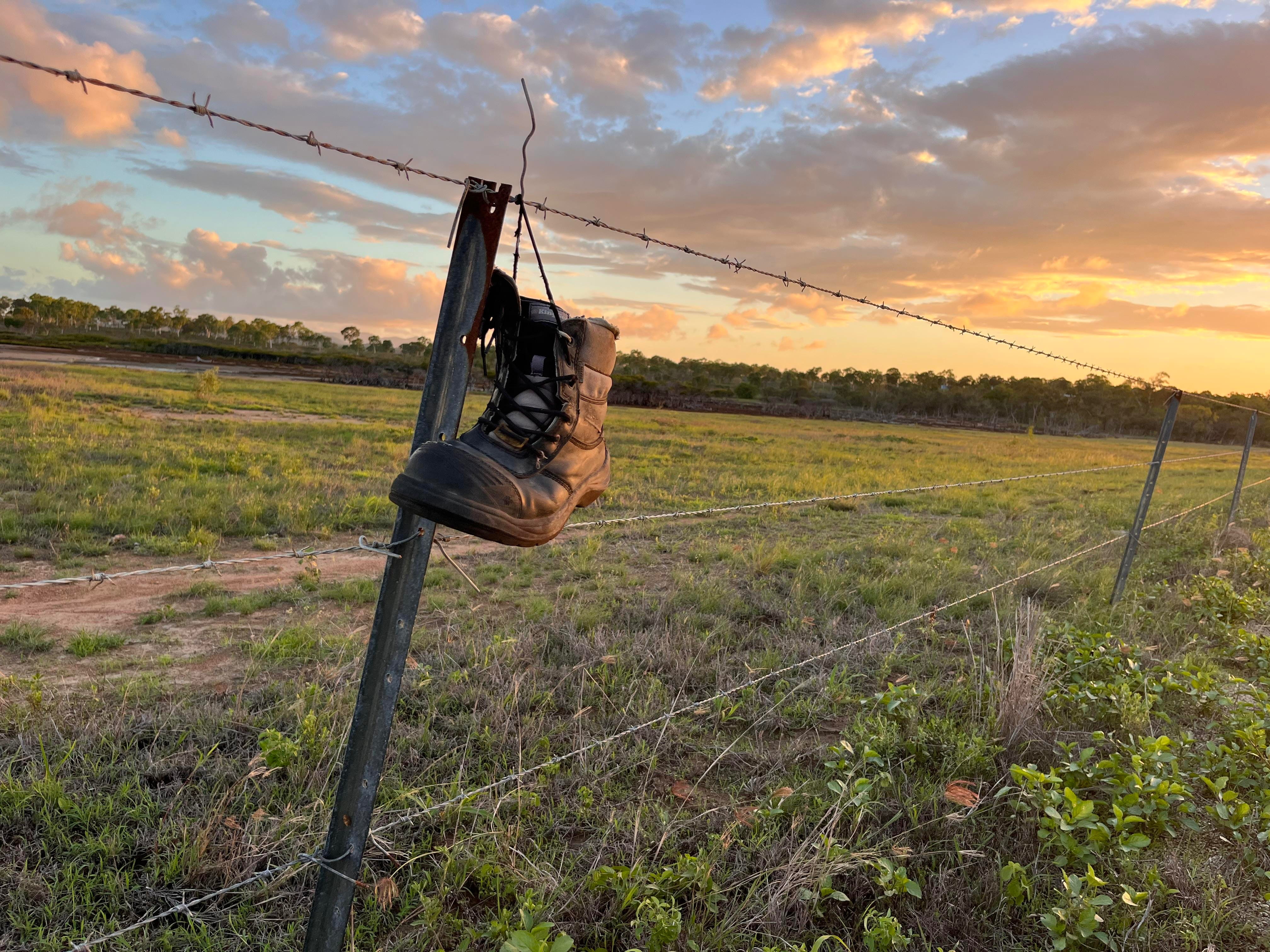
Dry paddocks and rising costs signal a tough season ahead for rural Queensland, as El Niño heightens the risk of drought, fire and economic strain across regional communities. Photo source: Shutterstock
Rural communities across the state are facing mounting pressure as intensifying drought conditions compound the challenges of ongoing flood recovery and test local resilience.
With El Niño bringing hotter, drier weather, farmers are grappling with worsening soil moisture deficits and water scarcity, placing livelihoods at risk and raising concerns about long-term sustainability.
With conditions expected to deteriorate in the coming weeks, the 2026 El Niño is forecast to be one of the strongest on record, bringing an increased risk of drought, extreme heat and bushfires. Rural Fire Service Queensland Deputy Chief Officer Clint Tunnie said residents could expect fire conditions to return to more typical levels through autumn as the state heads into winter, with growing fuel loads emerging as a key concern.
“Northern parts of the state have experienced significant rainfall and severe weather events throughout summer, leading to increased fuel loads in some areas,” Mr Tunnie said.
“Now is the time for landholders to start preparing for the heightened bushfire period later this year. It is important to remember that managing Queensland’s bushfire risk is a shared responsibility and landowners are legally responsible for managing bushfire hazards on their properties.”
Dale Last MP, Member for Burdekin, said the primary concern for the region lies in the uncertainty surrounding growers’ access to fuel, fertiliser and the rising costs of freight.
“The Burdekin district’s reputation as an agricultural powerhouse is built on our access to water so we are rarely impacted by the droughts that El Nino can bring,” he said.
“The main threat to our local producers lays in the increase in costs for supplies like fuel and fertiliser that can be caused by El Nino.”
Mr Last said farmers value rainfall during the growing season, but in the lead-up to and throughout the cane harvest, dry conditions are generally preferred. He noted that while drought remains a risk in the Burdekin, growers in the Isaac Regional Council area are particularly vulnerable, with many crops relying solely on rainfall.
“Drought conditions are a definite risk in the western areas of the Burdekin electorate,” he said.
“When you look at cattle grazing for example, the effect of drought means a dramatic increase in workload at best and, at worst, an absolute disaster for livestock, primary producers and the communities that rely on them.”
Mr Last said that despite the challenges, he remains confident the Burdekin Shire is well placed to respond, pointing to the strength of its close-knit community and its willingness to support one another.
“Challenges are nothing new to the people of the Burdekin. We are fortunate, in the agricultural sector, to have the resources like water and the knowledge that has been built up over several generations, including during challenging times,” said Mr Last.
“We keep an eye out for each other and pitch in to help when times get tough. That can honestly be the difference between making it through and the worst possible outcome.”
Publishers Indemnity. Any individual or entity that places advertising, supplies copy material, or submits editorial content to Core Life Publishing agrees and undertakes to ensure that all such material:- Does not infringe upon any copyright, trademark, or other intellectual property rights;- Is free from any content that could be considered defamatory, libelous, or slanderous;- Does not infringe upon any rights related to privacy or breach of confidence;- Contains no obscene, indecent, or otherwise unlawful material;- Complies fully with the Trade Practices Act and all other applicable laws, regulations, or statutes.Furthermore, by submitting or placing such material, these individuals or entities agree to indemnify and hold harmless the publisher, Core Publishing and Events Pty Ltd, and/or its agents from and against any and all investigations, claims, demands, liabilities, damages, costs, or judgments arising out of or in connection with the material provided. All material is believed to be accurate at the time of printing and remains the copyright of Core Publishing and Events Pty Ltd.
© 2026 Life Publishing Group Pty Ltd.


.jpg)