Independently Owned, Locally Grown, Community Loved
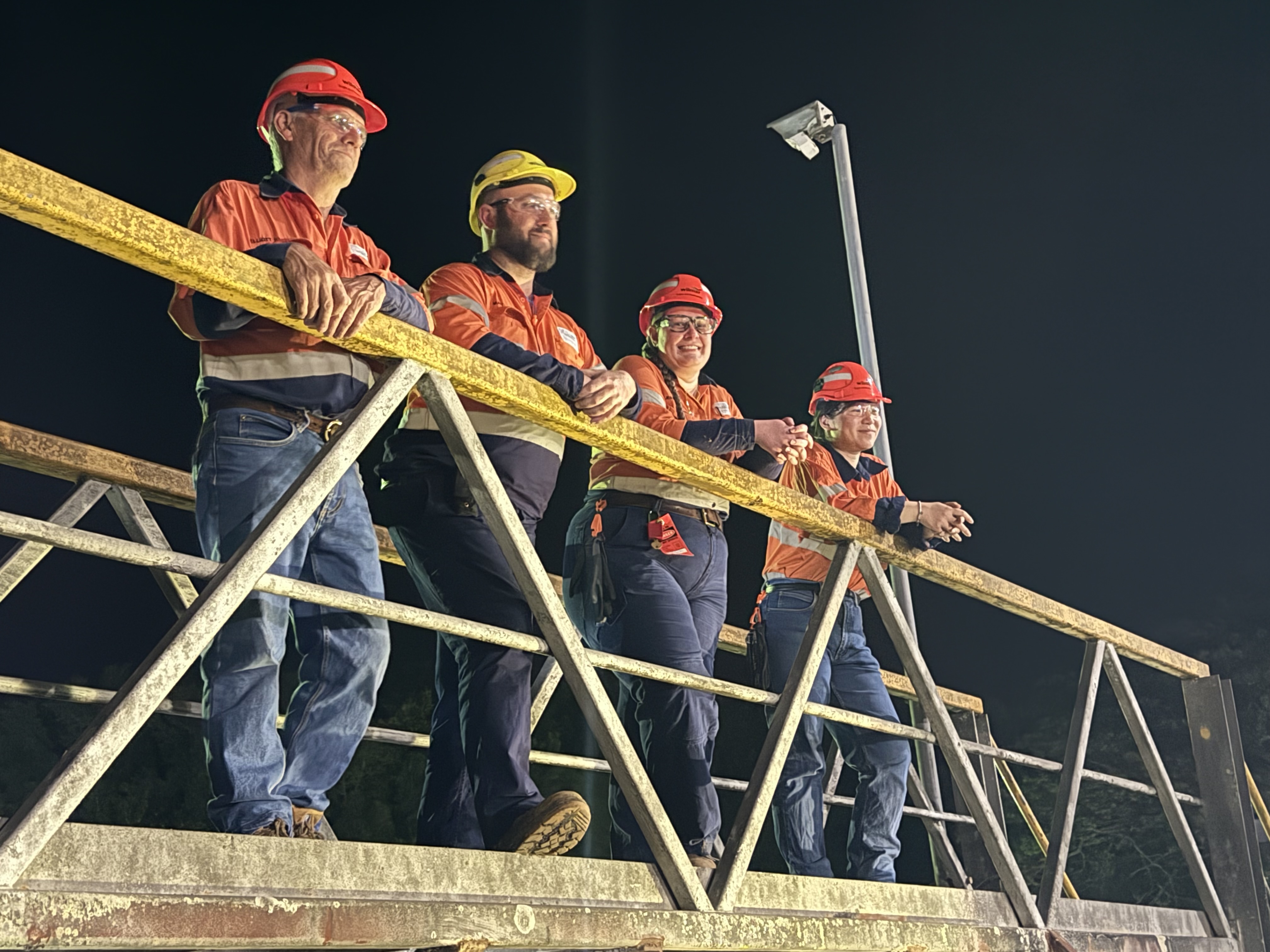


Lower Burdekin cane growers have the opportunity to boost irrigation efficiency and reduce farm costs through a new project aimed at modernising irrigation systems.
The Burdekin Tailored Automation project, delivered by NQ Dry Tropics, is encouraging growers to register their interest in upgrading to automated irrigation systems, with incentive grants of up to $30,000 available to help fund the transition.
The three-year project aims to improve irrigation practices across the region by ensuring crops receive the right amount of water at the right time. By automating irrigation infrastructure, growers may be able to reduce input costs, labour and water usage while maintaining crop yields.
Project Officer Michael Hobbs said inefficient irrigation systems were one of the main drivers of nutrient and pesticide runoff from farms.
Excess irrigation water can carry dissolved inorganic nitrogen (DIN), pesticides and other nutrients into nearby waterways, where they may eventually reach the Great Barrier Reef.
“That excess water provides no production benefit to the farmer and can wash valuable nutrients and pesticides away from where they’re needed in the paddock,” Mr Hobbs said.
“By applying the correct amount of water needed by the crop, it’s possible to reduce that runoff pathway while also improving the farm’s bottom line.”
Improved irrigation efficiency can also help address rising groundwater levels in some parts of the Lower Burdekin and may reduce issues such as waterlogging that can impact crop growth.
The project forms part of the Australian Government’s Reef Trust Reefwise Farming Program, which aims to improve water quality flowing to the reef while supporting farm productivity.
Places are limited and growers are encouraged to submit an expression of interest as soon as possible.
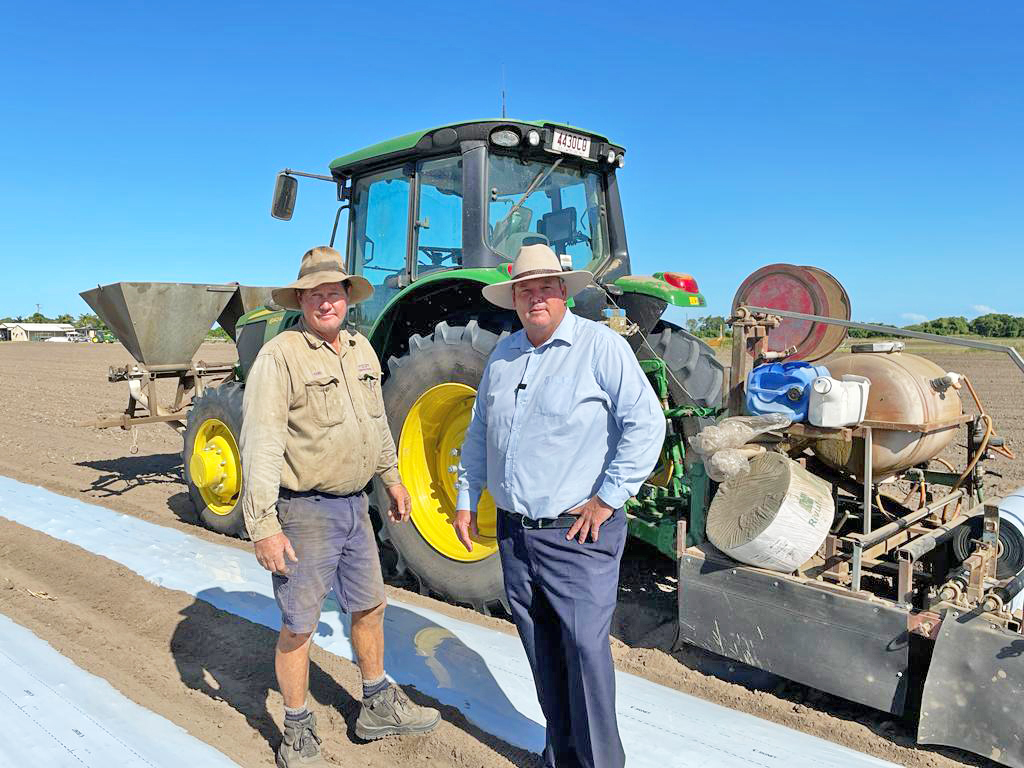
CAPTION: NQ Dry Tropics are giving local canegrowers with the opportunity to take their irrigation regimes to the next level, reducing input costs, and labour while maintaining yields. Photo source: NQ Dry Tropics

After a century of ardent advocacy, CANEGROWERS remains one of the strongest voices for growers in the Burdekin and beyond. Yet despite the many hard-fought victories of its illustrious past, the organisation now finds itself confronting a new era of challenges, making its current work more critical than ever.
The headwinds are already gathering. With global sugar prices softening and input costs rising, growers in the region are entering an increasingly uncertain market. In some cases, the squeeze is already being felt on the ground.
But despite the seemingly gloomy picture of the current sugar market, CBL Director Owen Menkens says there are answers for growers, and that they may be closer than we think.
“The big buzzword at the moment, obviously, is ethanol,” Menkens says.
"Along with ethanol, there’s sustainable aviation fuels, both of which are very exciting… But if the biofuels industry is going to happen in Australia, it has to happen now.”
Menkens has led a years-long push for biofuel mandates across the country in hopes of opening a reliable revenue stream for Australian growers beyond traditional sugar crystal.
Up to now, those calls have fallen on deaf ears. However, CBL Manager Greg Watson anticipates real steps forward over the next decade, if not sooner.
“There have been many false dawns with different uses for our sugar cane, and a lot of people have come into the district promising all of these wonderful products which just haven't gotten anywhere,” said Watson.
“But from what we've seen the last couple of years, the momentum is building, and the pace of that momentum is just increasing considerably. We can see the bio economy providing a tremendous growth transition path to take industry to the next level within the next five to 10 years.”
“All it will take to turn the light from red to green… is a stroke of the pen from government to implement and enforce biofuels mandates to provide investors with certainty to then allocate capital to kickstart this opportunity for the future.”
Menkens stressed that, in the meantime and beyond, farmers would need to embrace the rapid technological advances reshaping the industry in order to help navigate current and future markets.
“We have to stay ahead of technology," said Menkens.
"The margins are getting smaller, so you just have to be able to do it cheaper and better.”
He says that while innovation can help growers survive today’s pressures, the bigger picture is about preparing the industry for those who will inherit it, with initiatives like ‘Burdekin’s Sweetest School’ competition typifying that stance.
“I only do this job for the next generation,” said Menkens.
“It's a difficult time at the moment for growers, but hopefully we can band together and come up with solutions.
"The industry needs to survive; it needs to be profitable; it needs to be viable for farmers. That's what we've got to try and do, however which way we can.”
CBL Chair Glenn Betteridge said now is the time for growers to unite as Canegrowers charts the path forward.
“Our doors are always open to anyone who's interested in coming in, whether it be as a member or a Director,” he said.
“We're a broad church. We’ll work with anybody who shares our vision and values for the benefit of the industry.”
Populin Enterprises – Automatic Billet Planter
In the early 1970s, Home Hill cane farmers and brothers Lui and Peter Populin (deceased) reshaped the global cane planting industry with a world-first innovation: the single-row automatic billet planter.
Before their breakthrough, cane planting was a labour-intensive process requiring large crews to manually place cane billets into the ground. The Populin brothers’ invention mechanised the process, dramatically reducing labour requirements and increasing efficiency.
The prototype was first used on the Populin family farm on Groper Creek Road, where it quickly proved its value in real farming conditions. Demand from growers soon followed. In 1973, the brothers introduced an improved two-row semi-mounted model capable of carrying two tonnes of chopper-harvested plant cane and planting at a rate exceeding two acres per hour.
Their design was officially patented on March 16, 1976. Manufactured locally through Populin Enterprises in Home Hill, the planters were sold across Australia and exported to major sugar-producing regions including Brazil, the United States and Hawaii. Modern billet planters still trace their design back to the Populin brothers’ original concept.
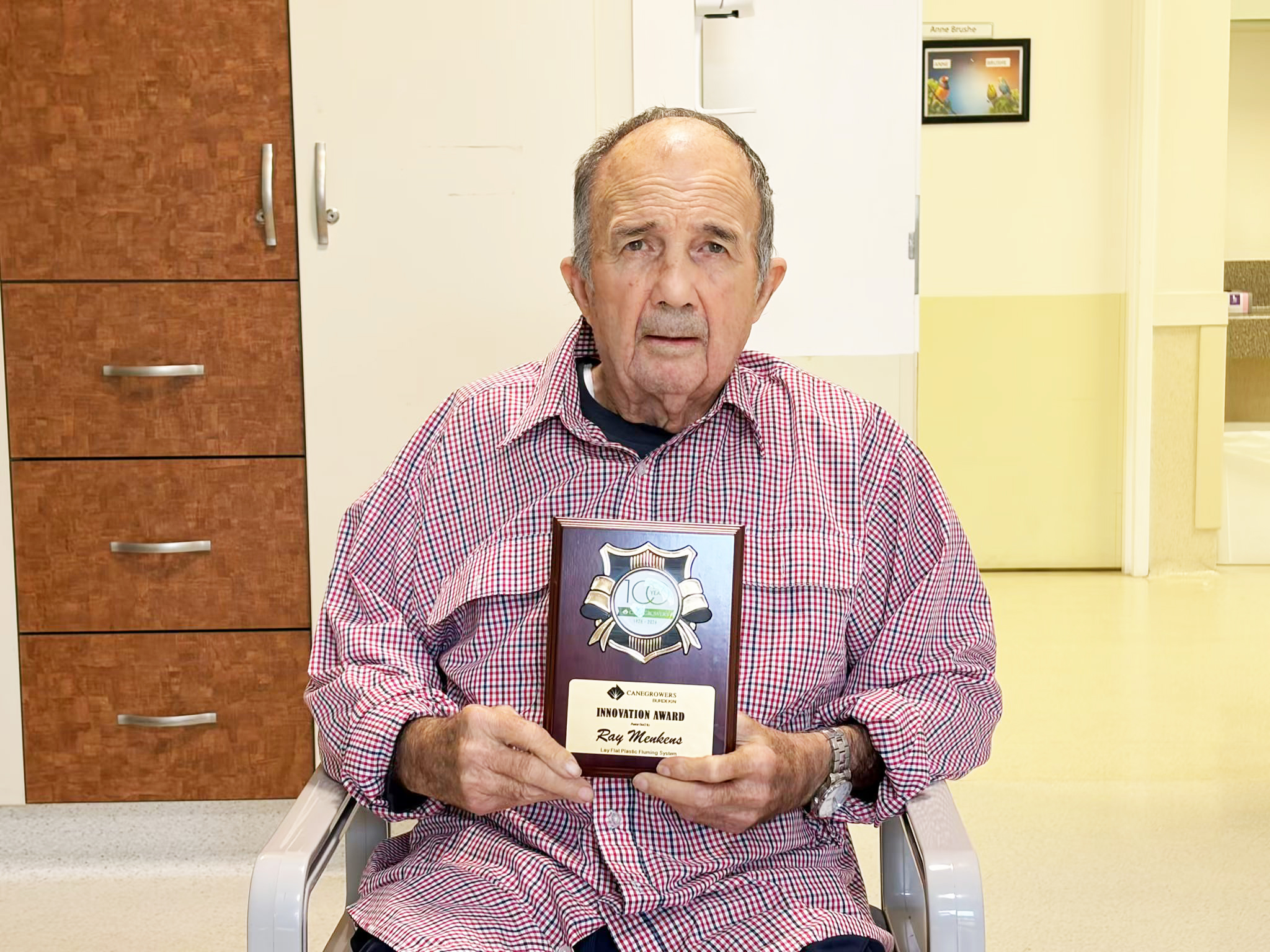
Ray Menkens – Lay-Flat Plastic Fluming System
In the mid-1960s, Burdekin cane grower Ray Menkens began experimenting with new irrigation methods that would ultimately transform water management across the sugar industry.
Seeking an alternative to traditional open earth drains and pipe systems, Menkens trialled yellow lay-flat plastic for irrigation fluming. The early material proved unsuitable for North Queensland conditions, melting in the sun and lacking durability.
Determined to improve the concept, Menkens travelled to Sydney to work directly with a plastics manufacturer’s engineer. Together they developed a far more robust black lay-flat fluming capable of withstanding the region’s harsh climate. To encourage adoption, the product was released with a 25-year guarantee.
Early versions included screw-in cups moulded into the plastic, but practical field experience led to further refinement. With input from the Rubiola family, the system evolved to the cup-insertion method widely used today. Graeme Haller later designed a specialised fluming roller, improving efficiency again. By the mid-1970s, lay-flat plastic fluming had become widely adopted, delivering major labour savings for irrigation across the sugar industry.
A Cannavan & Sons – Self-Propelled Over-the-Row Cane Harvester
In the late 1950s, Burdekin innovator Arthur Cannavan (deceased) set out to mechanise one of the most physically demanding tasks in the sugar industry: harvesting cane.
With a clear vision and the support of his family, Cannavan approached a local blacksmith’s workshop in 1959 to help bring his ideas to life.
The result was a pioneering self-propelled over-the-row cane harvester that introduced a completely new approach to harvesting. Cannavan developed a system using augers and rollers to feed cane into a cutting mechanism, combined with his distinctive “chop and throw” method that cut the cane into billets and delivered them directly for transport.
The machine proved its worth quickly. In 1961, Cannavan’s harvester delivered the first chopped cane to Inkerman Mill, marking a significant milestone in the mechanisation of the industry.
Many of the fundamental concepts he developed, including the use of augers, rollers and billet chopping, remain core features of modern cane harvesters, cementing Cannavan’s place as a pioneer of mechanised harvesting.
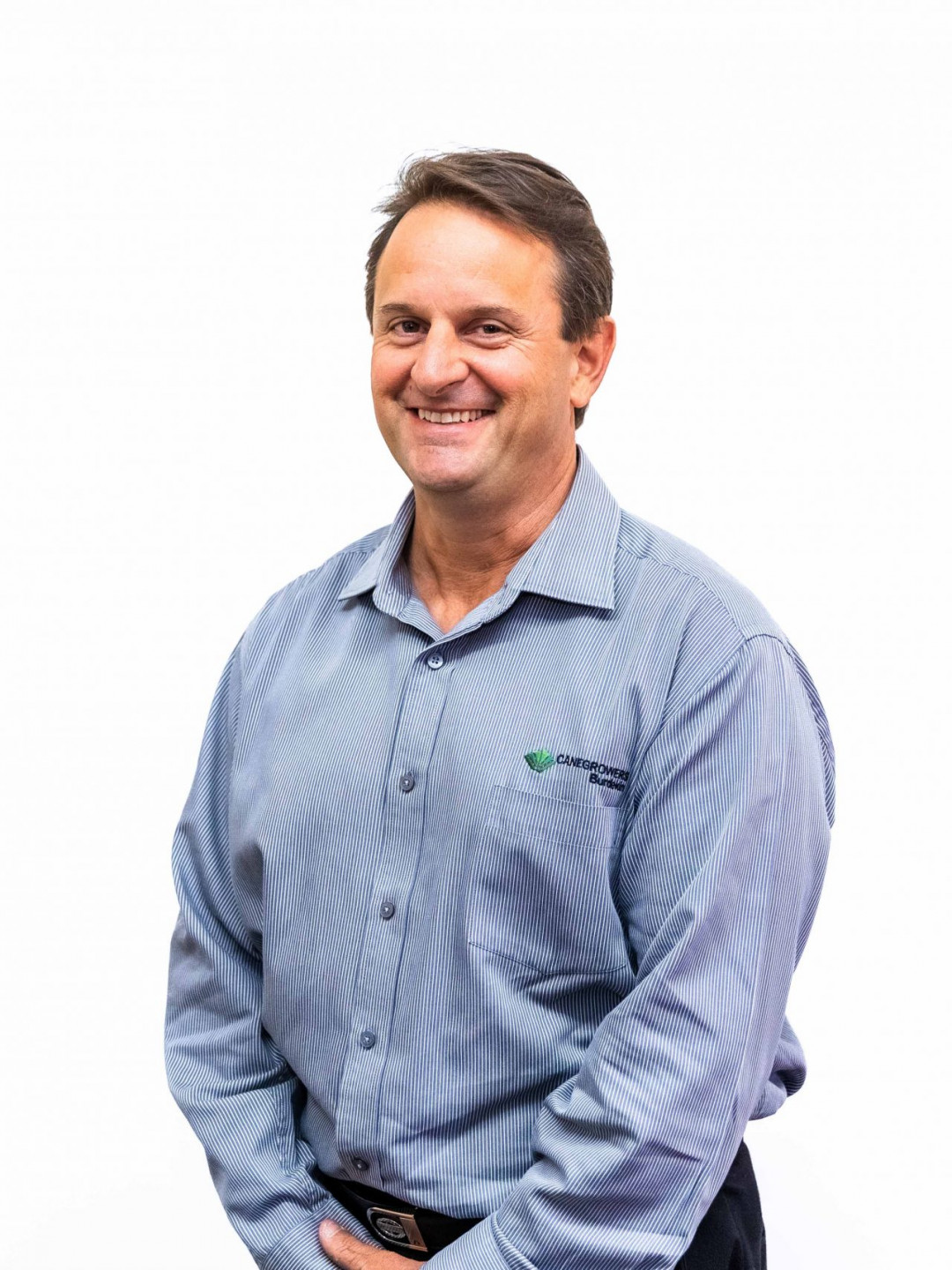
In another universe, Steve Pilla is roaming hospital halls. In this one, fate led the Giru native back to cane farming after a brief stint in nursing, and he hasn’t looked back since.
After dipping his toe in the world of healthcare in the late 1980’s early 1990s, Pilla returned to the family farm in Giru, continuing a story that began when his grandfather arrived in Australia in 1939 and bought the property a decade later. It was a path that felt inevitable in hindsight.
“I grew up always wanting to be on the farm,” Steve says.
A third generation cane farmer, Steve went into business with his father in 1998. When his father passed away in 2015, it was left to Steve to guide the farm forward.
And he did just that.
In the meantime, he would join the CANEGROWERS Burdekin Limited Board as a Director in 2013, eager for answers in what was a rocky period for the local industry. Seeing the organisation’s extensive work for farmers first-hand kept him on the board for another 13 years and counting.
Despite the work of CANEGROWERS, Steve says the industry’s real strength lies in the steadfastness of farmers themselves.
"It isn’t looking good as far as low prices and sugar at the moment, and looks like our inputs are going to climb this year… But growers always seem to show resilience, and the industry seems to pull through challenging times,” he said.
“I'm looking forward to us getting through this low spot again and getting on the other side and being both environmentally sustainable and financially viable moving forward.”

Owen Menkens grew up surrounded by farming, even if he briefly looked beyond it.
A fourth-generation cane farmer from Home Hill, Owen spent his holidays working on the farm his great-grandfather first purchased decades ago. Despite that early exposure to the industry, he initially opted for a cooler, more predictable career, heading to university to study accounting.
Though eventually, the pull of the land proved stronger.
“It’s in your blood,” says Menkens.
“I went through periods where I didn't want to [farm]… but it was always there.”
With that epiphany, by the late 1990s, he was back in the paddock. Nearly 30 years later, he’s still there, now growing around 36,000 tonnes of cane each year while representing growers from the Burdekin to the global stage.
Menkens joined the CANEGROWERS Burdekin Limited board as a director in 2010. From that platform, he promptly climbed the ranks, now holding the chairmanship of both CANEGROWERS Queensland and CANEGROWERS Australia.
Reaching the top was never the endgame for Owen, but rather an added bonus.
“At the end of the day, whether you're a director of [one of the branches], or where I am, it’s all about just trying to get good results, and trying to make the industry better,” Menkens says.
That drive has kept him at the forefront of the industry, involving legal disputes, landmark sugar marketing legislation, and the introduction of the code of conduct that have given growers more control and better tools to manage risk.
Those experiences have given Menkens a reason to believe in the future of the industry.
“As long as we stay at the cutting edge of technology and keep ourselves open to new ideas, we'll always keep going.”
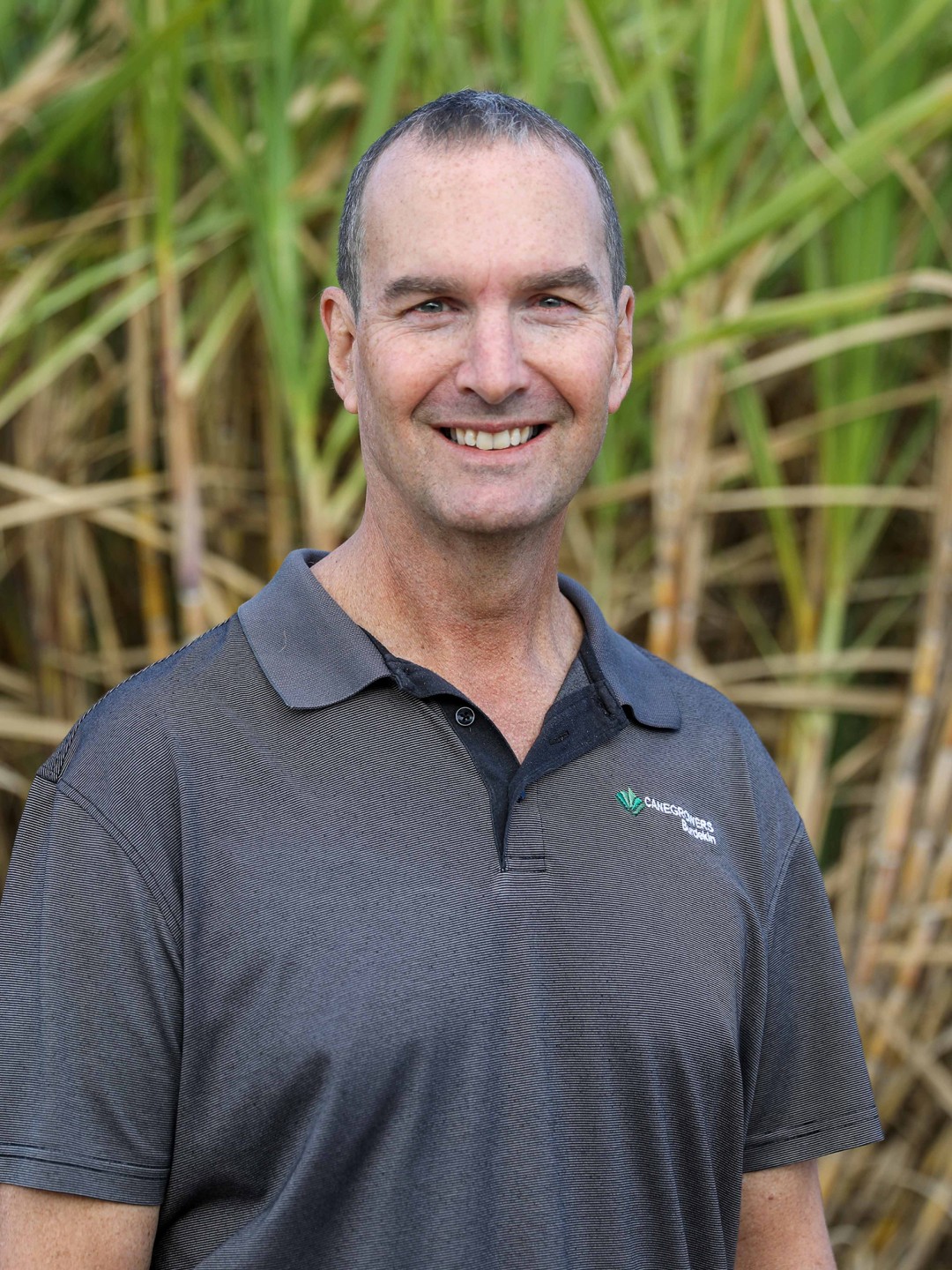
Although not a farmer in the conventional sense, Greg Watson has a passion for the sugar industry.
Born and raised in Home Hill, Greg grew up surrounded by cane fields. His grandparents used to own a farm, his parents worked as cane harvesting contractors, and Greg spent much of his childhood helping with the family’s harvesting contract.
But his early career took him down a different path.
After finishing high school, he studied commerce at James Cook University before embarking on a career in banking, first in business, then agribusiness. A decade later, he switched to financial planning, eventually becoming self-employed in a practice for 13 years.
Eventually, though, his roots in the sugarcane industry drew him back to the heart of it.
He would go on to serve as Executive Officer for the CRC for Sustainable Sugar Production, followed by a role as Grower Relationship Manager for QSL in the Burdekin and Herbert River regions, before returning to the Burdekin as Manager of CANEGROWERS Burdekin Limited in 2020.
This time, however, he returned to the Burdekin with decades of experience in financial services, along with his home-grown passion for the region and the personal approach that defines his work today.
“I'm just always somebody who really enjoys helping people where I can,” says Greg.
“I try not to say no, which is probably a downfall in some respects, but I just try my best to deliver services to growers and assist them when in need.”
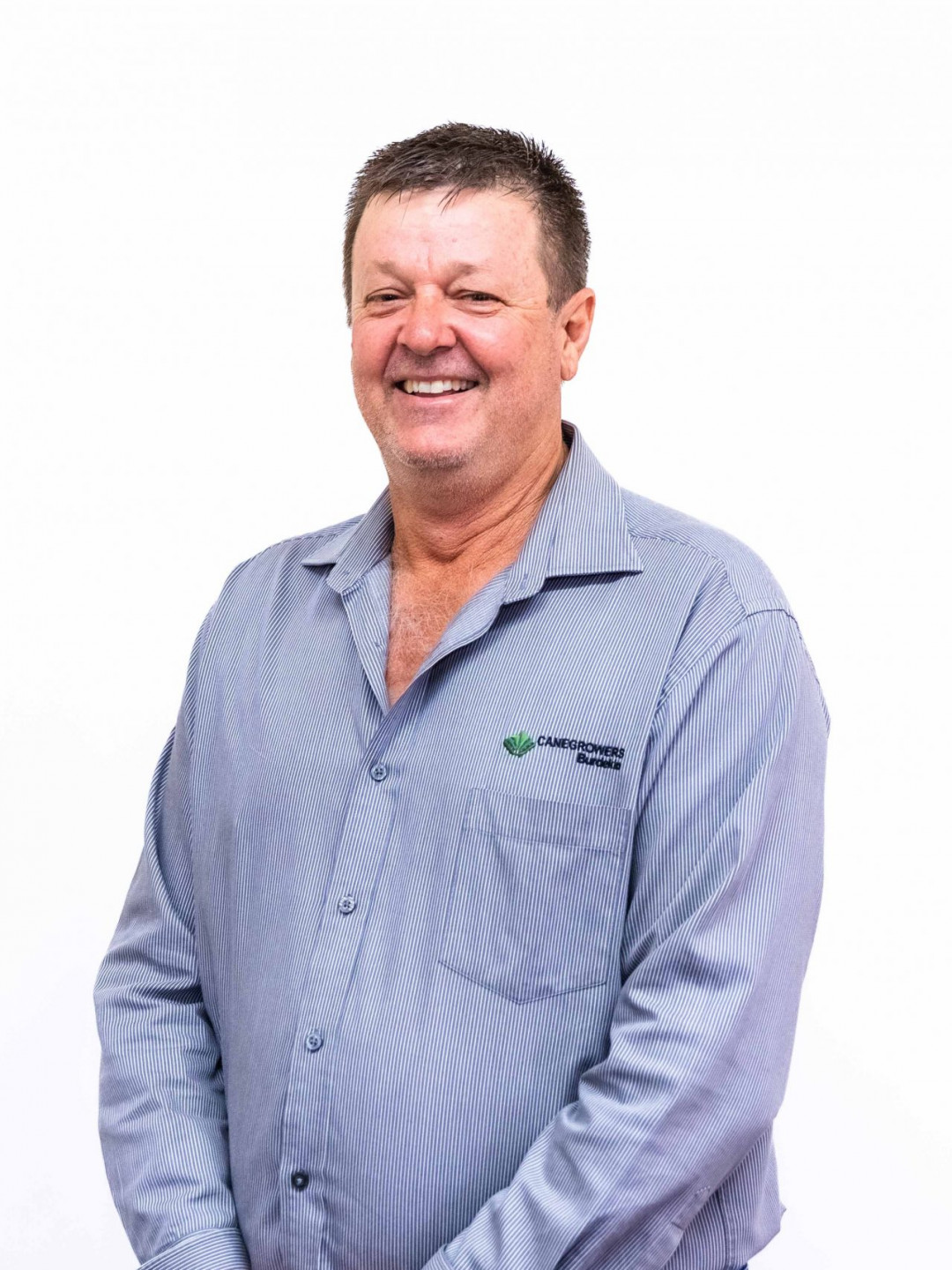
Farming has always been in Glenn Betteridge’s blood.
A third-generation cane farmer from Home Hill, Glenn has spent his whole life in the region surrounded by the cane crop he goes to battle for today.
“I was born in Home Hill Hospital, and will probably be planted in the Home Hill cemetery!” Glenn quipped.
His connection to cane farming began with his grandparents, who owned a small farm on Home Hill’s southern side. His father and uncles cut cane by hand, eventually upgrading to full stick loaders and harvesters, marking the family’s shift into mechanised harvesting.
After leaving school, Glenn completed an apprenticeship as an electrician at Inkerman Mill in 1991, a role he credits with giving him an understanding of the processes behind milling.
But once he finished his apprenticeship, he was drawn straight to the paddock.
He and his brothers would purchase a small parcel of land in 1994, and over the next three decades, he not only operated the machinery but managed the harvest, gradually taking ownership of his own operations.
Today, his son oversees the harvesting group, while Glenn’s five-year-old grandson has already started accompanying his father, hinting at a fourth generation ready to carry the family’s tradition forward.
The step back allowed Glenn to focus on his role as Chair of CANEGROWERS Burdekin Limited (CBL). Serving on the CBL board since 2019, he says his priority lies in securing the future for the next generation of farmers.
“I’d like to try and secure the future of our industry,” he said.
“I believe in our industry. With sustainable fuel sources, we can be the leaders in that area if we can get the right support from government.”

By 1921, Wilmar’s Invicta Sugar Mill had been constructed, completing the quartet of Burdekin mills that still stand today. Its arrival signalled ambition and growth, cementing the Burdekin’s position early as one of Australia’s leading sugarcane regions.
But as the industry surged into the future, growers themselves found they were not sharing equally in its success—a sentiment shared up and down the state.
At the time, Queensland cane farmers were largely independent operators, working within an industry where their commercial freedoms were heavily dictated by mill owners. For all the cane they grew, and every backbreaking season spent in the fields, they rarely reaped the rewards they believed they deserved.
This frustration eventually led to an epiphany that would reshape the industry forever.
“Our farming forefathers and mothers realised that the industry is bigger than individuals,” says CANEGROWERS Burdekin Limited (CBL) Chair Glenn Betteridge.
“That’s something that still rings true today.”
That collective understanding gave rise to what would eventually become CANEGROWERS.
Born from necessity rather than mere ambition, the organisation emerged in Mackay in 1926 as a collective voice. One that could advocate strongly for farmers in pursuit of equity, bound by a steadfast, unifying conviction.
A voice that would ultimately sustain the organisation, and the sugarcane industry alike, for a century.
“If we didn't have a system of negotiation that was based on solid principles and proper governance, the industry would probably have fallen over,” said current Queensland CANEGROWERS Chairman and CBL Director Owen Menkens.
“I think the whole industry was working better because of working together. Working together to look at problems, come up with solutions, and make our industry better.”
Today, the team of staff and directors at CBL lead an operation grounded in those same values.
Since officially becoming CANEGROWERS Burdekin Limited in 2005, the company has overseen major wins for local farmers, from negotiating one of the districts best cane supply agreements to securing fair transport arrangements, fighting each battle united in stance and shared purpose.
Yet perhaps more importantly, the byproduct of these battles, regardless of outcome, has become the catalyst of something far grander than legal victories. It birthed a community.
A family.
“Things like [the 100-Year Anniversary Ball], and the grower meetings… it's good for growers. It's good for getting together with other growers and making fun of them in the spirit of mateship,” said Menkens.
“It's good for their mental health, and especially as we head into low prices. You need someone to gather everyone together.”
CBL Manager Greg Watson says fostering this sense of family is at the heart of how the organisation operates.
“Our Directors and staff in most cases have grown up with our members over many decades. We go over and above what we are here to do to develop strong personal relationships with our members, because we see them as part of a bigger family,” says Watson.
From stepping out of sugar industry related matters, to helping growers find specialist appointments, to sorting internet connections, arranging home security installations, or places to see on holidays, the organisation has always been there, looking out for its people where we can.
“Sometimes we can't get the outcome they want, but the fact that we sit down, we listen to them, and we have a go and try… growers really appreciate that.”
Now more than ever, as the industry faces low prices and ongoing challenges, the value of sticking together remains paramount. With a century supporting growers, building community, and protecting livelihoods, CANEGROWERS enters the next century with the same spirit of unity and commitment that has always defined it.

Burdekin Shire residents are being urged to remain vigilant around local waterways after a recent crocodile sighting at Mosquito Creek raised fresh safety concerns.
The sighting was reported by a young fisherman who said the crocodile appeared to head directly towards him while he was fishing from the creek bank, prompting renewed reminders for locals to stay “crocwise”.
Several residents responding to the report online said crocodiles have been seen regularly in the broader Groper Creek area, a popular fishing spot and home to a well-frequented caravan park.
One local said crocodiles had been present in the waterway for decades.
“Me and a mate camped right on the creek in swags a few years ago and there was a couple stalking us at night. We just sat at the fire watching it – it never came out of the water at us but was within 10 metres,” the resident wrote.
Another person said they had also recently spotted a crocodile in the area.
“Seen this one there last weekend on the sounder. Been there for at least 40 years.”
With local waterways rising and forecasts predicting continued rainfall across the region, residents are being reminded to take extra care around creeks, rivers and coastal areas where saltwater crocodiles may be present.
The Queensland Department of Environment, Tourism, Science and Innovation urges people living and visiting Queensland’s Croc Country to follow safety guidelines and remain alert near the water.
Queensland law makes it illegal to feed or interact with crocodiles, with penalties ranging from $483 to more than $26,000 depending on the offence.
In 2024, the Queensland Government introduced tougher penalties and additional offences aimed at improving public safety. These include prohibitions on discarding food near public areas such as boat ramps, jetties, pontoons and camping grounds, as well as knowingly remaining close to crocodiles on land.
The rules complement existing laws that prevent people from approaching or disturbing crocodiles within 10 metres.
Conservation officers also have the authority to direct people to move away from crocodiles if necessary to prevent potentially dangerous interactions.
Leanne Linard, Queensland’s Minister for the Environment and the Great Barrier Reef, said the measures were designed to reduce risks associated with people deliberately interacting with crocodiles.
“People may think feeding crocs or interacting with them is fun or harmless, but experience shows that doing so increases the risk to public safety,” Minister Linard said.
“The government is investing more than $4.9 million in crocodile management, and we will continue to work with experts and the community to manage our crocodile population safely and effectively.”
Authorities are reminding residents and visitors to always remain alert near waterways, keep a safe distance from the water’s edge and report crocodile sightings to the relevant authorities.
Large Saltwater Crocodile Resting Her Mouth Stock Photo 2155865611 | Shutterstock
CAPTION: Queensland law makes it illegal to feed or interact with crocodiles, with penalties ranging from $483 to more than $26,000 depending on the offence. Photo source: Shutterstock

Late last year, young Burdekin local Elenna Savorgnan sadly lost her battle with brain cancer at just three years old after a valiant, year-long fight.
Now, in what would have been Elenna’s birthday month, her mother Maria is honouring her memory by taking on the 86K for a Cure challenge, carrying with her the legacy of a little girl who filled the world around her with warmth and love.
“Elenna brought so much love into our lives,” Maria said.
"If sharing her story helps bring us closer to a cure for childhood cancer, then her legacy continues to make a difference.”
The 86K for a Cure challenge sees participants walk, run or move 86 kilometres throughout March, with the distance representing the 86 children diagnosed with cancer each year in Australia. The initiative raises funds for the Children’s Cancer Institute, supporting vital research into childhood cancers.
For Maria, it’s an opportunity to help ensure “no other family has to endure what we did.”
“We know we want to continue supporting the fight to cure childhood cancer, and participating in the 86K challenge felt like a positive way to honour her and continue that effort,” she said.
“If Elenna could go through everything she did and still manage to smile, then I can certainly walk 86 kilometres.”
She will be joined on her journey by friends Natasha Stevenson, Wilmee Stockdale, Chloe Biffanti, Jessica Pucciarmati, Bree Dwyer, Kiri Woods, Karen Driver, and her sister, Melissa Tapiolas.
“Having them beside me for this challenge means the world,” Maria said.
“They have supported us so much throughout everything and continue to show Elenna so much love.”
It was in 2024 that Elenna was diagnosed with Group 3 Medulloblastoma, an aggressive form of childhood brain cancer. After fighting through brain surgery and intensive treatment, she sadly passed away late last year, months shy of what would’ve been her fourth birthday.
“March 13 would have been Elenna’s birthday, so this month will always be a meaningful time to us,” Maria said.
“I love the little memories that pop up all the time – the cute things she would say, her beautiful smile, and how much she loved dancing to music. She also had the most beautiful, contagious, heart-melting laugh."
While life without Elenna has been incredibly difficult, Maria said the support of the Burdekin community has been an unwavering source of strength.
“The kindness and support we’ve received has meant so much to our family and we could never truly put into words how grateful we are,” Maria said.
Members of the community can continue to support Maria’s walk by donating, sharing the fundraiser, or following the links on her Facebook page to contribute.
https://www.facebook.com/donate/1579522309979483/?fundraiser_source=external_url
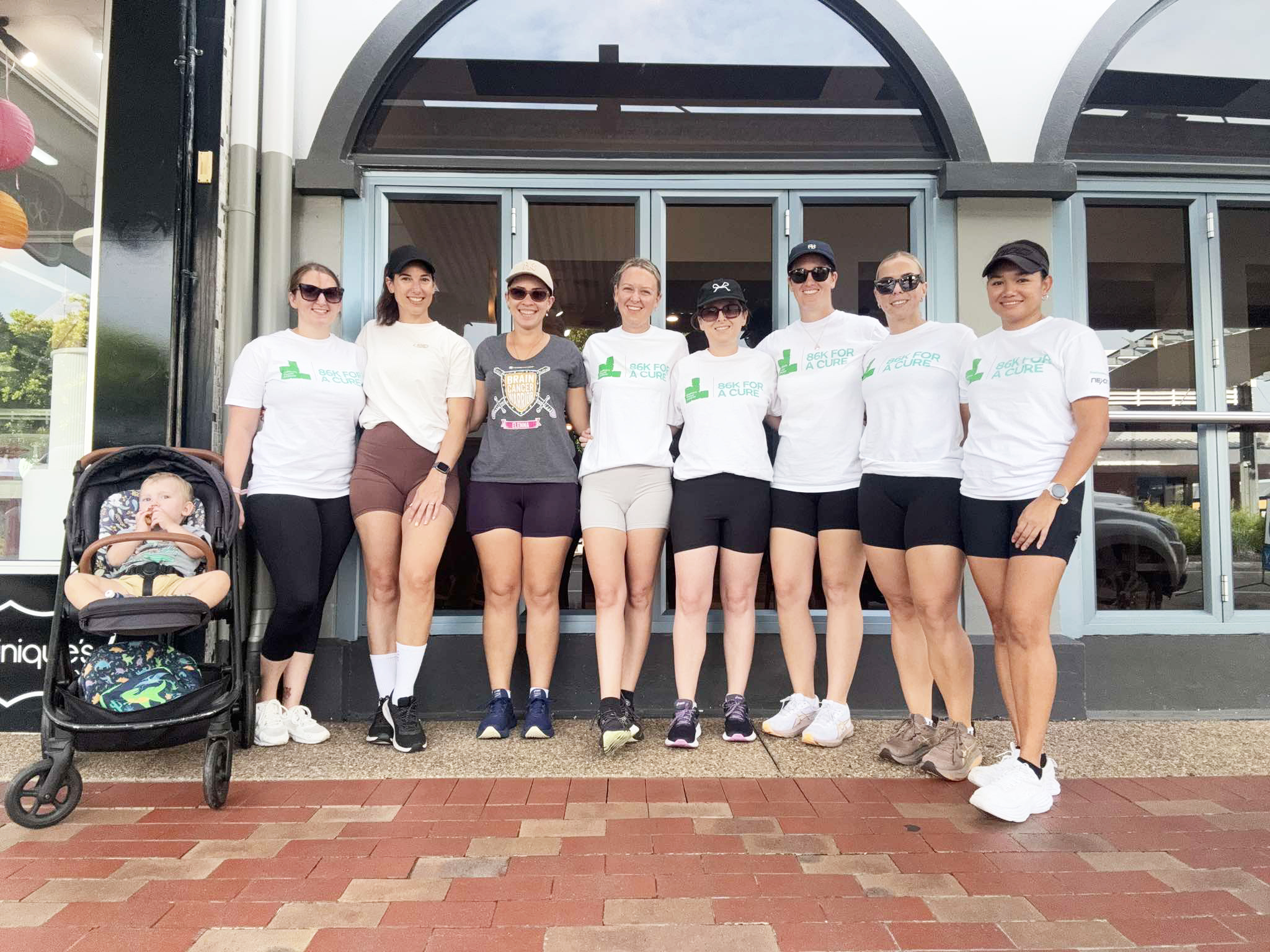
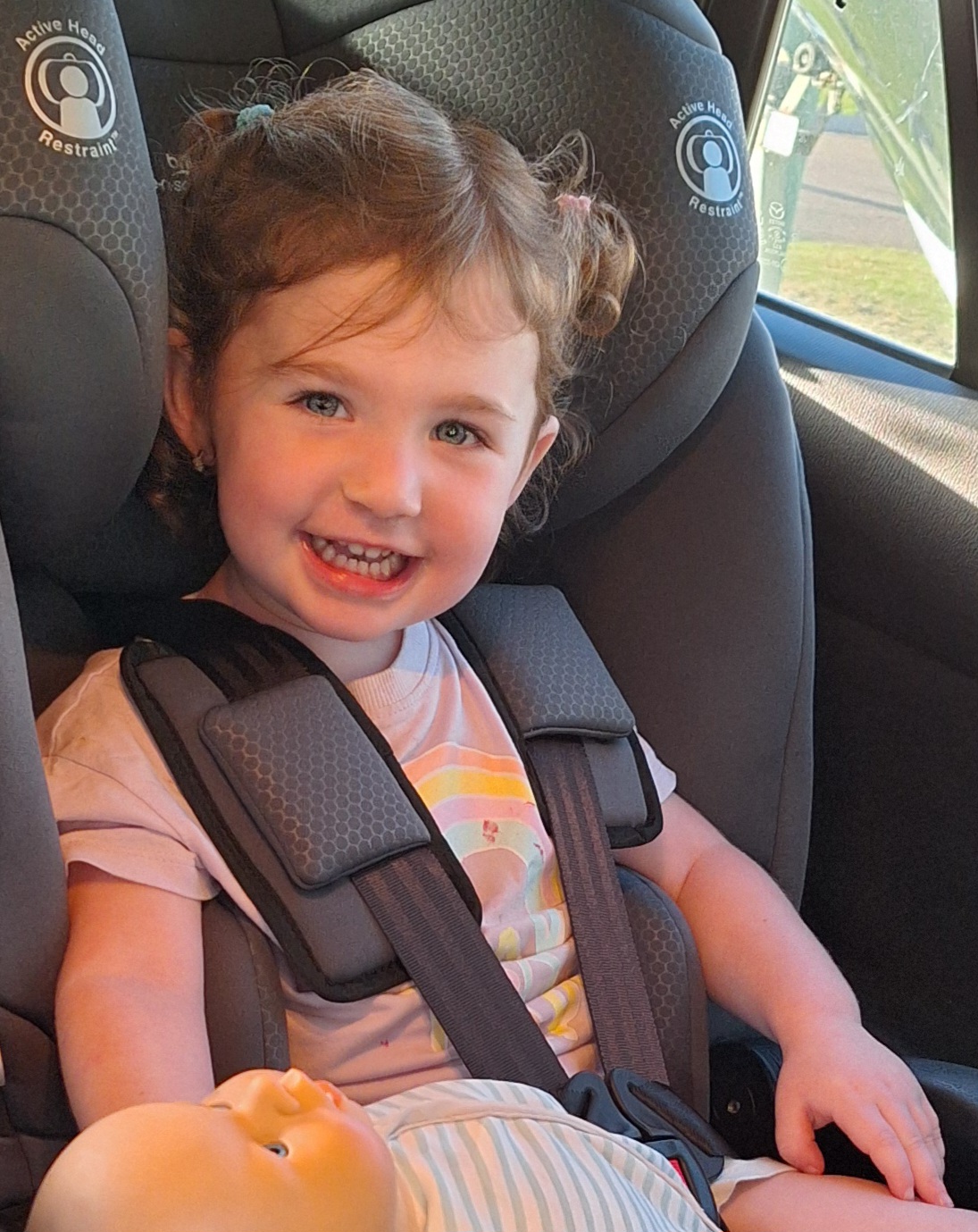
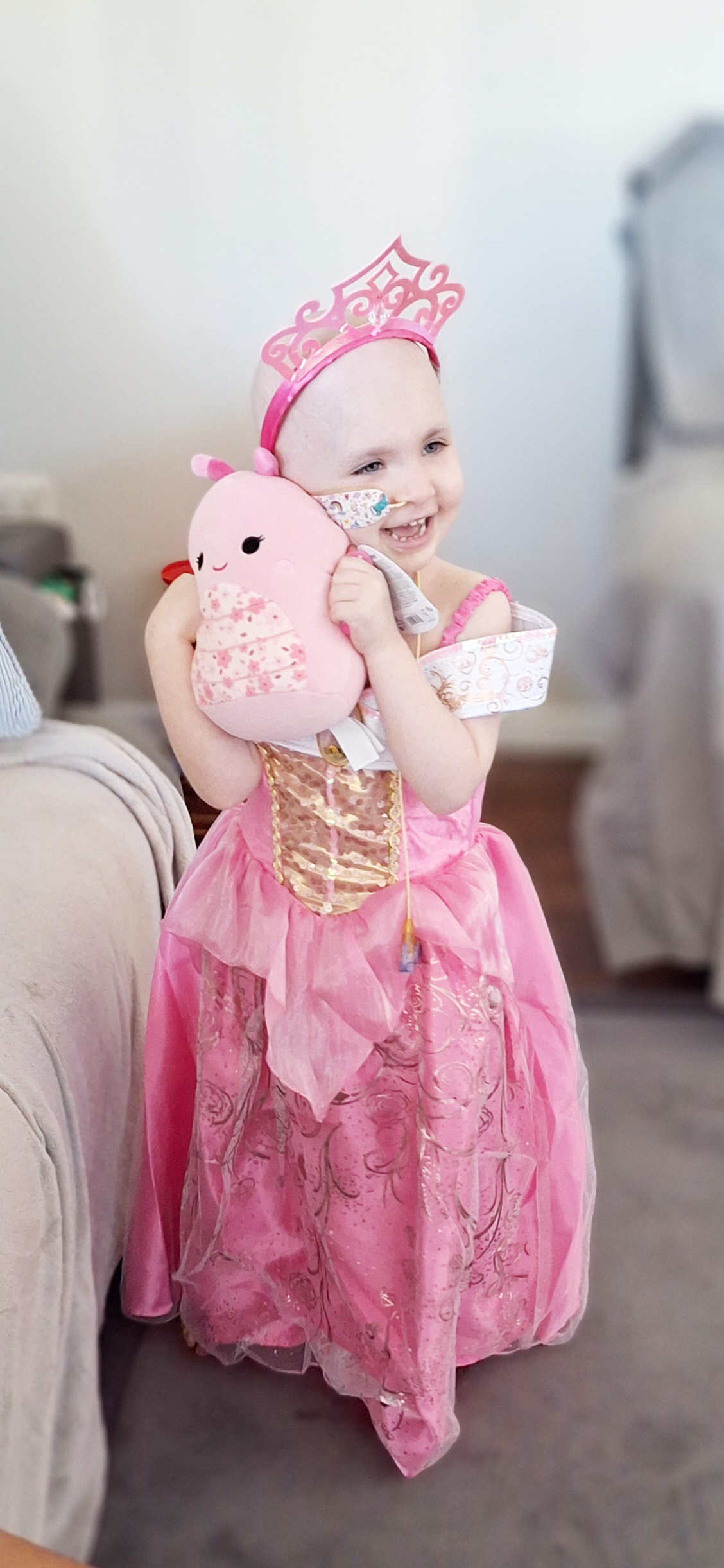
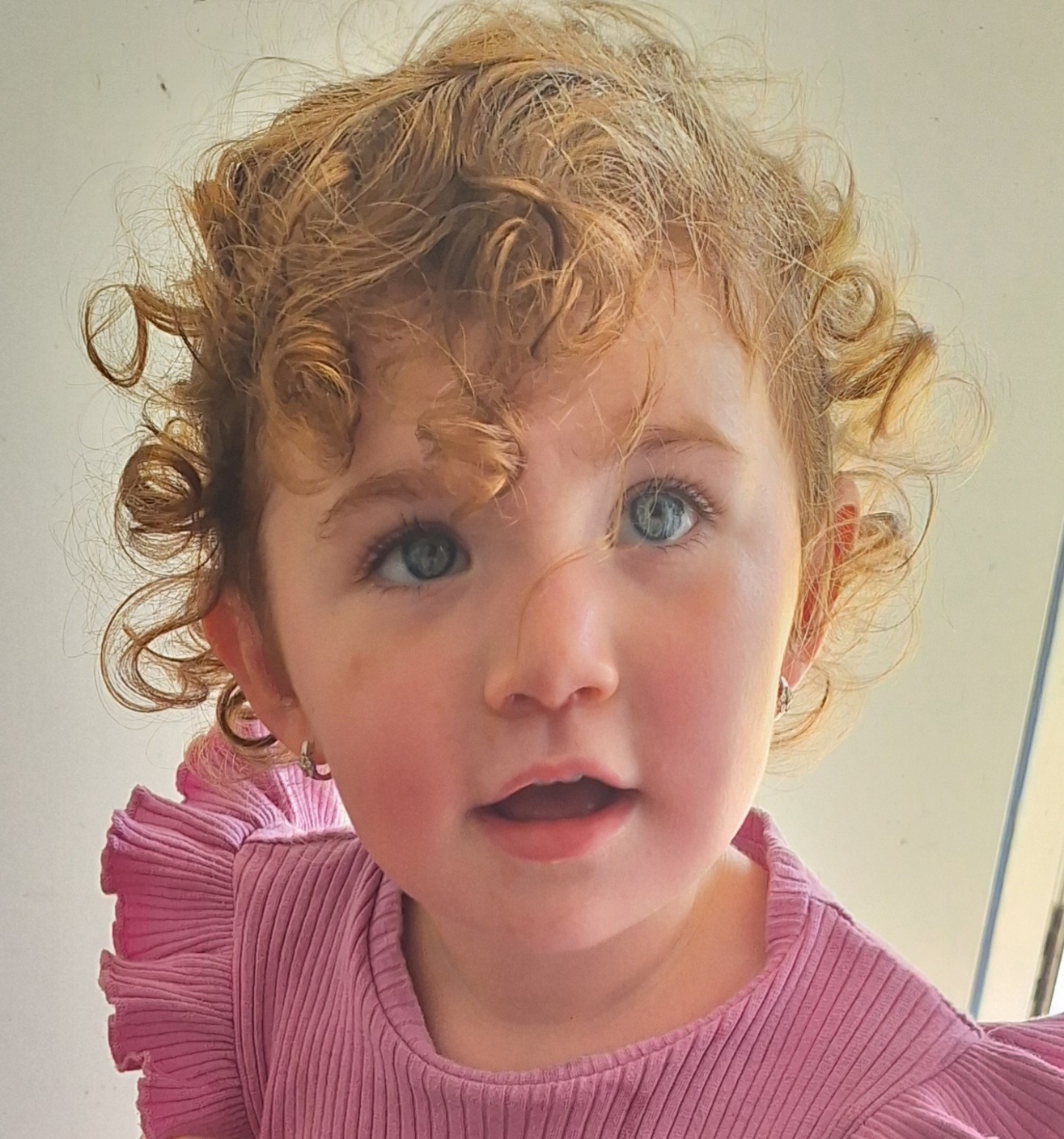
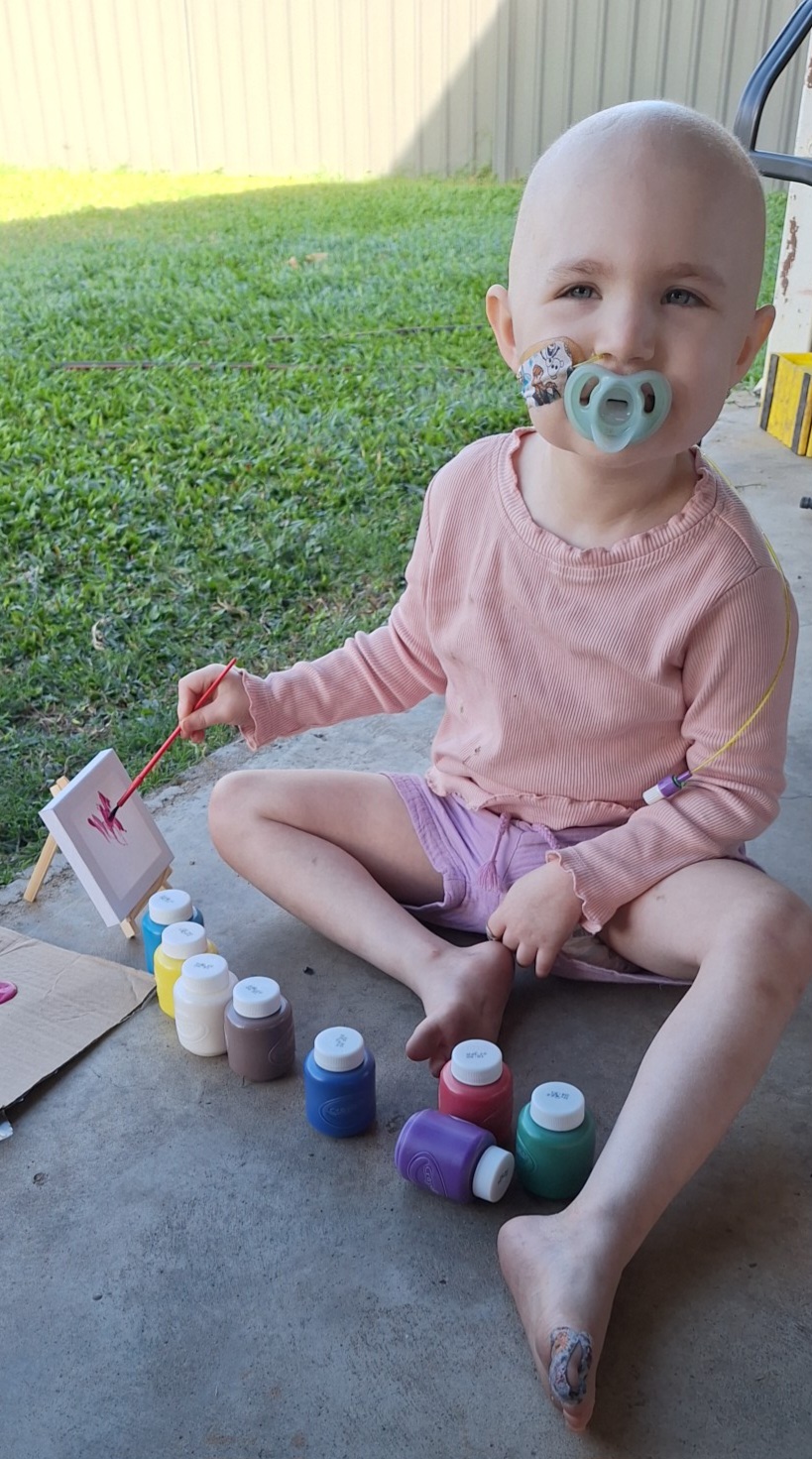

1—Maria Savorgnan is joined by friends and family as they take on the 86K for a Cure challenge in honour of her late daughter, Elenna, raising funds and awareness for childhood cancer. Photo supplied

A 40-year-old Ayr man has been charged with deliberately setting a house and shed on fire on Cameron Street, while two others face drug and stolen property charges following a separate police operation on Rita Island.
At about 8.30am on Friday, 6 March, police and the Queensland Fire and Emergency Services (QFES) responded to reports of a fire in Cameron Street, Ayr, where a house and shed were alight, with a caravan inside the shed fully engulfed.
No one was home at the time, and QFES extinguished the fires, which caused moderate damage to the house and shed.
Police declared the scene a crime scene, and a scientific examination completed on Saturday revealed “a number of separate seats of fire on the property, indicating it was deliberately lit.”
On 8 March, the 40-year-old Ayr man was arrested and charged with allegedly Endangering Property by Fire. Detectives from the Ayr Criminal Investigation Branch opposed his bail, and he appeared in Townsville Magistrates Court the following day.
He has been remanded in custody until his next appearance on 22 April.
“This incident provides a timely opportunity to remind residents to remain vigilant and report any suspicious behaviour,” said Ayr Police Station Senior Sergeant Lisa Shields.
“Community awareness and timely reporting play an important role in helping police keep our community safe.”
Separately, police attended Rita Island on the afternoon of 5 March following public reports of a sighted stolen trailer. Upon arrival, police declared a crime scene.
A 36-year-old Alva Beach man was charged with Possess Dangerous Drugs and Possess Utensil after allegedly being found with 3.2 grams of methylamphetamine and a glass pipe.
A 30-year-old Ayr man was charged with two counts of Possess Dangerous Drugs and Possess Utensil after allegedly being located with 20 grams of cocaine, 1.6 grams of methylamphetamine, and a glass pipe.
Both men were also found in possession of a stolen vehicle, which has been seized. Investigations into the vehicle and trailer are ongoing.
Members of the public are encouraged to contact Policelink on 131 444 to report suspicious activity. If a serious or life-threatening situation is occurring at the time, please call Triple Zero (000) immediately. Anyone with information about the house fire is urged to contact Ayr Police Station on 4790 3555 or Crime Stoppers on 1800 333 000.

Thanks to the generosity of an anonymous donor, Burdekin Life is excited to launch two special community giveaway competitions designed to spread a little joy and support across the region.
The first competition will see four tickets to every North Queensland Cowboys home game this season given away to lucky winners. A different winner will be selected for each home round, giving multiple people the opportunity to experience the thrill of game day live.
In addition, the donor will also provide a $100 grocery voucher each month for the next 10 months to help support individuals or families who may need a little extra assistance.
Community members are encouraged to nominate someone deserving for either prize by submitting an 80-word blurb explaining why their nominee deserves the opportunity.
Nominations can be sent to jacob@lifepublishinggroup.com.
Both competitions aim to support those who may benefit most, whether it’s someone who has never had the chance to attend a Cowboys game, or a household that could use a helping hand with everyday essentials.
Successful nominees will be contacted directly with further details.
Start nominating today and help brighten someone’s day!
In the city, a spike in fuel prices is a frustration; a reason to grumble at the dinner table or perhaps cancel a weekend drive. But in the regions, and specifically here in Dawson, fuel isn't a luxury or a lifestyle choice. It is the lifeblood of our economy.
Right now, that lifeblood is under threat, and it’s time we had a serious conversation about what is happening. We are currently facing global volatility, domestic supply rationing, and a federal government that seems content to watch from the sidelines, while our primary producers are pushed to the brink.
Our farmers in the Burdekin, the Whitsundays, and Mackay are some of the most resilient people you’ll ever meet. They deal with droughts, floods, and cyclones. But there is one thing they cannot work their way out of: a dry fuel tank.
A harvester doesn’t operate on hope. A tractor preparing a paddock for the next crop doesn’t run on good intentions. They run on diesel. And when fuel wholesalers begin rationing supply, or cuts it off altogether, it creates a terrifying ripple effect. If a farmer in Bowen or Gumlu can’t get a quote for a forward delivery, or if their regular supplier suddenly stops mid-week because the "big four" oil companies are tightening the taps, the work stops.
When the work stops on the farm, the clock starts ticking in the supermarket.
Most people don't see the journey their food takes. It starts with fuel in a tractor to grow the crop. It needs fuel for the truck to get it to the processor and then onto market , and more fuel for the semi-trailer to deliver it to the shelves in town.
If you break any one of those links by making fuel unavailable or unaffordable, you don't just get higher prices; you get empty shelves.
This is a fundamental food security issue for every Australian. Under Labor, we are seeing a return to a 1940s-style rationing mentality that has no place in a modern, "lucky" country like ours.
The Minister for Climate Change and Energy, Chris Bowen, has done nothing other than deflect, while regional wholesalers are being told not to send their trucks to the ports because there is nothing for them.
The Albanese Government claims there is "plenty of supply," but the reality on the ground in Dawson tells a different story. We are hearing that the major oil companies are prioritising their own retail outlets and hedging their bets against price shifts, leaving the secondary wholesalers, the ones who actually service our farmers and truckies, left holding an empty hose.
The Minister has the power under the Petroleum and Other Fuels Reporting Act to step in, identify the gaps, and ensure our essential industries are prioritised. Why isn't he using it?
On top of the supply crisis, we are seeing blatant price gouging. As I’ve said before, it takes nearly two weeks for global wholesale price changes to hit our local bowsers. Yet, we have seen prices jump up to 40 cents in an afternoon. That isn't market forces, that is war profiteering, and the ACCC needs to be instructed by the Treasurer to show some teeth and prosecute those doing the wrong thing.
Australians are already living through a Labor-created cost-of-living crisis. Adding a fuel security crisis on top of that is a recipe for disaster.
Our farmers and truckies are vital in keeping our nation running and fed. They are the ones who ensure that when you walk into a shop, there is bread, milk, meat, fruit and veggies on the shelves. They deserve a government that treats fuel security as a national priority, not a political inconvenience.
It’s time to stop the talk, unlock the supply, and ensure that the engines of North Queensland keep turning.
Because when the tractors and trucks stop, Australia stops.

As crushing season in the Burdekin rapidy approaches, Member for Burdekin Dale Last has joined sugar industry representatives to celebrate its past and reaffirm the Crisafulli Government’s support for the Burdekin’s major economic driver.
During his keynote speech at the weekend’s 100-year celebrations of Canegrowers, Member for Burdekin Dale Last not only acknowledged the century of representation within the sugar cane farming sector but noted challenges remained.
“Canegrowers has played a pivotal role in towns like the Burdekin where the successes they have celebrated when representing our sugarcane sector have set in motion success for our community and ultimately our state,” Mr Last said.
“Under the Crisafulli Government, concerns our farmers continue to hold about their industry and securing its future are being considered utilising a whole-of-government approach, rather than being left in the ‘too hard’ basket.”
“We are seeing positive steps in addressing rising ground water, an issue that has been affecting our sugar cane growers for far too long and is proof our government has accepted there are challenges, but that inaction is not an option.”
Mr Last said the celebration of Canegrowers’ centenary aligned with the upcoming release of the results from a wide-ranging inquiry into the challenges and benefits of sugarcane bioenergy.
“The Inquiry into Sugarcane Bioenergy Opportunities in Queensland provided an opportunity to explore industry growth and find solutions to problems that are, or could, hold back future growth,” Mr Last said.
“Across the public hearings we already heard a genuine consensus that realising the opportunities within the sector had the potential to benefit the wider community as well as the sugar sector itself.”
“By providing a whole of government approach to supporting sugar industry we are following a blueprint aimed at sustainably fostering growth in our primary industries and boosting our state’s agricultural output to $30 billion by 2030.”

By Jo Sheppard, CEO, Queensland Farmers’ Federation
Energy is an essential farm input, alongside water, that underpins much of the agricultural sector across North Queensland. Decisions around water and energy use have the potential to significantly impact farm profitability, productivity and, in turn, long-term farm business sustainability.
In Northern Queensland’s horticulture and sugarcane growing regions, irrigation represents one of the largest energy inputs for producers. Electricity prices, pump efficiency, water delivery systems and emerging automation technologies all influence operational costs. For many producers, even small improvements in efficiency can deliver meaningful gains.
At the same time, energy systems are changing. New energy technologies are emerging on farm, and large-scale energy infrastructure continues to expand across regional communities.
For the Queensland Farmers’ Federation (QFF), ensuring farmers and regional communities have access to reliable and up-to-date information is essential, so they can understand the opportunities and challenges, and make informed decisions about their businesses, their land and their future.
In 2023 QFF launched the Queensland Renewable Energy Landholder Toolkit to help farmers and regional communities begin to better understand the opportunities and risks in relation to hosting renewable energy developments on their land.
To help farmers continue to navigate these conversations around utility-scale renewable energy, as well as other topics such as energy tariff selection, and emerging energy technology options, the Queensland Farmers’ Federation (QFF) delivers the Energy Information Service for Landholders (EISL). EISL is a free, independent phone-line service providing practical, up-to-date support for farmers and landholders, which can be accessed Monday-Friday 8:30am-5pm on 07 3329 7500.
The service connects landholders with reliable information about energy tariffs, emerging technologies, government and industry programs, landholder hosting arrangements, coexistence considerations, and consultation processes. It ensures producers understand both the opportunities and risks and helps them know who to contact when new projects are proposed in their region.
EISL is complemented by The Queensland Ag Energy Hub, a website which provides industry-specific resources tailored to Queensland agriculture. The Hub includes case studies from sectors such as cane and horticulture farms, guidance on energy efficiency upgrades, and practical tools to help producers assess their own energy use. You can visit the Hub at https://www.qldagenergyhub.com.au/
Later this month, QFF’s Energy Engagement and Education Advisor (EEEA), will attend the Queensland Community Energy Forum in Proserpine. The forum will bring together landholders, community members, industry and government to discuss energy developments in the Whitsunday region.
Through the EEEA role, QFF works with our peak industry members, including CANEGROWERS, Cotton Australia and Queensland Fruit & Vegetable Growers, and regional producers to strengthen engagement between the energy sector and agriculture. Early consultation is essential if productive agriculture and reliable energy infrastructure are to co-exist in regional communities.
QFF is committed to working with our members, industry and regional communities to advance agriculture, supporting on-farm water and energy decision making and driving sensible policy decisions to ensure farmers are supported to continue growing world class food, fibre and foliage across Queensland.
Publishers Indemnity. Any individual or entity that places advertising, supplies copy material, or submits editorial content to Core Life Publishing agrees and undertakes to ensure that all such material:- Does not infringe upon any copyright, trademark, or other intellectual property rights;- Is free from any content that could be considered defamatory, libelous, or slanderous;- Does not infringe upon any rights related to privacy or breach of confidence;- Contains no obscene, indecent, or otherwise unlawful material;- Complies fully with the Trade Practices Act and all other applicable laws, regulations, or statutes.Furthermore, by submitting or placing such material, these individuals or entities agree to indemnify and hold harmless the publisher, Core Publishing and Events Pty Ltd, and/or its agents from and against any and all investigations, claims, demands, liabilities, damages, costs, or judgments arising out of or in connection with the material provided. All material is believed to be accurate at the time of printing and remains the copyright of Core Publishing and Events Pty Ltd.
© 2026 Life Publishing Group Pty Ltd.