Independently Owned, Locally Grown, Community Loved

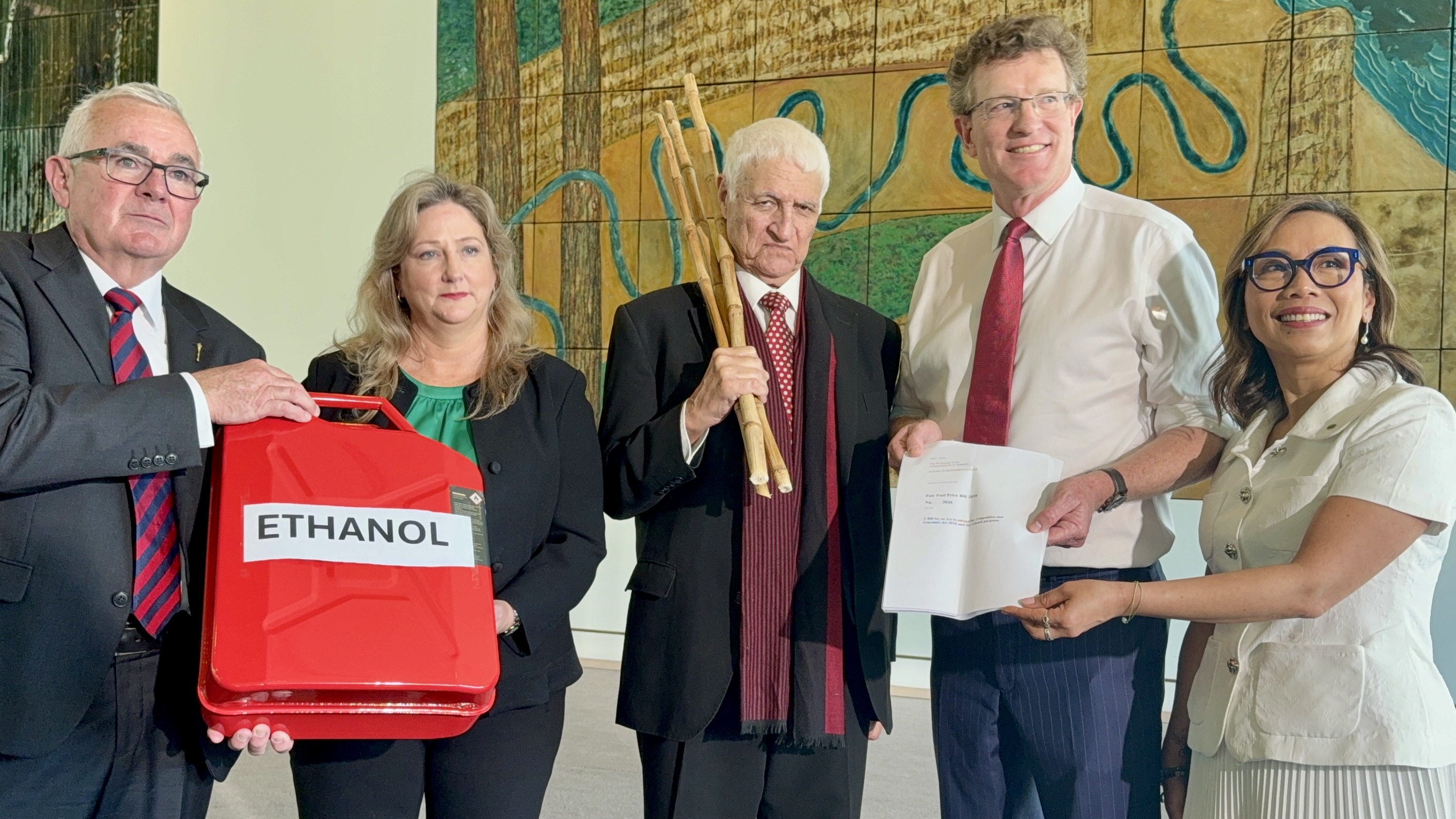
Sugar Industry Slams Australia–EU Trade Deal As ‘Horrendous Outcome’ Australia’s sugar industry has strongly criticised the outcome of the Australia–EU Free Trade Agreement, with CANEGROWERS warning the deal fails to deliver meaningful benefits for cane farmers. CANEGROWERS CEO Dan Galligan described the agreement as a major setback for the industry, particularly for growers across Queensland. “This is a horrendous outcome for Australia’s cane growers,” Mr Galligan said. “For the past decade we have made our needs abundantly clear to the Australian Government and they have not delivered. There is no meaningful commercial access for sugar in this deal. “The market access Australia has achieved is extremely small – less than 2% of Europe’s import requirement and well below what Brazil and its Mercosur partners secured last year, which was around four times larger than Australia’s outcome.” Under the agreement, Australia will receive an additional 35,000 tonnes of sugar quota access over three years, adding to an existing allocation of 9,925 tonnes. However, Mr Galligan said the increase falls far short of what is needed to create real commercial opportunities. “These volumes are not economically meaningful. They will not shift the dial for growers or materially change Australia’s position in the European market. “This is not what genuine market access looks like.” He also criticised the lack of long-term growth opportunities within the agreement. “Compounding this, the agreement delivers no growth, no pathway to expand access and effectively locks growers into a bad deal for the next generation. “It’s a capitulation to protectionist European sugar interests, plain and simple.” Mr Galligan said the outcome was particularly disappointing given Europe’s reliance on imported sugar. “The EU is a net importer of sugar and must bring in significant volumes each year to meet domestic demand. “Australia can help meet that demand with high-quality, sustainably produced sugar, but instead we have been locked out.” He added that the deal does little to address the challenges faced by Australian producers, particularly exposure to volatile global prices. “This deal does nothing to change that position. “We support trade liberalisation, but it has to be meaningful. Growers need outcomes that create genuine opportunity, not agreements that deliver nothing now and take us backwards when it comes to trade liberalisation.” CANEGROWERS said it will continue to review the full details of the agreement while advocating for improved global market access and fairer trading conditions for Australia’s sugar industry.
Read the full story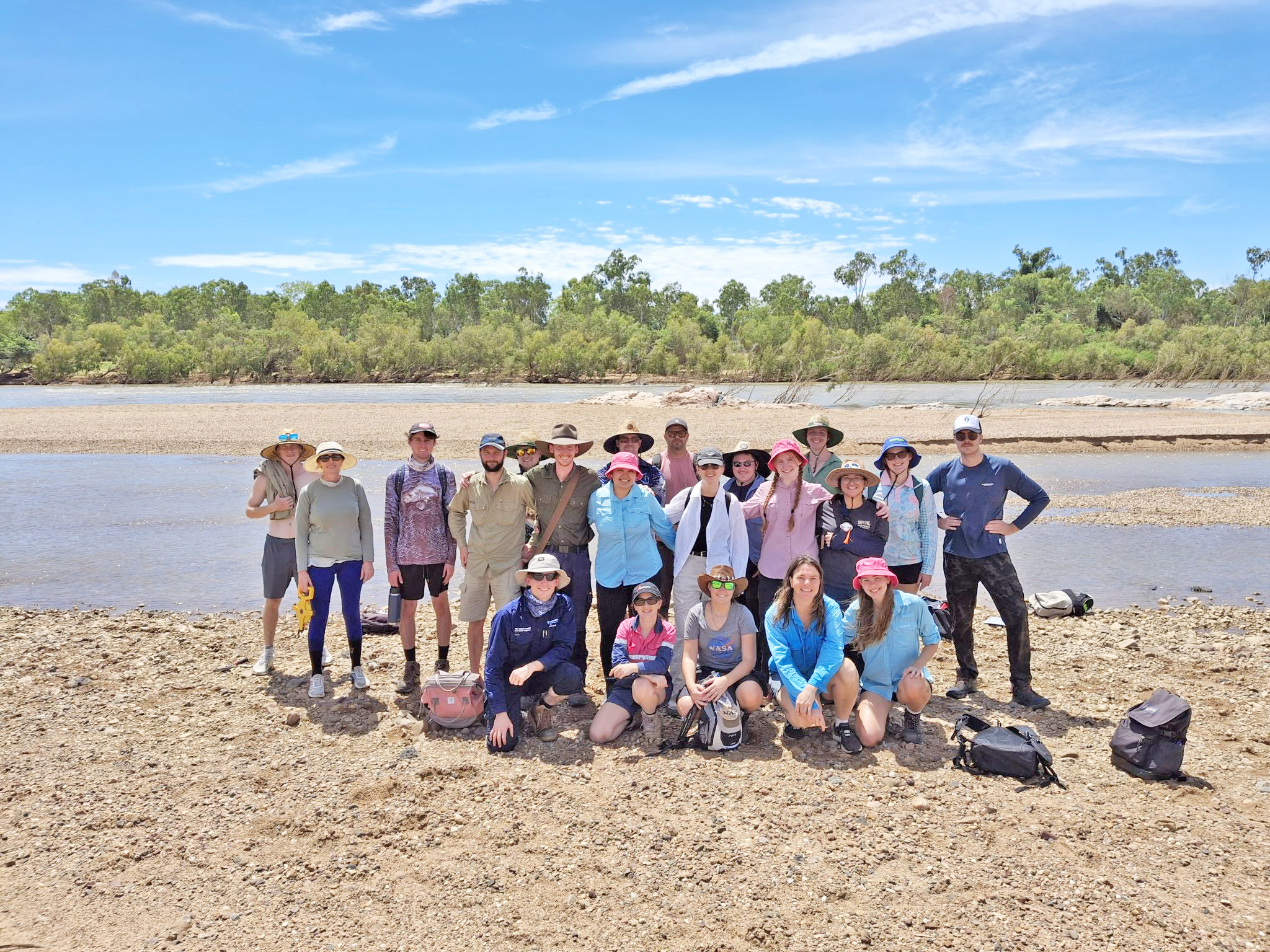
Students from the geoscience faculty at James Cook University (JCU) recently headed to the Burdekin River for a hands-on field trip, gaining real-world experience studying the region’s unique geology. The group spent the day examining igneous intrusions and striking magma mingling textures, with conditions requiring them to quite literally get their feet wet. “We had to get our feet wet this year but it was another fantastic geology field trip to the Burdekin River to look at igneous intrusions and spectacular magma mingling textures,” said JCU Senior Lecturer in Geoscience, Helen McCoy-West. Staff and students described the excursion as a valuable learning experience, offering the opportunity to see geological processes up close while exploring one of North Queensland’s key natural features. “Thank you to the staff and students for a great day out!”
Read the full story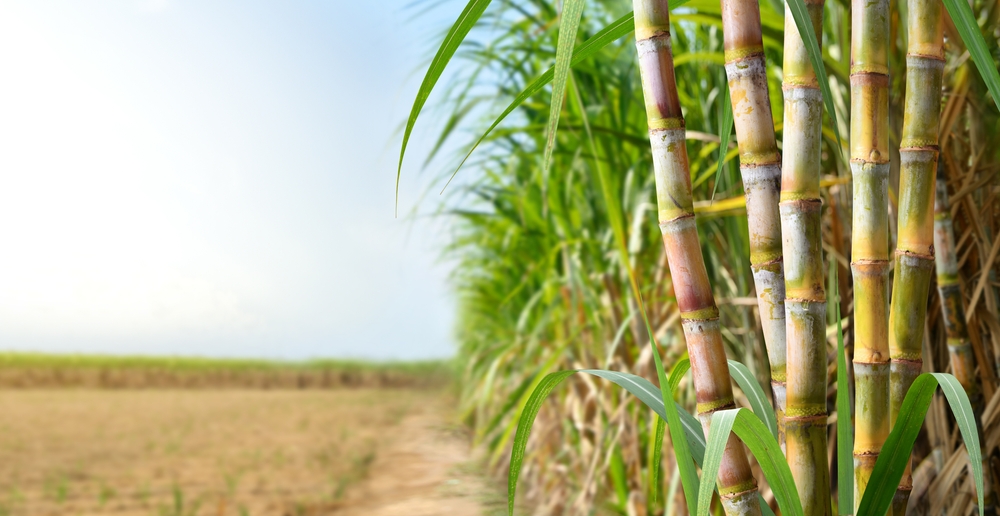
Primary producers across the Burdekin are set to benefit from a new climate tool designed to better predict the end of the northern wet season. Developed through the Northern Australia Climate Program, the Northern Rainfall Retreat (NRR) tool identifies the date of the last significant rainfall before the wet season ends—critical information for farmers managing livestock and crops. The timing of late-season rain can have a major impact on agricultural operations, influencing mustering, livestock transport, stocking rates and crop harvesting. Unseasonal rainfall events can also disrupt harvests, damage infrastructure and affect herd numbers if conditions become extreme. The tool uses historical rainfall data and climate modelling to pinpoint when rainfall typically “retreats” at a specific location. By analysing cumulative rainfall anomalies from the start of the year, it determines the point when rainfall peaks before transitioning into the dry season. Local natural resource management group NQ Dry Tropics is one of several organisations involved in delivering the program, alongside partners including the University of Southern Queensland and the Bureau of Meteorology. The broader program focuses on helping the red meat industry manage drought and climate risk across northern Australia. For Burdekin producers, the NRR tool offers a practical way to reduce uncertainty and make more informed decisions as the region transitions out of the wet season.
Read the full story

The Burdekin Theatre foyer became permanently enshrined in the memories of 10 Burdekin residents on Tuesday, 9 December, as the place where they were officially celebrated as naturalised citizens of Australia.
At 10:20am, Burdekin Shire Council Mayor Pierina Dalle Cort, alongside councillors and families, came together to celebrate the new Australian citizens, each from various backgrounds such as Europe, Africa, and Asia.
New citizen Liezel Klopper, along with her two children, Andre Henri and Adriana Carmen, said the moment represented the end of a long journey toward becoming Australian.
"We're very happy to be [in Australia]," said Liezel. "It's been six years coming, so we're very proud to finally [become official citizens]."
Originally moving to the Burdekin from South Africa because of employment opportunities, Liezel says the decision to stay is very much a conscious choice.
"We like the Burdekin because we grew up in small towns in South Africa. We like the small-town community... raising your kids in a small town is beautiful—better than a city."
Mayor Pierina Dalle Cort said the ceremony marked a milestone for both the new citizens and the region, underscoring the importance of cultural diversity in the community.
"I'm ecstatic to see the smiles on their faces, the enthusiasm, and their love for the Burdekin," she said. "I hope each one can bring a little bit of their own culture into our already multicultural community."
Following her address, Mayor Pierina Dalle Cort led the pledge to Australia, the singing of the national anthem, and the presentation of citizenship certificates.
The ceremony concluded with photos, light refreshments, and conversations between families, Councillors, and community members, marking the beginning of the new citizens’ formal place within the region.
The Burdekin Theatre foyer became permanently enshrined in the memories of 14 Burdekin residents, as the place where they were officially celebrated as naturalised citizens of Australia. Photo credit: Jacob Casha
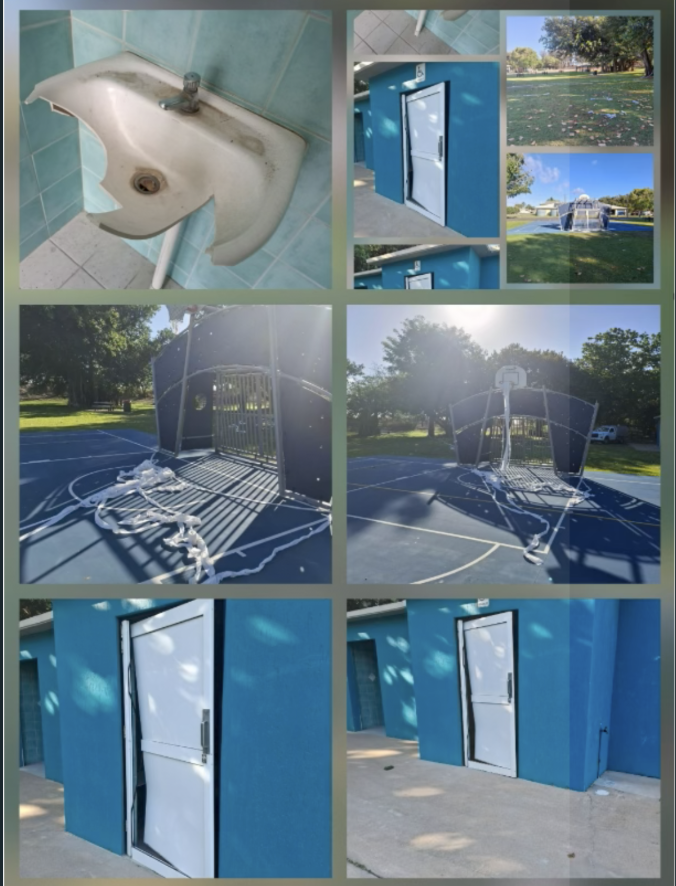
Residents visiting Alva Beach and Coutts Park over the weekend were met with frustration after public conveniences at both sites were deliberately vandalised. The damage, coming just weeks before the holiday season, has left local families and visitors without access to key facilities.
Mayor Pierina Dalle Cort said the incidents were “a senseless act of stupidity and deeply disrespectful to our community.” She noted the personal and financial impact on locals. “Council invests significant resources to maintain public amenities for everyone’s benefit, and when they are vandalised, it’s the ratepayers who bear the cost of repairs.”
The facilities had recently undergone refurbishments, making the timing of the vandalism even more disheartening. “These facilities were also recently refurbished and to see them deliberately damaged – especially so close to Christmas – is heartbreaking,” Cr Dalle Cort said.
Council officers are currently assessing the damage and plan to begin repairs as soon as possible. The acts have been reported to police, and the council is asking anyone with information to come forward. “If you see something, say something – together we can protect our community assets,” the Mayor urged.
For locals, the message is clear: these spaces belong to everyone, and safeguarding them requires the community’s vigilance. Residents can report incidents directly to Burdekin Shire Council on (07) 4783 9800 or online at www.burdekin.qld.gov.au.
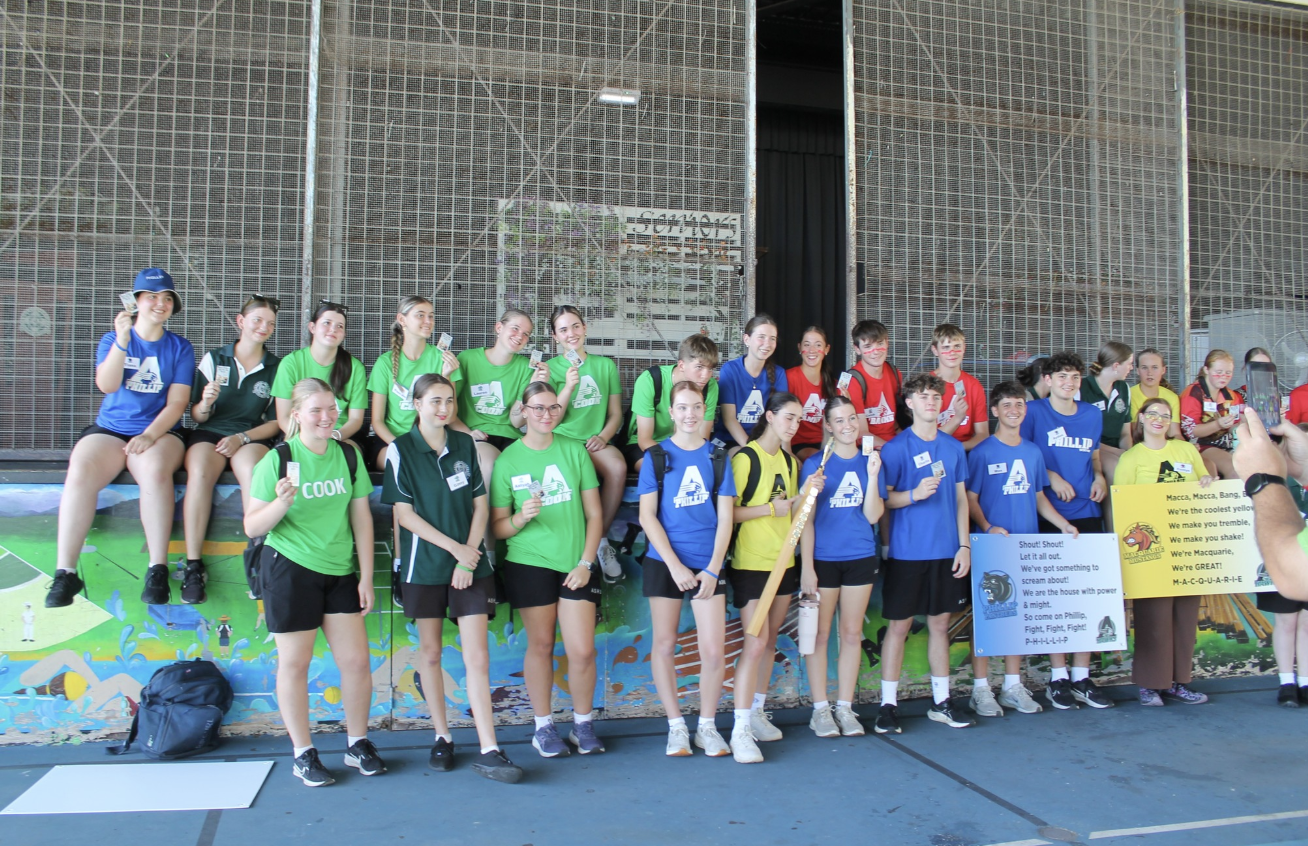
Orientation Days Give Future Hawks a Flying Start
December 5, 2025
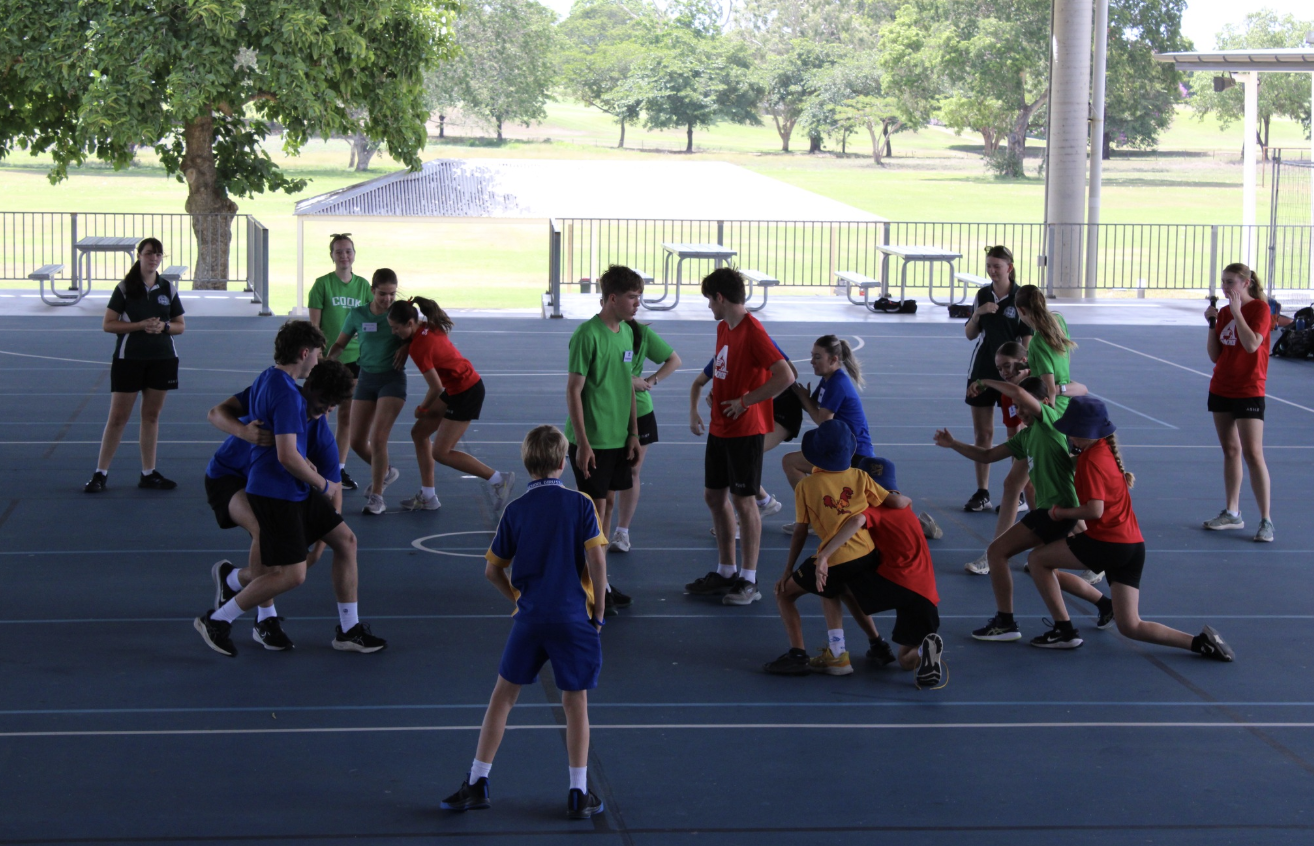
Ayr State High School recently welcomed 75 Year 6 students from across the Burdekin for two days of Orientation. The students, soon-to-be Year 7s, spent the days getting familiar with their new school, meeting teachers, and discovering who their classmates will be in 2026.
Supported by senior student “buddies,” the future Hawks explored classrooms, learned about school routines, and participated in activities designed to build confidence and excitement for secondary school life.
While nerves were apparent on the first morning, by the end of day two, all students were noticeably more confident and enthusiastic. Teachers commented on the energy and curiosity of the young students, who are now eager to begin their Ayr High journey next year.
With these first steps completed, 2026’s cohort of Ayr High Hawks is ready to soar.
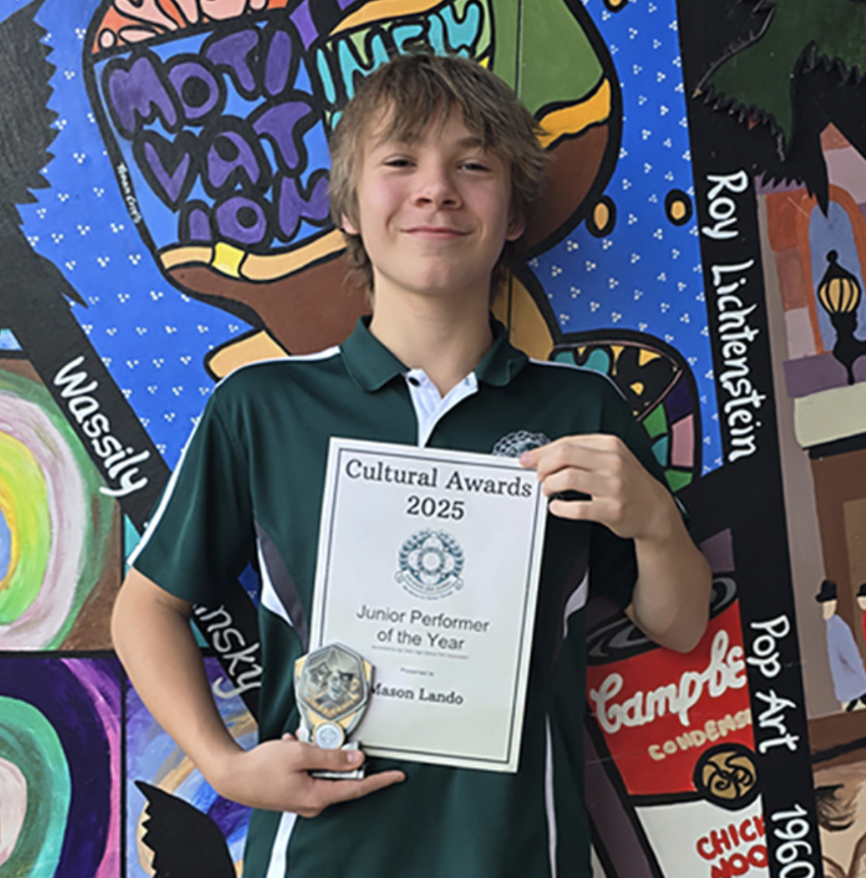
Junior Performer of the Year Awarded to Mason Lando
December 5, 2025
Ayr State High School celebrated its junior performing arts students this week, with a special recognition for outstanding talent. During the whole-school assembly, Mason Lando was awarded Junior Performer of the Year.
The award followed the school’s annual Cultural Awards ceremony, where junior performers had the chance to showcase their skills in music, drama, and dance. Mason’s dedication and talent were praised by teachers and peers alike, marking a fitting end to a year of hard work and creativity.
Staff congratulated all junior performers, highlighting the confidence and enthusiasm students bring to the stage.
The school encourages all students to explore creative opportunities next year, with performing arts playing a key role in fostering confidence, teamwork, and artistic growth.
Ayr State High Announces 2026 School Musical
December 4, 2025
Ayr State High School has announced its 2026 school musical: The Addams Family (school edition). The iconic spooky family will be coming to the stage next year, bringing both the familiar characters and some exciting new roles for students.
The Addams Family’s quirky adventures and family challenges promise a fun and engaging production for performers and audiences alike. Students eager to take on lead roles can collect audition packs from the Admin Office until Friday, 12 December. Lead auditions and ensemble sign-ups will take place in 2026.
The musical is expected to provide students with opportunities to develop their performing arts skills, teamwork, and confidence, while entertaining the local community with a beloved story.
Ayr High students and families are already looking forward to a thrilling production next year.
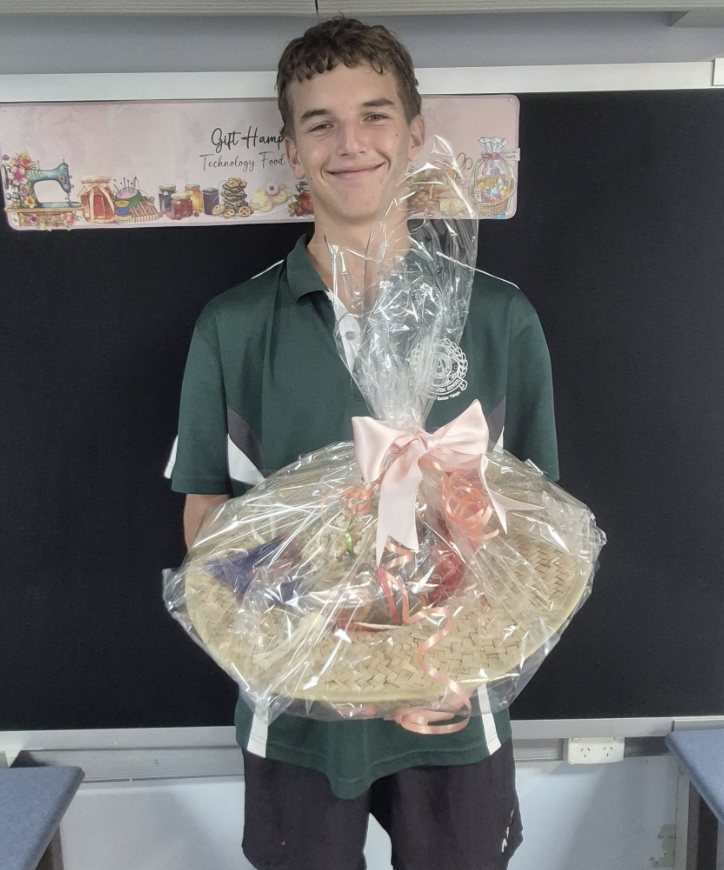
Year 9 Students Finish 2025 with Creative Gift Hampers
November 27, 2025
Year 9 Technology, Food and Fibre students at Ayr State High School wrapped up 2025 with a creative final assessment: handmade gift hampers.
Students applied research and planning skills to design customised hampers, using information about recipients to guide their choices. Each hamper included three food items and one textile item, all made in class.
The activity combined practical skills, problem-solving, and artistic flair, highlighting the diverse talents of Year 9 students. As the school year closes, Year 9 students can look back proudly on a year of learning, creativity, and achievement.
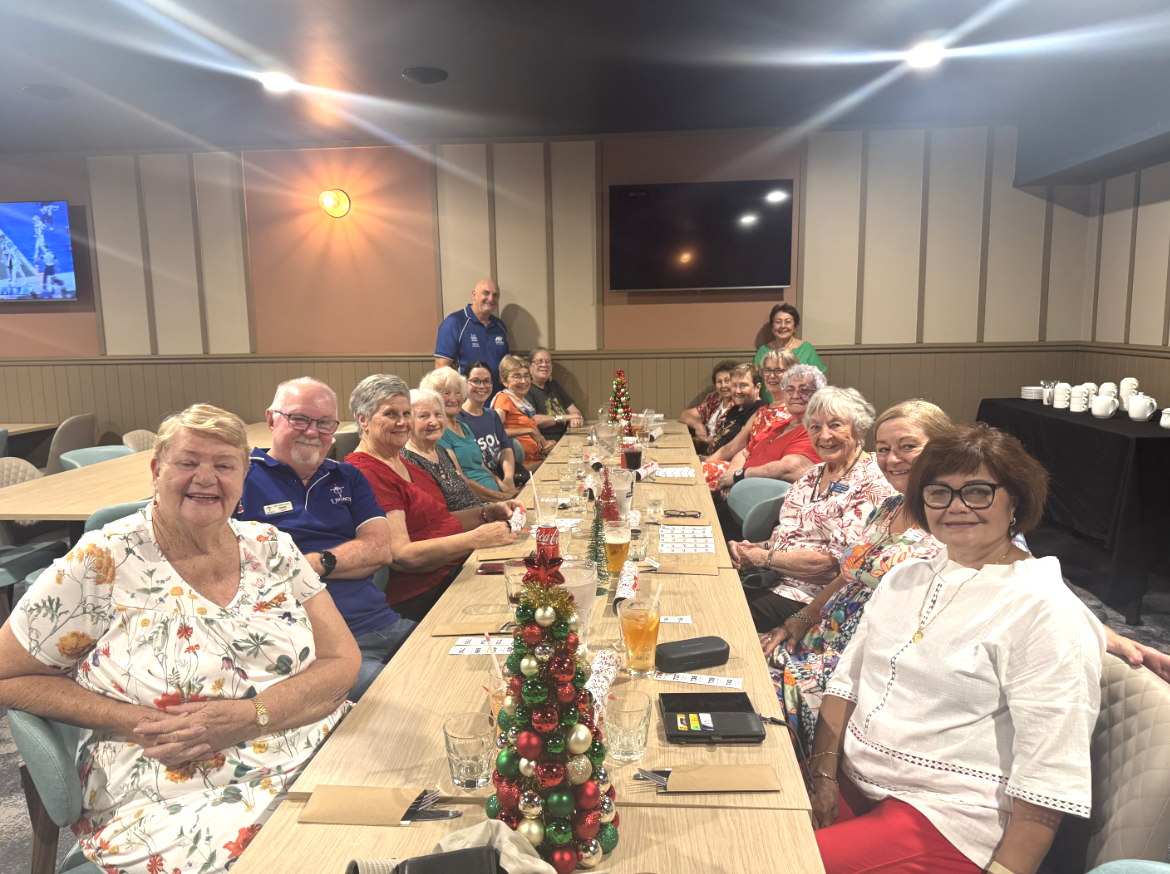
Northern Queensland Legacy have once again hosted a series of heartwarming Christmas Lunches across several shires to bring the community together and ensure veterans’ families are supported this festive season.
Annually, the Christmas Lunches provide a chance for widows and children of veterans to reconnect and celebrate the festive season with others who understand their unique circumstances.
The Northern Queensland Legacy's Burdekin Christmas Party was held on Friday, the 5th of December at the Queens Hotel in Ayr where several attendees gathered together to share in a wonderful lunch and celebrate the silly season.
David Burke, President of Northern Queensland Legacy sees the events as a rare opportunity to ensure that for those living in small towns or remote communities, distance doesn’t mean disconnection.
“These Christmas lunches are much more than just a festive celebration. They are a vital lifeline for those who might otherwise feel isolated,” said David.
“It’s in these moments of shared joy that we remind each other that we’re not alone, and that the Legacy community stands together, not just during the holidays, but every day of the year."
Northern Queensland Legacy CEO, Nicole Hayes, believes the events are an essential part of Legacy’s tailored approach to addressing the challenges veterans’ widowers and children in small, remote communities face, especially when it comes to social isolation and access to services.
“For many, especially those facing social isolation, these events are a lifeline, offering not just a social gathering but a reminder that they are part of a supportive network,” Nicole explained.
“The sense of belonging and connection that these events foster helps reduce feelings of loneliness and builds a stronger sense of community. For those who might be living alone or distanced from family, these gatherings are a welcome opportunity to bond with others, share experiences, and feel supported in a fun, festive environment.”
Northern Queensland Legacy provides a range of support services, including social activities, financial assistance, home visits, and advocacy, all aimed at connecting individuals with vital resources.
“We strive to undertake regular contact including home visits and phone calls to check on people’s wellbeing to make sure that no one feels forgotten,” added Nicole.
“We provide a listening ear and practical supports including links with services and agencies. We try to create opportunities for connection to bridge the gap that isolation can create and we aim to ensure that veterans' families are supported no matter where they live.”
Northern Queensland Legacy has expanded its eligibility criteria to now include the dependants of veterans who did not serve operationally or deploy overseas, opening the door for more families to access support. If your spouse served in the Australian Defence Force and you would like to check your eligibility, contact the Northern Queensland Legacy office on 4772 7533 or email admin@nqlegacy.com.au after the 26th of January 2026.

After the loss of someone they loved dearly, five friends decided to come together to make a difference in the lives of those struggling with mental health illnesses by raising valuable funds and awareness throughout the month of October and beyond.
Chloe Rehbein, Caitlin Danziger, Lilly Scutt, Kaitlyn Warren, and Thomas Rehbein’s world were rocked when someone very close to each of them tragically passed away earlier this year.
After such a success raising funds for Breast Cancer Research in August this year. We have decided to also sign up and walk for Mental Health Research. Another cause that sits close to our hearts,” said Chloe.
“I’m taking part in One Foot Forward to help Australians impacted by mental illness and suicide. I am walking 40km in memory of a loved one and I'm walking to raise funds for Black Dog Institute to put ground-breaking new mental health treatment, education, and digital services into the hands of the people who need them most. Together, we can create better mental health for all Australians.”
Together, Chloe, Caitlin, Lilly, Kaitlyn and Thomas formed a team as part of the Black Dog Institute’s One Foot Forward fundraising initiative to walk a collective 200km over 31 days whilst hoping to raise $1,000 to fund mental health treatments, education, and digital services.
The Black Dog Institute exists as Australia’s only medical research institute dedicated to investigating mental health across the lifespan to develop preventative measures and treatment policies to create better mental health for all.
Visit www.onefootforward.org.au/fundraisers/WeThoughtTheredBeSnacks to make a donation to Chloe, Caitlin, Lilly, Kaitlyn and Thomas’ team and contribute to the work of the Black Dog Institute.

The Burdekin is set to benefit from an increase in frontline police numbers, with the Crisafulli Government welcoming 118 new constables into the Queensland Police Service (QPS). The fresh recruits — part of a major statewide push to restore safety and strengthen regional policing — will soon be deployed across Queensland, including right here in Ayr.
The new officers form part of a broader investment in rebuilding the police frontline, bringing the total number of new constables sworn in under the Crisafulli Government to 1,289. According to the government, the focus is on restoring safety in communities after what it describes as “a decade of decline under Labor.”
Of the 118 newly graduated officers, 10 will join the Northern Region, which includes Townsville, Ayr, Ingham, Kirwan, Mundingburra and Stuart, strengthening local crime prevention and response capacity.
The fresh recruits bring experience from a wide range of fields including defence, firefighting, healthcare, childcare, trades, hospitality and community services — skills the QPS says will enhance frontline capability across both metropolitan and regional areas.
Minister for Police and Emergency Services Dan Purdie said the graduation marks a significant turning point for policing across the state.
“These 118 new officers are proof that we are supporting police and strengthening the frontline,” Minister Purdie said.
“We are rebuilding the QPS after a decade of Labor neglect, delivering more officers, more resources, and restoring safety where you live.
“Labor promised a lot and delivered very little, but we are fixing their mess and giving our police the resources and laws they need after Labor’s decade of decline.
“I congratulate every graduating officer tonight and thank their families for backing them on this journey. Queenslanders can be proud of this new generation of police.”
Queensland Police Commissioner Steve Gollschewski also praised the graduates.
“Their commitment and character will undoubtedly have a positive impact on the communities they serve,” Commissioner Gollschewski said.
“They share a passion for making a meaningful difference in people’s lives and a commitment to building a stronger, safer Queensland.
“I wish them every success as they embark on their careers, playing a vital role in protecting and supporting Queenslanders, from vibrant cities to regional towns across the state.”
With more than 840 recruits currently in training and over 1,160 applicants progressing through the pipeline, the government says further increases in frontline staffing are on the way. For Burdekin residents, the additional officers are expected to enhance community safety and support local police already working hard to keep Ayr, Home Hill and surrounding areas secure.
118 new officers graduated from the QPS Academy in Brisbane earlier this month (Photo Supplied)
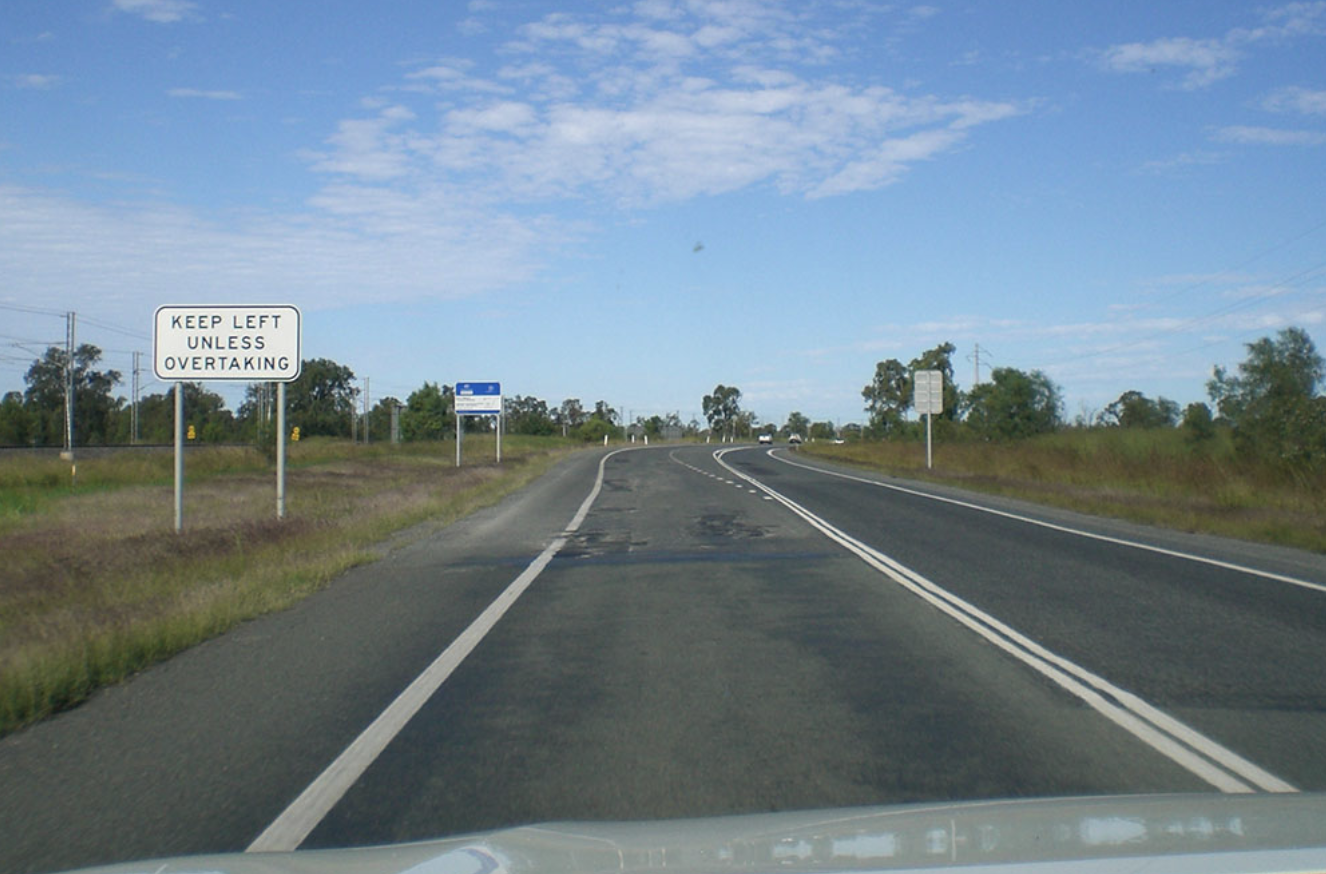
The Bruce Highway – the lifeline that connects Ayr, Home Hill and the broader Burdekin region to the rest of Queensland – has been the focus of major safety planning over the past 12 months, with the Bruce Highway Advisory Council (BHAC) wrapping up its final meeting of the year.
Re-established by the Government, the Council brings together representatives from industry, government and regional communities to guide investment in Queensland’s most critical road corridor. Since reconvening, the group has met three times, helping shape priorities for the historic $9 billion Bruce Highway Targeted Safety Program (BHTSP).
For Burdekin motorists, the program is already delivering benefits. An early works upgrade was recently completed between Bowen and Ayr, improving safety on a stretch heavily used by local workers, families, freight operators and travellers.
Across Queensland, more than $500 million has been committed to 22 new highway safety projects, including seven in the Mackay–Whitsundays region, all funded under the 80:20 partnership between the Crisafulli and Albanese Governments. BHAC has played a key role in identifying high-risk sections and advocating for improvements that matter most to regional communities.
Minister for Transport and Main Roads Brent Mickelberg said the Council’s work has been instrumental.
"It is a pleasure to be here in Mackay working with the Bruce Highway Advisory Council in our last meeting for the year - we're well on road to delivering the Bruce Highway Queenslanders deserve," Minister Mickelberg said.
"We’re focusing today on the Bruce Highway Fatigue Management Strategy, which will help inform priority locations where rest areas may be required on the Bruce.
"The regional representatives of the Bruce Highway Advisory Council have provided valuable input over the past 12 months, and I thank them for their work.”
Local representatives say the renewed Council is giving regional Queensland a stronger voice.
“The re-establishment of the Bruce Highway Advisory Council by the Crisafulli Government was a game-changer for regional Queensland, giving a voice to communities about where the priority projects are," Member for Mackay Nigel Dalton said.
Member for Whitsundays Amanda Camm emphasised the highway’s importance for northern communities.
"The Bruce Highway is relied upon by so many local families and businesses, yet it can be such a dangerous stretch of road,” Ms Camm said.
“The re-establishment of the Bruce Highway Advisory Council has been critical because it gives our communities a voice in shaping upgrades that will save lives and keep our region connected."
Member for Mirani Glen Kelly also welcomed the renewed regional influence.
“The Bruce is not like any other highway, it’s the key corridor that keeps this state moving, and is depended upon by millions of Queenslanders every day,” Mr Kelly said.
“We’ve re-established this Bruce Highway Advisory Council because we care about regional Queenslanders, who know this route better than most, and want them to input into how we can improve the Bruce in the short and long term.”
With plans underway for future upgrades and new safety strategies, Burdekin residents can expect ongoing improvements aimed at making everyday travel safer and more reliable.
New safety push puts Burdekin front and center on Bruce Highway upgrades (Photo Source: RACQ)
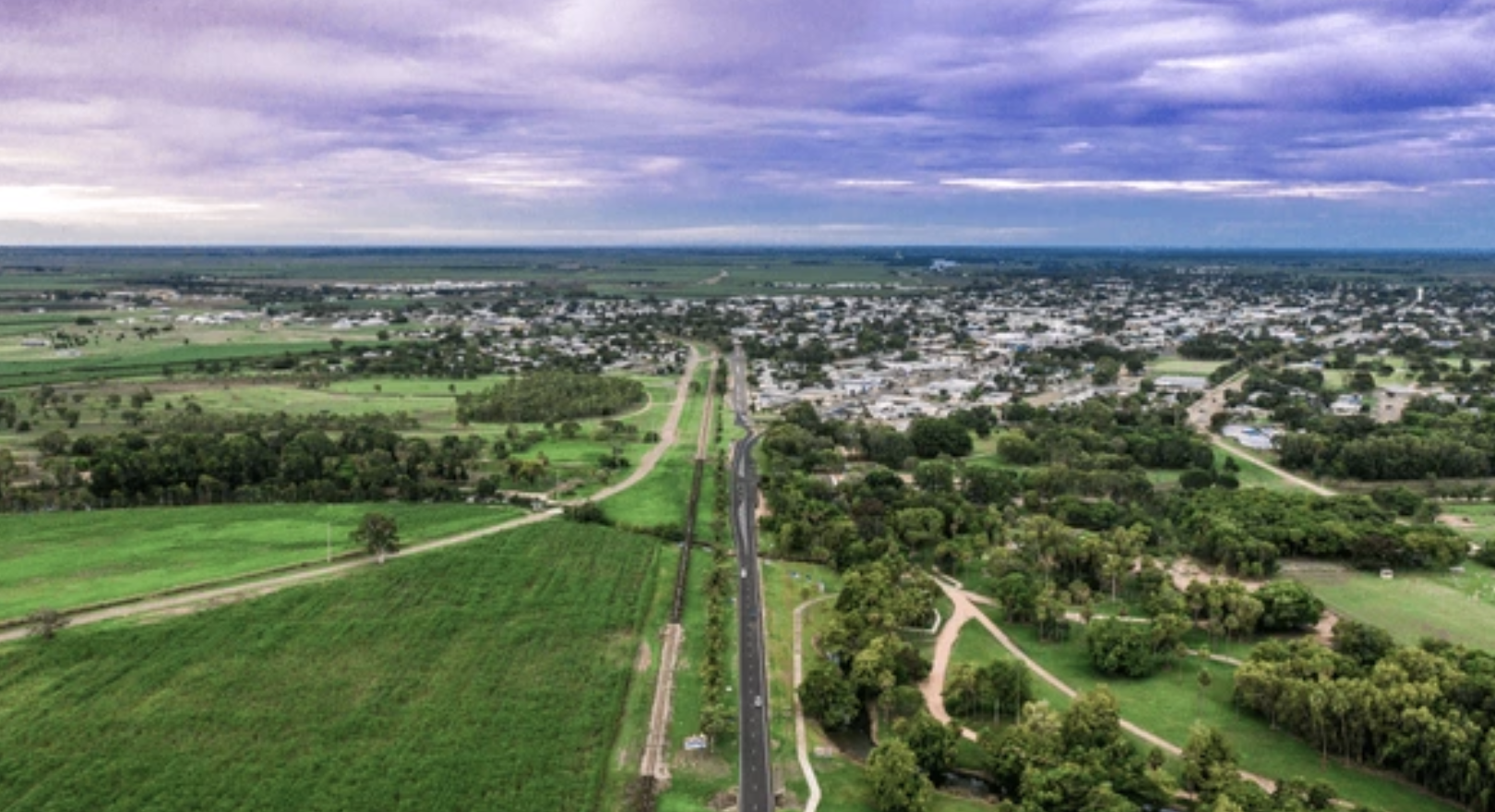
The Burdekin is set to benefit from a major environmental investment, with the Government committing more than $10 million to tackle weeds, feral animals and wildfire threats across North Queensland.
As part of the $117.8 million Natural Resource Management Expansion Program, NQ Dry Tropics will lead three local projects aimed at restoring land condition, protecting wetlands, and safeguarding vulnerable coastal ecosystems — with much of the work centred in the Lower Burdekin.
The program includes $3.7 million to improve 1,450 hectares of grazing land, native vegetation and wetlands in the Lower Burdekin, $4.4 million to strengthen coastal and wetland ecosystems across the broader Burdekin Dry Tropics region, and $1.9 million to support landholders in the Townsville Offshore and Lower Burdekin catchments to manage weeds, feral animals and reduce fire risks.
Minister for Natural Resources and Mines and Member for Burdekin Dale Last said the injection of funding would support both the environment and local jobs.
“This region is especially important to me, and it gives me great pride to deliver for the local community and our natural assets,” Minister Last said.
“Through our $117.8 million Natural Resource Management Expansion Program, the Government is putting local knowledge to work to deliver real results on the ground.
“These NRM organisations are leading the way in safeguarding our natural resources and that’s why we’re proud to support them and invest in Queensland’s future.”
NQ Dry Tropics CEO Dr Scott Crawford said the funding demonstrates strong government backing and will drive practical, collaborative, science-based projects across the Burdekin Dry Tropics region.
"This investment demonstrates strong government backing for NQ Dry Tropics and its sister natural resource management (NRM) groups across Queensland," Dr Crawford said.
"Protecting our environment is a shared responsibility, and the projects we deliver in the region under this funding will be practical, science-based, and founded on strong community partnerships.
"For example, the Fighting Invasive Species Together project will strengthen collaboration between graziers and Traditional Owners to better manage the threat of feral animals and invasive weeds.
"The Climate-Ready Coastlines project will repair high-priority coastal habitats and help protect communities from the impact of flood and fire, and the Climate-Ready Rangelands project will support landholders to improve land condition, productivity and biodiversity on grazing properties.”
The investment marks one of the largest recent boosts to on-ground environmental work in the Burdekin, with long-term benefits expected for local landholders, waterways and wildlife.

As rural communities wrapped up another year of planting, harvesting and hard work on the land, World Soil Day on 5 December offered an important reminder of the quiet powerhouse beneath our feet — the soil that sustains farms, families and entire regions.
Often taken for granted, soil underpins Australia’s agricultural output, contributing around $90 billion to the national economy each year. It’s also one of the most complex living ecosystems on Earth, home to more than a quarter of the planet’s biodiversity. From tiny microbes to earthworms and insects, healthy soil supports life well beyond what we see on the surface.
Globally, an estimated 95 per cent of food production relies directly or indirectly on soil. For rural communities, that makes healthy soil fundamental not just to local farm productivity, but to long-term food security, economic strength and the resilience of regional landscapes.
World Soil Day — a United Nations initiative held annually on 5 December — aims to raise awareness of soil as a vital natural resource. This year’s theme, Healthy Soil for Healthy Cities, highlights the growing connection between rural food production and urban communities that rely on it.
Here in Australia, efforts to protect and improve soil health continue through the National Soil Strategy and National Soil Action Plan — the country’s first long-term national policy dedicated to soil. Backed by more than $90 million in federal investment, these initiatives support soil monitoring, research, information sharing and on-ground programs across farming regions.
Agriculture, Fisheries and Forestry Policy Group Deputy Secretary Matt Lowe said soil remains central to Australia’s prosperity and resilience.
“Soil is an integral part of the Australian landscape,” he said.
“It supports us all, no matter where we live, and provides essential ecosystem and production services that contributes to Australia’s economic, environmental and social wellbeing.
“Soil also has cultural significance, and its health impacts biodiversity, water and air quality, human health and plays a vital role in building resilience to natural disasters and adapting to and mitigating climate change.”
As the wet season approaches and preparations begin for the year ahead, World Soil Day serves as a timely reminder: strong, healthy soil is the foundation on which rural Australia grows — and protecting it benefits communities far and wide.
Healthy soil supports thriving farms and communities across rural Australia (Photo Supplied)

Three Blokes Running’s (TBR) Campbell Johnston, Brayden Rawlins and Austin Dewar have once again closed out another stellar November spent fundraising for the Movember Foundation for the second consecutive year.
Across the past month, the trio set themselves the mission of flipping a deck of cards and completing several mystery challenges like swimming laps in the pool and pushing themselves to the limits in the gym all in the interest of raising funds and awareness for men’s mental health.
Campbell, Brayden and Austin took to social media to share daily vlogs, detailing the challenges they each were putting themselves through, and pushing the message, “it ain’t weak to speak” far and wide. With almost 3,000 followers across Instagram and Tiktok paired with tens of thousands of views, TBR have collaborated with other Movember Foundation Ambassadors and individuals spreading mental health awareness to amplify their message across the country.
“Throughout Movember, we took on mystery challenges, hosted fundraisers, ran raffles, and most importantly, started conversations that matter. Because at the end of the day, that’s what it’s all about: breaking the silence, checking in on your mates, and reminding every bloke out there that it’s okay to not be okay,” shared the boys.
“We’ve seen firsthand how deeply mental health can affect the people around us. That’s why we’re committed to driving the message into our community, sparking honest conversations, raising awareness, and helping build a space where men feel supported to speak up and seek help.”
With the month of November now behind them, the trio have celebrated raising a commendable total exceeding $7,300 for the Movember Foundation, bringing TBR’s lifetime Movember Foundation fundraising total to an outstanding $21,270.
“Every dollar raised and every chat started helps us get one step closer to changing the way we see men’s mental health. Whether you donate, join in a challenge, or simply reach out to a mate, you’re part of this movement with us. Together, we can make a difference.”
Campbell, Austin and Brayden have concluded another month spent fundraising for the Movember Foundation (Photo Credit: Campbell Johnston)
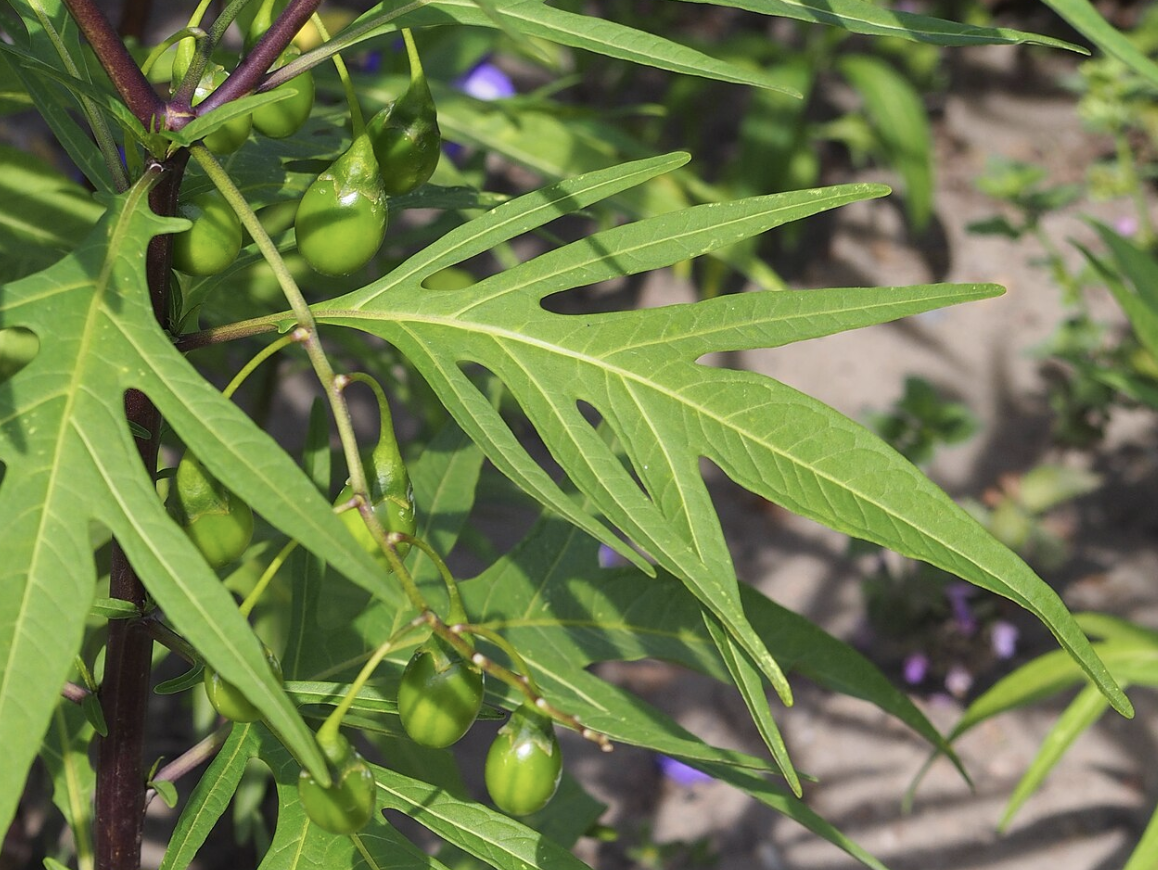
Australia is home to more than 700,000 native plant species, many of which can also be enjoyed as food. Known as bush foods, these plants have long been used by Aboriginal and Torres Strait Islander people for nutrition, medicine, and cultural practices. Here are five edible natives that are both tasty and great for your garden.
Try Them in Your Garden
These edible native plants offer unique flavours and health benefits while supporting local wildlife. If you have space, consider adding them to your garden – they provide food, attract pollinators, and bring a taste of the bush right to your backyard.
Kangaroo Apple (Solanum aviculare) is one of several edible plants you can grow in your own backyard (Photo Supplied)
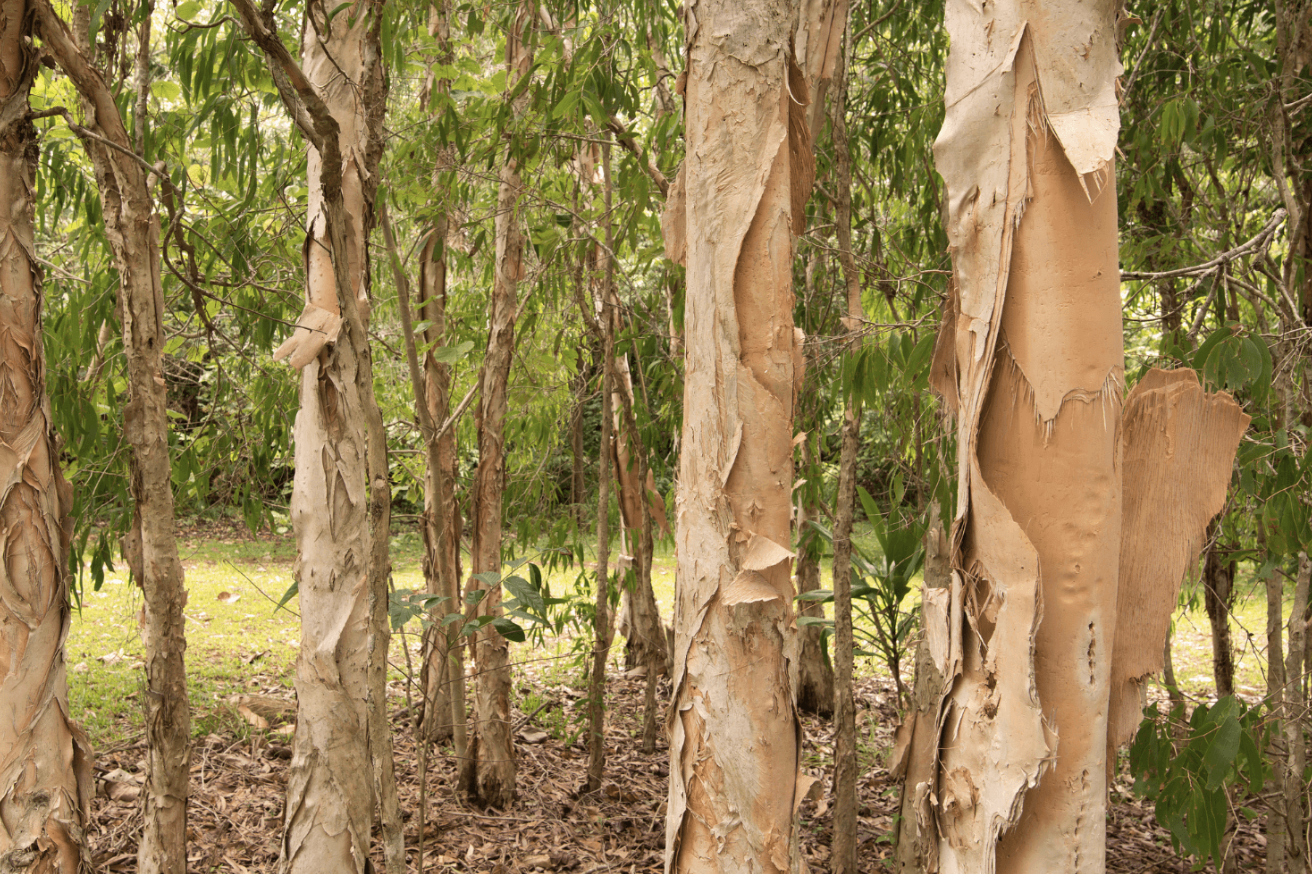
As the Burdekin Shire begins to gear up for another disaster season, residents may once again face the familiar sight of fallen trees, broken branches, and damaged green spaces. Living on the coast, local residents understand cyclones are an annual challenge, with recent storms such as Jasper, Kirrily, and Tiffany serving as reminders, while major events like Cyclone Yasi have taught important lessons about how our landscapes cope.
One key question emerges: are some trees better equipped to survive cyclones than others?
Lessons from Cyclone Yasi
Following Cyclone Yasi in 2011, Greening Australia and local partners surveyed trees in Townsville to understand which species were most wind-resistant. Several natives stood out:
These species share key traits: deep roots, strong central trunks, flexibility, and adaptation to northern Queensland conditions.
What Makes a Tree Cyclone-Resistant?
Tree survival isn’t just about species. Age, structure, root development, and site exposure all matter. Healthy trees with balanced canopies and deep roots are far more likely to withstand high winds. Traits that increase resilience include:
Species That Struggled
Exotic or ornamental trees often suffered heavy damage:
Maintenance Matters Too
No garden is completely cyclone-proof, but proper care makes a difference. Encouraging deep root growth through deep, infrequent watering and reducing excess foliage through pruning helps trees remain upright during storms.
Planning for the Future
In preparation for disaster seasons to come, planting wind-resilient native species can reduce risk, support biodiversity, and help landscapes recover stronger. Landholders and councils are encouraged to:
Building Resilient Landscapes
By learning from past cyclones and choosing the right species, communities and green spaces can survive and thrive in the face of future storms.
The Melaleuca leucadendra (Weeping Paperbark) is an iconic Australian tree and suited for northern Queensland conditions (Photo Supplied)

As Queensland faces another hot summer and storm season, health authorities are warning residents to avoid handling bats found on the ground. Distressed or dead bats may be encountered more frequently during extreme heat or severe weather, and Queensland Health reminds the community that contact can be dangerous.
Bats can carry Australian bat lyssavirus (ABLV), a virus closely related to rabies. While human infection is rare, it is almost always fatal once symptoms develop.
Very hot temperatures or a mix of heat and humidity can cause bats to become heat-stressed and fall to the ground. Storms and strong winds can also disrupt their normal behaviour, causing bats to fall from trees or seek shelter closer to the ground.
Queensland Health advises people not to attempt rescuing or handling distressed or dead bats and to instead contact a trained wildlife rescuer.
Chief Health Officer Dr Catherine McDougall said ABLV can be transmitted to humans through bites, scratches, or saliva, and avoiding contact is the safest approach.
“All bats have the potential to carry ABLV. While transmission to humans is rare, unfortunately, once symptoms appear, there is no known effective treatment,” Dr McDougall said.
“Prevention is key. The safest thing Queenslanders can do is assume any bat they come across could be carrying ABLV and avoid any contact.
“Even if the bat looks dead, do not touch it.
“If the bat appears to need help, call the RSPCA, local wildlife carers or Queensland’s Bat Conservation and Rescue team.
“I’d also encourage parents to remind their children to never touch a bat they find on the ground.”
Dr McDougall said the safest action for people who come across a bat is to keep children and pets away, and, if safe to do so, place a box or washing basket over the bat until a trained and vaccinated handler arrives.
“If you are bitten, scratched, or have contact with bat saliva, wash the area thoroughly with soap and water for at least 15 minutes,” she added.
“Then apply an antiseptic if available and seek medical care as soon as possible for assessment and post-exposure treatment.”
Residents are urged to report injured or distressed bats to:
For medical advice on bites and exposure, call 13 HEALTH (13 43 25 84) for 24/7 guidance from registered nurses. For further information, visit the Queensland Government websites on living with bats and Australian bat lyssavirus.
Distressed or fallen bats are more common during extreme heat and storms - Queensland Health urges people to keep their distance and call trained wildlife rescuers (Photo Supplied)
Saturday PM (1-5pm) Group E - John Moloney PC, Anne Moloney PC, Tramayne Horan PC, Sophia Moloney and Tony Felisina
Sunday AM (9am-1pm) Group B - Terry Lund PC, Kristy Wassmuth PC, Anita Giddy, Heather Scott, Briella Wassmuth and Emilee Wassmuth
Sunday PM (1-5pm) Group D - Ben Lawry PC, Kellie Lawry PC, Bella Lawry, Charlotte Lawry and Lisa Vivian
The Lower Burdekin will see a significant boost in environmental protection efforts, with the Crisafulli Government announcing a suite of locally delivered projects worth more than $10 million to combat invasive weeds, feral animals and wildfire risks across the region. The investment forms part of the government’s $117.8 million Natural Resource Management Expansion Program, billed as a statewide effort to restore land health and support on-country stewardship.
The funding will flow directly to NQ Dry Tropics and is expected to deliver targeted, practical work across coastal zones, grazing country and vulnerable wetlands that support agricultural production, biodiversity and regional resilience.
The program prioritises “boots-on-the-ground action to restore Queensland’s landscapes” and will focus on threat reduction, ecological repair and fire mitigation. The investment includes $3.7 million to improve the condition of 1,450 hectares of grazing land, native vegetation and wetlands across the Lower Burdekin, as well as $4.4 million to reduce landscape pressure from weeds, pests, fire and community disturbance across more than 120 hectares of land and 30 kilometres of waterways. A further $1.9 million will go toward landholder support in the Townsville Offshore and Lower Burdekin catchments through weed control, feral animal management, low-intensity burning, and coordinated fire planning across 2,000 hectares.
Minister for Natural Resources and Mines and Member for Burdekin, Dale Last, said this level of investment was designed to support both the region’s environment and local employment.
“This region is especially important to me, and it gives me great pride to deliver for the local community and our natural assets,” Minister Last said.
He also made clear that the new approach marks a departure from previous government policy.
“During Labor’s decade of decline, Queensland’s Natural Resource Management groups were left high and dry without the meaningful funding they need to support the great work they do across our state. Through our $117.8 million Natural Resource Management Expansion Program, the Crisafulli Government is putting local knowledge to work to deliver real results on the ground. These NRM organisations are leading the way in safeguarding our natural resources and that’s why we’re proud to support them and invest in Queensland’s future.”
NQ Dry Tropics CEO Dr Scott Crawford welcomed the commitment, noting the scale of both the opportunity and the responsibility in a region that covers eight per cent of Queensland.
"This investment demonstrates strong government backing for NQ Dry Tropics and its sister natural resource management (NRM) groups across Queensland," Dr Crawford said.
He emphasised that environmental challenges cannot be managed by any one body alone.
"Protecting our environment is a shared responsibility, and the projects we deliver in the region under this funding will be practical, science-based, and founded on strong community partnerships.”
Dr Crawford highlighted three cornerstone initiatives set to accelerate on-ground outcomes.
"For example, the Fighting Invasive Species Together project will strengthen collaboration between graziers and Traditional Owners to better manage the threat of feral animals and invasive weeds.
"The Climate-Ready Coastlines project will repair high-priority coastal habitats and help protect communities from the impact of flood and fire, and the Climate-Ready Rangelands project will support landholders to improve land condition, productivity and biodiversity on grazing properties."
The investment signals a major, multi-year effort to not only stabilise at-risk landscapes but equip the region’s land managers with the tools needed to respond to escalating climate and biosecurity pressures.
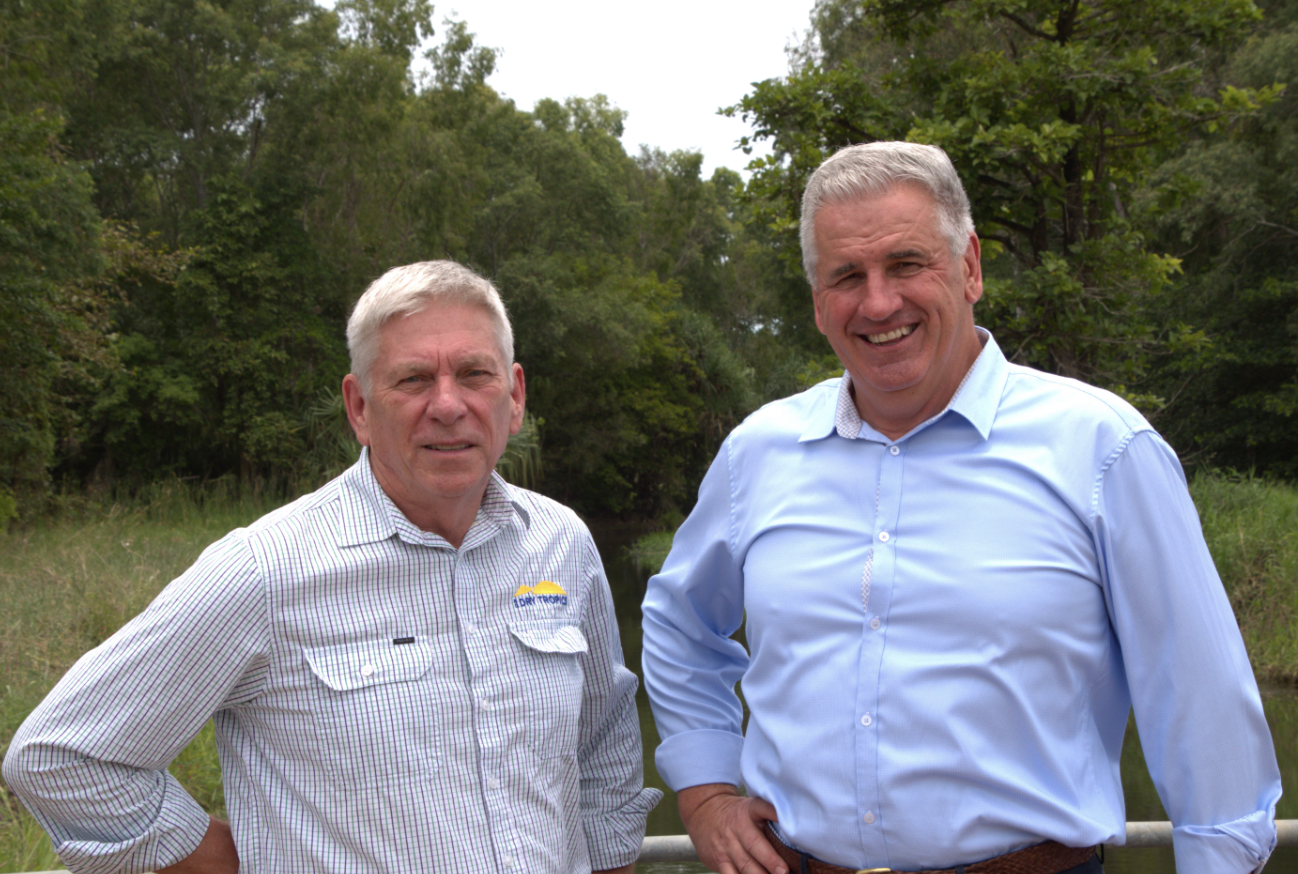
The funding will flow directly to NQ Dry Tropics and is expected to deliver targeted, practical work across coastal zones, grazing country and vulnerable wetlands. Photo supplied
Publishers Indemnity. Any individual or entity that places advertising, supplies copy material, or submits editorial content to Core Life Publishing agrees and undertakes to ensure that all such material:- Does not infringe upon any copyright, trademark, or other intellectual property rights;- Is free from any content that could be considered defamatory, libelous, or slanderous;- Does not infringe upon any rights related to privacy or breach of confidence;- Contains no obscene, indecent, or otherwise unlawful material;- Complies fully with the Trade Practices Act and all other applicable laws, regulations, or statutes.Furthermore, by submitting or placing such material, these individuals or entities agree to indemnify and hold harmless the publisher, Core Publishing and Events Pty Ltd, and/or its agents from and against any and all investigations, claims, demands, liabilities, damages, costs, or judgments arising out of or in connection with the material provided. All material is believed to be accurate at the time of printing and remains the copyright of Core Publishing and Events Pty Ltd.
© 2026 Life Publishing Group Pty Ltd.