
Independently Owned, Locally Grown, Community Loved

By Chelsea Ravizza
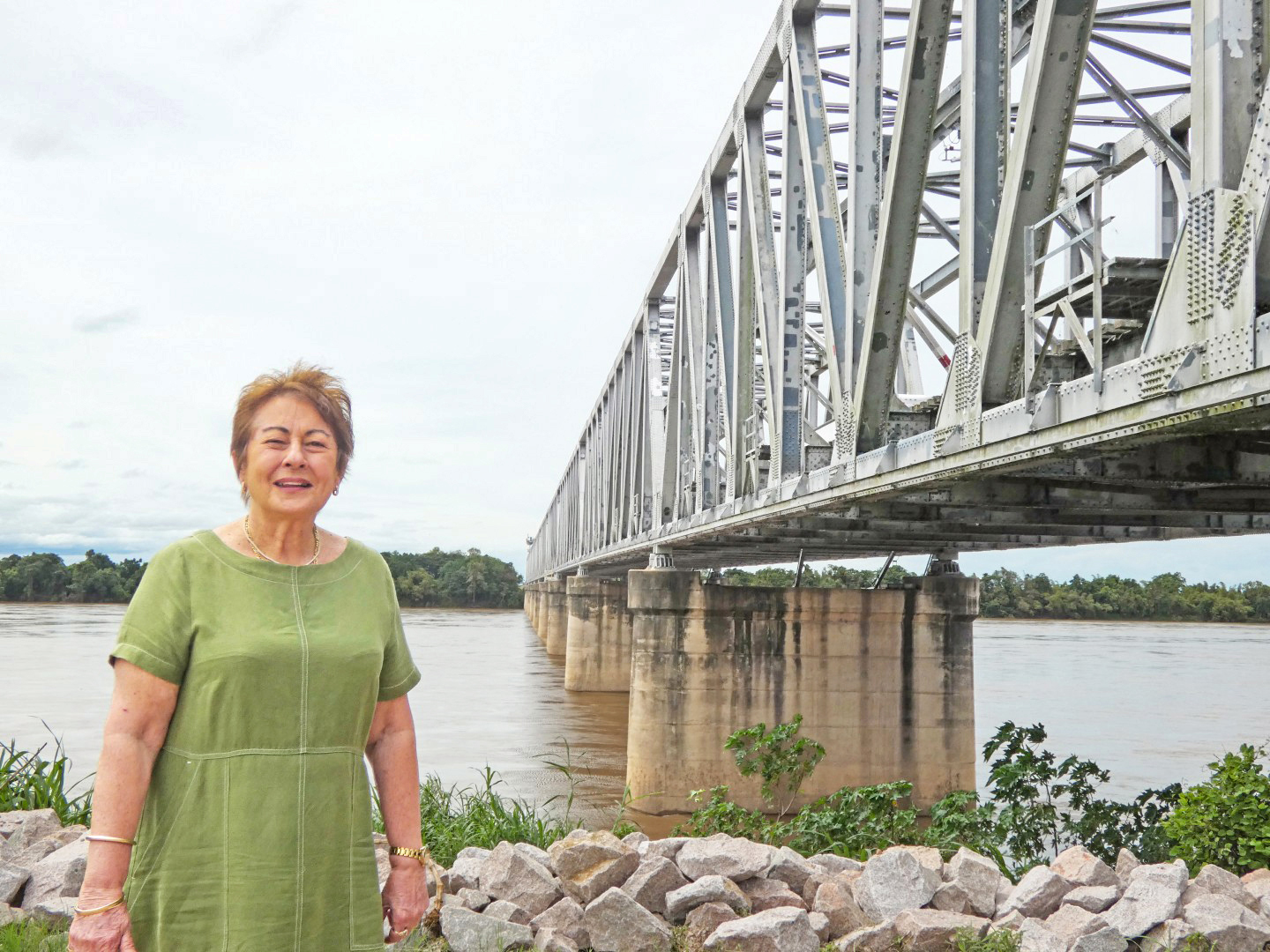
In the aftermath of Tropical Cyclone Koji, the Burdekin Falls Dam, and of course, the iconic Burdekin River have continued to rise, recording extreme levels well over the catchment’s capacity.
Tropical Cyclone Koji was downgraded from Category 2 to a Category 1 weather event overnight on Saturday, the 10th of January before making landfall between Ayr and Bowen around 8am on Sunday, the 11th of January.
In several statements released by emergency services in anticipation of the weekend’s weather, authorities warned of heavy rain and the possibility of storm surges around the Burdekin Shire as well as along the North Queensland coastline stretching from Cardwell to Airlie Beach, noting a high chance of localised flooding.
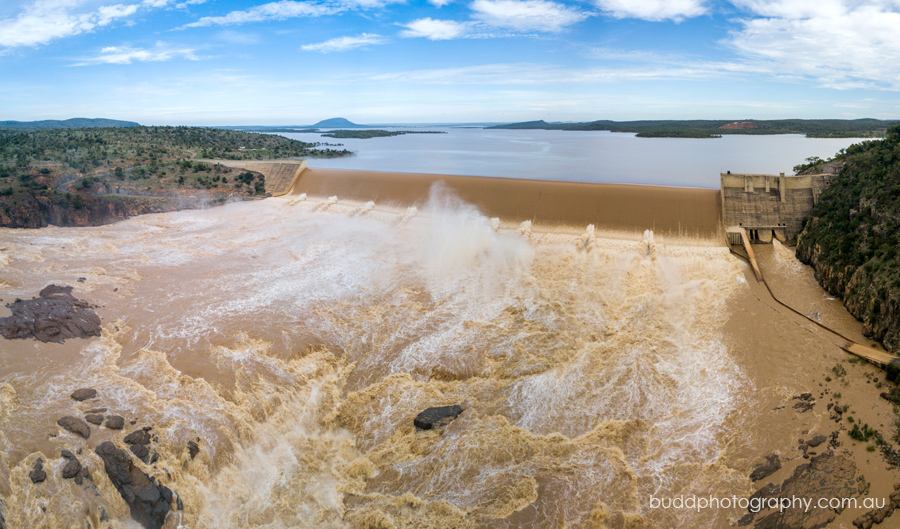
On the evening of Saturday, the 10th of January at approximately 7pm, Sunwater confirmed the Burdekin Falls Dam had reached a current capacity of 120.76 percent, after previously exceeding just over 130 percent capacity on Wednesday, the 7th of January. At 7pm on Sunday, the 11th of January, a capacity exceeding 117.88 percent was recorded, indicating a large portion of the catchment had spilled over to fill the Burdekin River “bank to bank”, posing threats of localised flooding across the district.
Completed in 1987 at a cost of $125 million, the Burdekin Falls Dam, also known as Queensland’s largest dam, sits approximately 175km West of Ayr, holding substantial levels of rainfall collected from inland regions. Major tributaries like the Suttor River and Belyando River contribute to the flow of the catchment, forming the Burdekin River once the dam exceeds capacity.
The Burdekin Falls Dam’s historical capacity remains 221.15 percent, which was recorded in 1991, following significant rainfall and flooding caused by the remnants of Severe Tropical Cyclone Joy.
Over the past 39 years, several investments and improvement projects have been proposed and implemented to upgrade the mighty foundation.
In September of 2024, the Burdekin Falls Dam Raising and Improvement Project was put forward, proposing a two-metre raise of the wall alongside safety improvements to increase the water supply and long-term viability. Subject to approvals, and deliberations with the Queensland Government, construction will begin on the project in 2027 to increase the dam’s storage capacity by 574,240 megalitres, boosting the maximum capacity to an estimated 2,434,240 megalitres.
An independent assessment found that water demand is expected to exceed current supply by 2031 and that a two-metre raise is the most cost-effective option to ensure long-term water security for agriculture, industry, urban use and the emerging hydrogen sector, while also meeting modern flood safety and design standards.
While a two-metre raise would meet projected water demand until at least 2050, the design would still allow for future dam raising or additional improvement projects if required.
Beyond water storage, the Burdekin Falls Dam plays a critical role in flood mitigation by capturing and regulating large volumes of runoff during major rainfall events, significantly reducing downstream flood peaks and helping to protect communities, farmland and infrastructure across the Burdekin Shire.
Sunwater continues to encourage residents living near the Burdekin Dam to download their free application to receive timely updates and stay informed on dam operations, particularly during periods of heavy rainfall and possible flooding. Additional details can be found online at www.sunwater.com.au.
The Burdekin Falls Dam often reaches extreme capacity levels during periods of heavy rainfall. Photo credit: Budd Photography
Publishers Indemnity. Any individual or entity that places advertising, supplies copy material, or submits editorial content to Core Life Publishing agrees and undertakes to ensure that all such material:- Does not infringe upon any copyright, trademark, or other intellectual property rights;- Is free from any content that could be considered defamatory, libelous, or slanderous;- Does not infringe upon any rights related to privacy or breach of confidence;- Contains no obscene, indecent, or otherwise unlawful material;- Complies fully with the Trade Practices Act and all other applicable laws, regulations, or statutes.Furthermore, by submitting or placing such material, these individuals or entities agree to indemnify and hold harmless the publisher, Core Publishing and Events Pty Ltd, and/or its agents from and against any and all investigations, claims, demands, liabilities, damages, costs, or judgments arising out of or in connection with the material provided. All material is believed to be accurate at the time of printing and remains the copyright of Core Publishing and Events Pty Ltd.
© 2026 Life Publishing Group Pty Ltd.



.jpg)
