
Independently Owned, Locally Grown, Community Loved

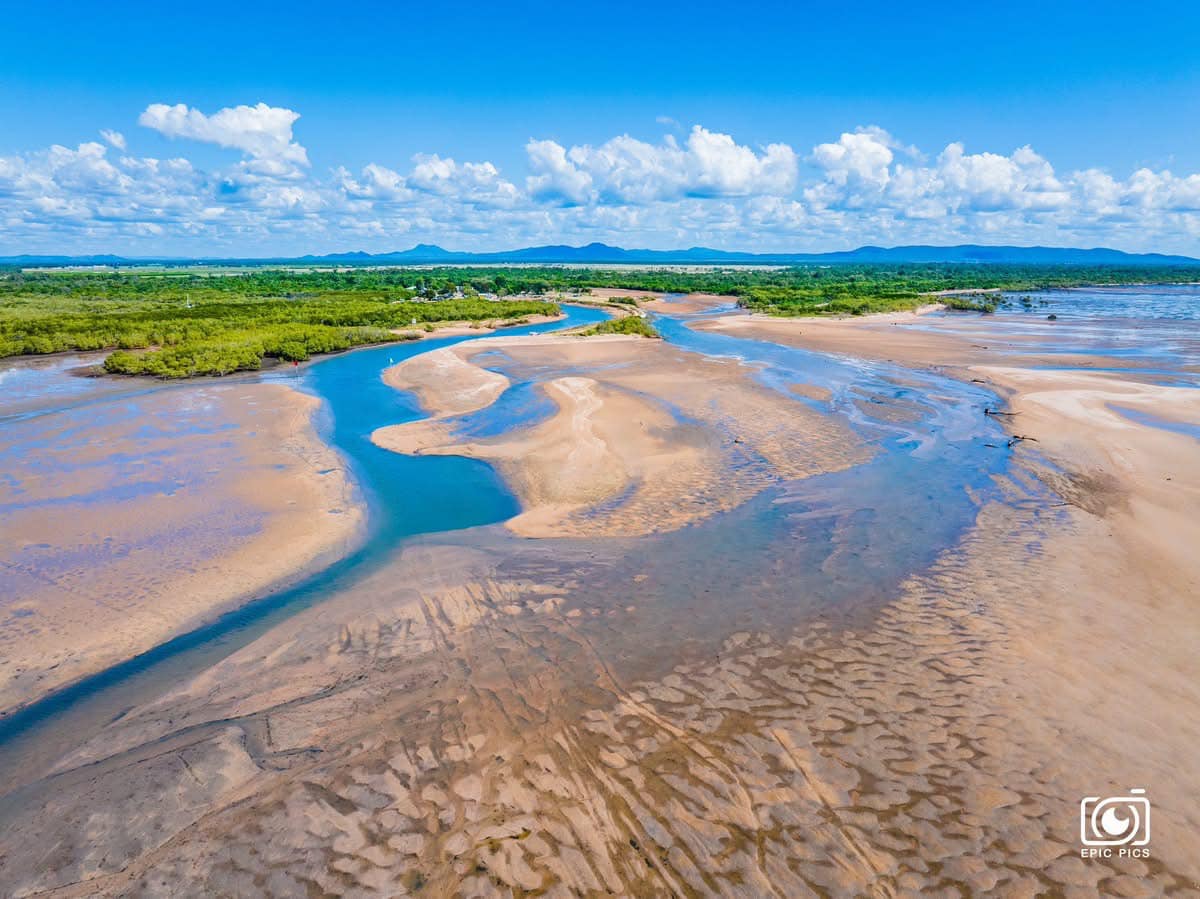
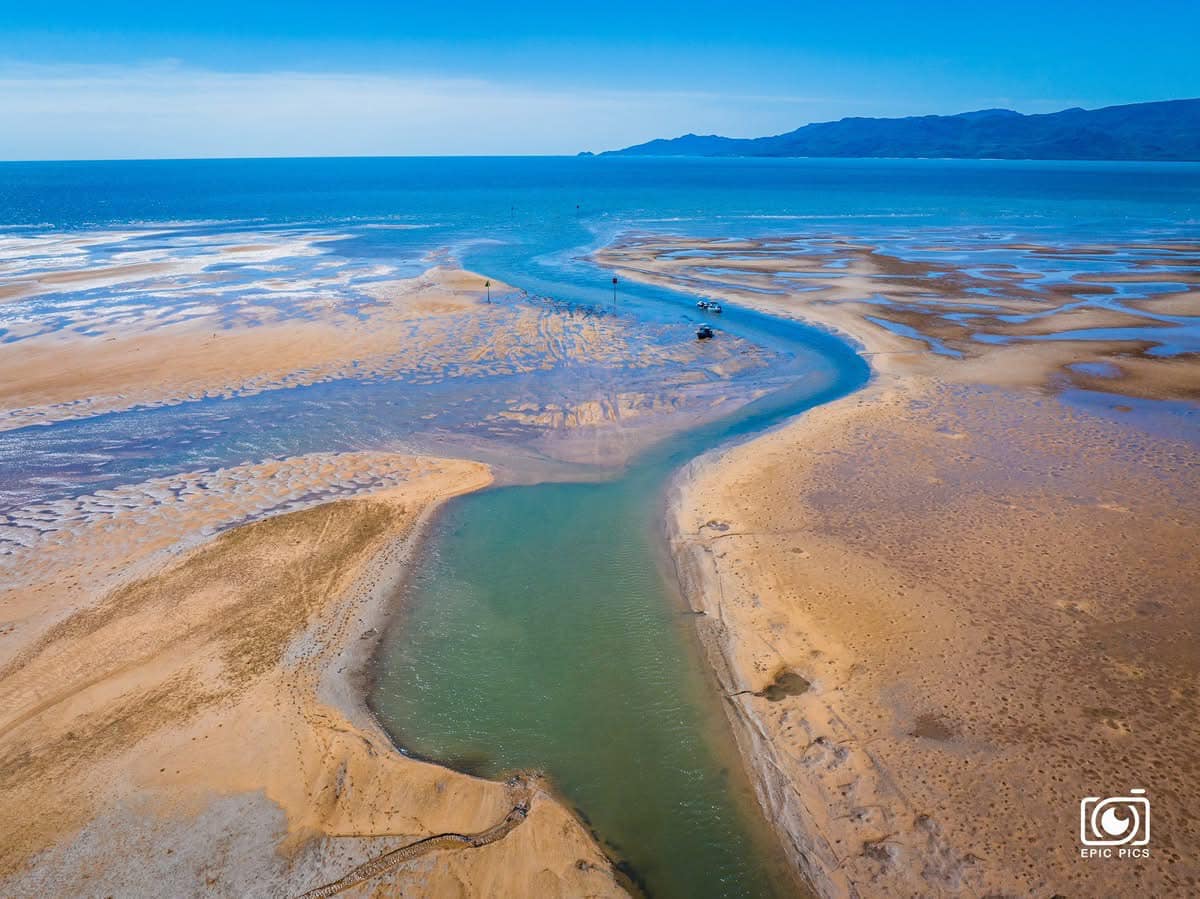
Residents across the Burdekin and Whitsunday Shires, alongside the Molongle Creek Boat Club Inc. (MCBC) and the wider Cape Upstart community are calling on the State Government to honour its 2021 commitment to provide and maintain all-tide access at Molongle Creek.
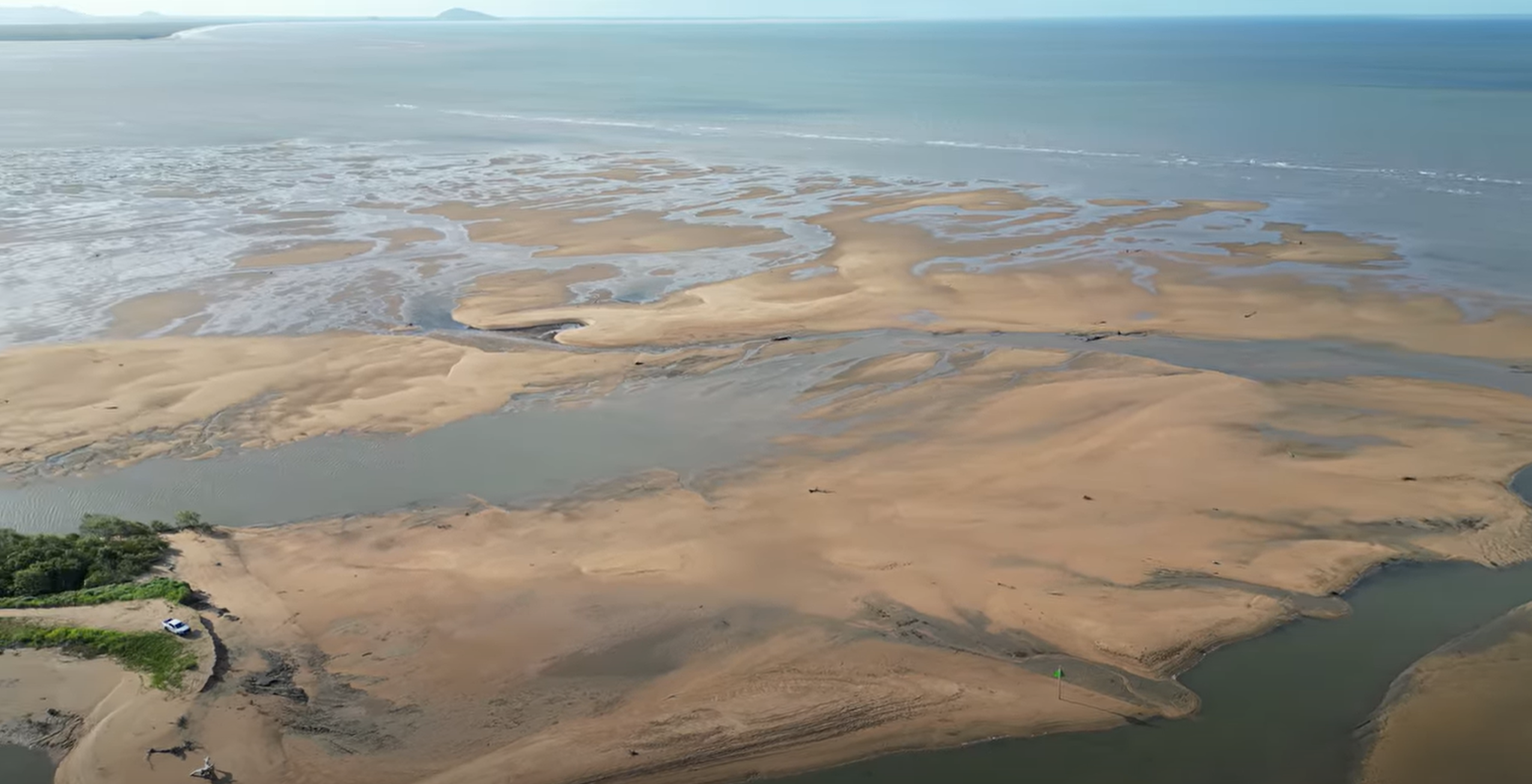
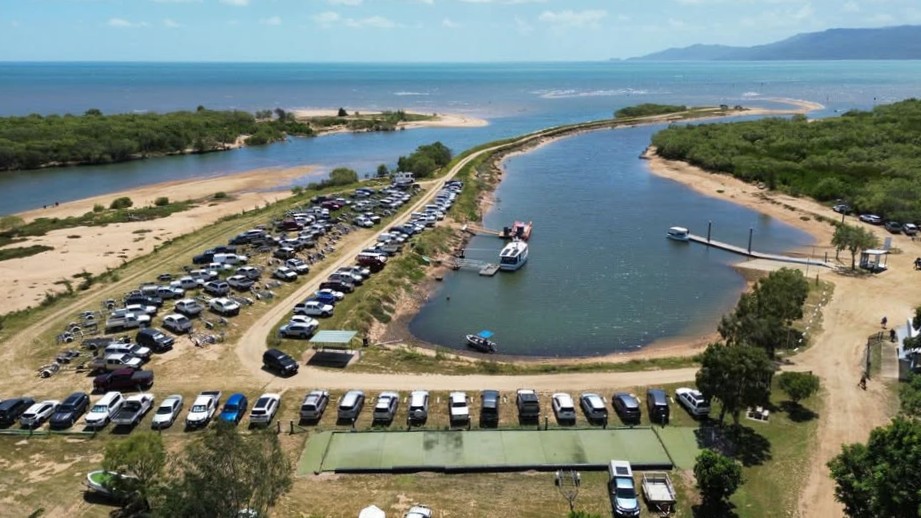
The Molongle Creek access channel is the only marine gateway to Cape Upstart, home to approximately 240 private properties that are accessible by sea only. Despite decades of volunteer investment and a formal handover to the government, thousands of locals are pushing for action, stressing the integral role the channel plays in connecting Cape Upstart with essential services and access to the mainland. Surveys have exhibited 15,000 to 20,000 vessels annually utilise the channel, which includes locals, visitors, fishers and caravan park users.
Despite its importance, locals say the channel no longer provides reliable all-tide access, contrary to commitments made during the 2016 state election and formalised during a 2021 handover.
“The lack of all-tide access severely restricts people’s access to their properties at Cape Upstart,” highlighted Molongle Creek Boat Club Commodore, Ken Betteridge.
Currently, there’s no alternative all-tide public boating access between Townsville and Bowen, making Molongle Creek critical regional infrastructure.
A Facility Built by Volunteers
The Molongle Creek Boat Club (MCBC) was formed in 1962, with the aim of improving boating access for both members and the wider public. Over the past several decades, the facility has been developed and maintained almost entirely through volunteer labour, private funding and club-owned machinery.
Early attempts to maintain access involved reshaping natural channels, with club members using dozers, excavators and, in some cases, explosives to create viable passage through shifting sands. When those efforts failed due to natural sediment movement, the club established the current channel alignment, again through volunteer work.
MCBC volunteers have carried out annual maintenance for years using a Komatsu swamp dozer owned by the club, however, increasing environmental restrictions, permit changes and rising costs eventually made self-maintenance untenable.
Election Promise and Handover
In the lead-up to the 2016 state election, both major parties committed to delivering an all-tide access channel at Molongle Creek. That commitment culminated in a tri-party Deed of Agreement between the State Government, Whitsunday Regional Council and the Molongle Creek Boat Club.
As part of the agreement, the club was required to surrender its lease and gift all sea- and land-based assets to the State and Local Government, allowing public funds to be spent on the facility. A formal valuation placed the value of those assets at $2.84 million.
In 2021, the Molongle Boating Facility was officially handed over to State Government control, with the expectation government would develop and maintain the all-tide access channel, boat ramps, pontoon and trailer parking in line with other public boating facilities across Queensland.
Design Concerns and Infill Issues
According to long-standing club members, concerns were raised during the design phase that the chosen alignment would be vulnerable to flooding and sediment infill from Molongle Creek, particularly during wet seasons. Locals advocated for an alternative alignment further east, or the construction of a protective bund wall to shield the channel from flood flows.
Those concerns, they say, were ignored.
“Molongle Creek Boat Club’s lobbying secured funding for an all-tide channel, however, due to various government departments, the placement of the channel was restricted to where it is now,” Mr Betteridge said.
“The choice presented to us was a channel where it is – or was – or no channel at all. We knew it would be problematic, but MCBC had no choice but to accept. There’s been a lot of money spent, and the result is disappointing to say the least.”
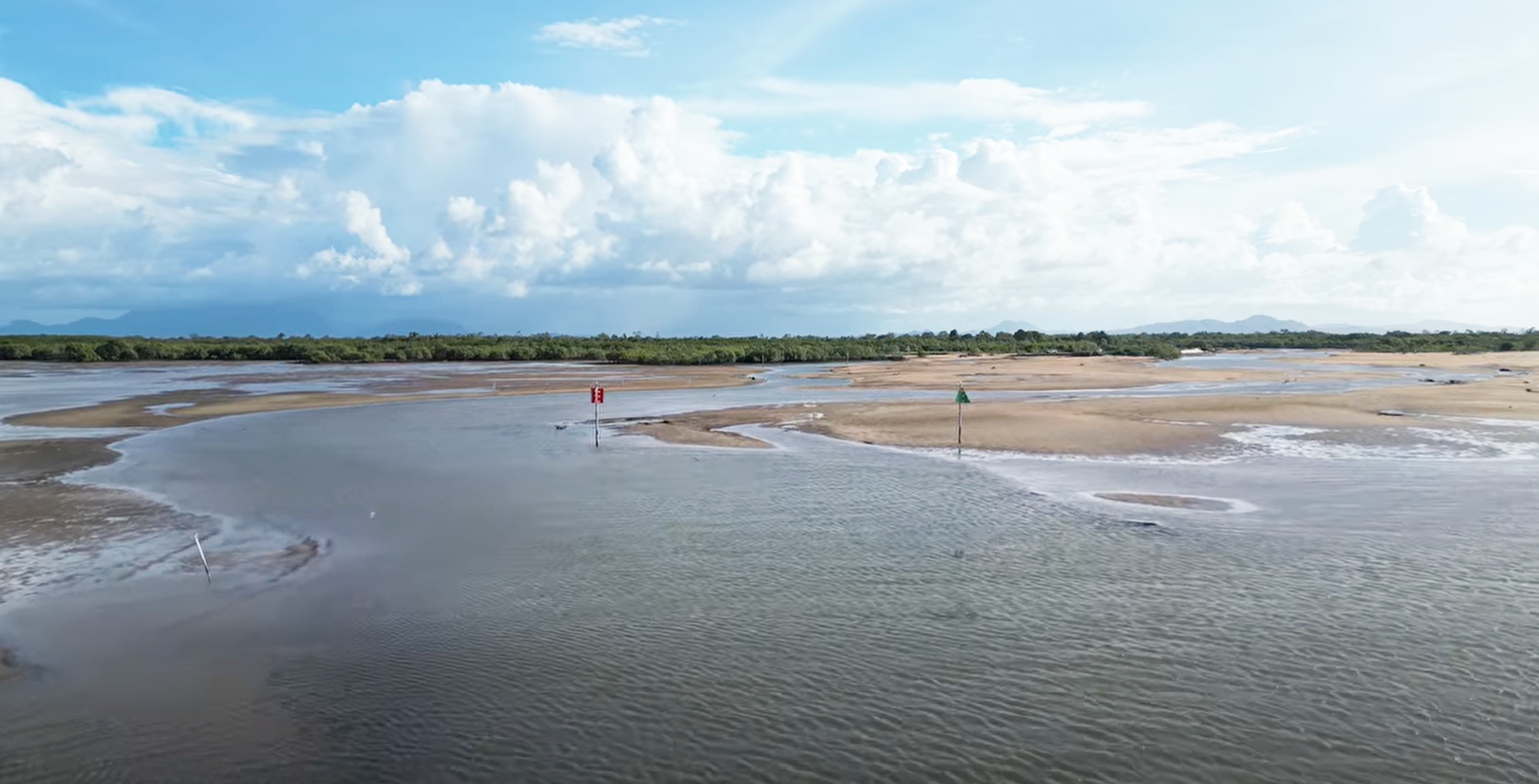
Within months of the channel’s completion, wet-season flooding filled the channel with sediment, significantly reducing depth. While bed levelling in 2022 and 2023 temporarily improved access, a major wet season in 2024 again rendered the channel largely unusable. No maintenance funding has been allocated since.
As a result, access windows have narrowed dramatically. Club members say the channel was once usable on a 1.7-metre tide; now, small vessels require tides of 2.4 metres or higher, eliminating daylight access on many days.
“All-tide access?” one local asked. “It’s anything but.”
Safety Concerns Escalate
The lack of reliable access has raised serious safety concerns, particularly given the demographics of Cape Upstart and peak holiday periods when usage surges.
Over the years, residents have been forced to transport injured or ill people by boat to meet ambulances at Molongle Creek, but only when tides allow. When tides are out, emergency helicopters have been relied upon, though they are not always available.
“Over the years, there have been quite a few medical incidences where the access to Molongle Creek was tidally available – if no tide, the emergency helicopter was luckily available,” said Mr Betteridge.
In one recent incident, two young boys were stung by Irukandji jellyfish at Kingfish Bay, however, fortunately, the tide allowed access back through Molongle Creek, yet locals say the outcome could have been far worse had the tide been out.
After Ex-Tropical Cyclone Koji, Maritime Safety Queensland (MSQ) crews conducting welfare checks were forced to use Wallace’s Creek instead of Molongle due to the channel’s condition, a longer, more exposed and potentially dangerous route.
A spokesperson for the State Emergency Service said the agency remained committed to community safety.
“The State Emergency Service (SES) is committed to working with the Molongle Creek and Cape Upstart communities to provide essential services to the region and maintaining community safety,” the spokesperson said.
“The SES operates within a broader disaster management framework and works closely with partner agencies to deliver safe and effective responses to the community during severe weather events.”
Calls for Practical Solutions
The Molongle Creek Boat Club maintains that solutions already exist. Chief among them is the construction of a bund or barrier wall, either from rock or geotextile bags filled with dredged sand, a method already proven at the site, where a small geotextile wall has successfully reduced infill for more than 25 years.
Club members argue such a barrier would significantly reduce sediment movement, extend the time between dredging cycles and deliver the year-round access originally promised.
“There are approximately 240 dwellings at Cape Upstart that use molongle Creek as their main, and only access port – a 365 day all-tide access channel will definitely improve the safety of the whole community,” said Mr Betteridge.
“We need a bund wall sooner rather than later, and MCBC along with the bulk of the public community know that a bund wall is the only solution to keep the channel open 365 days a year.”
Local State Member for Burdekin, Dale Last, said responsibility for the failed delivery rested with the former government.
“The former government went to the 2017 election with a commitment to provide all-tide access at Molongle Creek. The unfortunate reality is that they failed to deliver on their promise,” Mr Last said.
“I have supported the campaign for all-tide access since the very beginning, largely based on the need to be able to respond to emergencies quickly, rather than waiting for tides. The assurance that I have given, and stand by, is that I will continue to work with stakeholders for a better outcome for all users of Molongle Creek.”
He said concerns raised by the boat club during the design phase were ignored.
“Promises were made and expectations were built on those promises. Clearly those expectations were not met and, clearly, the promises made were broken.”
Mr Last acknowledged ongoing challenges related to permits and environmental approvals but said Maritime Safety Queensland had committed to working with stakeholders on a long-term management strategy.
“There are a range of issues affecting the ability to undertake maintenance at Molongle Creek. If the input from the Molongle Creek Boat Club was given the attention it deserved, many of the issues we face today would not exist,” he said.
“Despite the challenges, the Club has been given a direct commitment that Maritime Safety Queensland will work closely with them and key stakeholders to develop and implement a long-term management strategy.”
Federal Member for Dawson, Andrew Willcox, said the Molongle Creek boating facility was a vital piece of infrastructure for the Cape Upstart community and regional boaters, particularly for emergency access.
“The Molongle Creek boating facility is a vital piece of infrastructure for the Cape Upstart community and regional boaters; it is especially significant for safety, as Volunteer Marine Rescue and residents rely on this channel for emergency transport.”
Mr Willcox said the channel continued to face natural challenges due to its geographic location.
“The Molongle Creek Channel currently faces ongoing challenges due to its geographic location: the flow at the mouth of the creek frequently causes sand to accumulate and choke the channel.”
He said responsibility for maintaining the facility had shifted to the State Government during his time as Whitsunday Mayor, and that a permanent engineering solution was needed.
“During my time as Whitsunday Mayor, the State Government assumed responsibility for the maintenance of this facility to ensure its continued operation.”
“In my assessment, a permanent infrastructure solution is required to address the siltation issues: this would involve installing sheet piling or a rock wall to protect the channel and keep it open. Such a project would require a long-term engineering solution rather than relying on temporary measures.”
Mr Willcox said while boating infrastructure was primarily a State responsibility, there was scope for federal involvement once preliminary work was completed.
“While boating infrastructure is primarily a State Government responsibility, there is an opportunity for federal advocacy once the preliminary work is completed.”
“Once the State Government has finalised a design and secured the necessary Council and State approvals, I am prepared to facilitate discussions with the Great Barrier Reef Marine Park Authority (GBRMPA) which falls under federal jurisdiction to expedite the permits and approvals that are required to undertake the work.”
He said he would pursue federal funding once a design and costings were finalised.
“Once a design and a plan have been costed, I will investigate all available federal funding opportunities to support the upgrades. My priority is to ensure that this facility remains a safe and reliable marine access point for everyone in our region.”
Mr Willcox also acknowledged the advocacy efforts of the Molongle Creek Boat Club.
“The Molongle Creek Boat Club is a proactive organisation and I am committed to assisting it in achieving a long-term solution.”
Local State Member for Whitsunday, Amanda Camm, was contacted for comment but did not respond by deadline.
MSQ Acknowledge Challenges
A spokesperson for Maritime Safety Queensland confirmed the channel continues to be impacted by natural processes.
“The Molongle Creek access channel continues to experience sand shoaling from natural flood flows,” the spokesperson said.
“Maritime Safety Queensland is developing long-term management options in consultation with stakeholders.”
Community Patience Wearing Thin
Members of the Molongle Creek Boat Club, the broader Cape Upstart community as well as residents within the Burdekin and Whitsunday Shires understand the issues surrounding the channel have evolved to no longer be focused on future planning, but about honouring the promises already made.
After more than six decades of volunteer stewardship and a multi-million-dollar asset handover, locals say they are simply asking for what was agreed to; a safe, reliable all-tide access channel.
As one member of MCBC put it, “We carried this facility for decades. Now we’re asking the government to carry out its commitment.”
Publishers Indemnity. Any individual or entity that places advertising, supplies copy material, or submits editorial content to Core Life Publishing agrees and undertakes to ensure that all such material:- Does not infringe upon any copyright, trademark, or other intellectual property rights;- Is free from any content that could be considered defamatory, libelous, or slanderous;- Does not infringe upon any rights related to privacy or breach of confidence;- Contains no obscene, indecent, or otherwise unlawful material;- Complies fully with the Trade Practices Act and all other applicable laws, regulations, or statutes.Furthermore, by submitting or placing such material, these individuals or entities agree to indemnify and hold harmless the publisher, Core Publishing and Events Pty Ltd, and/or its agents from and against any and all investigations, claims, demands, liabilities, damages, costs, or judgments arising out of or in connection with the material provided. All material is believed to be accurate at the time of printing and remains the copyright of Core Publishing and Events Pty Ltd.
© 2026 Life Publishing Group Pty Ltd.




.jpg)
.jpg)