Independently Owned, Locally Grown, Community Loved
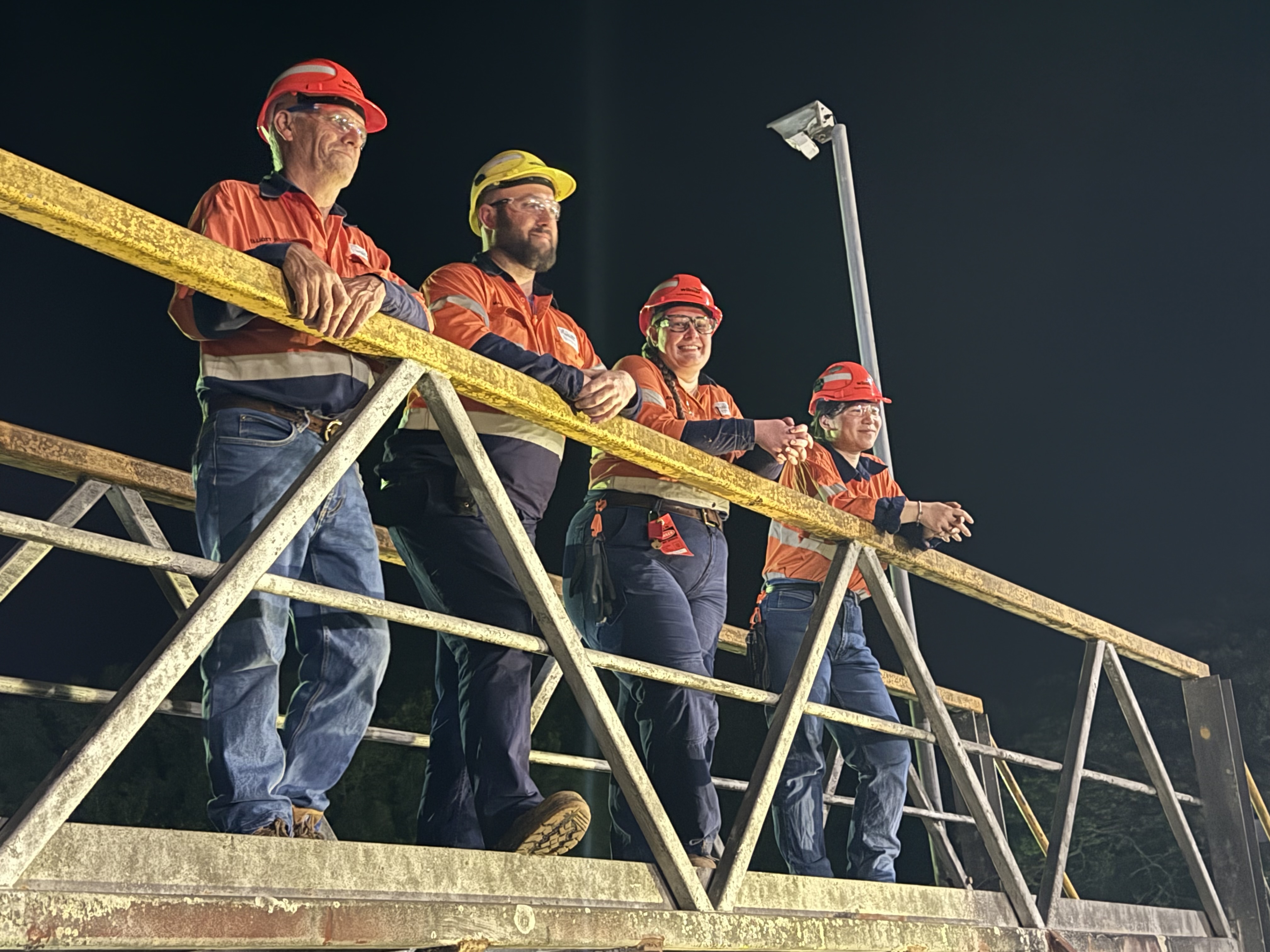


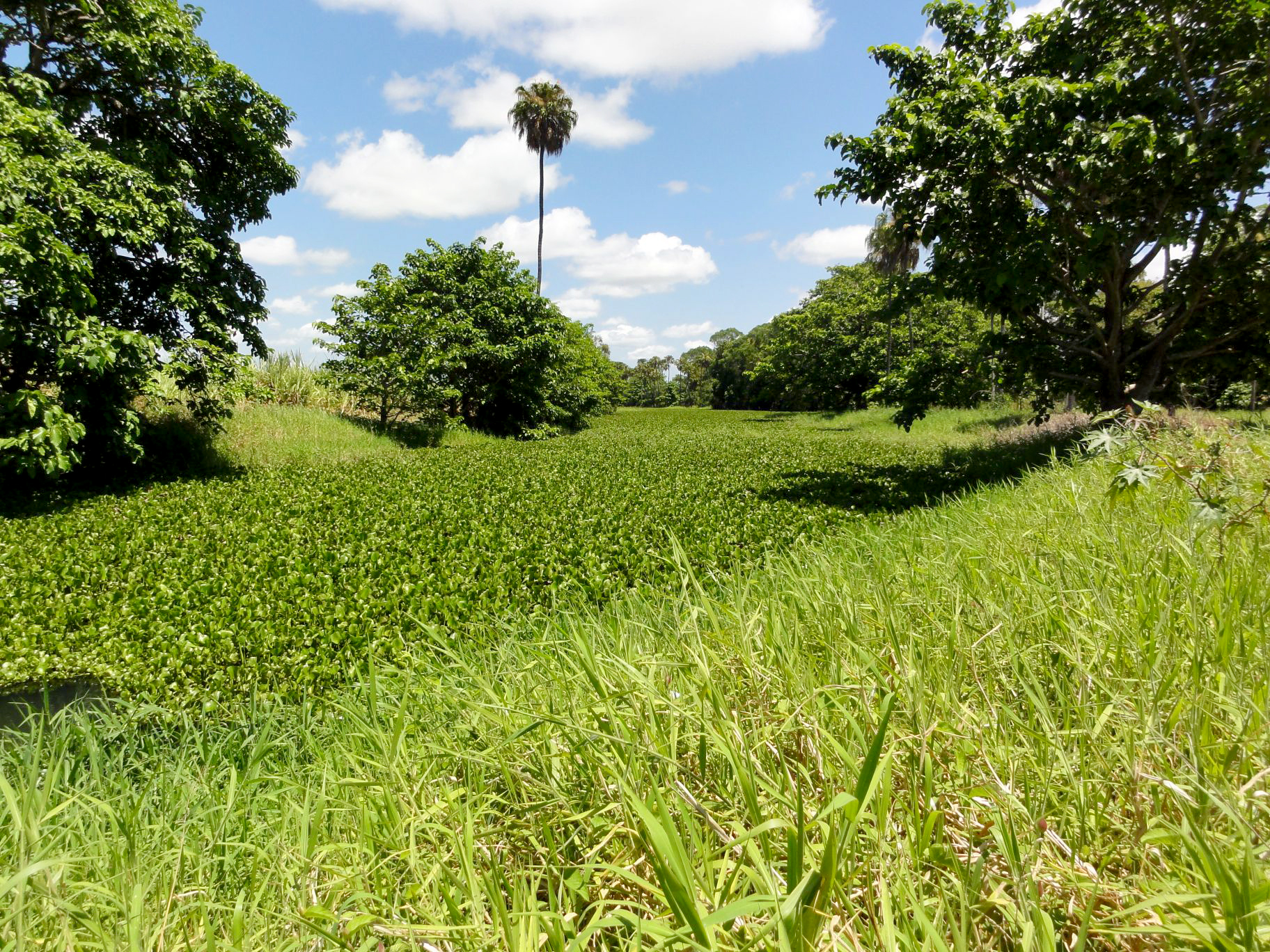
The NQ Dry Tropics-led Working Wetlands in the Burdekin Delta (WWBD) project has so far seen wetlands at Sheepstation, Plantation and Kalamia creeks cleared of invasive weeds. Photo credit: NQ Dry Tropics
Restoration work is underway across three Burdekin Delta creeks as part of a major wetlands project aimed at reducing pollutants entering the Great Barrier Reef lagoon.
The NQ Dry Tropics-led Working Wetlands in the Burdekin Delta (WWBD) project has so far cleared invasive weeds from wetlands at Sheepstation, Plantation and Kalamia creeks as part of broader efforts to reduce fine sediment, dissolved inorganic nitrogen and pesticides reaching the Reef.
According to the Australian Government’s 2024 Great Barrier Reef Outlook Report, the Burdekin River catchment is the largest individual contributor of fine sediment, delivering about 3.7 million tonnes. It also contributes significant particulate nitrogen and phosphorus loads.
NQ Dry Tropics Wetlands Team Leader Scott Fry said combining on-ground works with monitoring, modelling and training would help the WWBD project deliver measurable reductions in pollution and improve wetland health.
“Waterways in the Burdekin Delta are both productive agricultural systems and vital ecological assets,” Mr Fry said.
“Healthy, well-functioning wetlands are naturally able to capture and process pollutants before they reach the Reef.
“We aim to demonstrate the effectiveness of scalable, long-term management practices that balance agricultural productivity with environmental outcomes.”
Work will employ a multi-step “treatment train” approach which focuses on improving wetland health, increasing water use efficiency to reduce excess flows into creeks, and trialing new water treatment methods.
It will also involve harvesting aquatic weeds to remove stored nutrients and improve fish and bird habitat, revegetating creek banks with native plants and improving fire management practices.
Weeds harvested will be turned into compost for use on local farms.
The WWBD project will be delivered in conjunction with Lower Burdekin Water, Burdekin Shire Council and Bindal Traditional Owners, with funding from the Australian Government’s Reef Trust program.
It will complement work with Burdekin Delta cane growers to improve irrigation efficiency under NQ Dry Tropics’ Burdekin Tailored Automation project, a broader endeavour which aims to reduce agricultural runoff to waterways while improving farm efficiency.
Publishers Indemnity. Any individual or entity that places advertising, supplies copy material, or submits editorial content to Core Life Publishing agrees and undertakes to ensure that all such material:- Does not infringe upon any copyright, trademark, or other intellectual property rights;- Is free from any content that could be considered defamatory, libelous, or slanderous;- Does not infringe upon any rights related to privacy or breach of confidence;- Contains no obscene, indecent, or otherwise unlawful material;- Complies fully with the Trade Practices Act and all other applicable laws, regulations, or statutes.Furthermore, by submitting or placing such material, these individuals or entities agree to indemnify and hold harmless the publisher, Core Publishing and Events Pty Ltd, and/or its agents from and against any and all investigations, claims, demands, liabilities, damages, costs, or judgments arising out of or in connection with the material provided. All material is believed to be accurate at the time of printing and remains the copyright of Core Publishing and Events Pty Ltd.
© 2026 Life Publishing Group Pty Ltd.



.jpg)