Independently Owned, Locally Grown, Community Loved


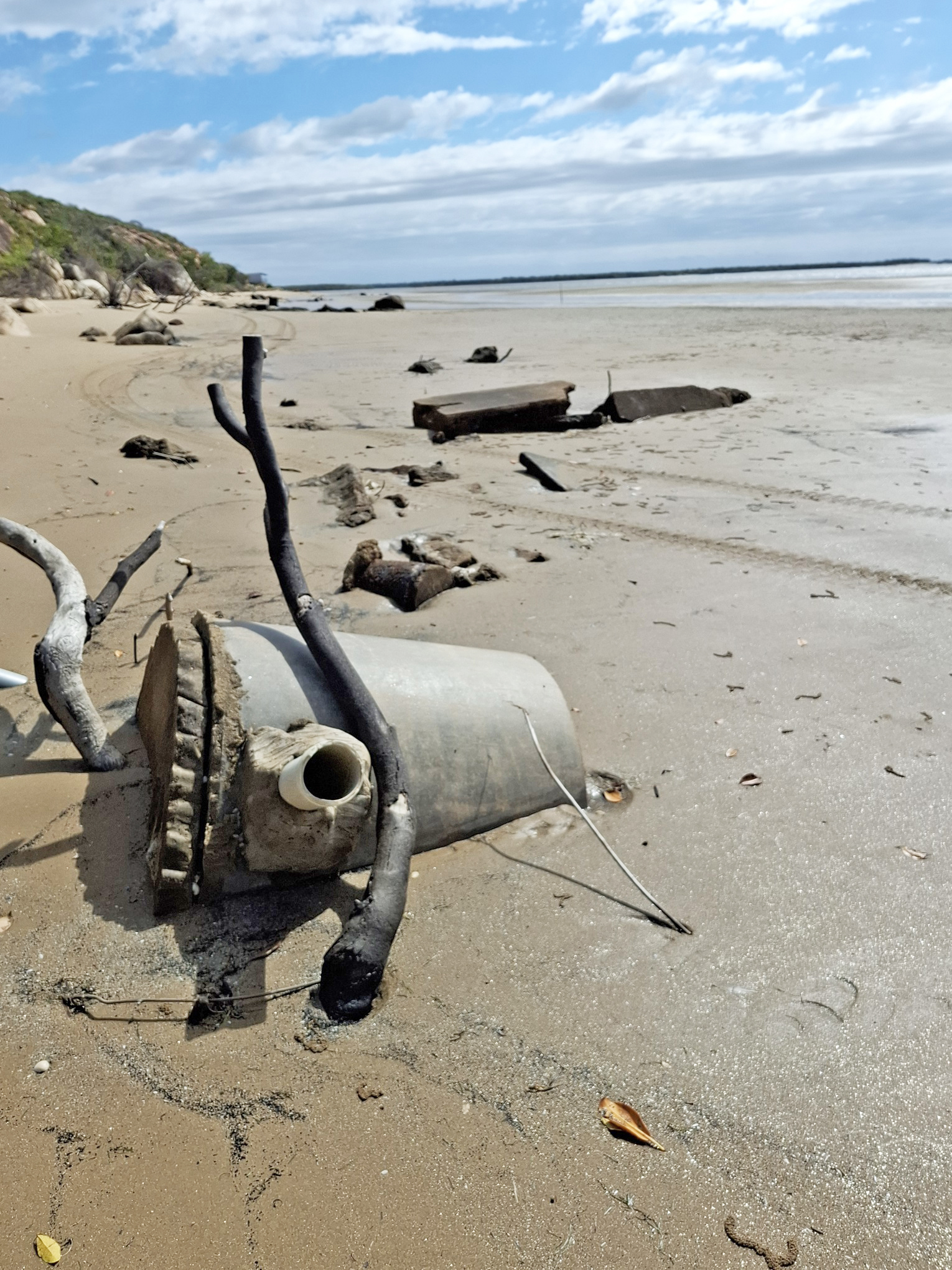
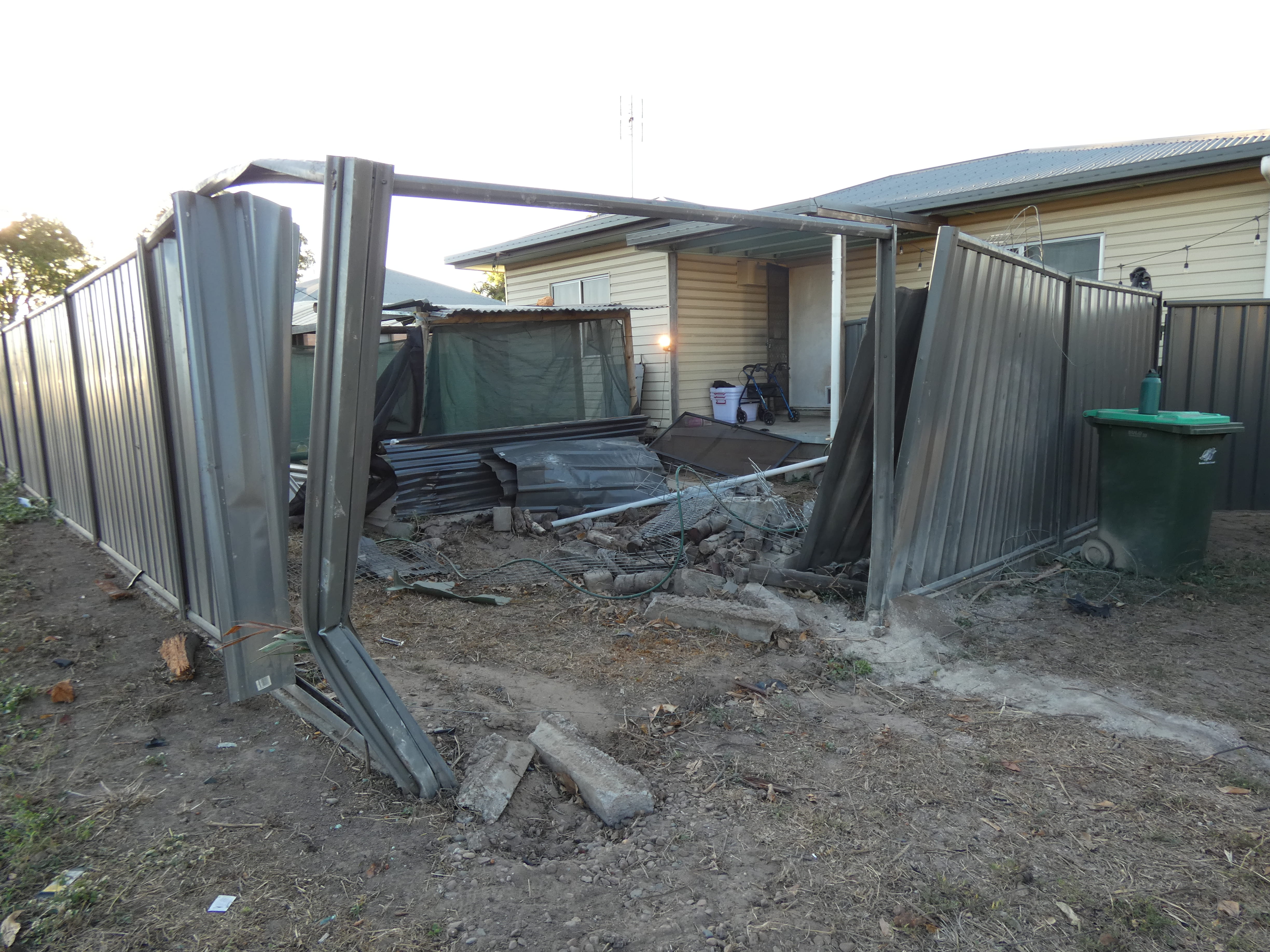
Wunjunga Beach is set for a $100,000 clean up more than a year after record-breaking floods left the coastline littered with debris. Photos supplied by Burdekin Shire Council
Wunjunga Beach is set for a $100,000 clean up more than a year after record-breaking floods left the coastline littered with debris.
The funding, announced last week, is part of a joint State and Federal Government package aimed at revitalising North and Far North Queensland communities hit by the January 2025 tropical low.
Burdekin Shire Council will use the funds to hire contractors to remove and dispose of exposed debris—including fallen trees, large trunks, scattered rock and rubble—that has remained on the beach since the floods.
Burdekin Shire Council Mayor Pierina Dalle Cort said addressing Wunjunga was “essential,” citing safety risks posed by the “significant volume” of exposed debris at the popular tourist spot.
“Wunjunga Beach is a popular destination for locals and travellers, particularly given its accessibility from the Bruce Highway,” she said.
“Restoring the beach to a safe and natural condition supports ongoing recreational use and enhances the visitor experience, which in turn contributes positively to tourism across the Burdekin.”

Jointly funded by state and federal governments under Disaster Recovery Funding Arrangements (DRFA), the project is expected to be completed well before the approved program deadline of 31 March 2027.
Mayor Dalle Cort said coastal areas like Wunjunga play a vital role in community wellbeing and environmental health.
“Maintaining these sites in good condition helps protect natural values … and allows residents and visitors to safely enjoy our unique coastal environments.”
The Wunjunga Beach clean-up is one of 30 new projects between Cape York and Winton funded by the DRFA Clean Up and Local Conversation Grants.
Queensland Minister for the Environment and Tourism Andrew Powell said the projects will bolster tourism and restore natural habitats for local wildlife.
“These projects aim to promote healthy and resilient ecosystems, from removing debris and stabilising riverbanks, to controlling invasive species and planting native trees,” Powell said.
“We’re also supporting the restoration of key habitat for wildlife such as cassowaries and turtles, protecting these species for future generations.
“In doing so, we’re not only supporting a healthy environment; we’re also supporting local tourism.”
Start dates for the Wunjunga Beach clean-up will follow funding approval and depend on weather and tidal conditions.
Publishers Indemnity. Any individual or entity that places advertising, supplies copy material, or submits editorial content to Core Life Publishing agrees and undertakes to ensure that all such material:- Does not infringe upon any copyright, trademark, or other intellectual property rights;- Is free from any content that could be considered defamatory, libelous, or slanderous;- Does not infringe upon any rights related to privacy or breach of confidence;- Contains no obscene, indecent, or otherwise unlawful material;- Complies fully with the Trade Practices Act and all other applicable laws, regulations, or statutes.Furthermore, by submitting or placing such material, these individuals or entities agree to indemnify and hold harmless the publisher, Core Publishing and Events Pty Ltd, and/or its agents from and against any and all investigations, claims, demands, liabilities, damages, costs, or judgments arising out of or in connection with the material provided. All material is believed to be accurate at the time of printing and remains the copyright of Core Publishing and Events Pty Ltd.
© 2026 Life Publishing Group Pty Ltd.