
Independently Owned, Locally Grown, Community Loved
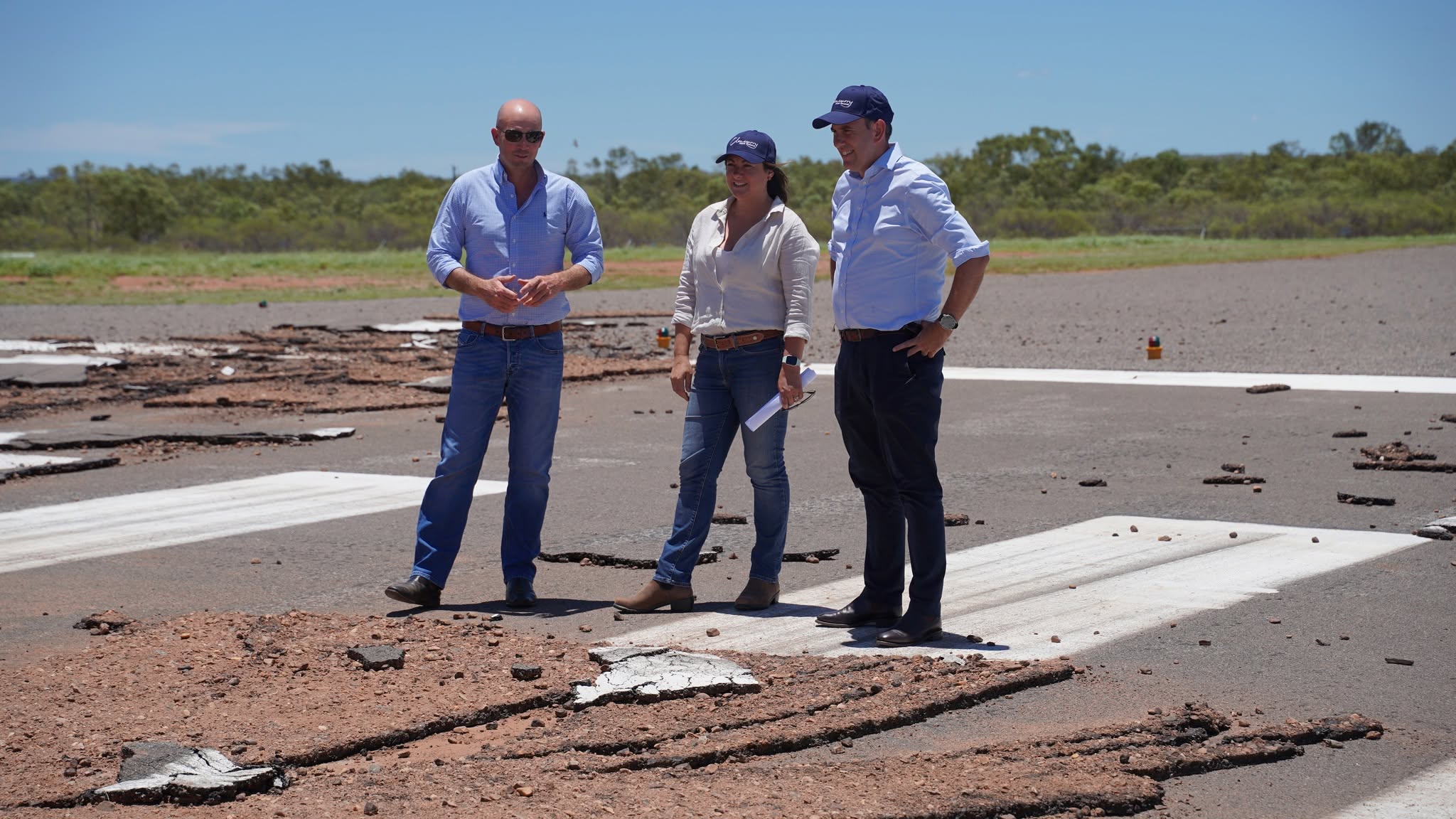
Cloncurry Airport could face an operational downgrade this wet season, potentially restricting FIFO aircraft and affecting mining operations across North West Queensland unless a further $10 million is secured for a permanent runway upgrade. Cloncurry Shire Council has warned heavier jet aircraft could be prevented from using the runway if conditions create the potential for a repeat of the major failure experienced earlier this year. The airport sustained significant damage in January when heavy rainfall associated with a monsoon trough and ex-Tropical Cyclone Koji damaged sections of the runway. Cloncurry Mayor Greg Campbell said safety would remain the priority. “It's not a decision we want to make, but we need to ensure our facility is safe,” Cr Campbell said. “The technical advice we are getting is that if we have a severe weather event like we had during this year's wet season, we will need to downgrade the airport to ensure we do not have another catastrophic failure of our key asset. “It’s critical that we protect our airstrip to prevent failure. The best solution would be to secure the required $10 million and have the upgrades completed prior to the wet season.” The Commonwealth and Queensland governments have committed $11.5 million through Disaster Recovery Funding Arrangements, with approximately $2 million used for emergency repairs that restored the runway to near-normal operations. However, Council says another $10 million is required to complete its broader $26 million rehabilitation program. Planning for the major upgrade began about four years ago after inspections identified the airport was approaching the end of its useful life. The project would not only rehabilitate the runway but support Council’s plans to develop the site into a broader aviation precinct capable of accommodating larger aircraft. Cloncurry Airport serves as a major gateway for the North West’s resources sector, supporting mining operations including Ernest Henry, Dugald River, Eloise, Austral Resources, Eva Copper, True North Copper and Rocklands, alongside future projects such as CopperString. “We've been working towards doing a major upgrade to the airport for probably four years now, where it was getting to the end of its life,” Cr Campbell said. “We were looking at growing our airport to be an aviation precinct.” Council had sought $14.5 million through the Federal Government’s Regional Precincts and Partnerships Program, however its application was unsuccessful. Cr Campbell said updating the application with market-tested tender prices was treated as a resubmission, moving the project from round two to round six of assessments and causing further delays. “The final advice that the CEO got gave us some confidence that we would be better off updating with the tendered prices,” he said. “But that was considered a resubmission and pushed us back. Instead of us being in round two, we ended up being assessed in round six.” Council is now calling on either the Queensland or Federal Government to provide the remaining funding before another major weather event places the runway at risk. “We don't care if the funding comes from Canberra or Brisbane, but we need that extra $10 million to get the work done so we can continue to be a major contributor to the economy,” Cr Campbell said. CAPTION: Cloncurry Mayor Greg Campbell with Federal Minister Kristy McBain and Treasurer Jim Chalmers at Cloncurry Airport. Photo supplied
Read the full story
Back (from left): Tracey Gabiola, Ainsley Ferrando, Helen Kross, Carolyn Bell, Dr Ben Lawry. Front (from left): Tamika Crank & Rayf Pugh, Ayla Armstrong & Callie Armstrong, Chantel Ferrando & Maverick Rush, Stacey Butler & Remi Malaponte, Laura Cowan & Freya Cowan, Jessamy Nicolaides & Ava Nicolaides. Photo supplied. The Burdekin is booming with babies after six newborns arrived in less than four days at Ayr Hospital. The new Burdekinites are among 30 babies born at the hospital between May and July, making it the region’s busiest baby boom in more than half a decade.Baby Boom Sets Six-Year Record At Ayr HospitalA four-day birthing spree at Ayr Health Service has capped off the facility’s busiest maternity period in over five years, with six infants arriving in under 96 hours. The maternity unit welcomed a total of 30 newborns between May and July, marking the highest three-month tally at the facility since 2020. The total represents eight more births than the local average for the same period over the past six years. Director of nursing Tracey Gabiola said she could not remember a time when the local maternity service had been as busy. “While it has been an extremely busy time for our staff, particularly during a hectic few days at the end of May where six newborns arrived in less than 96 hours, staff enjoy working in a service where they can share in the joy of welcoming babies and supporting parents,” she said. “These are incredibly special moments, and we feel very privileged to be involved.” Ms Gabiola commended the adaptability of the health service workforce. “Whether responding to an emergency or assisting with the delivery of a baby, the team always steps up and I am incredibly grateful to them for always rising to the challenge.” Local mother Stacey Butler, who gave birth to daughter Remi Malaponte during the May delivery cluster, said it was important to be able to give birth in her hometown. “We are very fortunate to have the facility and the staff here so we can have our babies in our community,” Ms Butler said. “I really didn’t want to have to leave home and be away from my family and friends to give birth to my little girl. “She is perfect, and it means the world to me that she was able to be born in her hometown and surrounded by her loved ones.” CAPTION: 1—A four-day birthing spree at Ayr Health Service has capped off the facility’s busiest maternity period in over five years, with six infants arriving in under 96 hours. 2— The maternity unit welcomed a total of 30 newborns between May and July, marking the highest three-month tally at the facility since 2020. Photos supplied.
Read the full story
Cancer Council Australia’s Daffodil Day is returning this month for the 40th time, and among those embracing the occasion in bright yellow is Raelene Grantz and her Burdekin Delta Diner team. Daffodil Day is held each August to raise money for cancer research, prevention and support services, with the daffodil symbolising hope in the ongoing fight against cancer. That fight is personal for Raelene. After being diagnosed with breast cancer two years ago—and watching her twin sister battle it around 12 years prior—Raelene has made a point of doing her bit to support the cause. Her latest effort has seen the Delta Diner decorated in yellow over the last month as Daffodil Day approaches on the 20th. As well as posters and daffodils, Raelene has also put out a donation collection box with QR codes linking to a donation page. She said the endeavour was her “little way of helping.” “Cancer has touched my husband, my family, myself and some of our staff members over the years,” she said. “It’s an ongoing [battle], and it’s not letting up. We just have to keep doing our little bit with fundraising and supporting people through their journeys, and this is our way of doing it.” Raelene said the support so far had been overwhelmingly positive and encouraged others to get behind the cause by making a donation at the store. CAPTION: Cancer Council Australia’s Daffodil Day is returning this year for the 40th time, and no one in the Burdekin is embracing the occasion quite like Raelene Grantz and her Delta Diner team. Photo credit: Jacob Casha.
Read the full story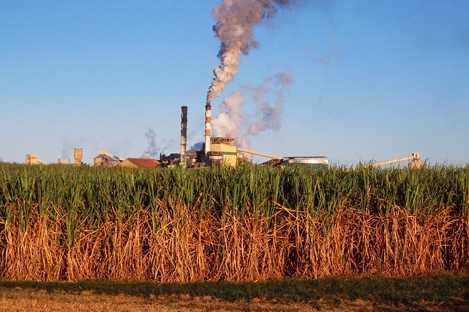
Australia should start building its biofuels industry now—creating regional jobs, investment and fuel security at home instead of sending Australian dollars and opportunities overseas, CANEGROWERS CEO Dan Galligan has said. Welcoming the Federal Government’s newly released consultation paper on a national demand mechanism for low-carbon liquid fuels, Mr Galligan called it the most significant step forward in national policy on this issue in decades. However, he also warned that Australia cannot wait until 2029 for action while overseas competitors race ahead. “Australia has talked about biofuels for decades, and it's been five years since the Federal Government released it first bioenergy roadmap, yet while we analyse and assess, other countries have built industries,” Mr Galligan said. “The decision by the Federal Government to consult on the implementation of a demand-side policy to support a low-carbon liquid fuel sector is warmly welcomed. The direction is right, but the pace matters. Investment decisions are being made now and industry needs certainty now.” The consultation paper proposes an initial national volume requirement for cleaner fuels, potentially commencing in 2029, before a proposed transition to a carbon-intensity system from 2035. Importantly, it proposes covering petrol and recognises ethanol as an eligible fuel. However, imported cleaner fuels could also satisfy the requirement, with no guarantee that the resulting demand would support Australian production. “If we move too slowly or allow the massive new global demand for low-carbon liquid fuels to be satisfied largely through imports, Australian dollars will help fund factories, jobs and regional development overseas while available capacity here remains underused,” Mr Galligan said. “We should not replace our dependence on imported fossil fuels with a new dependence on imported cleaner fuels. That risks leaving Australian families, businesses and essential industries exposed again when the next global shock disrupts supplies and drives up prices.” More than 90% of the liquid fuels used in Australia are either imported directly or refined locally from imported crude. Yet Australia has abundant agricultural feedstocks, established regional processing capacity and growers ready to play their part. The government’s paper identifies 360 million litres of operational ethanol capacity in Australia. The sugar industry processes around 30 million tonnes of sugarcane in a typical year, and industry estimates suggest it could ultimately produce more than 2.5 billion litres of ethanol a year – equivalent to approximately 14% of Australia’s petrol needs. “We are not starting from scratch,” Mr Galligan said. “Australia already has the feedstock, infrastructure, expertise and production capacity to make more bioethanol today. We should use what we have now while building what we need next. “Sugarcane is a major renewable biomass resource. It can make an immediate contribution through ethanol, while its biomass can also support the development of advanced fuels such as sustainable aviation fuel and renewable diesel. “It can deliver real fuel security, real emissions reduction and real regional jobs – but that will not happen without clear policy settings that create demand for Australian-made fuels.” Mr Galligan said Australia must learn from the past and keep more of the value created from its agricultural resources in the country. “For too long, Australia has exported raw commodities only to import the higher-value products made from them. We cannot repeat that mistake with cleaner fuels,” he said. “We need a national framework that gives investors confidence to build here, produce here and create value here. Australia has the resources, the growers and the regional capacity. What we need now is the policy certainty to get on with it.” Mr Galligan and CANEGROWERS Chairman Owen Menkens are in Canberra this week briefing federal ministers and senior departmental officials on the opportunities biofuels offer Australian agriculture, regional communities and national fuel security. Mr Galligan will also join leaders from the sugar, manufacturing, bioenergy and national-security sectors for a media stand-up at the top of Federation Mall, Canberra, at 2.30pm on Thursday, 20 August. Supplied by CANEGROWERS CAPTION: CANEGROWERS CEO Dan Galligan warns that Australia cannot wait until 2029 for action while overseas competitors race ahead. Photo: CANEGROWERS.
Read the full story
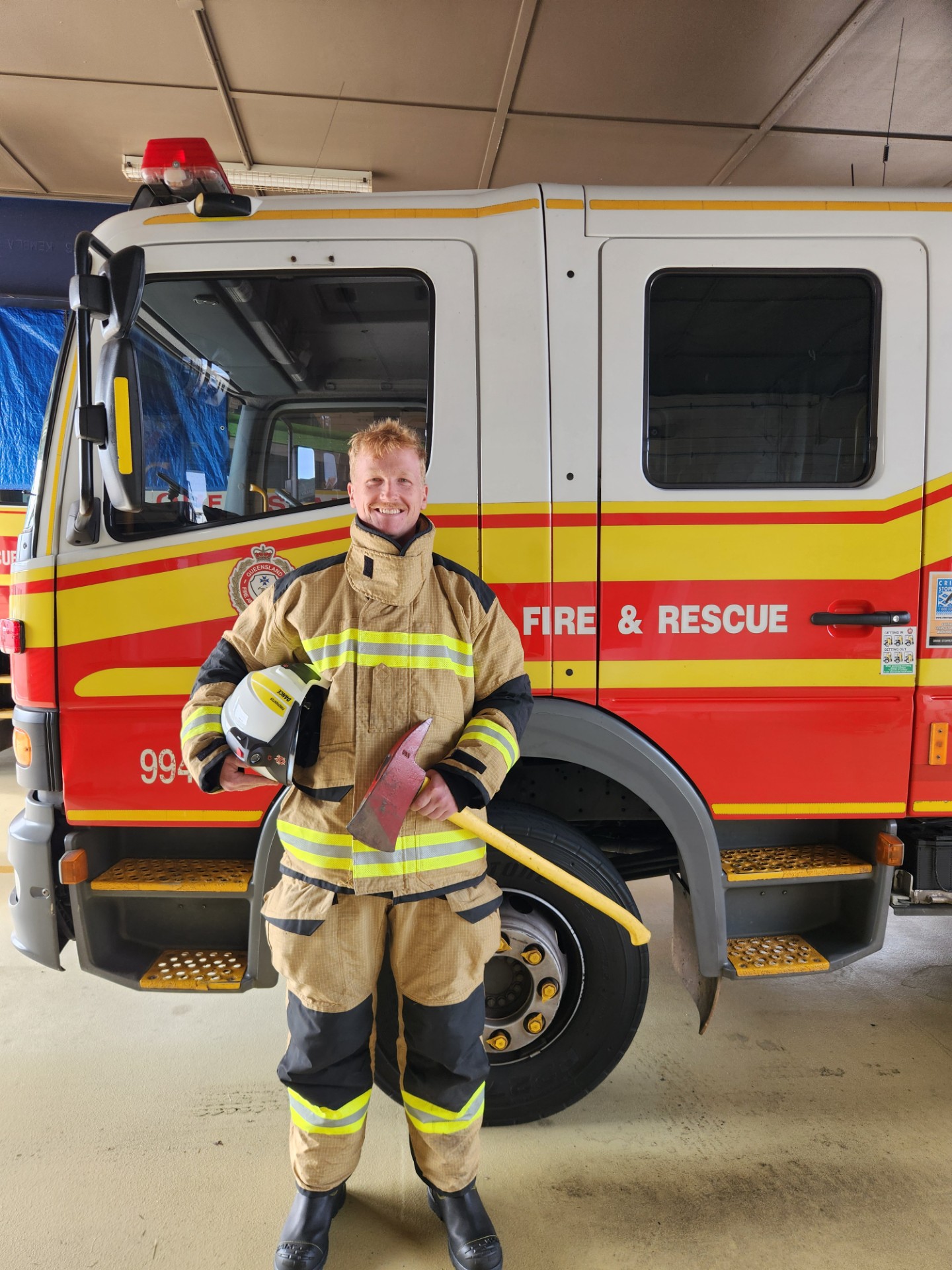
Ayr Fire Station has strengthened its ranks with Queensland native Lachlan Dance, who clocked in for his first shift last Monday.
The recruitment follows Dance’s completion of the Queensland Fire and Emergency Services intensive 16-week recruit course, which he passed with flying colours.
Dance brings a strong background in community service. After nine years with the Australian Defence Force, posted in nearby Townsville, he says serving others is what drives him.
“Having a sense of purpose in a job is a big thing,” said Dance. “It makes you want to come to work.”
Although only on his first tour, Dance said the transition has been seamless.
“Having experience in the military definitely helped with the recruit course,” he said.
“Since I arrived at the station, senior members have also taken me under their wing. It’s been a good integration so far.”
New to the Burdekin, Dance said he identified the region as an ideal place for him and his wife to settle.
“Everyone I’ve spoken to in the community is really friendly. It’s definitely a good community to be in. People who’ve lived here all their lives speak very highly of it.”
Growing with every day on the job, Dance said he’s eager to earn his stripes in his new role.
“I’m really looking forward to learning the trade as best I can and assisting the community.”
Ayr Fire Station has strengthened its ranks with Queensland native Lachlan Dance, who punched in for his first day last Monday. Photo supplied
Australia is blessed with abundant resources — coal, uranium, sunshine, wind, and water. We should have the world’s cheapest and most reliable power in the world. Instead, electricity bills are soaring, reliability is falling, and households are feeling the squeeze. The gap between what we are paying for power and what we should be paying, keeps growing.
Investors are walking away from major wind and hydrogen projects, leaving taxpayers to foot the bill. Even members of the government are quietly questioning the current direction of Labor’s energy policy.
The current path isn’t working.
Additionally, a recent CSIRO report has confirmed that coal is in fact the cheapest form of energy in Australia at present.
My views have not changed and my message is clear. We need a balanced energy mix. Our priority must be practical outcomes, that improve livelihoods, create stable electricity and deliver cheaper power prices.
Labor’s wind and solar only approach is not the answer. Their current approach is hurting families, tearing up prime agricultural land, and damaging our natural landscapes, all while falling short of its own climate targets. Yes, the sun and wind are free, but the infrastructure is not. Long-distance transmission lines and battery storage cost billions.
We need to rethink the path we’re on. I’ve long called for a balanced energy mix. That means being open to all technologies - coal, gas, hydro, solar, bioenergy, carbon capture, nuclear. So long as costs are reduced, the natural environments protected, and the lights are kept on, I’m all for it.
Mackay’s Racecourse Mill Co-generation Plant is a great example of clean and cost effective electricity production. The plant generates around 30% of Mackay’s electricity. Why isn’t the government putting innovations like this on the table for similar solutions to operate?
At present I am working with my Coalitions colleagues on an Energy and Net Zero task force, set up to review and identify the best energy mix for the country moving forward and will be presented to the Australian people as the Coalition’s vision for energy in this country. This will become the policy we will advocate for and take to the next election.
Let’s face it, while the world is powering ahead and building stronger energy capacities, Australia is going backwards. We need a course correction, before it becomes too hard to undo, leaving Australians impacted for generations.
We need to put people first. We need to consider the natural environment, and we need to think about how we keep the lights on 24 / 7 in all scenarios. Australia needs a refreshed energy policy and it has to be practical.
Net Zero is about trying to achieve the impossible, rather than doing what sensible. And at what cost? Taxpayers can’t afford to sign a blank cheque.
We must change our course on the national energy mix and find the right balance.
OPINION PIECE.
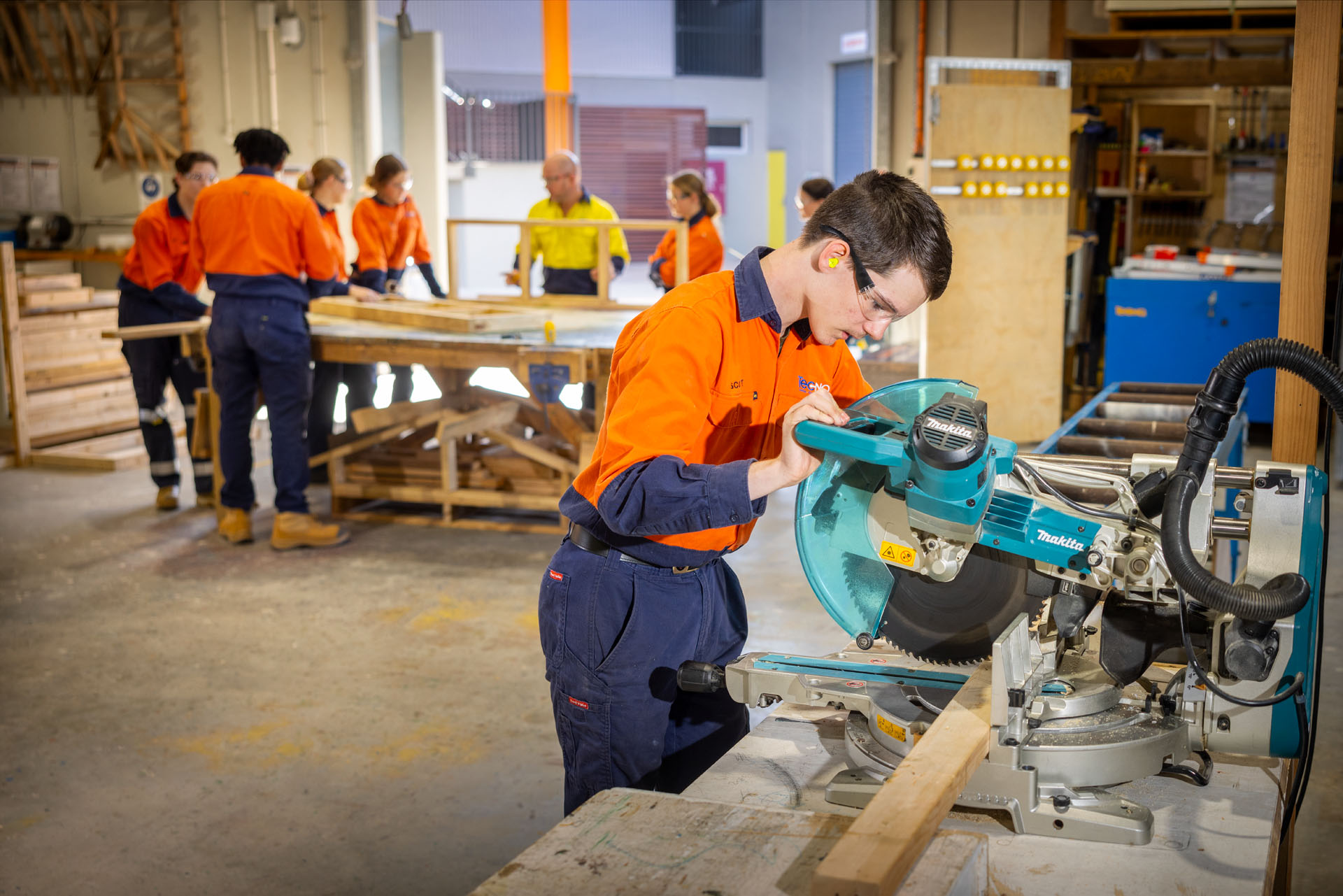
To mark the beginning of celebrations for 2025 National Skills Week, on Saturday, August 23, North Queensland Senior School and training organisation, Tec-NQ, will throw open its doors for an all-ages Open Day with a difference. With 69 trades currently identified as experiencing a national skills shortage, there is no better time to try out a trade.
Tec-NQ Chief Executive Officer Ross Jorgensen said this year’s Open Day will be an all-ages celebration of everything trade, offering something of interest for the whole family.
“Again in 2025, we’ll have a selection of industry partners displaying unique and emerging technical tools of trade. Teachers, trainers, industry partners and students will also be on hand to talk about undertaking a work-based education at Tec-NQ” he added.
There will be hands-on try-a-trade activities for all ages. Kids can rev up a big diesel motor, teens can wire a circuit board, and everyone can test their welding skills on the augmented reality simulator. Plus, engage in interactive activities and small take-home projects.
Tec-NQ is a Registered Training Organisation (RTO), an independent senior secondary school and an accredited boarding school with extensive industry networks to deliver trade-based career opportunities for North Queensland students. Tec-NQ House, located in Rosslea, accommodates up to 40 male boarding students from remote and rural communities completing their schooling at Tec-NQ.
The Open Day runs from 9am – 12.30pm on Saturday 23rd August at their campus at 54 Discovery Drive in Douglas. Register for a campus tour and information session at tecnq.com.au

The Burdekin Community Association Inc. (BCA) Home Care Service delivers a wide range of services for seniors and their carers.
Home Care Packages Program (HCP)
The HCP Program provides support to older people with complex care needs to live independently in their own home. We can offer services to eligible seniors on a Level 1, 2, 3 or 4 package. Services include in-home support services, transport, home maintenance/repairs/modifications, access to allied health services and other care related services relating to the client’s health, safety and wellbeing.
Commonwealth Home Support Program (CHSP)
The CHSP is an entry level home help program to assist older people who can mostly, but not completely, live and cope on their own an don’t yet need high levels of support at home. Services include domestic assistance, social support (friendly visits/shopping/outings), personal care (showering/bathing/medication monitoring), respite care (support for the carer), transport and home maintenance (lawn mowing/whipper snipping/rubbish removal).
Please contact the Home Care Service Team to discuss services or obtain information on Ph 4783 3744, The Support Centre, 130 Queen St, Ayr, bca@bcaburdekin.org.au, www.burdekincommunityassociation.org.au
Contributed with thanks to Debra Cochrane

Local residents will have the chance to get involved with Special Olympics when a ‘Come N Try’ day is held in Ayr on Saturday, 30 August, from 10am to midday.
The event is open to anyone in the Burdekin who would like to participate or learn more about the organisation, which has been transforming lives since 1968.
Special Olympics is a global movement dedicated to athletes with intellectual disabilities, supported by hundreds of thousands of volunteers and coaches around the world.
It provides year-round sports training and competition in Olympic-style events for children and adults with intellectual disabilities, including a 'World Games' every four years.
Special Olympics Queensland is part of the nationwide Special Olympics Australia community, which delivers sport, joy, and inclusion to people with intellectual disabilities and autism.
The Queensland arm currently offers 15 sports—including athletics, basketball, bocce, cricket, equestrian, football, futsal, golf, gymnastics, sailing, softball, swimming, table tennis, tennis, and tenpin bowling. The sports available in each region vary depending on coaching and volunteer resources. These activities foster physical fitness, courage, joy, and the sharing of gifts, skills, and friendship.
While the number of people involved has grown steadily over the decades, there is still a huge need to reach more athletes. That work begins at the local level, right here in the community, where volunteers and athletes first connect.
The ‘Come N Try’ day will offer a friendly, hands-on introduction for anyone curious about becoming involved—whether as an athlete, coach, or volunteer.
The session will be held in Ayr, and everyone is encouraged to attend—whether to take part, cheer on, or find out how they can help.
WHAT: Special Olympics Come N Try Day
WHERE: Ayr
WHEN: Saturday, 30 August, from 10am to midday
Local residents will have the chance to get involved with Special Olympics when a ‘Come N Try’ day is held in Ayr on Saturday, 30 August, from 10am to midday.
.jpg)
Councillor Detenon beat me to the official announcement of the pump track in his column a few issues ago, but I wanted to share an update on what’s happening next and how you can get involved.Council has awarded the contract to Common Ground Trails, and they’ve now started the design phase. The exciting part? They’ll soon be reaching out to the community to help shape how the track looks and functions. If you ride, have kids who do, or just have some good ideas, this is your chance to have a say.We want the final design to reflect the needs of the people who’ll actually use it, from first-time riders to seasoned pros, so community consultation will play a big role before construction begins.It’s also worth highlighting that the entire project is fully funded through the Queensland Government’s Works for Queensland program, meaning no extra cost to our local community. A great outcome for the Burdekin.This pump track is part of a broader vision for Anzac Park to become an inclusive, active space where locals can connect, be outdoors, and have fun. I’ll keep you updated as consultation opportunities open up, and I really encourage you to get involved.If you have any questions or ideas in the meantime, feel free to reach out.
.jpg)
Council has received questions following the removal of trees in the Australia Post Park area beside the Burdekin Theatre Forecourt. Here’s what you need to know:
• A line-of-sight assessment conducted by Queensland Police Service identified that mature trees were blocking essential signal paths between the Ayr Police Station radio tower and the Ayr Water Tower.
• This obstruction posed a risk to public safety and emergency response capability in our district.
• The land is owned by Australia Post, and the project was carried out by QPS and Australia Post.
• The works were fully funded by the Queensland Police Service (QPS) as part of a critical emergency communications project.
• While Council does not own the land, our Parks and Gardens team has consistently maintained it due to its high visibility and value as a public green space for the community.
Council recognises the importance of urban trees and green space. Future planning will include replacement planting and public amenity improvements, where appropriate.
These decisions are never made lightly. But when it comes to protecting the community and ensuring our emergency services can respond quickly and effectively, public safety must come first.
Should you wish to reach out, don’t hesitate to contact me directly by phone at 0447 150 582, or feel free to send an email to mayor@burdekin.qld.gov.au.
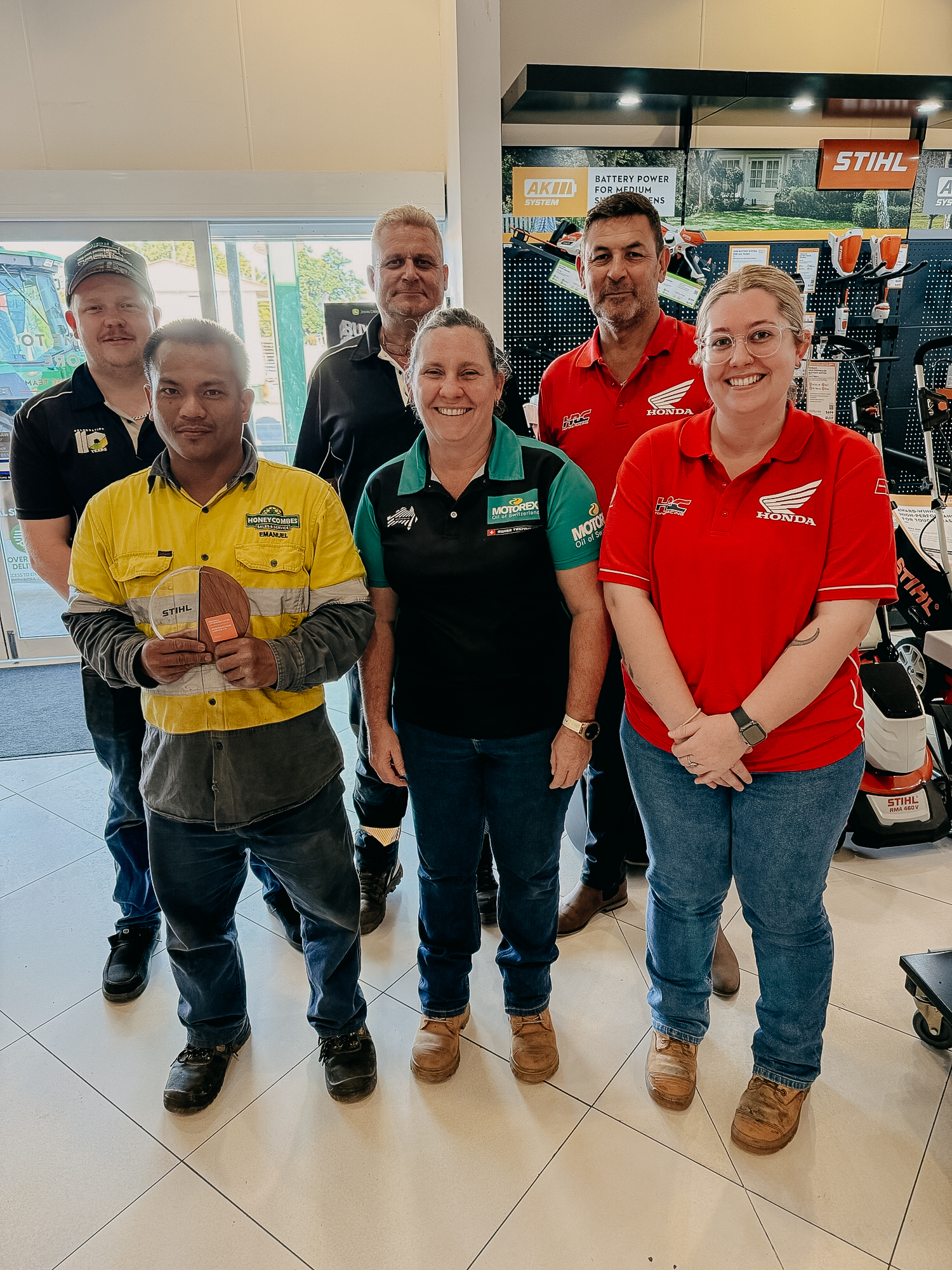
In early 2023, Honeycombes Sales and Service Ayr commenced a new chapter in its long history with the addition of Honeycombes PowerSports. Located in the heart of the Burdekin, this dedicated division brings motorbikes, ATVs and power equipment offerings, and expert parts and servicing together under one roof, building on Honeycombes’ reputation for reliability that dates to 1913.
Honeycombes PowerSports partners with trusted names like Honda, Suzuki, and STIHL, offering a broad range of equipment and accessories for work, play, and everything in between. While the showroom might catch the eye, it’s the knowledge and commitment of the people inside that truly define the business.
The sales team take pride in understanding the unique needs of the Burdekin community, whether it’s helping a farmer choose the right bike for the property, matching a family with an ATV for weekend adventures, guiding beginners towards their perfect first ride, or showcasing high-performance machines for competitive riders. Equally important is what happens after the sale.
The Parts and Service departments are equipped with skilled technicians with a range of combined experience. They are capable of providing advice, delivering repairs and servicing on all makes and models of motorbikes and equipment, not just the brands we sell. From scheduled maintenance to complex repairs, they approach every job with precision and pride, ensuring your equipment stays in peak condition. They can also fit out bikes with the extras to suit any work or lifestyle, tailoring them with specific kits designed to protect the bike, extend its life, and make day-to-day work more efficient.
The company’s commitment to quality was recognised recently when Honeycombes PowerSports received the STIHL Technical Achievement Award, an honour given only to dealerships that excel in both training and results across their entire team. It is a reflection of the passion, skill, and dedication the staff bring to every customer.
For locals, it’s another reason to feel confident that when you choose Honeycombes PowerSports, you’re choosing experience, skill, and service that’s here to stay.
The company’s commitment to quality was recognised recently when Honeycombes PowerSports received the STIHL Technical Achievement Award, an honour given only to dealerships who excel in both training and results across their entire team. Photo supplied

The Queensland Police Service (QPS) is reminding the public to think before calling Triple Zero (000) for non-urgent matters, as demand for emergency assistance continues to climb.
In the first six months of 2025, QPS emergency call takers handled 488,096 inbound calls — an 8.53 per cent increase on the same period last year. Of these, more than 93 per cent (453,764) were Triple Zero emergencies, reflecting a growing demand for immediate police assistance across the state.
Acting Superintendent Neal White from the Police Communications Group said the service continues to invest in people, systems and technology to meet the demand, particularly during major incidents and extreme weather events.
“As Queenslanders continue to face challenges from severe weather to personal crises, the message from QPS is clear. We are here, we are listening and we will always answer the call,” Acting Superintendent White said.
“When it comes to calling Triple Zero (000), we encourage Queenslanders to use this number when a crime is happening now, when life or property is in immediate danger, or during time-critical events such as fires and flooding.”
While QPS has maintained strong emergency response levels, Acting Superintendent White warned that using Triple Zero for non-urgent matters can delay help for those in life-threatening situations.
“Triple Zero is for life-threatening emergencies only,” he said.
“If you need police but it’s not urgent, think Policelink. It’s available 24/7 and ensures emergency resources are preserved for those in immediate danger.
“Non-urgent matters such as if you have lost your wallet, phone or other belongings, if you return home to find your property has been burgled with no persons present, if your car has been stolen and you are in no immediate danger or if your windows have been smashed – Pause. Think. Policelink to report the matter.”
Policelink can be reached via 131 444 or online at www.police.qld.gov.au for matters including lost property, noise complaints, or reporting a break-in after it has occurred.
Extreme weather events, including North Queensland flash flooding, Tropical Cyclone Alfred, and widespread flooding in March, contributed to higher call volumes this year. In addition, Sunday call numbers are now regularly surpassing the traditional Friday and Saturday evening peaks, indicating a shift in when Queenslanders seek urgent assistance.
“Whether it is a cyclone, flood or a call from someone in crisis, our officers are always ready to answer the call,” Acting Superintendent White said.
“This continued increase in emergency calls is a clear reflection of the public’s trust in police and the vital role our call takers and frontline officers play in keeping communities safe.
“Seconds count in an emergency. Making the right call helps ensure everyone gets the help they need, when they need it most.”
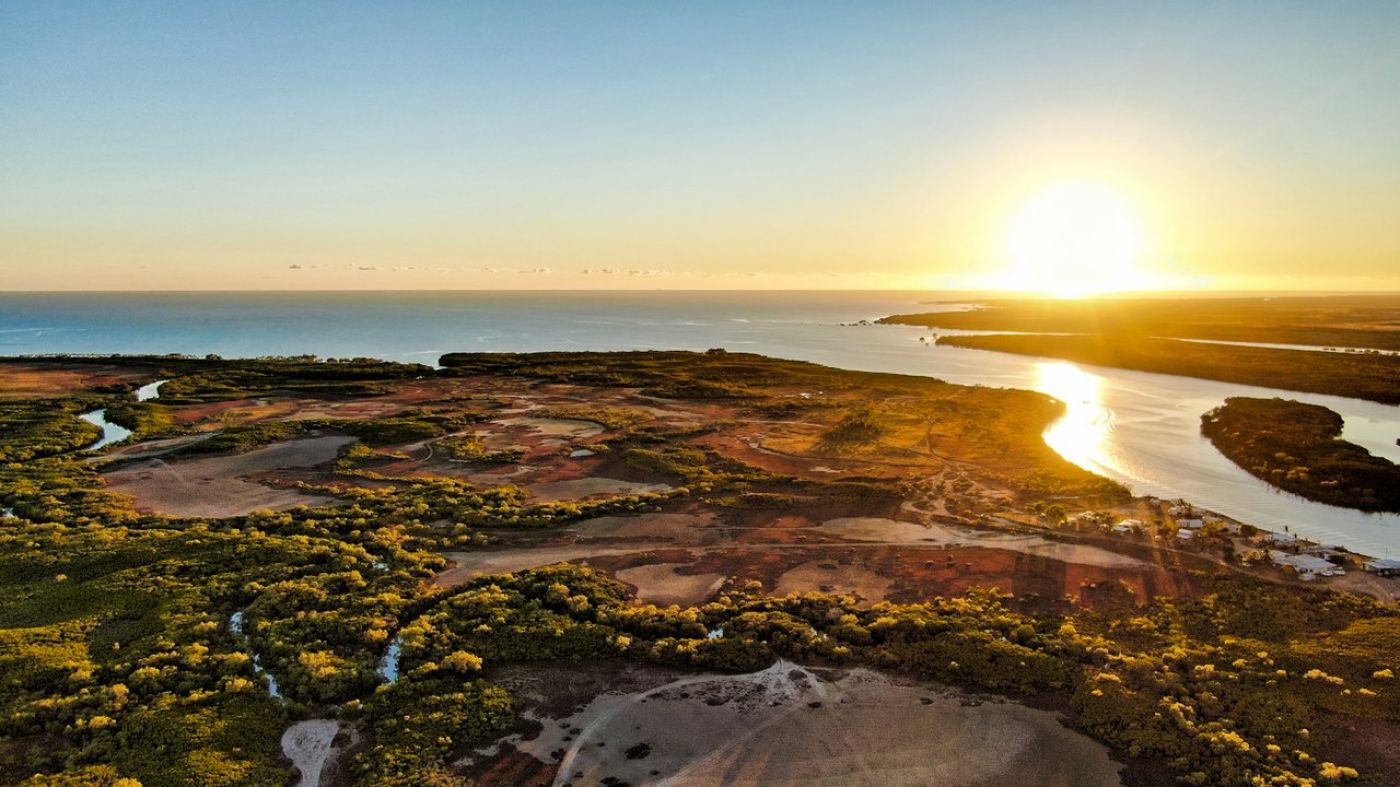
The closing date for applications to the Building Resilient Tourism Infrastructure North Queensland Fund has been extended to 1 September 2025.
The four million dollar fund offers grants between thirty thousand and two hundred and fifty thousand dollars, excluding GST, to help tourism businesses in disaster-affected areas strengthen infrastructure and prepare for future natural events. All projects must be completed by 31 March 2027.
Eligible initiatives include flood prevention works, construction of levees or retaining walls, acquisition of equipment to protect assets, installation of early warning systems and alternative power solutions such as solar with battery storage. Projects can exceed two hundred and fifty thousand dollars in value, but applicants must cover any costs beyond the approved grant.
The program is open to tourism-focused businesses and not-for-profit organisations with an established operating base in Burdekin, Cassowary Coast, Charters Towers, Hinchinbrook, Palm Island or Townsville. Applicants must hold an ABN, be registered for GST and have either property ownership or the owner’s written consent.
Funded through the jointly funded Commonwealth and State Disaster Recovery Funding Arrangements, the BRTINQ program is part of the six point four three million dollar Tourism Recovery and Resilience Package supporting operators affected by the North Queensland Tropical Low earlier this year.
Applications opened on 20 June 2025 and outcomes will be advised by mid October 2025. The initiative aims to help the region’s tourism industry build back stronger by reducing the risk of damage, minimising operational disruptions and ensuring long term sustainability in the face of increasingly frequent extreme weather events.
further information about the BRTINQ Fund, please email: tourismgrants@detsi.qld.gov.au
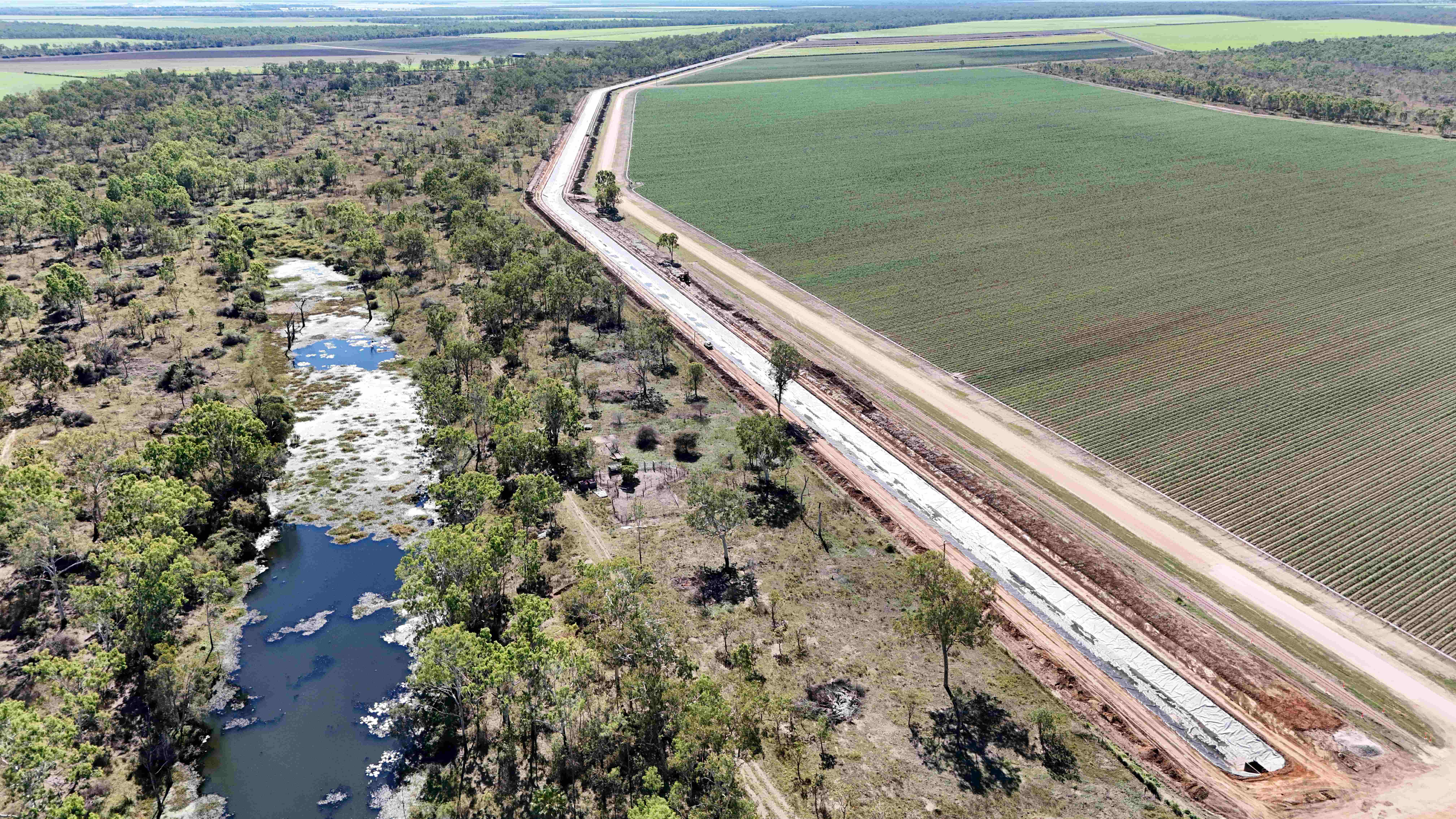
A major step has been taken to tackle rising groundwater and salinity issues in the Lower Burdekin, with Sunwater completing significant upgrades to a nearby irrigation channel.
The project, part of a $25 million regional initiative, aims to reduce groundwater levels that threaten local farms and the surrounding environment.
The latest phase of the project involved upgrading and lining a section of the open channel on Cadio Road, Upper Haughton, identified as a likely contributor to rising groundwater. These upgrades aim to reduce channel seepage and help manage the issue.
Sunwater successfully lined 2.6 km of open channel, using 38,480 square metres of impermeable
geomembrane, to prevent water migration from the channel and into the ground.
Additionally, six stormwater outlets and 11 existing concrete structures were modified to accommodate installation of the liner.
Sunwater CEO Glenn Stockton recognised the magnitude of the issue, and said the company is committed to nullifying the issue.
“Rising groundwater is a complex issue that impacts farmers across the scheme, the broader catchment and the environment, including the nearby Great Barrier Reef,” said Stockton.
“Enhancements to irrigation practices are also critical to reducing drainage impacts and lowering the groundwater levels across the region."
Other project work being undertaken by Sunwater includes installing bores with the intent to remove and redirect water from the aquifer and improving efficiencies of the Gladys Lagoon water distribution system.
“We continue to work with the Queensland Government, local grower groups, agronomists, and scientists to identify sustainable solutions for areas impacted by rising groundwater,” said Stockton.
Sunwater successfully lined 2.6 km of open channel, using 38,480 square metres of impermeable
geomembrane, to prevent water migration from the channel and into the ground. Photo supplied
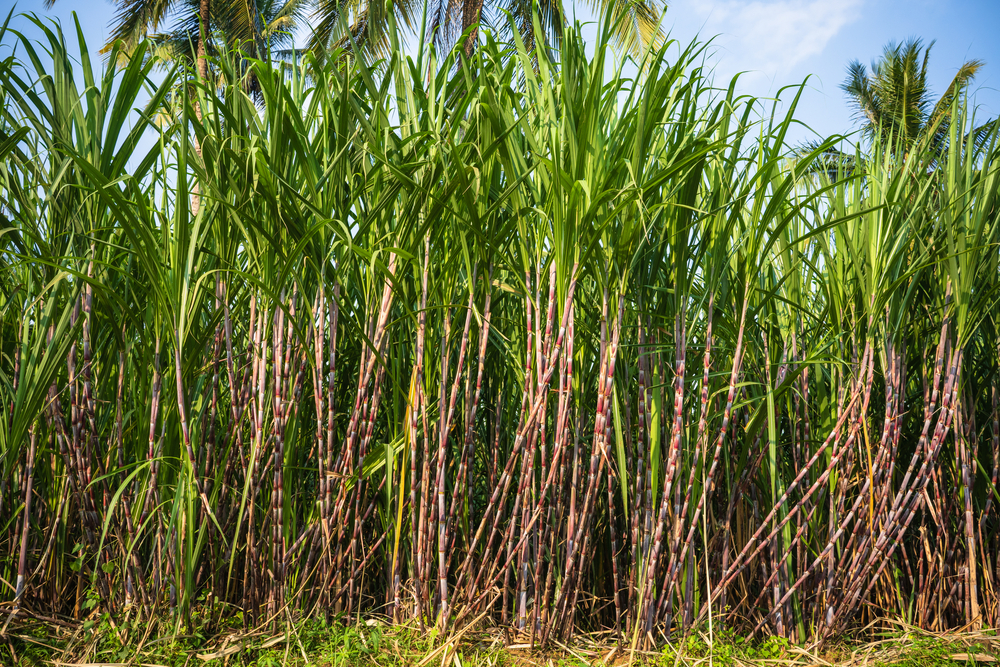
Burdekin mills processed just over 283,000 tonnes of cane in Week Nine of the season, bringing the total crushed to just under 2.8 million tonnes. This represents around 35 per cent of the estimated crop.
The week began with delayed and slow starts following last week’s wet weather event, which hampered throughput across all sites. Another rain system on Thursday night halted production at every factory on Friday. Invicta received the least rain and returned to operations quickly, while Pioneer, Kalamia and Inkerman were stopped for all of Saturday and did not resume until Sunday.
Invicta recorded the highest weekly throughput at 129,695 tonnes, followed by Kalamia with 58,860 tonnes, Pioneer with 50,536 tonnes and Inkerman with 44,163 tonnes.
CCS levels across the region averaged 14.08 for the week, below budget due to the wet conditions. The highest reading came from a rake of Q240 1R in the Jardine productivity district, which achieved 17.2 CCS. The most prominent variety crushed was Q240, making up 49 per cent of the crop with an average CCS of 14.26, followed by KQ228 at 19 per cent and Q183 at eight per cent.
Season-to-date figures show Invicta leading with more than 1.1 million tonnes crushed, Kalamia with 582,713 tonnes, Inkerman with 572,696 tonnes and Pioneer with 534,947 tonnes.
With more than a third of the crop now processed, operators are hopeful for improved weather to maintain crushing momentum.
Parents and carers are reminded to keep children away from the cane railway network, and the public is urged to report any suspicious activity around the rail lines to police.

Born and raised in the Burdekin, Meagan Morris from MortgageWorks brings over 20 years of experience in banking and lending. She understands what makes North Queensland tick and how that affects local lending. With clients across Australia, her focus remains on helping the north navigate complex finance needs with clarity and care.
“Finance isn’t one-size-fits-all,” Meagan said.
“My job is to help clients fine tune their financial strategy in a way that suits them.
“I work closely with accountants, solicitors and financial planners across all states and this network helps me ensure that the clients receive neutral information.”
A large proportion of the northern population work in seasonal industries, with around 50–60% as PAYG employees and 30–40% self-employed, often in trades or small businesses.
Meagan works across four key areas: property finance, refinancing, first home buying, and lending for renovations or refurbishments.
Properties like kit homes, stump houses or those in cyclone-prone areas often fall outside preferred lender postcodes. Meagan matches clients with lenders who understand local risks and property types.
For first home buyers, she offers guidance on state grants and family guarantee strategies. Meagan also helps young people enter the market without paying lenders mortgage insurance.
Refinancing is often overlooked. Meagan explained that clients may be on the wrong structure or have had changes to their circumstances, and that refinancing can be a perfect reset. “I recently helped a client consolidate six loans into three, saving them over $300,000 in potential interest,” she said.
Renovation lending is also growing. “More people are choosing to upgrade their existing home rather than move. That might mean funding for extensions, kitchens or structural changes, each with different lending requirements.”
Meagan Morris can help you with a variety of complex finance needs. Photo supplied
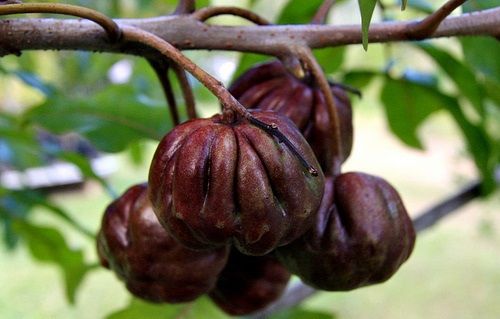
If you’re looking to create a beautiful, low-maintenance garden that thrives in Burdekin’s warm subtropical climate, native plants are a fantastic choice. Well-adapted to local conditions, these species require less water, less care, and provide a vital habitat for native birds and pollinators — all while adding natural colour and texture to your outdoor space.
One standout is the Burdekin Plum (Pleiogynium timorense), a hardy tree producing edible fruit. It thrives in full sun to partial shade and prefers well-drained soil. Once established, it’s remarkably drought tolerant and benefits from occasional pruning to encourage healthy growth.
For colourful flowering shrubs, Correas are a popular pick. Their tubular, nectar-rich flowers attract birds and insects, and they flourish with minimal fuss in Burdekin’s climate. These versatile plants also adapt well to pots and hedges.
Another bird favourite is the Grevillea, known for its striking flowers and drought tolerance. Regular pruning helps keep Grevilleas looking their best and promotes more blooms.
The iconic Bottlebrush (Callistemon) is hardy and low maintenance, offering bright red or pink flowers that attract nectar-feeding wildlife. Plant it in well-drained soil and prune occasionally to maintain shape.
Finally, native Hibiscus species add vibrant colour while requiring little more than regular watering and pruning to flourish.
To ensure success, prepare your soil well, water deeply but infrequently, mulch to retain moisture, and prune to encourage healthy growth. For local native plant stock, the Lower Burdekin Landcare nursery is a great community resource.
By choosing these easy-care natives, Burdekin gardeners can enjoy a thriving, sustainable garden with minimal effort all year round.

Hi everyone, how’s it going? Ever heard of the acronym HALT? It stands for Hungry, Angry, Lonely, Tired. We all go through stress at different times in our lives, just as there are times when the good stuff comes along.
How we react to life is greatly influenced by how we are going both physically & emotionally. How we feel influences what we do.
Our decisions both good & bad are exactly that—OURS. We need to take ownership for all our decisions, learning from our bad ones & enjoying our good ones. Sometimes we forget the basic ways we can change our ability to make better decisions.
Hungry: You are having a busy day, it’s 2pm & you haven’t eaten properly. Your body & brain are sending you messages. You need to listen, stop & have something to eat.
Angry: It’s ok to get angry. It’s what we do with the anger that counts. Our actions will always define us as a person. Our loved ones will remember the actions that come from the anger, not the fact we were angry. Stop & think before you act.
Lonely: We all need connection in our lives. Sometimes just a catch-up with a friend will change our frame of mind.
Tired: Sleep is crucial both physically & mentally but even just giving ourselves a short break during the day will help.
Starting with these simple things will help us with our decisions.
There are between 8 & 9 billion people in the world. There is only one of you & only ever will be one of you. That is the reason for you to take care of yourself because YOU ARE SO WORTH IT.
Take care.
Ross Romeo
Publishers Indemnity. Any individual or entity that places advertising, supplies copy material, or submits editorial content to Core Life Publishing agrees and undertakes to ensure that all such material:- Does not infringe upon any copyright, trademark, or other intellectual property rights;- Is free from any content that could be considered defamatory, libelous, or slanderous;- Does not infringe upon any rights related to privacy or breach of confidence;- Contains no obscene, indecent, or otherwise unlawful material;- Complies fully with the Trade Practices Act and all other applicable laws, regulations, or statutes.Furthermore, by submitting or placing such material, these individuals or entities agree to indemnify and hold harmless the publisher, Core Publishing and Events Pty Ltd, and/or its agents from and against any and all investigations, claims, demands, liabilities, damages, costs, or judgments arising out of or in connection with the material provided. All material is believed to be accurate at the time of printing and remains the copyright of Core Publishing and Events Pty Ltd.
© 2026 Life Publishing Group Pty Ltd.
