Independently Owned, Locally Grown, Community Loved


On 28th September, a 62-year-old Ayr man was intercepted on a motorbike. He was issued with a Notice to Appear in Court for drug driving, disqualified driving, driving an unregistered and uninsured vehicle, and using false plates.
On 30th September, a 38-year-old Ayr man was intercepted riding a pushbike on Victoria St, Ayr. A search located methylamphetamine and drug utensils. He was charged with possessing drugs, possessing drug utensils and failing to disposeof needles and syringes.
On 1st October, police intercepted a vehicle at McDesme. A subsequent search located drugs and drug utensils. The 62-year-old Giru man was issued with an official Drugs Offence Warning for the matters.
Also on 1st October, a search warrant was executed at an address in Ayr. Firearms parts and drug utensils were located.
A 31-year-old man was charged by Ayr detectives with trafficking dangerous drugs (methylamphetamine), 20 counts of supplying dangerous drugs and unlawful possession of weapons. Police opposed the man's bail.
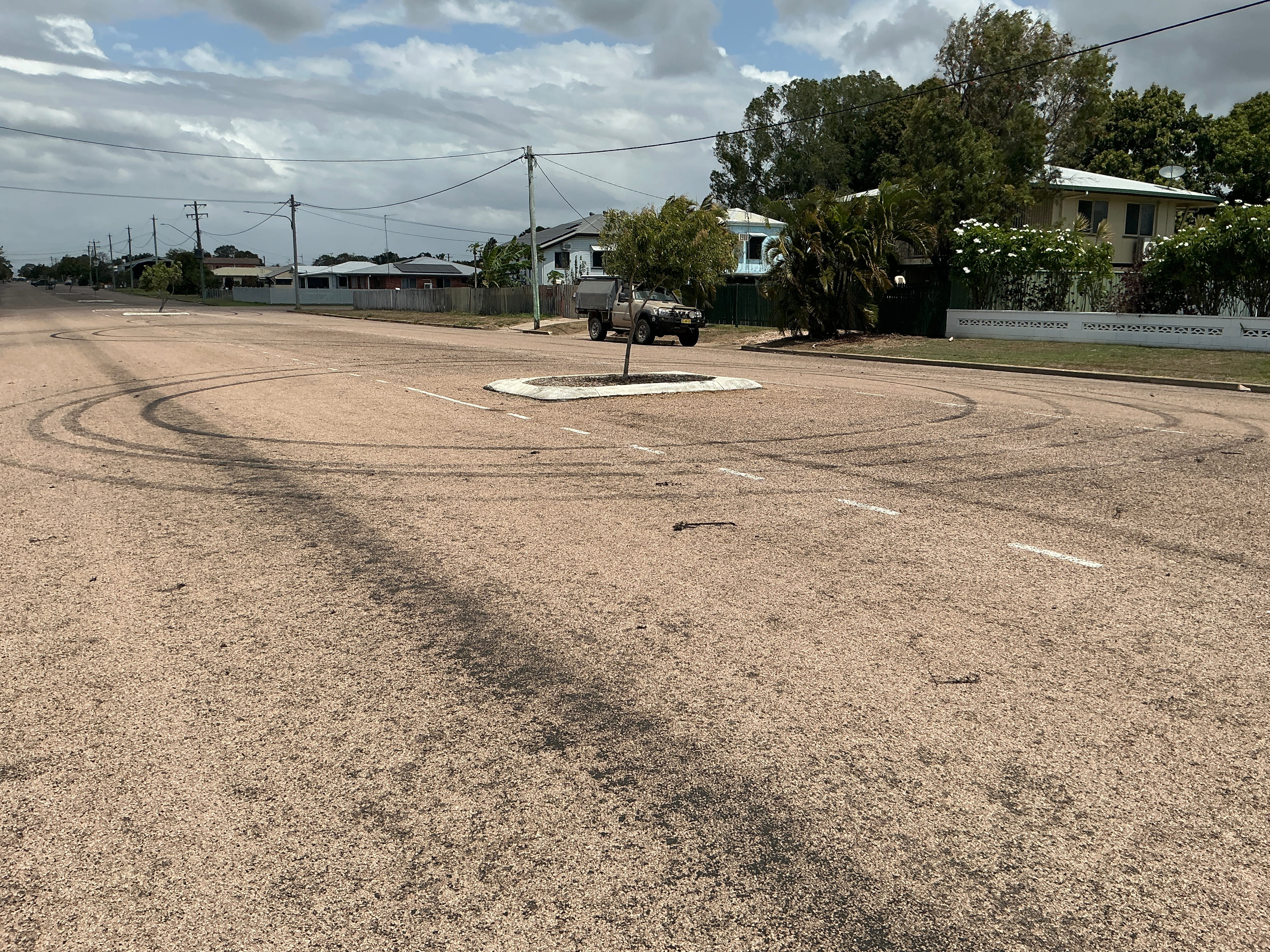
Home Hill has seen an increase in hooning within the township. Photos supplied
By Home Hill Police Station Officer-in-Charge Sam Pyke
Of late, Home Hill has seen an increase in hooning within the township. If you only take a drive down Tenth Avenue, do you see the remnants of burnouts on just about every crossroad?
On 24th September, 2026, police responded to a sedan doing burnouts on Eleventh Avenue, which police received numerous calls for service for. Home Hill Police are aware numerous incidents that have occurred recently and are actively trying to gather evidence to identify the offenders.
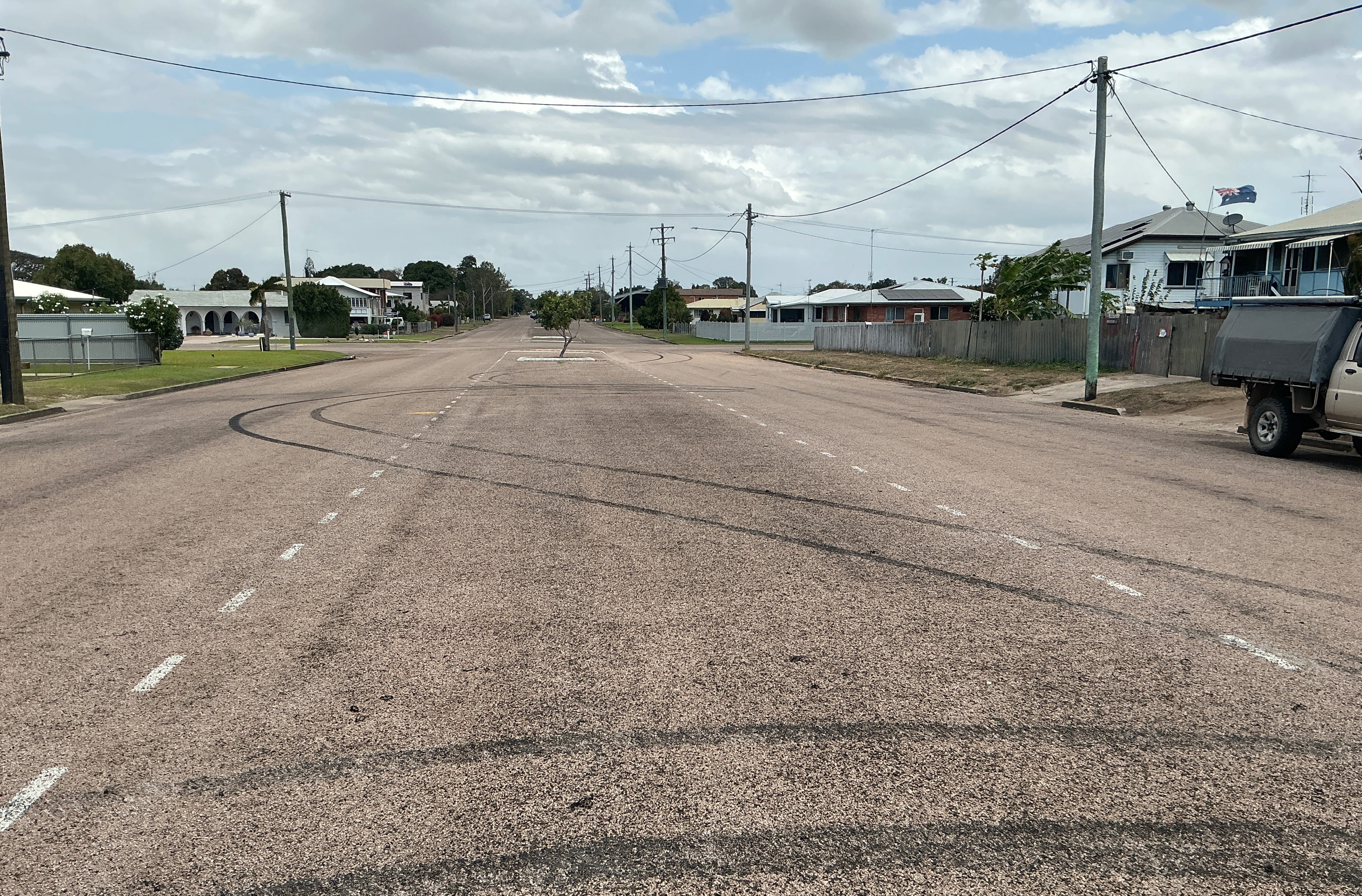
Hooning behaviour is not only annoying, but extremely dangerous. It goes without saying, if you are doing a burnout, you are not in proper control of the vehicle. Our streets are busy with pedestrians (including children) at all hours of the day and night.
‘Burnouts’, ‘skids or any sustained loss of traction is an offence and carries a maximum penalty of up to 20 penalty units ($3, 200) and a mandatory disqualification from driving. Your vehicle will be subject to a 90 impoundment for a first offence and forfeited to the state on the second.
Reporting and commenting on things on a Facebook community group doesn’t actually inform the police that something has happened. If we don’t know, we can’t do anything. If you need to report any hooning offences, please contact Home Hill Station or the Hoon Hotline 134 666.

Opinion Piece By Federal Member for Dawson Andrew Willcox
As of October 1, consumers are no longer charged a surcharge to use a credit or debit card. For many who like to know the cost of their meal before they head to the front counter, this will be a welcome change.
However, the charge has not disappeared. The cost of processing these transactions has not gone away. Businesses, particularly small businesses, will need to decide whether to absorb these costs or build them into the price of their goods and services.
Small businesses across Dawson have some real concerns. Many have told me that while they understand customers don't want unexpected fees at the checkout, they now have to deal with being left to absorb another cost. For a business operating on already tight margins, even relatively small transaction fees can add up over multiple sales.
That is why reform must address the underlying cost of card payments, rather than simply moving that cost from one place to another. For the privilege of providing customers with card payment options, businesses must factor in merchant fees, terminal rental fees and gateway charges. For larger businesses like supermarkets and airlines, there is greater power to negotiate with payment providers. Small businesses though, do not have the same bargaining power.
Then there’s the other side of this change. When businesses are no longer able to apply a surcharge to customers who choose to pay by credit card, an important element of consumer choice is removed: pay by cash and avoid the surcharge or pay by credit card and accept the additional cost associated with that payment method. Removing that choice does not make the cost disappear; it simply moves the cost from an individual transaction, into the broader cost of doing business, where it can ultimately be spread across all customers.
Small businesses in our region are already doing it tough. The cost of doing business has risen dramatically in the last few years. They are paying higher rents, higher electricity prices and facing more regulation.
For many businesses, it feels like every time they open their inbox there is more bad news – more tax, more government regulation, more green and red tape, more complex industrial relations rules and more bill pain.
Margins are shrinking and keeping the doors open is becoming more challenging. The changes to card surcharges are just another impost, another cost, another stress point these businesses have to contend with.
Government should be playing their part in reducing the burden on small business, so business owners can get back to working in their business, not working on just paperwork. Unfortunately, under the current Labor government, the opposite is happening.
Removing the surcharge line on the customer receipt does not remove the cost of accepting card payments. For businesses already facing rising costs and shrinking margins, adding another cost is another pressure on their ability to stay viable.
The Government should ensure that removing card surcharges does not simply mean small businesses are left carrying the cost.
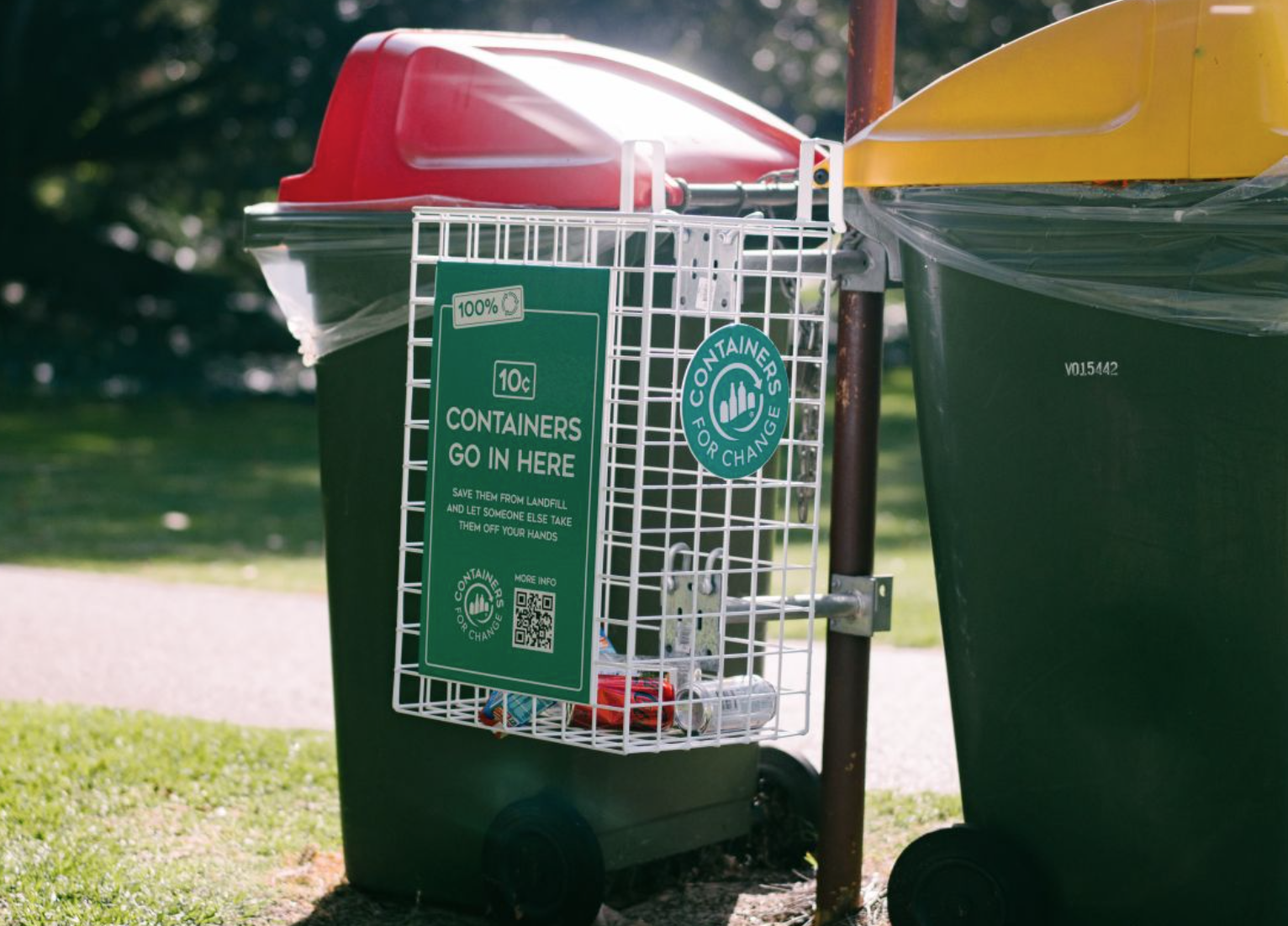
A simple act can make a big difference! Burdekin residents have returned millions of containers through Containers for Change, supporting local fundraising, employment opportunities and the wider community. Photosupplied
Over the past 12 months, Burdekin residents returned 14 million containers through Containers for Change, putting around $1.4 million in refunds back into local hands.
The impact goes beyond the 10c returned for each container, with 57 community accounts registered across the Burdekin, giving residents the opportunity to turn their recycling into fundraising for local groups and organisations.
In Ayr, North Queensland Green Solutions shows how recycling can create opportunities for people in the community. The social enterprise operates a Containers for Change refund point while providing employment and training opportunities for people living with disabilities, injuries or health conditions.
The initiative has become a familiar part of the Burdekin community, with North Queensland Green Solutions reaching the milestone of processing its 50 millionth container in May 2025.
For every bottle and can returned, residents are not only keeping waste out of landfill, but helping create jobs, support community groups and put money back into the local economy. It is a simple act that continues to make a meaningful difference across the Burdekin.
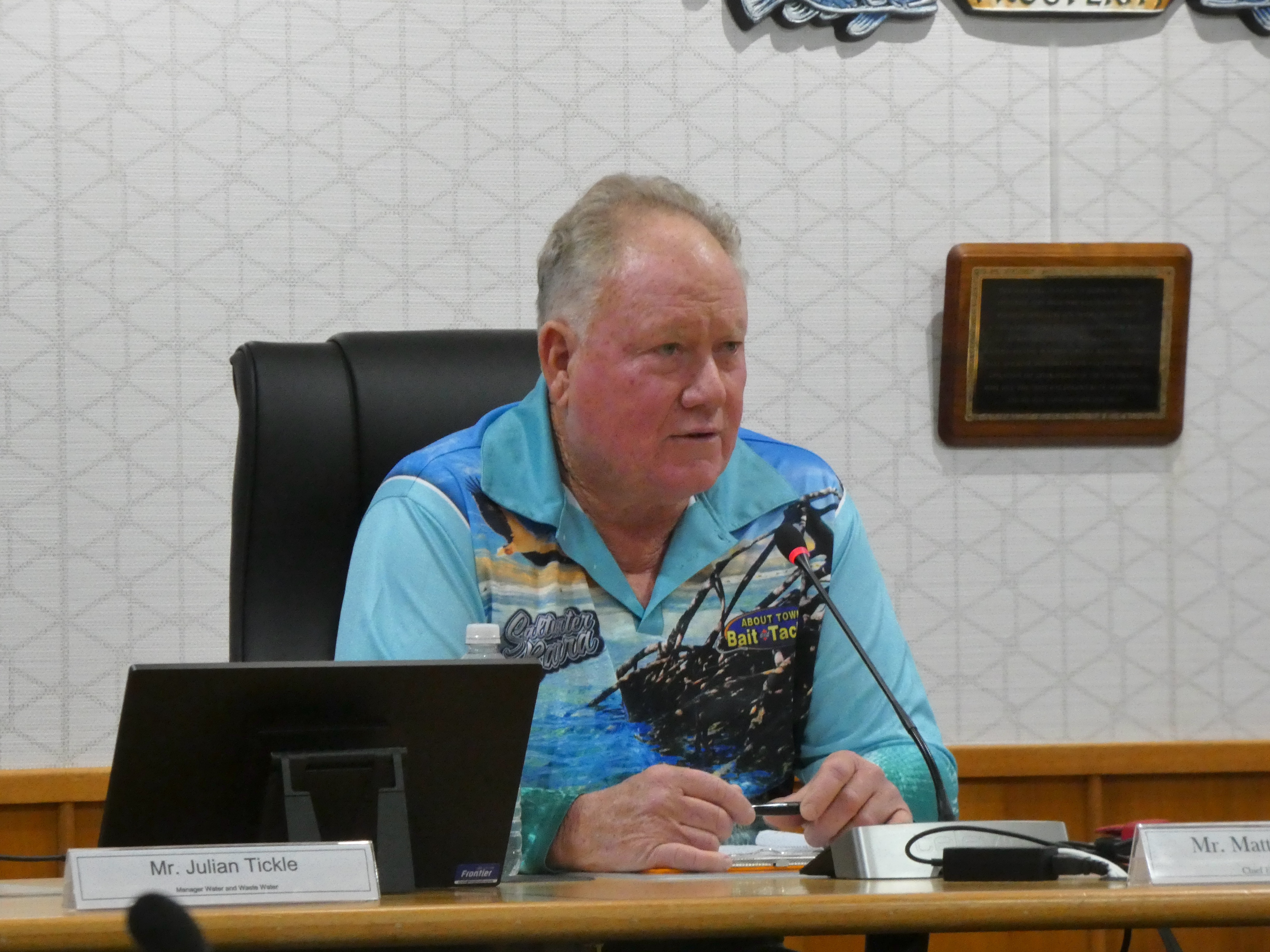
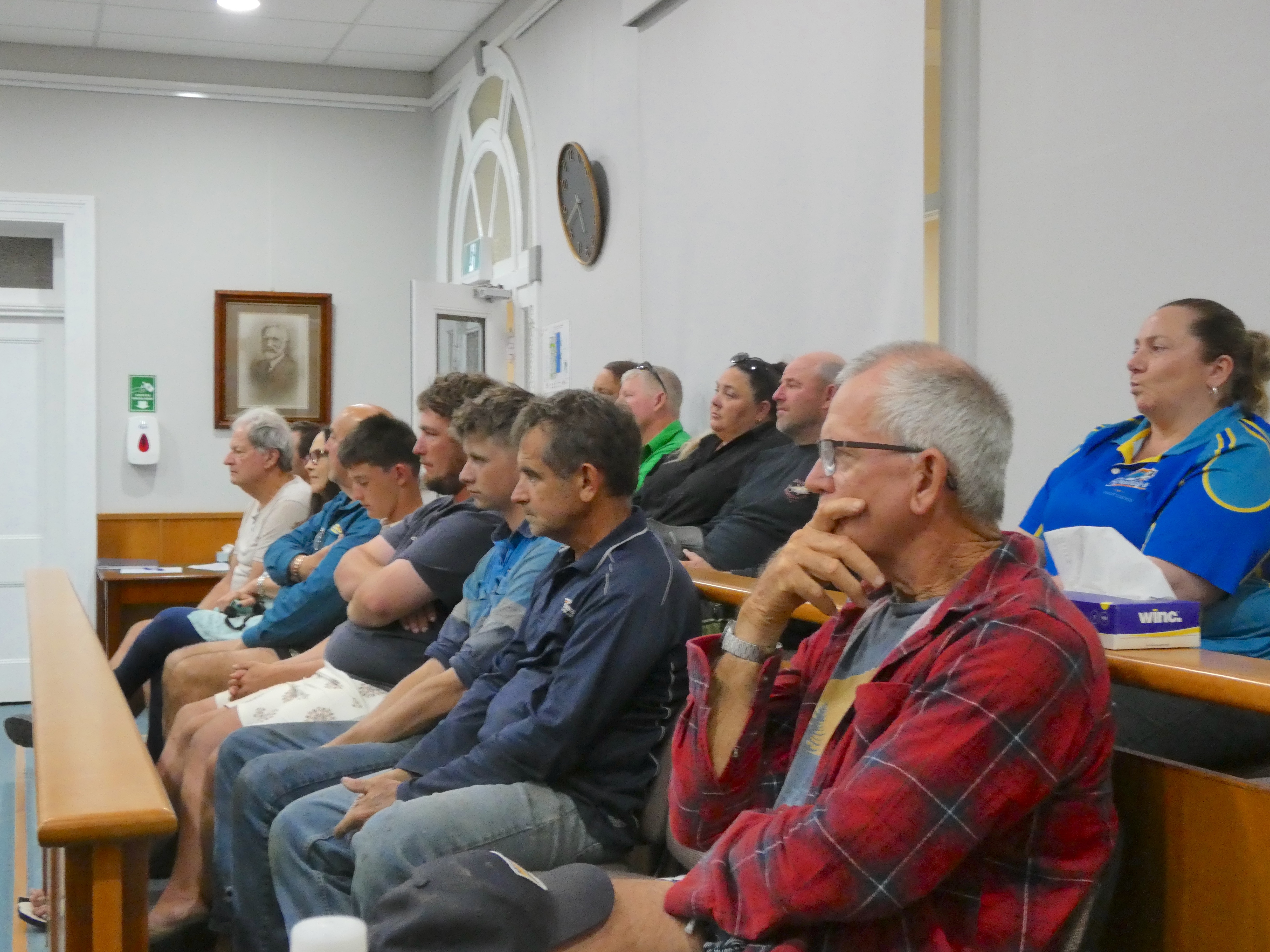
Stakeholders met at Burdekin Shire Council Chambers last week to discuss the local ramifications of the gillnet phase-out. Photo: Jacob Casha
Burdekin seafood retailers, small businesses and consumers will be among the biggest losers when commercial fishers are forced to give up their gillnets on 30th June next year—and with a $9 million Government-backed research effort for viable replacements yet to come up trumps, fears for the industry are mounting.
“If commercial net fishing ceases as planned … our business will be forced to close,” a local retailer said.
A gillnet ban scheduled for June next year could see Burdekin seafood supply, jobs, and livelihoods taken down with it, stakeholders have warned.
Gillnets—vertical mesh netting walls used to entangle target species by their gills—have long been used by commercial fishers to target a range of species including barramundi, salmon and mullet.
Now set to be phased out by the Queensland Government, local fishers fear a lack of commercially viable alternatives could render them jobless come next year's deadline, leaving Burdekin businesses and consumers without access to locally caught seafood.
“At this stage, the net fishing is gone. We're saying we want an extension until [the Government] can replace it with something that's going to be equally as good. It’s that simple,” veteran Burdekin fisherman Neil Green said.
The phase-out, announced in 2023, is part of Queensland's broader reforms to the east coast inshore fishery, with the Government citing concerns about interactions between gillnets and threatened and protected species.
The transition has seen the commercial fleet reduced through a Government buyout program, with six Burdekin operators remaining under transitional NX arrangements until the fishery's scheduled expiry on 30th June next year.
Meanwhile, a six-year, $9 million joint initiative between Queensland's Department of Primary Industries and the Fisheries Research and Development Corporation, known as Fish-LIGHT, is trialling alternative fishing gear as potential replacements for gillnets.
But with next year's deadline looming, Burdekin fisher and Fish-LIGHT trial participant Cameron Pugh remains unconvinced of the alternative options being tested.
“I don't think we've had a viable catch yet in the 18 months I've been doing it. Maybe one out of 20 times,” he said.
“I trialled the fish traps—that was no go. I’m still currently trialing the trap nets, which they think are going to get us through, but I can't see it. Not as yet.
“I don't think the alternative gear is going to cut it at all. If they bring that gear in, I won't be going for it. I'll be looking for another job.”
Mr Green said net fishing accounts for about a third of local commercial fishers' income, with the remainder split between reef fishing and mud crabbing.
“If you take the net fishery third away, the government would just be putting more effort onto another fishery, which is not needed,” he said.
“It’ll have a huge impact—more for the next generation than for mine.”
Local seafood retailers have also voiced concerns about becoming caught in the crossfire.
Braddy's Quality Seafood in Ayr released a statement last month claiming the proposed changes would “force” the store, which employs three full-time workers, to shut its doors.
“We specialise in supplying locally caught estuary fish, including barramundi, salmon, and mullet, to more than 300 local families each week,” the statement read.
“If commercial net fishing ceases as planned … our business will no longer be viable and will be forced to close. This would not only remove an important source of fresh, locally caught seafood, but would also result in the loss of three full-time local jobs.”
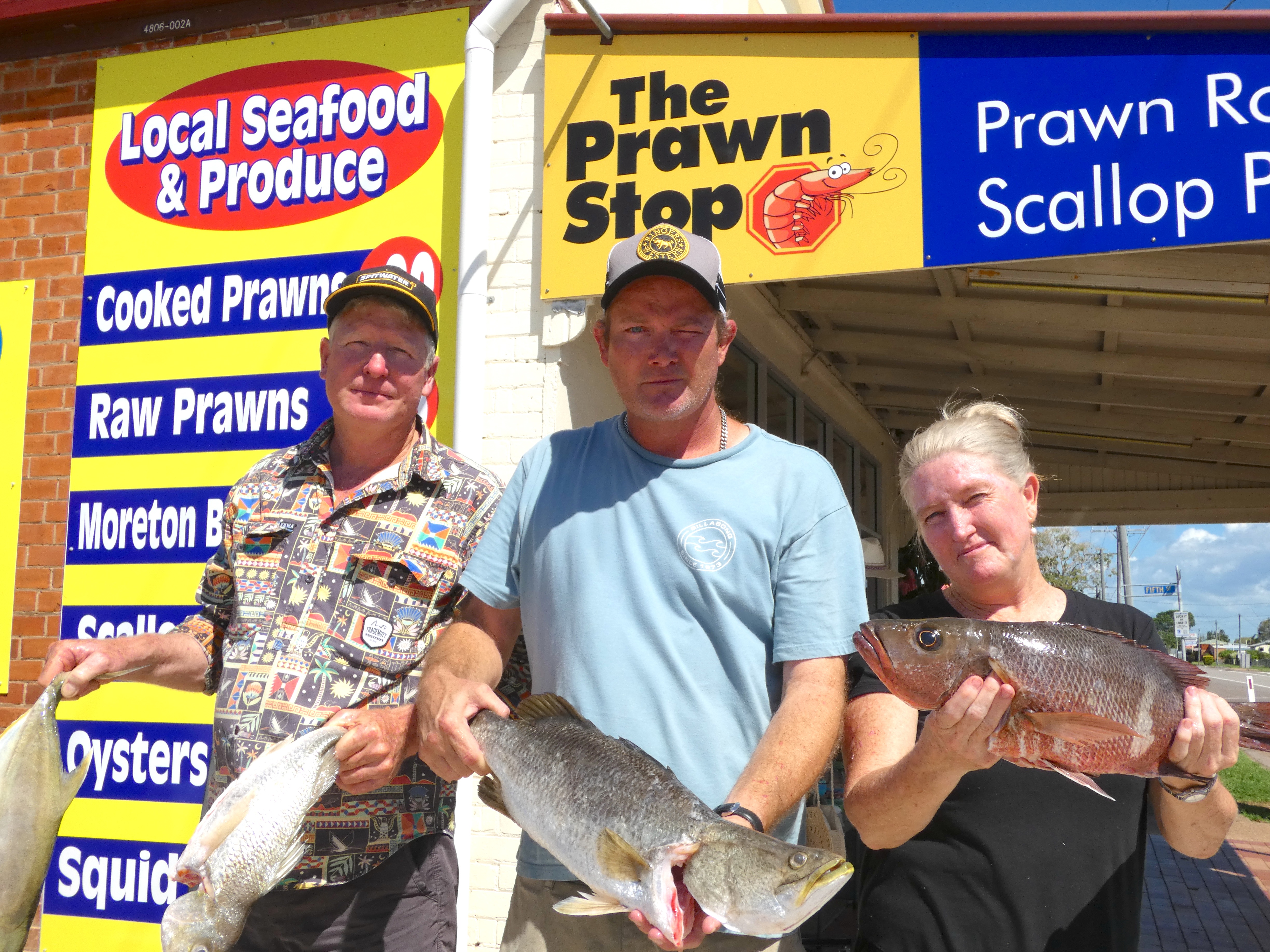
Melissa Wiles, owner of The Prawn Stop in Home Hill, added she would have to source products from as far as Brisbane if local suppliers were no longer available.
“You can tell the difference straight away. Who wants to eat barramundi that's not local?” she said.
“I’d have to up prices at least $10-15 a kilo just for the freight.”
The phase-out came under renewed scrutiny late last month when stakeholders gathered at Burdekin Shire Council Chambers to discuss its potential ramifications.
Among issues discussed was a $25,000 study—funded by local fishers—which challenged the findings of a Queensland Government ecological risk assessment that identified intermediate to high risks to threatened species including dugongs and turtles.
The research, undertaken by independent fisheries consultancy FishListic, used data gathered by commercial fishers through onboard cameras, vessel monitoring systems and electronic catch reporting, including records of their catch and interactions with protected and non-target species.
The assessment found the fishery could meet several Marine Stewardship Council sustainability standards, while identifying areas requiring further work before the remaining standards could be met.
John Byers, a commercial fisher based at Alva Beach, said his experiences on the water largely concurred with the report's findings.
“We’re under camera now, so everything’s open and transparent. There’s nowhere to hide,” he said.
“I haven’t caught any dugongs. I've encountered turtles, but I've released them all alive. The camera footage speaks for itself.”
However, conservation groups, including WWF-Australia and the Australian Marine Conservation Society, along with UNESCO assessments, have maintained that gillnet removal is non-negotiable to protect vulnerable dugong, turtle, and sawfish populations.
That stance spurred a joint $160-plus million Federal and State policy package aimed at staving off an “In Danger” World Heritage status downgrade.
The Queensland Government has confirmed the NX fishery will expire as legislated next year.
Member for Burdekin Dale Last said the Government would only support changes backed by “robust science.”
“The commercial fishing industry has a long history in the Burdekin as a valuable primary industry in our community, which is why I have continued to advocate on their behalf as the local member,” he said.
“The Crisafulli Government has committed to supporting Queensland's fishing sector by only legislating changes backed by robust science, and fairly compensating all fishers for any changes required and we continue to deliver on that commitment.”
Mr Last did not confirm whether he supported the phase-out proceeding as planned.
Mr Green said requests for an extension to the NX fishery had been sent to Queensland Primary Industries Minister Tony Perrett.
“I don't care what they come up with. They can come up with a fish pot—as long as it works,” Mr Green said.
“That keeps us on the water. That keeps businesses happening—but if this stops in July, so does everything.”
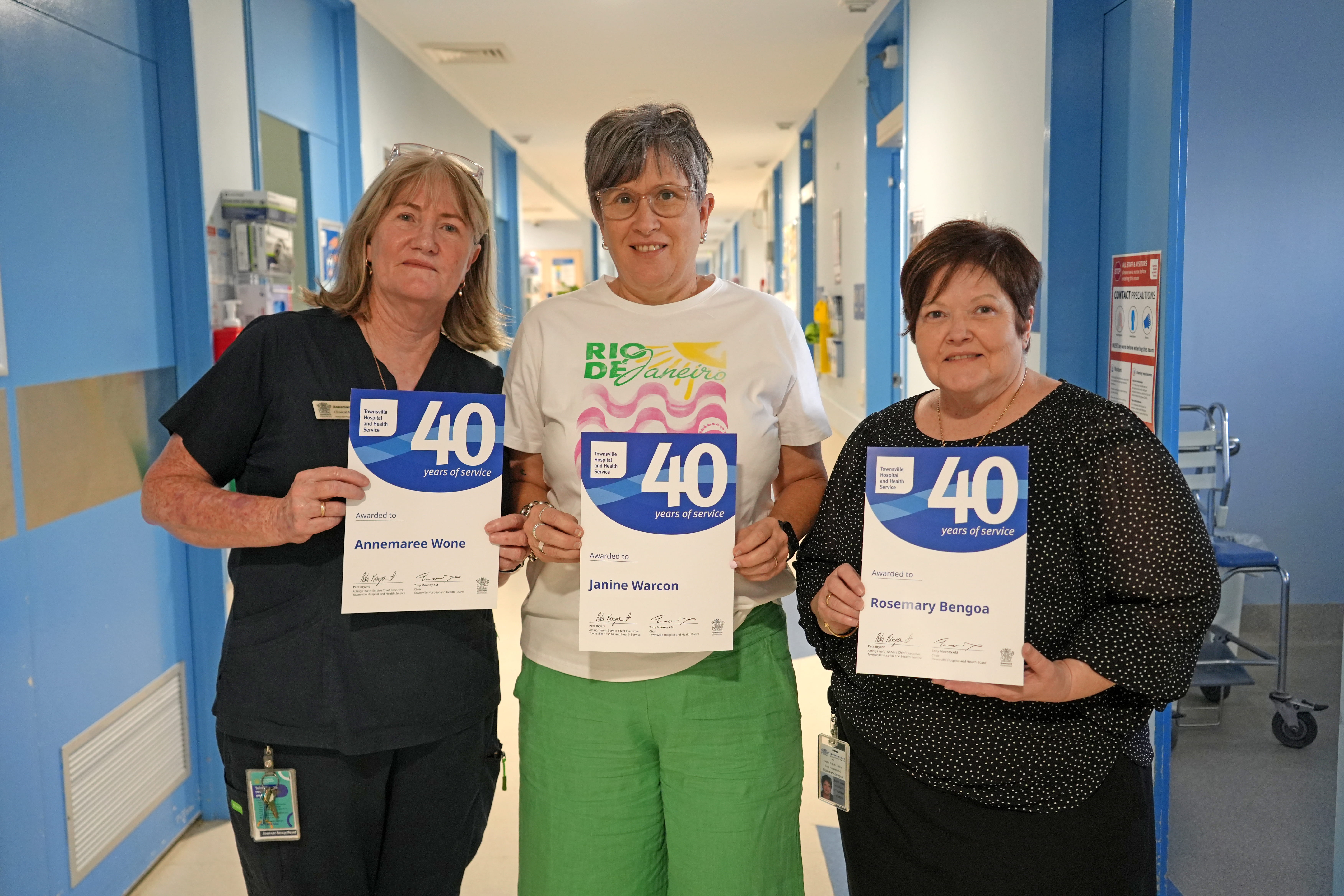
Rosemary Bengoa, Janine Warcon and Annemaree Wone have each reached 40 years of service, with the milestone recognised at local staff thank-you events. Photo supplied
Three Burdekin hospital workers have clocked up 120 years of combined service to the Ayr and Home Hill communities.
Rosemary Bengoa, Janine Warcon and Annemaree Wone have each reached 40 years of service, with the milestone recognised at local staff thank-you events.
Rosemary began at Ayr Hospital in 1985 in the front office before moving into medical records, accounts payable, assets and finance.
Janine started in the Home Hill Hospital kitchen and has since worked across kitchen, cleaning and laundry roles at both Ayr and Home Hill. She later became an orderly before moving into her current role as an assistant in nursing at Home Hill.
Annemaree began her career at The Prince Charles Hospital in Brisbane, working as an enrolled nurse for four years before completing her registered nurse training in Townsville.
She returned to the Burdekin after the birth of her first child and now works across the dialysis unit and emergency department at Ayr.
The three staff members said their connection to the community, colleagues and variety of work had kept them in the health system for four decades.
“Your work colleagues and the friendships you make along the way keep you in the role,” Rosemary said.
For Janine, working in her own community and caring for patients has been a key part of her career.
“We’ve had some funny moments; just the other night one patient was disco dancing in the hallway with me,” she said.
Annemaree said working across different areas had kept her career varied.
“I work in dialysis, sometimes in the emergency department, and sometimes on the ward, and because I have always worked across multiple areas, I’ve never felt stuck in one place,” she said.
The breadth of responsibilities is a common feature of working in rural hospitals, Ms Wone said.
“You need to know lots of different things when you work in a rural or remote hospital setting, so we are very busy,” she said.
“But even with how much we have all achieved, I can’t believe it’s been 40 years; it feels like it happened overnight.”
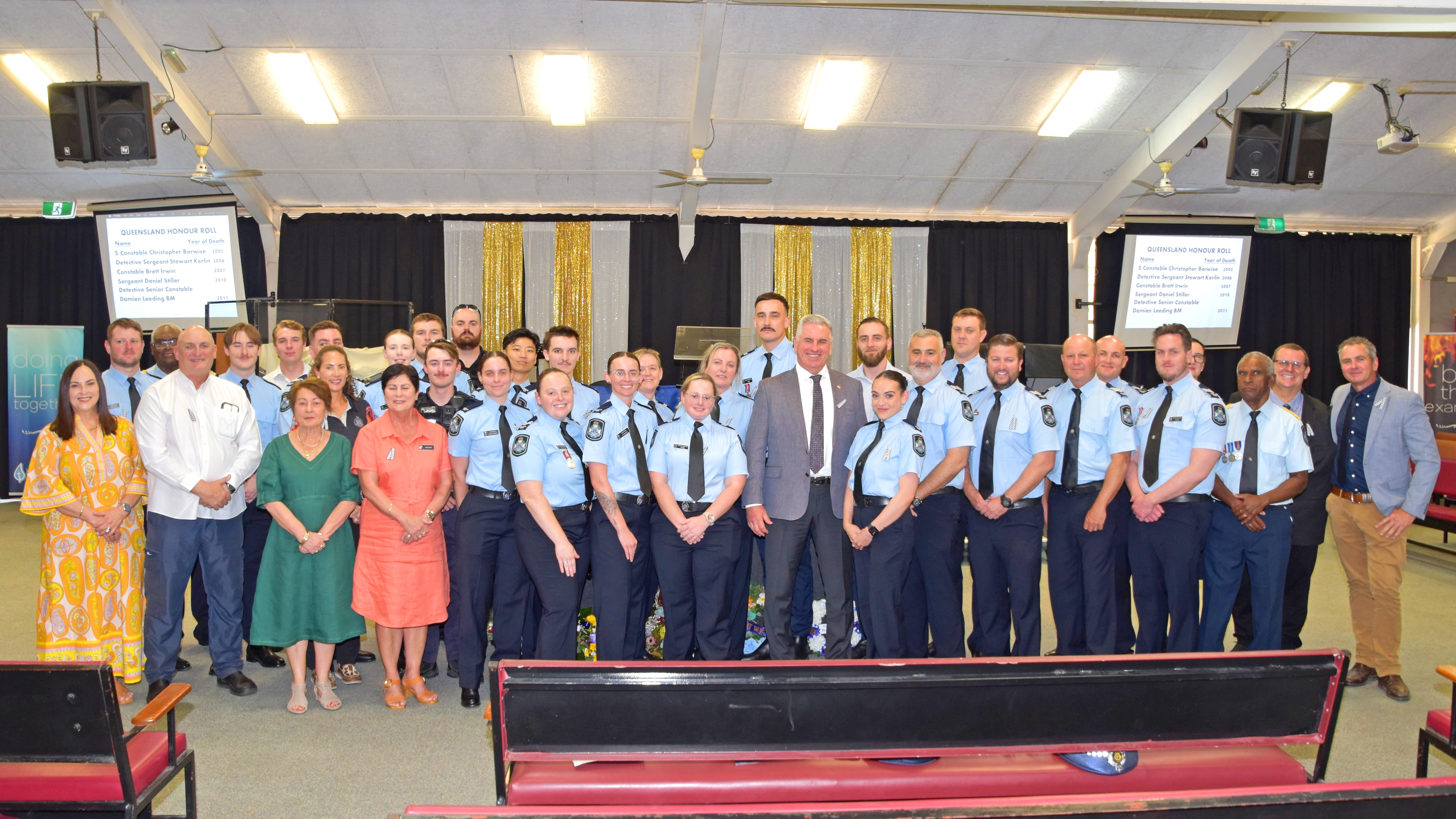
Burdekin police, dignitaries and community groups gathered Tuesday morning to honour officers killed in the line of duty. Photo: David Cooper
Burdekin community members, local dignitaries, and police gathered at Ayr's Burdekin Community Church on 29th September to commemorate National Police Remembrance Day. The solemn service honoured officers who made the ultimate sacrifice in the line of duty, featuring a wreath-laying ceremony and a reading of the Roll of Honour.
Read more here: www.burdekinlife.com/article/burdekin-honours-fallen-officers-on-remembrance-day
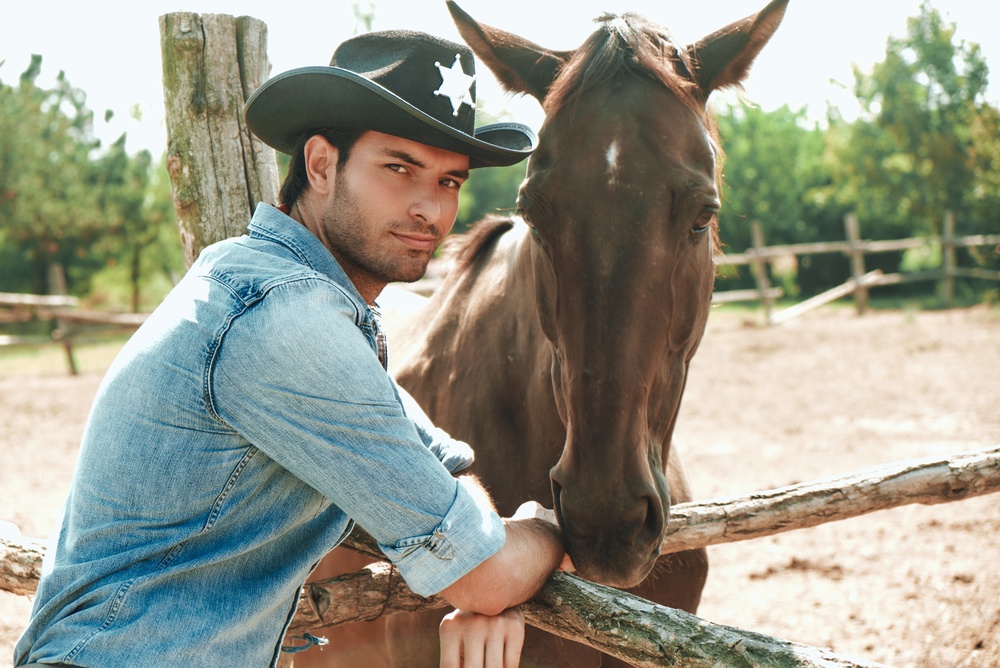
This week’s Good Deed goes out to all the good-looking farmers out there! If you’re up for a bit of fun, all in the name of community spirit, put your hand up to participate in the Hot Days, Hot Farmers Calendar.
As part of the countdown to the 2027 Sweet Days Hot Nights Festival, returning to the Home Hill Showgrounds on Friday 28 and Saturday 29 May, organisers are looking for locals to feature in their first-ever calendar project.
Think firefighter’s calendar… but Burdekin style.
“Now, when we say hot, we’re talking about more than just good looks. We're looking for the people who make our region what it is. The seasoned farmers, the contractors, the next generation of growers and the local legends who help keep Australia sweet,” said a Council spokesperson.
“Although, bonus points if you’re easy on the eyes too!”
Men and women. Young and old. Farmers and contractors. Whether you're behind the wheel, in the paddock or running the operation, you're eligible. Think you’d look like in a calendar? Send your name and photo to sweetdays@burdekin.qld.gov.au and throw your hat in the ring by Sunday 18 October. And yes, nominating your mates is highly encouraged.
The shortlist of finalists will be announced on Facebook before the decision is handed over to the community to choose the twelve faces of the 2027 calendar. Those hot twelve farmers will take part in a professional photoshoot and earn their place in Burdekin history as the Sweet Days, Hot Farmers Calendar stars.
Farming has never looked so good.

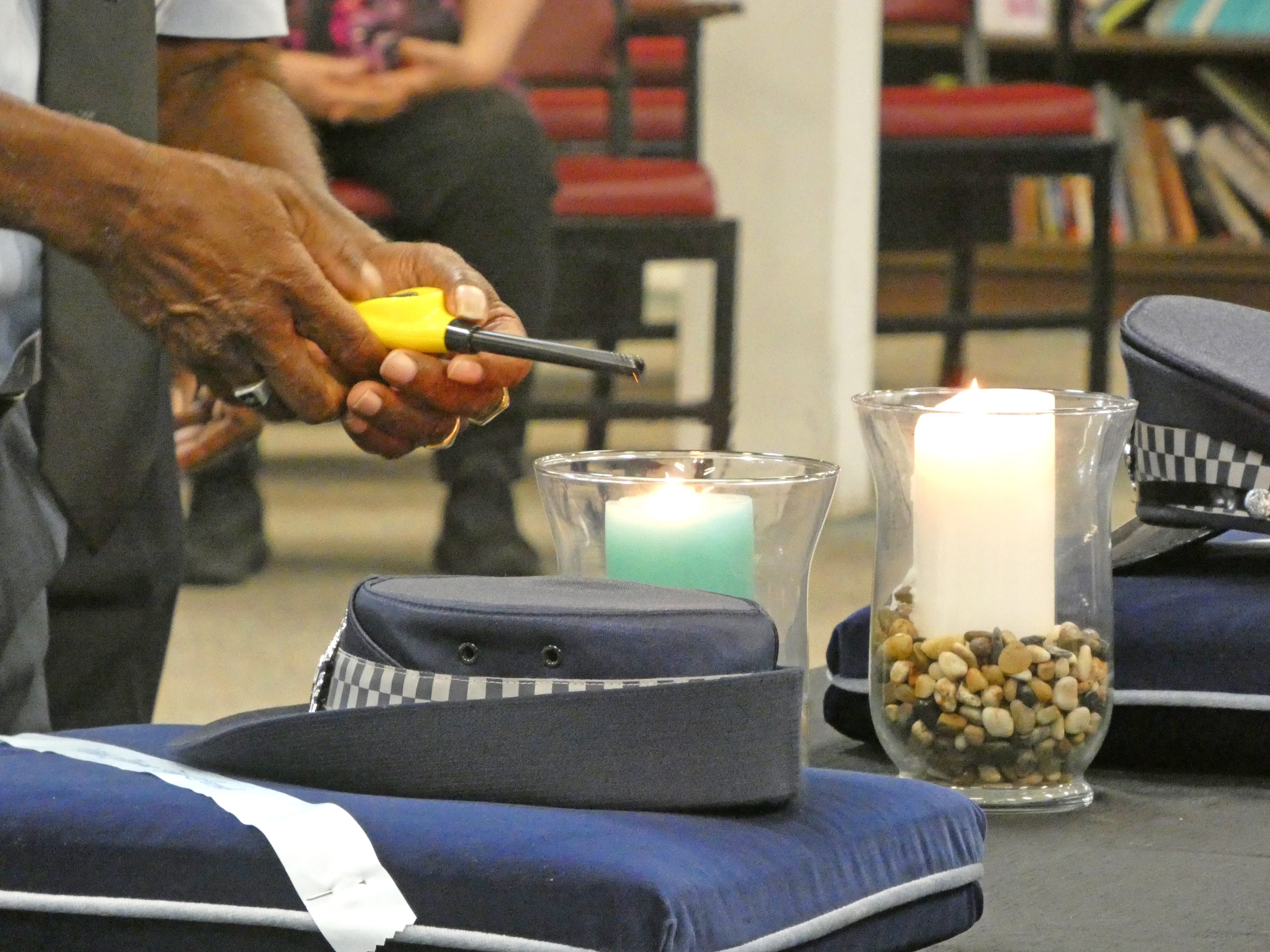
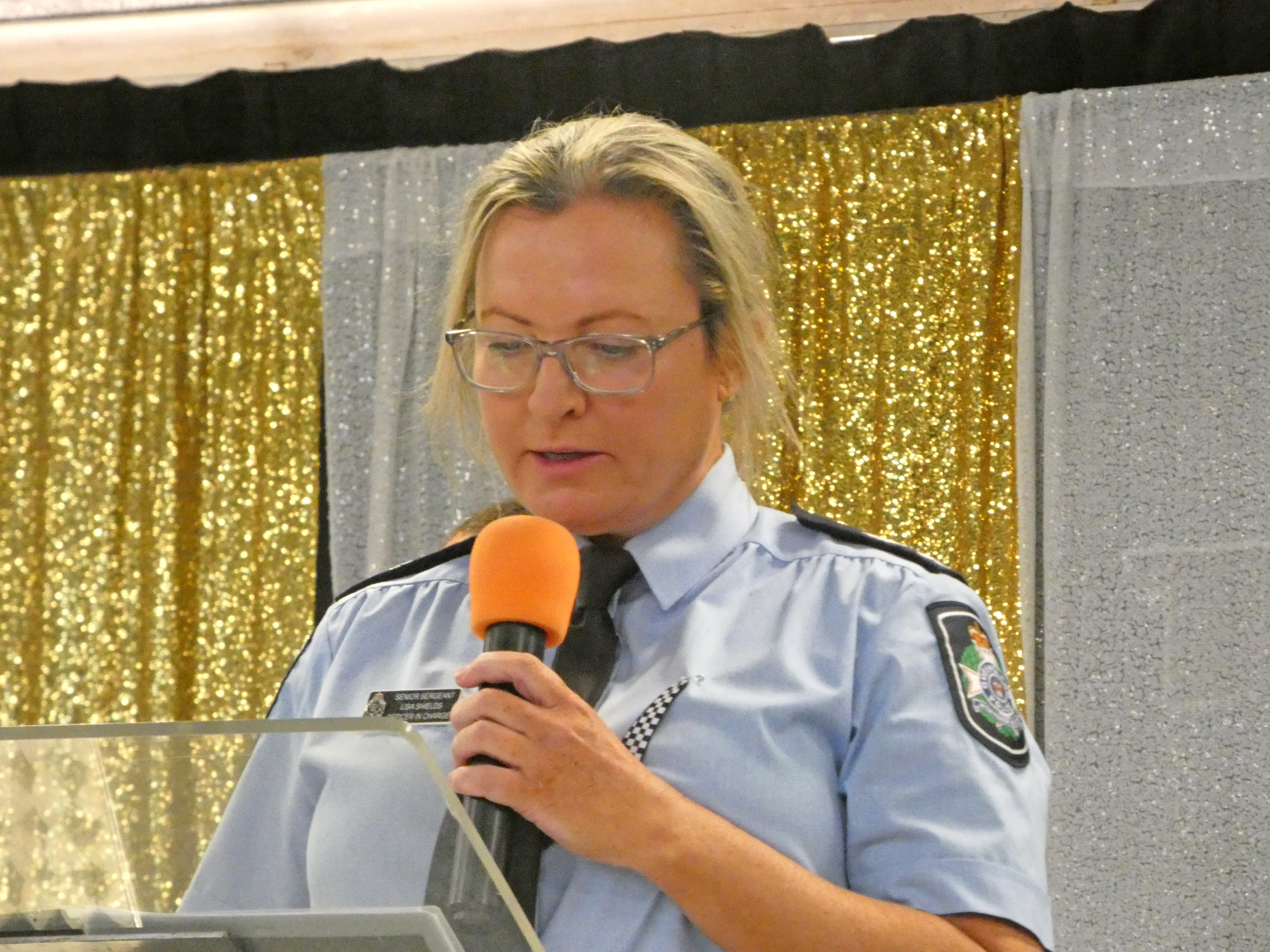
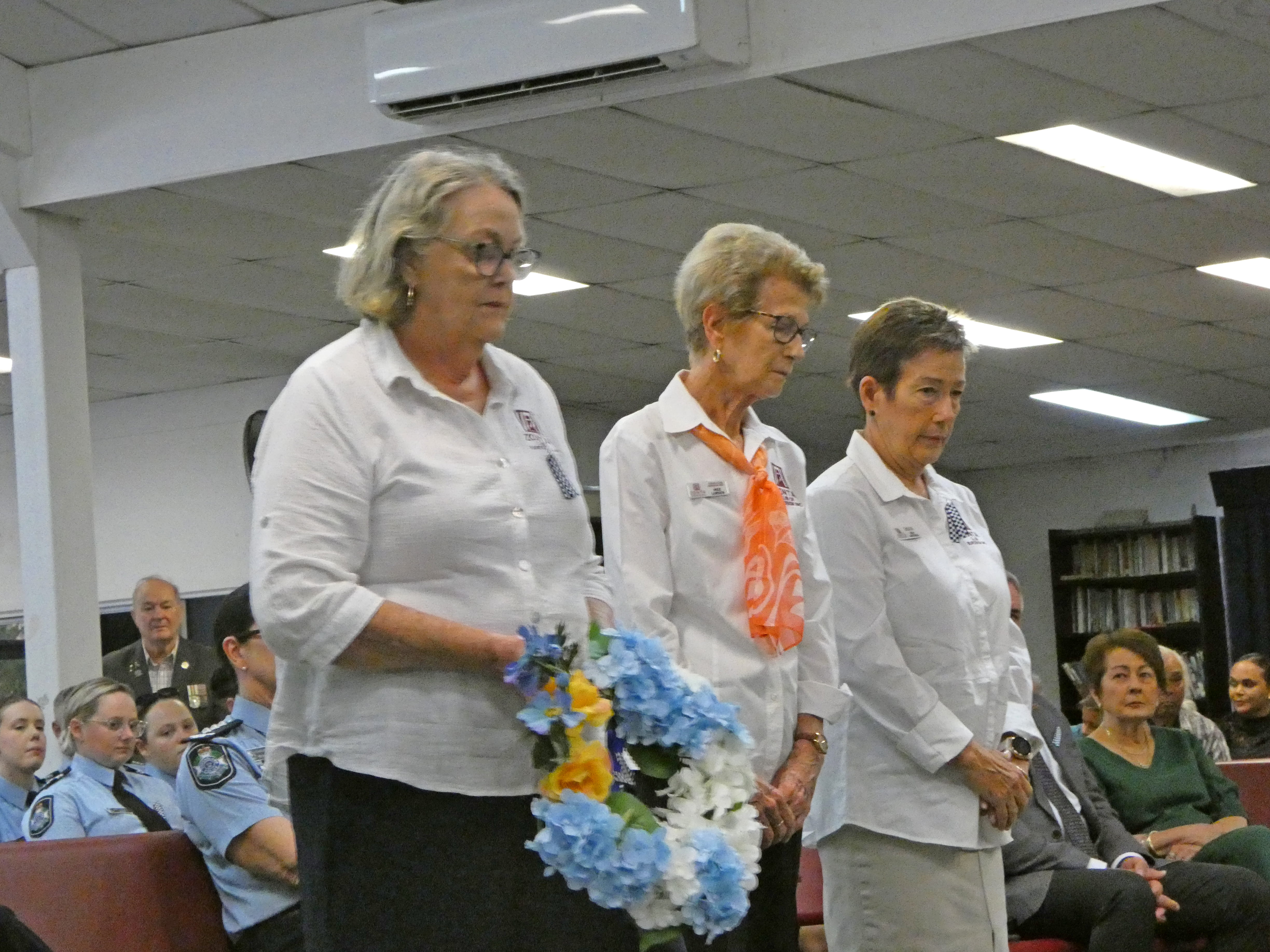
Local officers stand for the Roll. Photos: Jacob Casha
Burdekin police, dignitaries and community groups gathered on Tuesday morning to honour officers killed in the line of duty.
Held at the Burdekin Community Church in Ayr, the service formed part of National Police Remembrance Day, observed each year on 29th September.
Pastor Peter Holmes, who led the service, said it was a chance to pay tribute to the bravery and service of the fallen.
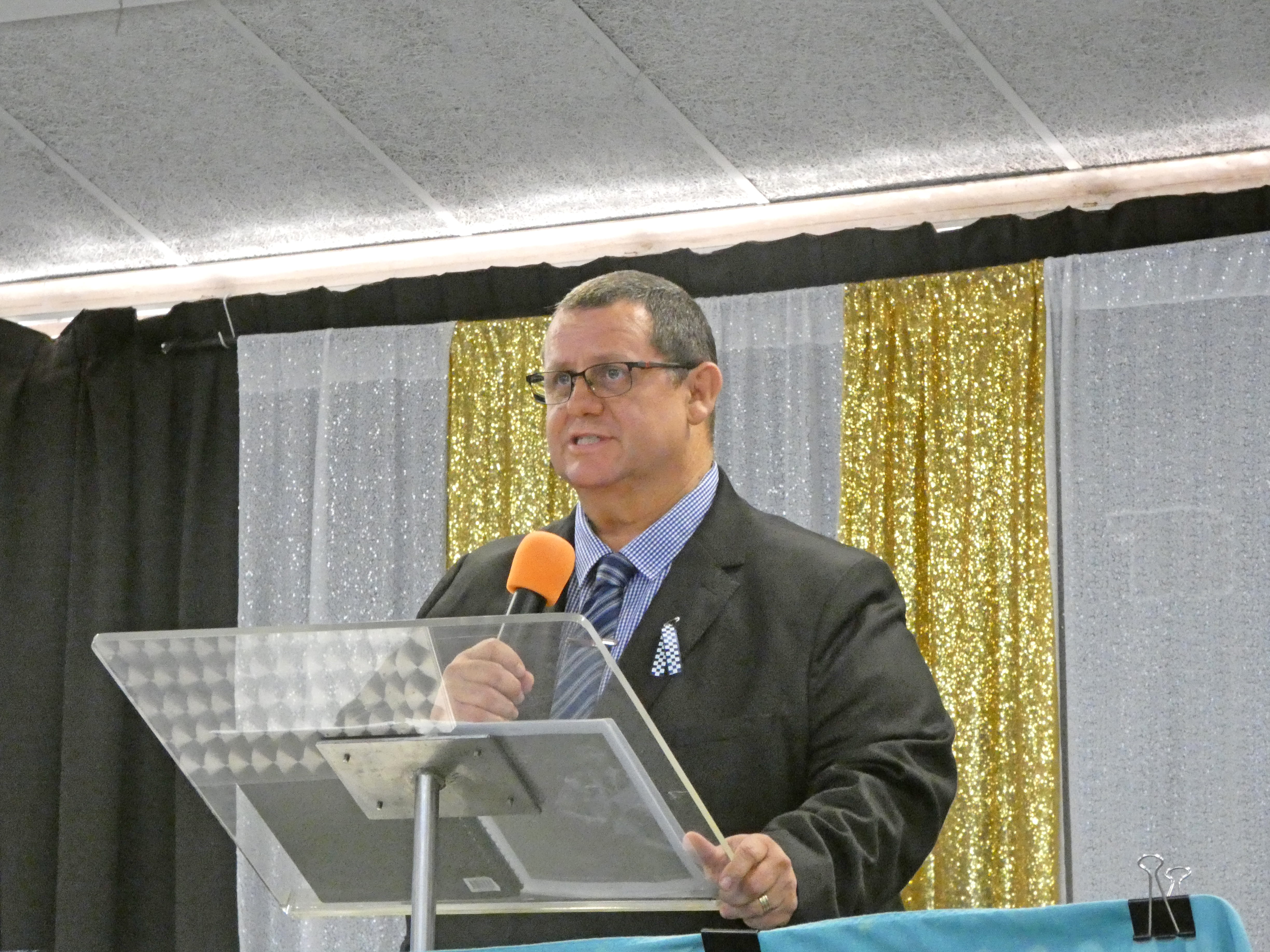
“Someone has to protect those who cannot protect themselves. Someone has to step into the disorder and work to restore order—and that is one of the responsibilities entrusted to our police,” he said.
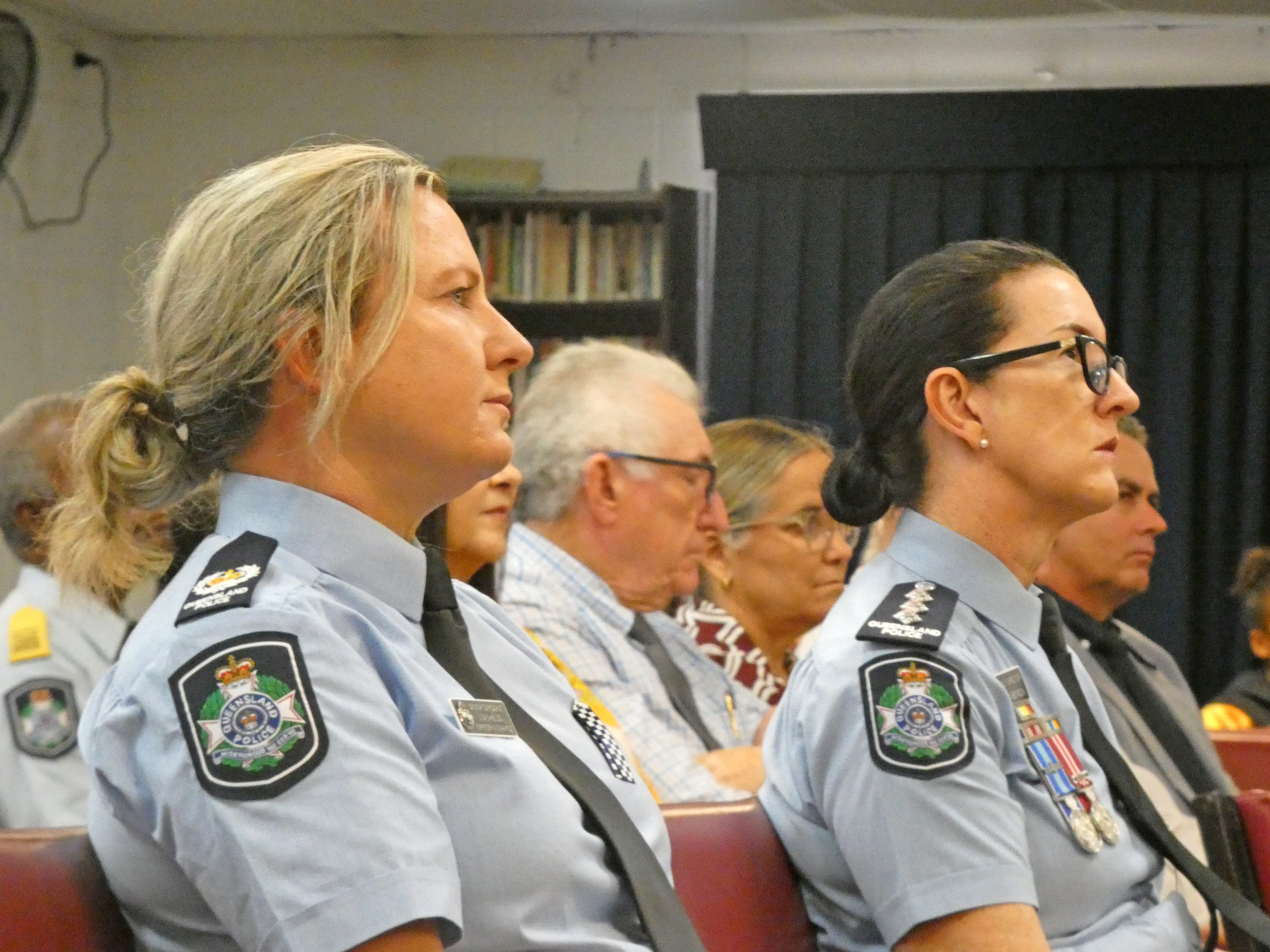
“Today, we honour those who stood. Some stood in circumstances that ultimately cost them their lives, and this day each year ensures that their courage will never be forgotten.”
A Police Commissioner’s Address was delivered by Acting Inspector Megan Benson before local officers read the Roll of Honour, commemorating police officers killed in the line of duty.
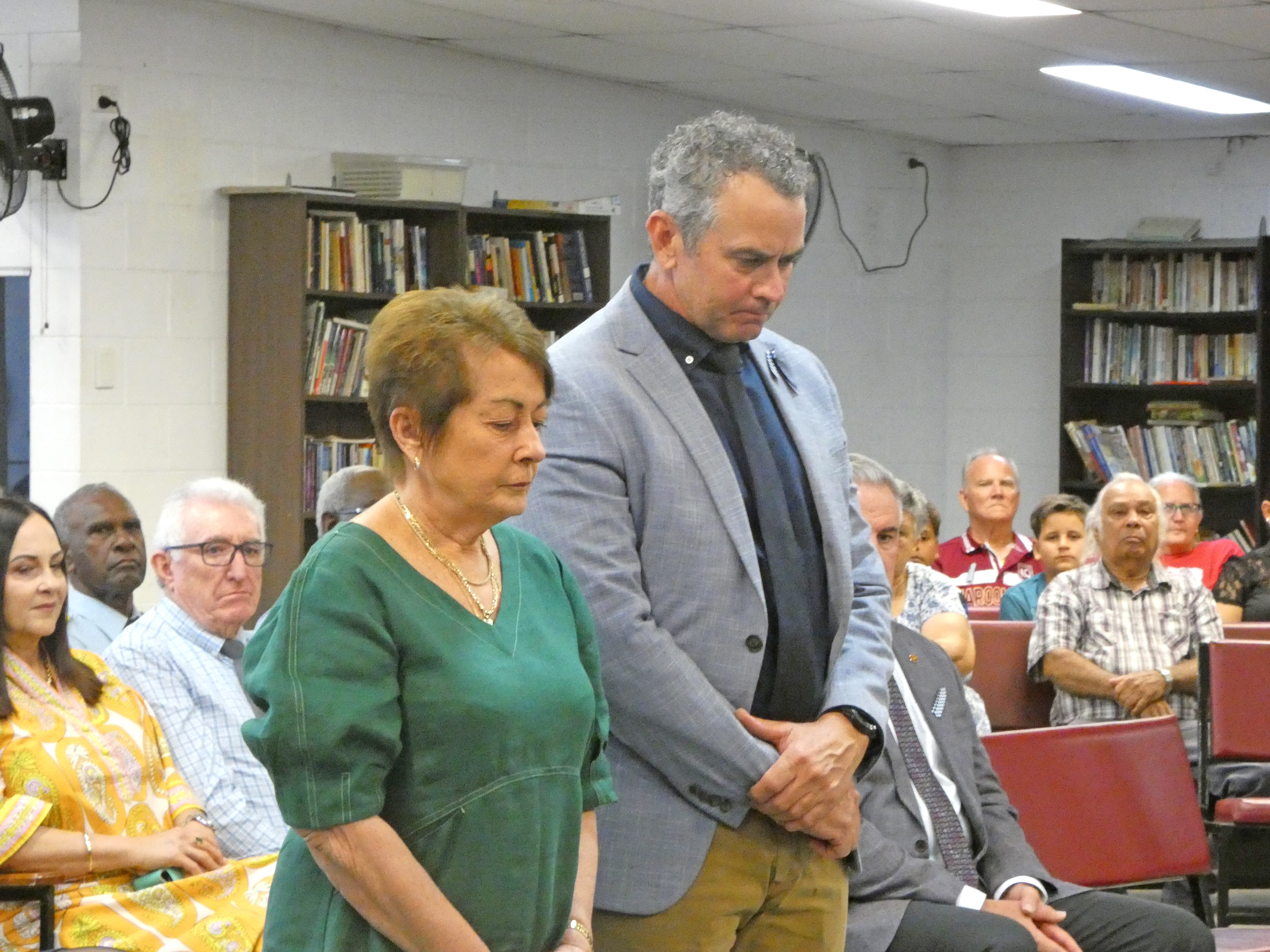
Officers then lit memorial candles, before community groups joined police and dignitaries in laying wreaths.
Among dignitaries were Burdekin Shire Council Mayor Pierina Dalle Cort and Member for Burdekin Dale Last, who called it a “privilege” to join local police in their commemorations.
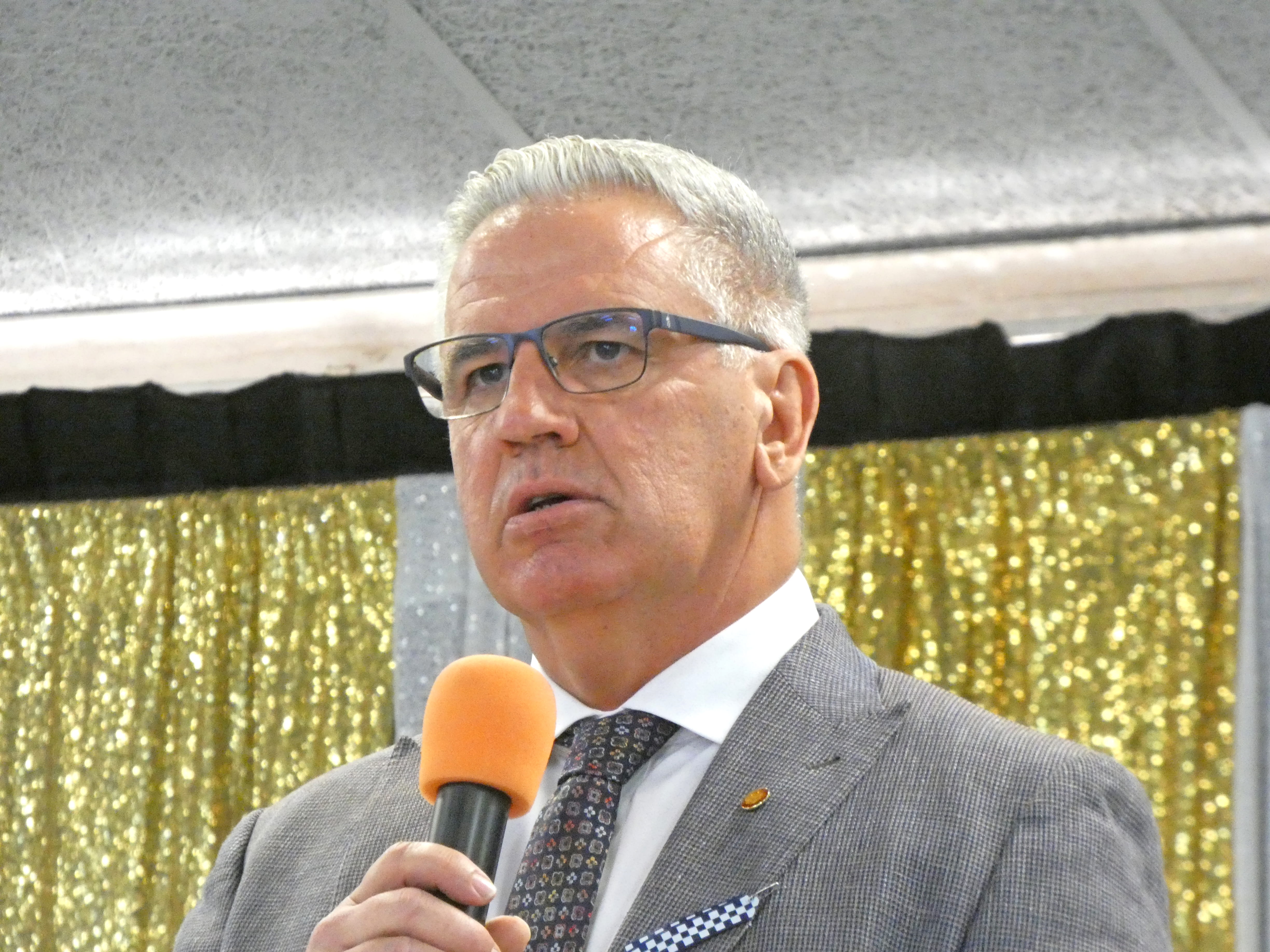
“As a former police officer, National Police Remembrance Day is an incredibly important opportunity to remember those officers who lost their lives while serving their community and to show our support to those who continue to keep our communities safe today,” Mr Last said.
“Small regional towns like the Burdekin mean our police officers become involved in a variety of facets in our community and it is part of what makes these roles in our small communities so unique.”
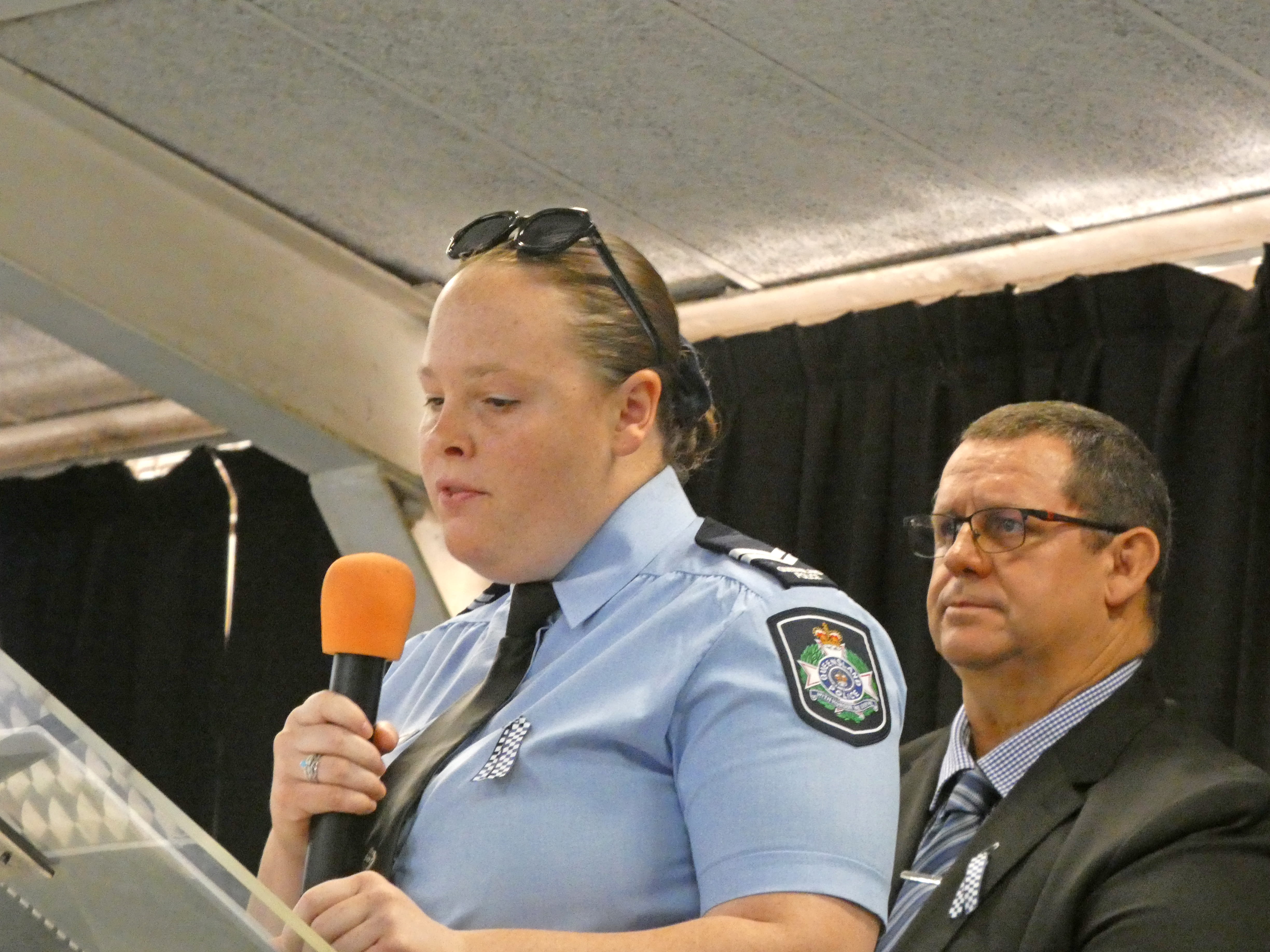
“It also means that chances to stand with our men and women in blue should not be overlooked.”
A morning tea was held in the church hall following the service.
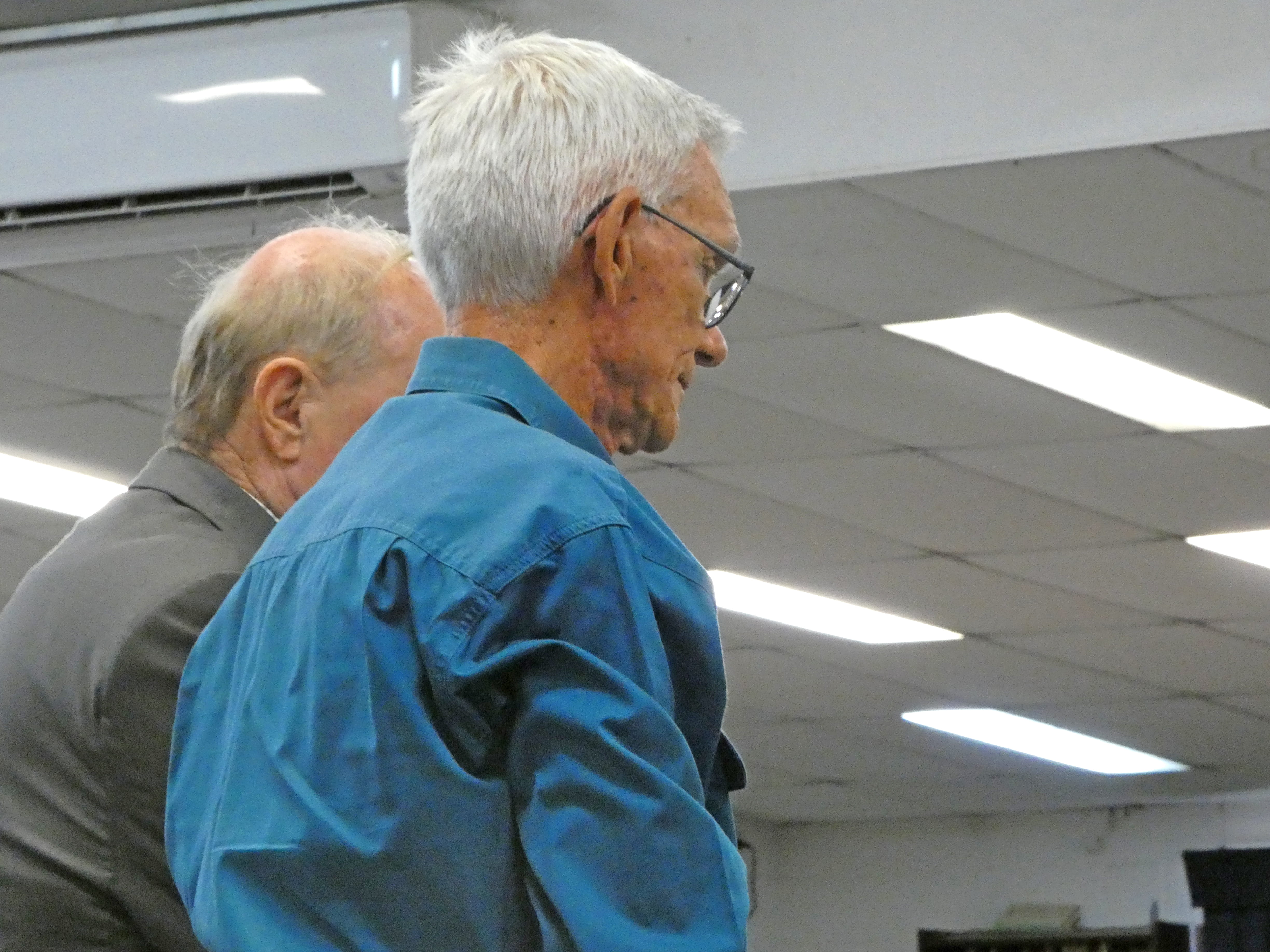

New research into how nitrogen moves through soil could offer useful lessons for Burdekin cane growers; but Professor Mike Bell says findings from rainfed wheat country cannot simply be transferred to the district’s irrigated sugarcane systems.
Bell, from The University of Queensland, led a project through the Australian Government’s $20 million Soil Science Challenge Program examining nitrogen movement in clay soils used for rainfed grain production in southern Queensland. Bell said applying the findings directly to flood-irrigated cane would be “a fair stretch”, however, the research does provide insight into how soil type, water and nitrogen interact.
Nitrogen moves through soil with water, meaning the way it behaves can vary considerably depending on the soil. In freely draining soils, nitrogen can potentially move below the active root zone, while heavier clay soils can hold water for longer and create conditions where nitrogen is lost through denitrification.
Bell's research tested whether applying nitrogen to dry soil soon after a previous crop was harvested could improve nitrogen recovery in the following wheat crop, rather than applying it close to planting. Across two seasons, the approach produced better nitrogen recovery in a dry year without additional losses in a wetter year. However, Bell stressed that further testing is required before the approach becomes mainstream.
In the Burdekin, local agronomist Jayson Dowie said the research reinforced principles already relevant to cane production, while highlighting the differences between farming systems.
“There really isn't one nitrogen story for the Burdekin,” Dowie said, pointing to the district’s diverse soils and fully irrigated production system.
He said nitrogen use efficiency was influenced by more than fertiliser rates, with soil health, compaction, drainage, irrigation, weeds, crop establishment and seasonal conditions all affecting how effectively a crop could use available nitrogen. Dowie also pointed to local research into nitrogen timing.
“In one of our larger nitrogen trials we saw better crop responses where nutrition was applied after the first irrigation, and again with later application, compared with applying it immediately behind the harvester,” he said.
While the result raised questions around timing, Dowie cautioned against attributing the response to a single mechanism. He said later applications could also create additional labour and operational challenges, particularly where irrigation fluming needs to be moved. Irrigation itself remains an important part of the nitrogen equation.
On heavier soils, prolonged saturation can increase the potential for nitrogen loss through denitrification, while excessive water movement through lighter soils can increase the risk of nitrogen moving below the active root zone.
Dowie said the next challenge for local research was understanding how nitrogen and irrigation management could be better matched to individual soils and crops.
“The bigger question is how much better we can become at matching nitrogen and irrigation management to what the crop actually needs across the Burdekin's different soils and landscapes, while improving productivity and profitability.”
For Burdekin growers, the national research therefore provides useful evidence about the relationship between nitrogen, soil and water; but not a one-size-fits-all prescription. Further local testing will be needed to determine what strategies deliver benefits under the district’s specific soils, irrigation systems and commercial cane-growing conditions.
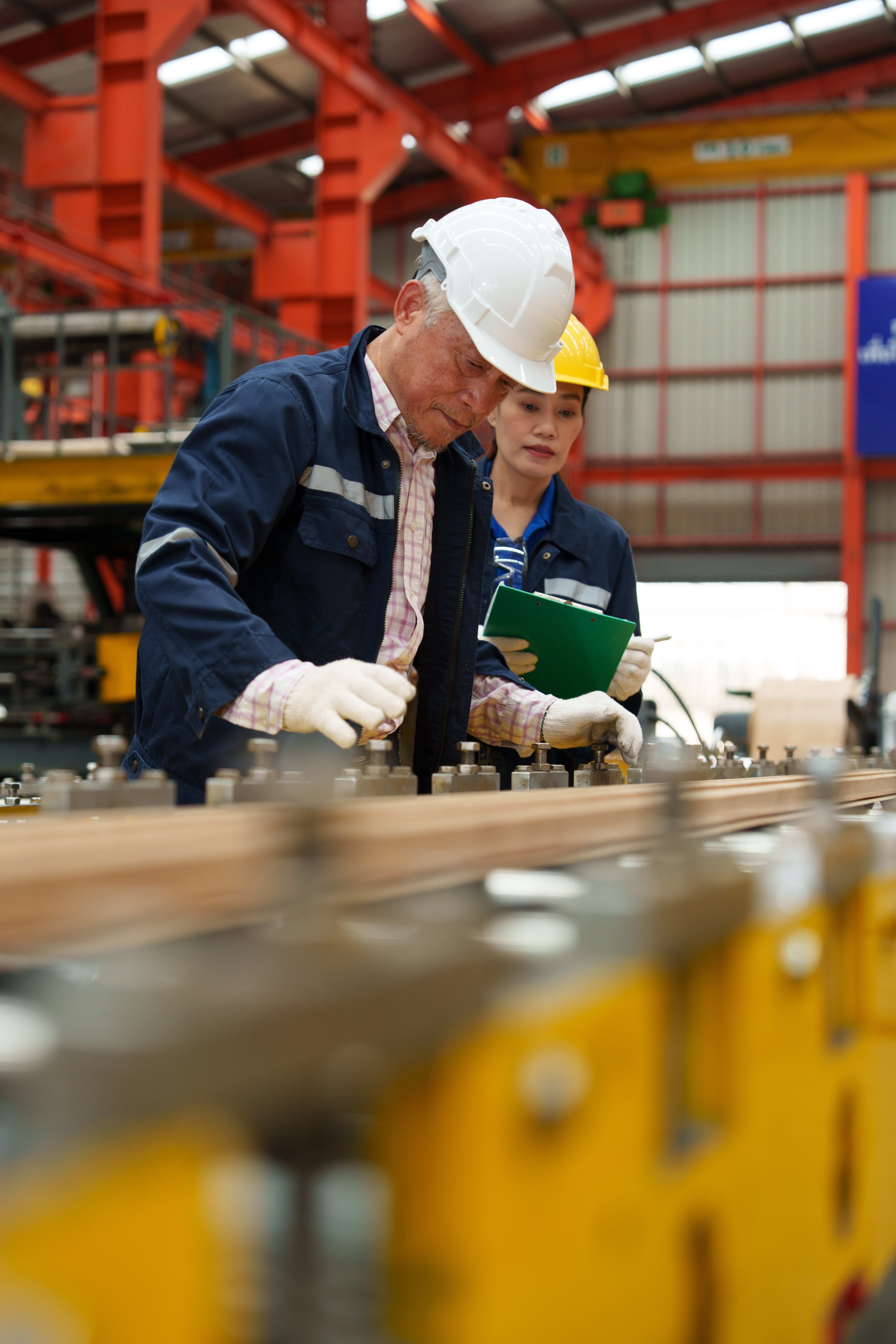
Photo source: Shutterstock
Burdekin manufacturers could be in line for a share of a $12.5 million Queensland Government funding round aimed at helping regional businesses invest in new technology and improve productivity.
Round Two of the Transforming Queensland Manufacturing Grants Program is now open, with at least half of the available funding reserved for projects located in regional Queensland.
The Department of Natural Resources and Mines, Manufacturing and Regional and Rural Development has confirmed Round One attracted 119 applications across Queensland, with 18 businesses receiving funding. Eleven of those recipients were based in regional Queensland, but the Department has not disclosed any Round One application or recipient figures specifically for the Burdekin.
The latest round offers eligible manufacturers grants between $100,000 and $1.5 million, covering up to 50 per cent of eligible project costs. Applications close at 1pm on 25th November.
The program is aimed at established small and medium-sized manufacturers looking to invest in advanced equipment or manufacturing technology, including robotics, automation, artificial intelligence and systems designed to improve production processes.
Businesses must have between five and 200 full-time equivalent employees, a majority of their turnover must come from manufacturing, and they must have operated in Queensland for at least three consecutive years.
For the Burdekin, manufacturing opportunities are closely tied to the region’s broader agricultural economy, including engineering, fabrication and businesses supplying equipment and services to primary industries.
The Townsville Manufacturing Hub, which services the Burdekin, has also been increasing its focus on technology and workforce capability.
In August and September, subsidised two-dimensional and three-dimensional computer-aided design training was offered in the Burdekin for the first time, including training at the Home Hill campus. The program was designed to help local manufacturers improve digital design capability, accuracy and product development.
The Queensland Government says Round One projects across the State are expected to create more than 300 new jobs and upskill more than 550 existing workers, although those figures are projected outcomes rather than jobs already created.
For Burdekin businesses, the next question will be whether local manufacturers put forward projects capable of competing for the funding.
Round Two is being delivered through a single-stage competitive process, with $12.5 million available and at least 50 per cent allocated to projects located solely in regional Queensland.
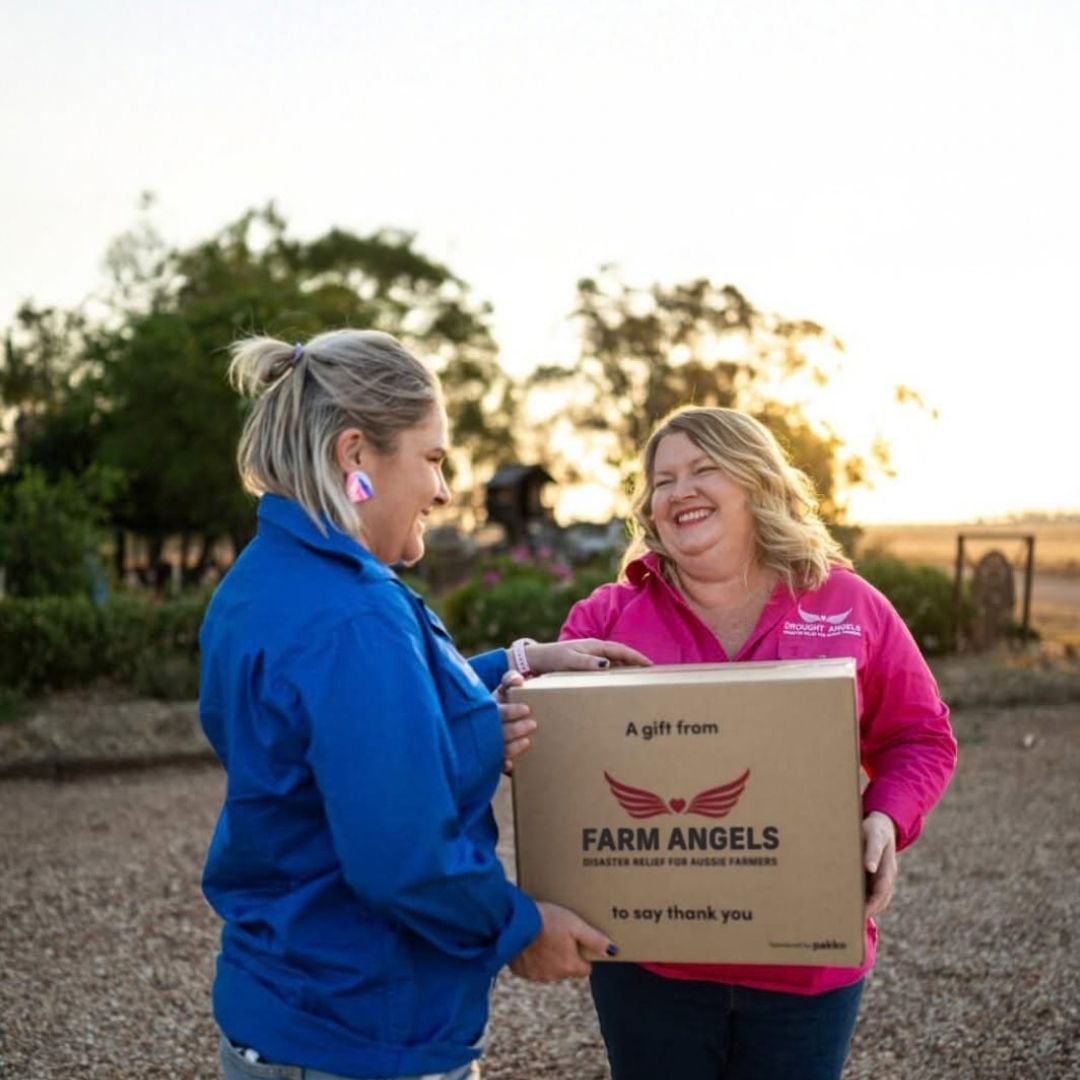
Women from across the Burdekin and surrounding districts are being encouraged to secure their place at Beyond the Gate: Celebrating the Women at the Heart of Rural Communities. Photo supplied
Contributed by Community Bank Home Hill & Ayr
With final tickets now available, women from across the Burdekin and surrounding districts are being encouraged to secure their place at Beyond the Gate: Celebrating the Women at the Heart of Rural Communities.
Hosted by Community Bank Home Hill & Ayr, the luncheon will bring women together to connect, share their experiences and celebrate the resilience, leadership and contribution that help rural communities thrive.
Coinciding with the International Day of Rural Women, celebrated globally on October 15, Beyond the Gate recognises the many roles women play across agriculture, local business, community organisations, volunteering and family life.
Community Bank Home Hill & Ayr Branch Manager Sally Smith said the strong response to the event demonstrated the value of creating opportunities for rural women to come together.
“We are delighted to see so many women embracing this event, and with only the final tickets remaining, we encourage anyone considering attending to book as soon as possible,” Sally said.
“Women make an enormous contribution to rural communities, whether they are working on the land, operating a business, leading a community organisation, supporting their families or quietly helping others behind the scenes.
“Beyond the Gate gives us an opportunity to recognise those contributions, strengthen local connections and enjoy a well-deserved celebration together.”
A highlight of the luncheon will be an inspiring presentation from Farm Angels, a national charity dedicated to supporting primary producers and farming families through some of their most challenging times.
Originally established as Drought Angels in Queensland in 2014, the organisation has expanded its support to farmers affected by drought, floods, fires and plagues throughout Australia.
Farm Angels has now assisted more than 4,700 primary producers across over 1,300 communities by providing tailored financial assistance, food hampers, care packs and mental wellbeing support.
Through personal phone conversations and on-farm visits, the organisation works directly with farmers to understand their individual circumstances and provide practical and compassionate support.
Its work recognises the considerable pressure carried by farming families and the importance of helping primary producers remain on the land. This support contributes not only to individual wellbeing, but also to the strength of regional economies, Australia’s food security and the social fabric of rural communities.
Sally said the work of Farm Angels closely reflected the values behind Beyond the Gate and Community Bank Home Hill & Ayr’s commitment to rural communities.
“Farm Angels understands that behind every farm is a person, a family and a story,” she said.
“Their work is a powerful example of what can be achieved when people genuinely care for one another and provide meaningful support when it is needed most.
“We are proud to welcome a speaker from Farm Angels and give our guests an opportunity to learn more about the important difference the organisation is making throughout rural Australia.”
Guests can also look forward to a special “On the Couch” panel session featuring a range of perspectives and personal experiences, along with valuable networking opportunities, a delicious lunch and drinks.
For Community Bank Home Hill & Ayr, the event represents more than a single day of celebration. It is part of a broader commitment to recognising, supporting and investing in the people who sustain the Burdekin and surrounding rural communities.
“As a Community Bank, our connection to the region extends well beyond providing banking services,” Sally said.
“We want to support initiatives that bring people together, create stronger networks and recognise those whose efforts make our communities better places to live and work.
“Strong rural women help build strong rural communities, and we are committed to continuing to celebrate and support them.”
Beyond the Gate: Celebrating the Women at the Heart of Rural Communities will be held from 11am to 3pm on Friday, October 16, at Populins Hall.
Only the final tickets remain, making this the last opportunity to join an afternoon of connection, inspiration and celebration dedicated to the remarkable women at the heart of rural life.
Bookings through Humanitix - https://events.humanitix.com/beyond-the-gate-celebrating-the-women-at-the-heart-of-rural-communities
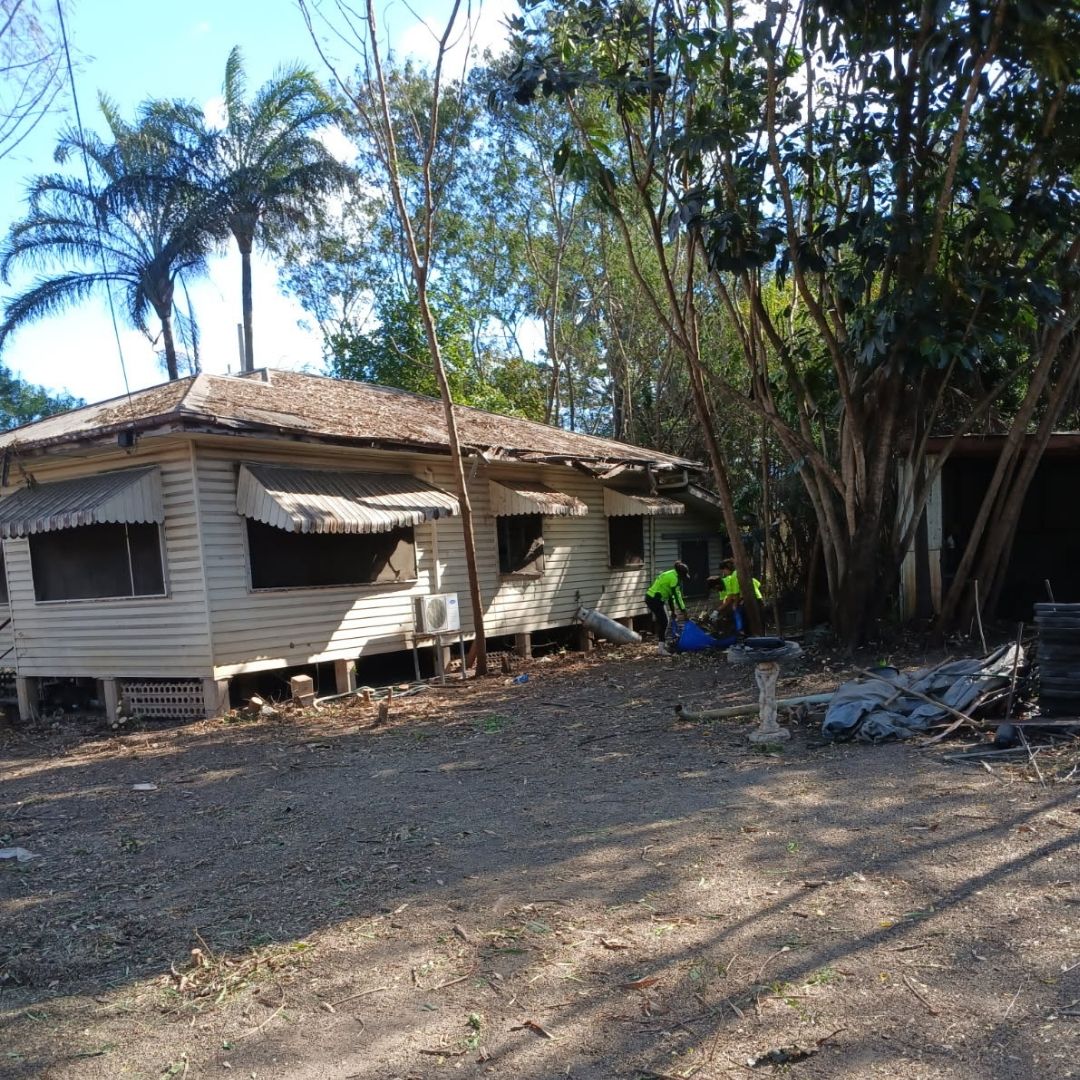
The Jim’s Mowing moniker has long been synonymous with freshly manicured lawns and inch-perfect hedges. In the Burdekin, its operation has evolved well beyond that.
Jim’s Window and Pressure Cleaning, one of the franchise’s latest ventures, has seen homes, offices and public spaces across the region look a little tidier.
Driven by the know-how of Gayl Campbell, a lifelong cleaner, and daughter Kayleen McKenzie, who brings years of pressure cleaning expertise with her from Perth, the service specialises in both interior and exterior property cleaning.
Now offering pressure cleaning for driveways and footpaths, the cleaning arm has grown into a comprehensive property maintenance operation, with free quotes available for regular and once-off work.
Although only 12 months old, the service has already taken on major projects for Burdekin Shire Council and multinational companies across the region, including Shell.
Franchise owner Geoff Campbell said it all grew out of a client demand and the same principles that had helped its other operations become successful.
“We would go to mow a lawn and people would ask, ‘can you clean our house?” he said.
“The whole success of everything has been down to paying attention to detail and quality of workmanship.”
The cleaning service complements the business’s trademark mowing work, which spans everything from lawn mowing and weed spraying to pruning, hedging, gardening, fertilising and rubbish removal.
Need a clean-up? Contact Jim’s Window and Pressure Cleaning on 131 546 for a free quote.
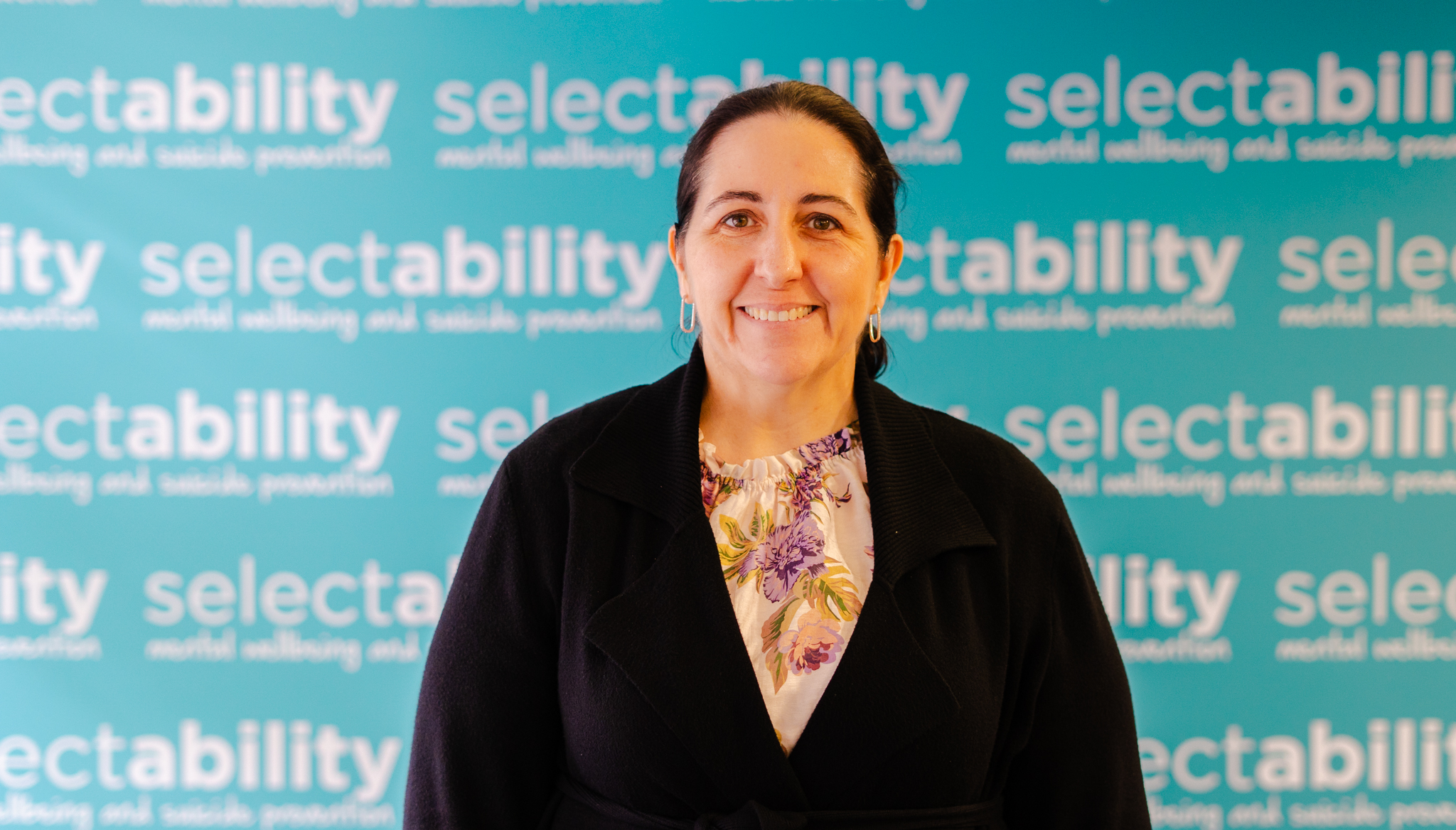
Contributed by selectability
With Queensland Mental Health Week (3-11 October) fast approaching, it's a good time to recognise the impact locals are making to build community and build wellbeing.
For regional coordinator Melissa, supporting people across the Burdekin is strengthened by her lifelong connection to the community she loves.
Born and raised in the region, Melissa joined selectability, bringing almost a decade of experience in the disability sector and a passion for ensuring regional communities have access to the support they need.
“I am passionate about helping people in regional and remote areas as it is often overlooked and assistance is needed,” said Melissa.
In her role, Melissa oversees the day-to-day operations of services across the Burdekin, supporting local employees and ensuring recipients receive high-quality, person-centred support.
While Melissa has only been with selectability for a short time, she has spent almost 10 years working in the disability sector and brings previous experience in childcare.
Taking on the regional coordinator position offered an opportunity to use her experience in a new way while continuing to make a difference close to home.
“I am excited to be challenged in a new role and helping people that need our support in a regional community.”
Having lived in the Burdekin her entire life, Melissa knows firsthand the value of the connections within a close-knit regional community.
“Everything is close and easily accessible, and everyone knows you and is willing to help.”
Since stepping into the role, Melissa says one of the biggest surprises has been discovering the breadth of support already available through selectability locally.
“I didn’t realise how much selectability had to offer in the Burdekin. “There is something for everyone that needs support.”
From NDIS supports to mental wellbeing programs and community connection, Melissa is looking forward to building her knowledge of selectability’s services and strengthening their impact across the region.
For those considering a career supporting others, Melissa says the opportunity to make a difference can be equally meaningful for the person providing the support.
“It is a life changing experience helping others.”
Meet Melissa and the team on Thursday 8 October at the Mental Health Hub, 182 Edwards Street, Ayr for their free community wellbeing event to celebrate Queensland Mental Health Week, learn more about local support and services and connect with the community.

There have been several important community events and opportunities across the Burdekin recently, and I’d like to take a moment to share some highlights with you.
On Tuesday, communities across Australia observed Police Remembrance Day, a significant occasion to honour the men and women of the police service who have lost their lives in the line of duty. It is a day to remember their courage, dedication and sacrifice, and to acknowledge the families, friends and colleagues who continue to carry their legacy. We thank all current and former police officers for their service and commitment to keeping our communities safe.
On Friday evening, I hosted a Catch Up with the Mayor at the Clare Club. It was a wonderful opportunity to meet with locals, listen to their concerns and discuss the issues that matter most to their community. I would like to thank everyone who came along and shared their thoughts and feedback. If you have never visited the Clare Club, I encourage you to stop by on a Friday night. The atmosphere, company and food were all excellent.
Finally, I’m excited to share news of a fun new initiative as part of the lead-up to the 2027 Sweet Days Hot Nights Festival. We have launched the search for the first-ever Sweet Days, Hot Farmers Calendar - think firefighters’ calendar, but Burdekin style. We’re looking for local farmers, contractors and agricultural workers who help make our region the productive and vibrant community it is today. Men and women of all ages are encouraged to nominate themselves, or even nominate a mate, for the chance to become one of the twelve faces of the 2027 calendar. Entries are open until 18 October, and I encourage everyone to get involved and have some fun with this uniquely Burdekin project.
As always, if you have any questions or would like to discuss any Council matters, please contact me directly by phone on 0447 150 582 or by email at mayor@burdekin.qld.gov.au.
Publishers Indemnity. Any individual or entity that places advertising, supplies copy material, or submits editorial content to Core Life Publishing agrees and undertakes to ensure that all such material:- Does not infringe upon any copyright, trademark, or other intellectual property rights;- Is free from any content that could be considered defamatory, libelous, or slanderous;- Does not infringe upon any rights related to privacy or breach of confidence;- Contains no obscene, indecent, or otherwise unlawful material;- Complies fully with the Trade Practices Act and all other applicable laws, regulations, or statutes.Furthermore, by submitting or placing such material, these individuals or entities agree to indemnify and hold harmless the publisher, Core Publishing and Events Pty Ltd, and/or its agents from and against any and all investigations, claims, demands, liabilities, damages, costs, or judgments arising out of or in connection with the material provided. All material is believed to be accurate at the time of printing and remains the copyright of Core Publishing and Events Pty Ltd.
© 2026 Life Publishing Group Pty Ltd.