Independently Owned, Locally Grown, Community Loved

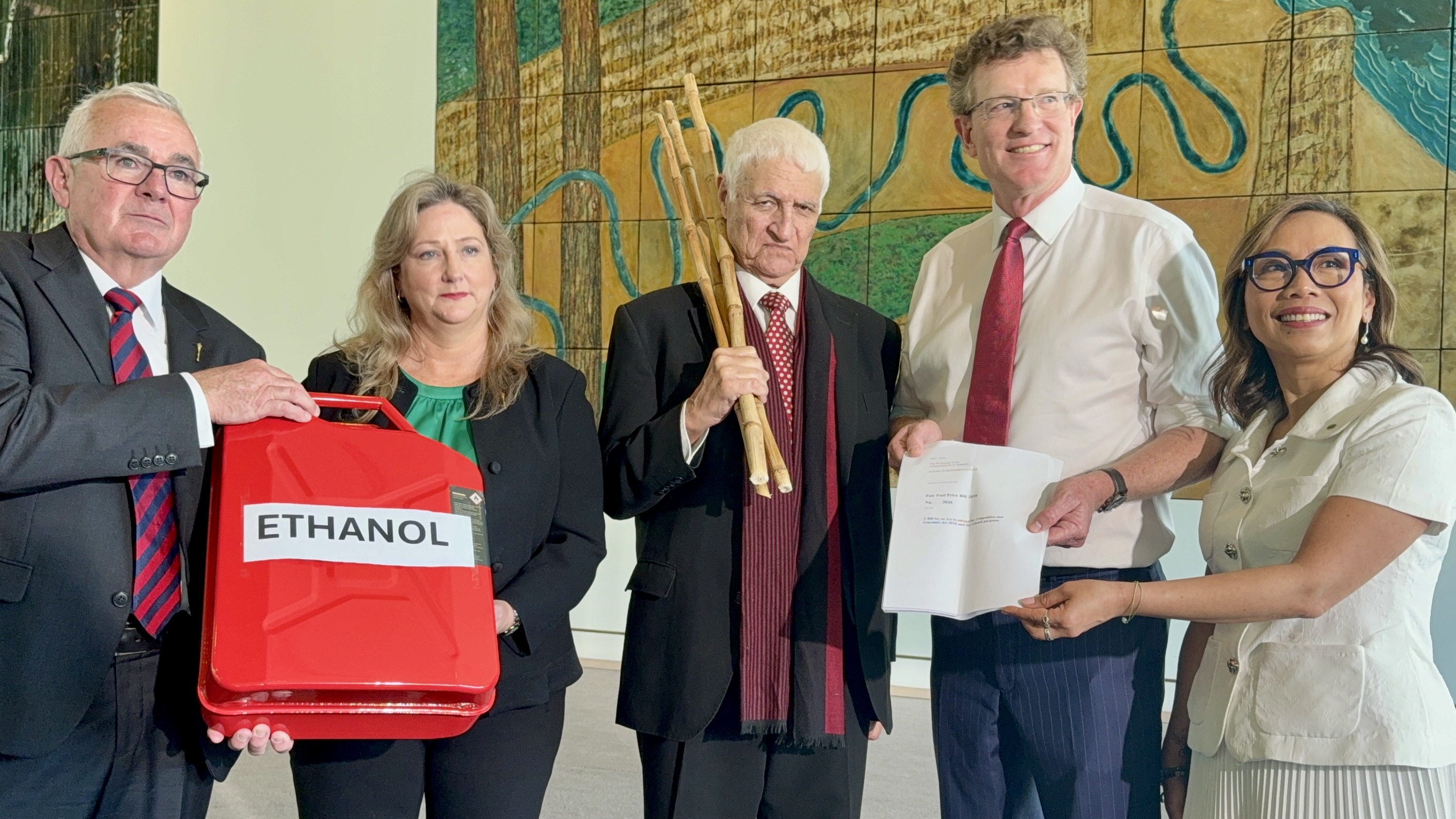
Sugar Industry Slams Australia–EU Trade Deal As ‘Horrendous Outcome’ Australia’s sugar industry has strongly criticised the outcome of the Australia–EU Free Trade Agreement, with CANEGROWERS warning the deal fails to deliver meaningful benefits for cane farmers. CANEGROWERS CEO Dan Galligan described the agreement as a major setback for the industry, particularly for growers across Queensland. “This is a horrendous outcome for Australia’s cane growers,” Mr Galligan said. “For the past decade we have made our needs abundantly clear to the Australian Government and they have not delivered. There is no meaningful commercial access for sugar in this deal. “The market access Australia has achieved is extremely small – less than 2% of Europe’s import requirement and well below what Brazil and its Mercosur partners secured last year, which was around four times larger than Australia’s outcome.” Under the agreement, Australia will receive an additional 35,000 tonnes of sugar quota access over three years, adding to an existing allocation of 9,925 tonnes. However, Mr Galligan said the increase falls far short of what is needed to create real commercial opportunities. “These volumes are not economically meaningful. They will not shift the dial for growers or materially change Australia’s position in the European market. “This is not what genuine market access looks like.” He also criticised the lack of long-term growth opportunities within the agreement. “Compounding this, the agreement delivers no growth, no pathway to expand access and effectively locks growers into a bad deal for the next generation. “It’s a capitulation to protectionist European sugar interests, plain and simple.” Mr Galligan said the outcome was particularly disappointing given Europe’s reliance on imported sugar. “The EU is a net importer of sugar and must bring in significant volumes each year to meet domestic demand. “Australia can help meet that demand with high-quality, sustainably produced sugar, but instead we have been locked out.” He added that the deal does little to address the challenges faced by Australian producers, particularly exposure to volatile global prices. “This deal does nothing to change that position. “We support trade liberalisation, but it has to be meaningful. Growers need outcomes that create genuine opportunity, not agreements that deliver nothing now and take us backwards when it comes to trade liberalisation.” CANEGROWERS said it will continue to review the full details of the agreement while advocating for improved global market access and fairer trading conditions for Australia’s sugar industry.
Read the full story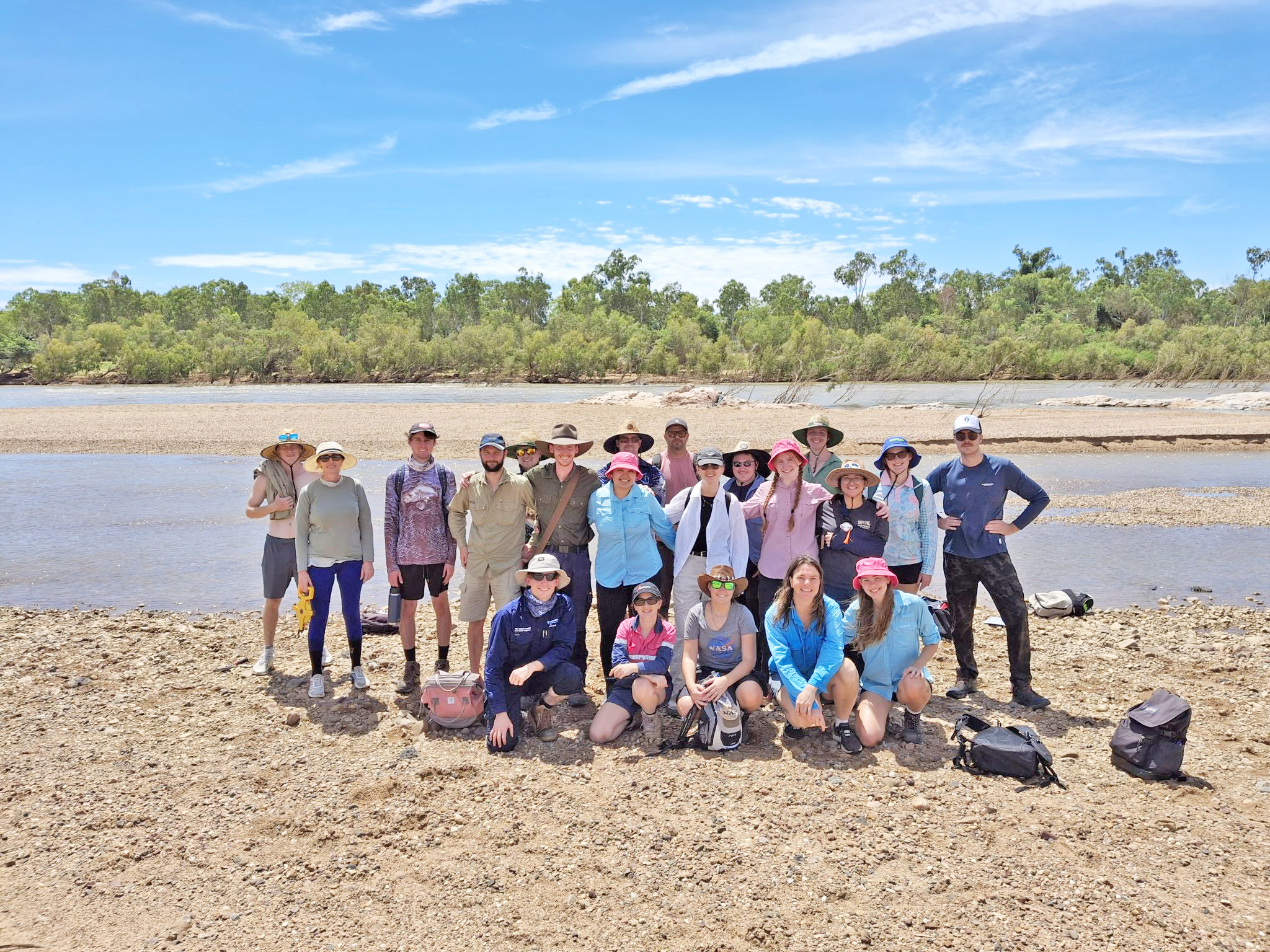
Students from the geoscience faculty at James Cook University (JCU) recently headed to the Burdekin River for a hands-on field trip, gaining real-world experience studying the region’s unique geology. The group spent the day examining igneous intrusions and striking magma mingling textures, with conditions requiring them to quite literally get their feet wet. “We had to get our feet wet this year but it was another fantastic geology field trip to the Burdekin River to look at igneous intrusions and spectacular magma mingling textures,” said JCU Senior Lecturer in Geoscience, Helen McCoy-West. Staff and students described the excursion as a valuable learning experience, offering the opportunity to see geological processes up close while exploring one of North Queensland’s key natural features. “Thank you to the staff and students for a great day out!”
Read the full story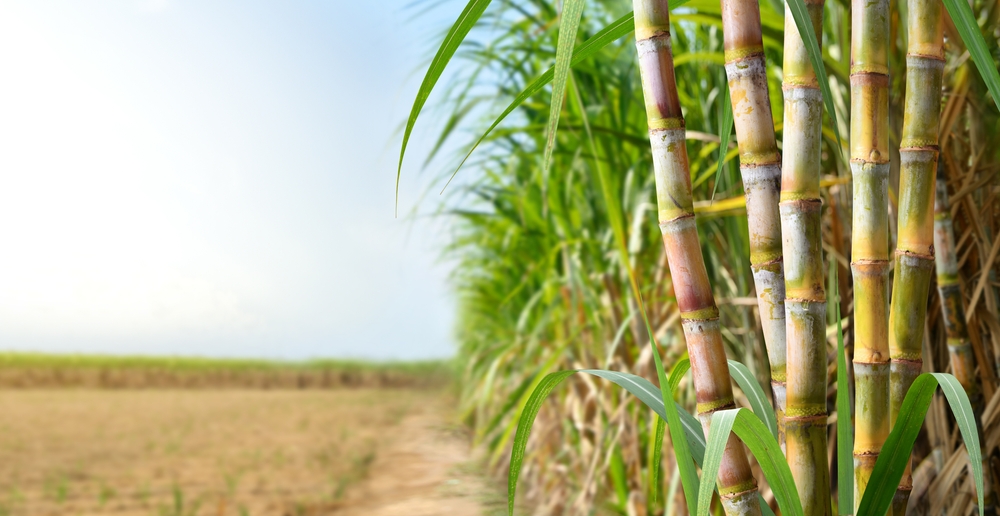
Primary producers across the Burdekin are set to benefit from a new climate tool designed to better predict the end of the northern wet season. Developed through the Northern Australia Climate Program, the Northern Rainfall Retreat (NRR) tool identifies the date of the last significant rainfall before the wet season ends—critical information for farmers managing livestock and crops. The timing of late-season rain can have a major impact on agricultural operations, influencing mustering, livestock transport, stocking rates and crop harvesting. Unseasonal rainfall events can also disrupt harvests, damage infrastructure and affect herd numbers if conditions become extreme. The tool uses historical rainfall data and climate modelling to pinpoint when rainfall typically “retreats” at a specific location. By analysing cumulative rainfall anomalies from the start of the year, it determines the point when rainfall peaks before transitioning into the dry season. Local natural resource management group NQ Dry Tropics is one of several organisations involved in delivering the program, alongside partners including the University of Southern Queensland and the Bureau of Meteorology. The broader program focuses on helping the red meat industry manage drought and climate risk across northern Australia. For Burdekin producers, the NRR tool offers a practical way to reduce uncertainty and make more informed decisions as the region transitions out of the wet season.
Read the full story
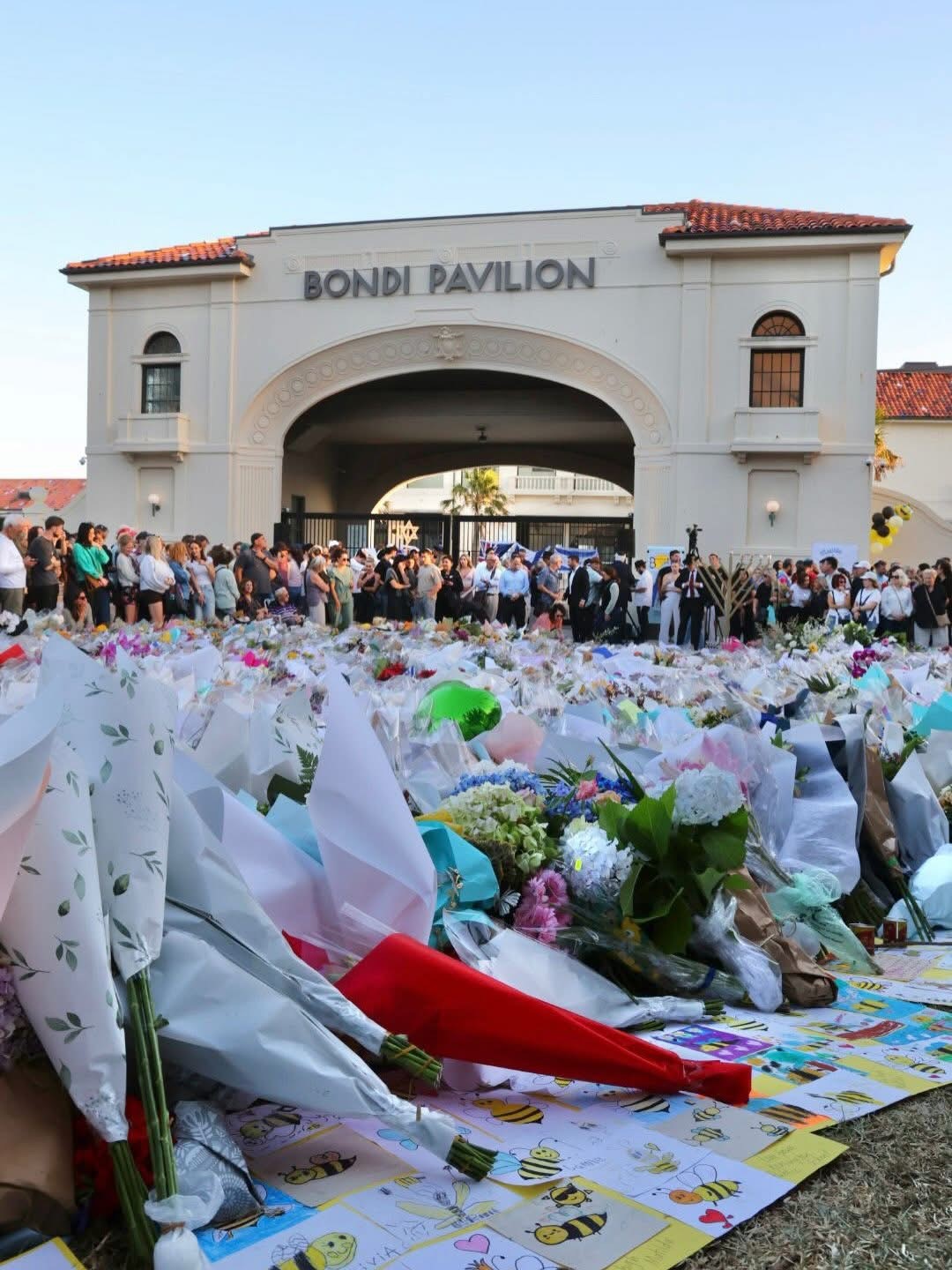
Next week will mark one month since 15 innocent Australians lost their lives at one of our nation’s most iconic spots. Bondi will now forever be synonymous with the worst terror attack on Australian soil. It devastated families, shattered communities, and scarred a nation. It should never have happened.
Since December 14, many words have been spoken, yet nothing of substance has changed. The government’s response has been worse than weak. A country in mourning deserves answers, accountability, and action. Instead, Australians have been served excuses and deflection.
First, the Prime Minister blamed the guns. Then he told us events like this are “hard to legislate against.” After days of backlash came talk of tougher hate laws, yet, despite the Coalition standing ready to act, Parliament at the time of writing has not been recalled (I hope it has by the time you are reading this).
The Prime Minister’s last attempt to quiet public backlash was the announcement of a government appointed review, largely focused on security agencies. This review does not strike at the heart of the problem and it is a watered-down substitute for transparency.
The Coalition, Jewish community leaders, national figures, and sporting greats have all called for a Royal Commission. Most importantly, the families of the victims have demanded one. Even a public letter from grieving families has not moved the Prime Minister.
A Royal Commission matters because it is independent, public, and thorough. Hearings are led by judges and senior officials. Ministers, including the Prime Minister can be questioned. That level of scrutiny is essential, and it is precisely why this government is resisting it.
The government offers two excuses for not announcing a Royal Commission: concern about re-traumatising families, and time.
Well, families of the victims are asking for it, and this government has enthusiastically supported multiple Royal Commissions involving victims in the recent past.
Time, however, is the real reason. Although not because action would be delayed, because a Royal Commission does not prevent urgent laws being passed. Action can and must happen concurrently. But because a Royal Commission would keep the government’s failures in the public eye for longer.
Typically running 15 to 18 months, a Royal Commission established now would likely deliver its findings just months before the next federal election. That means sustained scrutiny of the government’s failure right up until the very moment voters are paying the closest attention. That is what Labor wants to avoid and this is the real reason the government is resisting.
The Bondi attack did not occur in isolation. For more than two years, Australians have witnessed escalating extremism, intimidation, and radicalisation. Warning signs were ignored. Hate was allowed to fester. The Prime Minister was silent as hate filled protests erupted, extremist rhetoric spread openly, and national symbols were attacked. Bondi is the consequence of that silence and inaction.
A Royal Commission will not bring back those we lost. But it could save lives in the future. A Royal Commission would tell the world Australia will not tolerate hate. It would not only explain what happened but identify holes in the current systems. It would give victims dignity not dismissal. And it would a deliver a tangible roadmap for preventing similar events.
Prime Minister, be accountable and take responsibility. Announce a Royal Commission now. Better late than never.
Australia must remember Bondi, not just today, but always.
Mourners at Bondi Pavilion. Photo supplied

Sporting clubs, community groups and P&C’s across the Burdekin have received a share in more than
$1million in funding as Member for Burdekin Dale Last commends the welcome boost to the new year.
Mr Last said the super round of the Crisafulli Government’s Gambling Community Benefit Fund had
seen critical projects aimed at benefitting club members and their surrounding communities receive
much needed funding for shovel ready projects.
“From equipment purchases at Men’s Sheds to upgrades at the Burdekin Bocce Club and improvements of facilities in our local schools, we see the benefits of these projects right through the wider community,” Mr Last said.
“Without access to the Gambling Community Benefit Fund program many of the recipients would have been otherwise unable to complete these vital projects so I am proud to see these groups receive real support from the Crisafulli Government.”
“Our volunteers are the backbones of our community, dedicating their time to improving the lives of
others around them so ensuring their facilities and equipment meet their needs is crucial to an
organisation’s longevity.”
As the new year begins Mr Last said it was a fantastic time for other community groups, sporting
organisations and not-for-profits to consider what projects could be eligible for grant funding in 2026.
“The next round of the Gambling Community Benefit Fund will offer grants of up to $35,000 and are
due to open shortly so if your organisation or sporting team is looking for additional support I would encourage you to consider applying,” Mr Last said.
“As the Member for Burdekin, backing my local volunteer organisations in securing support they need
for the betterment of our community is something I strive to do, so if your not-for-profit is seeking
assistance please contact my office.”
The Gambling Community Benefit Fund is Queensland’s largest one-off funding program and
distributes approximately $60 million each year to strengthen communities and respond to local
needs.
The next Gambling Community Benefit Fund (Round 126) will offer grants of up to $35,000 and is set
to open mid-January and close 28 February 2026.
Contributed with thanks to the office of Member for Burdekin Dale Last MP
Member for Burdekin Dale Last says the Government’s Gambling Community Benefit Fund will support critical local projects like the Burdekin Water Festival. Photo supplied

Residents of Giru and surrounding communities are being urged by the Burdekin Local Disaster Management Group to stay alert as heavy showers and thunderstorms continue to affect Queensland’s tropical east coast, raising the risk of localised flash flooding.
Authorities warn that conditions could worsen later this week as a fresh burst of monsoonal rain develops across far north Queensland. Catchments remain saturated, meaning even short, intense bursts of rain could trigger flooding, and a Flood Watch is likely to remain in effect.
Bridges and low-lying roads are expected to be impacted, and some areas could become isolated until waters recede.
The Burdekin region is no stranger to significant flooding, with persistent heavy rains early last year forcing multiple road closures and disruptions in communities including Giru, Rita Island, Ayr, and Home Hill.
Authorities advise residents to monitor conditions closely, consider alternate arrangements for work, school, or travel, and drive carefully where roads are affected by mud, debris, or standing water. Residents should obey all road closure signs and instructions from emergency services, and check on neighbours if needed.
For emergency assistance, the Queensland SES can be contacted on 132 500 or via the SES Assistance QLD App, while life-threatening emergencies should be reported to Triple Zero (000). The latest updates on weather, river levels, and road closures are available via the Burdekin Disaster Dashboard, local radio station Sweet FM 97.1, the Bureau of Meteorology Queensland website, and QLD Traffic.
Authorities are urging vigilance this week, reminding residents that past events show how quickly heavy rainfall can turn dangerous in the Burdekin region.
Giru's Ironbark Creek has been inundated with floodwaters since New Year's Day. Photo credit: Jayden Simmons-Little
.jpg)
Sophie Robertson graduated from Ayr State High School as the cohort’s 2025 Valedictorian, an honour she found to be both equally gratifying and a reflection of her invaluable support system.
Sophie achieved an Australian Tertiary Admission Rank (ATAR) of 98.65 and was awarded a Premier’s QCE Academic Commendation after achieving A’s in all six of her selected subjects; Physics, Chemistry, Biology, Mathematical Methods, English and Legal Studies; where she was awarded a Subject Achievement Commendation for receiving the highest state result.
“Graduating as Valedictorian is a rewarding feeling; it's nice to have my hard work pay off, and it makes all the hours of studying worth it - however, it truly feels like a community effort, because I've had invaluable support from my teachers and family throughout this whole journey,” said Sophie.
Once Year 12 commenced, Sophie began studying for her end of year external examinations. Cycling through practice questions and crafting palm cards quickly became second nature to Sophie, and as Term 3 rolled around, Sophie placed her attention on the syllabus of each subject, revising notes and dot points to draw a comprehensive concept map.
“Concept maps were my best friend; they were a great way to summarise information and connect concepts, which was very important, because most A-standard questions linked different ideas together.”
Planning ahead was also integral to Sophie’s success. In anticipation for programs like the International Science School, Sophie would adjust her studying schedule accordingly, allowing her to balance her schoolwork with extra-curricular activities like taekwondo and cadets with ease.
Managing academic burnout also became a talent of Sophie’s, leading her put aside 15 to 30 minutes every day to pop out for an evening run and to use the resources around her to lighten her workload.
“I planned to finish my assignments one to three days earlier than they were due, but the best advice I can give is to use the resources around you,” said Sophie.
“There are countless exams to practice from; I even bought HSC (NSW) and VCE (VIC) practice papers, because more often than not, the content between the states overlaps - however, your most useful resource is inside the classroom; the teachers are more than willing to help, so don't be afraid to ask questions if you're not understanding the content or need some extra guidance.”
Sophie’s commitment to her academics never wavered, even throughout school holiday periods which she would spend studying or working on upcoming assignments.
“Maintaining motivation will be one of your biggest challenges,” she added.
“In the end, no matter what support others give, only you can motivate yourself, so make sure that you set an end goal (like a specific ATAR that you want to achieve), because that will drive you to the finish line.”
On the 19th of January, Sophie will travel to Canberra to commence a Bachelor of Aeronautical Engineering (Honours) at the Australian Defence Force Academy and in the future, she hopes to be working within the Defence Space Command.
Sophie Robertson was congratulated as Ayr State High School's 2025 Valedictorian. Photo source: Ayr State High School

In 2026, the Ayr Surf Life Saving Club will celebrate a remarkable milestone - 100 years of service, dedication and community spirit.
Centenary celebrations will take place across a full weekend from Friday the 29th of May to Sunday, the 31st of May 2026, offering something for everyone connected to the club.
Festivities will begin on Friday with a relaxed Meet and Greet and Book Launch at the Kalamia Hotel from 6pm. The evening will bring together past and present members, friends, family and supporters for the launch of a commemorative book written by author Martin Grandelis, capturing the stories and legacy of the club’s first century.
On Saturday, the 30th of May, the celebrations will culminate in a Centenary Gala Dinner at the Burdekin Memorial Hall, commencing at 6pm. The formal evening will provide an opportunity to reconnect with old friends, reflect on shared memories and honour the people who have shaped the club across generations.
The weekend will conclude on Sunday, the 31st of May with a Community Fun Day at the Ayr Surf Life Saving Clubhouse from 10am. Designed as a relaxed, family-friendly event, the day will invite the wider community to celebrate at the place the club proudly calls home.
As it marks 100 years, the Ayr Surf Life Saving Club stands as a powerful reminder of what can be achieved through community, commitment and care - a legacy born from compassion and carried forward by generations of Burdekin locals. Additional details, including Gala Dinner ticket sales are yet to be announced.
Do you spot any familiar faces from these 2000s Ayr SLSC photos? Photo source: Ayr SLSC
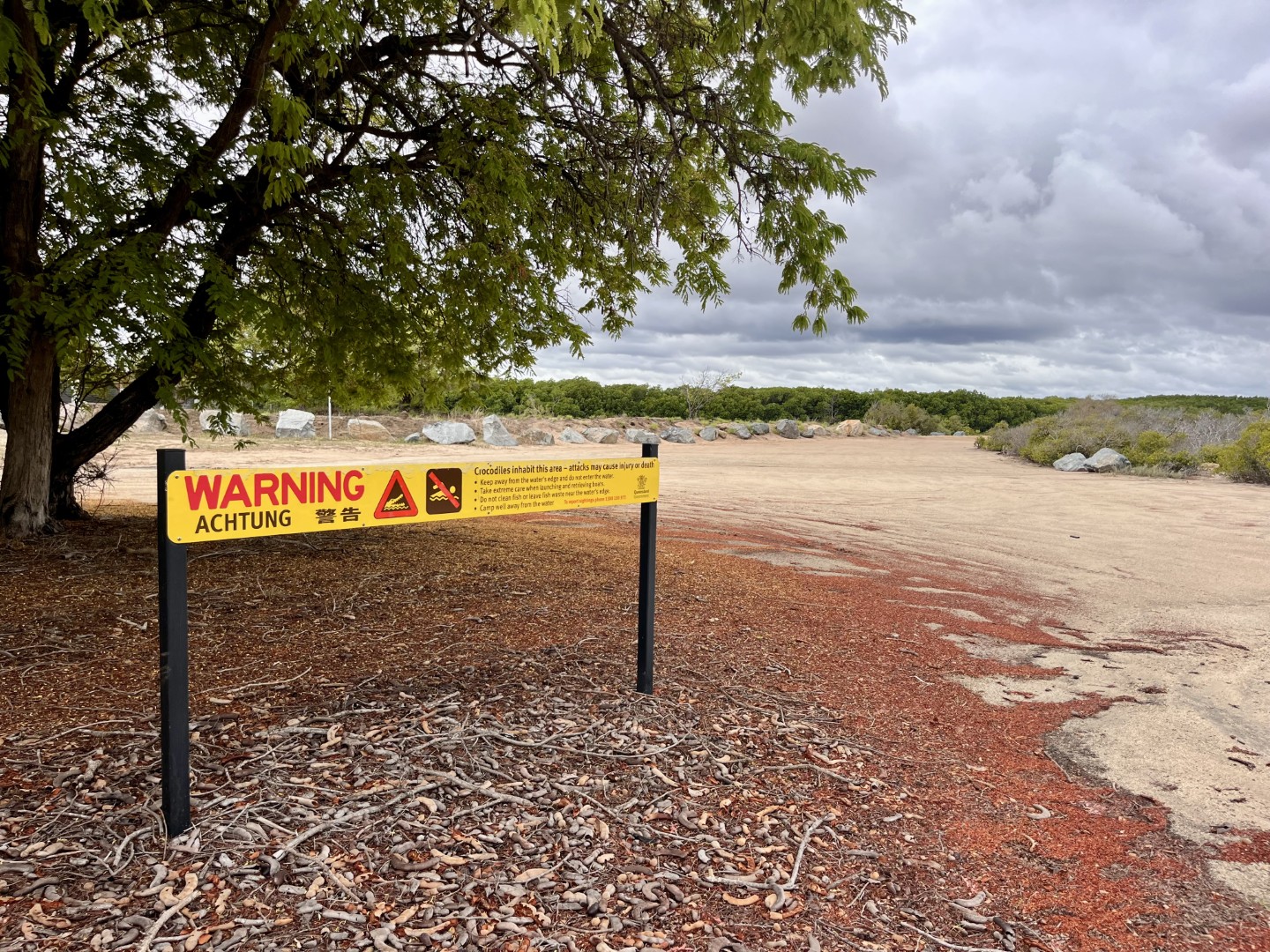
With widespread rain and flooding currently affecting parts of North Queensland, local authorities are reminding residents to remain especially vigilant around waterways and to practise Crocwise behaviours at all times.
Recent heavy rainfall has seen the Burdekin Falls Dam exceed 120% capacity, and Peter Faust Dam reach 77.98%, sending increased flows through surrounding river systems (current statics as of 05/01/2025). While this is a welcome sight for water security, flooding conditions significantly increase the risk of crocodile encounters.
Saltwater (estuarine) crocodile habitat stretches from the Boyne River near Gladstone north to the Torres Strait, including Cape York and the Gulf Country. Crocodiles can be found in both freshwater and saltwater environments, including rivers, creeks, lagoons, swamps, beaches and coastal waters — sometimes hundreds of kilometres inland. During flooding, crocodiles become highly mobile and may move into new or unexpected areas as waterways expand and currents increase.
Crocodiles are apex predators that rely on stealth and camouflage. Even large animals can remain completely unseen in shallow, fast-moving or murky floodwaters. If a crocodile is hunting, there is no warning.
In 2025, 115 crocodile sightings were reported across North Queensland, highlighting the importance of staying alert, particularly during wet weather and flood events.
The Crocwise message is simple and especially important right now: keep out of the water, stay at least five metres back from the water’s edge, and keep a sturdy object between yourself and the water. Extra care should be taken at dawn, dusk and at night, when crocodiles are most active and visibility is reduced.
Residents are urged to closely supervise children, keep pets on a lead and well away from waterways, and avoid fishing, swimming or wading in flooded areas. Food scraps, bait and fish waste should never be left near water, as they attract crocodiles.
If you see a crocodile, report it immediately via the QWildlife app, online, or by calling 1300 130 372. Prompt reporting helps authorities track crocodile movement and keep communities safe.
No natural waterway in crocodile habitat is ever risk-free — and during flooding, the risks are even higher. Staying Crocwise helps protect you, your family and your community.
Crocodile warning signs are in place for a reason, alerting crocodiles can be present even when they’re not visible. Photo credit: Chelsea Ravizza
A recent photo from a North Queensland flood zone. Photo supplied
.jpg)
Welcome back, and Happy New Year to everyone across our community.
As we step into 2026, it’s a great time to reset, refocus, and look ahead to the opportunities a new year brings. Whether you spent the holidays travelling, relaxing at home, or celebrating with loved ones, I hope the break was refreshing and filled with good memories.
A new year gives us the chance to set fresh priorities. Whether that means learning, connecting, slowing down, or trying something completely new, I hope everyone finds opportunities that inspire purpose and happiness in the months ahead.
Thank you to everyone who contributed to a safe and vibrant festive season. As we settle into the year ahead, I’m looking forward to what 2026 will bring for our region - new projects, new opportunities, and continued community spirit.
Here’s to a positive, productive, and successful year for all. Together, I’m confident we can make 2026 a great one.
Should you wish to reach out, don’t hesitate to contact me directly by phone at 0447 150 582, or feel free to send an email to mayor@burdekin.qld.gov.au.
.jpg)
Happy New Year everyone!! I hope everyone had a happy and safe festive season. It has been nice to see businesses taking a well earned break and the farmers getting to switch off the pumps for a while.
While the rain and drop in temperatures is welcome, it is a good time to stock up on a few essentials for the old cyclone kit. We all know the rush at the supermarket to get things when and if a warning goes out.
Don’t leave it till the last minute to get non perishable items especially and run the risk of missing out.
Keep an eye on the weather and the Council’s Disaster Dashboard for updates and warnings. Remember that if it is flooded forget it. Stay safe.

Queensland Health is urging residents to stay home if unwell and maintain good hygiene amid an unexpected rise in flu cases over the festive season.
The latest data from Queensland Health shows that, as of 14 December 2025, more than 95,000 flu cases have been recorded across the state—21 per cent higher than at the same time last year. Hospital admissions are also up, with nearly 70 public hospital beds occupied daily by flu patients, compared with just 11 beds at this time in 2024.
Dr Heidi Carroll, Executive Director of the Communicable Diseases Branch at Queensland Health, said flu cases and hospitalisations remain above expected rates for this time of year.
“While flu case numbers and hospitalisations remain well below the winter peak, the recent summertime increase in cases is unusual,” Dr Carroll said.
She explained that travel and social gatherings, combined with high Influenza A cases in the northern hemisphere, were likely contributing factors.
“This increase may be driven by more people travelling and attending social gatherings. Additionally, the northern hemisphere is currently seeing high case numbers of the Influenza A strain, and this is contributing to global spread, including within Australia.”
Dr Carroll warned that the surge is putting extra pressure on hospitals and healthcare services.
“The reality is that the flu can cause serious illness resulting in hospitalisation, and we’re currently seeing a much higher number of hospitalisations than we normally would at this time of year,” she said.
She encouraged Queenslanders to continue practicing respiratory hygiene, including washing hands regularly, covering coughs and sneezes, and staying home when sick. “It’s important to prioritise good hygiene… and stay home when you are sick to stop the spread of respiratory illnesses,” Dr Carroll said.
Queenslanders who have not yet received their influenza vaccination are urged to do so to protect themselves and the wider community. Vaccinations are available through general practices, community pharmacies, immunisation clinics, and Aboriginal and Torres Strait Islander Health Services. Those planning overseas travel are advised to consult their healthcare providers about additional protection.
This year’s influenza season has been marked by a prolonged peak and a slower decline in cases compared with the sharper rise and fall seen in previous years. Queensland Health data shows that 82 per cent of confirmed cases in 2025 were among unvaccinated individuals. Of the more than 95,000 cases, 10,087 were children under five years, while 16,176 were aged 65 years and older. Hospitalisations totalled 9,187, with nearly half of these patients aged 65 or older. The state has also recorded 289 flu-related deaths to date, up from 198 over the same period in 2024.
Dr Carroll said year-to-year variability in influenza is expected and can be influenced by circulating virus strains, environmental and behavioural factors, and population immunity shaped by prior infections and vaccine uptake.
“The unseasonal increase in flu cases shows the importance of continued vigilance against respiratory illness, even outside the traditional flu season,” she said.
Queenslanders are reminded that even during summer, the flu remains a serious threat, and taking precautions protects both individual and community health.
Residents are encouraged to get vaccinated against influenza to protect themselves and vulnerable loved ones. Photo source: Unsplash
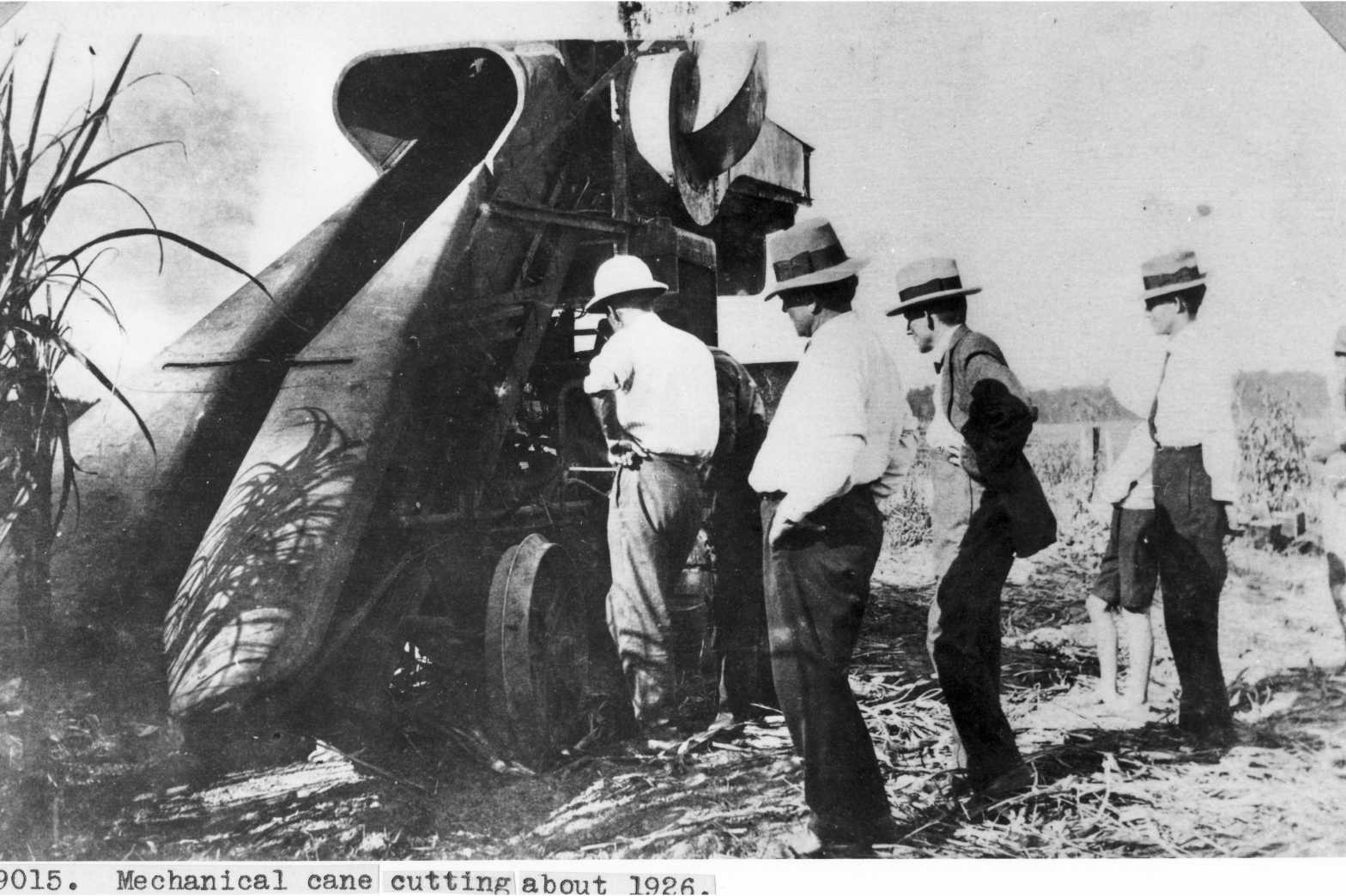
Stepping into 2026, there’s plenty to be quietly optimistic about, especially for Queensland’s iconic sugarcane industry. 2026 marks a major milestone: 100 years since the formation of CANEGROWERS.
For a century, CANEGROWERS has been woven into the fabric of regional Queensland. The organisation has been shaped by farming families, small towns, and communities built around cane fields and sugar mills. Its story mirrors the development of many parts of the state, highlighting the enduring connection between growers and the communities they support.
Centenary celebrations are planned across Queensland, with local CANEGROWERS districts organising events for their regions. If sugarcane is part of your area’s story, there’s likely to be a celebration close to home.
Two major state-level events are also on the calendar. The first will be held in Mackay in March, in partnership with the local CANEGROWERS office. Mackay holds special significance as the location where growers first met in 1926 to unite their voices and strengthen the industry.
Later in the year, the celebrations will move to Brisbane, with an event at Brisbane City Hall and a public industry display in King George Square. This will be a chance to share the industry’s story with the wider community and celebrate its achievements.
A highlight of the centenary will be the recognition of the “Legends of Cane Country” – individuals from across Queensland who have helped shape the sugarcane industry over the past 100 years. Growers and the public are encouraged to nominate a Legend from their district to ensure these important contributions are honoured.
Throughout the year, CANEGROWERS will also roll out a range of print, digital, photographic, and video projects that showcase the industry’s history, communities, and the families behind the cane fields. These stories will be shared through the organisation’s website and social media channels.
As Queensland celebrates this centenary, it’s a chance to reflect on the resilience, dedication, and innovation of the sugarcane industry. Here’s to a year of pride, progress, and recognition for those who have made it what it is today.
CANEGROWERS are set to celebrate a century of cane and community in 2026. Photo supplied
Burdekin sugarcane growers are playing a key role in major new research aimed at securing effective and sustainable canegrub control for the future, as current chemical options face possible restrictions.
Canegrubs are one of the most costly pests affecting sugarcane, with moderate infestations reducing yields by 10–20 per cent and severe outbreaks cutting production by more than 40 per cent — the equivalent of around 30 tonnes of cane per hectare. Across the industry, unchecked canegrub damage is estimated to cost up to $60 million annually.
At present, neonicotinoid insecticides such as imidacloprid are the primary control option. However, these products are under review by the Australian Pesticides and Veterinary Medicines Authority, with strong indications their use could be restricted or phased out by 2028–29.
In response, Sugar Research Australia (SRA) is leading a major project to identify alternative insecticides. Following laboratory screening of 23 products, up to 10 promising options have now progressed to large-scale field trials — including trial sites located in the Burdekin.
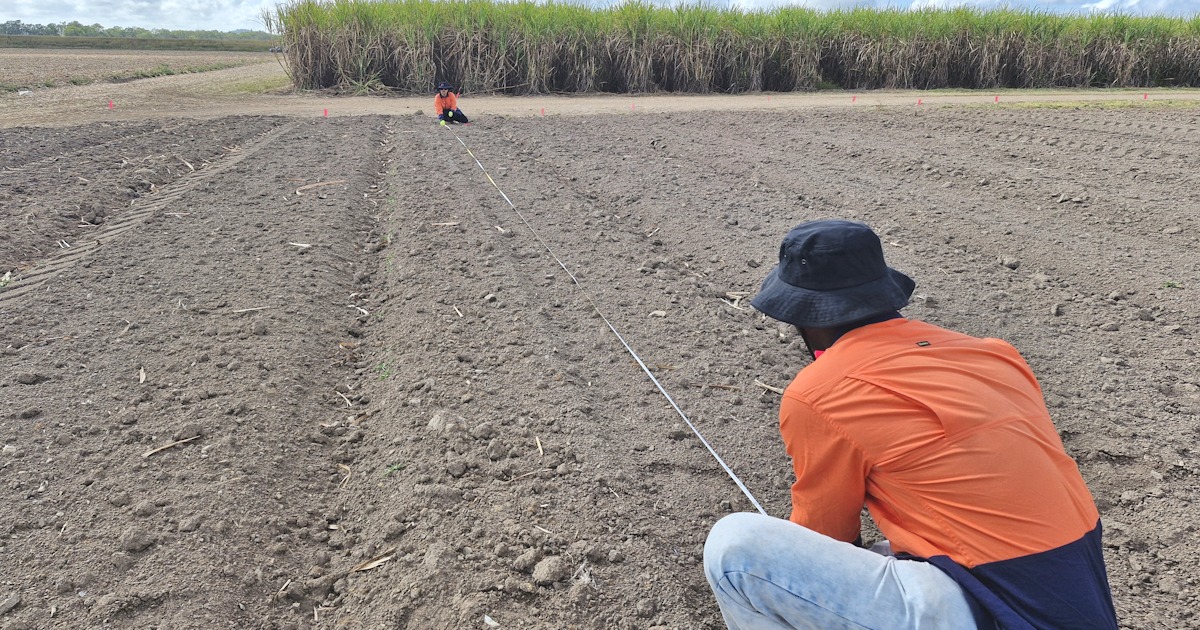
Chemical applications were completed in November across 12 trial sites statewide, with treatments applied to both plant cane and first ratoon crops. Over the next year, the Burdekin trials will be closely monitored to assess effectiveness, yield protection, soil persistence and water mobility, ensuring any future recommendations meet environmental standards.
SRA’s lead entomologist, Dr Kevin Powell, said the trials were critical to ensuring growers have viable control options available before current products are withdrawn. Preliminary field results are expected by the end of 2026, with full datasets ready by 2028.
The research is expected to deliver new tools that protect Burdekin yields, reduce long-term costs, and support sustainable cane farming into the next decade.
The research project ‘Beyond imidacloprid’ now has many sites treated across Queensland. Photo source: SRA
Different chemical treatments were applied to plant cane and first ratoon cane as part of the trials. Photo source: SRA
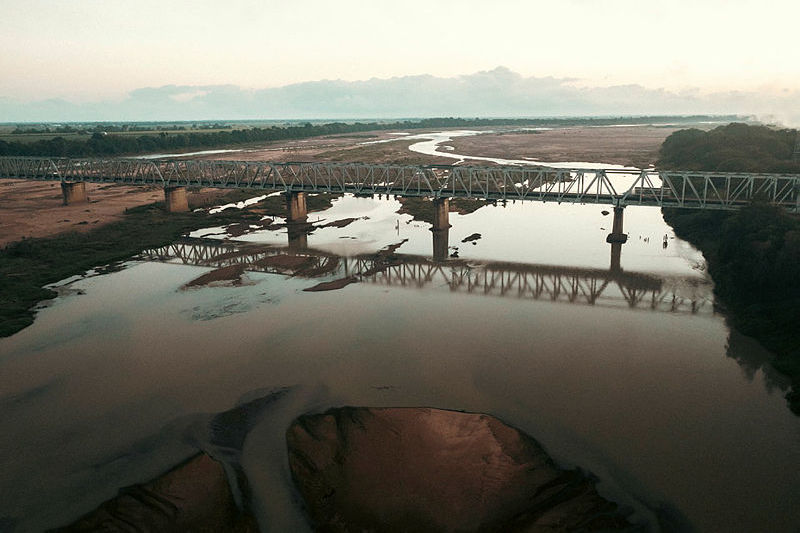
The Queensland Government is investing $3 million in the next phase of the Burdekin Major Integrated Project (MIP), continuing efforts to protect the Great Barrier Reef by improving water quality across the region. The project, known as Landholders Driving Change, works closely with graziers, other land managers, and the local community to reduce sediment run-off and develop a better understanding of land management practices that support both agriculture and reef health.
The Burdekin MIP builds on earlier successes from 2017–2021, when place-based initiatives engaged 93 per cent of large grazing properties across more than 1 million hectares in the Bowen-Broken-Bogie catchment. These projects remediated 24 gullies covering 1,600 hectares, prevented around 10,600 tonnes of sediment annually from entering waterways, and supported 78 grazing land management projects. Community engagement was also central, with 150 education, training, and knowledge-sharing events and a robust water quality monitoring program.
A three-year Gully Maintenance and Monitoring program, funded with $500,000, has provided valuable insights into effective gully remediation techniques, ensuring future projects are guided by evidence and experience.
The Burdekin MIP highlights the importance of local involvement in environmental management, showing how landholders can play a leading role in protecting reef water quality while maintaining productive and sustainable grazing operations.
For landholders or community members interested in participating or learning more about the project, contact the Office of the Great Barrier Reef at OfficeoftheGBR@des.qld.gov.au.
The irrigation innovation making waves for farmers and the Great Barrier Reef. Photo source: GBR Foundation
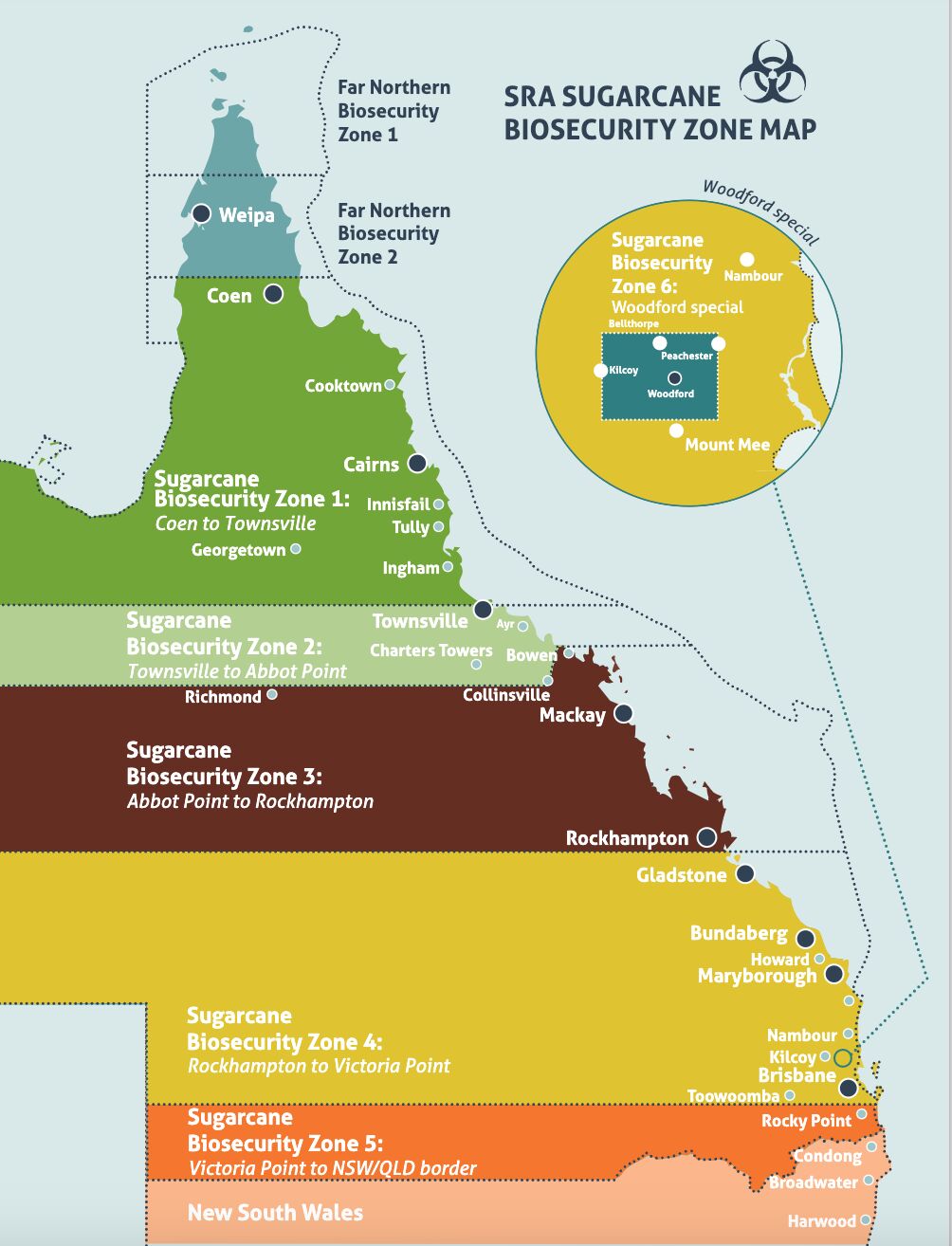
Did you know Australia’s sugarcane industry spans roughly 2,300 kilometres, divided into five biosecurity zones, each with unique climate, soil, and pest pressures? For growers, selecting the right sugarcane variety is key to optimising yield, sugar content, and disease resistance.
In Zone 2, which covers the Herbert and Burdekin regions, Sugar Research Australia (SRA) recommends several varieties suited to local conditions. These include Q240A, valued for its high sugar content (CCS) and strong ratooning ability, and SRA28A, noted for its smut resistance and reliable yield. SRA32A is a high-tonnes-per-hectare variety suited to mid-late harvests, while Q183A remains in use for its early maturity.
Using the right variety can make a substantial difference to farm productivity. Varieties like SRA28A and SRA32A are specifically selected to withstand local pests and diseases, helping growers reduce losses while maintaining sustainable practices.
SRA regularly updates variety guides to reflect research on climate adaptation, pest resistance, and harvest timing, providing growers with evidence-based recommendations tailored to their region. Local advisers, including agronomists and extension officers, can help farmers match these varieties to their soil, rainfall patterns, and crop rotation plans.
For Burdekin cane growers, understanding which sugarcane varieties perform best in the local environment is a practical way to improve yields, strengthen disease resilience, and support the region’s vital sugar industry.
For more information, growers can consult the latest SRA variety guides or contact local extension services for tailored advice.
Sugar Research Australia (SRA) recommends specific sugarcane varieties for each zone to optimize yield, disease resistance, and sugar content (CCS). Photo supplied

Local not‑for‑profit organisations, sporting clubs, and community groups are being encouraged to apply for the January round of Burdekin Shire Council’s Community Grants Program. Applications are open from the 1st to the 14th of January.
The grants offer financial or in‑kind support for projects that strengthen local connections and deliver social, cultural, and economic benefits across the region.
Mayor Pierina Dalle Cort highlighted the value of the program for groups planning their year ahead.
“January is a great time for community organisations to set their goals, and the Community Grants Program helps turn those early‑year ideas into meaningful local outcomes,” she said.
“We see first‑hand how much impact even modest funding can have–whether it’s supporting a new event, helping a group expand a program, or giving volunteers the resources they need to deliver something special for the community.”
Groups interested in applying are encouraged to review the program guidelines and clearly outline the community benefits of their proposed initiatives. Applications and guidelines are available via the Community Grants Program webpage at burdekin.qld.gov.au, or by contacting the Community Development team on (07) 4783 9800.
Applications close at 11:59pm on Wednesday the 14th of January 2026.
Not‑for‑profit organisations, sporting clubs, and community groups encouraged to apply for Burdekin Shire Council’s Community Grants Program. Photo source: Burdekin Water Festival

Looking after your mental health is just as important as caring for your physical health. Feeling stressed, anxious, overwhelmed, or depressed? Taking a day off to focus on your wellbeing is just as reasonable as calling in sick with a cold.
Here’s how to make the most of a mental health day - and what to avoid.
Remember, taking care of your mental health isn’t a luxury - it’s an essential part of looking after yourself and staying effective in everyday life.
Publishers Indemnity. Any individual or entity that places advertising, supplies copy material, or submits editorial content to Core Life Publishing agrees and undertakes to ensure that all such material:- Does not infringe upon any copyright, trademark, or other intellectual property rights;- Is free from any content that could be considered defamatory, libelous, or slanderous;- Does not infringe upon any rights related to privacy or breach of confidence;- Contains no obscene, indecent, or otherwise unlawful material;- Complies fully with the Trade Practices Act and all other applicable laws, regulations, or statutes.Furthermore, by submitting or placing such material, these individuals or entities agree to indemnify and hold harmless the publisher, Core Publishing and Events Pty Ltd, and/or its agents from and against any and all investigations, claims, demands, liabilities, damages, costs, or judgments arising out of or in connection with the material provided. All material is believed to be accurate at the time of printing and remains the copyright of Core Publishing and Events Pty Ltd.
© 2026 Life Publishing Group Pty Ltd.