Independently Owned, Locally Grown, Community Loved

Queensland Health is urging residents to stay home if unwell and maintain good hygiene amid an unexpected rise in flu cases over the festive season.
The latest data from Queensland Health shows that, as of 14 December 2025, more than 95,000 flu cases have been recorded across the state—21 per cent higher than at the same time last year. Hospital admissions are also up, with nearly 70 public hospital beds occupied daily by flu patients, compared with just 11 beds at this time in 2024.
Dr Heidi Carroll, Executive Director of the Communicable Diseases Branch at Queensland Health, said flu cases and hospitalisations remain above expected rates for this time of year.
“While flu case numbers and hospitalisations remain well below the winter peak, the recent summertime increase in cases is unusual,” Dr Carroll said.
She explained that travel and social gatherings, combined with high Influenza A cases in the northern hemisphere, were likely contributing factors.
“This increase may be driven by more people travelling and attending social gatherings. Additionally, the northern hemisphere is currently seeing high case numbers of the Influenza A strain, and this is contributing to global spread, including within Australia.”
Dr Carroll warned that the surge is putting extra pressure on hospitals and healthcare services.
“The reality is that the flu can cause serious illness resulting in hospitalisation, and we’re currently seeing a much higher number of hospitalisations than we normally would at this time of year,” she said.
She encouraged Queenslanders to continue practicing respiratory hygiene, including washing hands regularly, covering coughs and sneezes, and staying home when sick. “It’s important to prioritise good hygiene… and stay home when you are sick to stop the spread of respiratory illnesses,” Dr Carroll said.
Queenslanders who have not yet received their influenza vaccination are urged to do so to protect themselves and the wider community. Vaccinations are available through general practices, community pharmacies, immunisation clinics, and Aboriginal and Torres Strait Islander Health Services. Those planning overseas travel are advised to consult their healthcare providers about additional protection.
This year’s influenza season has been marked by a prolonged peak and a slower decline in cases compared with the sharper rise and fall seen in previous years. Queensland Health data shows that 82 per cent of confirmed cases in 2025 were among unvaccinated individuals. Of the more than 95,000 cases, 10,087 were children under five years, while 16,176 were aged 65 years and older. Hospitalisations totalled 9,187, with nearly half of these patients aged 65 or older. The state has also recorded 289 flu-related deaths to date, up from 198 over the same period in 2024.
Dr Carroll said year-to-year variability in influenza is expected and can be influenced by circulating virus strains, environmental and behavioural factors, and population immunity shaped by prior infections and vaccine uptake.
“The unseasonal increase in flu cases shows the importance of continued vigilance against respiratory illness, even outside the traditional flu season,” she said.
Queenslanders are reminded that even during summer, the flu remains a serious threat, and taking precautions protects both individual and community health.
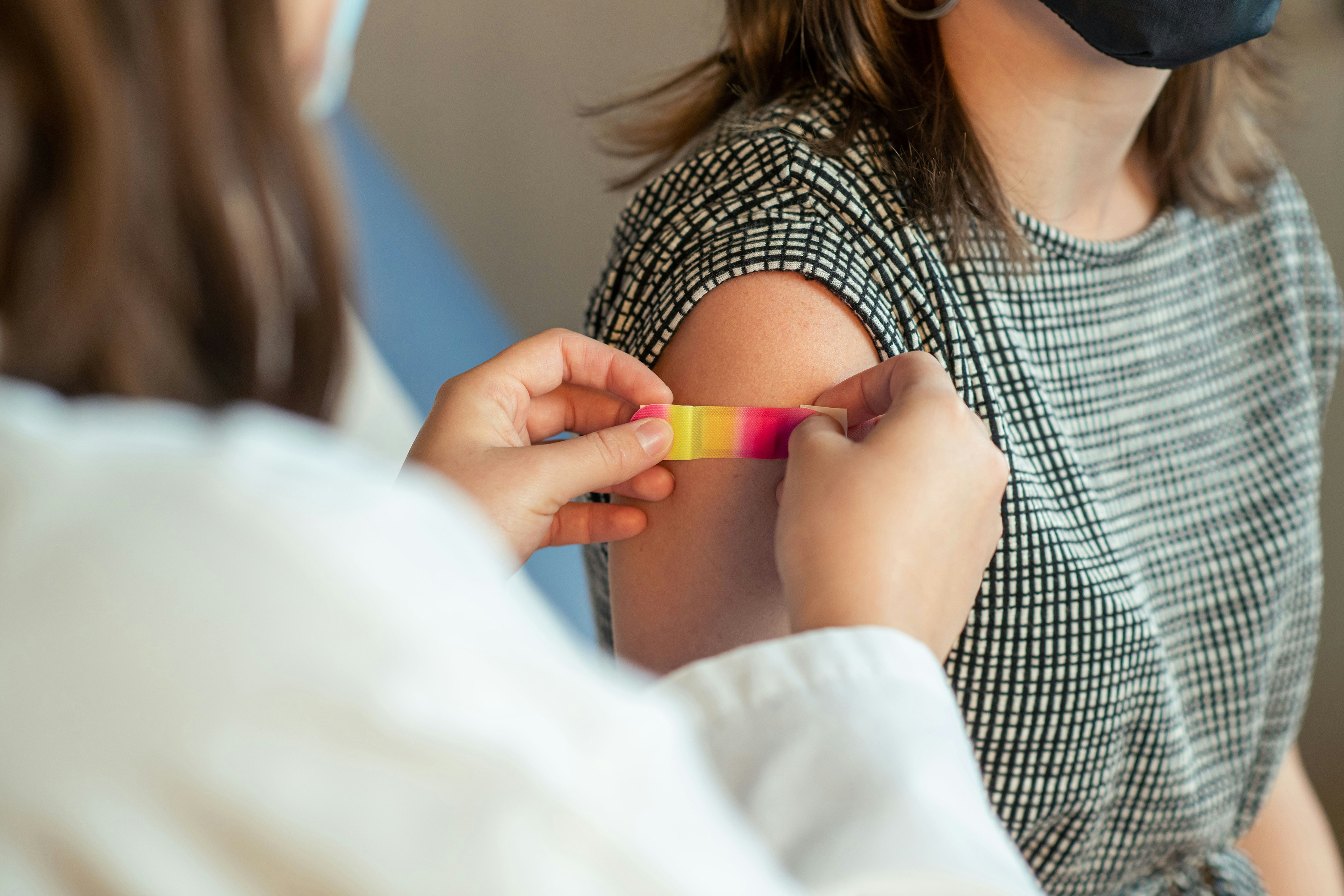
Residents are encouraged to get vaccinated against influenza to protect themselves and vulnerable loved ones. Photo source: Unsplash
Publishers Indemnity. Any individual or entity that places advertising, supplies copy material, or submits editorial content to Core Life Publishing agrees and undertakes to ensure that all such material:- Does not infringe upon any copyright, trademark, or other intellectual property rights;- Is free from any content that could be considered defamatory, libelous, or slanderous;- Does not infringe upon any rights related to privacy or breach of confidence;- Contains no obscene, indecent, or otherwise unlawful material;- Complies fully with the Trade Practices Act and all other applicable laws, regulations, or statutes.Furthermore, by submitting or placing such material, these individuals or entities agree to indemnify and hold harmless the publisher, Core Publishing and Events Pty Ltd, and/or its agents from and against any and all investigations, claims, demands, liabilities, damages, costs, or judgments arising out of or in connection with the material provided. All material is believed to be accurate at the time of printing and remains the copyright of Core Publishing and Events Pty Ltd.
© 2026 Life Publishing Group Pty Ltd.





.jpg)