
Independently Owned, Locally Grown, Community Loved
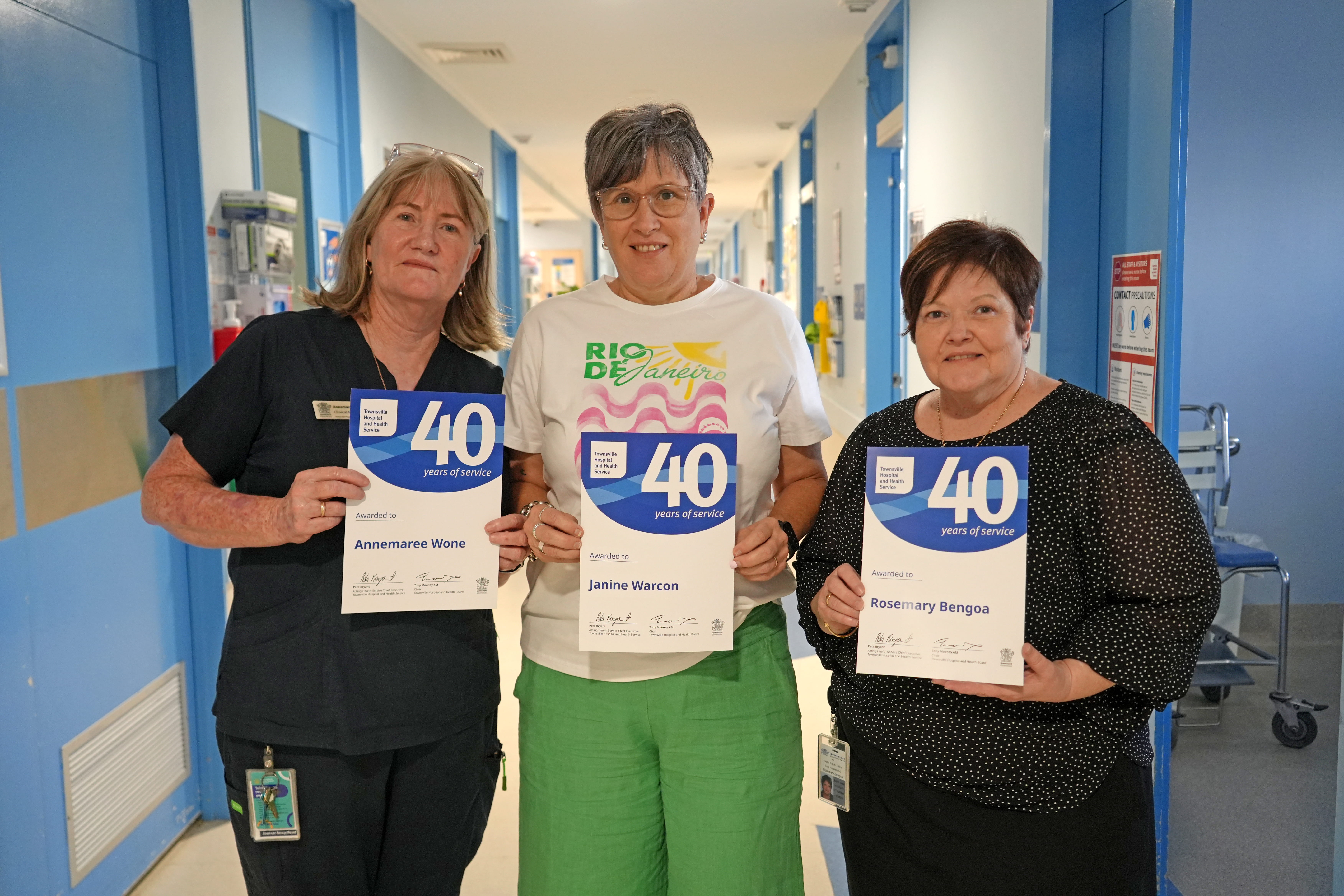
Three Burdekin hospital workers have clocked up 120 years of combined service to the Ayr and Home Hill communities. Rosemary Bengoa, Janine Warcon and Annemaree Wone have each reached 40 years of service, with the milestone recognised at local staff thank-you events. Rosemary began at Ayr Hospital in 1985 in the front office before moving into medical records, accounts payable, assets and finance. Janine started in the Home Hill Hospital kitchen and has since worked across kitchen, cleaning and laundry roles at both Ayr and Home Hill. She later became an orderly before moving into her current role as an assistant in nursing at Home Hill. Annemaree began her career at The Prince Charles Hospital in Brisbane, working as an enrolled nurse for four years before completing her registered nurse training in Townsville. She returned to the Burdekin after the birth of her first child and now works across the dialysis unit and emergency department at Ayr. The three staff members said their connection to the community, colleagues and variety of work had kept them in the health system for four decades. “Your work colleagues and the friendships you make along the way keep you in the role,” Rosemary said. For Janine, working in her own community and caring for patients has been a key part of her career. “We’ve had some funny moments; just the other night one patient was disco dancing in the hallway with me,” she said. Annemaree said working across different areas had kept her career varied. “I work in dialysis, sometimes in the emergency department, and sometimes on the ward, and because I have always worked across multiple areas, I’ve never felt stuck in one place,” she said. The breadth of responsibilities is a common feature of working in rural hospitals, Ms Wone said. “You need to know lots of different things when you work in a rural or remote hospital setting, so we are very busy,” she said. “But even with how much we have all achieved, I can’t believe it’s been 40 years; it feels like it happened overnight.” CAPTION: Rosemary Bengoa, Janine Warcon and Annemaree Wone have each reached 40 years of service, with the milestone recognised at local staff thank-you events. Photo supplied
Read the full story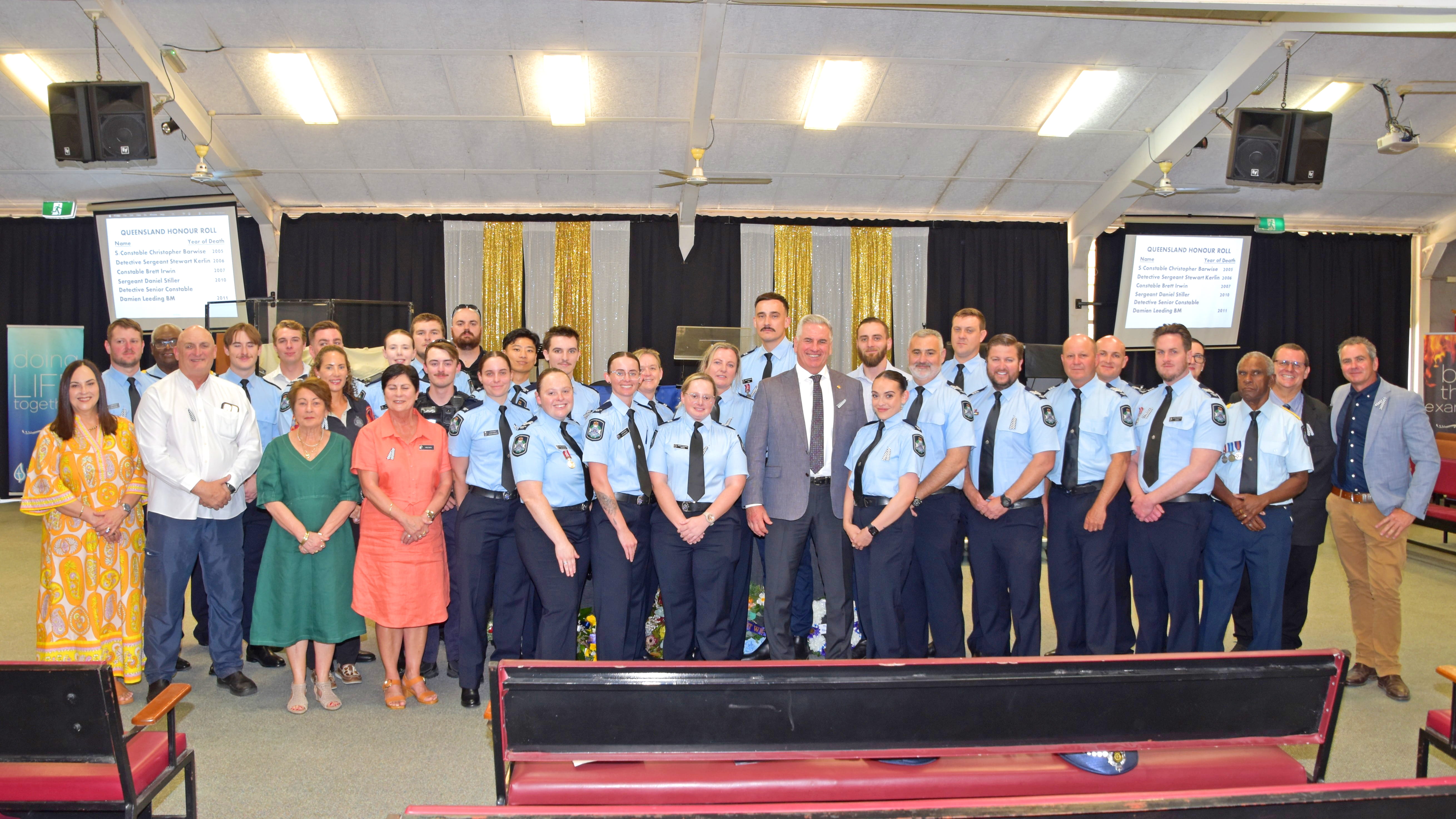
Burdekin police, dignitaries and community groups gathered Tuesday morning to honour officers killed in the line of duty. Photo: David CooperBurdekin community members, local dignitaries, and police gathered at Ayr's Burdekin Community Church on 29th September to commemorate National Police Remembrance Day. The solemn service honoured officers who made the ultimate sacrifice in the line of duty, featuring a wreath-laying ceremony and a reading of the Roll of Honour.Read more here: www.burdekinlife.com/article/burdekin-honours-fallen-officers-on-remembrance-day
Read the full story
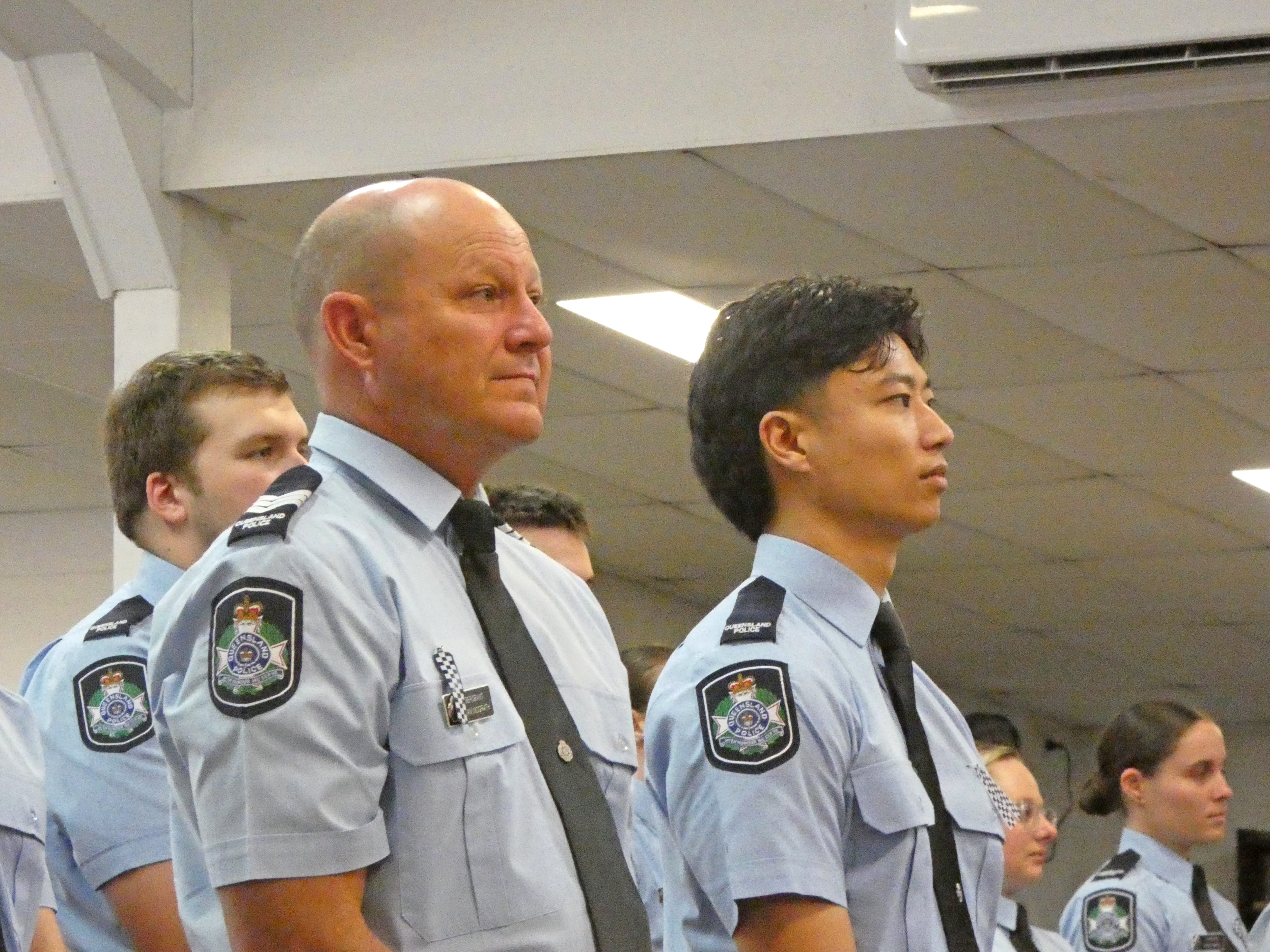
Burdekin police, dignitaries and community groups gathered on Tuesday morning to honour officers killed in the line of duty. Held at the Burdekin Community Church in Ayr, the service formed part of National Police Remembrance Day, observed each year on 29th September. Pastor Peter Holmes, who led the service, said it was a chance to pay tribute to the bravery and service of the fallen. “Someone has to protect those who cannot protect themselves. Someone has to step into the disorder and work to restore order—and that is one of the responsibilities entrusted to our police,” he said. “Today, we honour those who stood. Some stood in circumstances that ultimately cost them their lives, and this day each year ensures that their courage will never be forgotten.” A Police Commissioner’s Address was delivered by Acting Inspector Megan Benson before local officers read the Roll of Honour, commemorating police officers killed in the line of duty. Officers then lit memorial candles, before community groups joined police and dignitaries in laying wreaths. Among dignitaries were Burdekin Shire Council Mayor Pierina Dalle Cort and Member for Burdekin Dale Last, who called it a “privilege” to join local police in their commemorations. “As a former police officer, National Police Remembrance Day is an incredibly important opportunity to remember those officers who lost their lives while serving their community and to show our support to those who continue to keep our communities safe today,” Mr Last said. “Small regional towns like the Burdekin mean our police officers become involved in a variety of facets in our community and it is part of what makes these roles in our small communities so unique.” “It also means that chances to stand with our men and women in blue should not be overlooked.” A morning tea was held in the church hall following the service. CAPTIONS: 1—Burdekin police, dignitaries and community groups gathered Tuesday morning to honour officers killed in the line of duty. 2—Pastor Peter Holmes, who led the service, said it was a chance to pay tribute to the bravery and service of the fallen. 3—Held at the Burdekin Community Church in Ayr, the service formed part of National Police Remembrance Day, observed each year on 29th September. 4—Mayor Pierina Dalle Cort and Deputy Mayor Max Musumeci laid a wreath on behalf of Burdekin Shire Council 5—Among dignitaries was Member for Burdekin Dale Last 6—Local officers read the Roll of Honour, commemorating police officers killed in the line of duty 7—Liaison Officers light memorial candles 8—Senior Sergeant Lisa Shields addresses the audience 9—Community groups joined police and dignitaries in laying wreaths Photos: Jacob Casha
Read the full story

The life of well-known North Queensland business and golfing identity Wayne Haller was celebrated at an open-air funeral at his beloved Ayr Golf Club recently.
Over 200 friends, business associates and fellow golfers joined Wayne’s wife Lyn and their three sons – Kurt, Todd and Ryan – attended the gathering.
Lyn Haller, her sons and grandson delivered moving tributes. Family friends Peter Andersen, Ross Lewis and Alan Nelson also shared memories of their late mate.
Wayne, 81, was born in Home Hill, the eldest child of Harold and Nancy Haller.
He grew up on the family cane farm at Osborne with his sister Carol and late brother Kelvin where he learned values that stayed with him throughout his life – hard work, humility, honesty and respect for others.
After finishing school, Wayne studied teaching at Kelvin Grove Teachers College before returning to North Queensland to teach at Home Hill.
It was there that he met the love of his life, local girl Lynette Melvin. They married on December 10, 1966, beginning a partnership that would last almost 60 years.
Wayne was often heard to say in later life that he had come to love Lyn more and in a different way as they got older than when they were first married.
The young married couple were transferred to Julia Creek where their first son, Kurt, was born followed by Todd and Ryan.
Wayne made many friends in Julia Creek, including Ken Cooney, the local butcher at the time, who encouraged Wayne to leave teaching and begin a new career with the insurance and financial services company, AMP.
Wayne took his friend’s advice, returned to Ayr and through hard work, genuine care and an ability to earn people’s trust, built one of North Queensland’s most respected financial services businesses that became known as Haller Wealth.
Wayne’s brother-in-law, Jim Melvin, who delivered the eulogy, said Wayne believed that success in life was measured by the difference you made in the lives of others.
“His clients knew they could rely on him, not just because he understood financial advice but because he understood people,” he said.
“He celebrated their successes, stood beside them during difficult times and treated every client with honesty, compassion and respect.”
Wayne’s success as a businessman and as a gifted public speaker led to many professional honours, including invitations to speak at conferences throughout Australia and overseas.
Success in business was only part of his busy life. His greatest fulfilment came through family, friendships, golf and serving his community.
Golf, in particular, became a lifelong passion. He won countless local and regional events, both as an individual and in partnership with his late brother Kelvin.
He devoted countless hours to the Ayr Golf Club and in 1978 was instrumental in transforming the nine-hole layout into an 18-hole course.
His contribution to the game extended well beyond Ayr. Through many years of service to the North Queensland Golf Association, he helped strengthen and promote golf across the region, earning Life Membership of both organisations.
One of the proudest moments of his life came in 2000 when he was selected as an Olympic Torch Bearer, an honour he shared with brother Kelvin.
Retirement was simply an opportunity to devote more time to the things he loved most – family, friendships, serving his community and discovering new passions such as Rotary, travel, keeping fit and photography.
Family was everything to Wayne. He loved watching his children and grandchildren building successful and fulfilling lives.
The successful husband, father, grandfather, businessman and golfer, made lifelong friends wherever he went and quietly left every community, every organisation and every person a little better for having known him.
“Wayne Haller lived a remarkable life, a life that mattered,” said brother-in-law Jim Melvin.
“That is the measure of a life well lived.
“May he rest in peace.”
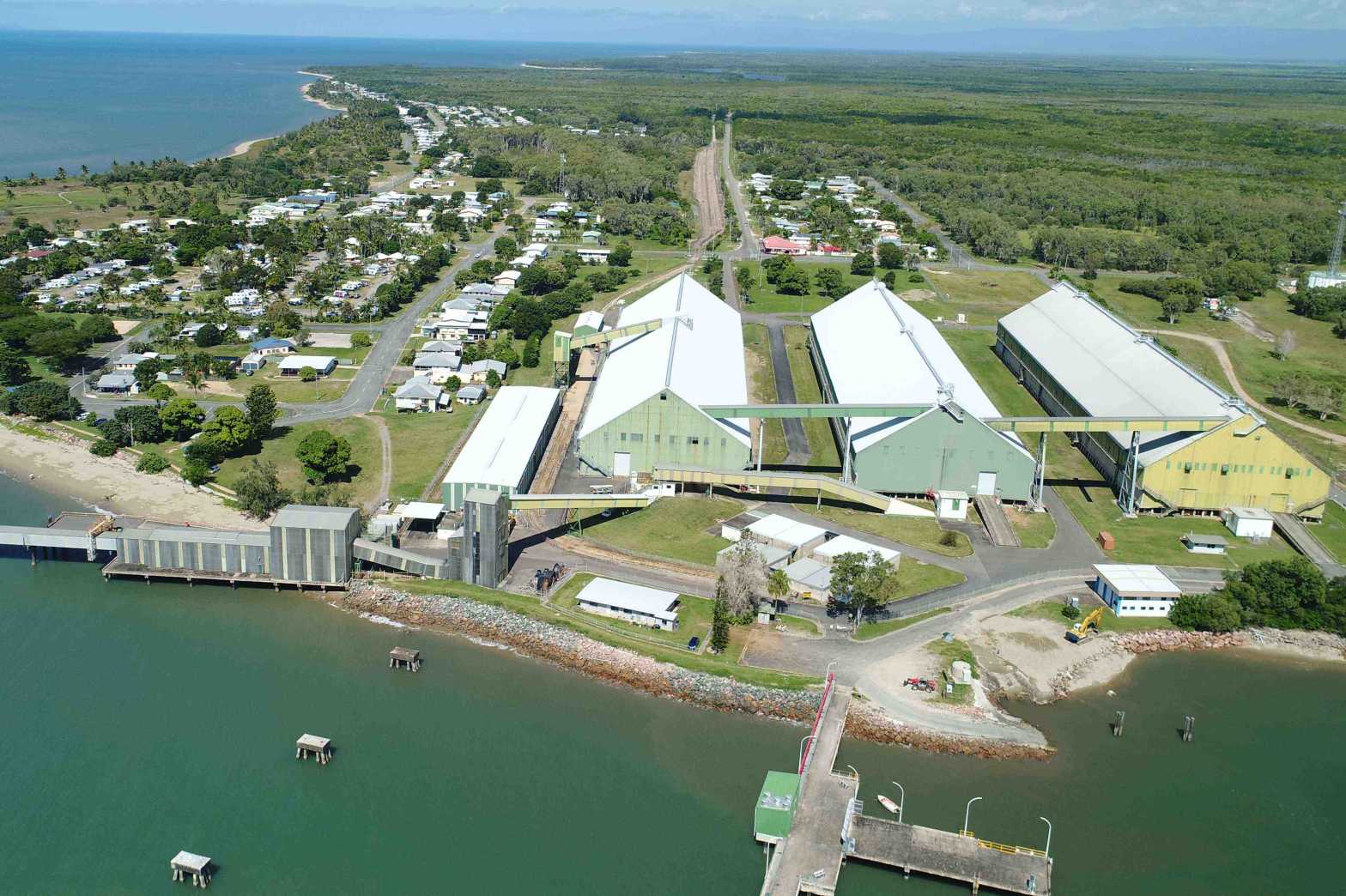
CANEGROWERS CEO Dan Gilligan says the organisation will be “paying close attention” as Sugar Terminals Limited (STL) takes over operation of the state’s bulk sugar terminals. Photo supplied.
Queensland cane growers will be watching closely as Sugar Terminals Limited (STL) takes over operation of the state’s bulk sugar terminals, with industry leaders calling for transparency, fair access and reliable performance under the new model.
The move, which took effect on July 1, ends a decades-long operating arrangement with Queensland Sugar Limited (QSL), which previously managed the terminals on behalf of STL, the infrastructure’s owner.
While the change will be felt across Queensland’s sugar industry, Burdekin growers will be among those watching closely as the terminals remain a vital link between local cane production and international export markets.
While the change will be felt across Queensland’s sugar industry, Burdekin growers will be among those watching closely as the terminals remain a vital link between local cane production and international export markets.
CANEGROWERS CEO Dan Galligan said growers had not forgotten concerns raised when STL announced its decision to bring terminal operations in-house, but the focus would now shift to how the new arrangement performed.
“Growers largely funded this infrastructure, so they have every right to expect it will continue to serve the industry it was built for,” Mr Galligan said.
“From 1 July, STL will be responsible for both owning and operating the terminals. That means it will also be responsible for making sure they are run safely, efficiently and fairly.”
Queensland’s six bulk sugar terminals—located at Cairns, Mourilyan, Lucinda, Townsville, Mackay and Bundaberg—are key links in the state’s sugar export supply chain.
Mr Galligan acknowledged QSL’s long record as terminal operator and said growers would expect the same standard of reliability to continue under STL’s management.
“QSL has operated these terminals for decades and played an important role in building the reliability Queensland sugar is known for,” he said.
“Growers will expect that same level of reliability through the transition and into the future.”
Mr Galligan said growers would be closely monitoring the new arrangements, including terminal operations, maintenance, costs and access for all marketers.
“They will expect reliable operations, appropriate maintenance, transparent low cost pricing and fair treatment for every marketer,” he said.
“No marketer should receive preferential treatment when it comes to storage, access, scheduling or pricing.
“These are shared industry assets and they need to keep working for the whole sugar industry, not for the benefit of any one company or commercial interest.”
Mr Galligan said STL would also need to demonstrate that the efficiencies promised through bringing operations in-house were delivered and that benefits flowed back to the wider industry.
“Growers will also expect clear reporting on costs, maintenance and terminal performance so they can see whether the new model is delivering what was promised,” he said.
“We want the new model to work.
“But growers will judge it on the results—reliable terminals, fair access, transparent costs and a clear commitment to keeping sugar first.

Burdekin sugar mills have recorded their strongest week of the 2026 crushing season so far, processing more than 380,000 tonnes of cane in the week ending July 4. Photo: Website/Wilmar Sugar and Renewables
Burdekin sugar mills have recorded their strongest week of the 2026 crushing season so far, processing more than 380,000 tonnes of cane in the week ending July 4.
The region’s four mills crushed a combined 380,733 tonnes during week five, exceeding expectations and bringing the season total to 1.65 million tonnes.
Throughput for the week was above budget and the highest recorded so far this season, while average sugar content also remained strong.
Kalamia Mill led the weekly improvement, processing more than 83,000 tonnes of cane, its highest weekly throughput of the season.
Invicta Mill recorded the highest individual output for the week with 139,707 tonnes crushed, followed by Kalamia (83,196 tonnes), Inkerman (81,790 tonnes) and Pioneer (76,040 tonnes).
Season-to-date, the Burdekin region has now processed 1,654,676 tonnes of cane.
Sugar quality remained above expectations, with the region recording an average commercial cane sugar (CCS) level of 14.40 for the week—nearly one unit above budget.
Invicta recorded the highest weekly CCS among the mills at 14.56, followed by Kalamia (14.39), Pioneer (14.34) and Inkerman (14.18).
The strongest individual CCS result came from a rake of Q183 plant cane supplied from the Jardine productivity district, recording 17.60.
Cane Supply Manager Chris Scovazzi reminded harvesting groups to continue following cane siding procedures to protect workers and maintain efficient operations across the network.
Harvesting operators are encouraged to ensure all workers have completed the mandatory siding induction, with procedures in place to safeguard users of the cane railway network.

Lower Burdekin Meals on Wheels has waved goodbye to one of its longest serving volunteers, Betty Durrant, who leaves her post at the organisation after nearly 40 years of service. Photo supplied.
Lower Burdekin Meals on Wheels has waved goodbye to one of its longest-serving volunteers, Betty Durrant, who steps away from the organisation after nearly 40 years of service.
Ms Durrant’s decades-long service was celebrated last month during a morning tea at Meals on Wheels kitchen on Macmillan Street, Ayr, where she was formally thanked by her peers for her contributions both as a cook and as a delivery driver.
Committee Business Manager Gail Minehan said Ms Durrant's presence in the kitchen would be greatly missed.
“Betty was a very valued volunteer,” she said.
“We’re all going to miss the talks and the camaraderie that she brought to the kitchen. She dedicated her time to us, and we greatly appreciate her—and all our volunteers—for that.
“We wish Betty all the best after her 40 years, a huge milestone.”
Ms Durrant’s passion for volunteering was born from her husband Arthur’s involvement with Rotary, which inspired her to take part in community fundraising efforts before eventually joining Meals on Wheels.
She first joined the organisation as a delivery volunteer before moving into the kitchen, a role she preferred and would ultimately spend most of her four-decade stint doing.
Her dedication to community service was eventually recognised in 2025 with a Lifetime Service Award at the Australia Day Awards for her contributions to Meals on Wheels, Finlay’s and the Ayr Golf Club, of which she is a life member.
She said that throughout her years at the organisation, she had made “wonderful friends” and seen firsthand that the value of its work extended far beyond simply providing meals.
“I’ve seen lots of changes in those years … and I met lots of wonderful people. That's the amazing thing about volunteering—it really is,” Ms Durrant said.
“It’s a great service for the people, and sometimes it’s the only people [customers] see all day—the person that delivers their meal.
“You realise the need for it … and you keep at it because it's a service to the town and to the people. I like helping people, and I always have. To me, it's no effort.”
She admitted it was difficult to leave knowing volunteers were needed, but acknowledged “you’ve got to pull the pin at some point.”
She now encourages community members to step up and help keep Meals on Wheels rolling.
“If you find it’s not your thing, you don’t have to go … but just give it a try,” she said.
Ms Minehan said volunteers of all ages and backgrounds were welcome, particularly following the recent departures of both Ms Durrant and another long-serving volunteer, Vanda, who was also recognised for her service.
“We appreciate all our volunteers, whether they’ve been here five minutes or 40 years,” she said.
“We are grateful for whatever time anyone can spare, whether it’s one hour, two hours a week—it doesn’t matter how small.
“Anyone who's looking to give something back to the community, whether in the kitchen or on delivery, is more than welcome to join our team.”
Anyone seeking further information is encouraged to either email the organisation at mowayr@bigpond.com or drop into the kitchen at 109 Macmillan Street, Ayr.
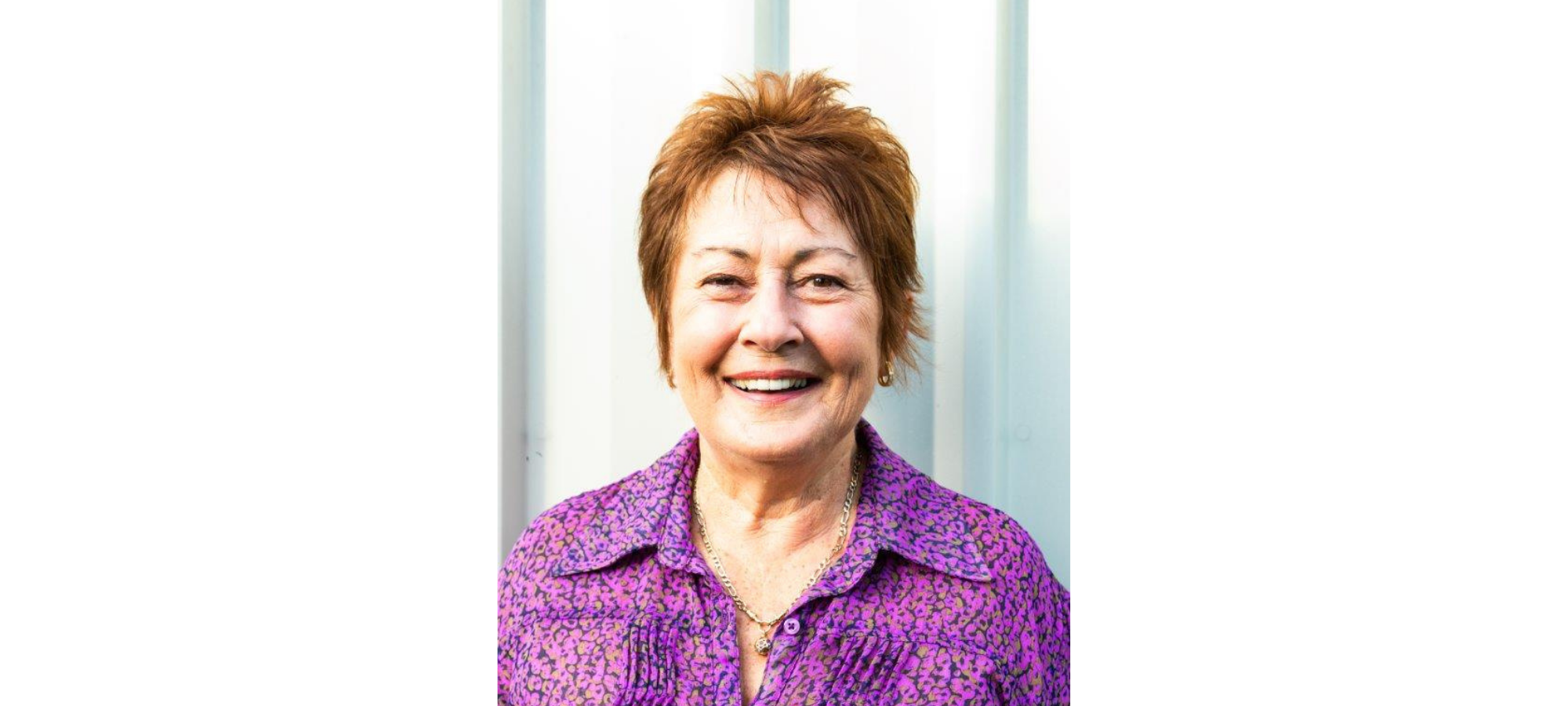
Council is preparing to commence important road reconstruction works on Upper Haughton Road between Malone Road and Norris Road. The project will involve reconstruction of approximately two kilometres of roadway, including subgrade stabilisation and asphalt replacement where structural improvements are required. Construction is expected to commence in mid-July, with a side track to be provided to ensure traffic can continue to flow safely throughout the works. These upgrades are part of Council’s ongoing commitment to maintaining and improving our road network for residents and industry.
This week, I also wanted to highlight the importance of recycling and responsible waste management. Waste disposal is one of the significant costs faced by local government and ultimately by our community. While many people still believe that all waste ends up in landfill, there are extensive recycling and resource recovery processes in place that help divert valuable materials away from landfill and reduce environmental impacts.
Over the years, waste management practices have changed significantly. Gone are the days when rubbish could simply be burned or buried in a backyard. Today, waste is carefully managed through regulated processes designed to protect public health and the environment. By reducing waste, reusing materials and recycling wherever possible, each of us can play a role in helping to create a more sustainable future for the Burdekin.
Should you wish to reach out, don’t hesitate to contact me directly by phone at 0447 150 582, or feel free to send an email to mayor@burdekin.qld.gov.au.

Now that Council has adopted its 2026/27 budget, I thought I would briefly explain one question that comes up every year – rates.
Like everyone else, Council continues to face increasing costs. Fuel, electricity, materials, insurance and wages all continue to rise. While nobody enjoys paying higher rates, those same costs affect the services Council provides every day.
I often hear people ask why rates increase when Council has cash in the bank. The simple answer is that much of that money cannot be used to fund everyday operations. It is committed to areas such as grant funded projects, water and sewer services, and reserves set aside for the future replacement of Council infrastructure.
General rates help pay for the services we all expect, including maintaining local roads, parks, drainage, waste collection and community facilities. If rates don't keep pace with rising costs over time, councils are generally left with two choices – reduce services or allow infrastructure to deteriorate.
On another positive note, construction of the new pump track is progressing well and, weather permitting, is expected to be completed by the end of the month. I look forward to seeing another community facility come to life for local families to enjoy.
I've noticed the Deputy Mayor has already started polishing up his trusty Mongoose. I can only assume he's quietly preparing to challenge the Mayor to the first (and completely unofficial) pump track race.
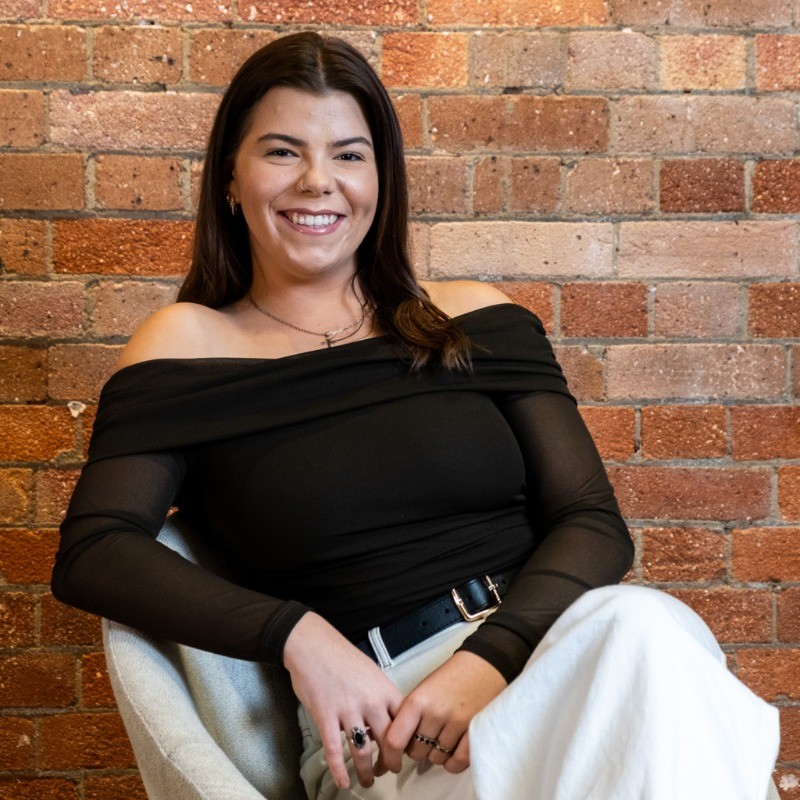
Gracie Hosie hopes to spark meaningful conversations that lead to lasting improvements in healthcare access for regional and remote Australians. Photo source: LinkedIn
When Gracie Hosie stood before government leaders and decision-makers at this year's Queensland Family and Child Commission (QFCC) Youth Summit, she wasn't simply delivering a speech. She was sharing the reality of growing up in regional Queensland, where accessing healthcare often means travelling hundreds of kilometres, taking time away from work and school, and carrying financial and emotional burdens that many city families never have to consider.
Her speech, Regional Families, Invisible Costs, drew on her family's own experience supporting her younger sister Amelia, who was born prematurely after being diagnosed with human parvovirus at just 25 weeks in the womb.
"Hospitals were part of her [Amelia] everyday story, but because we grew up in regional Queensland, hospitals were never just down the road," Ms Hosie told the summit.
Ms Hosie recalled how for her family, specialist care often meant travelling from Ayr to Townsville or Brisbane, with appointments becoming part of everyday life, and when Amelia underwent major back reconstruction surgery for severe scoliosis, herfamily's life revolved around hospital stays, flights, long drives and difficult decisions about who would stay by her side.
"Airports became normal, and goodbyes became routine. Recovery did not just happen in the children's hospital down the road; it happened in fragments across distance, across phone calls, across exhaustion,” said Ms Hosie.
"It’s the emotional cost of watching your sister in pain and knowing that help is far away. It’s the physical cost of fatigue of parents running on empty of children doing homework in hospital rooms, of bodies sitting in cars for hours because there is no alternative."
While Ms Hosie's family carried the weight of these challenges, they knew countless other regional families were navigating the same reality.
“My family’s story isn’t unique, and I think that’s exactly why it needed to be told.”

According to the Australian Institute of Health and Welfare, people living in rural and remote communities experience higher rates of disease, injury and potentially avoidable deaths than those in major cities, while access to specialist healthcare declines significantly with remoteness. The National Rural Health Alliance has also consistently reported rural Australians face higher out-of-pocket healthcare costs while receiving less health funding per capita than metropolitan residents.
"We talk about universal healthcare in Australia, but universality should not dissolve at the city limits," Ms Hosie said.
"This is not about blaming individual doctors or nurses or healthcare workers, as many are doing extraordinary work in under-resourced settings. This is about structural distribution, funding models and political priority."
Since moving from the Burdekin to Brisbane, Ms Hosie has embraced opportunities to amplify her voice, sharing her family's story while advocating for the countless regional families facing similar challenges every day.
“If telling our story helps even one decision-maker better understand what regional families go through, then it’s a story worth telling,” she said.
Set to begin a Master of International Relations, Ms Hosie has long been passionate about politics and public policy, and she saw the QFCC Youth Summit as an opportunity to introduce herself, share the values that drive her, and begin building connections within the sector she hopes to one day work in.
“Being able to speak in that room felt like the beginning of the kind of advocacy I hope to continue throughout my career, [and] most importantly, it was an honour to make sure the Burdekin, and regional Queensland had a voice.”
As regional populations continue to grow, Ms Hosie hopes her speech will encourage decision-makers to recognise that healthcare inequality extends far beyond the walls of hospitals, encompassing the everyday barriers regional families face in accessing essential care and support.

"Rural families should not have to choose between being together and being able to afford care. They should not have to measure recovery in kilometres travelled, in shifts missed or the quiet toll it takes on everyone in the car,” she said.
“I hope we can start looking beyond short-term assistance and towards long-term solutions that improve access to specialist healthcare closer to home, while ensuring support schemes evolve to reflect the true cost of seeking care today. Everyone deserves timely, affordable healthcare, regardless of their postcode.”
Since performing her speech, Ms Hosie has been met with a number of other young advocates from across the state who are also passionate about improving healthcare access in regional and remote communities.
“We’re all seeing many of the same challenges [and] there’s real strength in knowing this isn’t one person’s story, it’s a statewide issue.”
Driven by a passion for creating meaningful change, Ms Hosie has taken the initiative to create further opportunities to advocate for regional healthcare. She has been in contact with Member for Burdekin Dale Last and Queensland Health Minister Tim Nicholls, and is preparing to launch a dedicated website and public petition calling for improved healthcare access for regional and remote communities across Australia.
“It’s important that this conversation isn’t simply “had” it’s prioritised,” said Ms Hosie.
“I don’t want my speech to be the end of the discussion. I want it to be the beginning of sustained advocacy that keeps regional healthcare on the agenda until meaningful change happens.”

Federal Member for Dawson Andrew Willcox celebrated the 100th birthday of Burdekin local Domenica, highlighting her journey as a young Italian migrant as a shining example of the dedication and integration that built regional Queensland.
When managed with care and vision, migration does not just grow an economy; it truly enriches our nation.
It weaves new threads into our national fabric, bringing fresh ideas, vital skills, and a rich heritage that communities display proudly across regional Queensland. From the Italian and Maltese pioneers whose grit developed the region’s cane farms to the industrious international workers supporting our local agricultural sector, regional Australia understands the immense value of a targeted, functional immigration system.
However, a successful immigration program has to be matched to the country's capacity. Under the Albanese Labor Government, this delicate balance has collapsed into absolute chaos. Labor’s migration numbers have been far too high, while their entry standards have been far too low. By allowing a record 1.4 million people into the country since being elected, the government has created a massive shortfall of roughly 400,000 homes, an infrastructure deficit the size of Canberra's entire population.
Worse still, by dropping the ball on compliance, Labor has failed to protect our social cohesion. The Coalition is committed to restoring integrity to our borders by enforcing a strict, permanent red light to radicals and ensuring visa overstayers are promptly sent home. Moving forward, compliance with the Australian Values Statement will be a universal visa condition; we will ensure everyone we welcome fully commits to our culture, respects our laws, and integrates into our way of life.
This is not a criticism of migrants; it is a rejection of an out-of-control system running blindly ahead of the homes, roads, hospitals, and schools Australia can realistically provide. Every weekend, young Australian couples face the real-life consequences of this policy failure, turning up to rental inspections with dozens of other people while prices skyrocket.
The Coalition's Migration and Housing Pledge is a common-sense solution to this crisis. Our guiding principle is straightforward: Australia should only bring in as many people as it can house. For the first time, net overseas migration will be legally tied to the number of new homes completed. If Australia builds the homes, we can welcome the people; if we do not, we cannot keep bringing people in at an unsustainable pace.
But ending mass migration is only half the battle; we must also aggressively boost housing supply. The Coalition will tackle the root causes of the supply crisis by establishing a $5 billion Housing Infrastructure Fund to get essential last-mile infrastructure, such as water, sewerage, utilities, and access roads, into the ground. Crucially, 30 per cent of this fund will be locked directly into regional areas, ensuring our local councils can unlock up to 400,000 new homes nationwide without being strangled by bureaucracy.
Furthermore, we will make homes cheaper to build by slashing the over-compliance and regulatory wish lists embedded in the National Construction Code. By making costly, radical 2022 energy and accessibility mandates optional, we will hand choice back to the buyer and strip up to $70,000 from the cost of building a new home, unlocking an estimated 120,000 homes over the next decade.
We will also ensure taxpayer-funded housing support prioritises Australian citizens and we will maintain the strict ban on temporary residents buying existing dwellings.
An immigration system must serve the nation, not strain it.
By restoring integrity to our borders and cutting the bureaucratic red tape that halts construction, the Coalition will put a fair go back at the centre of our housing market and ensure that the Australian dream of home ownership is once again a practical reality for local families.
Andrew Willcox, Shadow Assistant Minister for Manufacturing and Sovereign Capability and Federal Member for Dawson.

Burdekin police are urging motorists to remain vigilant after responding to five crashes during the final week of school holidays, including a truck rollover and fire near Clare last Wednesday that left the driver seriously injured before he was airlifted to Townsville.
The crash marked a confronting day on Burdekin roads, with a second serious collision occurring on the Bruce Highway near Inkerman just hours later.
Emergency services first rushed to Old Clare Road at approximately 7:15 am on 8 July, following reports that a fully loaded cane haul-out truck had crashed.
Police reports indicate the driver, a 49-year-old male, lost control of the vehicle while travelling north. The truck tipped onto its driver's side and slid for roughly 50 metres before slamming into a concrete support on top of a culvert.
A passing motorist attempted to assist the trapped driver before police arrived to find the vehicle had caught fire. Officers used handheld fire extinguishers to suppress the flames until the Queensland Fire Department (QFD) arrived to fully extinguish the blaze.
QAS, QFD and QPS crews worked together to stabilise the driver before removing him from the cabin approximately 15 minutes later.
The driver was transported to Ayr Hospital in a stable condition with serious leg injuries, before being airlifted to Townsville Hospital shortly after for further treatment. An official update on his current condition has not been released.
Old Clare Road was closed for several hours while the Forensic Crash Unit (FCU) and Workplace Health and Safety (WH&S) processed the scene.
While finalising the scene at Clare, police were called away to a second high-speed impact on the Bruce Highway near Inkerman.
Upon arrival, officers found a white Toyota Corolla with significant front-end damage blocking the northbound lane, alongside a Toyota LandCruiser towing a caravan.
According to police, the LandCruiser was travelling north when it slowed down behind a tractor that was travelling in the same direction at approximately 80 km/h. Shortly after, the Corolla crashed into the rear of the caravan.
The driver and single occupant of the Corolla was treated at the scene by paramedics before being taken to Ayr Hospital as a precaution. The Corolla sustained severe damage and had to be towed, while the caravan sustained minimal damage and was able to be driven away. The driver and passenger in the LandCruiser were unharmed.
Police investigations into the highway crash are ongoing, with initial indications suggesting driver inattention may have been a contributing factor.
Following the string of incidents, local police are urging the public to exercise increased caution.

(Left to Right) – Wiliam Weaver – Sunwater General Manager of Operations, Dale and Aaron Elphinstone – Sunwater Operations Manager. Photo supplied.
A new $1.3 million water treatment plant is now fully operational in Clare, replacing the township’s 40-year-old facility and providing increased capacity and reliability for the community’s drinking water supply.
The Sunwater facility was officially commissioned on July 10 following the completion of a multi-year upgrade project, replacing the previous plant after it reached the end of its service life.
The upgraded facility can treat up to 400 kilolitres of water per day and features improved monitoring systems, allowing Sunwater staff to remotely track operations and identify potential issues before failures occur.
Minister for Natural Resources and Member for Burdekin Dale Last said the project would help ensure Clare residents continued to have access to a reliable drinking water supply.
“Every Queenslander deserves access to a safe and secure drinking water, and the new treatment plant ensures locals will continue to receive high-quality water for their families and businesses,” Mr Last said.
“Projects like this strengthen water security and help ensure communities such as Clare have the infrastructure they need to thrive and grow.”
The plant treats raw water drawn from the Burdekin River through a multi-stage process incorporating filtration, ultraviolet disinfection and chlorine dosing before distribution to the township.
Sunwater Burdekin Whitsunday Operations Manager Aaron Elphinstone said the facility will improve operational efficiency and reliability.
“Sunwater partnered with specialised water treatment contractors Protex Water and Jacobs to deliver a modern facility that improves operational efficiency and reliability for our customers,” Mr Elphinstone said.
“The plant can be monitored and operated remotely and includes an innovative electro-chlorination system that produces disinfectant on site, removing the need to transport and store bulk chemicals for safer and more productive operations.”
Construction was carried out alongside the existing plant while it remained operational, ensuring Clare’s water supply continued uninterrupted throughout the works.
The project also provided work opportunities for contractors and suppliers from the Burdekin and Townsville regions, who contributed to civil, electrical, plumbing, concrete and materials supply works.

A Burdekin Catholic Parish fundraiser has shown community spirit can extend well beyond the walls of the church, with more than 130 people, including many non-churchgoers, gathering in support of a local institution.
The bingo night fundraiser at Ayr Parish Hall last Friday raised funds to assist with ongoing maintenance across the parish’s four Burdekin churches, supporting the continuation of the its work in the region.
Parish priest Father Manoj described the turnout as an “absolutely stunning” display of community support, with attendees travelling from as far as Townsville to take part in the evening.

“There was a lot of fun, plenty of food … and a lovely ambiance in the hall,” he said.
The event was organised by a six-person fundraising team comprising Kaylene Rinella, Lisa Sarri, Chrissa Di Bartlo, Mary Pattinson, John Furnell and Robert Tomarchio, with the Country Women’s Association (CWL) assisting with bingo calling duties.
Father Manoj said one of the most encouraging aspects of the night was seeing people from across the community support the parish, regardless of their religious affiliation.
“It was important to me that even people who are not practicing religion came to support people who are,” Father Manoj said.
“People might not [ascribe] to a particular religion, but they can still show the expression of love for the events in the community and support people who are practicing religion.
“It was a good sign of people living together in harmony.”

The evening featured bingo, a sausage sizzle, licensed bar, tea and coffee, with Father Manoj thanking attendees and those who contributed food and support towards making the fundraiser a success.
He said the strong response had encouraged the parish to consider holding similar events more regularly in the future.
“We’re looking forward to having this event in the future a little more often,” he said.
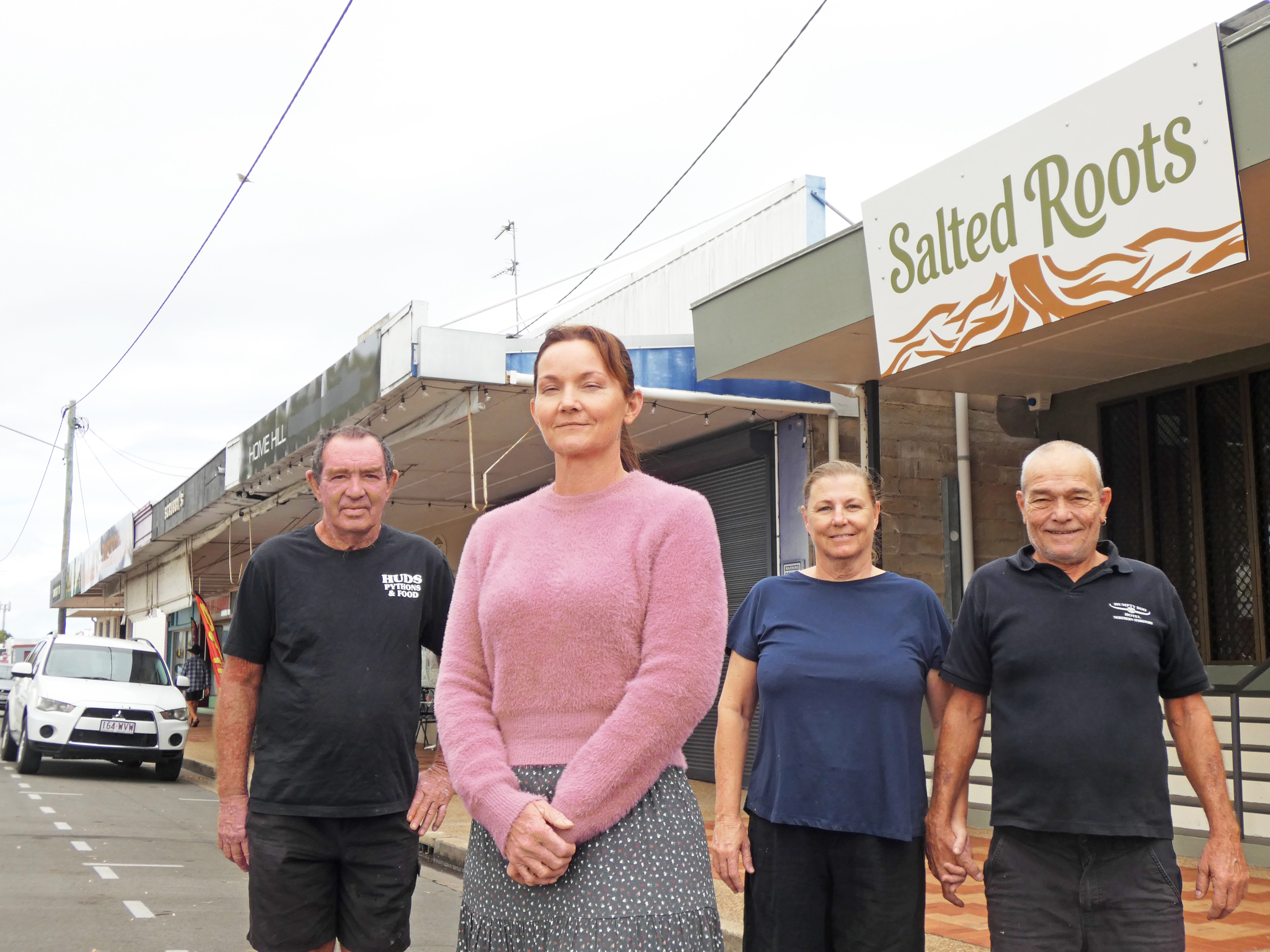
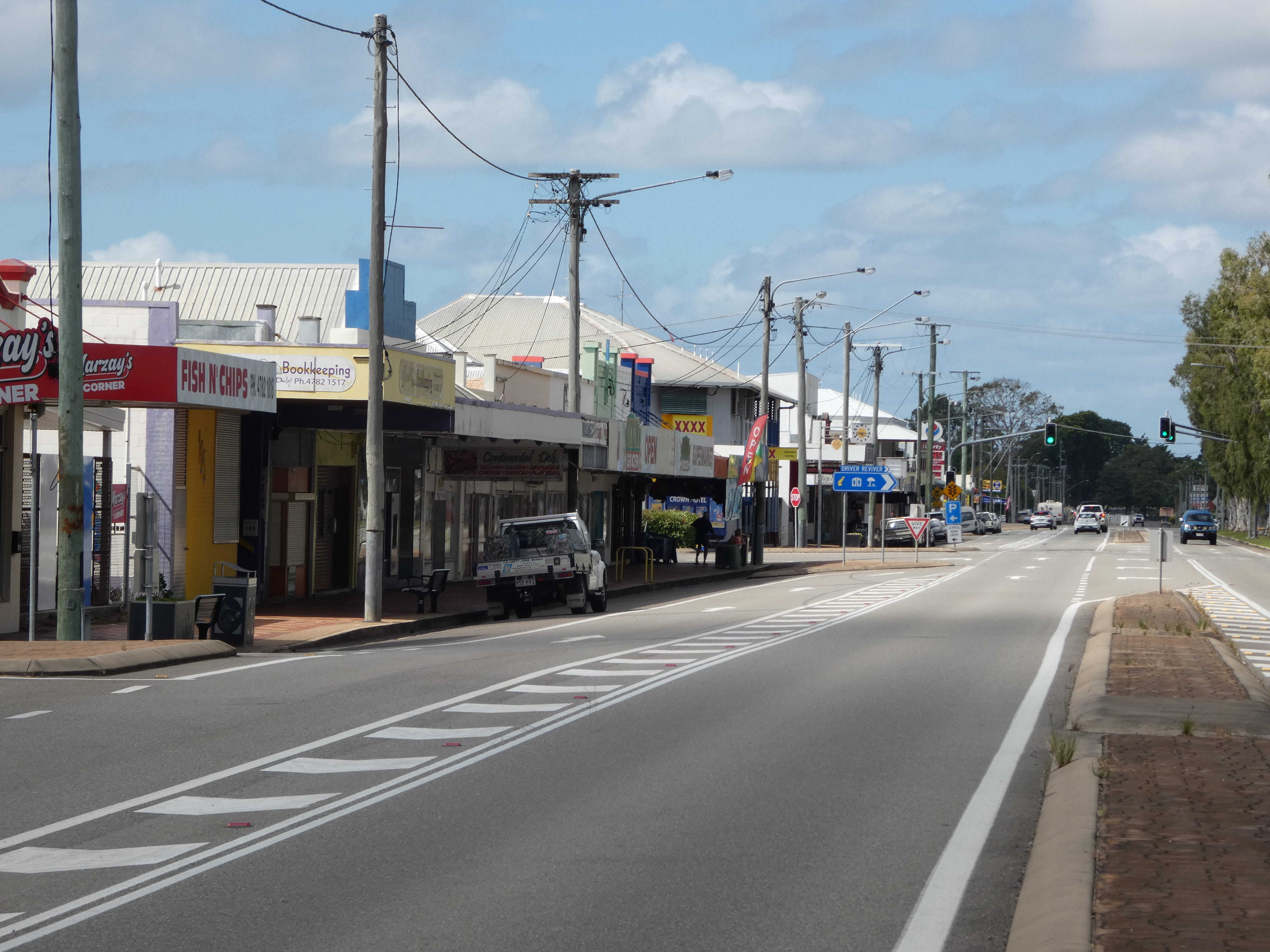
Chris Hudson of Huds Pythons (left), Candace Young of Salted Roots (left-centre) and Neil Machin (right) and partner Patricia Thomas (right-centre) of Scrubby’s Teahouse pose outside the revitalised shopfronts on Eighth Avenue. Photo credit: Jacob Casha
Since the turn of the millennium, regional town centres have come face-to-face with a global pandemic, the meteoric rise of online shopping and subsequent commercial volatility. But a cluster of new businesses on Home Hill’s Eighth Avenue has given rise to a renewed sense of confidence about the future of its CBD.
The foundations of a promising new commercial era have been laid on Home Hill’s Eighth Avenue, where three entrepreneurial ventures have given a row of dormant storefronts a new lease on life.
Newly established businesses Salted Roots, Scrubby’s Teahouse, and Huds Pythons and Food recently opened their doors on the town's main street, renovating and occupying commercial spaces that had sat vacant for up to 12 years.
The trio of openings has injected fresh activity along the stretch, prompting questions about whether the investment represents a broader shift in confidence for Home Hill’s town centre.
Candace Young, owner and operator of Salted Roots, said she and her husband Scott saw Home Hill’s supportive community and favourable lease rates as key drivers in their decision to back the town.
“Home Hill has sort of been forgotten about when it comes to shops and new things. Everyone goes to Ayr because they know they're going to have that foot traffic pretty much straight away,” she said.
“When we opened, people were telling us it’s so good that something’s finally coming to Home Hill and bringing something different—bringing the town to life.”
The business officially opened its doors last Saturday, welcoming customers to browse a wide, curated range of homewares, artisan foods and lifestyle goods.
Ms Young said local support would be integral to the future of the business.
“[The business] is not just mine and my husband’s, it belongs to [the community], because they’re the ones that are supporting us,” she said.
Meanwhile, Neil Machin from neighbouring Scrubby’s Teahouse said the roast beef rolls he and partner Patricia Thomas serve have already become a town favourite.
"People are using the word ‘famous' already,” he quipped.
The business officially opened last Saturday after several weeks of limited trading. Alongside its popular beef rolls, the cafe offers mash potato rolls, bacon and scrambled egg rolls, and coffee, while specialising in tea.
Mr Machin described the venture as “something different” after years of work as a builder.
“We were very uncertain at first, but the building industry was in its own turmoil at the time, so it made sense to open when we did,” he said.
“We thought the town needed something. A couple people were playing with the idea, but no one was committed, so we thought, ‘let’s have a crack at it.’”
Christopher Hudson, owner of Huds Pythons and Food, said the arrival of Scrubby's and Salted Roots two doors down had already brought a significant uptick in foot traffic along the strip.
Opened four months ago, Mr Hudson’s business—which he also calls his “hobby”—houses and sells a unique range of reptiles, 90 per cent of which he bred himself.
He said that with the arrival of the neighbouring establishments, his own store had experienced an almost tenfold increase in daily visitors.
“When I was just the only one here, we used to get maybe half a dozen people come through. Now, it’s nothing to get 50 people a day,” Mr Hudson said.
“I’ve been getting all the grey nomads coming through, and have even had a bloke through the other day from Denmark, who’s a keeper over there … You get so many people through, and it's just phenomenal.”
Burdekin Shire Council Deputy Mayor and Home Hill local Max Musumeci said the recent openings were a clear sign of growing business confidence in the area.
"Opening a business requires a significant commitment of time, money and effort, so it's not something people generally do with only the short term in mind,” Mr Musumeci said.
“While every business journey is different, these openings are certainly an encouraging sign that investors and entrepreneurs believe in the future of our community.”
He said their establishment marked a positive step forward for the community.
“I remember when the street was full of thriving businesses, and it was sad to see some shopfronts become vacant over the years,” he said.
“To now see new businesses opening and investing in the town … creates optimism for the future and reinforces what many of us already know—that Home Hill, and the whole of the Burdekin Shire, is a great place to live, work, play, visit and invest.”
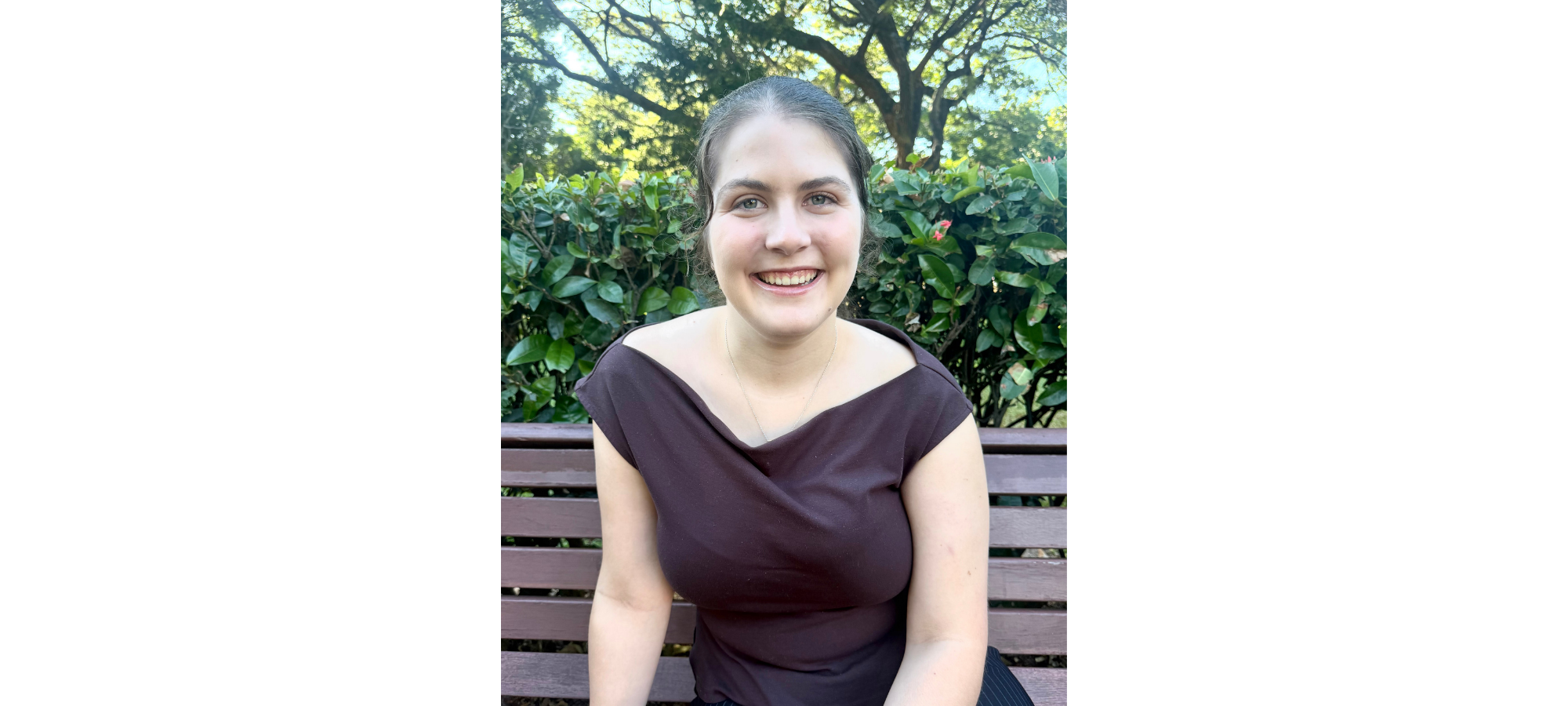
Former Burdekin Youth Mayor Nicole Cervoni has added another accolade to an already fruitful year, being named one of three Trainee of the Year finalists in this year’s Queensland Training Awards. Photo supplied.
Former Burdekin Youth Mayor Nicole Cervoni has added another accolade to an already fruitful year, being named one of three Trainee of the Year finalists in this year’s Queensland Training Awards.
The recognition caps an outstanding 12-month period as a Burdekin Library trainee, during which she became an important part of the team on her way to being named as Burdekin’s Young Citizen of the Year in the 2025 Australia Day Awards.
She will now attend the North Queensland Regional Final in Townsville later this month, which will bring together high-achieving individuals within Queensland’s vocational education and training (VET) sector.
The youngest finalist in her division, Ms Cervoni admitted any further success would be a bonus for an already “exciting” achievement.
“I got the phone call, and I was very excited—but very surprised,” she laughed.
“The other finalists in my category are amazing, and they’ve done so much to deserve it … I’m just really excited to put the Burdekin in that mix as a little girl from Millaroo.”
The former Burdekin Catholic High School student joined the Burdekin Library team in 2025, and was the public face of a number of projects from her position at the library issue desk.
Early that year, Burdekin Library became the first library in Queensland to deliver the State Library of Queensland’s Digital Mentors program. The program paired young volunteers with older residents to help build confidence with everyday technology, from smartphones to online services.
Ms Cervoni was a major part of the program’s success, coordinating sessions, communicating with participants and troubleshooting problems. Meanwhile, her Cricut courses had become a community hit, teaching participants new skills while facilitating friendships and connections.
As part of her traineeship, Nicole also studied a Certificate III in Business through TAFE Queensland alongside her work at the library. Despite also juggling Youth Mayor responsibilities, she completed the course two months ahead of schedule.
Ms Cervoni said that while finalist recognition for her efforts was rewarding, the traineeship itself had already proved a dream come true.
"I have wanted to work at the Burdekin Library since I was little. I had been going there since I was a baby, doing Baby Rhyme Time and everything, and I just loved it,” Ms Cervoni said.
“I was doing work experience at the library before I even got the job [last year], and my mum drove me there every day—an hour drive each way.
“I’ve now learned so much as a person through this job … [and] got to give back to those that supported me, that wanted to see me succeed, and those that still always stop my mum in the street asking, ‘what’s Nicole up to nowadays?’”
Ms Cervoni now studies primary education in Townsville, where she balances her studies with work.
She looks ahead to this month's North Queensland Regional Final, where success in her division will earn her entry into the state awards later this year.
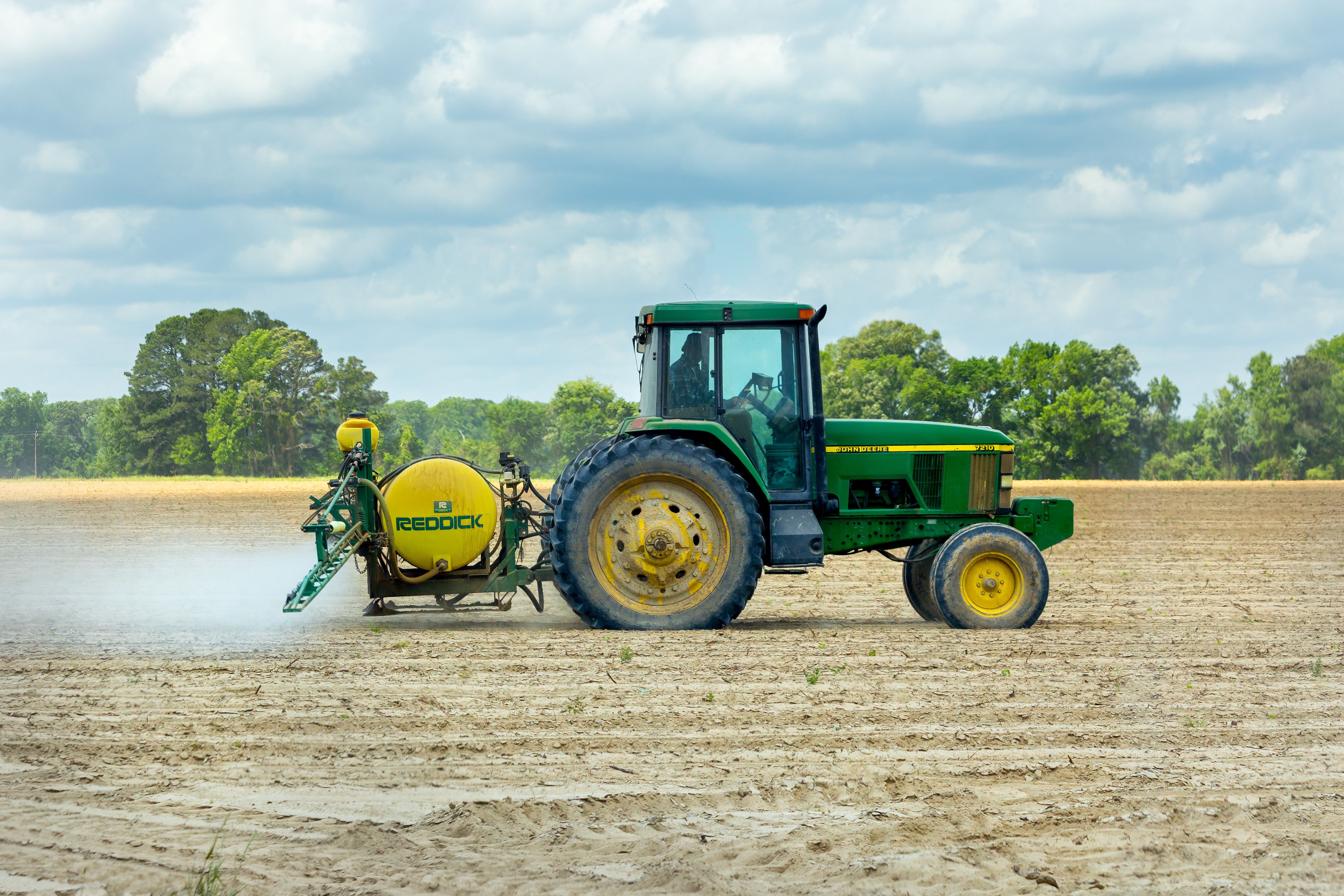
Image from Pexels
Honeycombes Sales and Service is proud to announce four Ayr-based team members have been named finalists in the 2026 John Deere Technician Awards which recognises excellence in agricultural service and parts technicians throughout Australia and New Zealand.
The Honeycombes’ finalists are Adam Patane, Apprentice Service Technician of the Year, Mark Cullen, Service Technician of the Year, and Demi Russell and Bradley Sibson Parts Technician of the Year.
The Awards celebrate the talented Service and Parts Technicians who are dedicated to supporting farming communities, keeping the wheels of agriculture turning – farmers, contractors and businesses to be operational when every hour counts.
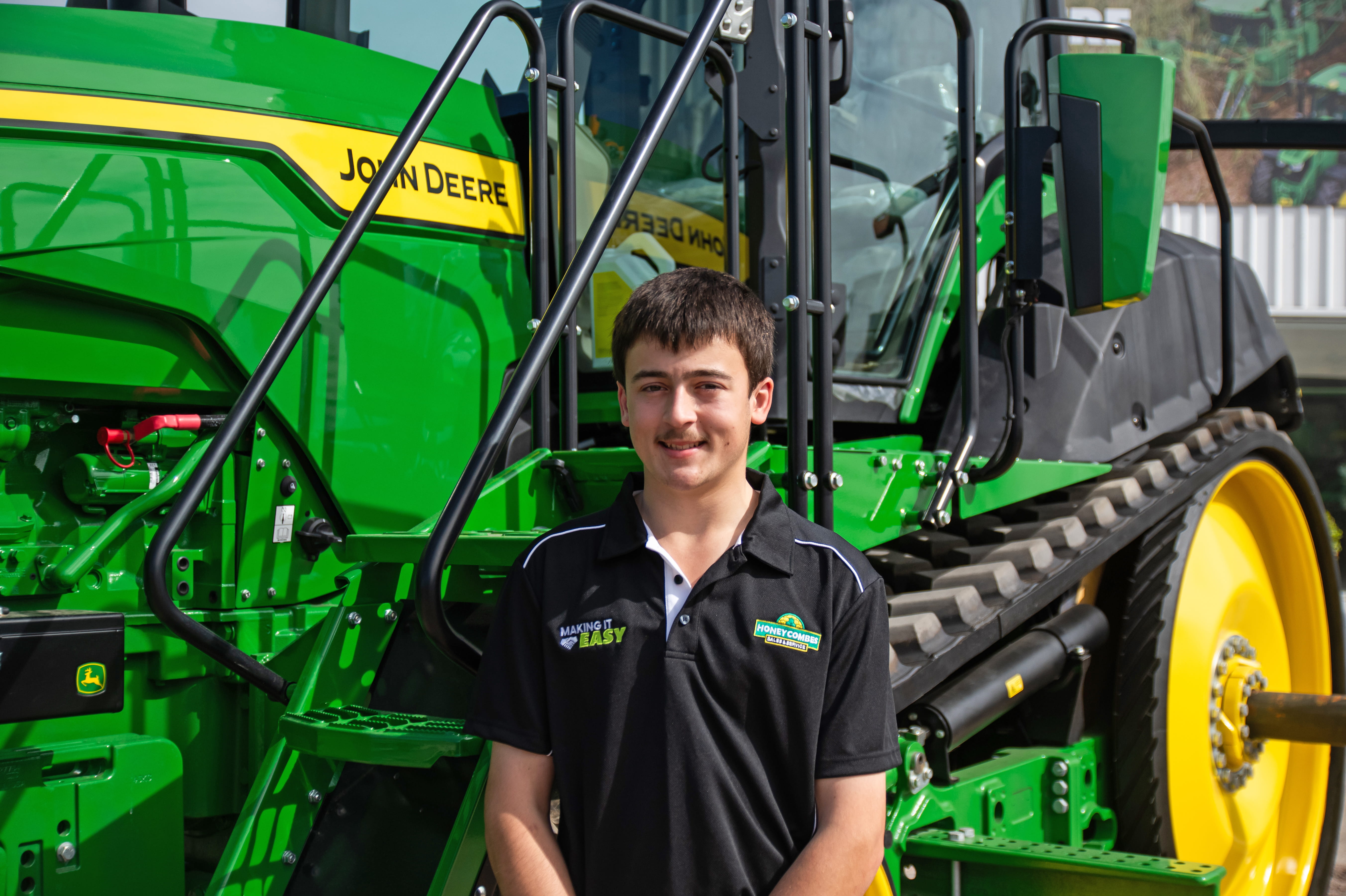
Adam Patane, Apprentice Service Technician Regional Finalist, felt a career dedicated to servicing and repairing agricultural machinery was a natural fit for him.
Growing up on a third-generation family farm, Adam saw first-hand the impact of machinery downtime on farming operations. Whether helping his father with repairs or spending time tinkering with tractors and equipment, he developed an appreciation for the role skilled technicians play in keeping agriculture moving.
Since joining Honeycombes as an Apprentice in 2023, Adam has embraced every opportunity to learn, building his skills across diagnostics, hydraulics and diesel systems, while earning a reputation for his positive attitude and strong work ethic.
“For me, it’s not just about fixing machines — it’s about making sure customers feel supported and confident,” Adam said.
Customers have praised Adam's attention to detail, commitment to safety and eagerness to learn, describing him as a young technician of the future with impressive technical knowledge and genuine enthusiasm for the industry.
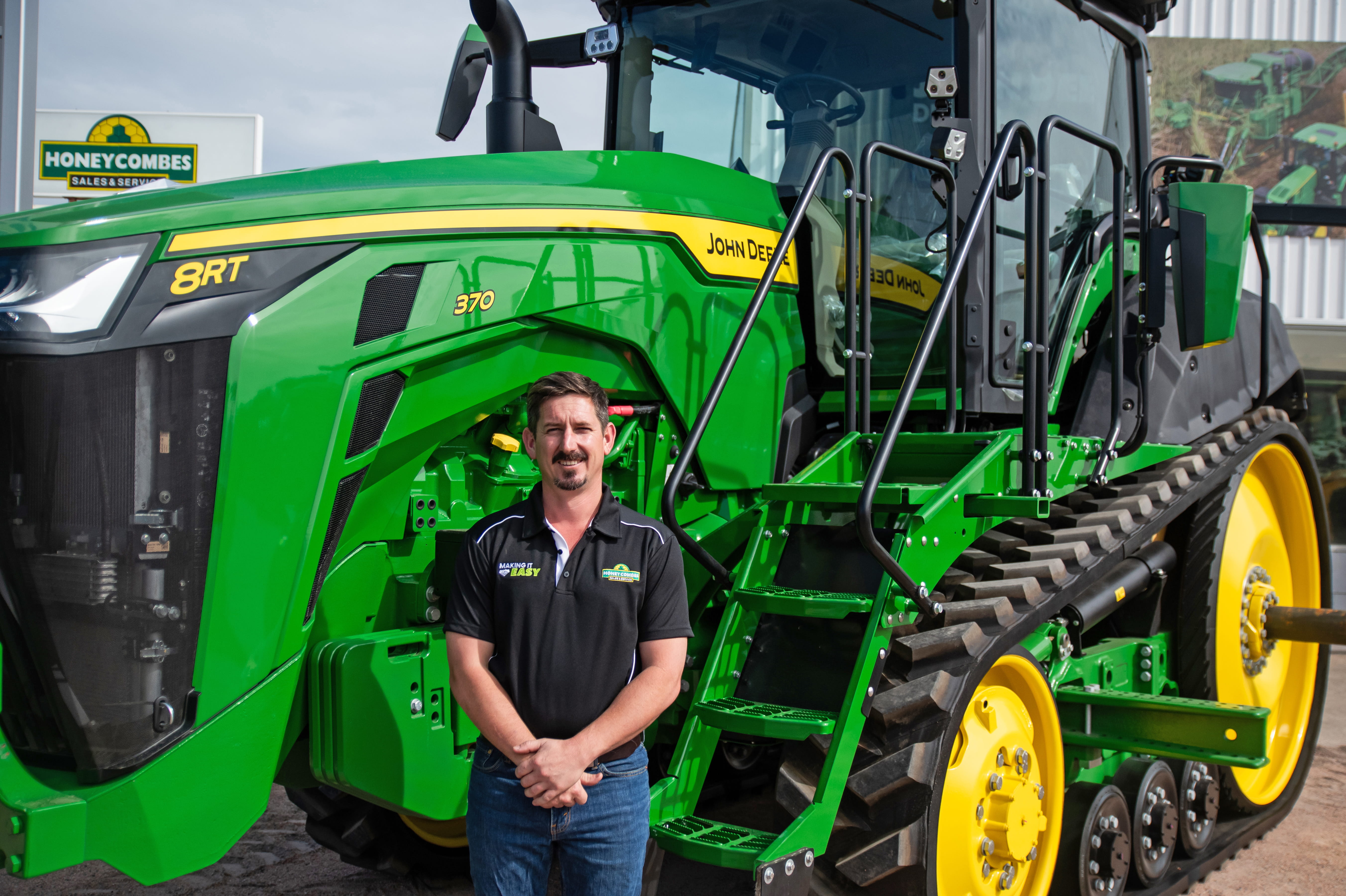
Over the past six years, Mark Cullen, Service Technician Regional Finalist, has become a trusted name among Honeycombes’ customers, known for his technical expertise, reliability and commitment to finding solutions when they're needed most.
Whether in the workshop or out in the field, Mark is recognised for his ability to tackle complex issues and help customers get back to work quickly. Customers regularly highlight his willingness to go the extra mile and his determination to see a job through to completion.
“I’ve always enjoyed figuring out how things work and getting them back up and running,” Mark said.
It is a passion that began at a young age, helping his father with truck servicing and repairs. What started as curiosity soon became a career built around supporting the people who depend on their machinery every day.
“That’s where my interest really started – I liked figuring out why something wasn’t working and getting it back up and running. Over time, that interest has grown into a real passion for agriculture machinery and supporting customers who rely on their equipment to do their job.”
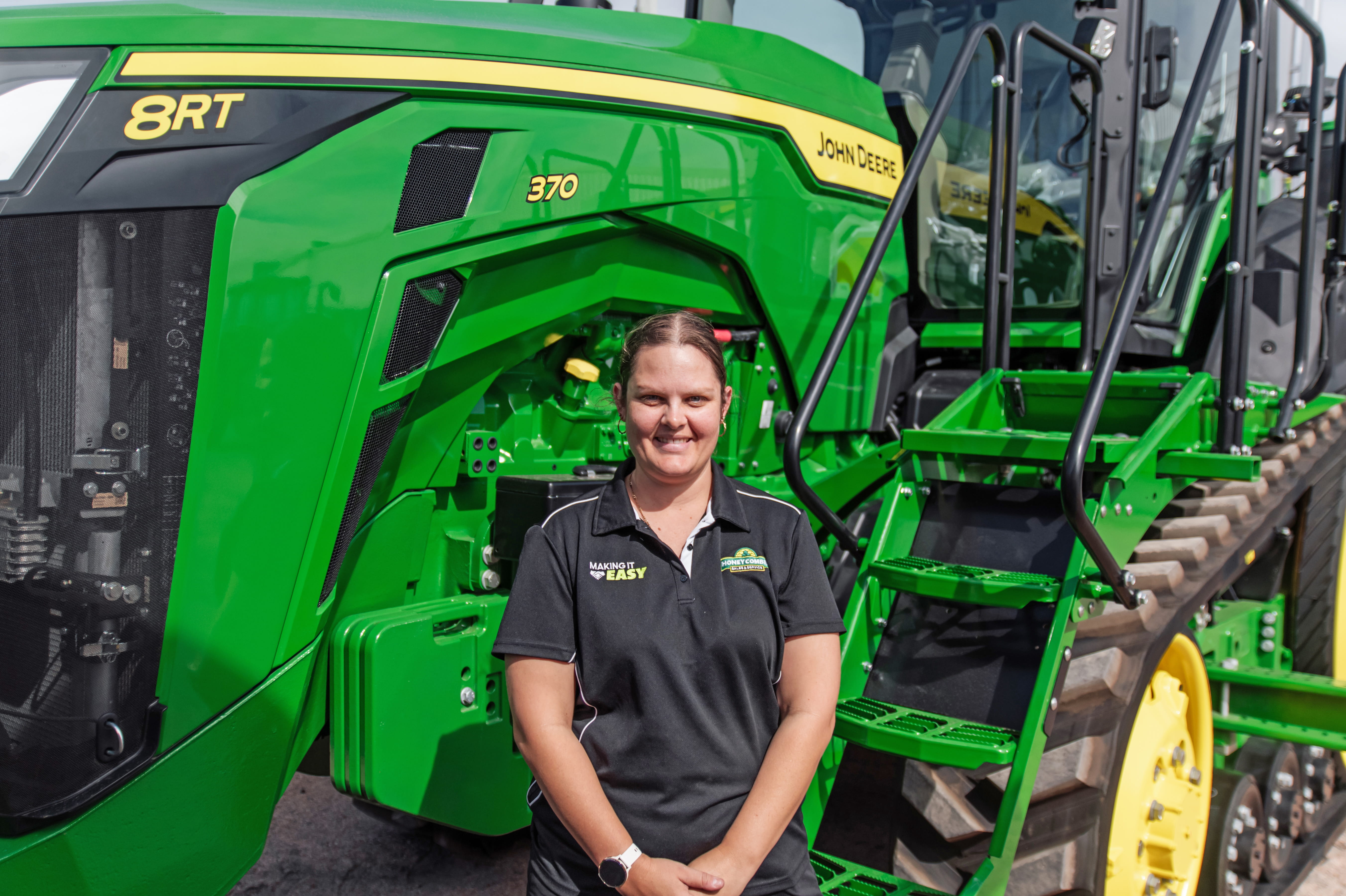
This August marks 13 years with Honeycombes for Parts Technician Regional Finalist, Demi Russell, whose connection to the industry began long before she started her career.
Demi credits her mother, who has a career spanning over 35 years in the automotive industry, with introducing her to parts interpreting and teaching her the importance of hard work and customer relationships.
“After school, I would often help her, which instilled in me the importance of a strong work ethic and building genuine customer relationships,” Demi said.
Today, those lessons continue to shape the way she works. Living in Ayr and raising her own family of four with her husband, Demi understands the important role agriculture plays in supporting local livelihoods and regional economies.
“I take pride in knowing that what I do helps keep machines in the paddock, supporting local businesses, strengthening the local economy, and contributing to a sustainable future for my family and community,” she said.
Known for her reliability, product knowledge and ability to build lasting relationships, Demi has become a trusted advisor for many customers who know they can depend on her to find the right solution when it matters most.
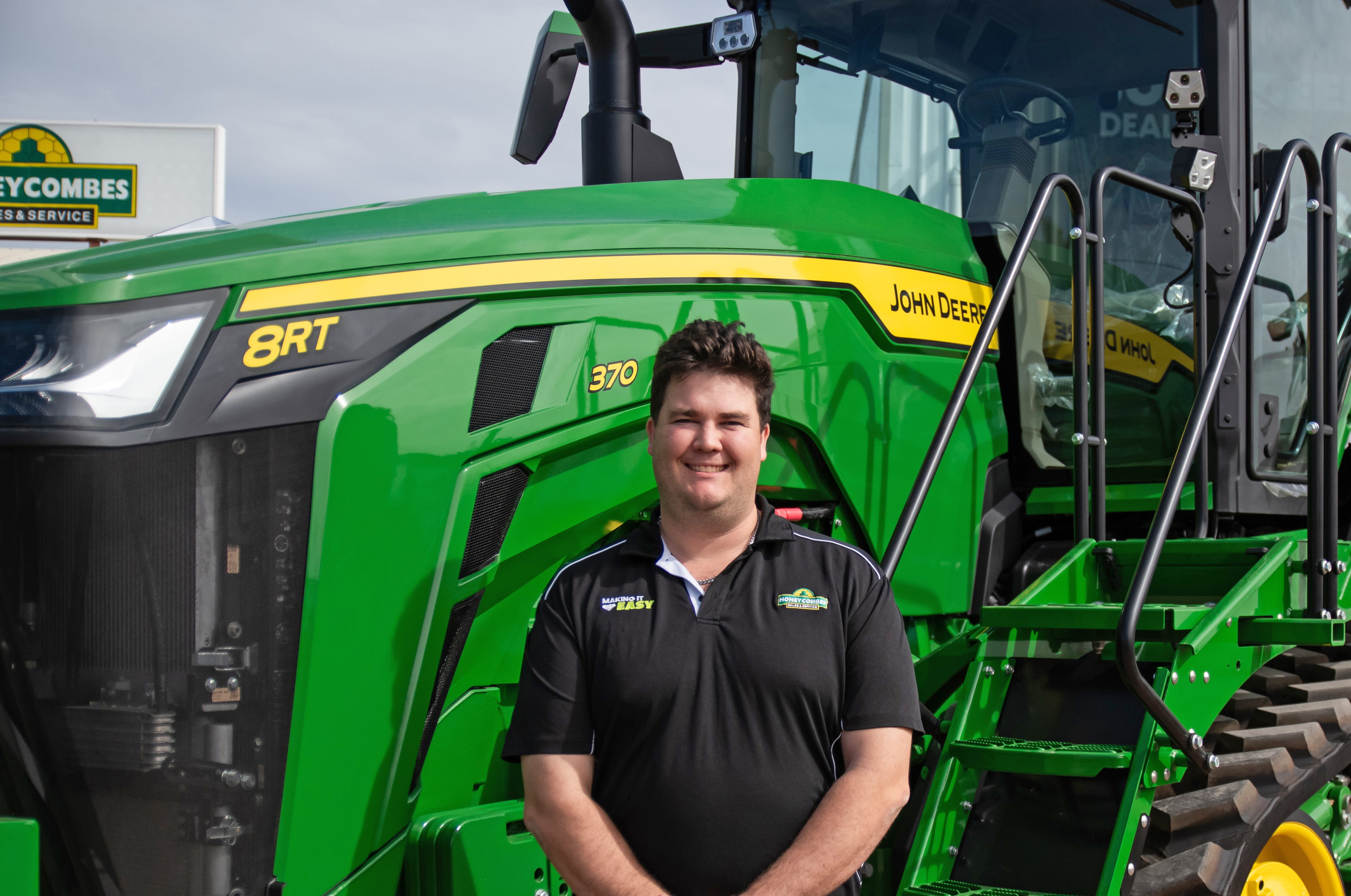
Bradley Sibson, Parts Technician Regional Finalist, is passionate about helping customers minimise downtime and keep their operations running smoothly.
Growing up on a cane and cattle property, Bradley acutely understands the pressure farmers and contractors face when equipment isn't operating as it should. It is this understanding that drives the way he approaches his work each day.
“I understand how critical it is to keep machines running… I take pride in being someone customers can rely on,” Bradley said.
Customers consistently praise Bradley for his communication, responsiveness and determination to find solutions. Whether sourcing hard-to-find parts or exploring alternative options, he is known for going above and beyond to help Honeycombescustomers keep their operations moving.
“For me, it is personal – and I want to be that person that makes a difference just as we had people that made a difference for our farm.’
Mark Barrett, Honeycombes CEO said the achievement reflects the high calibre of people within Honeycombes, and the passion they bring everyday to achieve the right result for customers.
“Being named a finalist is a significant achievement and reflects the commitment, professionalism, technical capability, and customer focus these team members demonstrate every day,” Mr Barrett said.
Honeycombes has a long-standing commitment to developing skilled service technicians and parts professionals through training, mentoring and career development opportunities. By investing in its people, Honeycombes supports regional employment opportunities that strengthen local communities while helping team members build rewarding careers, grow professionally and achieve their career goals. Honeycombes is proud to see its people recognised among the industry's best, earning accolades at regional, national and international levels, and being named among the top technicians and parts professionals across Australia and New Zealand.
Established in 2021, the John Deere Technician Awards recognise and celebrate the important role technicians play in supporting Australia's agriculture, construction and forestry industries. This year, 78 nominations were received from across Australia and New Zealand, making selection as a Regional Finalist a significant accomplishment.
The 2026 John Deere Technician Awards Gala Ceremony will be held in Brisbane on Thursday, 3 September, where winners will be announced.
Honeycombes congratulates Adam, Mark, Demi and Bradley on this outstanding achievement, and thanks them for their passion and commitment to excellence. Honeycombes wishes them every success at the Awards ceremony.
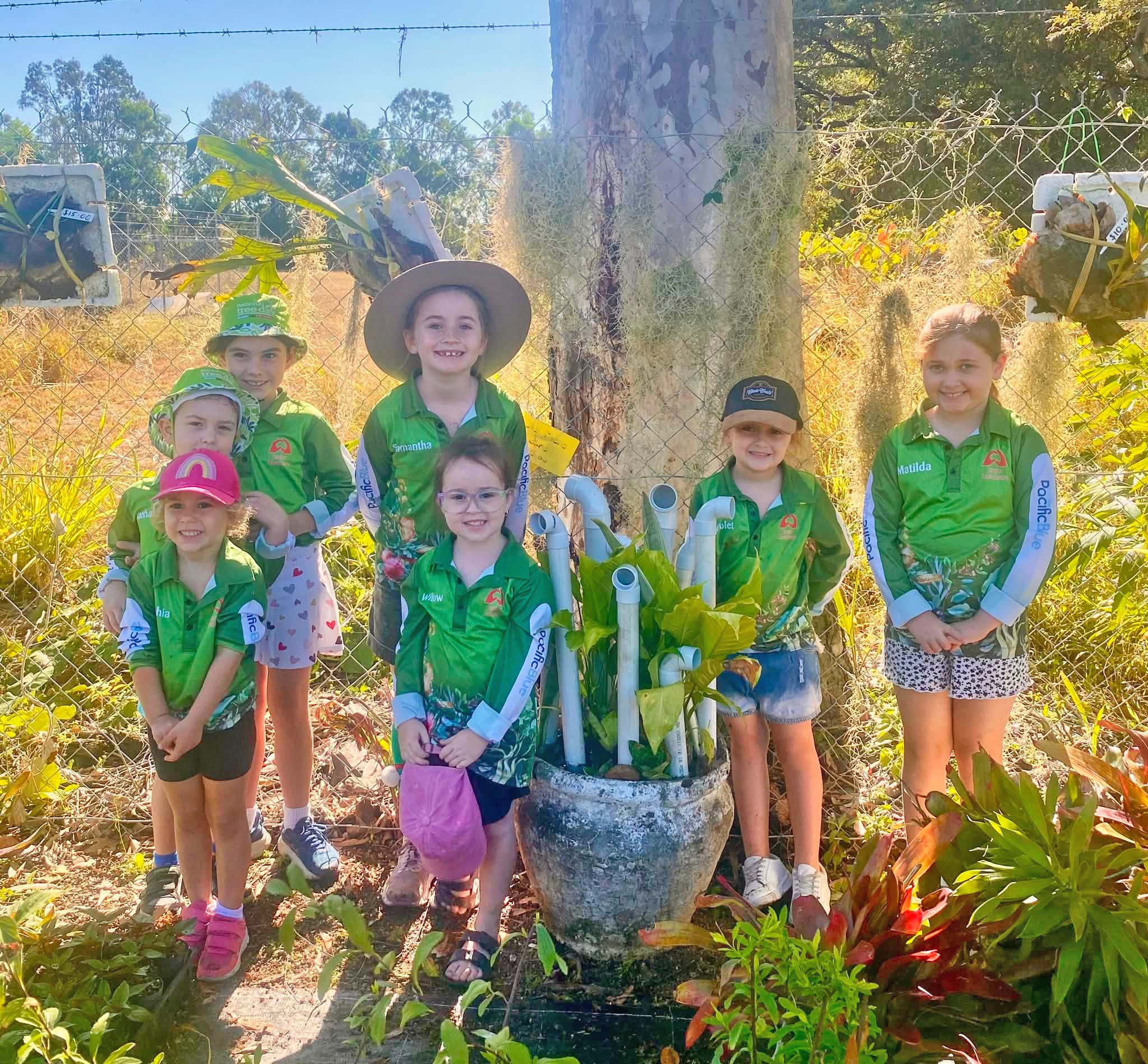
The ‘Frog Hotel’ was expertly designed and constructed by several Junior Landcare members, gathering on Saturday morning to build the apartment block from top to bottom. Photo source: Facebook/Lower Burdekin Landcare Association Inc
Burdekin frogs have been thrown a lifeline amid local housing shortages through rent-free housing courtesy of Lower Burdekin Landcare Association’s youngest green thumbs.
The ‘Frog Hotel’ was expertly designed and constructed by several Junior Landcare members, gathering on Saturday morning to build the pint-sized accommodation from the ground up.
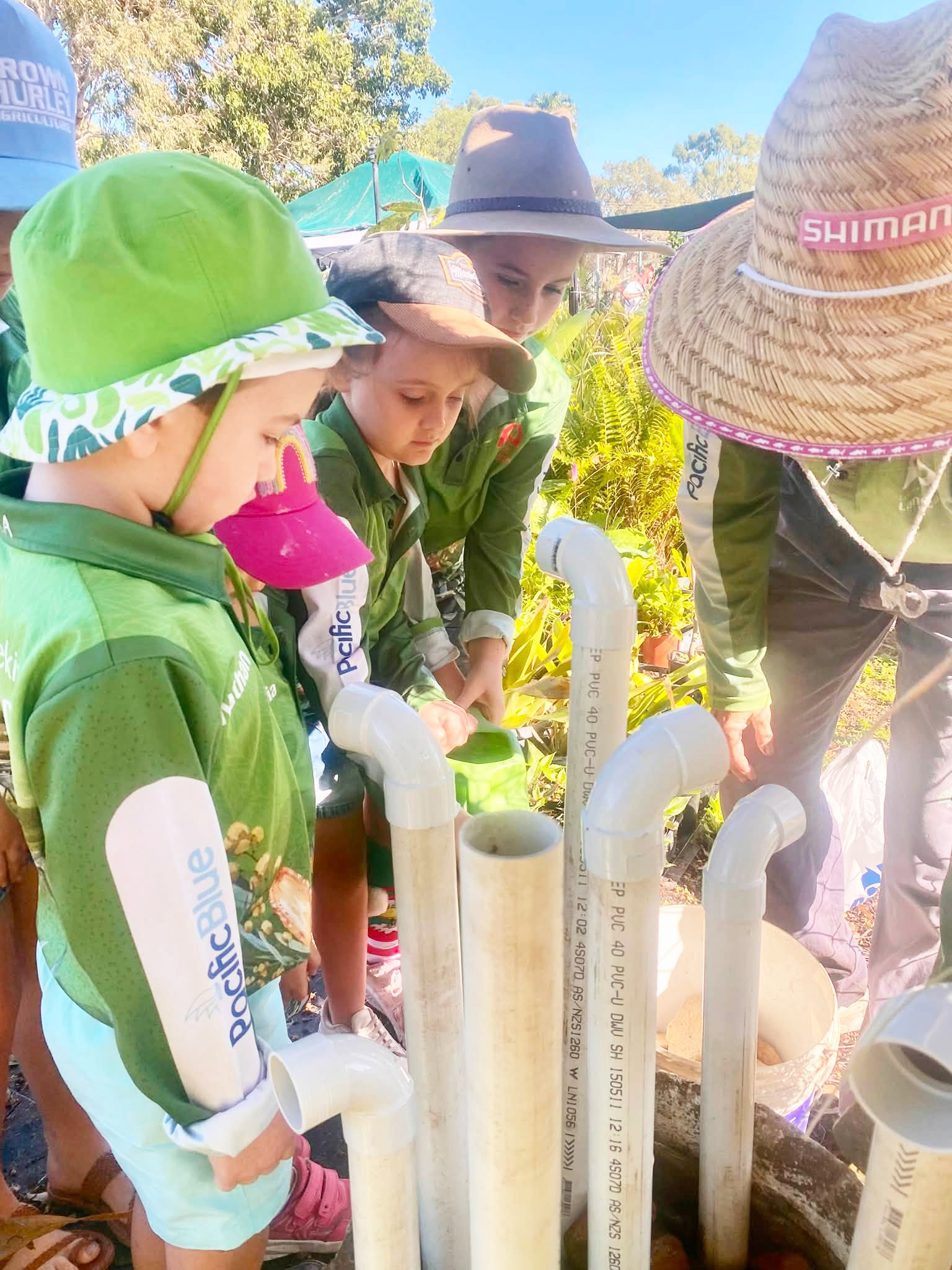
Young builders made use of a pot, stones, and open-ended pipes to bring the project to life, with all works completed on the day.
The Frog Hotel now stands at the Lower Burdekin Landcare nursery on International Drive, awaiting its first amphibian tenants.
The organisation took to Facebook to share its delight with the efforts of all involved.
“The kids did such an amazing job,” it shared.
“[We] can’t wait for our first little visitors to come and sleep over.”
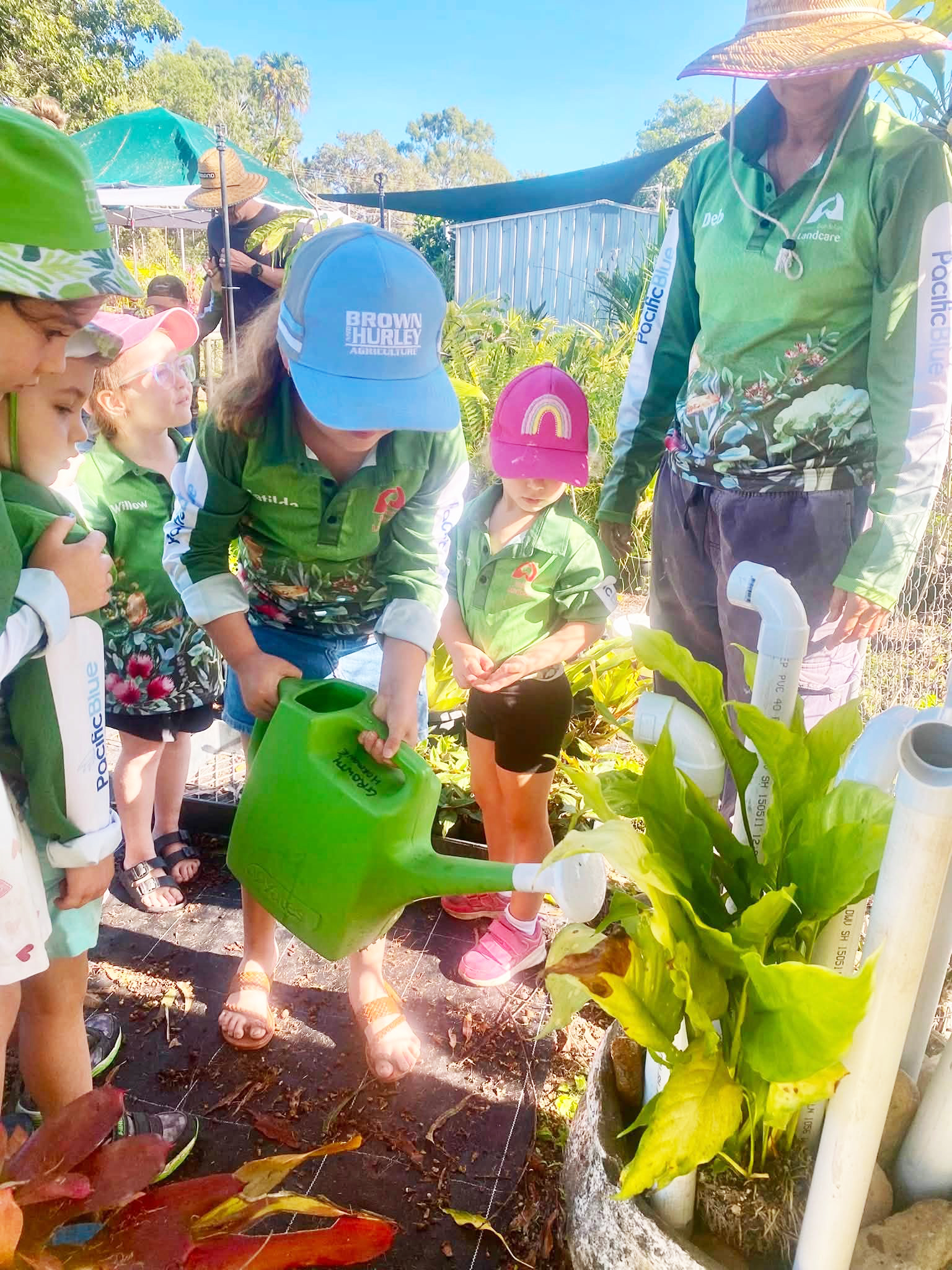
The Junior Landcare program is nurturing the region's next generation of land carers.
The group meets on the first Saturday of every month, giving children aged 6 to 12 hands-on experience through activities including building frog habitats, planting vegetable seeds and tending their own gardens.
Interested parties can find more information on the organisation’s website: https://www.lowerburdekinlandcare.com/contact-us
Publishers Indemnity. Any individual or entity that places advertising, supplies copy material, or submits editorial content to Core Life Publishing agrees and undertakes to ensure that all such material:- Does not infringe upon any copyright, trademark, or other intellectual property rights;- Is free from any content that could be considered defamatory, libelous, or slanderous;- Does not infringe upon any rights related to privacy or breach of confidence;- Contains no obscene, indecent, or otherwise unlawful material;- Complies fully with the Trade Practices Act and all other applicable laws, regulations, or statutes.Furthermore, by submitting or placing such material, these individuals or entities agree to indemnify and hold harmless the publisher, Core Publishing and Events Pty Ltd, and/or its agents from and against any and all investigations, claims, demands, liabilities, damages, costs, or judgments arising out of or in connection with the material provided. All material is believed to be accurate at the time of printing and remains the copyright of Core Publishing and Events Pty Ltd.
© 2026 Life Publishing Group Pty Ltd.
