
Independently Owned, Locally Grown, Community Loved

A major new partnership is set to position North Queensland’s sugar industry at the forefront of Australia’s energy future, with plans to convert sugarcane into low-carbon fuels through the BioNQ Project.
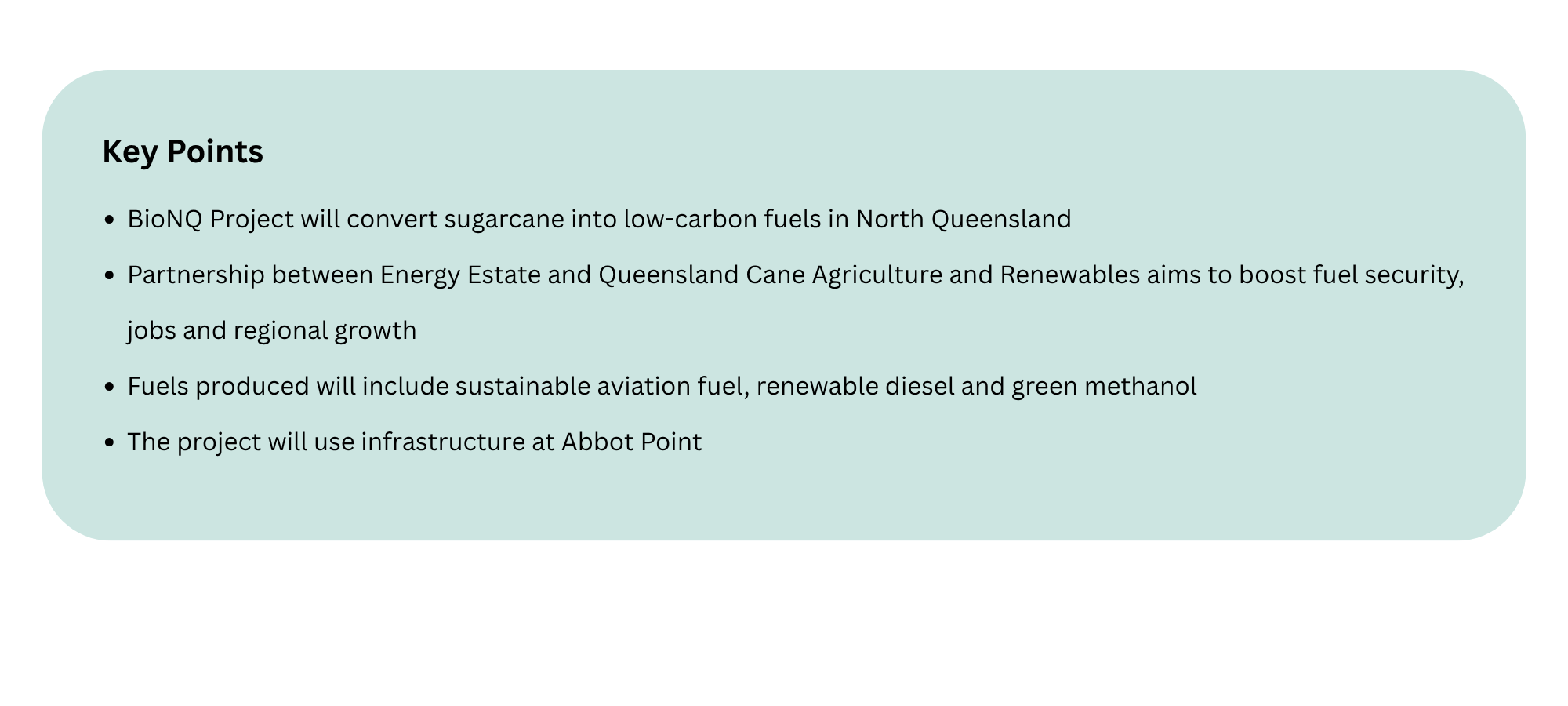
Energy Estate and Queensland Cane Agriculture and Renewables (QCAR) have formalised a strategic collaboration to fast-track the project, aimed at boosting fuel security while delivering jobs and economic growth across the region.
The initiative comes amid growing global uncertainty, with recent conflict in the Middle East highlighting vulnerabilities in Australia’s fuel supply chains. The BioNQ Project aims to reduce reliance on imported fuels by producing sustainable alternatives locally.
Leveraging existing infrastructure at Abbot Point, the project will convert sugarcane and other agricultural feedstocks into sustainable aviation fuel, renewable diesel and green methanol. These fuels are expected to support key industries including aviation, agriculture and shipping.
Energy Estate Chief Projects Officer Simon Currie said the partnership reflected a shared vision for regional development and national energy resilience.
“By working together, we can unlock additional feedstocks, invest in enabling infrastructure, and ensure Queensland’s agricultural industries play a leading role in Australia’s energy future – in real terms enhancing energy security for Australia and helping drive regional economic development.”
QCAR Chairman Russell Hall said the project would create new opportunities for cane growers.
“This gives North Queensland sugarcane farmers the chance to be active participants in Australia’s energy security… In a volatile world, domestic production isn’t just an option – it’s how countries survive and thrive,” he said.
The BioNQ Project aligns with state and federal strategies to strengthen energy independence while supporting regional communities.
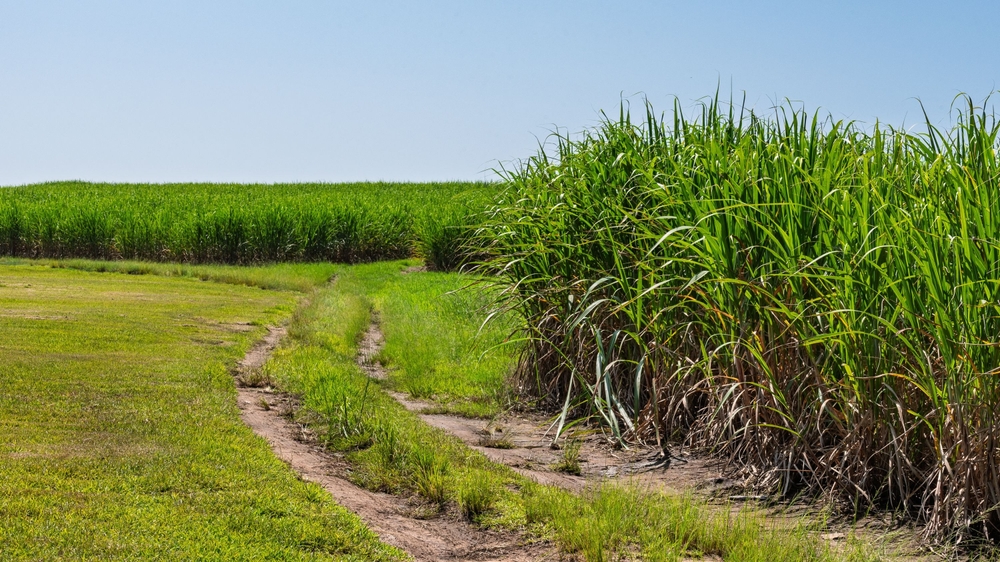
CAPTION: New BioNQ partnership aims to cut fuel reliance, create regional jobs and unlock new value for sugarcane growers. Photo source: Shutterstock
Publishers Indemnity. Any individual or entity that places advertising, supplies copy material, or submits editorial content to Core Life Publishing agrees and undertakes to ensure that all such material:- Does not infringe upon any copyright, trademark, or other intellectual property rights;- Is free from any content that could be considered defamatory, libelous, or slanderous;- Does not infringe upon any rights related to privacy or breach of confidence;- Contains no obscene, indecent, or otherwise unlawful material;- Complies fully with the Trade Practices Act and all other applicable laws, regulations, or statutes.Furthermore, by submitting or placing such material, these individuals or entities agree to indemnify and hold harmless the publisher, Core Publishing and Events Pty Ltd, and/or its agents from and against any and all investigations, claims, demands, liabilities, damages, costs, or judgments arising out of or in connection with the material provided. All material is believed to be accurate at the time of printing and remains the copyright of Core Publishing and Events Pty Ltd.
© 2026 Life Publishing Group Pty Ltd.






.jpg)