Independently Owned, Locally Grown, Community Loved

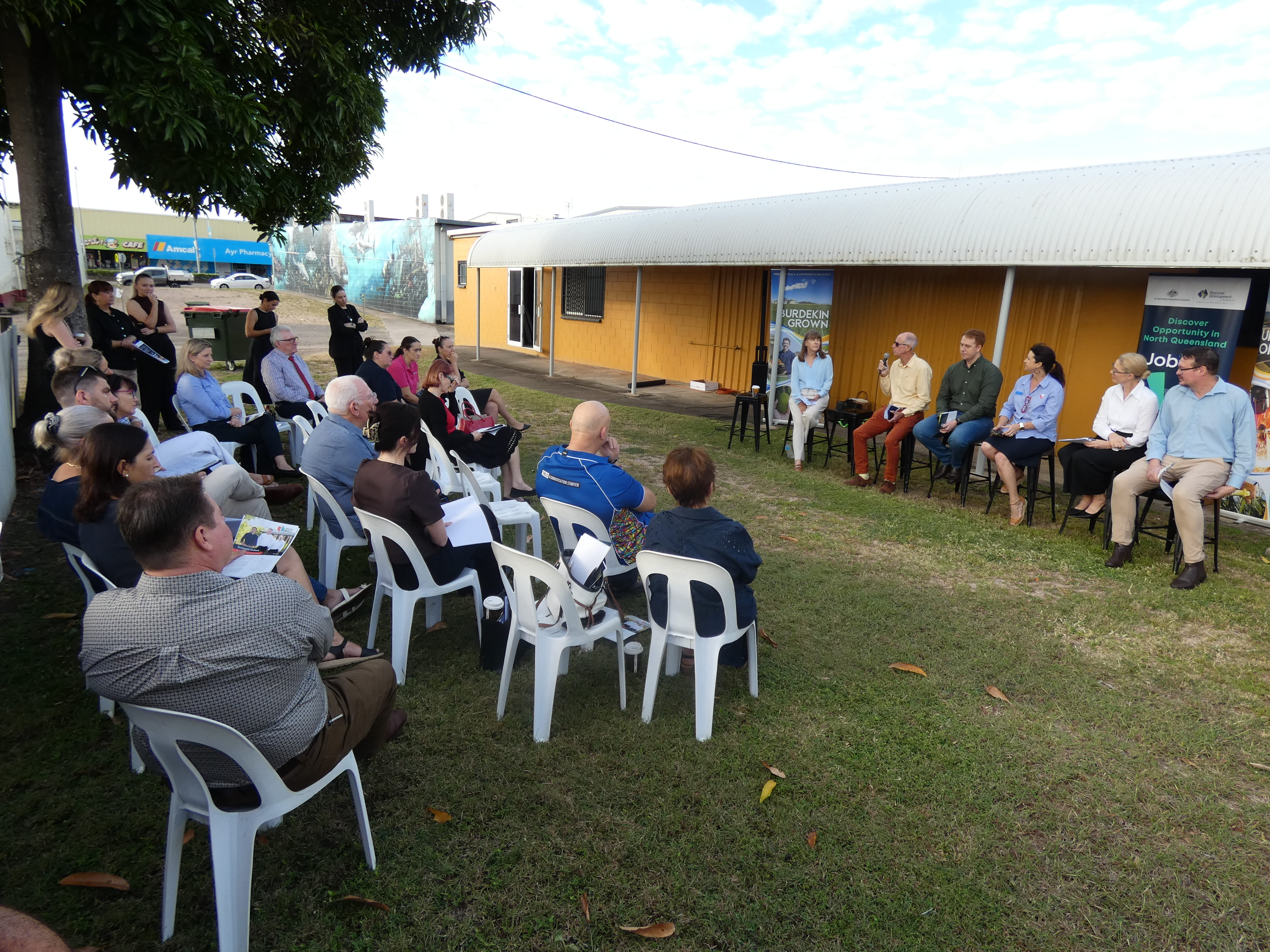
Hosted at Wild East and delivered in partnership with the Burdekin Chamber, the breakfast session brought together business owners, industry representatives and community leaders to hear forecasts on the economy, workforce pressures and future opportunities across North Queensland. Photo credit: Jacob Casha

Warnings of global economic turbulence were balanced with optimism for the Burdekin’s long-term future at last week’s State of the Region Roadshow in Ayr.
Hosted at Wild East and delivered in partnership with the Burdekin Chamber, the breakfast session brought together business owners, industry representatives and community leaders to hear forecasts on the economy, workforce pressures and future opportunities across North Queensland.
Regional Economic Advisory director Matt Kelly told attendees the global economy was entering uncertain territory after years of rapid post-COVID growth.
“Be prepared,” Mr Kelly said.
“It’s going to be a bumpy ride over the next six to 12 months.”
Mr Kelly said rising fuel costs, inflationary pressures and global instability were placing strain on households and businesses, while warning the world economy appeared to be nearing “the end of the cycle”.
“Every major global oil shock going back past the 70s has ended in a recession,” he said.
Despite the warning signs, Mr Kelly said the Burdekin remained well-positioned due to its affordability, employment opportunities and strong agricultural base.
He said regional areas like the Burdekin were increasingly attractive compared to capital cities facing soaring housing costs.
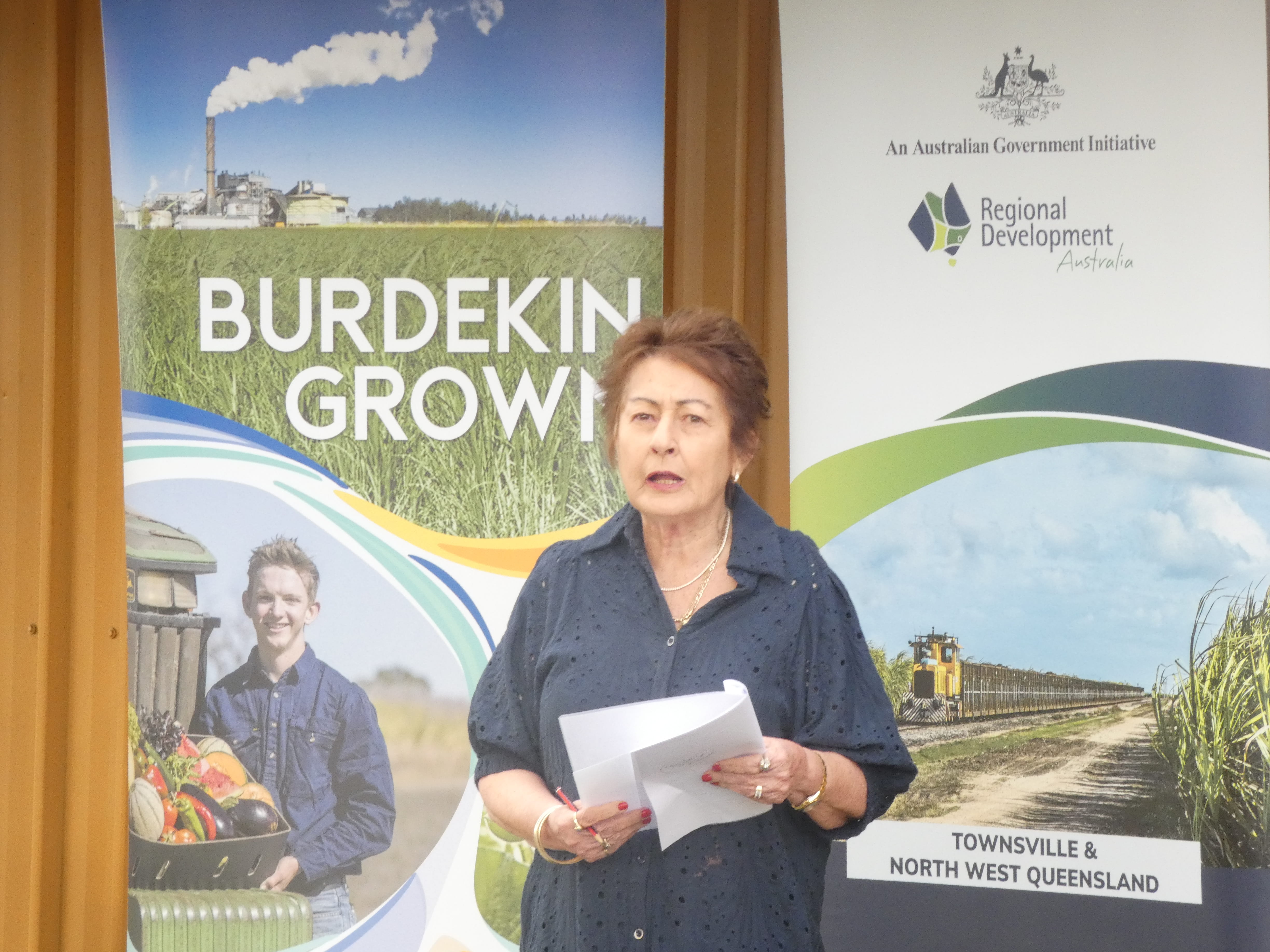
Jobs North Queensland’s Emma Dobbins said workforce shortages and population trends would dictate the region’s future over the next decade.
She said the Burdekin and broader North Queensland would need stronger skills attraction and migration pathways to meet demand, particularly in construction and infrastructure sectors.
“We have more people in the next 10 years that are going to retire than we do coming into the workforce,” Ms Dobbins said.
“We need adequate skills attraction that are relevant to the jobs that we need, because we do have significant shortages in particular areas.”
Ms Dobbins said projected overseas migration would continue driving regional population growth, while youth unemployment and workforce retention remained key concerns.
Panel updates were also delivered by representatives from NBN Co., Telstra, the Northern Australia Infrastructure Facility and the Department of State Development, Infrastructure and Planning, focusing on infrastructure and investment opportunities across the region.
Publishers Indemnity. Any individual or entity that places advertising, supplies copy material, or submits editorial content to Core Life Publishing agrees and undertakes to ensure that all such material:- Does not infringe upon any copyright, trademark, or other intellectual property rights;- Is free from any content that could be considered defamatory, libelous, or slanderous;- Does not infringe upon any rights related to privacy or breach of confidence;- Contains no obscene, indecent, or otherwise unlawful material;- Complies fully with the Trade Practices Act and all other applicable laws, regulations, or statutes.Furthermore, by submitting or placing such material, these individuals or entities agree to indemnify and hold harmless the publisher, Core Publishing and Events Pty Ltd, and/or its agents from and against any and all investigations, claims, demands, liabilities, damages, costs, or judgments arising out of or in connection with the material provided. All material is believed to be accurate at the time of printing and remains the copyright of Core Publishing and Events Pty Ltd.
© 2026 Life Publishing Group Pty Ltd.



.jpg)