
Independently Owned, Locally Grown, Community Loved
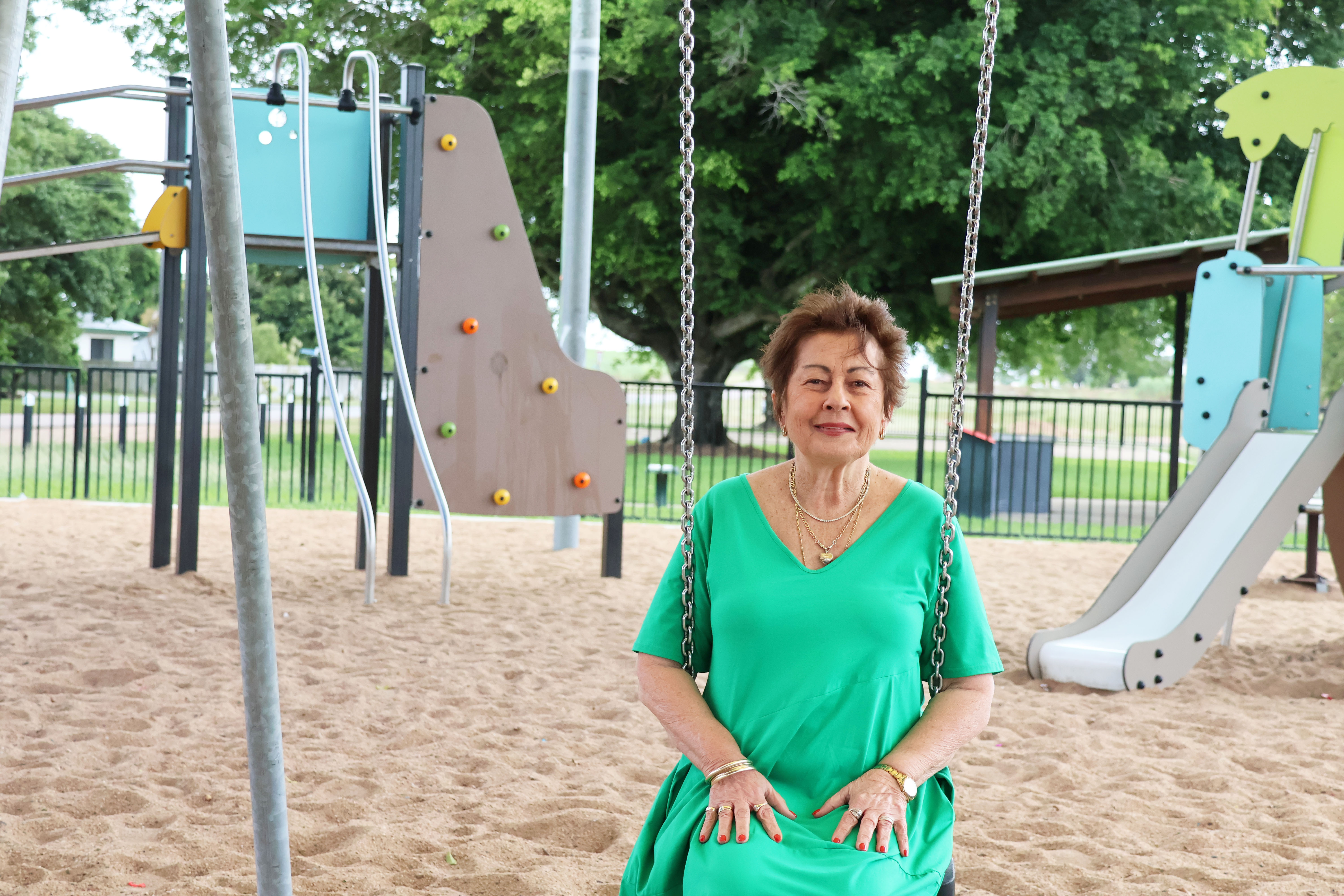
The Burdekin region faces a potential financial headache as a vital federal funding stream, which has bankrolled major local upgrades from the Ayr Swimming Pool to the Burdekin Memorial Hall, is set to expire on June 30th. The Local Roads and Community Infrastructure Program (LRCIP), which has injected millions into projects across the state, will cease at the end of the financial year unless the Federal Government announces an extension in the upcoming May Budget. Burdekin Shire Council has joined the Local Government Association of Queensland (LGAQ) in an urgent advocacy campaign, warning that regional communities stand to lose the most if the program is not replaced. “Burdekin Shire Council supports LGAQ’s call for ongoing infrastructure funding that recognises the scale and importance of what councils deliver, particularly in regional areas,” Burdekin Shire Council Mayor Dalle Cort said. “This is about ensuring regional Queenslanders have access to the same opportunities, infrastructure and services as those living in metropolitan areas.” Burdekin Stands Up As Federal Funding Faces Cliff-Edge The Burdekin Shire Council is joining a statewide push for the Federal Government to extend a crucial infrastructure program due to expire on June 30th, warning that local councils face a significant funding gap without a new commitment in the upcoming May Budget. Locally, the original LRCIP funding—in effect since 2020—has been instrumental in delivering practical community assets. Significant projects supported by the program include the refurbishment of the Burdekin Memorial Hall entrance and the installation of a compliant disabled access ramp, upgrades to the Burdekin Water Park at the Ayr Swimming Pool complex, and the revitalisation of Spiller Street’s Brandon Park, which included new playground equipment and amenities. Burdekin Mayor Pierina Dalle Cort said the Shire relies on predictable funding to maintain the essential infrastructure residents use every day. “Councils across Queensland are responsible for infrastructure that communities rely on every day – from local roads and footpaths to sporting facilities and shared community spaces,” Mayor Dalle Cort said. “Programs like LRCIP have allowed councils to deliver practical, community-driven projects that improve safety, connectivity and liveability while also supporting local jobs.” The LGAQ estimates the program has contributed roughly $668 million to the Queensland economy, supporting nearly 4,000 full-time equivalent jobs. Peak body leadership warns that without a replacement, the loss of this funding will create a "financial black hole" for local governments. LGAQ President Mayor Matt Burnett stated that regional equity is at the heart of the issue. “People living in regional Queensland should be able to access the same employment, infrastructure and service opportunities as those living in the cities,” Mayor Burnett said. “This program has been used to build roads, sporting grounds and other vital community facilities, and it’s our smallest communities who stand to lose most if funding isn't continued.” For the Burdekin, the uncertainty makes long-term planning difficult, says Mayor Dalle Cort, who emphasised that local councils are now facing “difficult decisions” that could impact the standard of services provided to residents. The LGAQ is pushing for a commitment in the May Budget that goes beyond the LRCIP, calling for an increase in untied Financial Assistance Grant funding to at least 1 per cent of Commonwealth taxation revenue to improve long-term financial sustainability. Residents can learn more about the campaign at www.lgaq.asn.au.
Read the full story
Communities across the Burdekin Shire will come together this ANZAC Day to honour the service and sacrifice of Australia’s veterans, with a full program of dawn services, marches and commemorative ceremonies planned throughout the region. Early risers will have several opportunities to pay their respects, with dawn services commencing at 5:25am at the Memorial Hall in Home Hill, followed closely by 5:30am services at Brolga Park in Giru and ANZAC Park in Ayr. As the morning continues, smaller community services will take place across the district, including an 8am gathering at the Spiller Street Cenotaph in Brandon, before returning to Giru for a 9:30am service at Brolga Park. In Ayr, the annual ANZAC Day parade will step off at 9am, leading into the main service at ANZAC Park at 9:20am, while in Home Hill, the parade will begin at 10:45am, followed by a commemorative service at Memorial Park at 11:20am. The day’s events provide an opportunity for residents of all ages to reflect on the legacy of those who have served, while also reinforcing the strong sense of community across the Burdekin. Locals and visitors are encouraged to attend a service or parade, stand in silence, and take a moment to remember the sacrifices made in the name of peace and freedom.
Read the full story
Little Leaves Nursery is set to enter an exciting new chapter, with owners Kirsten Loader and Chris Mann announcing they will take over Hotel Brandon, bringing the two much-loved businesses together in one dynamic space designed to create new opportunities for the community, rain, hail or shine. The pair said they had been searching for some time for a larger venue that could offer indoor seating, particularly during the peak heat of summer and periods of wet weather. “We have been looking to address this issue for a while and we’ve always wanted to provide a full breakfast and lunch – but unfortunately our little food van gets far too hot in summer,” Kirsten explained. The idea to purchase Hotel Brandon was first floated by the venue’s former manager; something Kirsten and Chris initially saw as a little far-fetched. Over time, however, the concept began to take root, eventually prompting the couple to take the leap. “We were very fortunate the owner wanted to keep the hotel in local hands, and so here we are,” she said. With plans still taking shape, the pair say they are keen to settle in and get a feel for the venue before making any major changes. In the short term, locals can expect a handful of updates, including the bottle shop transitioning from Star Liquor to Liquor Legends, along with the introduction of a fresh new menu. Looking ahead, Kirsten and Chris hope to undertake renovations to give the hotel a facelift and create a more family-friendly space; a vision shaped by Brandon’s shifting demographics, and they’re also exploring the possibility of a drive-through coffee and hot food service, catering to early risers in search of a quick bite on the go. “We are still working through how we can incorporate Little Leaves Nursery into the hotel without it losing the relaxed atmosphere we have worked so hard to create,” Kirsten said. “Since we opened Little Leaves Nursery, we have watched Brandon’s demographic start to change. We have noticed a lot of young couples and families starting to move into the area, and I think there’s a gap in the market to provide takeaway meals as well as a great in-house menu and kids’ play areas.” Little Leaves Nursey and Hotel Brandon will continue to operate as usual for now, with Kirsten and Chris buzzing with excitement for what’s to come. “We are grateful for the support of the staff who have remained with us at the venue, and we have a lot to learn from them, and from the locals before we make any big changes,” Kirsten said. “There are definitely big plans, and we think the hotel has a lot of potential and look forward to exploring that in the future!” CAPTION: Kirsten Loader and Chris Mann officially became the owners of Hotel Brandon on Monday, 18 April, opening a fresh new chapter for the popular establishment. Photo source: Little Leaves Nursery
Read the full story
Police are urging Burdekin motorists to slow down and stay alert as students return to school this week, with increased patrols targeting dangerous driving across the region. The warning comes as the Queensland Police Service enters the final stretch of its statewide Easter road safety operation, with officers maintaining a visible presence on local roads during the busy back-to-school period. Drivers can expect a stronger focus on school zones, with police reminding motorists to obey reduced speed limits and watch for children, cyclists and pedestrians during peak drop-off and pick-up times. Statewide figures from the holiday crackdown, recorded 3 and 16 April, highlight ongoing concerns, with more than 10,600 traffic infringement notices issued, including about 4,000 for speeding. Police also conducted more than 75,000 roadside breath tests and 1,800 drug tests, detecting over 1,200 impaired drivers. In the Northern Queensland region, which includes the Burdekin, a total of 512 traffic infringements were recorded—the lowest of any region—with 212 related to speeding. Police conducted more than 5,000 roadside breath tests, detecting 59 drink driving offences, along with 29 drug driving offences from 62 roadside drug tests. Emergency Response and Coordination Command Assistant Commissioner Rhys Wildman said increased enforcement was critical in reducing risky behaviour on the roads. “Every decision made behind the wheel matters,” he said. “With more children back in school zones this week, we’re asking drivers to slow down, stay focused and drive to the conditions.” Police say patrols will continue throughout the week, with road safety a shared responsibility for all motorists. CAPTION: Police are urging Burdekin motorists to slow down and stay alert as students return to school this week, with increased patrols targeting dangerous driving across the region. Photo source: QPS
Read the full story

Burdekin Shire residents are being urged to remain vigilant around local waterways after a recent crocodile sighting at Mosquito Creek raised fresh safety concerns.
The sighting was reported by a young fisherman who said the crocodile appeared to head directly towards him while he was fishing from the creek bank, prompting renewed reminders for locals to stay “crocwise”.
Several residents responding to the report online said crocodiles have been seen regularly in the broader Groper Creek area, a popular fishing spot and home to a well-frequented caravan park.
One local said crocodiles had been present in the waterway for decades.
“Me and a mate camped right on the creek in swags a few years ago and there was a couple stalking us at night. We just sat at the fire watching it – it never came out of the water at us but was within 10 metres,” the resident wrote.
Another person said they had also recently spotted a crocodile in the area.
“Seen this one there last weekend on the sounder. Been there for at least 40 years.”
With local waterways rising and forecasts predicting continued rainfall across the region, residents are being reminded to take extra care around creeks, rivers and coastal areas where saltwater crocodiles may be present.
The Queensland Department of Environment, Tourism, Science and Innovation urges people living and visiting Queensland’s Croc Country to follow safety guidelines and remain alert near the water.
Queensland law makes it illegal to feed or interact with crocodiles, with penalties ranging from $483 to more than $26,000 depending on the offence.
In 2024, the Queensland Government introduced tougher penalties and additional offences aimed at improving public safety. These include prohibitions on discarding food near public areas such as boat ramps, jetties, pontoons and camping grounds, as well as knowingly remaining close to crocodiles on land.
The rules complement existing laws that prevent people from approaching or disturbing crocodiles within 10 metres.
Conservation officers also have the authority to direct people to move away from crocodiles if necessary to prevent potentially dangerous interactions.
Leanne Linard, Queensland’s Minister for the Environment and the Great Barrier Reef, said the measures were designed to reduce risks associated with people deliberately interacting with crocodiles.
“People may think feeding crocs or interacting with them is fun or harmless, but experience shows that doing so increases the risk to public safety,” Minister Linard said.
“The government is investing more than $4.9 million in crocodile management, and we will continue to work with experts and the community to manage our crocodile population safely and effectively.”
Authorities are reminding residents and visitors to always remain alert near waterways, keep a safe distance from the water’s edge and report crocodile sightings to the relevant authorities.
Large Saltwater Crocodile Resting Her Mouth Stock Photo 2155865611 | Shutterstock
CAPTION: Queensland law makes it illegal to feed or interact with crocodiles, with penalties ranging from $483 to more than $26,000 depending on the offence. Photo source: Shutterstock
.jpg)
Late last year, young Burdekin local Elenna Savorgnan sadly lost her battle with brain cancer at just three years old after a valiant, year-long fight.
Now, in what would have been Elenna’s birthday month, her mother Maria is honouring her memory by taking on the 86K for a Cure challenge, carrying with her the legacy of a little girl who filled the world around her with warmth and love.
“Elenna brought so much love into our lives,” Maria said.
"If sharing her story helps bring us closer to a cure for childhood cancer, then her legacy continues to make a difference.”
The 86K for a Cure challenge sees participants walk, run or move 86 kilometres throughout March, with the distance representing the 86 children diagnosed with cancer each year in Australia. The initiative raises funds for the Children’s Cancer Institute, supporting vital research into childhood cancers.
For Maria, it’s an opportunity to help ensure “no other family has to endure what we did.”
“We know we want to continue supporting the fight to cure childhood cancer, and participating in the 86K challenge felt like a positive way to honour her and continue that effort,” she said.
“If Elenna could go through everything she did and still manage to smile, then I can certainly walk 86 kilometres.”
She will be joined on her journey by friends Natasha Stevenson, Wilmee Stockdale, Chloe Biffanti, Jessica Pucciarmati, Bree Dwyer, Kiri Woods, Karen Driver, and her sister, Melissa Tapiolas.
“Having them beside me for this challenge means the world,” Maria said.
“They have supported us so much throughout everything and continue to show Elenna so much love.”
It was in 2024 that Elenna was diagnosed with Group 3 Medulloblastoma, an aggressive form of childhood brain cancer. After fighting through brain surgery and intensive treatment, she sadly passed away late last year, months shy of what would’ve been her fourth birthday.
“March 13 would have been Elenna’s birthday, so this month will always be a meaningful time to us,” Maria said.
“I love the little memories that pop up all the time – the cute things she would say, her beautiful smile, and how much she loved dancing to music. She also had the most beautiful, contagious, heart-melting laugh."
While life without Elenna has been incredibly difficult, Maria said the support of the Burdekin community has been an unwavering source of strength.
“The kindness and support we’ve received has meant so much to our family and we could never truly put into words how grateful we are,” Maria said.
Members of the community can continue to support Maria’s walk by donating, sharing the fundraiser, or following the links on her Facebook page to contribute.
https://www.facebook.com/donate/1579522309979483/?fundraiser_source=external_url
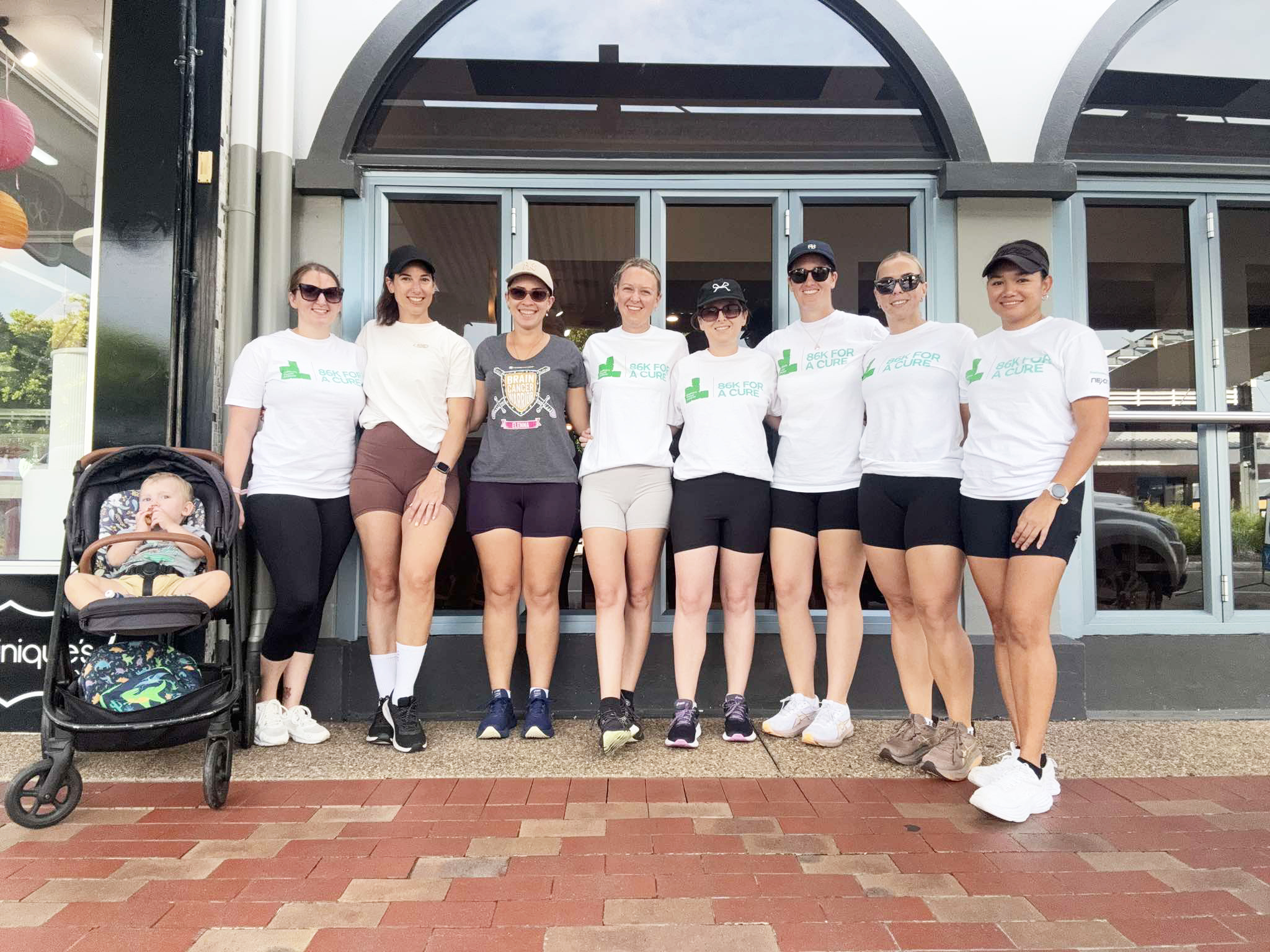



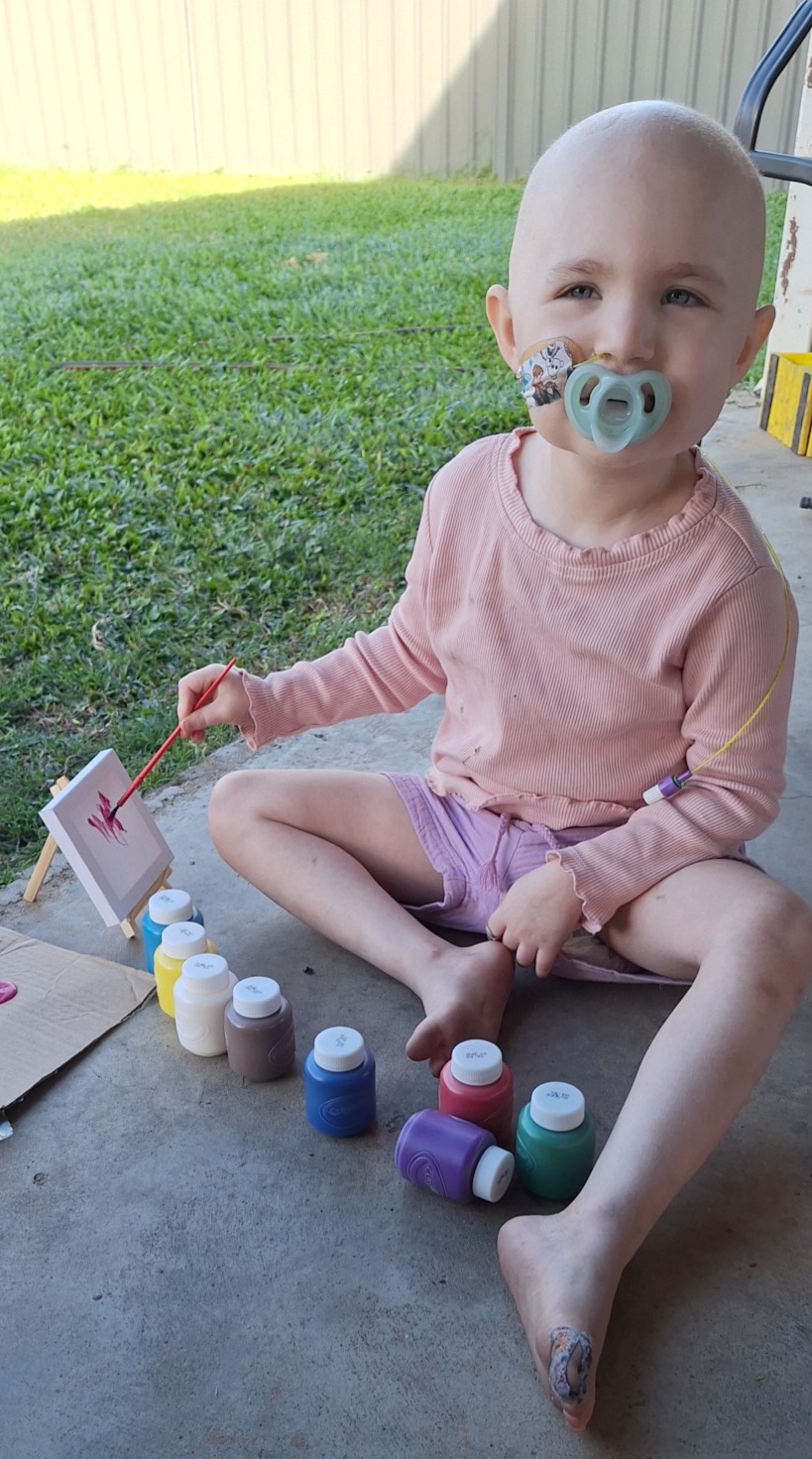

1—Maria Savorgnan is joined by friends and family as they take on the 86K for a Cure challenge in honour of her late daughter, Elenna, raising funds and awareness for childhood cancer. Photo supplied

A 40-year-old Ayr man has been charged with deliberately setting a house and shed on fire on Cameron Street, while two others face drug and stolen property charges following a separate police operation on Rita Island.
At about 8.30am on Friday, 6 March, police and the Queensland Fire and Emergency Services (QFES) responded to reports of a fire in Cameron Street, Ayr, where a house and shed were alight, with a caravan inside the shed fully engulfed.
No one was home at the time, and QFES extinguished the fires, which caused moderate damage to the house and shed.
Police declared the scene a crime scene, and a scientific examination completed on Saturday revealed “a number of separate seats of fire on the property, indicating it was deliberately lit.”
On 8 March, the 40-year-old Ayr man was arrested and charged with allegedly Endangering Property by Fire. Detectives from the Ayr Criminal Investigation Branch opposed his bail, and he appeared in Townsville Magistrates Court the following day.
He has been remanded in custody until his next appearance on 22 April.
“This incident provides a timely opportunity to remind residents to remain vigilant and report any suspicious behaviour,” said Ayr Police Station Senior Sergeant Lisa Shields.
“Community awareness and timely reporting play an important role in helping police keep our community safe.”
Separately, police attended Rita Island on the afternoon of 5 March following public reports of a sighted stolen trailer. Upon arrival, police declared a crime scene.
A 36-year-old Alva Beach man was charged with Possess Dangerous Drugs and Possess Utensil after allegedly being found with 3.2 grams of methylamphetamine and a glass pipe.
A 30-year-old Ayr man was charged with two counts of Possess Dangerous Drugs and Possess Utensil after allegedly being located with 20 grams of cocaine, 1.6 grams of methylamphetamine, and a glass pipe.
Both men were also found in possession of a stolen vehicle, which has been seized. Investigations into the vehicle and trailer are ongoing.
Members of the public are encouraged to contact Policelink on 131 444 to report suspicious activity. If a serious or life-threatening situation is occurring at the time, please call Triple Zero (000) immediately. Anyone with information about the house fire is urged to contact Ayr Police Station on 4790 3555 or Crime Stoppers on 1800 333 000.

Thanks to the generosity of an anonymous donor, Burdekin Life is excited to launch two special community giveaway competitions designed to spread a little joy and support across the region.
The first competition will see four tickets to every North Queensland Cowboys home game this season given away to lucky winners. A different winner will be selected for each home round, giving multiple people the opportunity to experience the thrill of game day live.
In addition, the donor will also provide a $100 grocery voucher each month for the next 10 months to help support individuals or families who may need a little extra assistance.
Community members are encouraged to nominate someone deserving for either prize by submitting an 80-word blurb explaining why their nominee deserves the opportunity.
Nominations can be sent to jacob@lifepublishinggroup.com.
Both competitions aim to support those who may benefit most, whether it’s someone who has never had the chance to attend a Cowboys game, or a household that could use a helping hand with everyday essentials.
Successful nominees will be contacted directly with further details.
Start nominating today and help brighten someone’s day!
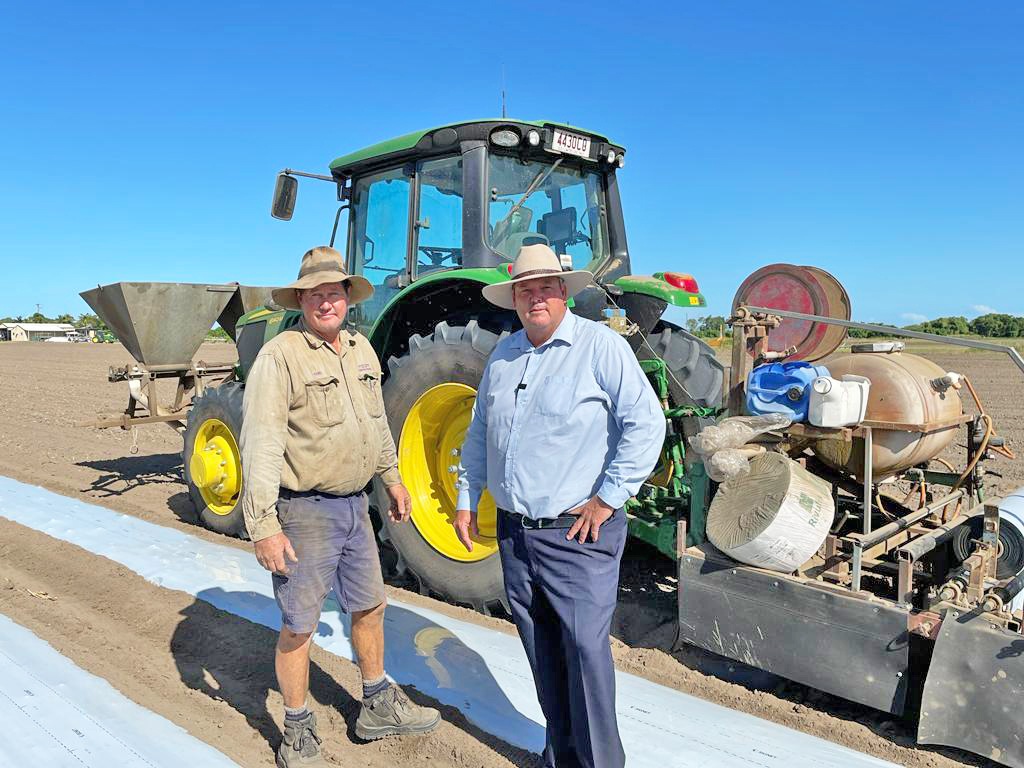
In the city, a spike in fuel prices is a frustration; a reason to grumble at the dinner table or perhaps cancel a weekend drive. But in the regions, and specifically here in Dawson, fuel isn't a luxury or a lifestyle choice. It is the lifeblood of our economy.
Right now, that lifeblood is under threat, and it’s time we had a serious conversation about what is happening. We are currently facing global volatility, domestic supply rationing, and a federal government that seems content to watch from the sidelines, while our primary producers are pushed to the brink.
Our farmers in the Burdekin, the Whitsundays, and Mackay are some of the most resilient people you’ll ever meet. They deal with droughts, floods, and cyclones. But there is one thing they cannot work their way out of: a dry fuel tank.
A harvester doesn’t operate on hope. A tractor preparing a paddock for the next crop doesn’t run on good intentions. They run on diesel. And when fuel wholesalers begin rationing supply, or cuts it off altogether, it creates a terrifying ripple effect. If a farmer in Bowen or Gumlu can’t get a quote for a forward delivery, or if their regular supplier suddenly stops mid-week because the "big four" oil companies are tightening the taps, the work stops.
When the work stops on the farm, the clock starts ticking in the supermarket.
Most people don't see the journey their food takes. It starts with fuel in a tractor to grow the crop. It needs fuel for the truck to get it to the processor and then onto market , and more fuel for the semi-trailer to deliver it to the shelves in town.
If you break any one of those links by making fuel unavailable or unaffordable, you don't just get higher prices; you get empty shelves.
This is a fundamental food security issue for every Australian. Under Labor, we are seeing a return to a 1940s-style rationing mentality that has no place in a modern, "lucky" country like ours.
The Minister for Climate Change and Energy, Chris Bowen, has done nothing other than deflect, while regional wholesalers are being told not to send their trucks to the ports because there is nothing for them.
The Albanese Government claims there is "plenty of supply," but the reality on the ground in Dawson tells a different story. We are hearing that the major oil companies are prioritising their own retail outlets and hedging their bets against price shifts, leaving the secondary wholesalers, the ones who actually service our farmers and truckies, left holding an empty hose.
The Minister has the power under the Petroleum and Other Fuels Reporting Act to step in, identify the gaps, and ensure our essential industries are prioritised. Why isn't he using it?
On top of the supply crisis, we are seeing blatant price gouging. As I’ve said before, it takes nearly two weeks for global wholesale price changes to hit our local bowsers. Yet, we have seen prices jump up to 40 cents in an afternoon. That isn't market forces, that is war profiteering, and the ACCC needs to be instructed by the Treasurer to show some teeth and prosecute those doing the wrong thing.
Australians are already living through a Labor-created cost-of-living crisis. Adding a fuel security crisis on top of that is a recipe for disaster.
Our farmers and truckies are vital in keeping our nation running and fed. They are the ones who ensure that when you walk into a shop, there is bread, milk, meat, fruit and veggies on the shelves. They deserve a government that treats fuel security as a national priority, not a political inconvenience.
It’s time to stop the talk, unlock the supply, and ensure that the engines of North Queensland keep turning.
Because when the tractors and trucks stop, Australia stops.

As crushing season in the Burdekin rapidy approaches, Member for Burdekin Dale Last has joined sugar industry representatives to celebrate its past and reaffirm the Crisafulli Government’s support for the Burdekin’s major economic driver.
During his keynote speech at the weekend’s 100-year celebrations of Canegrowers, Member for Burdekin Dale Last not only acknowledged the century of representation within the sugar cane farming sector but noted challenges remained.
“Canegrowers has played a pivotal role in towns like the Burdekin where the successes they have celebrated when representing our sugarcane sector have set in motion success for our community and ultimately our state,” Mr Last said.
“Under the Crisafulli Government, concerns our farmers continue to hold about their industry and securing its future are being considered utilising a whole-of-government approach, rather than being left in the ‘too hard’ basket.”
“We are seeing positive steps in addressing rising ground water, an issue that has been affecting our sugar cane growers for far too long and is proof our government has accepted there are challenges, but that inaction is not an option.”
Mr Last said the celebration of Canegrowers’ centenary aligned with the upcoming release of the results from a wide-ranging inquiry into the challenges and benefits of sugarcane bioenergy.
“The Inquiry into Sugarcane Bioenergy Opportunities in Queensland provided an opportunity to explore industry growth and find solutions to problems that are, or could, hold back future growth,” Mr Last said.
“Across the public hearings we already heard a genuine consensus that realising the opportunities within the sector had the potential to benefit the wider community as well as the sugar sector itself.”
“By providing a whole of government approach to supporting sugar industry we are following a blueprint aimed at sustainably fostering growth in our primary industries and boosting our state’s agricultural output to $30 billion by 2030.”

By Jo Sheppard, CEO, Queensland Farmers’ Federation
Energy is an essential farm input, alongside water, that underpins much of the agricultural sector across North Queensland. Decisions around water and energy use have the potential to significantly impact farm profitability, productivity and, in turn, long-term farm business sustainability.
In Northern Queensland’s horticulture and sugarcane growing regions, irrigation represents one of the largest energy inputs for producers. Electricity prices, pump efficiency, water delivery systems and emerging automation technologies all influence operational costs. For many producers, even small improvements in efficiency can deliver meaningful gains.
At the same time, energy systems are changing. New energy technologies are emerging on farm, and large-scale energy infrastructure continues to expand across regional communities.
For the Queensland Farmers’ Federation (QFF), ensuring farmers and regional communities have access to reliable and up-to-date information is essential, so they can understand the opportunities and challenges, and make informed decisions about their businesses, their land and their future.
In 2023 QFF launched the Queensland Renewable Energy Landholder Toolkit to help farmers and regional communities begin to better understand the opportunities and risks in relation to hosting renewable energy developments on their land.
To help farmers continue to navigate these conversations around utility-scale renewable energy, as well as other topics such as energy tariff selection, and emerging energy technology options, the Queensland Farmers’ Federation (QFF) delivers the Energy Information Service for Landholders (EISL). EISL is a free, independent phone-line service providing practical, up-to-date support for farmers and landholders, which can be accessed Monday-Friday 8:30am-5pm on 07 3329 7500.
The service connects landholders with reliable information about energy tariffs, emerging technologies, government and industry programs, landholder hosting arrangements, coexistence considerations, and consultation processes. It ensures producers understand both the opportunities and risks and helps them know who to contact when new projects are proposed in their region.
EISL is complemented by The Queensland Ag Energy Hub, a website which provides industry-specific resources tailored to Queensland agriculture. The Hub includes case studies from sectors such as cane and horticulture farms, guidance on energy efficiency upgrades, and practical tools to help producers assess their own energy use. You can visit the Hub at https://www.qldagenergyhub.com.au/
Later this month, QFF’s Energy Engagement and Education Advisor (EEEA), will attend the Queensland Community Energy Forum in Proserpine. The forum will bring together landholders, community members, industry and government to discuss energy developments in the Whitsunday region.
Through the EEEA role, QFF works with our peak industry members, including CANEGROWERS, Cotton Australia and Queensland Fruit & Vegetable Growers, and regional producers to strengthen engagement between the energy sector and agriculture. Early consultation is essential if productive agriculture and reliable energy infrastructure are to co-exist in regional communities.
QFF is committed to working with our members, industry and regional communities to advance agriculture, supporting on-farm water and energy decision making and driving sensible policy decisions to ensure farmers are supported to continue growing world class food, fibre and foliage across Queensland.
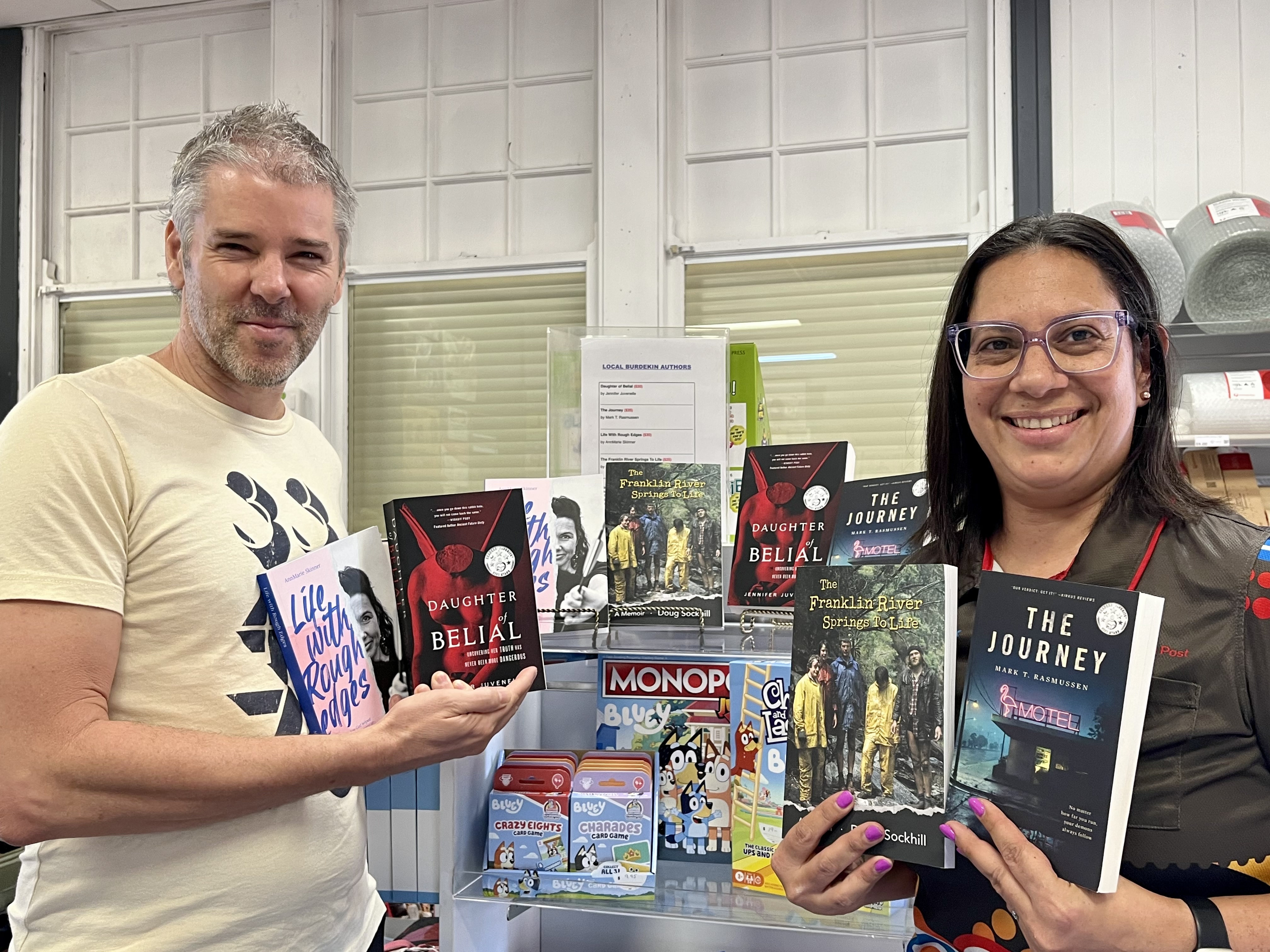
A new initiative has ignited the literary scene once more in the Burdekin, with a bold aim to discover, promote, and celebrate local authors. The Local Burdekin Author initiative is designed to elevate the voices of those who call this vibrant part of Queensland home.
“It’s been truly exciting and humbling,” says Mark Rasmussen, the initiative’s founder.
“I wasn’t sure if the public would get behind this scheme but they’ve eagerly jumped aboard. The response has been astonishing. Every title is flying off the shelves.”
The initiative showcases a stunning variety of books across fiction and non-fiction. From a gripping debut novel to an intrepid memoir, the collection offers something for everyone.
“Each book is so different. There’s a dark suspense novel that’s one of the most phenomenal books I’ve read. We also have an adventurous, fun and candid memoir, along with an impactful part memoir/part poetry/part devotional, which has sold really well. The last book is an award winning literary/adventure novel that takes readers on their own journey,” Mark says.
“All four titles are being bought, which vindicates the decision to undertake this ambitious venture.”
Among the featured authors is Doug Sockhill, who expressed gratitude for the initiative’s support.
“It’s a great gesture by the local businesses to willingly support local writers. We very much appreciate their generosity. I'm honoured to be part of it,” says Doug.
The support from both the public and local businesses, has breathed new life into the local literary scene. Cara Trindle, manager of the Home Hill Post Office, agrees.
“When I was approached, it was a no-brainer for me. It’s not only great for the four authors currently featured, but for the Burdekin as a whole,” Cara says.
The commitment shown by the businesses to showcase these authors extends beyond merely displaying local authors stories, as Cara explains.
“We’re not taking any money from the authors. For us, it’s all about displaying their talent, while highlighting the amazing writers we have in this region,” Cara states.
This collaboration between authors, businesses, and the community, highlights just how vital supporting local can be. The initiative’s success has far surpassed initial expectations.
“We’re stoked at how well this has been received and it’s only been up and running for over a month,” says Mark.
The initiative’s impact goes beyond just books; it’s about creating a lasting cultural legacy. Plans are already in motion for a fifth local author to join the initiative, and one of the current authors is gearing up to release their first ever children’s picture book. While one to two other local businesses have shown interest to participate.
“We're not just fostering individual talent – we're cultivating a community that values storytelling as part of its culture,” Mark says.
“It’s my hope that once word spreads, more authors will rise up so we can have a rotation of different writers and books so that it always feels fresh.”
Books can be purchased (cash sales only) from Home Hill Post Office, Home Hill News & Coffee, and Chill cafe in Ayr.
If you want to be part of the Local Burdekin Author initiative or know any published authors, contact Mark via: mark.rasmussen72@gmail.com.
Contributed with thanks to Mark Rasmussen.
CAPTION: Local Burdekin Authors Initiative founder, Mark Rasmussen, with Home Hill Post Office manager, Cara Trindle. Photo supplied
Residents in regional communities across the country are being encouraged to step into the spotlight following a recent casting call for the next season of Australian Survivor.
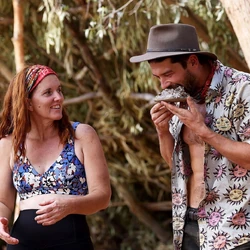
In 2021, the Burdekin’s own Janelle Durso appeared on the popular reality show, competing as part of the Brawn Tribe in the sixth season’s Brains v Brawn, filmed in Cloncurry. During her time on the show, she won three challenges before her journey in the competition came to an end after five days.
“People from regional areas aren’t shown much on the telly. We are a different breed,” Janelle said.
“We’re the backbone of Australia with our resilience and hard work ethics. It’s always great to see someone you can see yourself in representing your area.”
Janelle said growing up in the Burdekin helped prepare her for some of the challenges of island life.
“The Burdekin lifestyle of fishing and hunting helped. This wasn’t aired, but I was able to make a fish and yabbie trap from sticks and vine,” she said.
“It caught yabbies for the tribe, and that’s always a positive.”
She said the behind-the-scenes reality of filming the show was what surprised her most.
“The interviews, photo shoots and the 100-plus crew watching your every move – it’s a crazy experience,” she said.
“It surprised me how much it took. Having to go to the bathroom in front of 100 crewmembers is something I’ll never forget!”
Interested in becoming a contestant yourself? Australian Survivor casting directors say they’re looking for everyday Australians with the strength, personality and determination to handle the extreme challenges of the game.
Applicants must be physically and mentally resilient, capable of enduring harsh outdoor conditions while competing in demanding challenges. Contestants also need to be confident, engaging and comfortable living closely with strangers while forming alliances and navigating group dynamics.
Casting is open to men and women from all backgrounds and locations, with producers keen to showcase a wide mix of personalities and life experiences on the island.
To apply, hopeful contestants must complete an online application at www.survivorcasting.com.au, submit two photos and record a short video explaining why they believe they have what it takes to become the next Sole Survivor. Applicants must be Australian citizens or permanent residents, aged 18 or over, and able to swim.
“My advice for anyone wanting to apply is to be honest and be yourself,” Janelle said.
“Make sure you’re in your best possible shape – and maybe practise puzzles!”
CAPTION: Burdekin’s own Janelle Durso competed in Australian Survivor in 2021. Photo source: Australian Survivor
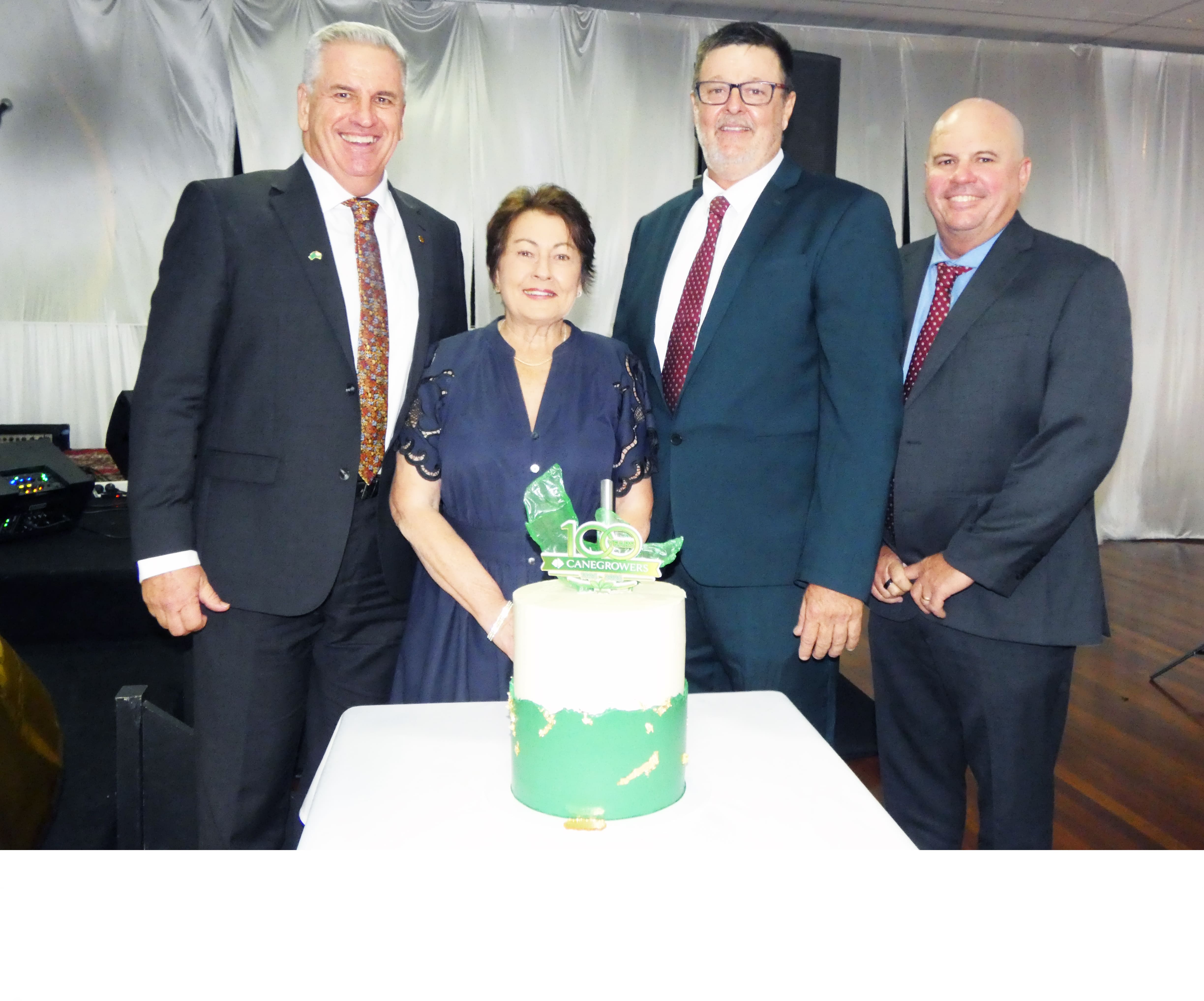
Burdekin growers mark 100 years of advocacy and unity
100 years ago, cane grower representatives from across Queensland met in Mackay to challenge an industry that had long been stacked against them. Last month, hundreds of CANEGROWERS directors, members and associates came together in the Burdekin to celebrate the organisation’s enduring legacy and the achievements it has facilitated since that inaugural meeting.
Centenary Night Honours Growers and Their Legacies
CANEGROWERS marked 100 years on Friday, 28 February, bringing together generational farmers, dignitaries and organisational leaders to celebrate a century spent fighting—and winning—battles for fairer outcomes for Queensland growers.
Addressing the crowd at Populins Hall, Member for Burdekin Dale Last said the 100-year milestone was a testament to the organisation’s enduring work.
“The pathway that the sugar industry has travelled in the last 100 years, from those humble beginnings, to where it is today, didn’t occur by accident. It occurred through a lot of advocacy; through a lot of hard work; because of organisations like CANEGROWERS,” Mr Last said.
To mark the occasion, inaugural ‘Innovation Awards’ were handed out on the night, honouring three Burdekin farmers credited with innovations that have been influential in local industry practices.
Home Hill farmer Lui Populin was recognised for the early-1970s invention of the first single-row automatic billet planter, developed with his late brother Peter. Arthur Cannavan received an award for his Self-Propelled Over-the-Row Cane Harvester, while Ray Menkens was honoured for his Lay-Flat Plastic Fluming System.
CANEGROWERS Burdekin Limited director Owen Menkens said on the night that innovation would continue to shape the industry’s future, particularly as new opportunities emerge, making the organisation’s work now as important as ever.
“The question for our generation is the same as it was for those growers a century ago: will we shape the future of the industry, or will we leave it to others?” Mr Menkens said.
“Standing together still matters. Membership still matters. Representation still matters. 100 years ago growers in districts like this made a decision to organise. Tonight, we celebrate that decision, and we carry it forward.”

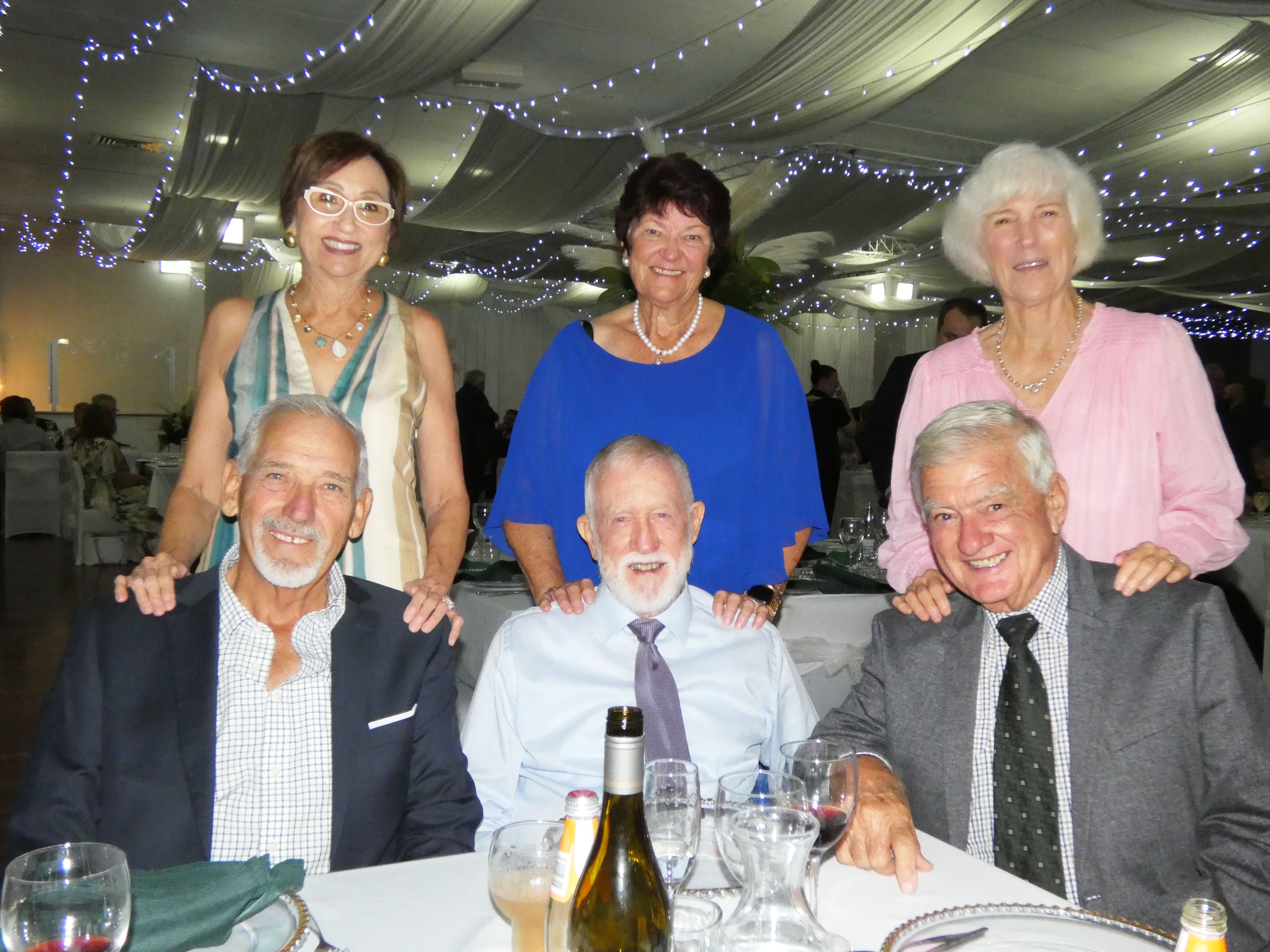
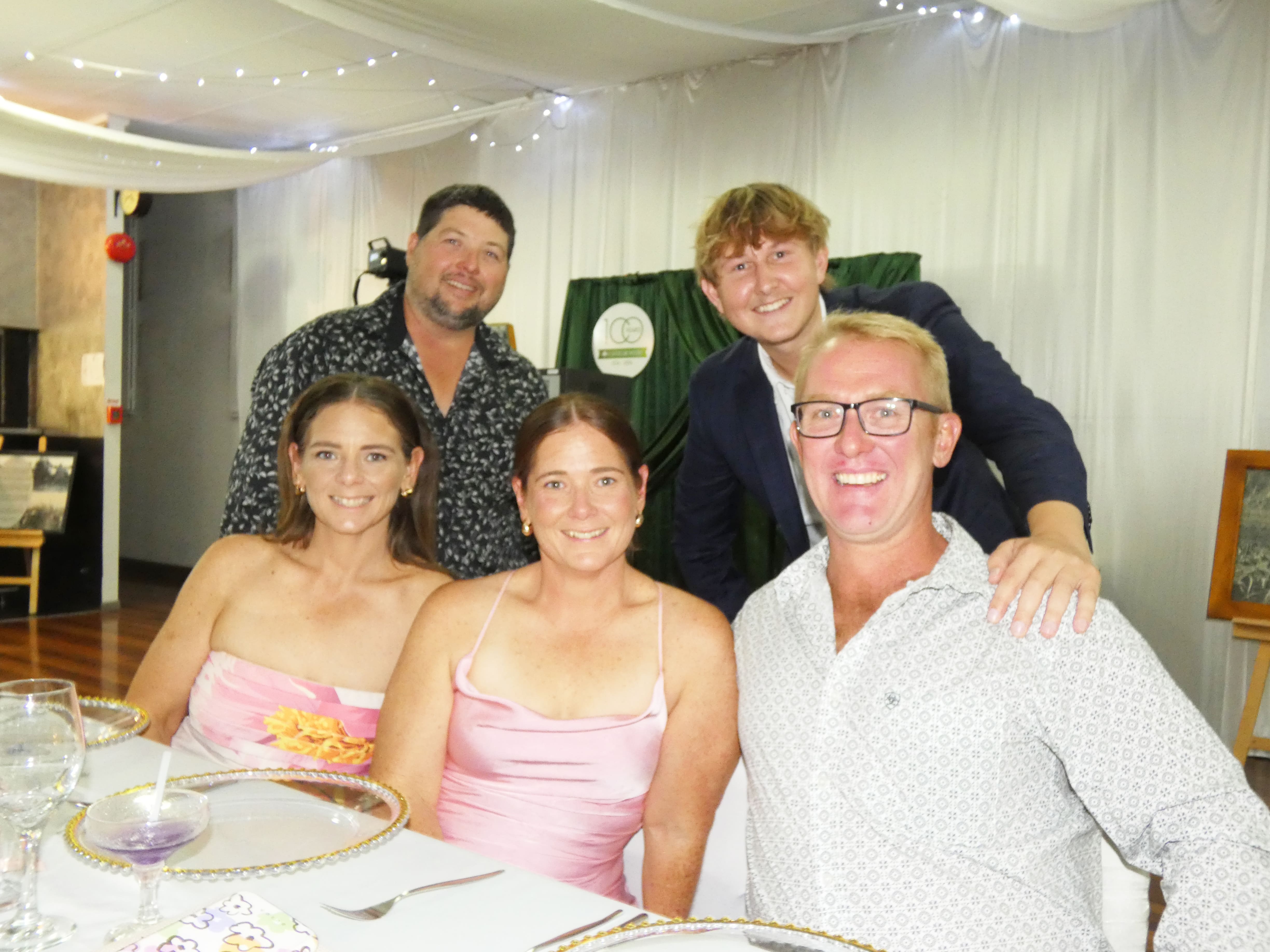

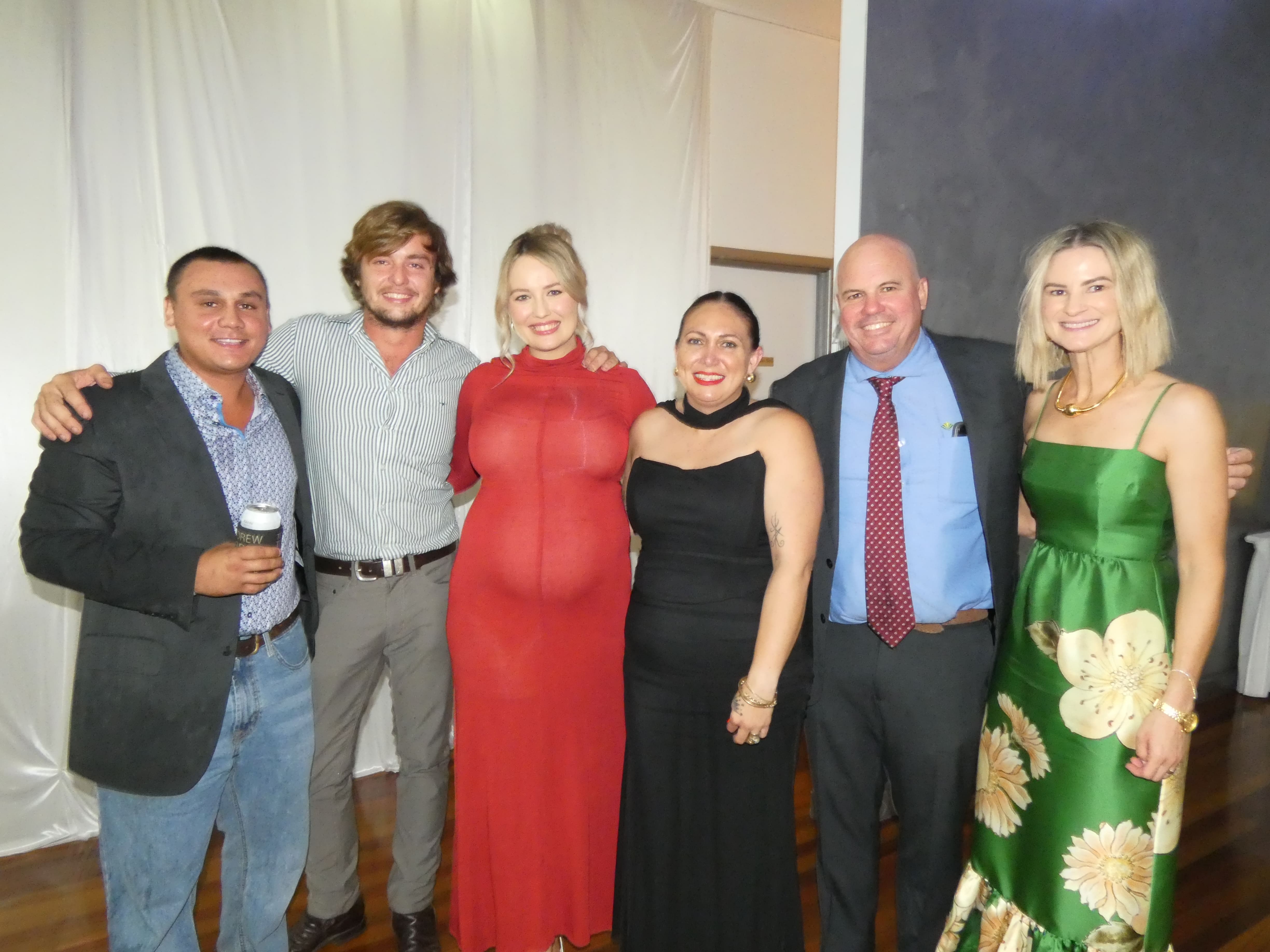


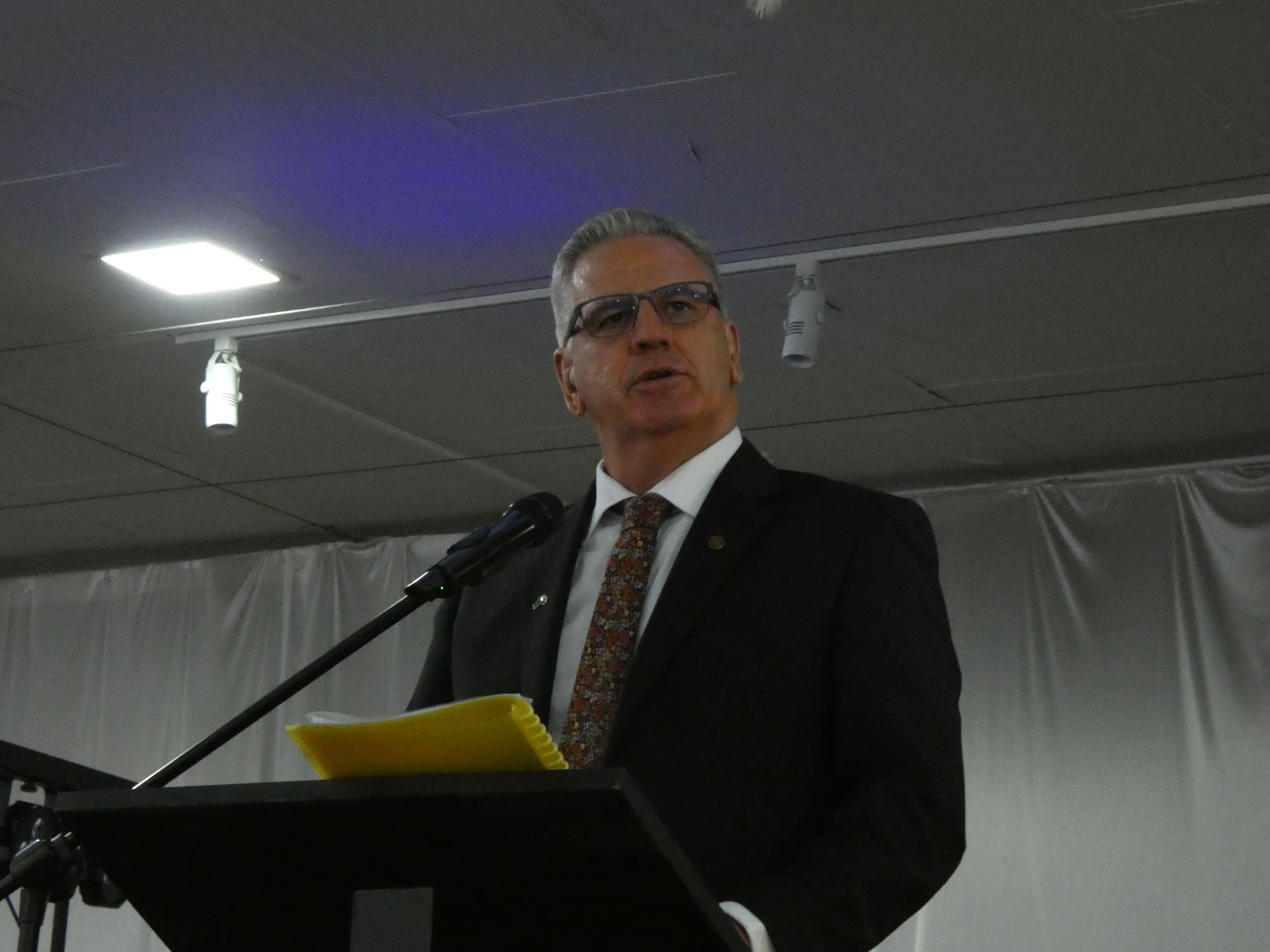

1—Michelle Cvjetanovic, Raymond Cvjetanovic, and Paul and Jackie Kratzmann
2—Mark and Karen Castelanelli, Ian and Patricia Haigh, and Frank and Kay Scuderi
3—Jenna Koppen, Katlyn Radunz, David Radunz, Kieran Koppen, and Elliot Phillips
4—Rae Scuderi, Steven Marbelli (Chairman of CANEGROWERS Herbert River), and Leah Russo (Deputy Chair of CANEGROWERS Herbert River)
5—Deklan Menkens, Christian Populin, Erica Dickinson, Sarah Menkens, Owen Menkens, and Kirsty Swindley
6—Max and Shannon Musumeci
7— CANEGROWERS marked 100 years on Friday, 28 February, bringing together generational farmers, dignitaries and organisational leaders to celebrate the feat
8— Addressing the crowd at Populins Hall, Member for Burdekin Dale Last said the 100-year milestone was a testament to the organisation’s enduring work
9—CANEGROWERS Burdekin Limited director Owen Menkens said innovation would continue to shape the industry’s future
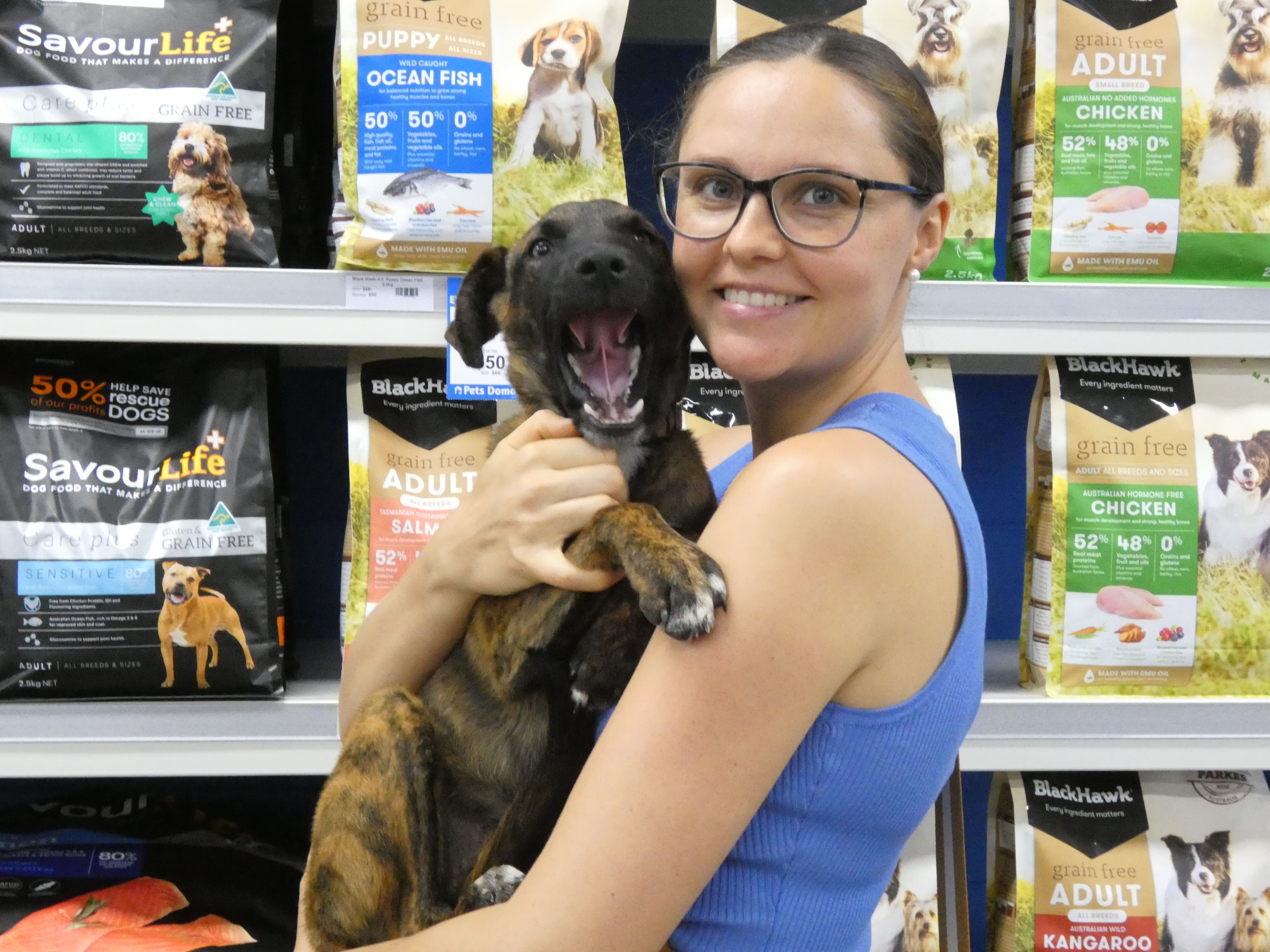
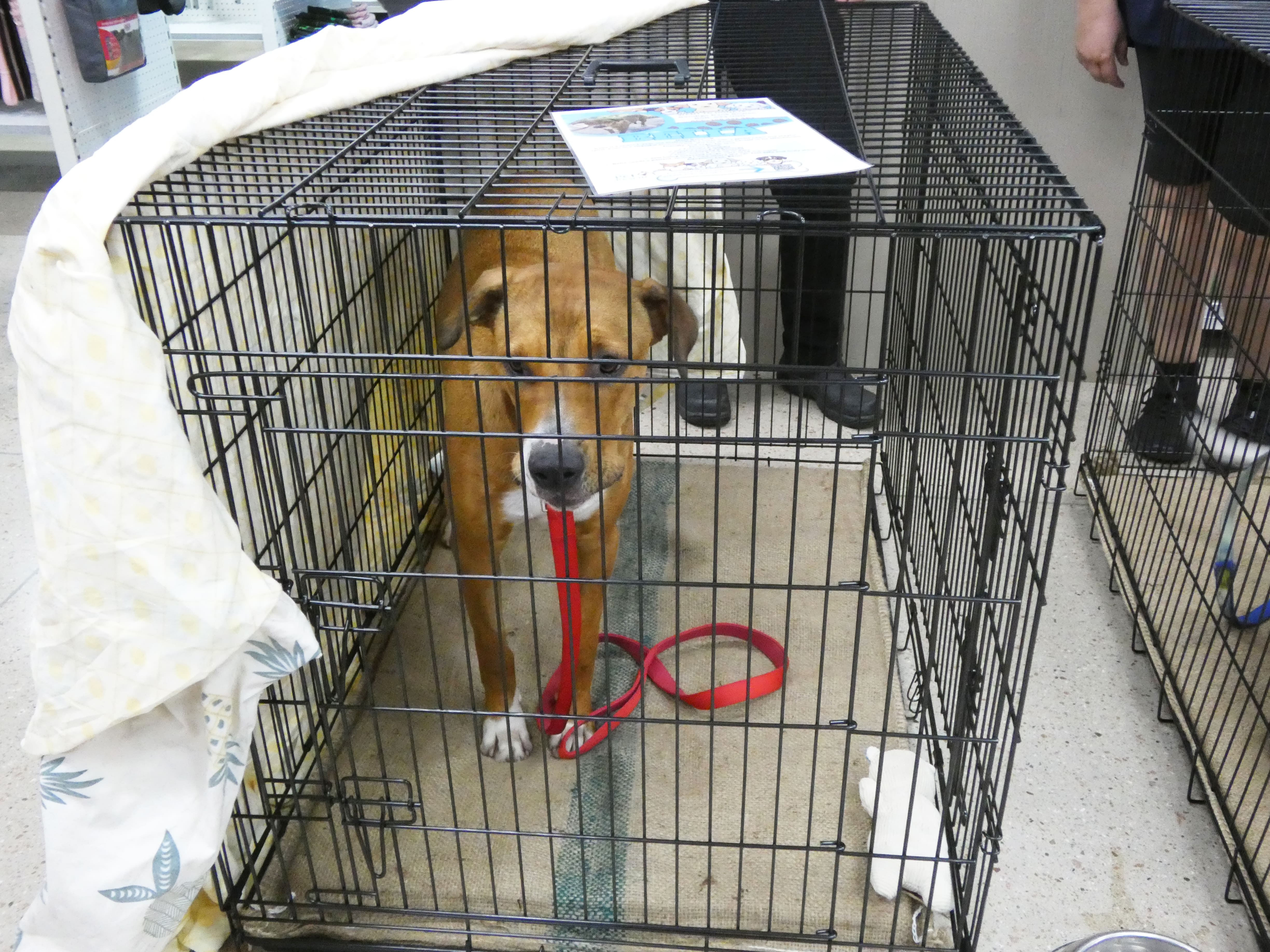
Ayr was full of wagging tails and tiny paws on 28 February, as Pets Domain hosted another Bowen/Collinsville Pet Rescue puppy meet and greet.
Held monthly, these events give Burdekin locals a chance to meet adoptable puppies—this time, 11 adorable pups strutted into town.
Bowen/Collinsville Pet Rescue member Bronwyn said that despite a quieter turnout than usual, one puppy found its forever home, while another could soon follow.
“It gives our animals and organisation a wider audience, and it's a chance for the community to hear their stories,” she said.
“People often think rescue pets are broken, but they’re not—they’re just bruised.”
Bronwyn encourages anyone interested in adopting, fostering, or joining the organisation to reach out via Facebook at Bowen Collinsville Pet Rescue Inc. or email bcpri.adoptions@gmail.com.








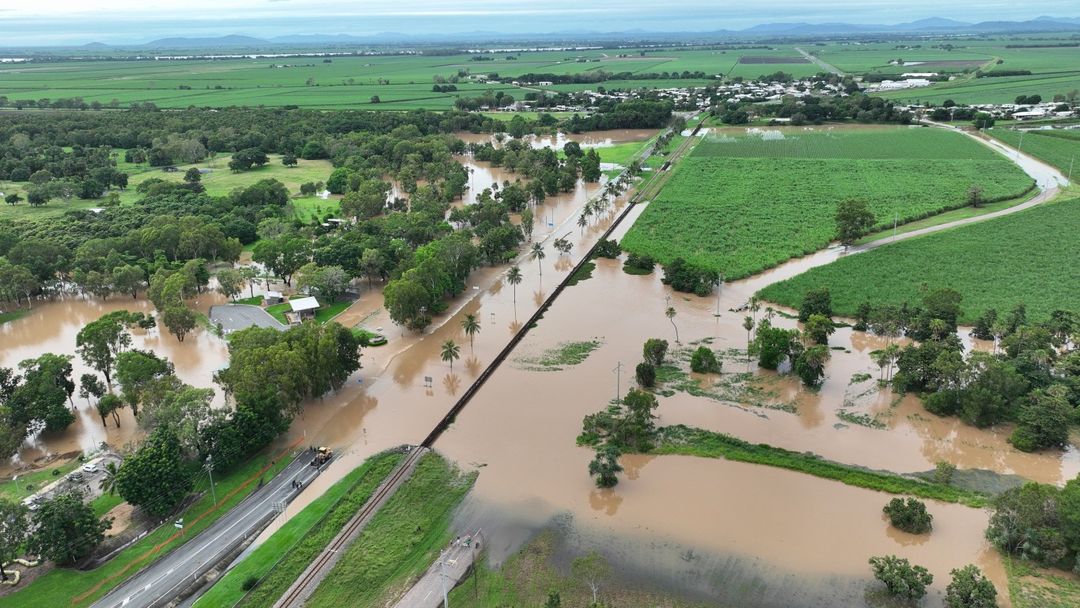
A year after floodwaters tore through the Burdekin Shire, cutting roads, isolating communities and testing the resilience of the region, locals are reflecting not only on the scale of the disaster, but on the strength, cooperation and recovery that followed.
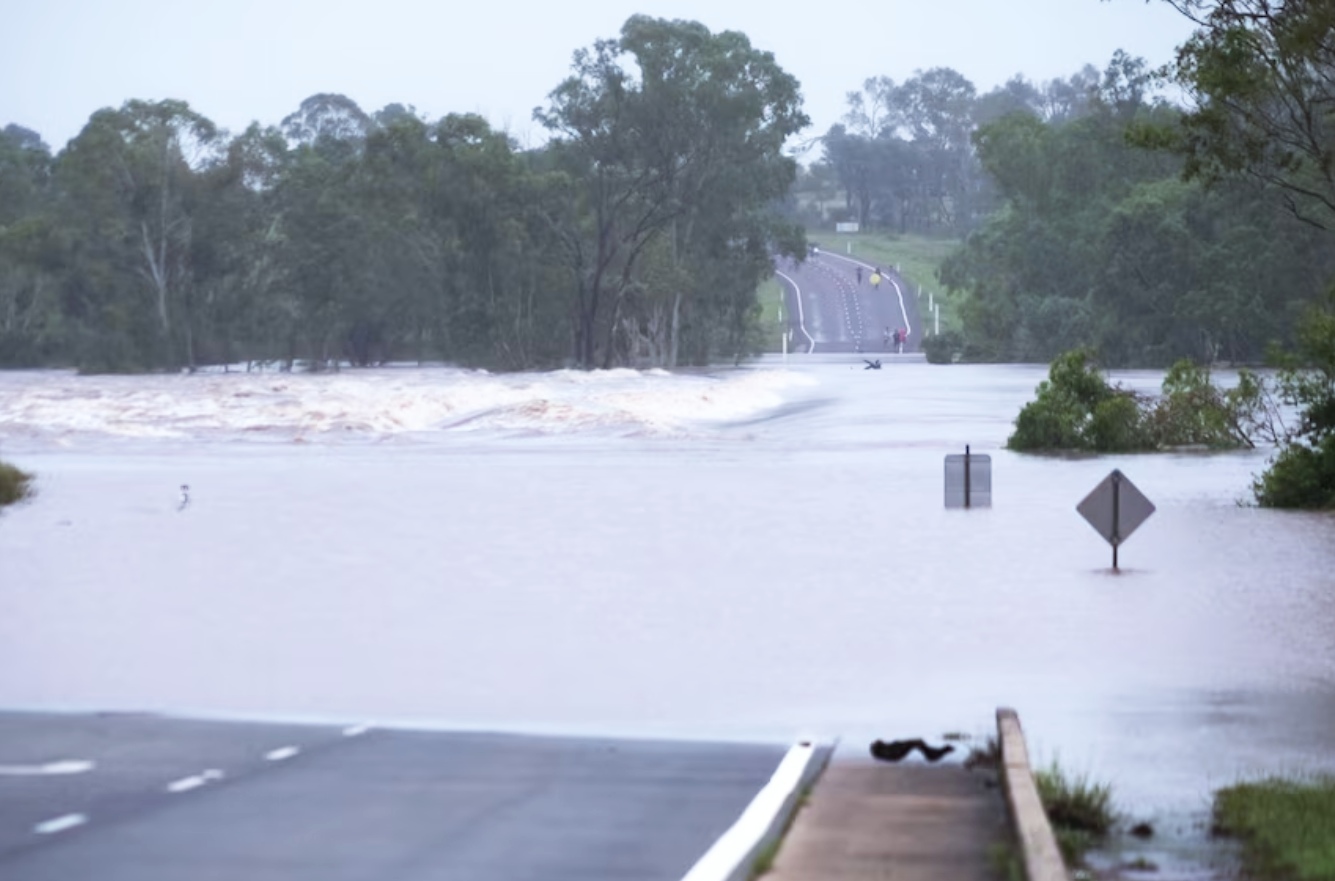
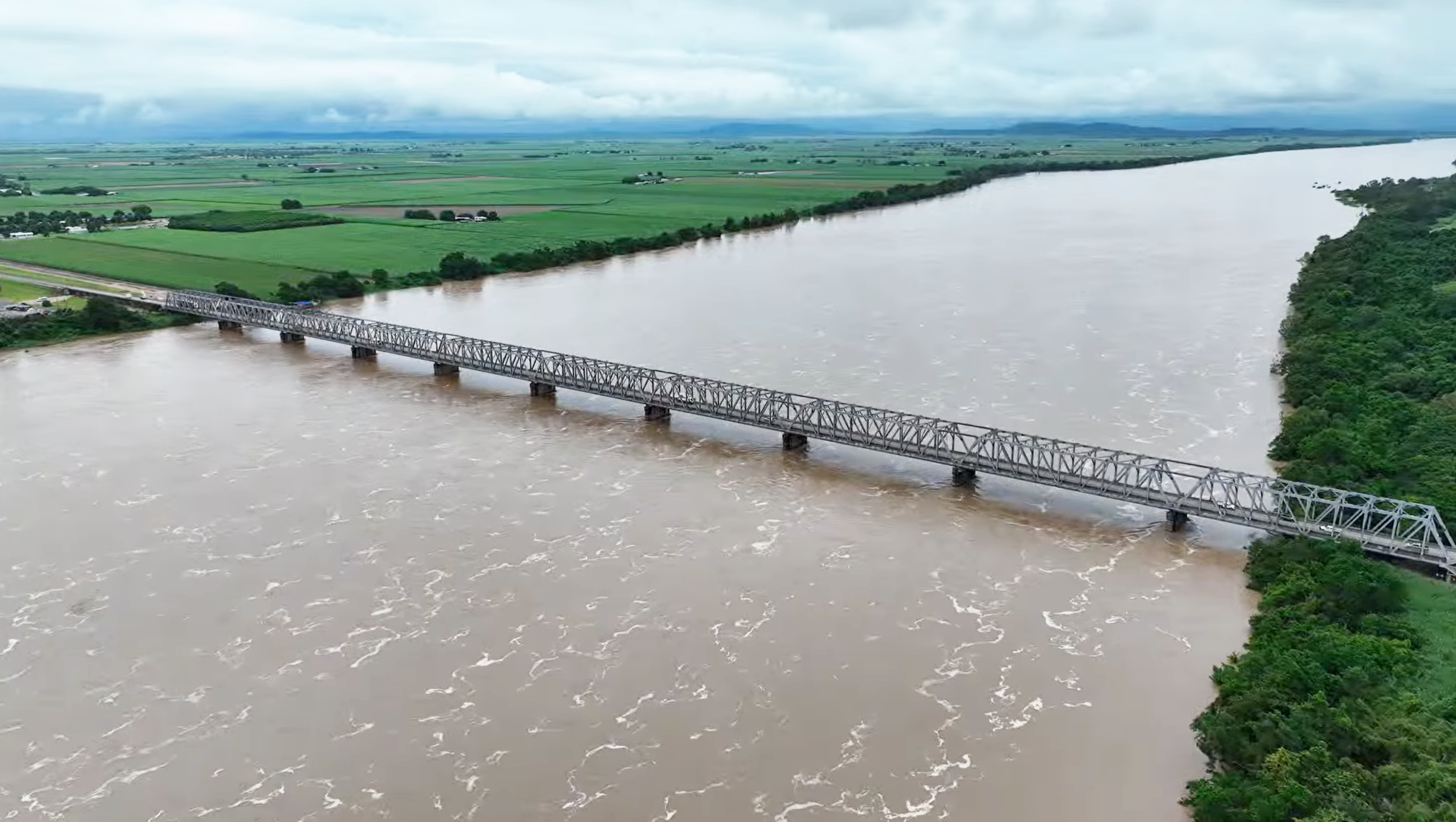
In early February 2025, days of torrential rainfall saw the Burdekin River surge to peak capacity, inundating roads and bridges and bringing traffic to a standstill across North Queensland. According to the Bureau of Meteorology, the event remains one of the most significant flooding events ever recorded in the Burdekin, alongside major floods in 1958, 1974, 1991, 2008, 2009 and 2019.
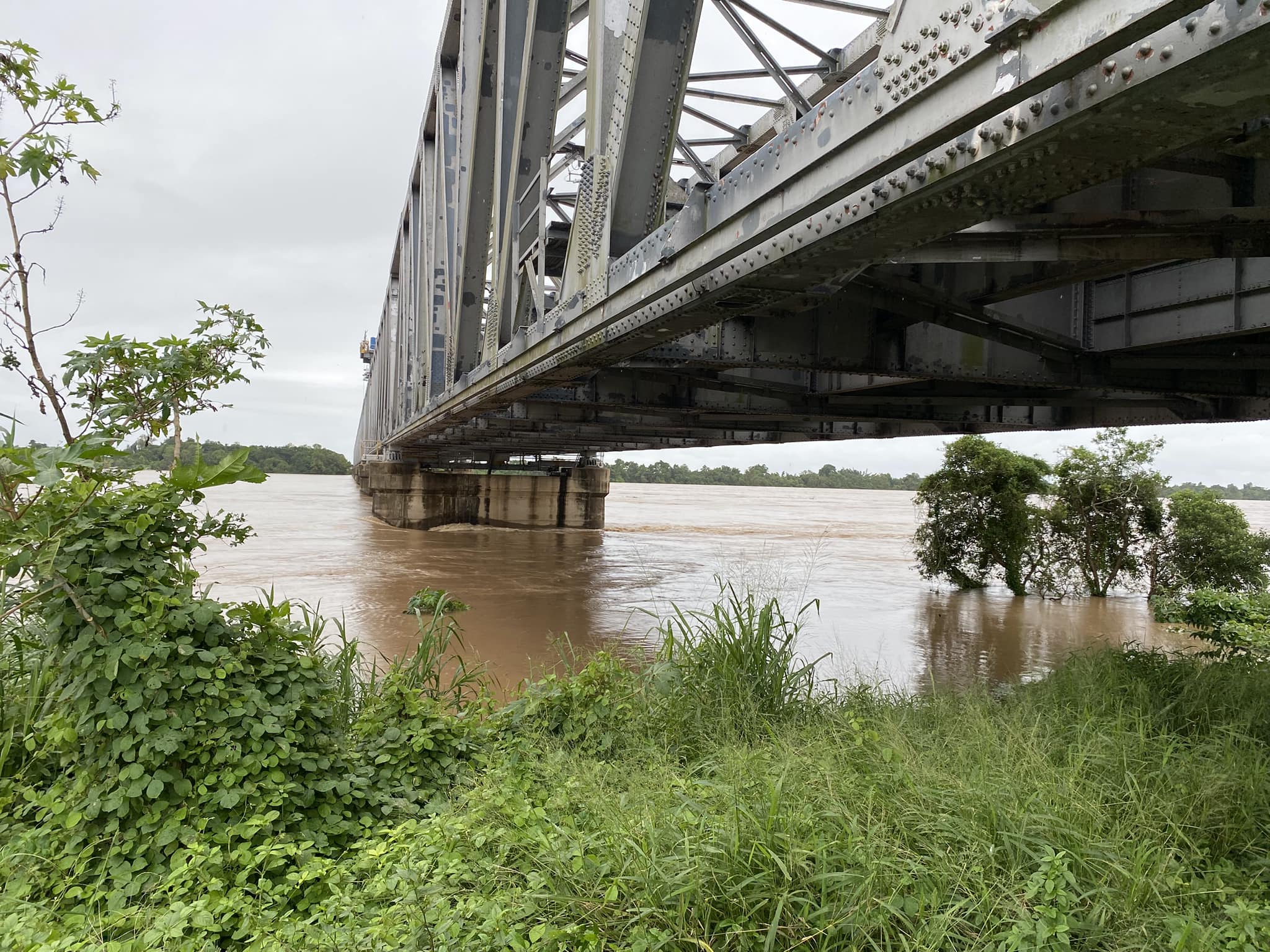
An active monsoon trough and multiple tropical lows produced prolonged heavy rainfall across northern Queensland, leading to major flooding throughout the upper and lower Burdekin River system. Water levels reached 19.27 metres at Sellheim on 3 February and peaked at 11.30 metres at Inkerman Bridge on 12 February.
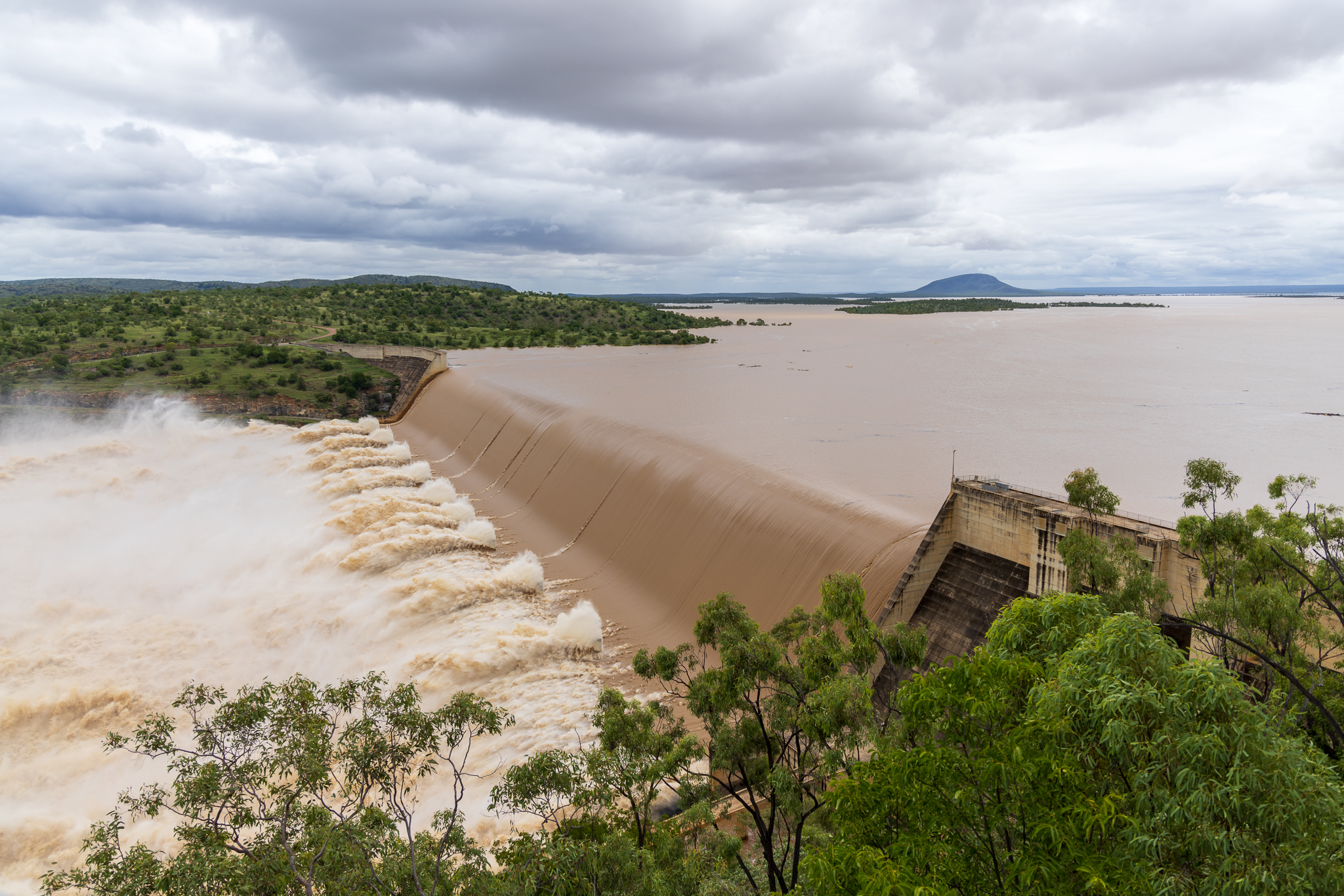
The Burdekin River basin drains a vast catchment of around 130,000 square kilometres, with floodwaters converging from the Burdekin and Belyando rivers before flowing past Ayr and Home Hill and into the sea. Downstream of the Burdekin Falls Dam, communities experienced flooding caused by both upstream flows and intense rainfall below the dam; a combination that left Ayr and Home Hill particularly vulnerable.
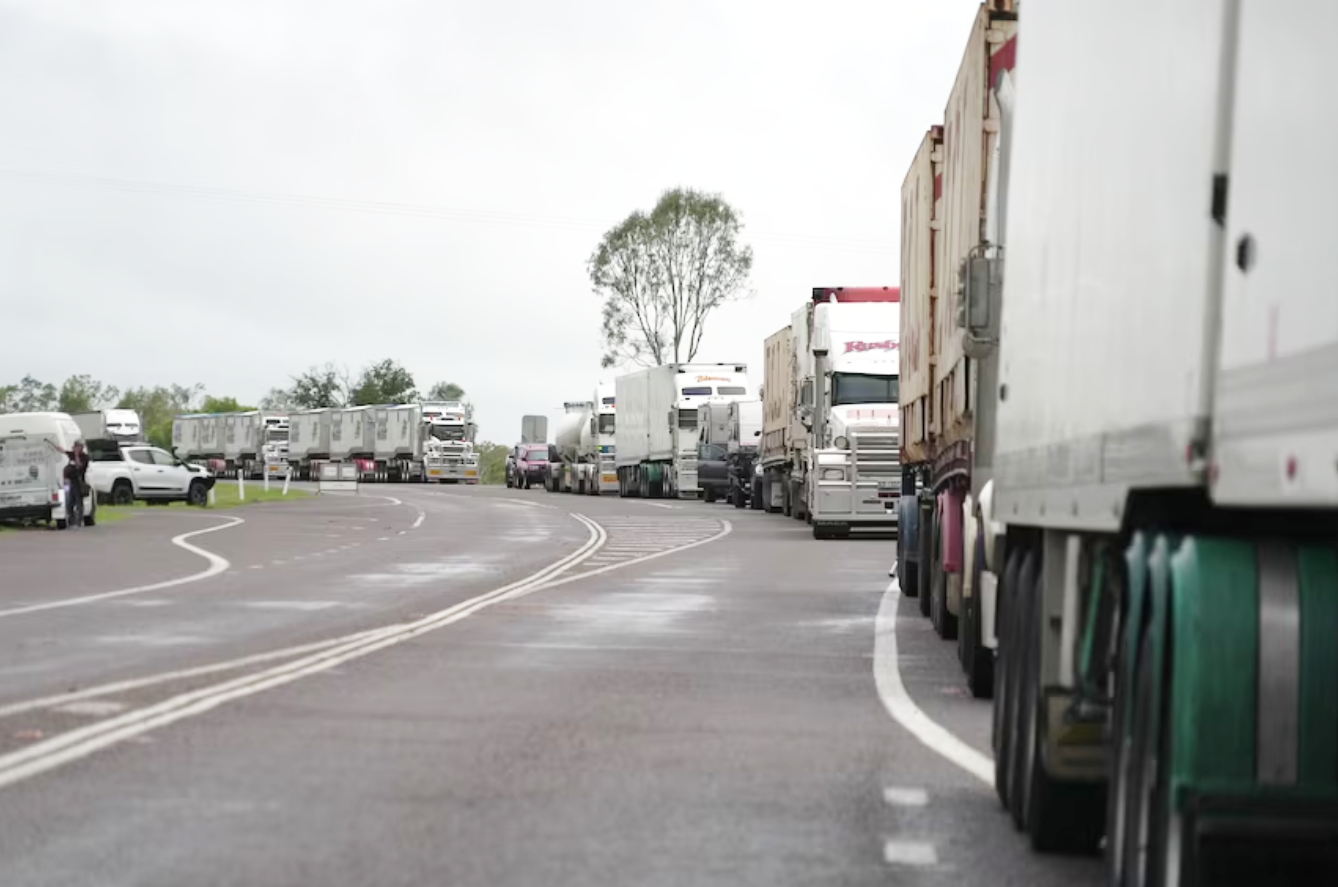
Road closures quickly followed, including the Bruce Highway at Plantation Park, the Macrossan Bridge on the Flinders Highway, and multiple regional roads linking Giru, Rita Island and Clare. Charters Towers was temporarily cut off, freight ground to a halt and long queues of trucks stretched up to three kilometres on either side of the river crossings.
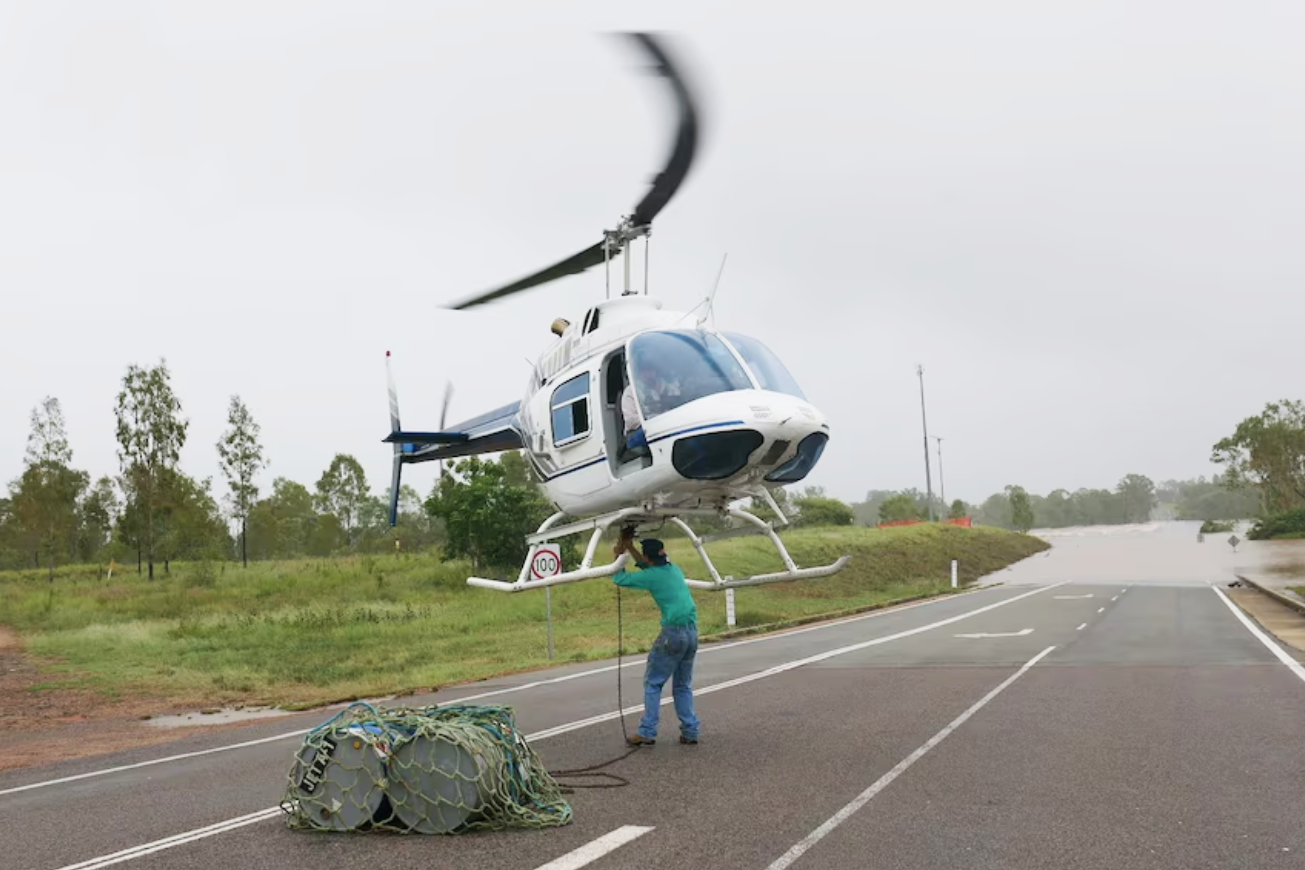
As conditions worsened, emergency services carried out swift water rescues, helicopters were used to transport stranded motorists, and essential supplies were flown across floodwaters to isolated communities. Residents were urged to monitor conditions closely as the Burdekin Falls Dam spilled excess water, reaching more than 200 per cent capacity at its peak.
At the height of the event, major flood warnings were issued across multiple river systems, while residents in the Lower Burdekin region were advised to prepare five days’ worth of food, water and medication as renewed rises remained possible.
Despite the widespread disruption, coordination between emergency services, councils and community groups proved critical.
“The LDMG (Local Disaster Management Group) consists of multiple different agencies including Council members who have all been working tirelessly, and in collaboration, to support as best we can for the disaster event. The impact of this event extends beyond the Burdekin, affecting the broader North Queensland region and presenting unique challenges,” Burdekin Shire Mayor Pierina Dalle Cort said.
“The LDMG is monitoring conditions and are well prepared to act or respond accordingly. As the LDMG has many experienced people, they are assisting to deliver favourable outcomes for the community.
“I urge all residents to stay informed through official sources, including the Burdekin Disaster Dashboard (disaster.burdekin.qld.gov.au). Please continue to follow safety advice, check on your neighbours, and reach out if you need assistance,” Mayor Pierina Dalle Cort added.
Schools shifted to skeleton staffing or online learning, hospitals reorganised services, including transporting dialysis patients by rail, and farmers worked around the clock to save livestock and infrastructure. The kindness of residents shone brightly as several locals opened their hearts to support stranded truckies offering refuge and free warm meals to those in need.
Records show that Ayr has experienced 10 major floods since 1911, with the most recent before 2025 occurring in 1991 when the river reached 12.53 metres at Inkerman Bridge. While those levels were not exceeded in 2025, the intensity of rainfall and volume of water moving through the system placed extraordinary pressure on the region.
Just weeks later, the recovery phase was already underway.
By late March 2025, 95 per cent of small and family businesses across the Burdekin had reopened, supported by joint State and Commonwealth Disaster Recovery Funding Arrangements. Grant assistance was doubled from $25,000 to $50,000, with additional funding directed toward tourism recovery and regional marketing.
“We promised no daylight between response and recovery, and it’s pleasing to see a significant amount of work has already been undertaken to get many small and family businesses back on their feet,” Minister for Small and Family Business Steve Minnikin said.
A year on, the Burdekin stands as a powerful example of regional resilience, shaped by floodwaters, but defined by community spirit, preparedness and determination.
While memories of submerged highways, roaring rivers and isolated towns remain vivid, so too does the collective effort that carried the region through one of the most challenging chapters in its history.

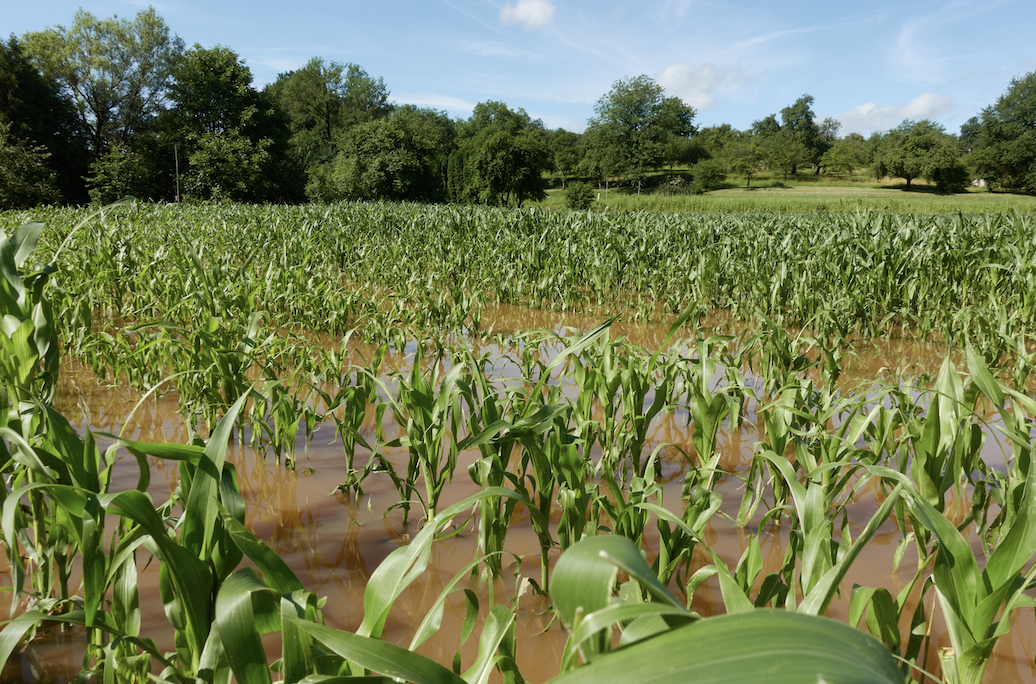
Primary producers impacted by recent flooding in northern Queensland can now access concessional disaster loans of up to $2 million, following a joint announcement from the Federal and Queensland Governments.
The loan cap has been lifted from $250,000 to $2 million under the Commonwealth-state Disaster Recovery Funding Arrangements (DRFA), recognising the severe impact of the North Queensland Monsoon Trough and Ex-Tropical Cyclone Koji.
The increased loans are available to eligible producers in flood-affected areas and can be used to repair or replace damaged equipment and buildings, restock livestock, replant crops and cover essential business costs such as rent and rates.
Disaster assistance has now been activated for primary producers in the Barcaldine and Cassowary Coast local government areas. Support has also been expanded to producers in Central Highlands, Livingstone and Whitsunday, who can apply for Disaster Recovery Grants of up to $75,000 for clean-up, repairs and resupply.
Freight subsidies of up to $5,000 are also available in activated areas, along with additional industry and wellbeing support programs.
Federal Emergency Management Minister Kristy McBain said supporting farmers was critical to regional recovery.
“The work of Queensland farmers is central to food security and a strong economy, for both the state and our nation,” Minister McBain said.
Queensland Primary Industries Minister Tony Perrett encouraged producers to contact the Queensland Rural Industry Development Authority for guidance on available assistance. More information is available at qrida.qld.gov.au or by calling 1800 623 946.
Sugar Cane Field Flooded After Heavy Stock Photo 1670363425 | Shutterstock
Primary producers across North Queensland are encouraged to apply for Federal and Queensland Government funded concessional disaster loans. Photo source: Shutterstock
Australian sugarcane growers and industry partners are invited to attend an upcoming online presentation examining the key challenges limiting crop productivity across the industry.
The webinar, titled Agronomy Constraints to Sugarcane Productivity, will be delivered by leading sugarcane agronomist Dr Barry Salter and will explore factors contributing to the yield plateau currently evident in the Australian sugarcane sector.
Topics to be covered include soil compaction, waterlogging, marginal soils, and observations about soil fertility following a recent industry-wide leaf and soil survey. The session will conclude with a live question-and-answer segment, giving participants the opportunity to engage directly with Dr Salter.
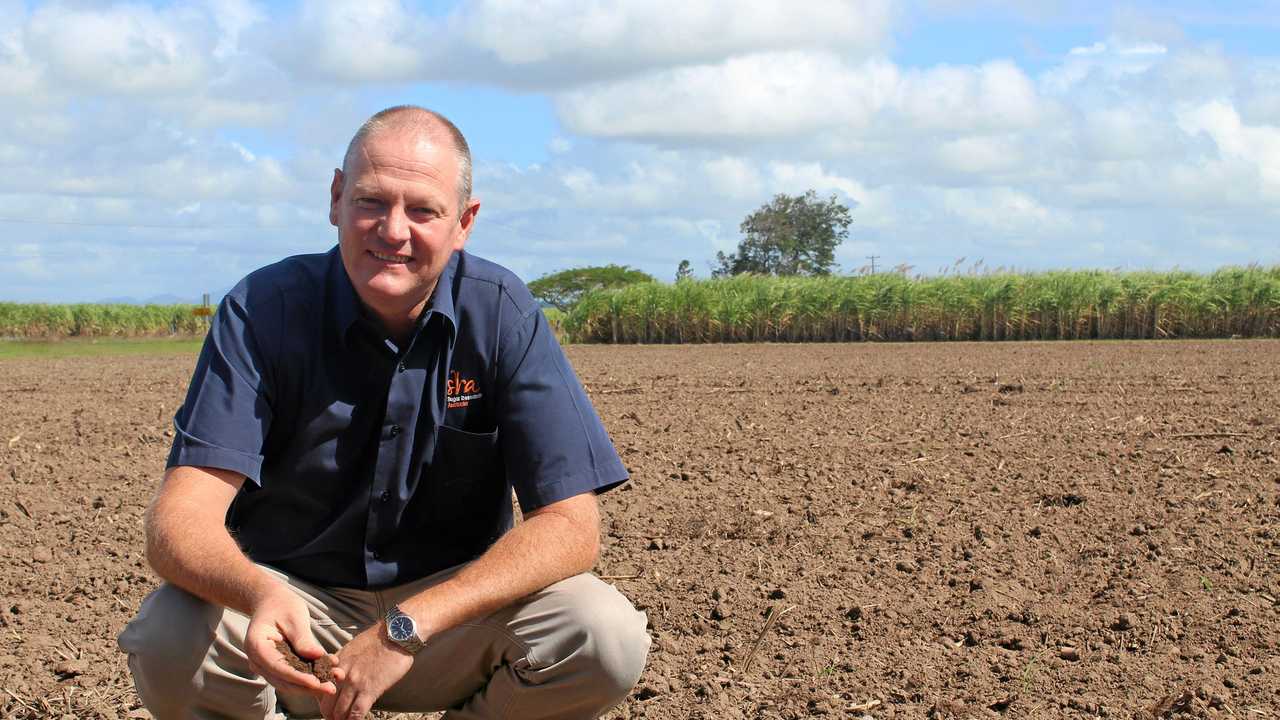
Dr Salter, Manager Translation Research at Sugar Research Australia (SRA), has worked as a research agronomist in sugarcane for more than 20 years. His work has focused on farming systems including fallow cropping, minimum tillage, row configurations, nutrient use efficiency, enhanced efficiency fertilisers and interactions with varieties.
The webinar will run from 2pm to 3pm on Thursday, March 12, 2026. Growers and industry stakeholders can register online to attend via https://lnkd.in/ggfyVWPM.
SRA’s Dr Barry Salter will lead the webinar. Photo source: SRA
The Burdekin has been recognised as one of Queensland’s most productive and environmentally diverse regions, with three new projects announced under the Natural Resource Management Expansion Program to strengthen the long-term health of local landscapes.
Spanning fertile farmland, vital wetlands and coastal ecosystems, the Burdekin plays a crucial role in supporting the state’s economy, biodiversity and the health of the Great Barrier Reef.
Delivered in partnership with NQ Dry Tropics, the projects will work directly with landholders to improve environmental outcomes while supporting productivity and protecting natural assets.
One of the initiatives, Fighting Invasive Species Together, will support landholders in the Townsville Offshore and Lower Burdekin catchments to improve native vegetation condition and increase resilience to wildfire through targeted weed and pest management.
The Climate-Ready Coastlines in the Lower Burdekin project will focus on protecting coastal and wetland ecosystems from threats including invasive species, fire and human impacts, helping safeguard sensitive environments along the region’s coastline.
Meanwhile, the Climate Resilient Rangelands project will assist landholders with threat mitigation strategies to improve grazing land, native vegetation and wetlands across the Burdekin’s rangeland areas.
Together, the projects aim to build resilience from the rangelands to the coast, demonstrating how collaboration between landholders and natural resource managers can deliver practical, long-lasting benefits for both the environment and the community.
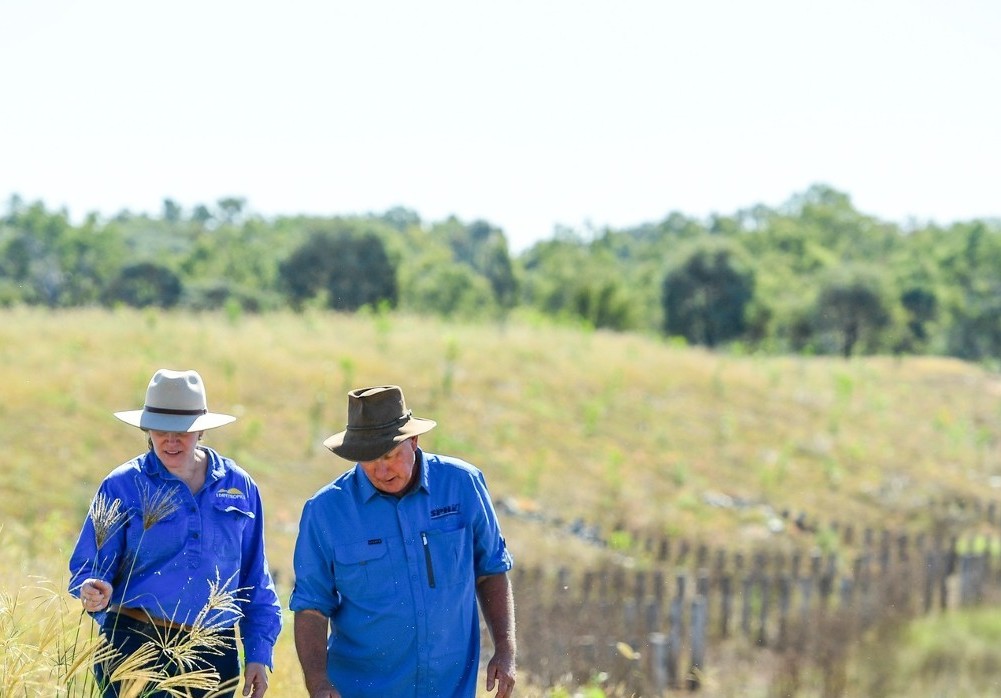
Three new projects under the Natural Resource Management Expansion Program will strengthen the long-term health and resilience of the Burdekin Shire. Photo source: Land Queensland
Publishers Indemnity. Any individual or entity that places advertising, supplies copy material, or submits editorial content to Core Life Publishing agrees and undertakes to ensure that all such material:- Does not infringe upon any copyright, trademark, or other intellectual property rights;- Is free from any content that could be considered defamatory, libelous, or slanderous;- Does not infringe upon any rights related to privacy or breach of confidence;- Contains no obscene, indecent, or otherwise unlawful material;- Complies fully with the Trade Practices Act and all other applicable laws, regulations, or statutes.Furthermore, by submitting or placing such material, these individuals or entities agree to indemnify and hold harmless the publisher, Core Publishing and Events Pty Ltd, and/or its agents from and against any and all investigations, claims, demands, liabilities, damages, costs, or judgments arising out of or in connection with the material provided. All material is believed to be accurate at the time of printing and remains the copyright of Core Publishing and Events Pty Ltd.
© 2026 Life Publishing Group Pty Ltd.
