
Independently Owned, Locally Grown, Community Loved
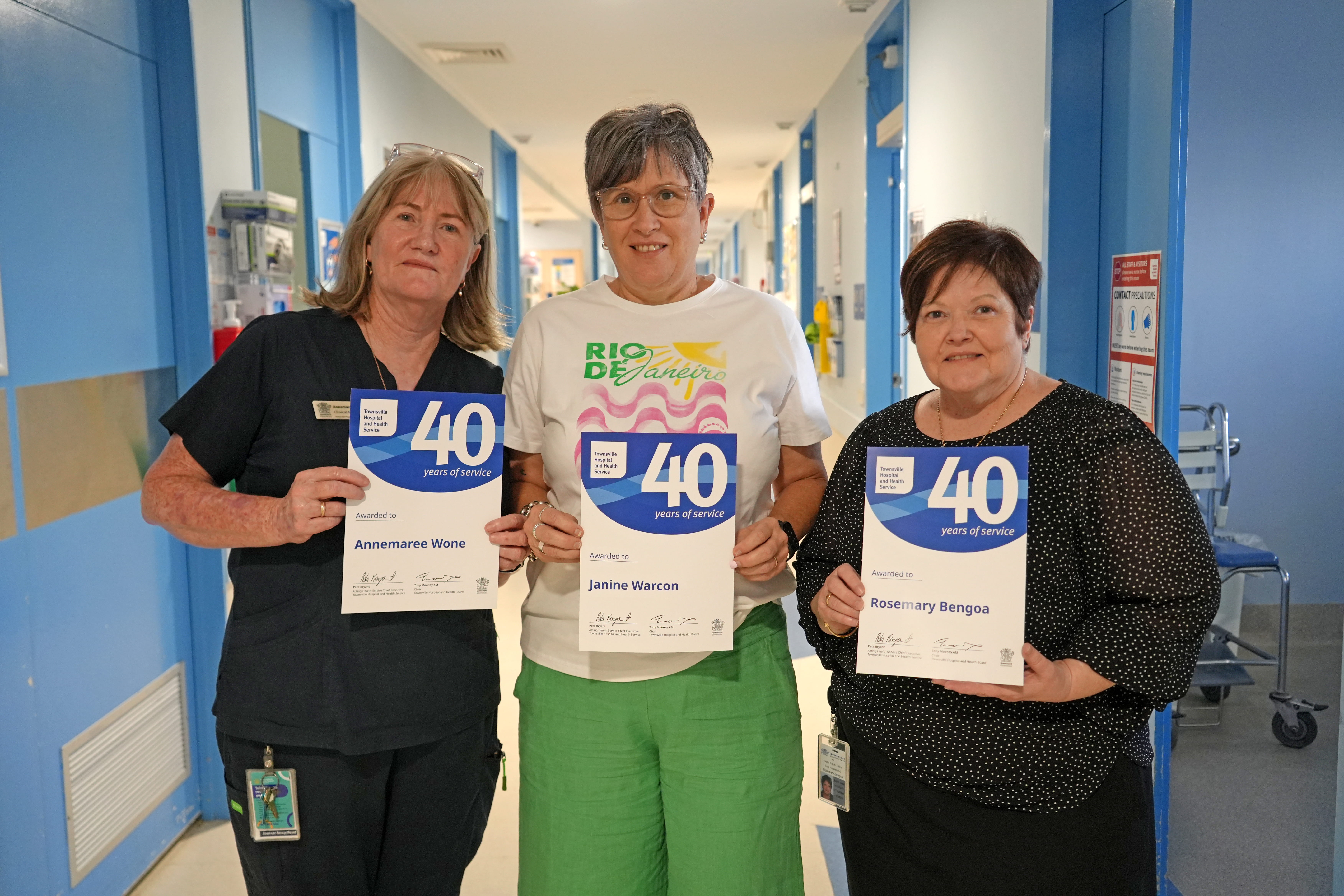
Three Burdekin hospital workers have clocked up 120 years of combined service to the Ayr and Home Hill communities. Rosemary Bengoa, Janine Warcon and Annemaree Wone have each reached 40 years of service, with the milestone recognised at local staff thank-you events. Rosemary began at Ayr Hospital in 1985 in the front office before moving into medical records, accounts payable, assets and finance. Janine started in the Home Hill Hospital kitchen and has since worked across kitchen, cleaning and laundry roles at both Ayr and Home Hill. She later became an orderly before moving into her current role as an assistant in nursing at Home Hill. Annemaree began her career at The Prince Charles Hospital in Brisbane, working as an enrolled nurse for four years before completing her registered nurse training in Townsville. She returned to the Burdekin after the birth of her first child and now works across the dialysis unit and emergency department at Ayr. The three staff members said their connection to the community, colleagues and variety of work had kept them in the health system for four decades. “Your work colleagues and the friendships you make along the way keep you in the role,” Rosemary said. For Janine, working in her own community and caring for patients has been a key part of her career. “We’ve had some funny moments; just the other night one patient was disco dancing in the hallway with me,” she said. Annemaree said working across different areas had kept her career varied. “I work in dialysis, sometimes in the emergency department, and sometimes on the ward, and because I have always worked across multiple areas, I’ve never felt stuck in one place,” she said. The breadth of responsibilities is a common feature of working in rural hospitals, Ms Wone said. “You need to know lots of different things when you work in a rural or remote hospital setting, so we are very busy,” she said. “But even with how much we have all achieved, I can’t believe it’s been 40 years; it feels like it happened overnight.” CAPTION: Rosemary Bengoa, Janine Warcon and Annemaree Wone have each reached 40 years of service, with the milestone recognised at local staff thank-you events. Photo supplied
Read the full story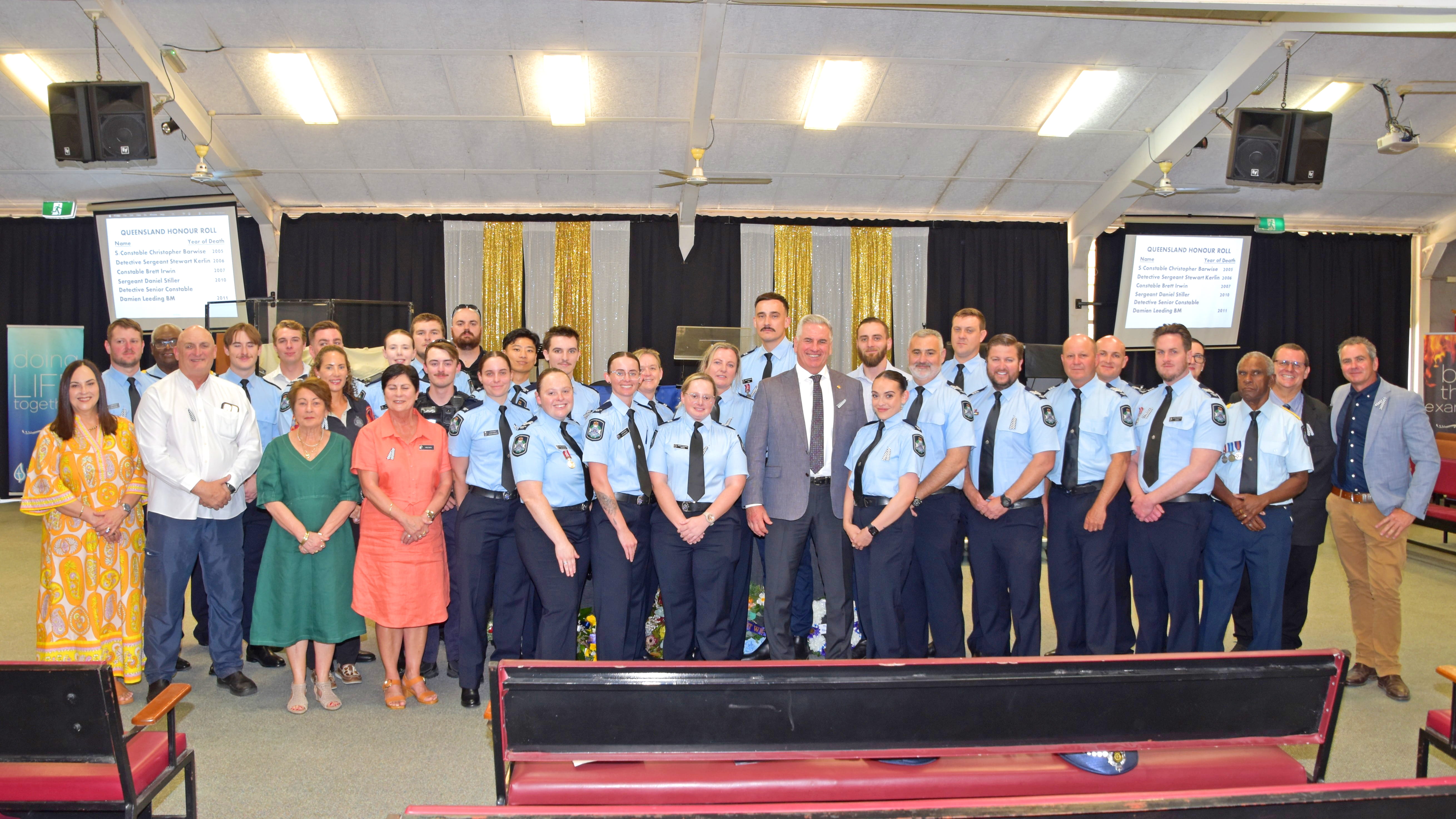
Burdekin police, dignitaries and community groups gathered Tuesday morning to honour officers killed in the line of duty. Photo: David CooperBurdekin community members, local dignitaries, and police gathered at Ayr's Burdekin Community Church on 29th September to commemorate National Police Remembrance Day. The solemn service honoured officers who made the ultimate sacrifice in the line of duty, featuring a wreath-laying ceremony and a reading of the Roll of Honour.Read more here: www.burdekinlife.com/article/burdekin-honours-fallen-officers-on-remembrance-day
Read the full story
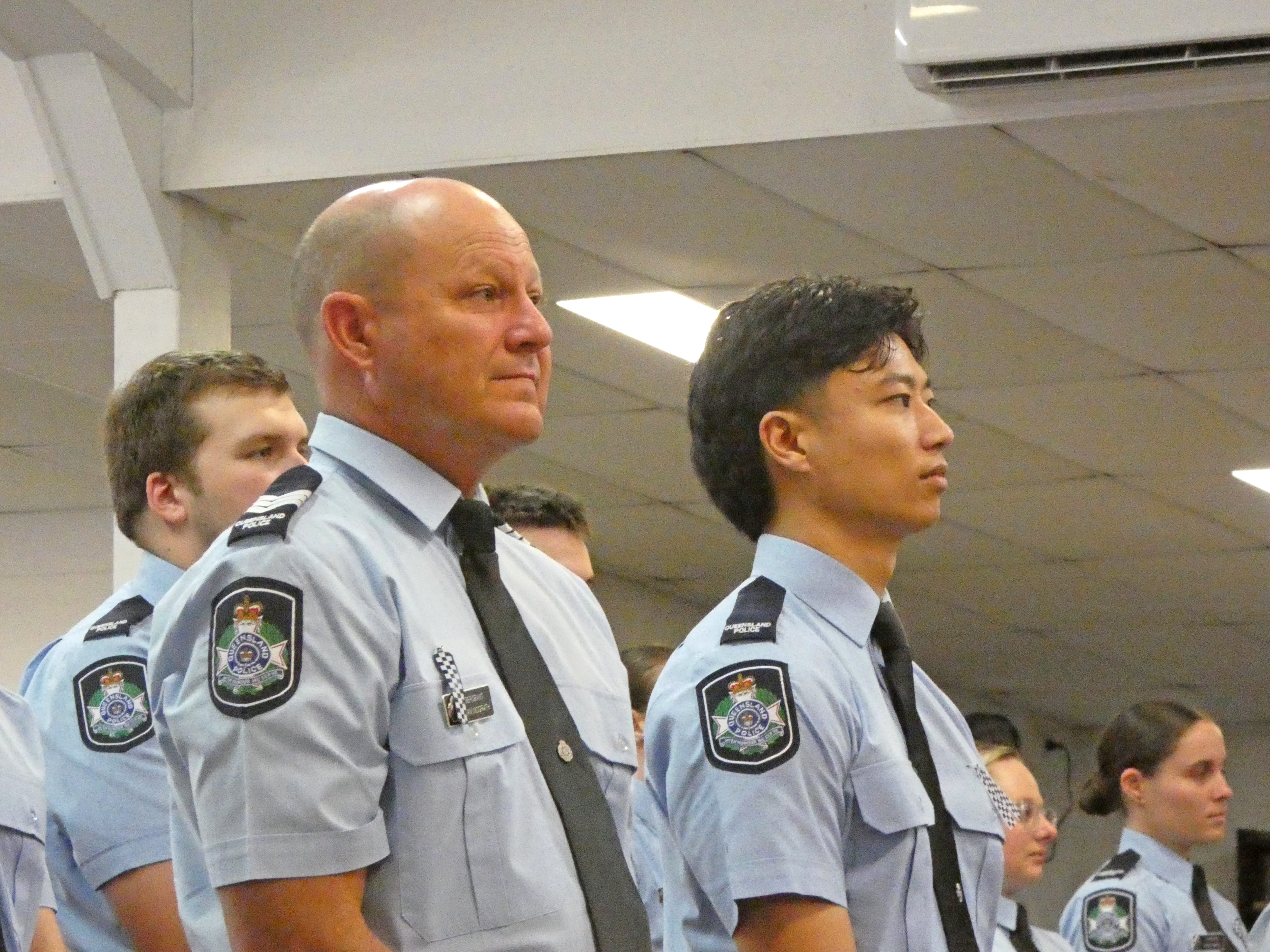
Burdekin police, dignitaries and community groups gathered on Tuesday morning to honour officers killed in the line of duty. Held at the Burdekin Community Church in Ayr, the service formed part of National Police Remembrance Day, observed each year on 29th September. Pastor Peter Holmes, who led the service, said it was a chance to pay tribute to the bravery and service of the fallen. “Someone has to protect those who cannot protect themselves. Someone has to step into the disorder and work to restore order—and that is one of the responsibilities entrusted to our police,” he said. “Today, we honour those who stood. Some stood in circumstances that ultimately cost them their lives, and this day each year ensures that their courage will never be forgotten.” A Police Commissioner’s Address was delivered by Acting Inspector Megan Benson before local officers read the Roll of Honour, commemorating police officers killed in the line of duty. Officers then lit memorial candles, before community groups joined police and dignitaries in laying wreaths. Among dignitaries were Burdekin Shire Council Mayor Pierina Dalle Cort and Member for Burdekin Dale Last, who called it a “privilege” to join local police in their commemorations. “As a former police officer, National Police Remembrance Day is an incredibly important opportunity to remember those officers who lost their lives while serving their community and to show our support to those who continue to keep our communities safe today,” Mr Last said. “Small regional towns like the Burdekin mean our police officers become involved in a variety of facets in our community and it is part of what makes these roles in our small communities so unique.” “It also means that chances to stand with our men and women in blue should not be overlooked.” A morning tea was held in the church hall following the service. CAPTIONS: 1—Burdekin police, dignitaries and community groups gathered Tuesday morning to honour officers killed in the line of duty. 2—Pastor Peter Holmes, who led the service, said it was a chance to pay tribute to the bravery and service of the fallen. 3—Held at the Burdekin Community Church in Ayr, the service formed part of National Police Remembrance Day, observed each year on 29th September. 4—Mayor Pierina Dalle Cort and Deputy Mayor Max Musumeci laid a wreath on behalf of Burdekin Shire Council 5—Among dignitaries was Member for Burdekin Dale Last 6—Local officers read the Roll of Honour, commemorating police officers killed in the line of duty 7—Liaison Officers light memorial candles 8—Senior Sergeant Lisa Shields addresses the audience 9—Community groups joined police and dignitaries in laying wreaths Photos: Jacob Casha
Read the full story
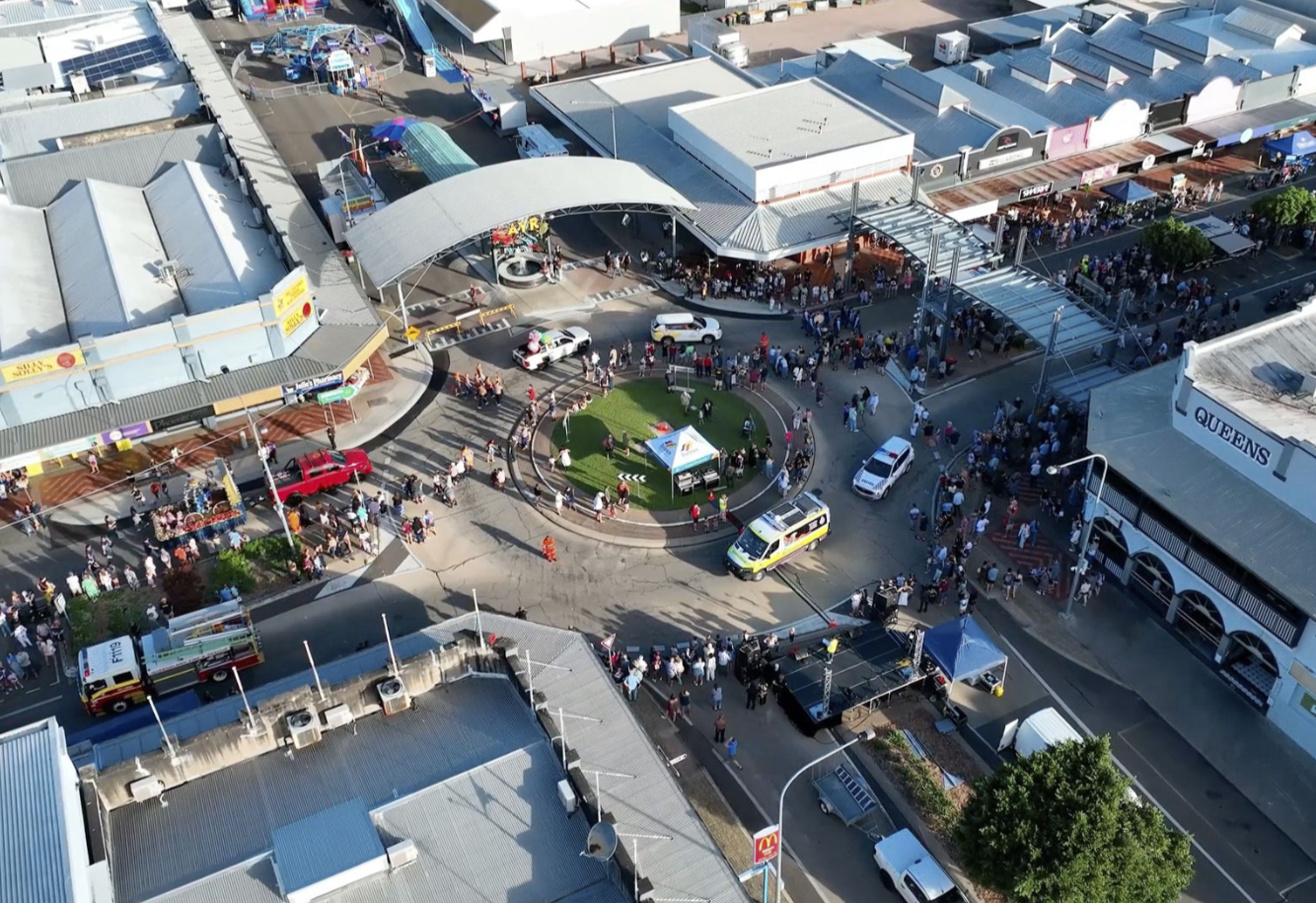
Ayr residents and motorists are advised to expect temporary road closures and changed traffic conditions during the 2026 Burdekin Water Festival on Saturday 5th September.
The closures will allow for the popular Water Festival Float Parade, food stalls, show rides and sideshow activities to take over the heart of Ayr.
Affected areas will include sections of Queen, Edwards, Soper, Parker, Young and Macmillan Streets, with signage to be placed at relevant intersections to help motorists navigate the changes.
Different closures will apply throughout the day depending on festival activities, with restrictions beginning from 6am on Saturday 5th September and some remaining in place until 1am on Sunday 6th September.
Access along key surrounding streets will be maintained where possible, however motorists should allow extra travel time and follow all temporary traffic signs and directions.
The road closures have been approved by the Queensland Police Service as part of the festival’s Special Event Permit.
Residents heading into Ayr on festival day are encouraged to plan ahead and keep the changed traffic conditions in mind while enjoying one of the Burdekin’s biggest community celebrations.

This Saturday I’ll be at the Home Hill Newsagency from 8:30am to 10:30am, and I'd love the opportunity to meet with residents, answer questions and hear directly about the issues that matter to you. Whether you have a concern, a suggestion or simply want to have a chat, please feel free to stop by. I look forward to meeting members of our community and listening to your feedback.
A matter currently receiving significant attention across Queensland is the future of disaster recovery funding arrangements. The Local Government Association of Queensland has made a submission to the Federal Government calling for the retention of current Disaster Recovery Funding Arrangements (DRFA), which play a critical role in helping local governments and communities recover following natural disasters.
The submission advocates for the continuation of existing funding levels, appropriate activation thresholds, eligibility for Counter Disaster Operations expenditure, and the retention of Betterment funding provisions that allow infrastructure to be rebuilt stronger and more resilient. For regional communities such as the Burdekin, maintaining these arrangements is essential to ensuring we can recover effectively and continue delivering services when disaster strikes.
Across the Shire, Council continues to deliver projects that improve community spaces and essential infrastructure.
At Memorial Park in Home Hill, Council is partnering with the Home Hill RSL to undertake improvements to the Cenotaph and War Memorial precinct. Funded through the Queensland Government's Honouring Our Veterans Program, works will include new garden beds, Indian Mast trees, rosemary plantings and electrical upgrades to enhance this important commemorative space.
Residents will also start to see footpath replacement works commence in Mackenzie Street, Ayr, and bitumen upgrades undertaken on sections of Jerona Road as part of Council's ongoing infrastructure renewal program.
Thank you for your continued support of our community, and I hope to see many of you at the Home Hill Newsagency on Saturday morning. Should you wish to reach out, don’t hesitate to contact me directly by phone at 0447 150 582, or feel free to send an email to mayor@burdekin.qld.gov.au.

Back in the day, the “three ‘R’s’” were taught in schools…Reading, (W)Riting and (A)Rithmetic. They were the foundation of our education system and were to stand us in good stead as we navigated the world. In the education system todayhowever, there is a totally different curriculum and today’s “three ‘R’s’” need to be taught at home. Respect, Responsibility and Repercussion. Respect for others and their property, responsibility for one’s actions and repercussions for actions taken. The onus for teaching this starts with parents and begins in the home. How incredibly sad that we have youth in our towns who feel entitled to vandalize not only public property but private as well.
Once again, you can’t let the facts get in the way of a good tale. Good old Social Media and the keyboard warriors strike again. A teacher of mine from my Saint Colman’s Primary School days in Home Hill, a Nun, was fond of saying to us “Empty vessels make the most noise”. People certainly don’t disappoint. The Mayor has her phone number and email address in her Councillor Column every week, or you can find all the Councilor’s contact details on the Council webpage. Pick up the phone and ask your question or voice your frustrations/concerns. But that doesn’t get the desired public reaction does it? Sad.
On the positive side of Social Media, the Burdekin has been the hot topic in a number of Facebook groups; Hayden’s Hut Bowen, Australian Art Trails, Roadside Art Australia Group and Art by Lavinia. Each of these groups sing the praises of the Burdekin, the beautiful murals and Living Lagoon as well as numerous other tourism features. How very refreshing. The Burdekin definitely has a lot to offer and word of mouth is the best form of advertising.
The Home Hill Chamber of Commerce held their AGM followed by their General Meeting last Wednesday night. Congratulations to the new executive, Uli Liessmann, David Jackson, Lydia Flores and John Clark. I was so happy that I attended as it meant the opportunity to hear from the proprietors of Scrubby’s Teahouse and Salted Roots Café, both new businesses to Home Hill. Their investment is a great economic boost to the district and what wonderful, proactive ideas they have for the town! (I’m lead to believe Scrubby’s scones are pretty good too). Jump onto the Home Hill Chamber website and see when their upcoming social and networking meetings are, particularly if you have a business in Home Hill. Come along and have a say in the future of Home Hill…they don’t bite.
Saskia Volmer-Creek is putting together a book about “Growing up in Home Hill”. If, like me you have fond memories of being a kid in Home Hill please email Saskia with your story on creekys@outlook.com.au. Surely there are many wonderful stories out there.
Lastly, the mobile Breast Screen van will be in Ayr from 17th August to 18th December. Take a few minutes to look after your health and book your appointment by phoning 13 20 50.
As always, you can contact me on 0427 827 386 with any concerns or queries.
God Bless.
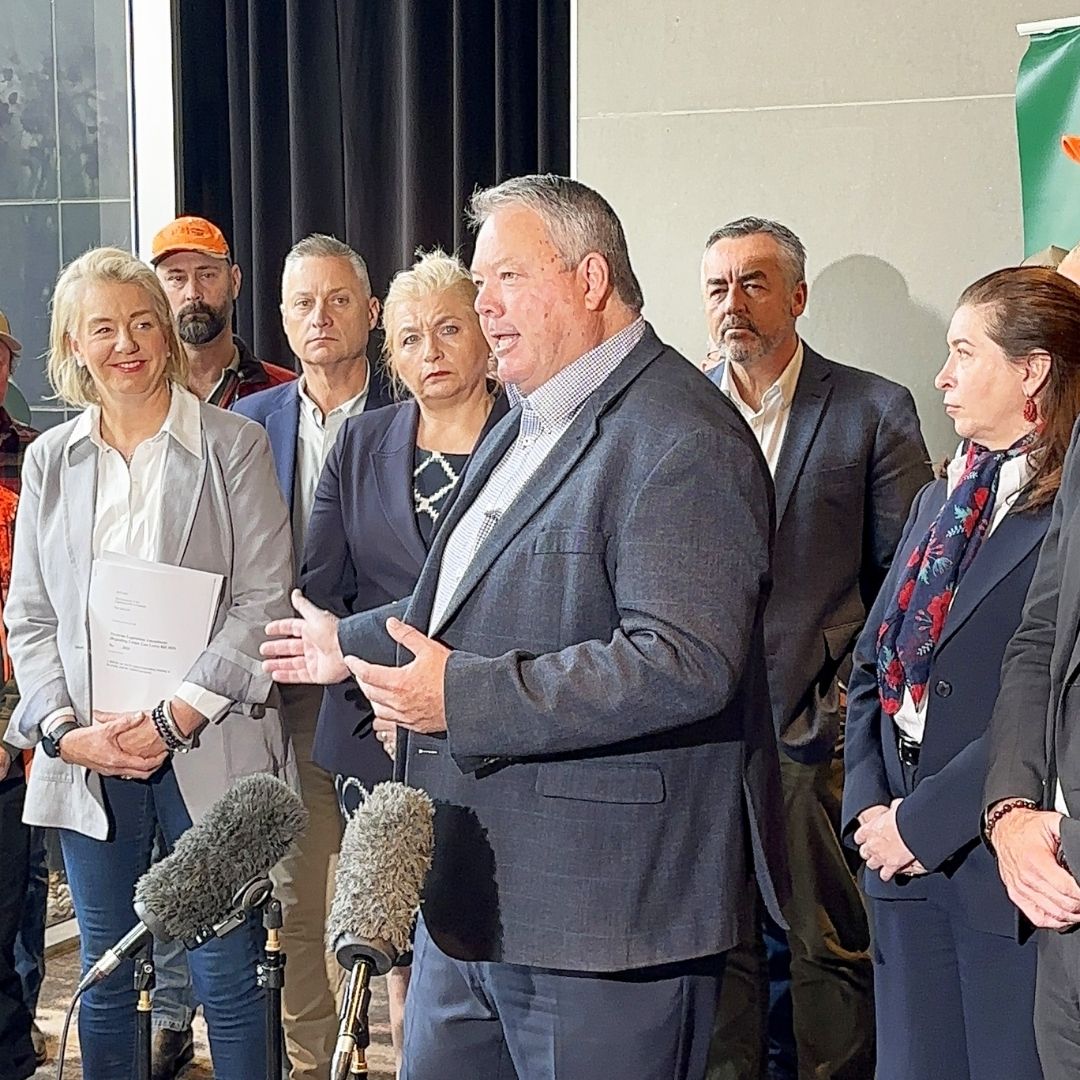
Dawson MP Andrew Willcox joins Nationals colleagues in Canberra to address the media on the National Party’s push to repeal Labor’s new firearms laws and abolish the Federal Government’s proposed gun buyback scheme. Photo supplied.
The Nationals are moving in Parliament this week to repeal Labor’s new firearms laws and abolish the Albanese Government’s National Gun Buyback Scheme.
Nationals MP and Member for Maranoa David Littleproud is introducing the Firearms Legislation Amendment (Repealing Unfair Gun Laws) Bill 2026, with Dawson MP Andrew Willcox seconding the Bill, to call on the Albanese Government to repeal its unjust firearms legislation.
The Bill will reverse the federal firearms and importation laws rushed through Parliament by Labor earlier this year.
Mr Willcox said almost one million law-abiding firearms owners had been unfairly targeted by legislation that did not address the real problem of illegal firearms in the hands of criminals.
“The Prime Minister needs to address the real issue, which is radical Islamic terrorism,” Mr Willcox said.
“I am proud to second David Littleproud’s Bill and stand alongside my Nationals colleagues in Parliament calling on Labor to repeal these terrible laws.
“These laws target licensed, law-abiding Australians who have done everything right, while doing nothing to address the people who actually obtain and use firearms illegally.
“The people who will comply with this buyback are the same people who already follow the law, licensed firearm owners with registered firearms.
“Does the Prime Minister seriously believe criminals are going to line up and hand their weapons in?”
Mr Willcox said the cost of Labor’s buyback would ultimately fall on Australian taxpayers and have consequences for regional communities.
“This isn't just an issue for firearm owners. Every Australian taxpayer is being asked to foot the bill for a scheme that is unlikely to get illegal firearms out of the hands of criminals.
“Farmers rely on firearms to protect livestock, manage feral pests and keep their properties safe. They use them responsibly because they are an essential tool of the job.
“If you make it harder and more expensive for farmers to manage feral pests, those costs don’t simply disappear. They flow through to the cost of producing food and fibre, and ultimately to consumers at the checkout.”
Mr Willcox said the Nationals would continue to stand up for responsible, law-abiding firearms owners and welcomed the Queensland Government’s decision not to participate in the Federal Government’s proposed buyback.
“It is great to see the Queensland Government standing strong and refusing to join Labor’s scheme.
“That is what commonsense government looks like, listening to regional communities instead of imposing a one-size-fits-all solution from Canberra.”
Mr Littleproud said the Nationals had led the fight against Labor’s firearms laws.
“Almost one million law-abiding Australians were blamed for a crime they did not commit. That was wrong.
“The Bondi massacre was an act of Islamic terrorism. It had nothing to do with licensed firearm owners, and no evidence has ever linked them to it.”
Mr Littleproud said the Nationals would continue fighting until the laws were repealed.
The Nationals’ Bill is backed by a petition with more than 71,000 signatures calling for Labor’s firearms laws to be repealed.
The Federal Government’s proposed buyback remains stalled, with Queensland, the Northern Territory and Victoria declining to participate, while Tasmania is pursuing its own arrangements and South Australia has refused to change its laws.
Only New South Wales and the ACT have committed to the Federal scheme.
Mr Willcox said he would continue to fight for law-abiding firearm owners in regional Australia.
“I will always support responsible, law-abiding firearms owners.
“I refuse to support any agenda that spends taxpayers’ money on legislation that achieves nothing except punishing people who already follow the rules.
“Labor should focus on keeping illegal firearms out of the hands of criminals, rather than targeting the farmers, sporting shooters, hunters and collectors who have done nothing wrong.”
The Bill is expected to be considered by the House of Representatives this week.
Supplied by the Office of Member for Dawson Andrew Willcox
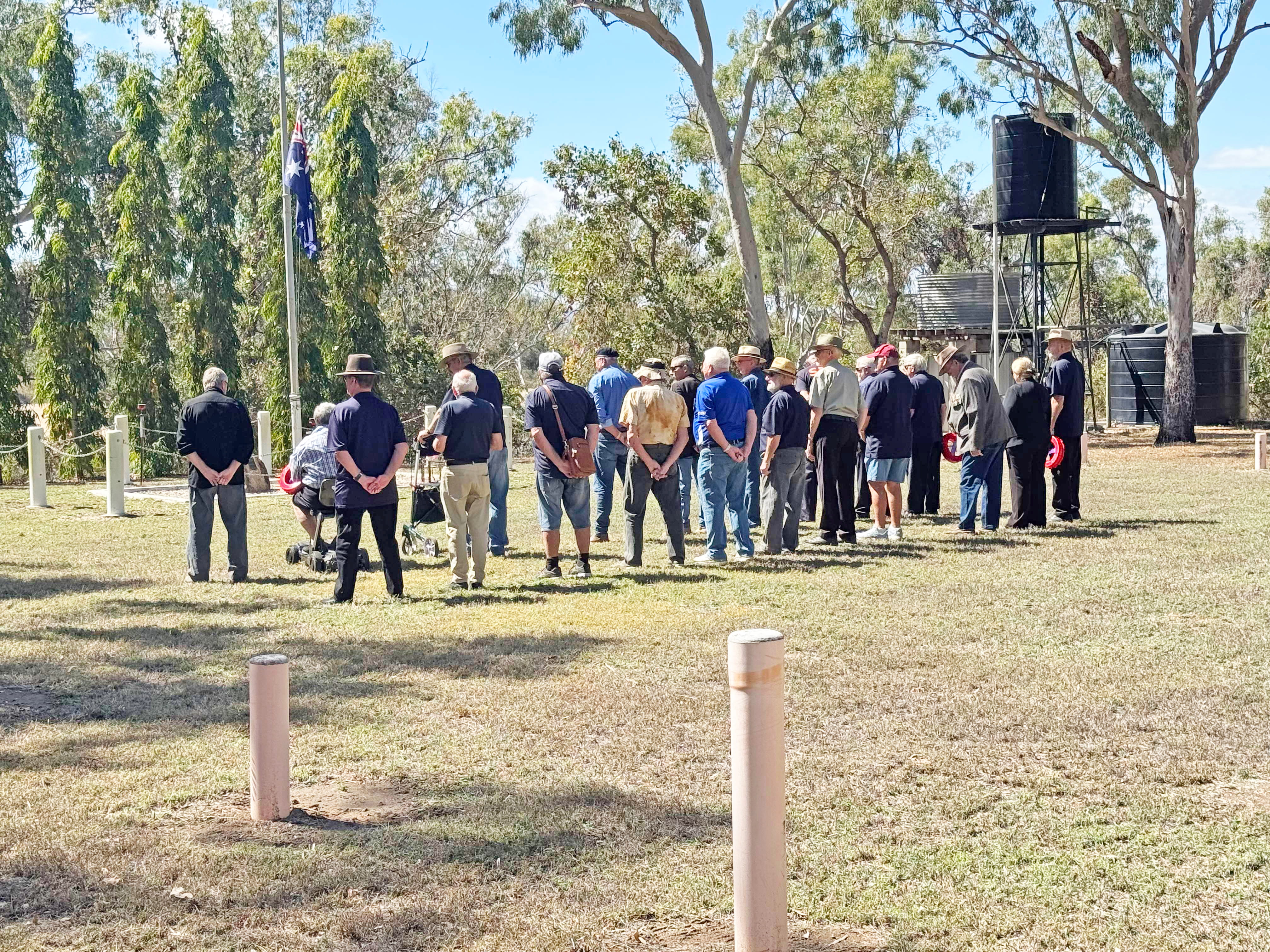
The Burdekin community united to commemorate the Battle of Long Tan and honour the bravery and sacrifice of Australian soldiers during the Vietnam War at a solemn ceremony last week. Photo: Rob Ritchie.
The Burdekin community joined Australians across the country in commemorating Vietnam Veterans’ Day and the 60th anniversary of the Battle of Long Tan at a solemn ceremony last week.
Hosted annually by the Vietnam Veterans Burdekin Sub-Branch at its Deep Creek retreat, the service welcomed veterans, dignitaries and families to honour the bravery and sacrifice of Australians who served during the Vietnam War.
Among attendees was Burdekin Shire Council Mayor Pierina Dalle Cort, who addressed the crowd alongside VVBB President Richard Kelly after a parade opened proceedings. Attendees were then invited to lay wreaths, with a rendition of The Last Post and a bagpipe lament rounding out the service.
Mr Kelly said he felt “honoured” to see so many people in attendance.
“It was great to see a lot of people come all the way in from Townsville and the Burdekin—it’s a fair way up there,” he said.
“It was a great honour to have so many up there this year. It just goes to show that there are still a lot of local people who pay respects to our past figures.”
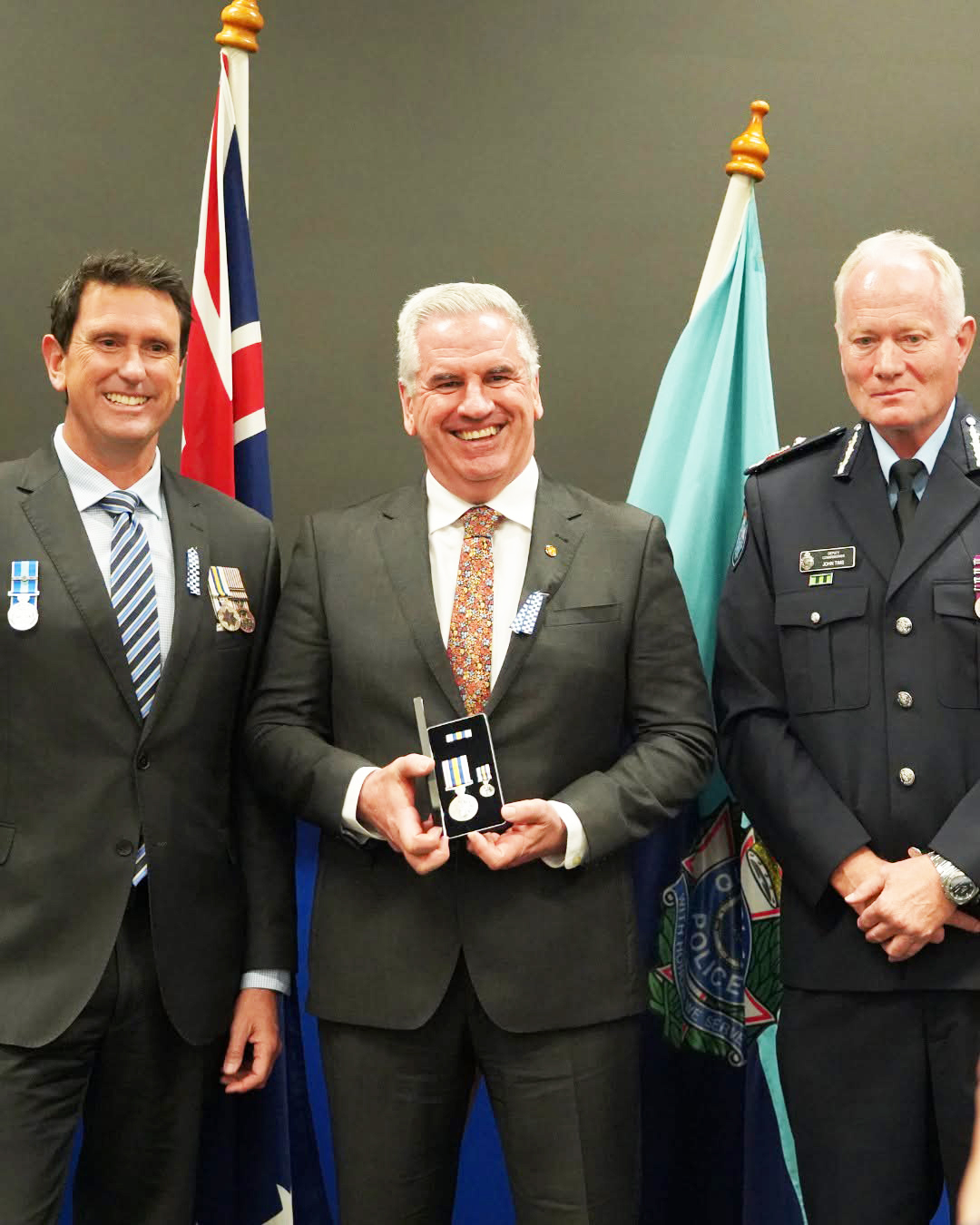
Dale Last has been recognised for 25 years of service with the Queensland Police Service, receiving a National Police Service Medal at a special awards ceremony in Brisbane last week. Photos: Office of Member for Burdekin Dale Last MP
Dale Last has been recognised for 25 years of service with the Queensland Police Service, receiving a National Police Service Medal at a special awards ceremony in Brisbane last week.
The Member for Burdekin was presented the medal by Minister for Police and Emergency Services Dan Purdie, honouring his service from 1983 to 2008, which culminated in his role as Officer in Charge of Townsville Police Station.
The National Police Service Medal recognises ethical and diligent service by sworn police officers, with a minimum of 15 years’ service required for eligibility.
Mr Last spent his police career at stations across regional and remote Queensland, including postings in Indigenous communities and smaller centres, before being appointed OIC of Townsville Police Station in December 2000.
He remained in the role until leaving the QPS for local government in March 2008, saying his years as a police officer taught him lessons that continue to shape his work today.
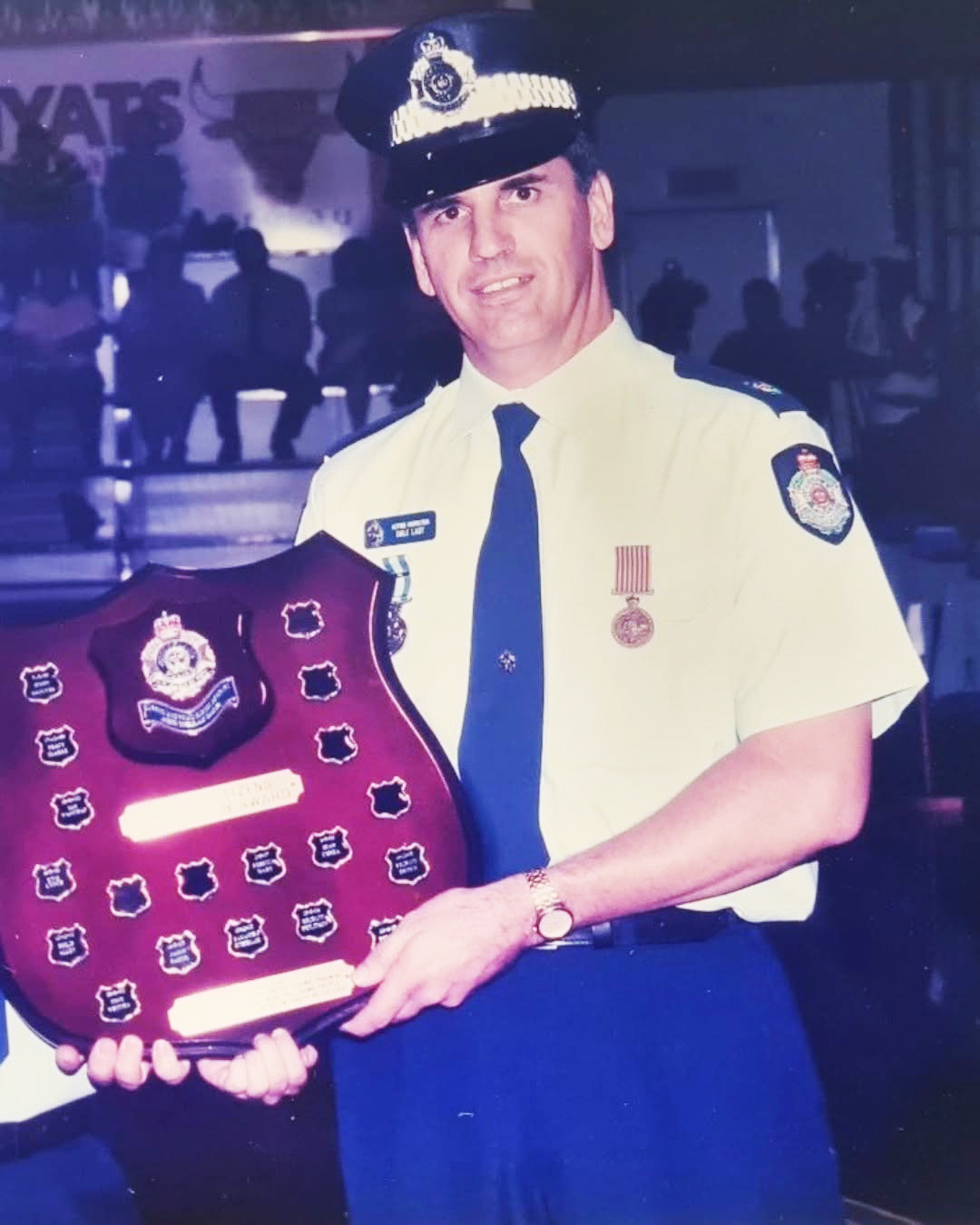
“Policing taught me a great deal about service, responsibility, and the importance of standing up for the communities you represent,” he said.
“I have been proud to carry those lessons through to my current role as the Member for Burdekin, as I continue to advocate for the services and infrastructure to support our community.
“It was an honour to wear the uniform, and I’m grateful to receive this recognition of that service.”
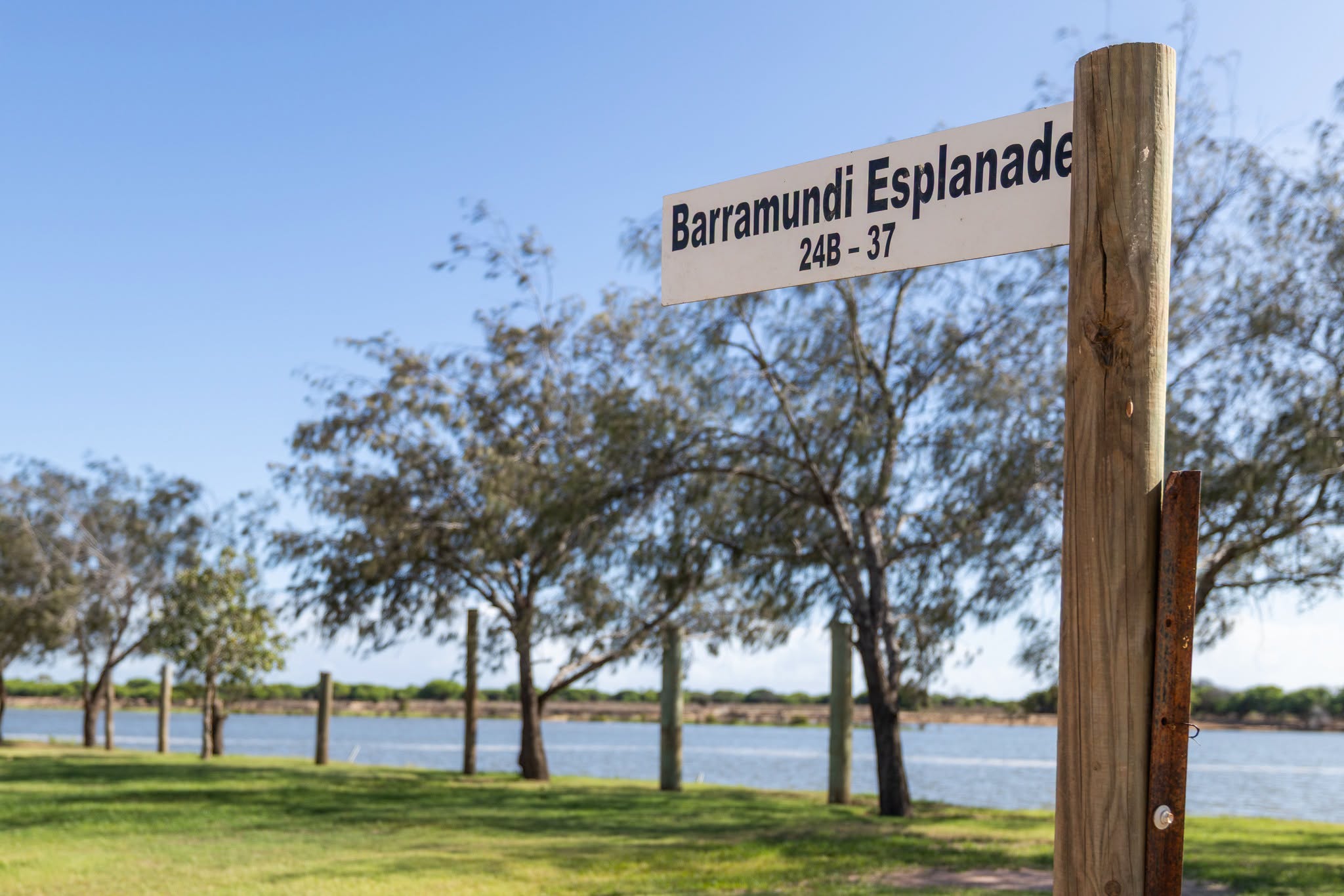
Council confirmed it is not closing the Groper Creek Caravan Park, but the Home Hill Boat Club has decided to surrender its caravan park licence, paving the way for Council to take control of the site. Photo: Burdekin Shire Council.
Burdekin Shire Council and the Home Hill Boat Club (HHBC) have stepped in to clarify the future of the Groper Creek Caravan Park, addressing closure rumours and clarifying that the HHBC has decided to surrender its caravan park license, paving the way for Council to take control of the site.
The clarification comes after rumours circulated in the community that Council was preparing to shut the popular Groper Creek facility.
"The Groper Creek Caravan Park is operated by the Home Hill Boat Club, not Council," Mayor Dalle Cort said.
"The Committee has advised that due to financial pressures it is no longer in a position to continue operating the facility."
The Boat Club has attributed their decision to surrender their license to mounting pressures of compliance demands.
The club say they received a Council report on the 8th of June outlining numerous areas of non-compliance with Council requirements, including issues relating to potable water, wastewater and ablution facilities.
The committee said it had since worked closely with Council to address the issues, but the scale of the financial and legislative requirements had ultimately proved unsustainable for the volunteer-run organisation.
"Unfortunately, due to significant financial and legislative challenges that are beyond the capacity of the HHBC to resolve independently, a public meeting including stakeholders, park users, local residents and council was held," the committee said.
"The overwhelmingly majority in attendance supported the decision to relinquish the caravan park licence."
The club said Council had advised the caravan park would be converted into a three-star community park under Council's control and maintenance.
"The HHBC is very saddened with this outcome but due to the requirements and compliance imposed it is unsustainable for the club to continue to manage and operate the caravan park," the committee said.
The parties said they would be working in conjunction to transition the site.

Remember September, Pankind’s flagship fundraising campaign, brings communities together each year to remember those affected by pancreatic cancer while raising vital funds for research and support. Photo supplied
Burdekin residents are being encouraged to lace up their walking shoes or ditch a daily vice next month to support those affected by pancreatic cancer.
Pankind’s Remember September 2026 campaign is calling on the community to take action against Australia’s third biggest cancer killer, with two challenges available.
Participants can Move It by walking or running 78km throughout September, representing the 78 Australians who die from pancreatic cancer every week, or Give It Up by going without a vice such as coffee, sugar or alcohol for the month.
More than 4,500 Australians are expected to be diagnosed with pancreatic cancer this year, with 80 per cent dying within 12 months. The five-year survival rate is just 13 per cent, dropping to around six per cent in rural and regional areas.
Pankind CEO Michelle Stewart said research was key to changing those outcomes.
“Remember September is about solidarity, action, and progress. Every step taken and every dollar raised fuels research that could help Australians live longer and live better after diagnosis.”
Since its inception, Pankind has invested more than $20 million in research grants across 76 projects at leading Australian institutions, and those wishing to become involved in this year’s fundraiser are encouraged to register online via www.rememberseptember.org.au.
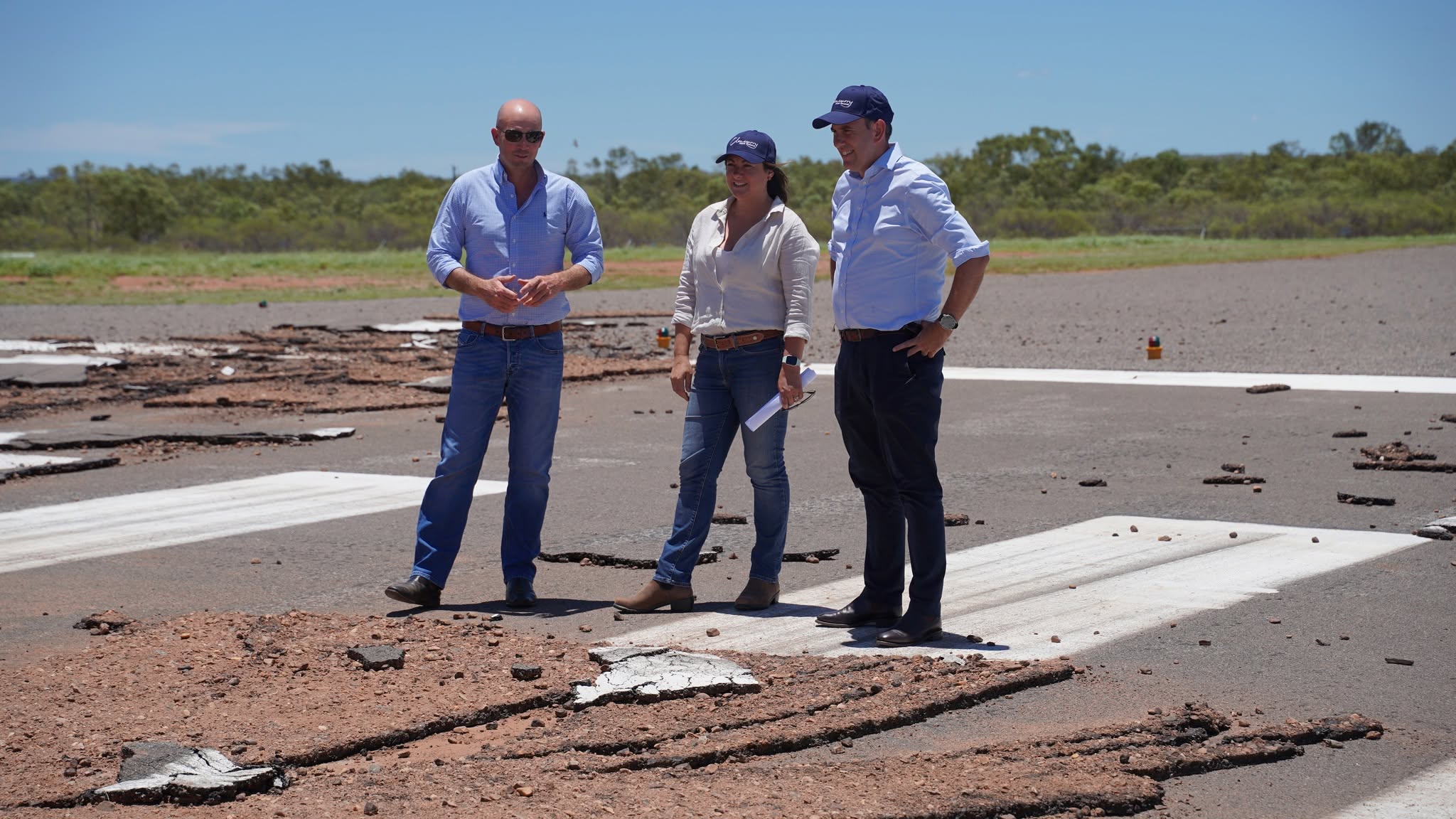
Cloncurry Mayor Greg Campbell with Federal Minister Kristy McBain and Treasurer Jim Chalmers at Cloncurry Airport. Photo supplied
Cloncurry Airport could face an operational downgrade this wet season, potentially restricting FIFO aircraft and affecting mining operations across North West Queensland unless a further $10 million is secured for a permanent runway upgrade.
Cloncurry Shire Council has warned heavier jet aircraft could be prevented from using the runway if conditions create the potential for a repeat of the major failure experienced earlier this year.
The airport sustained significant damage in January when heavy rainfall associated with a monsoon trough and ex-Tropical Cyclone Koji damaged sections of the runway.
Cloncurry Mayor Greg Campbell said safety would remain the priority.
“It's not a decision we want to make, but we need to ensure our facility is safe,” Cr Campbell said.
“The technical advice we are getting is that if we have a severe weather event like we had during this year's wet season, we will need to downgrade the airport to ensure we do not have another catastrophic failure of our key asset.
“It’s critical that we protect our airstrip to prevent failure. The best solution would be to secure the required $10 million and have the upgrades completed prior to the wet season.”
The Commonwealth and Queensland governments have committed $11.5 million through Disaster Recovery Funding Arrangements, with approximately $2 million used for emergency repairs that restored the runway to near-normal operations.
However, Council says another $10 million is required to complete its broader $26 million rehabilitation program.
.jpg)
Planning for the major upgrade began about four years ago after inspections identified the airport was approaching the end of its useful life.
The project would not only rehabilitate the runway but support Council’s plans to develop the site into a broader aviation precinct capable of accommodating larger aircraft.
Cloncurry Airport serves as a major gateway for the North West’s resources sector, supporting mining operations including Ernest Henry, Dugald River, Eloise, Austral Resources, Eva Copper, True North Copper and Rocklands, alongside future projects such as CopperString.
“We've been working towards doing a major upgrade to the airport for probably four years now, where it was getting to the end of its life,” Cr Campbell said.
“We were looking at growing our airport to be an aviation precinct.”
Council had sought $14.5 million through the Federal Government’s Regional Precincts and Partnerships Program, however its application was unsuccessful.
Cr Campbell said updating the application with market-tested tender prices was treated as a resubmission, moving the project from round two to round six of assessments and causing further delays.
“The final advice that the CEO got gave us some confidence that we would be better off updating with the tendered prices,” he said.
“But that was considered a resubmission and pushed us back. Instead of us being in round two, we ended up being assessed in round six.”
Council is now calling on either the Queensland or Federal Government to provide the remaining funding before another major weather event places the runway at risk.
“We don't care if the funding comes from Canberra or Brisbane, but we need that extra $10 million to get the work done so we can continue to be a major contributor to the economy,” Cr Campbell said.
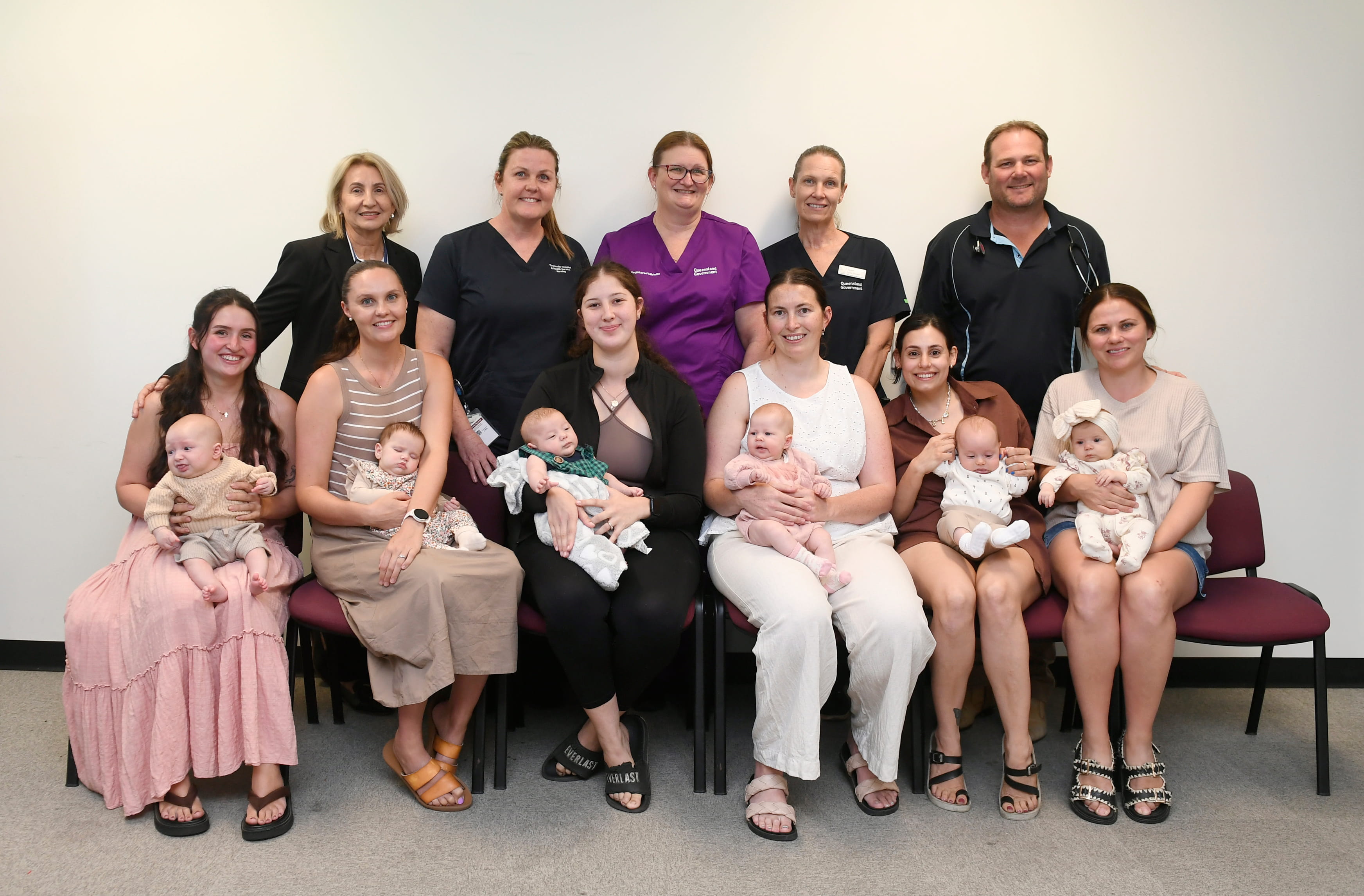
Back (from left): Tracey Gabiola, Ainsley Ferrando, Helen Kross, Carolyn Bell, Dr Ben Lawry.
Front (from left): Tamika Crank & Rayf Pugh, Ayla Armstrong & Callie Armstrong, Chantel Ferrando & Maverick Rush, Stacey Butler & Remi Malaponte, Laura Cowan & Freya Cowan, Jessamy Nicolaides & Ava Nicolaides. Photo supplied.
The Burdekin is booming with babies after six newborns arrived in less than four days at Ayr Hospital. The new Burdekinites are among 30 babies born at the hospital between May and July, making it the region’s busiest baby boom in more than half a decade.
A four-day birthing spree at Ayr Health Service has capped off the facility’s busiest maternity period in over five years, with six infants arriving in under 96 hours.
The maternity unit welcomed a total of 30 newborns between May and July, marking the highest three-month tally at the facility since 2020. The total represents eight more births than the local average for the same period over the past six years.
Director of nursing Tracey Gabiola said she could not remember a time when the local maternity service had been as busy.
“While it has been an extremely busy time for our staff, particularly during a hectic few days at the end of May where six newborns arrived in less than 96 hours, staff enjoy working in a service where they can share in the joy of welcoming babies and supporting parents,” she said.

“These are incredibly special moments, and we feel very privileged to be involved.”
Ms Gabiola commended the adaptability of the health service workforce.
“Whether responding to an emergency or assisting with the delivery of a baby, the team always steps up and I am incredibly grateful to them for always rising to the challenge.”
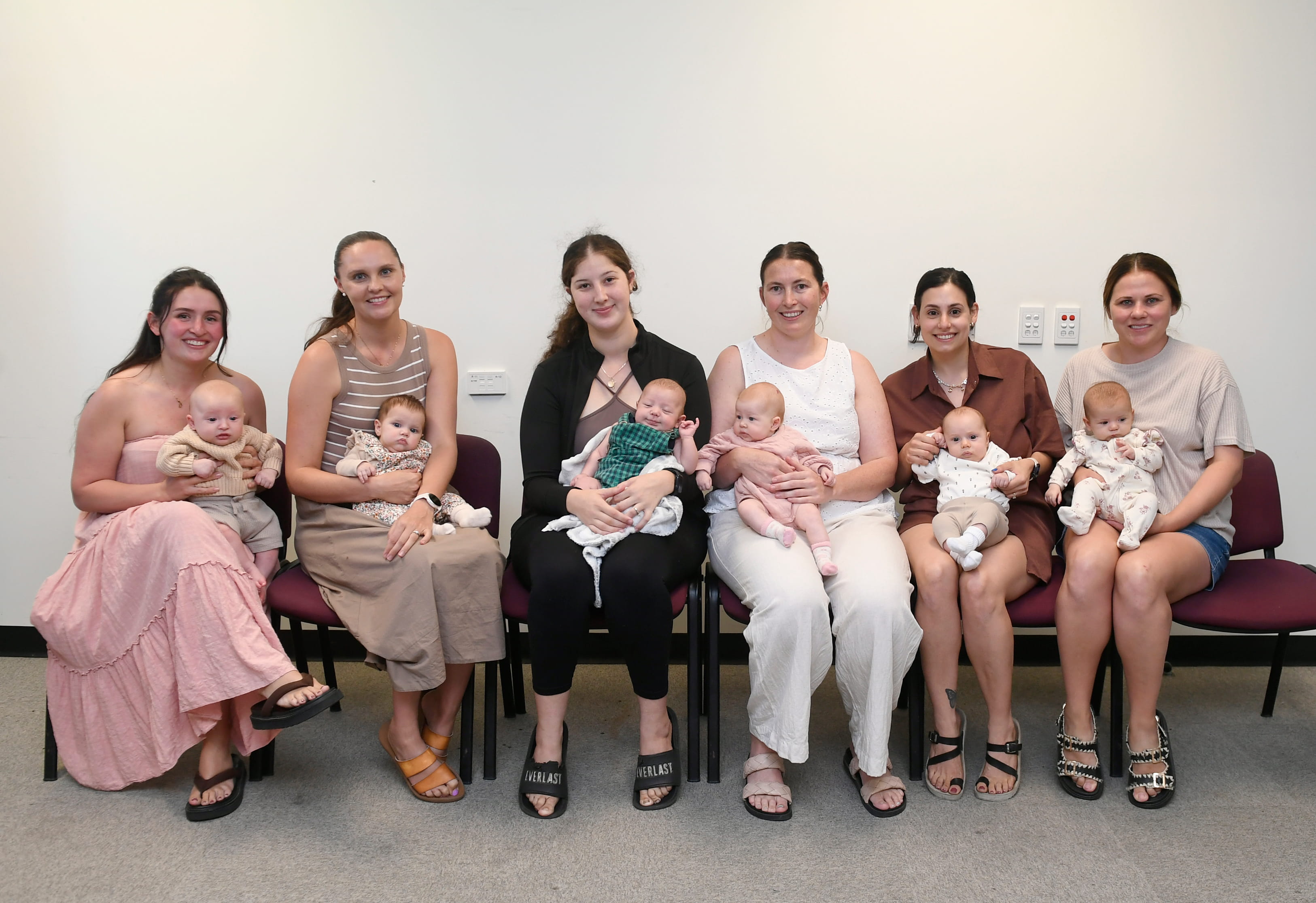
Local mother Stacey Butler, who gave birth to daughter Remi Malaponte during the May delivery cluster, said it was important to be able to give birth in her hometown.
“We are very fortunate to have the facility and the staff here so we can have our babies in our community,” Ms Butler said.
“I really didn’t want to have to leave home and be away from my family and friends to give birth to my little girl.
“She is perfect, and it means the world to me that she was able to be born in her hometown and surrounded by her loved ones.”

Cancer Council Australia’s Daffodil Day is returning this year for the 40th time, and no one in the Burdekin is embracing the occasion quite like Raelene Grantz and her Delta Diner team. Photo credit: Jacob Casha.
Cancer Council Australia’s Daffodil Day is returning this month for the 40th time, and among those embracing the occasion in bright yellow is Raelene Grantz and her Burdekin Delta Diner team.
Daffodil Day is held each August to raise money for cancer research, prevention and support services, with the daffodil symbolising hope in the ongoing fight against cancer.

That fight is personal for Raelene. After being diagnosed with breast cancer two years ago—and watching her twin sister battle it around 12 years prior—Raelene has made a point of doing her bit to support the cause.
Her latest effort has seen the Delta Diner decorated in yellow over the last month as Daffodil Day approaches on the 20th.
As well as posters and daffodils, Raelene has also put out a donation collection box with QR codes linking to a donation page.
She said the endeavour was her “little way of helping.”
“Cancer has touched my husband, my family, myself and some of our staff members over the years,” she said.
“It’s an ongoing [battle], and it’s not letting up. We just have to keep doing our little bit with fundraising and supporting people through their journeys, and this is our way of doing it.”
Raelene said the support so far had been overwhelmingly positive and encouraged others to get behind the cause by making a donation at the store.

CANEGROWERS CEO Dan Galligan warns that Australia cannot wait until 2029 for action while overseas competitors race ahead. Photo: CANEGROWERS.
Australia should start building its biofuels industry now—creating regional jobs, investment and fuel security at home instead of sending Australian dollars and opportunities overseas, CANEGROWERS CEO Dan Galligan has said.
Welcoming the Federal Government’s newly released consultation paper on a national demand mechanism for low-carbon liquid fuels, Mr Galligan called it the most significant step forward in national policy on this issue in decades.
However, he also warned that Australia cannot wait until 2029 for action while overseas competitors race ahead.
“Australia has talked about biofuels for decades, and it's been five years since the Federal Government released it first bioenergy roadmap, yet while we analyse and assess, other countries have built industries,” Mr Galligan said.
“The decision by the Federal Government to consult on the implementation of a demand-side policy to support a low-carbon liquid fuel sector is warmly welcomed. The direction is right, but the pace matters. Investment decisions are being made now and industry needs certainty now.”
The consultation paper proposes an initial national volume requirement for cleaner fuels, potentially commencing in 2029, before a proposed transition to a carbon-intensity system from 2035.
Importantly, it proposes covering petrol and recognises ethanol as an eligible fuel. However, imported cleaner fuels could also satisfy the requirement, with no guarantee that the resulting demand would support Australian production.
“If we move too slowly or allow the massive new global demand for low-carbon liquid fuels to be satisfied largely through imports, Australian dollars will help fund factories, jobs and regional development overseas while available capacity here remains underused,” Mr Galligan said.
“We should not replace our dependence on imported fossil fuels with a new dependence on imported cleaner fuels. That risks leaving Australian families, businesses and essential industries exposed again when the next global shock disrupts supplies and drives up prices.”
More than 90% of the liquid fuels used in Australia are either imported directly or refined locally from imported crude. Yet Australia has abundant agricultural feedstocks, established regional processing capacity and growers ready to play their part.
The government’s paper identifies 360 million litres of operational ethanol capacity in Australia. The sugar industry processes around 30 million tonnes of sugarcane in a typical year, and industry estimates suggest it could ultimately produce more than 2.5 billion litres of ethanol a year – equivalent to approximately 14% of Australia’s petrol needs.
“We are not starting from scratch,” Mr Galligan said.
“Australia already has the feedstock, infrastructure, expertise and production capacity to make more bioethanol today. We should use what we have now while building what we need next.
“Sugarcane is a major renewable biomass resource. It can make an immediate contribution through ethanol, while its biomass can also support the development of advanced fuels such as sustainable aviation fuel and renewable diesel.
“It can deliver real fuel security, real emissions reduction and real regional jobs – but that will not happen without clear policy settings that create demand for Australian-made fuels.”
Mr Galligan said Australia must learn from the past and keep more of the value created from its agricultural resources in the country.
“For too long, Australia has exported raw commodities only to import the higher-value products made from them. We cannot repeat that mistake with cleaner fuels,” he said.
“We need a national framework that gives investors confidence to build here, produce here and create value here. Australia has the resources, the growers and the regional capacity. What we need now is the policy certainty to get on with it.”
Mr Galligan and CANEGROWERS Chairman Owen Menkens are in Canberra this week briefing federal ministers and senior departmental officials on the opportunities biofuels offer Australian agriculture, regional communities and national fuel security.
Mr Galligan will also join leaders from the sugar, manufacturing, bioenergy and national-security sectors for a media stand-up at the top of Federation Mall, Canberra, at 2.30pm on Thursday, 20 August.
Supplied by CANEGROWERS

Burdekin residents and business owners will have the chance to chat directly with the nbn Local team when they visit Ayr on Thursday, August 27.
The community drop-in session will run from 9:30 am to 3:30 pm at the Burdekin Plaza (116 Edwards Street, Ayr). The event offers locals a practical way to learn about regional connectivity upgrades, including nbn Fibre to the Premises (FTTP) and Fixed Wireless services.
Representatives will be available throughout the day to answer questions, assist residents in checking their eligibility for full fibre, and demonstrate how enhanced digital infrastructure can benefit local households and businesses.
Many properties across Ayr, Home Hill, and Brandon may already be eligible to upgrade to full fibre. Transitioning to an FTTP connection unlocks access to faster, more reliable broadband—supporting seamless video calls, high-definition streaming, rapid downloads, and better performance across multiple connected devices simultaneously.
The session is free to attend, with no prior bookings required. Locals are encouraged to bring their questions and find out what connectivity options are available at their address.
Event Details
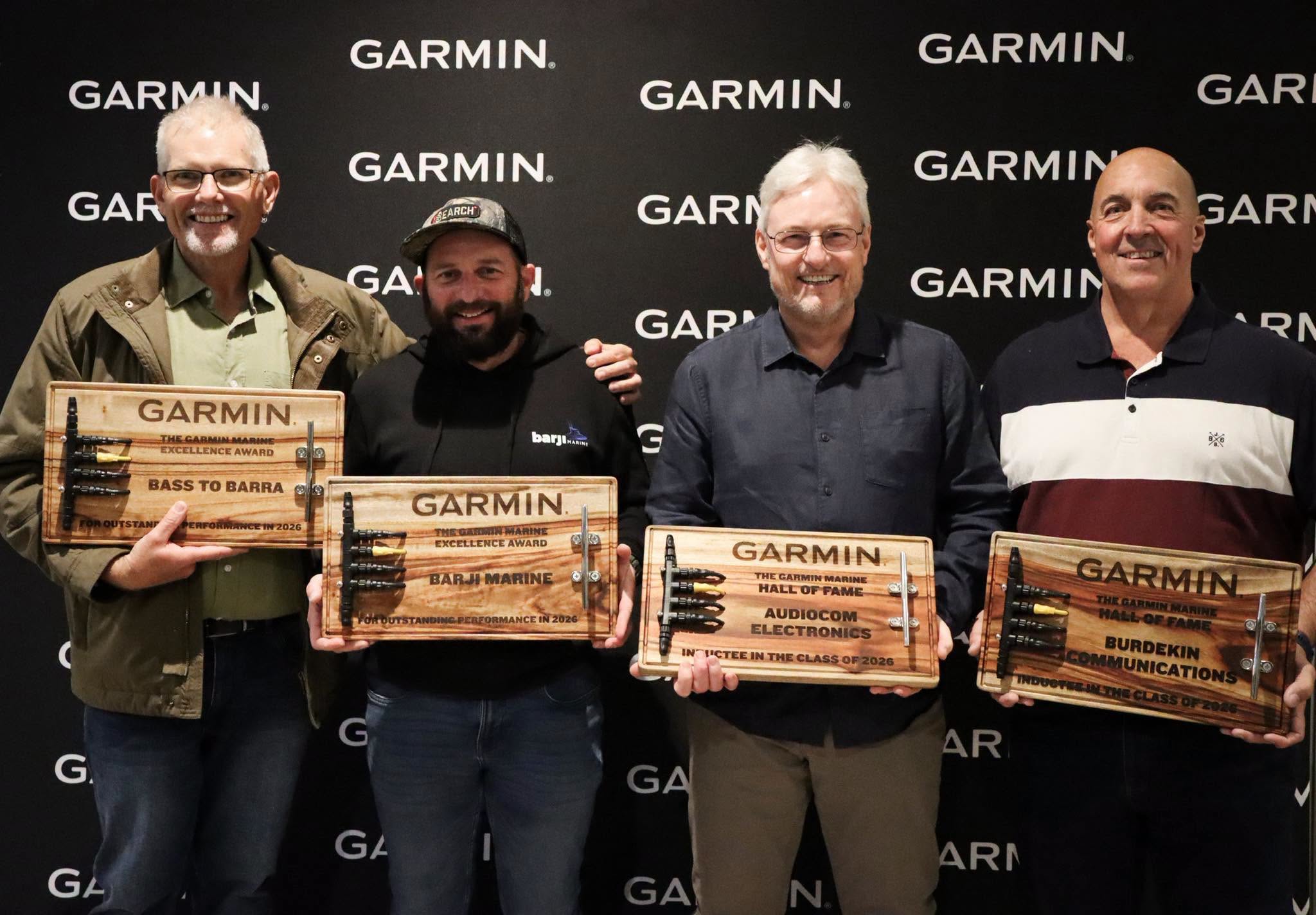
Burdekin Communications owner Paul Benvenuti (right) was named the first-ever Garmin Marine Hall of Fame inductee during Garmin’s annual training seminar at SeaWorld Resort. Photo supplied.
A Burdekin local beat out stiff competition to claim an inaugural national award on the Gold Coast last month.
Burdekin Communications owner Paul Benvenuti was named the first-ever Garmin Marine Hall of Fame inductee during Garmin’s annual training seminar at SeaWorld Resort.
Mr Benvenuti earned the award ahead of hundreds of leading marine electronics specialists from around Australia. The honour recognises his long-standing service and commitment to the Garmin brand, having installed, serviced and maintained its GPS-enabled products for more than 30 years.
Mr Benvenuti said he was “extremely proud” of the recognition.
“To be recognised by Garmin amongst such a respected group of people in the marine industry was both humbling and a very proud moment for me, my family and Burdekin Communications,” he said.
While he admitted surprise at receiving the award, presenters said there was “only ever going to be one winner.”
“When we were thinking about doing this award, there was always only ever going to be one guy that we’d be putting forward as the first recipient,” Garmin ANZ Manager Gordon Triplett said.
“And yet, he was genuinely surprised that he got the award. He didn't think it would be him at all, and I think that’s a perfect measure of the guy.”
Mr Triplett said the honour rewarded Mr Benvenuti’s strong sales, long-standing loyalty to the brand and positive customer feedback, describing him as “very easy to do business with.”
Although the sole recipient, Mr Benvenuti was quick to thank Garmin representatives, his customers, and his past and present staff for their role in his success.
“An award such as this may be presented to one person, but it represents the efforts of many people who have contributed along the way,” he said.
“This award is something I am extremely proud of, but it is also a recognition I am very happy to share with everyone who has been part of the journey.”

New facilities at the Redlands Research Facility will strengthen Australia’s fruit fly management and support the horticulture industry. Photo source: Pexels
Australia’s horticulture industry is set to benefit from almost $5 million in new investment aimed at strengthening fruit fly management, protecting export markets and improving the nation’s ability to respond to exotic outbreaks.
The Australian and Queensland Governments are jointly funding new infrastructure at the Queensland Department of Primary Industries’ Redlands Research Facility, where the National Export Market Access Centre for Horticulture will be housed.
The Australian Government is contributing $4.7 million through its Building Resilience to Manage Fruit Fly Package, with the overall investment expected to deliver new facilities to support research into fruit fly management and horticultural market access.
Fruit fly is considered one of the most significant biosecurity threats facing Australia’s horticulture industry, with outbreaks capable of affecting productivity and disrupting valuable international trade.
The new infrastructure will include fumigation facilities, a netted orchard and dedicated pest management testing areas.
The facilities will support research needed to meet the requirements of international trading partners and help Australian growers maintain access to overseas markets.
The investment will also strengthen Australia’s capacity to respond to exotic fruit fly outbreaks and reduce the potential impact of fruit fly-related trade restrictions on growers and exporters.
Federal Minister for Agriculture, Fisheries and Forestry Julie Collins said the investment formed part of the Albanese Government’s broader commitment to strengthening Australia’s biosecurity system.
“The Albanese Government has delivered over $2 billion in additional biosecurity resourcing since coming to Government, because a strong biosecurity system underpins a strong horticulture and agriculture industry,” Minister Collins said.
“Effective fruit fly management is critical to protecting growers, which is why we are supporting the sector to strengthen their resilience against the pest.
“This $4.7 million investment from the Albanese Government will strengthen Australia's fruit fly research capability and help ensure growers and exporters can continue to access valuable export markets.
“By investing in the infrastructure and scientific capability needed to meet trading partner requirements, we are helping build a more resilient and competitive horticulture sector.”
Queensland Minister for Primary Industries Tony Perrett said the project is ‘critical’ for growers.
“This project is a critical initiative to protect Queensland’s horticultural industry and support our producers and exporters,” Minister Perrett said.
“It’s critical, home-grown research that is leading the way in securing and growing export markets for Australian horticulture and our fit-for-purpose facilities are ensuring that success.
“This investment will help ensure the long-term future and prosperity for Queensland horticulture, strengthening biosecurity measures and safeguarding Queensland producers against the devastating impacts of fruit fly.”
The new National Export Market Access Centre for Horticulture is expected to provide a dedicated national hub for research into fruit fly, pest management and the requirements needed to maintain Australia’s horticultural export opportunities.
The investment is designed to strengthen the industry’s resilience while supporting growers and exporters to navigate the biosecurity challenges posed by fruit fly.
Publishers Indemnity. Any individual or entity that places advertising, supplies copy material, or submits editorial content to Core Life Publishing agrees and undertakes to ensure that all such material:- Does not infringe upon any copyright, trademark, or other intellectual property rights;- Is free from any content that could be considered defamatory, libelous, or slanderous;- Does not infringe upon any rights related to privacy or breach of confidence;- Contains no obscene, indecent, or otherwise unlawful material;- Complies fully with the Trade Practices Act and all other applicable laws, regulations, or statutes.Furthermore, by submitting or placing such material, these individuals or entities agree to indemnify and hold harmless the publisher, Core Publishing and Events Pty Ltd, and/or its agents from and against any and all investigations, claims, demands, liabilities, damages, costs, or judgments arising out of or in connection with the material provided. All material is believed to be accurate at the time of printing and remains the copyright of Core Publishing and Events Pty Ltd.
© 2026 Life Publishing Group Pty Ltd.
