
Independently Owned, Locally Grown, Community Loved

The Ayr Seventh-day Adventist Church will mark a significant milestone on 16 May 2026, celebrating 100 years since the official opening and dedication of its original church building. While a small congregation of Seventh-day Adventists had been meeting in members’ homes throughout the early 1920s, the anniversary specifically commemorates the opening of the church building dedicated on Saturday, 15 May 1926. The church’s history reflects the determination and faith of the early Burdekin Adventist community. In 1925, land was purchased on the corner of Parker and Wilmington Streets in Ayr, where the church still stands today. Soon after, members located a former blacksmith’s shop in Charters Towers that was suitable for conversion into a church. The building was dismantled, transported to Ayr by rail, and re-erected during March 1926 before its official opening two months later. A weekend of celebrations is planned to honour the centenary. Events begin on Friday evening, 15 May, with a meet-and-greet and soup and buns in the church hall. Sabbath celebrations on Saturday will include a history presentation, worship service, and guest speaker Pastor Simon Gigliotti, President of the Northern Australian Conference. Following lunch, attendees will share memories and witness the unveiling of a commemorative plaque. Celebrations conclude on Sunday morning with a pancake breakfast at Ayr Anzac Park. Church members say the congregation continues to play an important role in the Burdekin through worship services, Bible study groups, health and wellbeing programs, community food assistance, and disaster relief support through ADRA. All are welcome to attend the centenary celebrations.
Read the full story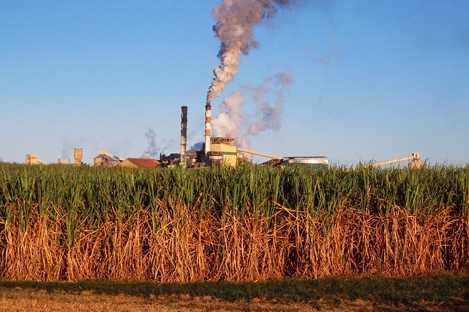
Queensland’s push to kick-start a domestic biofuels industry could unlock significant new opportunities for the Burdekin’s sugarcane sector, according to CANEGROWERS CEO Dan Galligan. Mr Galligan welcomed the Crisafulli Government’s recent $25 million investment into biodiesel production at Ampol’s Lytton Refinery in Brisbane, describing it as an important first step towards building a stronger and more resilient economy while paving the way for future growth across regional industries. “While this project may not directly involve sugarcane, it’s an important step in establishing the kind of industry that, with the right investment and policy settings, can unlock significant opportunities for cane growers,” Mr Galligan said. Queensland’s sugar industry has long advocated for the expansion of a domestic biofuels sector, with the potential to significantly increase ethanol production, generate more green electricity through sugar mills and eventually produce advanced biofuels such as sustainable aviation fuel. With the Burdekin recognised as one of Australia’s largest sugar-producing regions, Mr Galligan said local growers could play a major role in helping power Queensland’s renewable fuel future. “This is about more than cleaner energy – it’s about building a stronger, more resilient economy, creating new markets for growers, adding value to every tonne of cane, and backing regional jobs and investment,” he said. “It’s also about fuel security. Recent global disruptions have shown how exposed Australia is to supply shocks, and building a domestic biofuels industry helps reduce that reliance.” Mr Galligan said ensuring sugarcane remained central to future biofuel production would be critical to delivering the industry at scale and strengthening long-term opportunities for regional Queensland communities. The announcement comes amid growing national discussions around fuel security, regional manufacturing and reducing Australia’s reliance on imported fuel supplies. In recent weeks, the Queensland Government announced plans to strengthen the State’s fuel security through expanded local drilling, refining and storage capacity, including unlocking additional infrastructure opportunities at ports across Queensland. Official expressions of interest have also opened under the new Accelerating Fuel Infrastructure Program, inviting industry proposals for fuel refining and storage projects on government-owned land and ports in Townsville, Mackay, Gladstone, Abbot Point, Bundaberg and Brisbane. Member for Burdekin, Minister for Natural Resources and Mines and Minister for Manufacturing Dale Last said the focus was now on future-proofing the industry and creating long-term opportunities. "We know what the challenges are and I’m looking at the opportunities going forward, because that's where we can make the greatest change and get the most benefit," Mr Last said. Federal Member for Dawson Andrew Willcox said recent fuel shortages had exposed critical gaps in Australia’s fuel storage capacity, particularly for regional and agricultural communities. “This crisis has exposed Australia’s vulnerability to global supply shocks of critical liquid fuels, including in Dawson,” Mr Willcox said. “We must protect our economic foundations by scrapping the Safeguard Mechanism costs on refineries and lifting the minimum stockholding obligation. This is the only way to ensure that during global disruptions, our tractors keep moving and our supermarket shelves stay stocked.” CANEGROWERS said it would continue working with government and industry partners to ensure momentum in the biofuels sector translates into practical outcomes for growers and regional communities across Queensland. CAPTION: CANEGROWERS says Queensland’s growing biofuels industry could create major new opportunities for Burdekin cane growers. Photo source: CANEGROWERS
Read the full story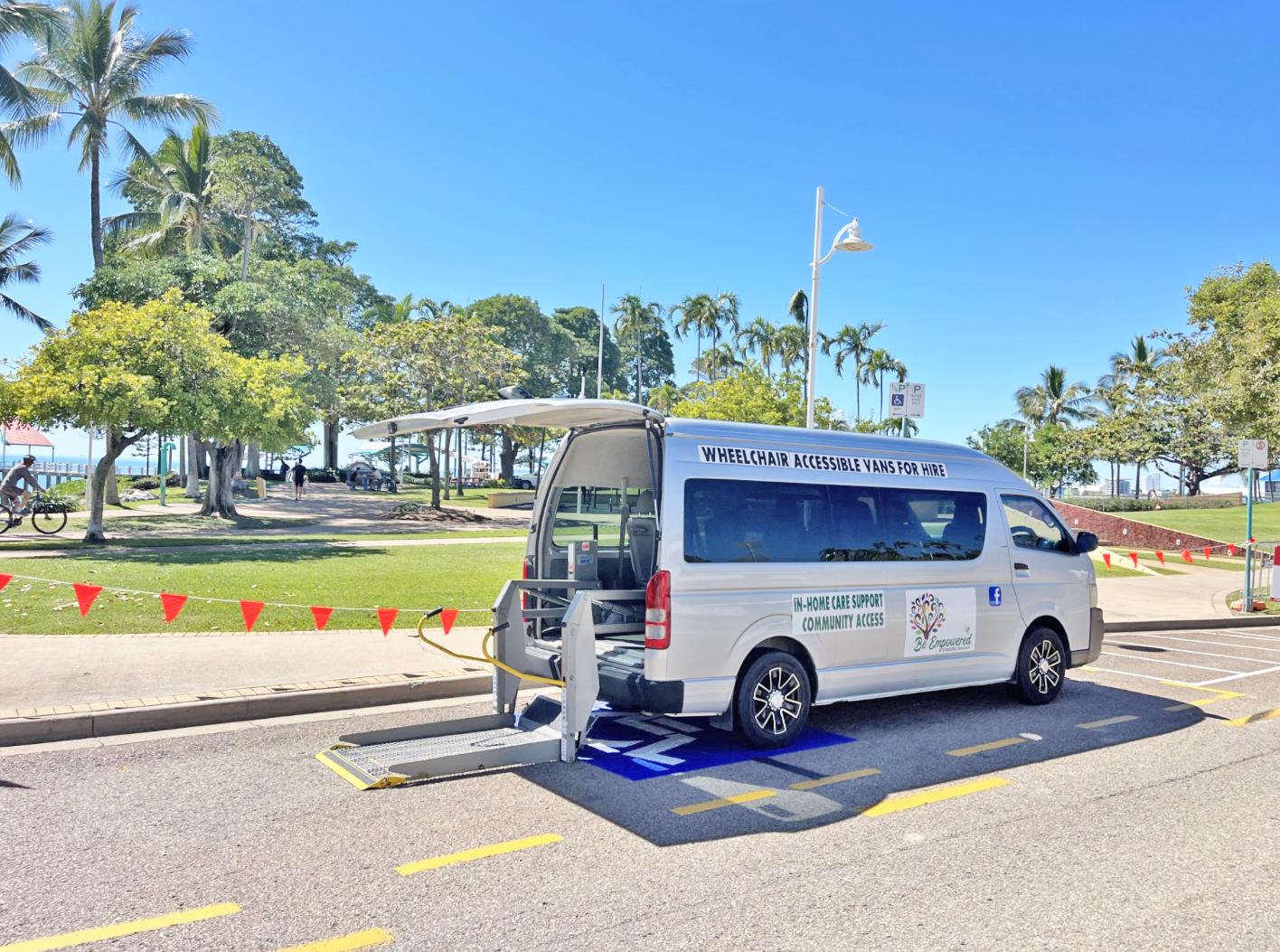
Be Empowered Disability Services believes mobility should never be a barrier to independence. Whether it’s a weekend escape, essential medical appointments, or a long-awaited family road trip, accessible transport can make the difference between staying home and staying connected. BeEmpowered Disability Services provides a wheelchair-accessible van hire service designed to deliver comfort, flexibility, and confidence on the road. Built on the reliable Toyota Hiace Commuter platform, the van is a spacious and versatile solution tailored to your specific needs. It features a flexible seating configuration and is equipped with a heavy-duty hoist, designed to accommodate extra-large width manual or motorised wheelchairs of up to 350 kilograms. Despite its specialist equipment, the vehicle remains simple to operate, featuring automatic transmission and requiring only a standard car licence. The van comes equipped with a disability parking permit, and has no kilometre limits. Rates start at just $150 per day, while those planning a longer trip are offered a “seven-day block” for $900, effectively providing one day free for longer bookings. For extended needs, BeEmpowered is happy to discuss long-term hire rates by negotiation. Experience the comfort and reliability of Be Empowered Disability Services and get where you need to go with less hassle. CAPTION: Built on the reliable Toyota Hiace Commuter platform, the van is a spacious and versatile solution tailored to your specific needs. Photo supplied
Read the full story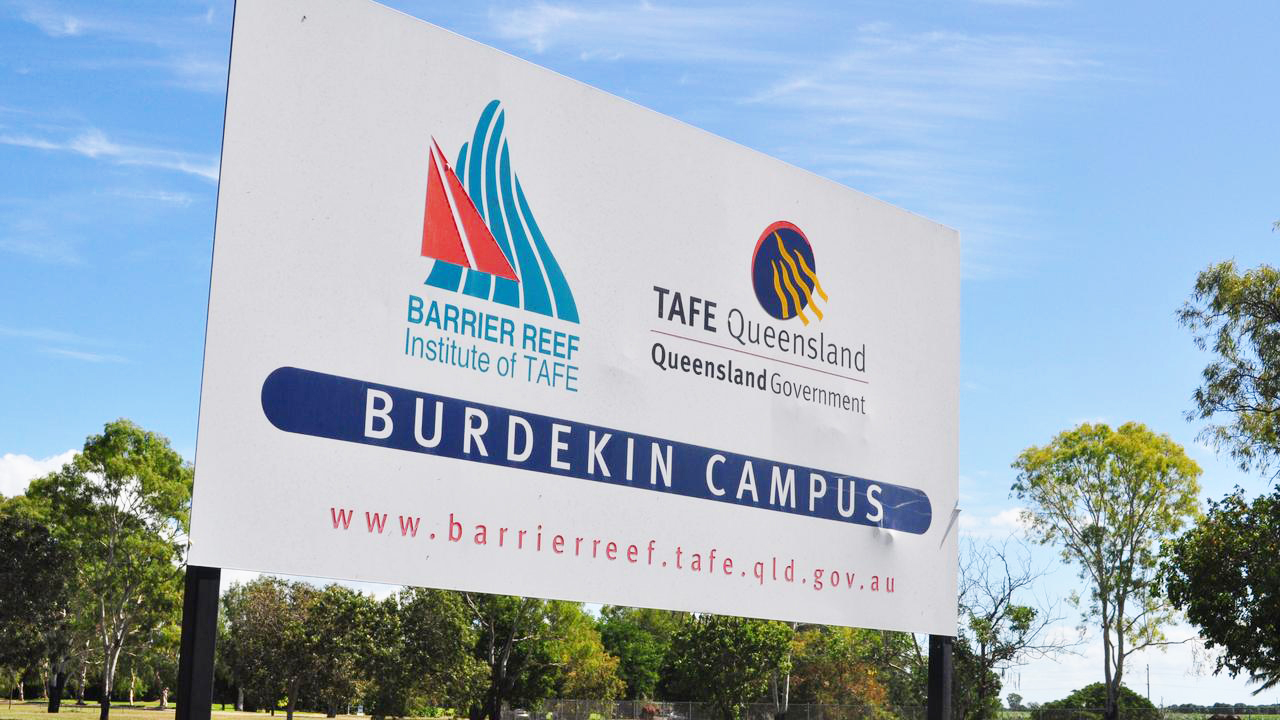
Queensland is seeing a surge in construction apprenticeships, with the State Government claiming new figures show progress in addressing long-standing workforce shortages impacting major infrastructure and housing projects across regions including the Burdekin Shire. According to the Government, more than 10,000 new apprentices have begun training across Queensland so far this financial year, including almost 3,000 in construction trades — representing a 27.4 per cent increase in the sector. The State has also recorded a high number of apprenticeship completions in 2025, with nearly 13,000 Queenslanders now qualified and ready to enter the workforce. The increase comes as Queensland continues to prepare for a major pipeline of infrastructure and construction projects in the lead-up to the 2032 Olympic and Paralympic Games, alongside ongoing demand for housing and regional development. Minister for Finance, Trade, Employment and Training Ros Bates said the figures were encouraging but acknowledged more work was still needed to address workforce shortages. “Labor left us a skills shortage with a predicted peak the size of an empty Suncorp Stadium but there are promising signs we’re getting the workforce back on track and building a pipeline of tradies who’ll help deliver our generational infrastructure program,” Minister Bates said. “We are delivering the initiatives and incentives to draw more young Queenslanders into trades and taking the CFMEU’s boot off the construction industry’s throat so future workers feel safe going to work. “Whether it’s infrastructure for the 2032 Games, health projects or the thousands of homes we’re unlocking for Queenslanders, we are building the Queensland of the future and creating the pathways for anybody who wants to help us do so.” The government said programs like the free Career Taster initiative through TAFE Queensland are also helping introduce Year 10 students to priority industries including construction and healthcare. CAPTION: Queensland’s construction sector is seeing a rise in apprenticeship commencements as the State Government looks to address ongoing skills shortages across regional areas including the Burdekin. Photo source: Burdekin TAFE New apprenticeship figures released by the Queensland Government show growing numbers of young Queenslanders entering construction and trade pathways ahead of major future infrastructure projects. Photo source: Burdekin TAFE
Read the full story

When you’re recovering from a cold or flu, what you eat can make a big difference in how quickly you bounce back. Nourishing your body with the right foods helps rebuild strength, support your immune system, and ease lingering symptoms.
While a balanced diet supports recovery, it’s also important to get the right medical treatment. If symptoms persist or worsen, don’t hesitate to visit your friendly local pharmacist, who can recommend suitable medications and ensure you're on the right track to full recovery.
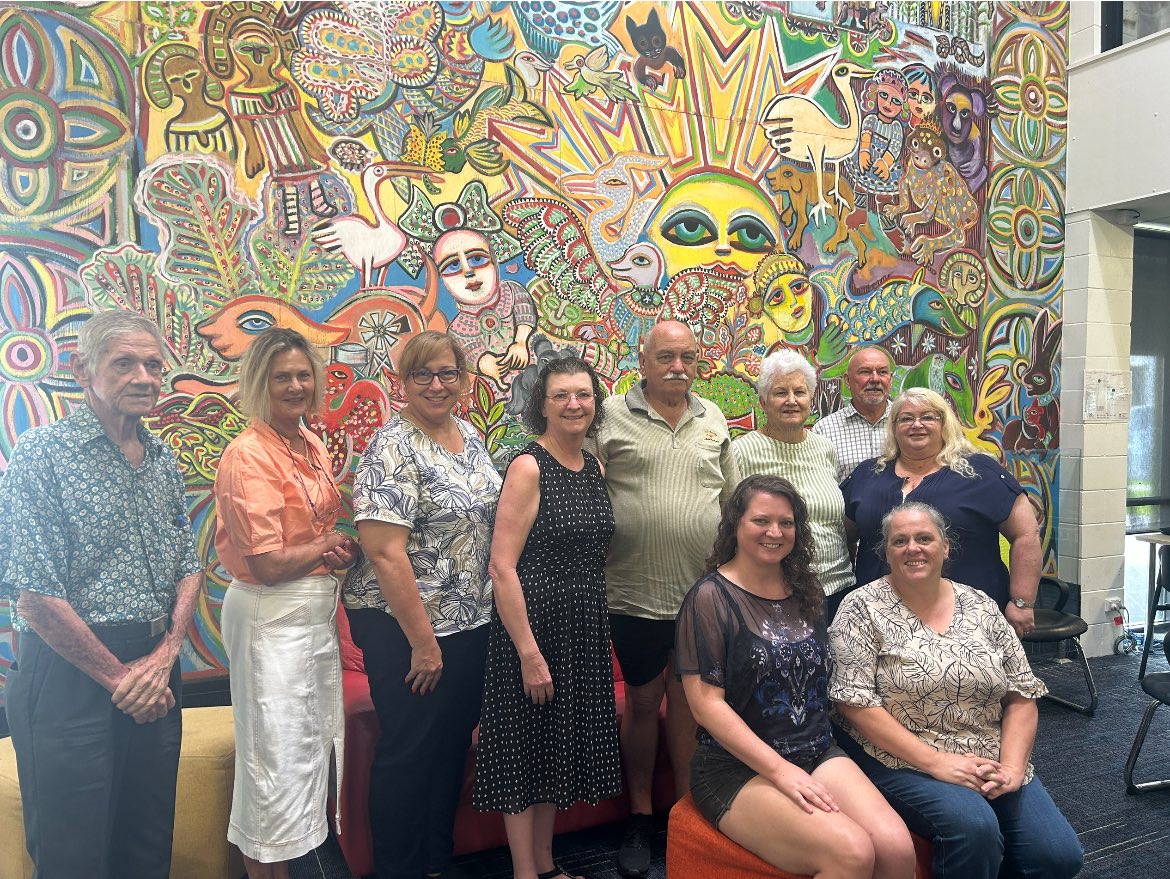
Nine Burdekin writers read their stories and poems to a small but appreciative crowd at the Home Hill Library on Wednesday, 2 July 2025.
“To stand in front of an audience and share something you’ve created takes guts,” said writer Megan Hippler. “I’m proud of everyone who was brave enough to read.”
The event was a collaboration between the Burdekin Creative Writers, the Burdekin Night Writers, and Burdekin Libraries, celebrating the 2024 Burdekin Creative Writers Anthology. From heartfelt poetry and memoir excerpts to short stories and children’s fiction, the showcase highlighted the breadth of literary talent in the region.
This was the second showcase held in 2025, following a reading with a different combination of writers at the Ayr Library in April. Both the 2024 anthology and its predecessor — produced by George Venables — are available at local libraries, and discussions have already begun for a potential third edition.
Burdekin Creative Writers has held monthly daytime meetings for writers of all experience levels since 2017. Burdekin Night Writers, which began in Cherelle Murphy’s home in 2007, now meets fortnightly via group video calls.
“The two groups meeting at different times in different venues lets more people join the group that suits their schedules and goals,” Hippler explained. “And some people join both.”
Though light-hearted and welcoming, the groups have helped members develop new skills, win writing competitions, get published, and now take the stage for public readings.
“When I joined the Burdekin Creative Writers in 2017,” Hippler said in her introduction, “I didn’t think I could write a short story, and I didn’t think I could read aloud. Because of these groups, I hope I’m about to show you otherwise.”

It’s early days for the new Queensland Government, but I’ll say this — the first six months have brought some practical decisions that are making a real difference for cane growers.
The recent State Budget struck a few important notes for agriculture. We’re not expecting miracles, but it’s encouraging to see a stronger focus on things that matter — especially biosecurity and rural resilience. With more movement of people and goods across borders, the threat of pests and diseases is growing rapidly. Queensland agriculture is at the front line in Australia’s defence against biosecurity incursions. That’s why it’s good to see funding aimed at strengthening Biosecurity services, including more boots on the ground. Biosecurity is one of those things you only notice when it fails — so getting ahead of problems is key.
Another area where we’ve seen genuine progress is in policy to support disaster recovery. Queensland growers have faced their fair share of floods, cyclones and fires, and the Government’s decision to increase disaster recovery grants for primary producers to $75,000 after the Herbert district flooding is a real win — not just for cane growers, but for the broader agricultural sector. The speed that Government moved on this issue was the pleasing indicator. Not waiting for frustrating bureaucratic process that point out the obvious devastating impact. This was a clear sign that our industry’s concerns are being heard on the ground where it counts.
Another important change was in the area of disaster recovery policy with the adjustment to the definition of ‘primary producer’ status. For many farming families, the previous inequity meant they were locked out of accessing disaster assistance just because they had diversified their farm income streams. This change to accommodate the full scope of farming operations, including diversification, is a sensible move that better reflects how real farms operate today. Finally on this front too, the inclusion of replant within the guidelines of appropriate use of disaster recovery grants was a huge step forward for Queensland agriculture.
None of this means we’re rolling out the red carpet. There’s still plenty of ground to cover, and we’ll keep pushing hard on issues like water, energy costs, and land use planning. But credit where it’s due — some of the early signals are promising from a State Government that is move forward diligently on long standing issues that require action.

CORES Queensland has been saving lives in the Burdekin for over 16 years. The organisation—run largely by volunteers—offers a wide range of mental health and suicide prevention services, quietly operating as the heartbeat of the community. Though, if you ask CORES Queensland Coordinator Ross Romeo, he’ll tell you it’s the other way around.
“The Burdekin community are the backbone of our program,” he says. “They are the reason we’ve survived all these years—we’re just so grateful.”
The CORES banner was first raised in rural Tasmania in 2003. It’s introduction to the mainland came in 2008, when Giru farmer Peter Shadforth saw a segment about CORES on TV, sparking the idea to launch the program in the Burdekin.
Since then, the program has evolved to offer counselling services, workplace training, self-care workshops and school presentations, among other forms of suicide prevention education.
Ross Romeo, a former cane farmer who’s been heavily involved in the program since its introduction to the region, says it brings him great joy to connect with and support the local community.
“I enjoy connecting with the community and helping people to learn,” he says. “When you run a workshop or do training and someone comes up to you and says ‘I got something out of that’—that makes it all worthwhile.”
For Ross and CORES, it’s all about everyone playing their part to support each other.
“We’re just one piece of the puzzle. There are so many people in the Burdekin doing great things—not just supporting us,” he says.
“They’re connecting people together in all these different ways, with all the groups and sports clubs—that, to me, is suicide prevention, because they’re supporting people and connecting people together, and that’s probably one of the biggest parts of the puzzle.”
CORES remains committed to educating Queensland in the future, with plans to extend their services further north.
“The long-term goal is to continue supporting the community, reinforcing where we already are as well as exploring opportunities to go into new areas if it’s possible,” says Romeo.
“We’ve recently started pushing further north, starting to deliver training around the Mossman and Daintree area, and we’re gonna head up to Cooktown and further north as well,” he added.
While growth is part of the plan, the heart of the program remains unchanged.
For Ross Romeo and CORES, it’s never been about the plaudits—it's about finding ways to give back to the community that have supported them so generously.
“We always say—even if we help at least one person, that’s more than worth it.”
For Ross and CORES, it’s all about everyone playing their part to support each other. Photo supplied

A group of enthusiastic Year 5 and 6 students from St Colman’s Catholic School recently stepped out of the classroom and into the heart of the Burdekin’s agricultural landscape, visiting Rocks Farming Company in Mona Park for an immersive learning experience.
Held on Wednesday, the 18th of June, the excursion was made possible through a collaboration with CQUniversity’s Agri-Tech Education Officers, Lilly and Grace. The visit offered students a rare, hands-on insight into one of Australia’s largest sugarcane producers and the many technologies and careers that power modern farming.
Guided by Rocks Farming Company’s Brian, the tour kicked off with a bus ride up a hill overlooking the expansive 2,700-hectare irrigated property. From this high point, students were treated to sweeping views of sugarcane fields, cattle paddocks, and earth-moving equipment in action - an impressive introduction to the scale and complexity of farming operations in the region.
The students then explored the working sheds and maintenance areas where they learned about the wide range of job roles required on a farm - from machinery operators and general farm hands to skilled technicians and even helicopter pilots. Engaging Q&A sessions sparked student interest in how technology such as GPS-guided equipment and drone surveillance is used daily to streamline farming practices and increase productivity.
Back at school, the learning continued with a fun and educational session of “Tractor Code Creator,” where students programmed Edison robots to mimic the movement patterns of tractors. This fusion of agriculture and coding not only reinforced their understanding of farm logistics but also encouraged problem-solving and critical thinking.
Another standout of the day was learning about technology used in animal management, including wearable tracking devices for livestock that monitor their movements and health in real time.
The school extended a warm thank you to Brian and Talbot from Rocks Farming Company, and to Lilly and Grace from CQUniversity, for making the day such a memorable experience!
A group of Year 5 and 6 St Colman's students discovered the future of farming at Rocks Farming Company last month (Photos Supplied)

Unlocking nostalgic memories across the nation, Jack Hodgins has set out on a mission to publish a book detailing the golden era of Hoadley’s Battle of the Sounds and he’s confident the residents of the Burdekin Shire have plenty of stories to tell.
The contest captured the attention of Australians from 1966 to 1972, and at its peak, held 60 heats across the country where young bands would compete for a chance to win a place in a state country final, and ultimately the national grand finale.
“It gave bands a chance to play, in many cases, to the biggest crowds they would ever play and all they would have to do is send in a coupon to their local radio station,” Jack explained.
Jack’s interest in the competition was initially sparked after interviewing a series of musicians as part of his radio show, Vinyl Vibes, and a few online searches later, Jack felt compelled to immortalise the significant era in musical history.
“I felt that someone really needed to come along and try to seriously document the contest and once I realised the importance the contest held in Australian music history as a whole, the idea to write a book came shortly after that,” recalled Jack.
As Jack continued to dive deeper into researching Queensland’s involvement in the contest, he quickly realised there were very little details recorded at the time and began relying on locals to fill in the gaps.
“Ayr’s heats were facilitated by radio station, 4AY, and I want to leave no stone unturned for this book so it’s important that I try every avenue to reach rockers from the area,” Jack added.
“So far, only one band has been confirmed to have played in the Ayr heat - a band called Peace, who won the Ayr heat in 1971 and because so much wasn’t written down at the time connecting with people in places like Ayr is crucial as their memories may be the only surviving pieces of this musical history, and without them, these stories could be lost forever.”
With a publication date pencilled for June of 2026, Jack has been reaching out to communities across the country to gather whatever information he can about the iconic competition.
“The community’s responses have been one of the biggest reasons I’ve committed to turning my research into a full-blown book and people from all over the country have sent me audio, photographs and their personal memories - I think it’s been really meaningful for many of them as well,” said Jack.
“A lot of these rockers played in bands that may not have gone far beyond their local area, so to have someone reach out and show an interest in their band from the ’60s has been incredibly positive for them.”
If you have any information about the Ayr battles or the contest itself, you can email Jack at jackhodgins67@gmail.com to be part of highlighting the Burdekin Shire’s role in such an iconic era in musical history.
Jack Hodgins is on a mission to document musical history (Photo Supplied)

Small changes are making a big difference across Queensland, and the Burdekin Shire is proudly playing its part.
Through a smart partnership with Containers for Change QLD (COEX), more than 600 outdoor recycling units have now been installed in parks and public spaces across 13 participating councils, including the Burdekin Shire Council.
The initiative, supported by the Local Government Association of Queensland (LGAQ), aims to make recycling more accessible while creating lasting social and environmental benefits. These specially designed units provide locals and visitors with a convenient way to recycle bottles and cans, helping reduce litter, support sustainability, and contribute to a cleaner community.
The Sunshine Coast Council first trialled the program, reporting up to 300 containers diverted from landfill daily. Following this success, other councils - including the City of Moreton Bay, Townsville, Burdekin, and Hinchinbrook - have joined the movement to scale the positive impact.
Burdekin Shire Council’s involvement in the program highlights the region’s continued commitment to sustainability and innovative local solutions. The initiative not only reduces waste but also contributes to the circular economy by ensuring collected containers can be reused or repurposed.
As the program continues to roll out across the state, Burdekin residents are encouraged to make use of the new outdoor recycling bins when enjoying local parks, playgrounds, and public spaces.
Recycling made easy! New recycling unites have begun popping up around the state (Photo Supplied)

The Burdekin Shire Council is among 30 North and Far North Queensland councils now eligible to apply for a share in a $19.2 million funding package aimed at restoring flood-damaged community assets.
The Community Recreational Assets Recovery Program has been launched to support recovery from the North and Far North Tropical Low disaster event, which impacted the region between the 29th of January and the 28th of February 2025.
The funding, jointly provided by the Australian and Queensland Governments under the Disaster Recovery Funding Arrangements (DRFA), will be managed by the Queensland Reconstruction Authority (QRA).
The program focuses on repairing and rebuilding key community recreational assets such as parks, playgrounds, walkways, bikeways, clubhouses, community centres, beach access points, and picnic areas—helping to return normalcy to local life.
Federal Minister for Emergency Management Kristy McBain said community infrastructure plays a key role in lifting spirits after a disaster.
“We want to give Queenslanders assurance that our Government is working with the QLD Government to help communities recover and rebuild,” Minister McBain said.
“Programs like this deliver tangible outcomes and stand as visible reminders that no matter the scale and breadth of a disaster, we will overcome it and by restoring community recreational assets we are helping return life to normal for residents affected, providing places for people to make positive memories once more.”
Queensland Minister for Disaster Recovery Ann Leahy said the Crisafulli Government is committed to working alongside councils throughout the process.
“We are stronger when we work together, and I’m pleased all levels of government are partnering working to rebuild recreational assets in their communities,” Minister Leahy said.
“QRA officers are ready and able to support all eligible councils with submissions for this funding, and will assist those successful with delivery of works and just as flooding events evolve over time, our recovery does as well, and tailored funding channels like this reaffirm our unwavering support for disaster hit regions.”
Burdekin Shire Council can submit funding applications through the QRA until the 11th of July 2025, with all approved projects to be completed by the 30th of June 2027.
For more information or to apply, visit the Queensland Reconstruction Authority website.

Member for Burdekin, Dale Last MP, has delivered more than half a billion dollars worth of projects and services for the Burdekin electorate via the Crisafulli government’s first budget.
Focussed on the key issues directly affecting local communities, Mr Last said essential services and infrastructure saw increased funding and election commitments were ‘fully honoured’.
“Across the Burdekin electorate, almost $600M in projects and services have been supported in this budget including every single election commitment,” Mr Last said. “This year’s budget delivers on the priorities that Queenslanders supported at the last election while laying the foundation for long term budget repair.”
“Projects such as the installation of a CT Scanner at the Ayr Hospital and upgrades at Burdekin Netball are now backed with full funding. Funds allocated for land to house the new fire station in Ayr means the project can kick into gear to deliver a modern station and relocate emergency services staff away from potentially carcinogenic chemicals.”
“The budget also locks in previously announced projects including upgrades to the Bruce Highway, increased social housing and improved resources for our Police. Funding has also been confirmed for programs to tackle youth crime and to boost the number of healthcare workers across the state.”
“Confirmed funding for the infrastructure and services that we rely on means progress on the issues that matter to us locally and across the region. The expansion of the Townsville University Hospital, for example, means faster access to high-level medical care in our time of need and the Crime Prevention School will help to prevent crime right across North Queensland, including in the Burdekin.”
Mr Last said the budget would add to previously announced plans and programs to support the Burdekin’s key industries and provide funding to local government for several important projects.
“The Burdekin’s economy relies on the sugar industry and the expenditure announced in the budget will provide support to the sugar industry and, therefore, the district as a whole,” he said. “A 15% discount on irrigation water and works to address rising groundwater are among short and longer-term measures to back agriculture.”
“The cost of irrigating is one of the largest costs that farmers face and, for years now, we have seen prices increase based on a whole range of factors. The budget funds a regional water assessment and other programs to get to address the underlying issues contributing to those cost increases and provide certainty for farmers.”
“While the budget is responsible and is built on respecting taxpayers’ money, it delivers on our commitments and allows us to continue to deliver the services and infrastructure families access every day; including by partnering with councils across the state.”
“In the Burdekin LGA, the Works for Queensland program will see council deliver almost $1.8M in projects. That funding will deliver projects across the district including upgrades at pools in both Home Hill and Ayr.”
“This is a budget that invests in a stronger, more productive economy that will benefit all Queenslanders.”
.jpg)
On Tuesday, June 24, Rights in Action brought more than just a free barbecue to Anzac Memorial Park—they brought a chance for families to connect, ask questions, and access vital support.
The Townsville-based advocacy organisation deliberately planned the event as an informal gathering to introduce their new Inclusive Education Toolkit, a free resource designed to help parents and carers of children with disabilities understand their rights and find the support they need in schools.
“This came about because we noticed there was a gap,” said Sally, Community Engagement Lead at Rights in Action. “Inclusive education kept coming up as an issue when we spoke to communities, so that’s what we focused on here.”
The event, their first community barbecue in the Burdekin, drew families alongside local service providers, creating a relaxed space for sharing information and building relationships.
“I’ve done quite a few visits to Ayr, and we found that people just want to get to know you,” Sally said. “They don’t want to talk to someone on the phone—so we thought, 'why not come out, have a barbecue, and invite some parents down.'”
The Inclusive Education Toolkit, along with webinars and additional support, is freely available online. Rights in Action can also provide direct advocacy to families who need it.
By combining good food with genuine connection and practical help, Rights in Action delivered more than a meal—they delivered a real good deed.
To access the toolkit or learn more, visit www.rightsinaction.org.
The Townsville-based advocacy organisation deliberately planned the event as an informal gathering to introduce their new Inclusive Education Toolkit. Photo supplied
.jpg)
In recent weeks, I’ve noticed a growing conversation within our community around the issue of homelessness. Sadly, the Burdekin is not immune to this challenge, and we are seeing an increase in both homelessness and housing stress. I am advised there are currently around 500 people experiencing homelessness in our region, with more than 800 displaced individuals unable to access secure, stable housing.There are many contributing factors - mental health, the national housing shortage, rising living costs, or simply an inability to find appropriate accommodation. Some may also choose to live this way. Regardless of the reason, I encourage everyone to approach this issue with compassion. Police and Council do not have the authority to move people on, and I ask that we all remember to be grateful for the roof over our own heads and extend kindness to those less fortunate.Another frequent topic raised with Council is the need for improved transport between Ayr and Home Hill. I want to assure residents that Council has explored multiple options over the years, and I have also raised this issue during my term as Mayor. However, without additional government funding, expanding current services remains unfeasible. For the existing route to become viable, government assistance is essential.On a brighter note, the Burdekin Singers and Theatre Company's Debutante Ball once again proved to be a spectacular evening. Congratulations to all the debutantes and their partners. Events like these continue to showcase the incredible spirit within our community.Should you wish to reach out, don’t hesitate to contact me directly by phone at 0447 150 582, or feel free to send an email to mayor@burdekin.qld.gov.au.
.jpg)
Council adopted its 2025/26 budget last week, and I’d like to thank all council staff for delivering a sensible and responsible outcome that reflects today’s economic climate.With just a 1.5% increase in general rates and only modest rises across water, sewerage and waste services, this budget strikes a careful balance. That Burdekin Shire Council can deliver such a low increase, well below the current CPI, while still meeting community expectations is a testament to our strong financial position. As a friend of mine likes to say: “Would you rather be paying interest, or earning it?”The increases to water, sewerage and waste charges were necessary to ensure the long-term sustainability of these essential services. These areas are managed as separate business units within Council and are designed to operate on a cost-neutral basis, covering their own costs without generating profit.This approach is not only financially responsible, but fair. It ensures that people who don’t use these services aren’t paying for them. By keeping each service accountable for its own costs, we avoid placing additional pressure on general rates and protect ratepayers from cross-subsidisation. I hope this helps explain the increases a little better. Please remember, I am always willing to discuss this with the community. All Councillors’ contact details can be found on the Burdekin Shire Council website.

For most people the mention of the word budget prompts images of page after page of numbers and the need for a quick overview but, for one Burdekin student, last week’s state budget heralded a unique opportunity.
Ayr State High School’s Sophie Robertson was one of 47 high school students from across the state who got to witness the hustle and bustle of budget day firsthand at Parliament House in Brisbane before catching up with Member for Burdekin, Dale Last MP.
“It’s great to see one of our local students provided with this opportunity because most people will never have the level of access that Sophie and other students enjoyed, especially on budget day,” Mr Last said. “From meeting the Premier to taking part in their own mock budget media lock-up and watching the delivery of the budget from the public gallery, it really is an all-access pass.”
“This is a new initiative that is designed to both educate and empower our future leaders. The fact is that the decisions made during the budget process, and in parliament, have a direct effect on the state’s future and the younger generation deserve the opportunity to understand how and why those decisions are made.”
Sophie was joined by students from schools throughout regional Queensland including Longreach, Cloncurry, Chinchilla, Tara, Mount Isa, Mackay, Gladstone, Gympie, Sunshine Coast, Scenic Rim, and Brisbane.
The students engaged in interactive workshops, behind-the-scenes tours and watched the State Budget being delivered to gain a better understanding of the economy and how they can help shape Queensland’s future.
Premier David Crisafulli said this was an exciting opportunity for the students.
“From Far North to Western Queensland and throughout the South East, we wanted to give students from across the State the opportunity to learn how the Budget is developed and how it will improve the lives of Queenslanders.
"It was an honour to meet the students at Queensland Parliament to help them understand our Budget and the impact it will have, before they take what they learn back to school to share with their classmates.”
Minister for Education John-Paul Langbroek said the new initiative would help students gain valuable insights into the Budget process. “Today’s students are tomorrow’s future leaders and it’s exciting to give them a behind-the-scenes look at the Budget,” he said.
Mr Last said the delivery of over $4.7 Million in infrastructure upgrades to schools in the Burdekin electorate illustrated the Crisafulli government’s commitment to education.

At just 16, Jack Roveglia is already a familiar face behind the counter at Harvey Norman Ayr. Since starting almost two years ago, he’s found more than just a job—it’s become a space where his interests and ambitions can thrive.
“I’m a salesperson,” he says, simply—but that title only scratches the surface.
Jack’s love for technology has been nurtured since young. “I’ve always liked electrical things—working with wiring and circuits. That’s what interests me,” he says. “When I saw a job ad for Harvey’s, I thought that’d be good. I could help people and be in a space I enjoy.”
Now in Year 11, Jack is planning a future in electrical engineering, a field that aligns with both his academic focus—physics, math methods, specialist maths—and his natural curiosity.
“I don’t know exactly what role I want (after university) yet,” he says. “But I know I like circuitry and the tech side of things. I figure through uni placements and experiences, I’ll work it out.”
Though the job doesn’t involve hands-on circuitry, it’s brought him closer to the world he wants to inhabit. “When customers ask something I don’t know, I’ll go search it up. It’s something else I know now,” he says. “I’ve built up my knowledge just from learning on the job.”
Raised in the Burdekin, Jack was born in Townsville but grew up between Home Hill and Brandon. He says the simplicity of the region is what he loves most. “You’ve got Townsville for the big stuff, and Ayr’s just a quiet place. Most of my schoolmates are part of the community anyway. It’s a good place to grow up.”
He’s also come to appreciate what makes customer service in a regional centre unique.
“In big stores like Townsville or Brisbane, you might never see the same person twice,” he says. “Here, we’ve got regulars. I work weekends, and there are people who come in almost every Saturday or Sunday—sometimes just for something to do.”
Those regular interactions have helped Jack build strong relationships with customers—and confidence. “I try to simplify things for people,” he says. “I like helping people understand.”
That attitude reflects a wider trait Jack sees in himself: “I’d say I’m ambitious, helpful… and maybe someone who’s not afraid to put their hand up. I like to stand up and volunteer.”
Jack’s journey is just beginning—but if the past two years are any sign, the future’s looking bright—and probably running on circuits.
Jack’s love for technology has been nurtured since young. Photo credit: Jacob Casha

OPINION PIECE By Federal Member for Dawson and Shadow Assistant Minister for Manufacturing and Sovereign Capability Andrew Willcox
It’s no secret that the National Disability Insurance Scheme (NDIS) is under financial pressure. Costs have ballooned, and participation rates are rising faster than anticipated. Reform is clearly needed. But how the government plans to tackle reforms is all cloak and dagger.
Before the May election, Labor stuck to its usual script, spruiking only they could be trusted with healthcare and made promises of no cuts to health. Yet just two months into a new term, Labor is making cuts to the NDIS and doing so without a clear plan or any consultation.
From July 1, funding cuts will reduce hourly rates paid via the NDIS scheme to Allied Health professionals and their travel allowances to visit patients for in home appointments halved. These cuts will hit regional and remote communities hardest. With zero foresight to the future of the sector they are down right cruel to providers, participants and their families.
As the Federal Member for Dawson, I’m deeply concerned about what this means for our region and other regional and remote communities across Australia.
Health professionals who travel long distances to support patients with disabilities may now face the difficult choice of no longer travelling for in home care appointments, or passing the extra travel costs onto their patients. Some may shut their doors altogether.
If help can’t travel, the burden falls on caregivers to get to the nearest provider, meaning more expenses, lost time, and the sacrifice of work and other commitments. Reducing access for mobility impaired people in this way will also shrink services in regional centres, like Mackay and Townsville.
These cuts have also been announced with next to no lead time, leaving many practices scrambling to find ways to keep skilled health professional employed and to remain viable. The shock to the system could result in many professionals working with mobility impaired patients leaving the sector.
The Australian Physiotherapy Association has called for an immediate reversal, warning the changes will mean fewer services, reduced hours, and worse outcomes. They say it will put more pressure onto an already strained hospital system. I support these views and call on the government to rethink their actions.
Reforms must start with identifying inefficiencies in the system, and tightening up eligibility criteria, not hitting those who do the valuable work and those that need the help most.
Labor says it wants to fix the NDIS, but cuts without strategy isn’t the answer.
The question remains, does Labor have a real plan to reform the NDIS, or are they simply cutting until the system collapses onto our public hospitals?
People with mobility impairments in regional areas should be a top priority, not collateral damage of the government’s pursuit of budget repair headlines.
Federal Member for Dawson and Shadow Assistant Minister for Manufacturing and Sovereign Capability Andrew Willcox says cuts to NDIS could impact access to regional healthcare. Photo supplied
Publishers Indemnity. Any individual or entity that places advertising, supplies copy material, or submits editorial content to Core Life Publishing agrees and undertakes to ensure that all such material:- Does not infringe upon any copyright, trademark, or other intellectual property rights;- Is free from any content that could be considered defamatory, libelous, or slanderous;- Does not infringe upon any rights related to privacy or breach of confidence;- Contains no obscene, indecent, or otherwise unlawful material;- Complies fully with the Trade Practices Act and all other applicable laws, regulations, or statutes.Furthermore, by submitting or placing such material, these individuals or entities agree to indemnify and hold harmless the publisher, Core Publishing and Events Pty Ltd, and/or its agents from and against any and all investigations, claims, demands, liabilities, damages, costs, or judgments arising out of or in connection with the material provided. All material is believed to be accurate at the time of printing and remains the copyright of Core Publishing and Events Pty Ltd.
© 2026 Life Publishing Group Pty Ltd.
