
Independently Owned, Locally Grown, Community Loved
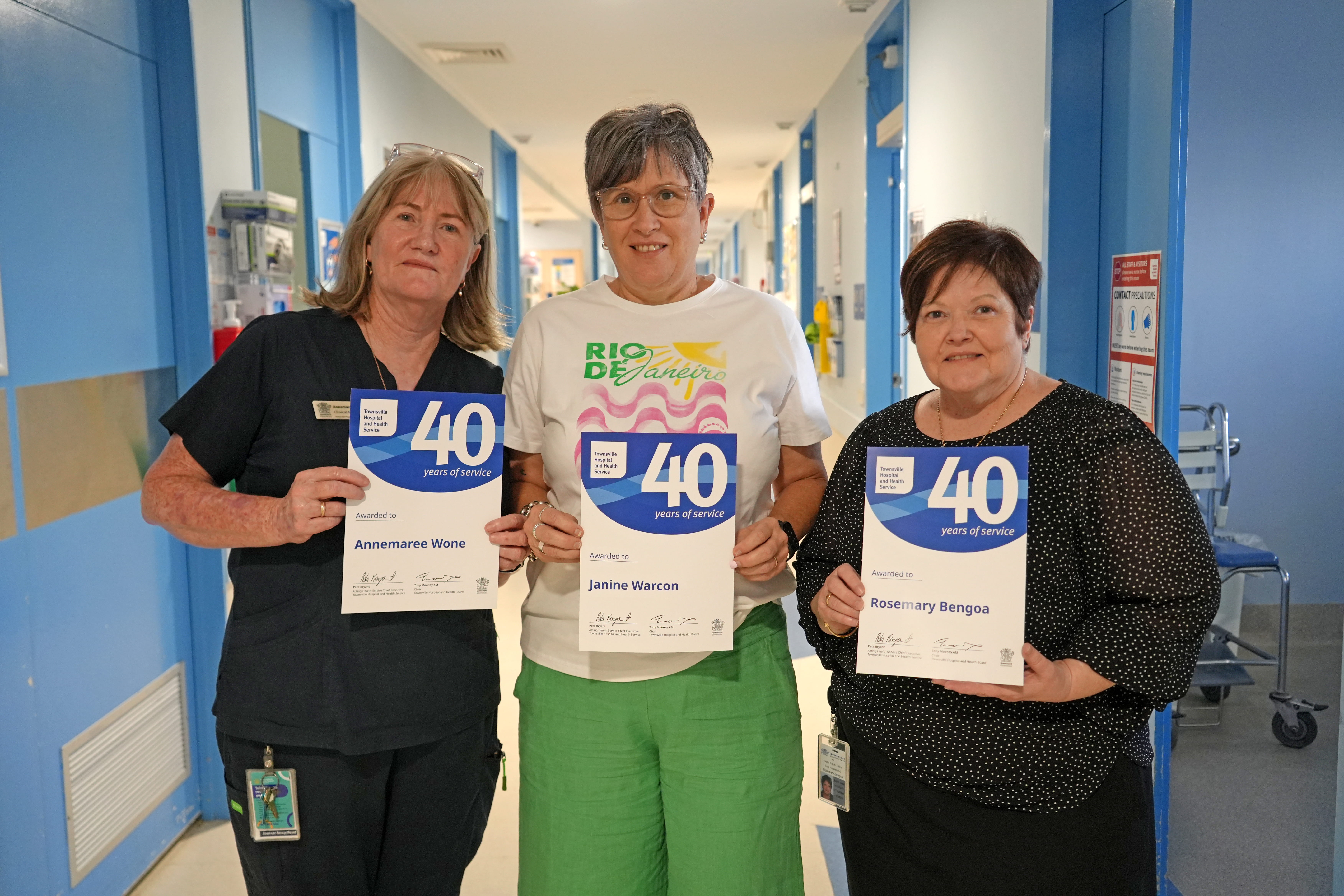
Three Burdekin hospital workers have clocked up 120 years of combined service to the Ayr and Home Hill communities. Rosemary Bengoa, Janine Warcon and Annemaree Wone have each reached 40 years of service, with the milestone recognised at local staff thank-you events. Rosemary began at Ayr Hospital in 1985 in the front office before moving into medical records, accounts payable, assets and finance. Janine started in the Home Hill Hospital kitchen and has since worked across kitchen, cleaning and laundry roles at both Ayr and Home Hill. She later became an orderly before moving into her current role as an assistant in nursing at Home Hill. Annemaree began her career at The Prince Charles Hospital in Brisbane, working as an enrolled nurse for four years before completing her registered nurse training in Townsville. She returned to the Burdekin after the birth of her first child and now works across the dialysis unit and emergency department at Ayr. The three staff members said their connection to the community, colleagues and variety of work had kept them in the health system for four decades. “Your work colleagues and the friendships you make along the way keep you in the role,” Rosemary said. For Janine, working in her own community and caring for patients has been a key part of her career. “We’ve had some funny moments; just the other night one patient was disco dancing in the hallway with me,” she said. Annemaree said working across different areas had kept her career varied. “I work in dialysis, sometimes in the emergency department, and sometimes on the ward, and because I have always worked across multiple areas, I’ve never felt stuck in one place,” she said. The breadth of responsibilities is a common feature of working in rural hospitals, Ms Wone said. “You need to know lots of different things when you work in a rural or remote hospital setting, so we are very busy,” she said. “But even with how much we have all achieved, I can’t believe it’s been 40 years; it feels like it happened overnight.” CAPTION: Rosemary Bengoa, Janine Warcon and Annemaree Wone have each reached 40 years of service, with the milestone recognised at local staff thank-you events. Photo supplied
Read the full story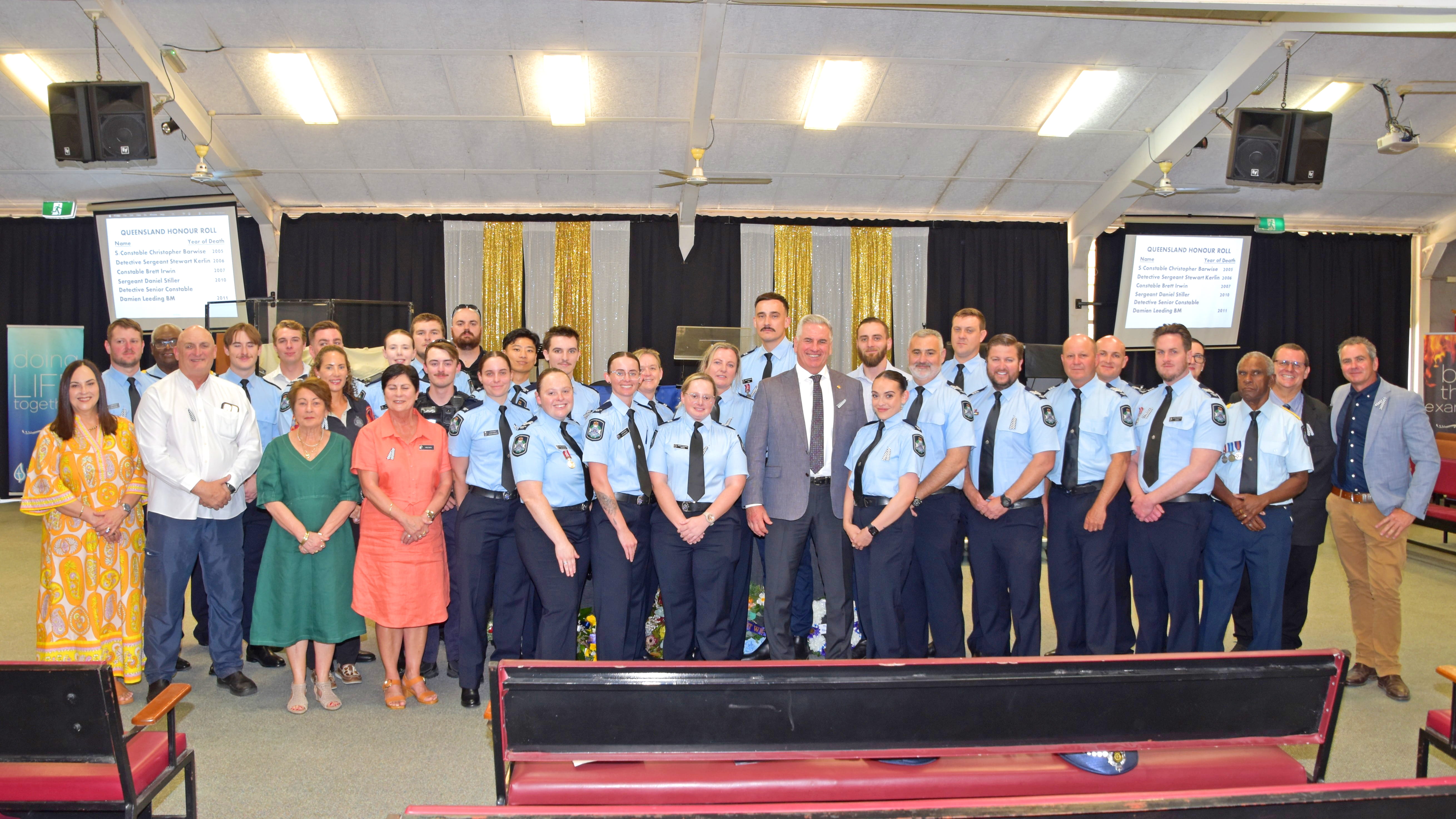
Burdekin police, dignitaries and community groups gathered Tuesday morning to honour officers killed in the line of duty. Photo: David CooperBurdekin community members, local dignitaries, and police gathered at Ayr's Burdekin Community Church on 29th September to commemorate National Police Remembrance Day. The solemn service honoured officers who made the ultimate sacrifice in the line of duty, featuring a wreath-laying ceremony and a reading of the Roll of Honour.Read more here: www.burdekinlife.com/article/burdekin-honours-fallen-officers-on-remembrance-day
Read the full story
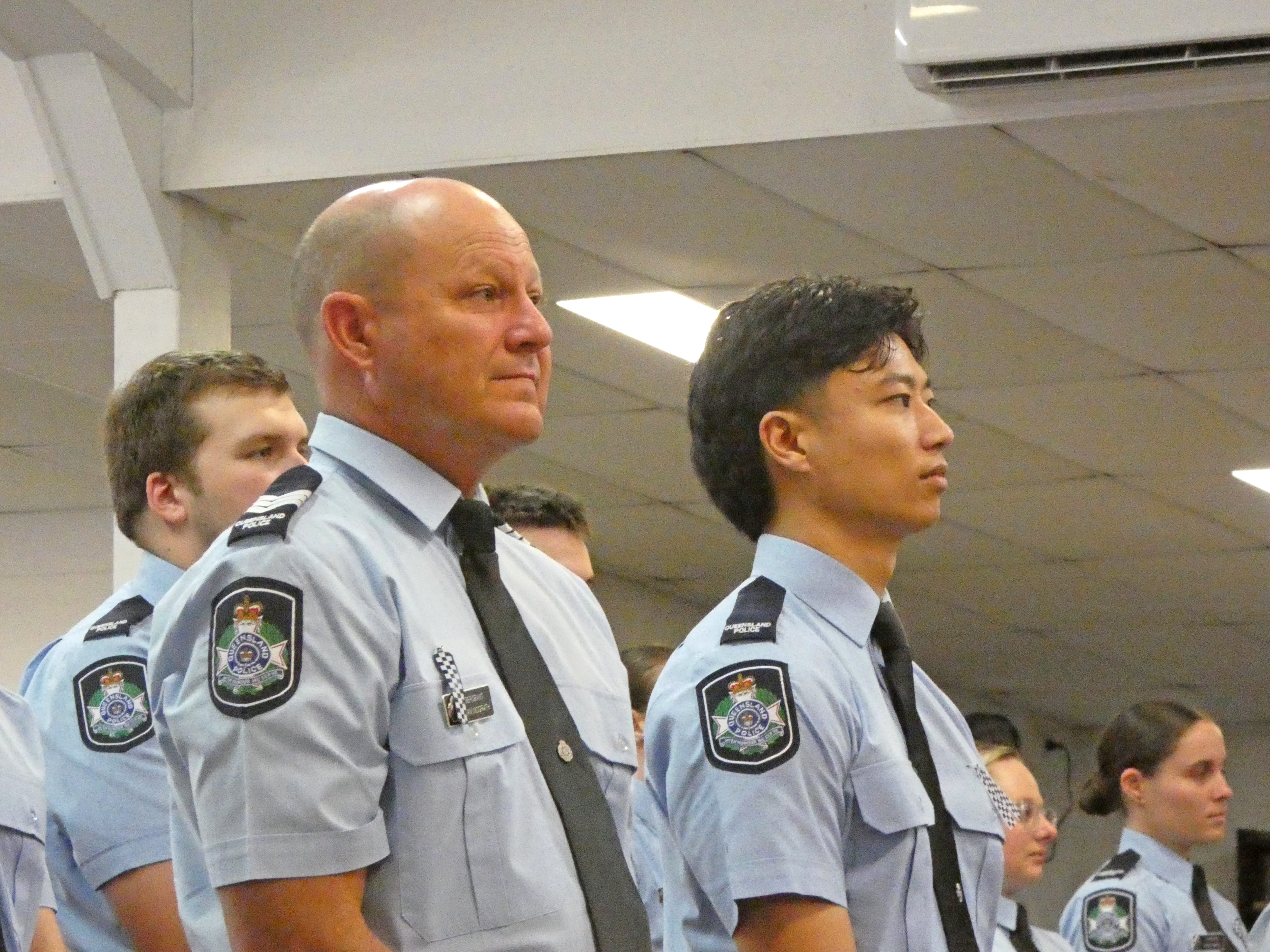
Burdekin police, dignitaries and community groups gathered on Tuesday morning to honour officers killed in the line of duty. Held at the Burdekin Community Church in Ayr, the service formed part of National Police Remembrance Day, observed each year on 29th September. Pastor Peter Holmes, who led the service, said it was a chance to pay tribute to the bravery and service of the fallen. “Someone has to protect those who cannot protect themselves. Someone has to step into the disorder and work to restore order—and that is one of the responsibilities entrusted to our police,” he said. “Today, we honour those who stood. Some stood in circumstances that ultimately cost them their lives, and this day each year ensures that their courage will never be forgotten.” A Police Commissioner’s Address was delivered by Acting Inspector Megan Benson before local officers read the Roll of Honour, commemorating police officers killed in the line of duty. Officers then lit memorial candles, before community groups joined police and dignitaries in laying wreaths. Among dignitaries were Burdekin Shire Council Mayor Pierina Dalle Cort and Member for Burdekin Dale Last, who called it a “privilege” to join local police in their commemorations. “As a former police officer, National Police Remembrance Day is an incredibly important opportunity to remember those officers who lost their lives while serving their community and to show our support to those who continue to keep our communities safe today,” Mr Last said. “Small regional towns like the Burdekin mean our police officers become involved in a variety of facets in our community and it is part of what makes these roles in our small communities so unique.” “It also means that chances to stand with our men and women in blue should not be overlooked.” A morning tea was held in the church hall following the service. CAPTIONS: 1—Burdekin police, dignitaries and community groups gathered Tuesday morning to honour officers killed in the line of duty. 2—Pastor Peter Holmes, who led the service, said it was a chance to pay tribute to the bravery and service of the fallen. 3—Held at the Burdekin Community Church in Ayr, the service formed part of National Police Remembrance Day, observed each year on 29th September. 4—Mayor Pierina Dalle Cort and Deputy Mayor Max Musumeci laid a wreath on behalf of Burdekin Shire Council 5—Among dignitaries was Member for Burdekin Dale Last 6—Local officers read the Roll of Honour, commemorating police officers killed in the line of duty 7—Liaison Officers light memorial candles 8—Senior Sergeant Lisa Shields addresses the audience 9—Community groups joined police and dignitaries in laying wreaths Photos: Jacob Casha
Read the full story

Coalition representatives are urging the Australian Government to strengthen protections for cane growers as the nation’s Sugar Code of Conduct undergoes a major review.
The review comes as the existing code, introduced by the former Coalition Government, approaches its 10-year sunset period and faces a decision on whether it will be renewed or remade.
Shadow Minister for Northern Australia Susan McDonald said the code had played a critical role in protecting growers during negotiations with large milling companies.
“The Sugar Code of Conduct was introduced for a reason, and it has proven effective,” she said.
“Cane growers often have limited leverage when negotiating with large mills, and the code provides important protections to ensure negotiations are fair and disputes can be resolved. We do not want to see growers lose the safeguards that have helped deliver certainty and stability across the industry.”
Senator McDonald said the review also presented an opportunity to consider how the code could apply to emerging sugar cane products including ethanol and biofuels.
“As the industry evolves into ethanol, biofuels and other value-added products, it makes sense to consult growers and industry about whether sensible adaptations are required,” she said.
“But any future changes must preserve the strong protections already provided under the code.”
Member for Dawson Andrew Willcox said the review needed to recognise the mounting pressures already facing cane farmers.
“This review must recognise that our cane farmers are the ones taking all the risk with mother nature, while dealing with massive global price fluctuations and rising input costs,” he said.
“This Code was designed to level the playing field and ensure that negotiations are handled in good faith. We have already seen Labor leave regional Australians out in the cold in this week’s Budget, and we cannot afford for them to do the same with the Sugar Code.”
Mr Willcox said growers needed to benefit from the industry’s transition into bio-manufacturing and renewable energy sectors.
“As our industry evolves into biofuels, ethanol, and other value-added products, the Code must evolve with it,” he said.
“We need to ensure that our cane farmers are rewarded for the innovation they bring to the sector, not just the raw product they deliver to the mill gate.”
Deputy Leader of the Nationals and Shadow Agriculture Minister Darren Chester said consultation with growers would be crucial throughout the process.
“The Coalition introduced the Sugar Code to give growers practical protections and a fairer playing field, and this review must strengthen those safeguards, not water them down,” he said.
Queensland Natural Resources and Mines Minister and Burdekin MP Dale Last said the Burdekin had previously experienced the uncertainty caused when negotiations between growers and mills stalled.
“A decade ago, the Burdekin witnessed first-hand what can happen when that safety net does not exist and those crucial negotiations are left at a stalemate,” Mr Last said.
Industry consultation and regional shed meetings are expected to form part of the review process in coming months, with growers and communities encouraged to provide feedback.
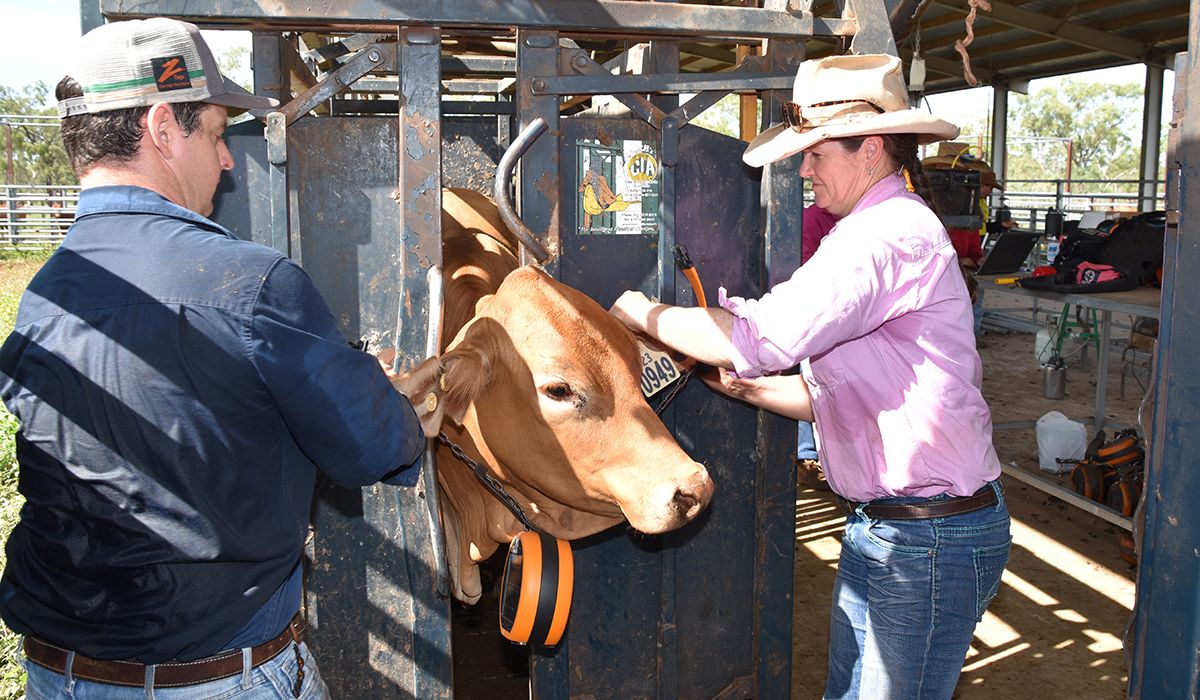
Cattle fitted with electronic neckbands as part of the NQ Dry Tropics–DPI virtual fencing trial in North Queensland. Photo source: NQ Dry Tropics
New technology is helping reshape the future of grazing management in North Queensland, with a long-term virtual fencing trial exploring how producers can manage cattle and pasture with greater precision.
NQ Dry Tropics is partnering with the Queensland Department of Primary Industries on the Long Term Virtual Fencing Trial, which is investigating how electronic neckbands can support more responsive and adaptive grazing systems.
The technology allows producers to control where and when cattle graze using virtual boundaries managed from a mobile phone, reducing the need for traditional fencing in some areas.
According to NQ Dry Tropics, the system aims to improve grazing distribution across landscapes, reduce pressure on preferred grazing areas, make better use of available pasture and support groundcover and soil health outcomes.
The trial is currently being conducted at the Spyglass Beef Research Facility, where pasture conditions are regularly monitored and grazing plans adjusted in real time to respond to seasonal conditions and pasture availability.

NQ Dry Tropics Climate Adaptation Coordinator Justin Macor said the technology represented a major step forward for producers looking to improve flexibility and long-term land management.
“This is about giving producers more flexibility and control — the ability to respond quickly to what’s happening in the paddock and being able to manage grazing pressure more effectively,” he said.
“It’s a practical step forward in improving productivity while supporting long-term landscape health.”
The trial forms part of broader efforts to explore innovative approaches to sustainable agriculture and climate adaptation across North Queensland grazing systems.
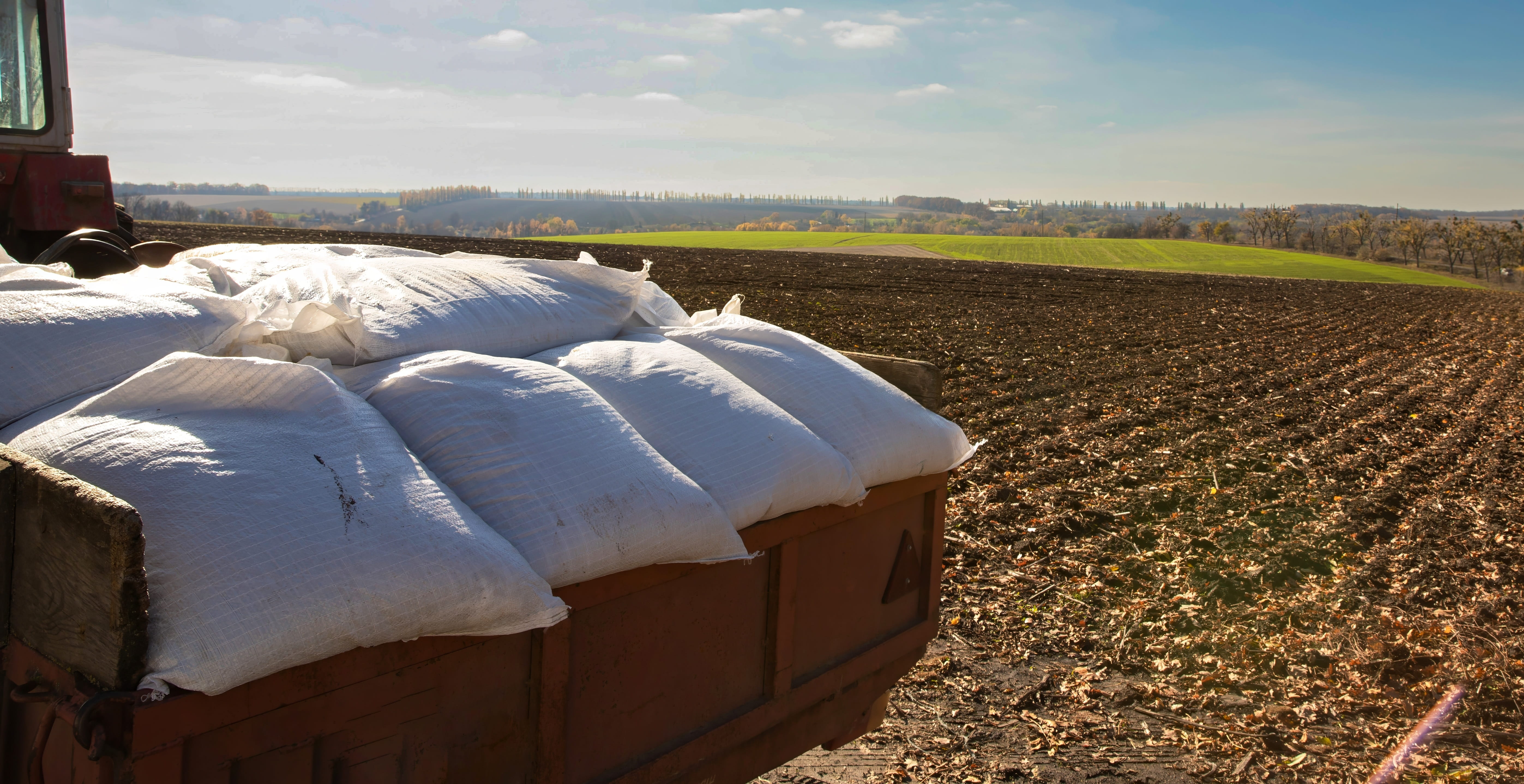
Australian farmers are set to benefit from an additional 90,000 tonnes of fertiliser secured by the Government to support food production and supply chains. Photo source: Shutterstock
The Albanese Labor Government has secured approximately 90,000 tonnes of agricultural grade urea to support Australian farmers and help maintain the nation’s food supply chain amid ongoing global uncertainty.
The additional fertiliser shipments were secured through Export Finance Australia in partnership with CSBP and Incitec Pivot and mark the first shipments obtained under the Government’s new Strategic Reserve powers.
The move forms part of broader efforts to help Australia’s agriculture sector manage the impacts of conflict in the Middle East, with more shipments expected in the coming weeks.
The new supply builds on the 250,000 tonnes of fertiliser previously secured with Indonesia through PT Pupuk in partnership with Incitec Pivot.
The Government said the extra fertiliser would provide greater certainty for farmers as they make planting and growing decisions while supporting both domestic food production and export supply chains.
Prime Minister Anthony Albanese said the Government was focused on supporting Australian farmers during a period of global disruption.
“We’re backing Australian farmers and producers during this time of global uncertainty,” Mr Albanese said.
“We know how critical fertiliser is for the sector, which is why we’re securing important additional shipments like this.”
Trade and Tourism Minister Don Farrell said the Government was providing practical support to farming communities facing supply challenges.
“This is another example of the Government providing practical and timely assistance to Australian farmers at a time of intense global supply disruptions,” Senator Farrell said.
“Our hard-working farming communities can be assured that we will leave no stone unturned to help secure the inputs needed to keep them moving and produce the best food and fibre in the world.”
Agriculture, Fisheries and Forestry Minister Julie Collins said securing fertiliser supplies was essential for food security.
“Underwriting additional shipments of fertiliser is about ensuring our farmers can continue producing the food we all love and rely on,” Minister Collins said.
“This is positive news for our farmers and means they can continue planting with confidence during this current season and know that additional supply is on the way for the future. Having access to critical inputs like fertiliser underpins the food security of Australia and the countries we export to, particularly in the Indo-Pacific region, which is why we’ve been working day and night with industry to get fertiliser to our farmers.”
The Government has also announced a $7.5 billion Fuel and Fertiliser Security Facility to support supply and storage, alongside measures to streamline fertiliser imports and strengthen food security partnerships internationally.
So far, the Albanese Government says it has secured more than 450 million litres of additional diesel and 100 million litres of additional aviation fuel under new financing arrangements.

What a spectacular week it has been to live in the Burdekin. If there is one thing our region knows how to do better than anyone else, it’s coming together to celebrate our lifestyle, our community spirit, and our local industries.
We saw that in full force over the weekend at the Home Hill Race Club for the annual Burdekin Growers Race Day.
As one of the biggest highlights on our social calendar, it never fails to impress. It’s an incredible credit to the Burdekin Race Club committee, volunteers, and local growers who pull out all the stops to make this event happen. Seeing thousands of locals and visitors dressed to the nines, enjoying the racing, and walking away with a signature box of world class, locally grown Burdekin produce is something truly unique to our shire. It’s an event that pumps huge energy and tourist dollars into our towns, and it reminds us all why we are so proud to call this place home.
This coming Saturday is also World Fish Migration Day, which NQ Dry Tropics is celebrating with an event at Hutchings Lagoon from 9am to 1pm. The Free family event will feature lucky door prizes, barramundi fingerling releases, aquatic weed control demonstrations and much more. See you all at the lagoon!

A lot can happen in a week - and sometimes even in a single day. You may have seen in the news the tragic highway accident that claimed a young life. It’s a sobering reminder of how quickly things can change.
Sadly, last week was marked by the loss of a young life on our roads. It was a difficult time for all involved. Once again, however, the Burdekin community showed its strength and compassion, rallying to support the young people affected during their time here.
I spent time with some of the group who were able to continue their journey on to Airlie Beach, and they were incredibly grateful for the kindness and assistance extended by our community. As someone who has travelled extensively, I understand how important it is for families to know their loved ones are safe. It was reassuring to see that support provided so readily here in the Burdekin.
Earlier in the week, the Council’s CEO and I travelled to Brisbane to advocate for Stage 2 of Council’s Residential Activation Fund package. These opportunities are important as we continue to push for investment that supports housing and growth in our region.
Closer to home, Plantation Creek Park was a hive of activity on Sunday. Between the local markets and Rotary’s annual Norm Perry Duck Race the area was full of energy. Rotary, as always, did a remarkable job, raising funds for worthy causes. I would also like to acknowledge that organisations like Rotary rely on volunteers, and without them, many of the events we enjoy across the Burdekin simply wouldn’t happen.
Another fantastic volunteer-led event over the past fortnight was the Burdekin Eisteddfod. It was my privilege to present awards to so many talented young performers, with plenty of proud smiles on display.
Council is also pleased to announce the completion of the Pioneer Avenue Restoration Project in Home Hill. This important project helps preserve a piece of our region’s history while ensuring this community asset is maintained for future generations. Pioneer Avenue holds a special place in the Burdekin, recognising families who helped shape our region, and this work ensures their stories continue to be honoured.
In other good news, the regional recycling competition is now underway, encouraging everyone to get involved and do their part. It has also been pleasing to see some recent easing in fuel prices - something that will be welcomed by many in our community.
While the weather has been favourable, Council crews are continuing with the resealing of roads and maintenance of footpaths across the Shire to keep our network in good condition.
Should you wish to reach out, don’t hesitate to contact me directly by phone at 0447 150 582, or feel free to send an email to mayor@burdekin.qld.gov.au.
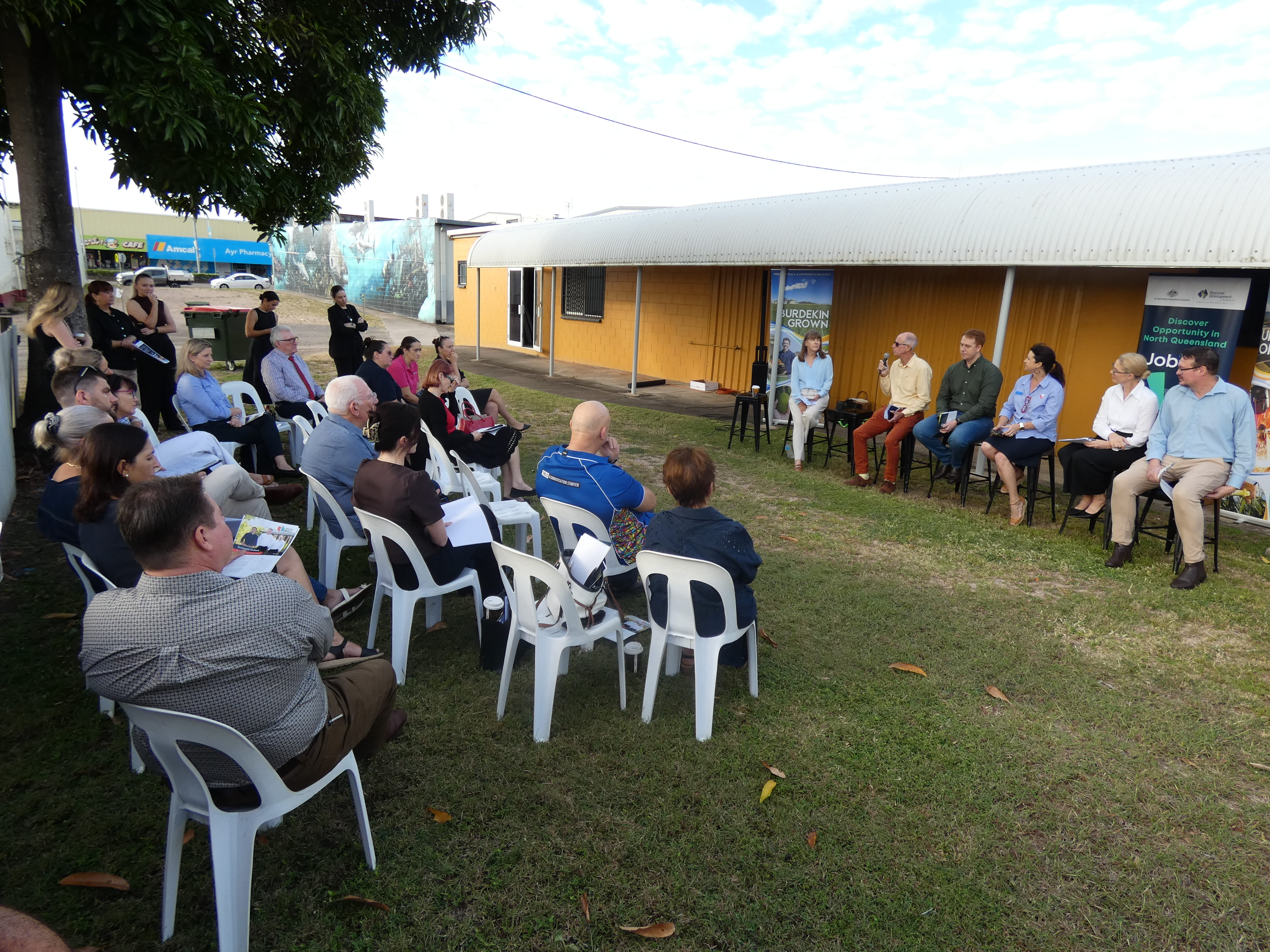
Hosted at Wild East and delivered in partnership with the Burdekin Chamber, the breakfast session brought together business owners, industry representatives and community leaders to hear forecasts on the economy, workforce pressures and future opportunities across North Queensland. Photo credit: Jacob Casha

Warnings of global economic turbulence were balanced with optimism for the Burdekin’s long-term future at last week’s State of the Region Roadshow in Ayr.
Hosted at Wild East and delivered in partnership with the Burdekin Chamber, the breakfast session brought together business owners, industry representatives and community leaders to hear forecasts on the economy, workforce pressures and future opportunities across North Queensland.
Regional Economic Advisory director Matt Kelly told attendees the global economy was entering uncertain territory after years of rapid post-COVID growth.
“Be prepared,” Mr Kelly said.
“It’s going to be a bumpy ride over the next six to 12 months.”
Mr Kelly said rising fuel costs, inflationary pressures and global instability were placing strain on households and businesses, while warning the world economy appeared to be nearing “the end of the cycle”.
“Every major global oil shock going back past the 70s has ended in a recession,” he said.
Despite the warning signs, Mr Kelly said the Burdekin remained well-positioned due to its affordability, employment opportunities and strong agricultural base.
He said regional areas like the Burdekin were increasingly attractive compared to capital cities facing soaring housing costs.
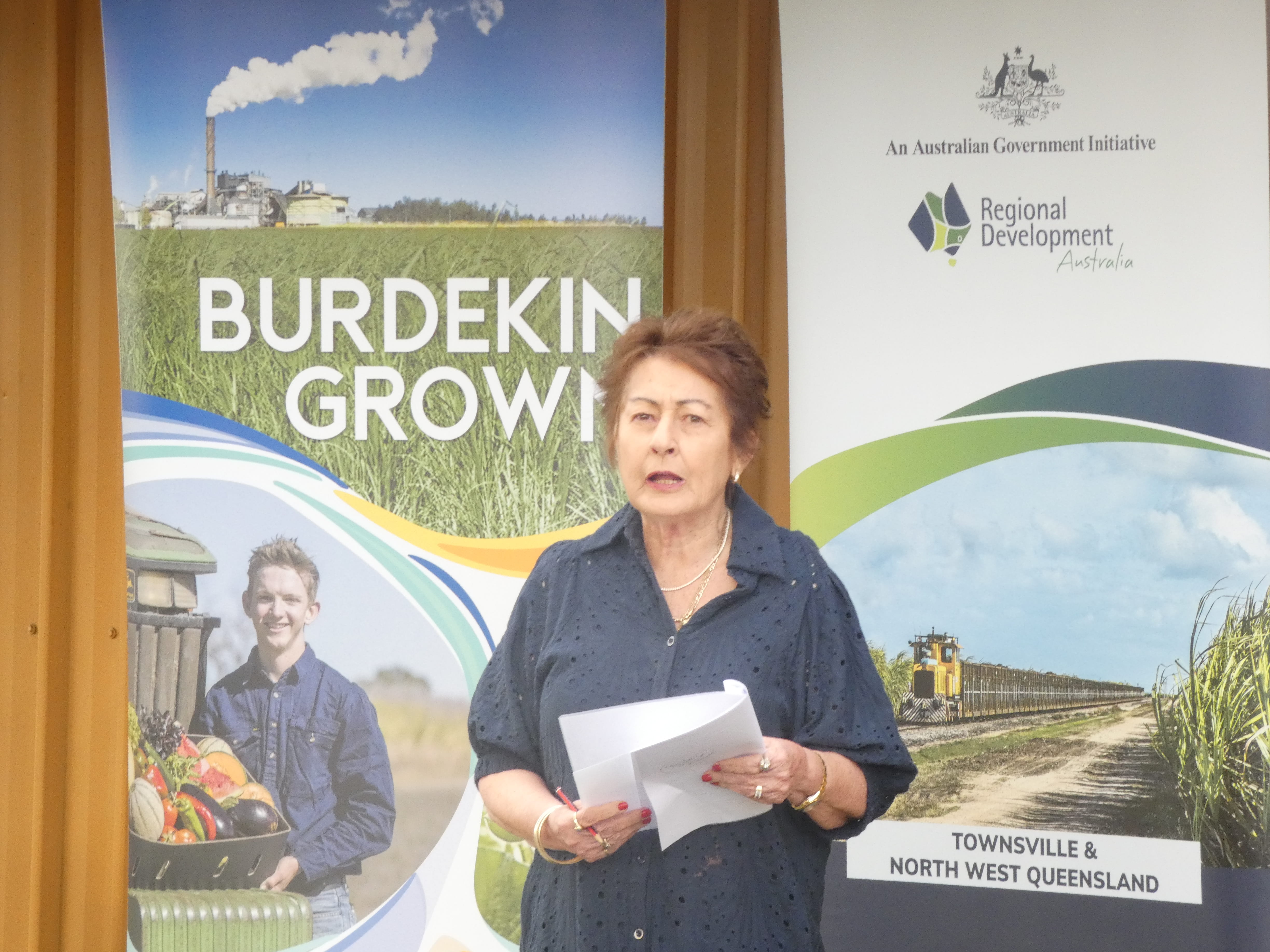
Jobs North Queensland’s Emma Dobbins said workforce shortages and population trends would dictate the region’s future over the next decade.
She said the Burdekin and broader North Queensland would need stronger skills attraction and migration pathways to meet demand, particularly in construction and infrastructure sectors.
“We have more people in the next 10 years that are going to retire than we do coming into the workforce,” Ms Dobbins said.
“We need adequate skills attraction that are relevant to the jobs that we need, because we do have significant shortages in particular areas.”
Ms Dobbins said projected overseas migration would continue driving regional population growth, while youth unemployment and workforce retention remained key concerns.
Panel updates were also delivered by representatives from NBN Co., Telstra, the Northern Australia Infrastructure Facility and the Department of State Development, Infrastructure and Planning, focusing on infrastructure and investment opportunities across the region.
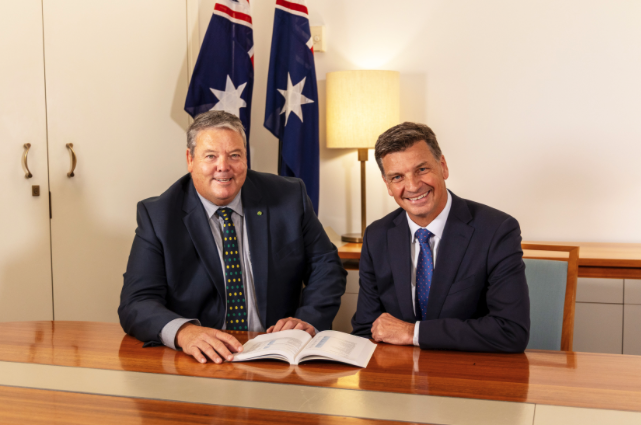
Federal Member for Dawson Andrew Willcox MP and Coalition Leader Angus Taylor in Canberra prior to the delivery of the Coalition’s 2026 Budget in Reply. Photo supplied
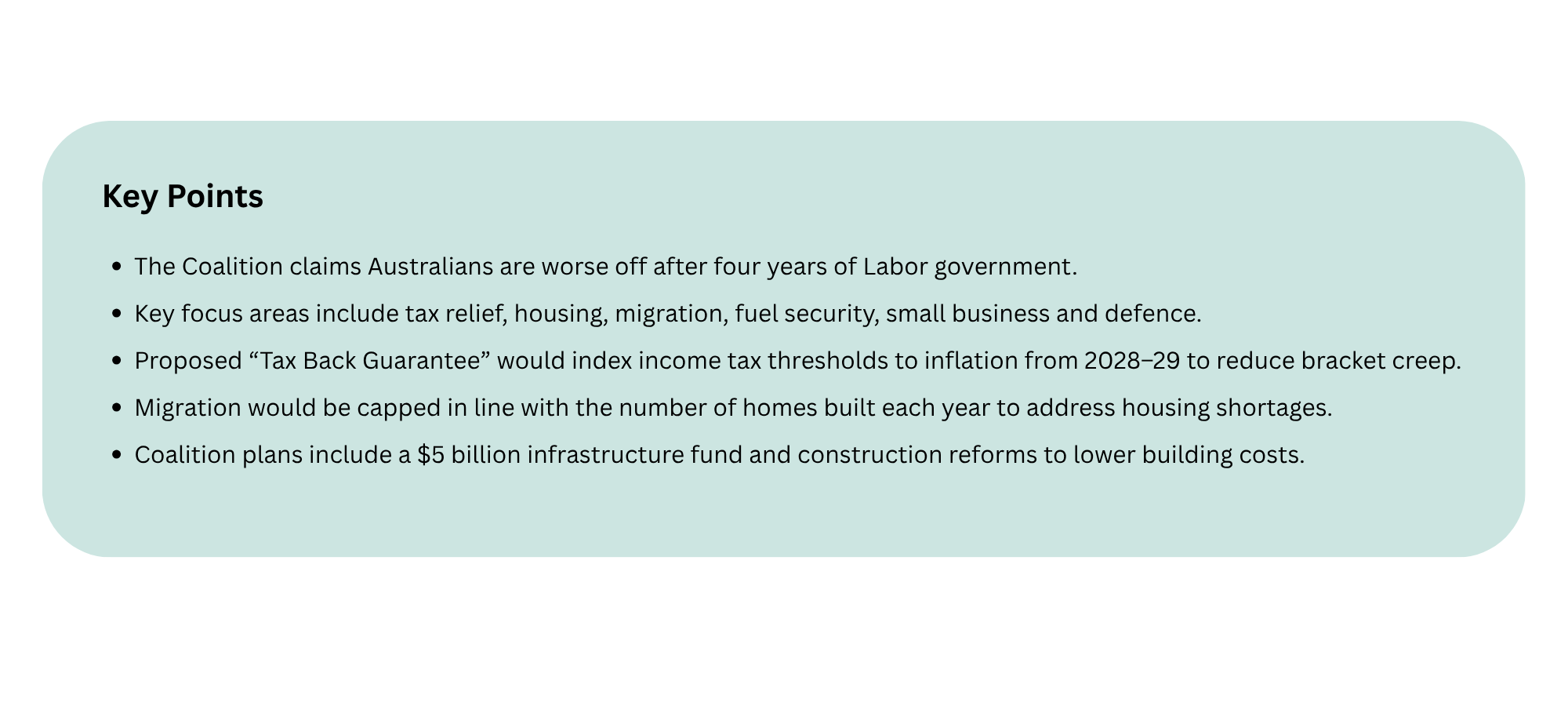
Federal Member for Dawson Andrew Willcox says a new Coalition plan aims to restore living standards, ease cost-of-living pressures and “protect the Australian way of life” through a suite of economic and social reforms targeting tax, housing, migration, fuel and defence.
The announcement comes amid ongoing political debate over inflation, housing supply and government spending, with the Coalition arguing Australians are worse off after four years of Labor in office.
Mr Willcox said the Coalition was offering a “comprehensive plan to restore living standards, reward hard work, and protect the Australian way of life”, arguing the current economic direction had undermined household prosperity.
“Labor’s Budget is a collection of broken promises that effectively sells out regional Australia: and by doing so, it sells out the future for every Australian,” Mr Willcox said.
“In a country as lucky as ours, we should be able to guarantee the next generation a life that is wealthier and healthier than our own.
“That is the social contract Australians have lived by for generations, yet this Budget breaches that trust.
“Our extraordinary economic success has always been built on our natural resources. The wealth generated in regional Australia is the springboard that will provide a better future for everyone.”
The Coalition’s plan is built around seven key measures: a “Tax Back Guarantee”; a migration cap linked to housing construction; restrictions on welfare access for non-citizens; a Future Generations Fund; expanded fuel security measures; a permanent small business instant asset write-off; and increased defence spending alongside a national security strategy.
Under the “Tax Back Guarantee”, income tax thresholds would be indexed to inflation from 2028–29, with the Coalition saying it would prevent workers being pushed into higher tax brackets due to cost-of-living pressures. A full indexation of thresholds would follow in later years.
Housing and migration would be tied under a new pledge that caps net overseas migration to the number of homes completed each year, alongside a $5 billion infrastructure fund and changes to construction regulations aimed at reducing building costs.
Welfare and future NDIS eligibility would be limited to Australian citizens from 2028, while existing recipients would be grandfathered.
The proposed Future Generations Fund would bank resource revenue windfalls, with 80 cents in every dollar directed towards debt reduction and infrastructure, including regional investment.
Fuel policy changes include expanded fuel storage, higher minimum stockholding levels and regulatory reforms aimed at improving domestic supply and reducing price volatility.
Small business measures include a permanent instant asset write-off of up to $50,000 for businesses with turnover under $10 million, designed to encourage investment in equipment and expansion.
On national security, the Coalition is proposing a whole-of-government strategy alongside a target to lift defence spending to 3 per cent of GDP.
Mr Willcox said the overall plan was designed to restore opportunity and reduce cost pressures.
“It is about letting Australians keep more of what they earn, backing our small businesses, and securing our fuel supplies,” Mr Willcox said.
“Labor’s Budget was one of broken promises, higher taxes, more debt, fewer homes and lower living standards.
“Government does not grow the economy, private enterprise does. The job of government is to get the big things right, get off people’s backs and back Australians to build, invest, work and succeed.
“Our plan is about lower costs, stronger borders, and a fair go for Australians who work hard and want to get ahead.
“We will restore Australians’ standard of living and protect our way of life.”
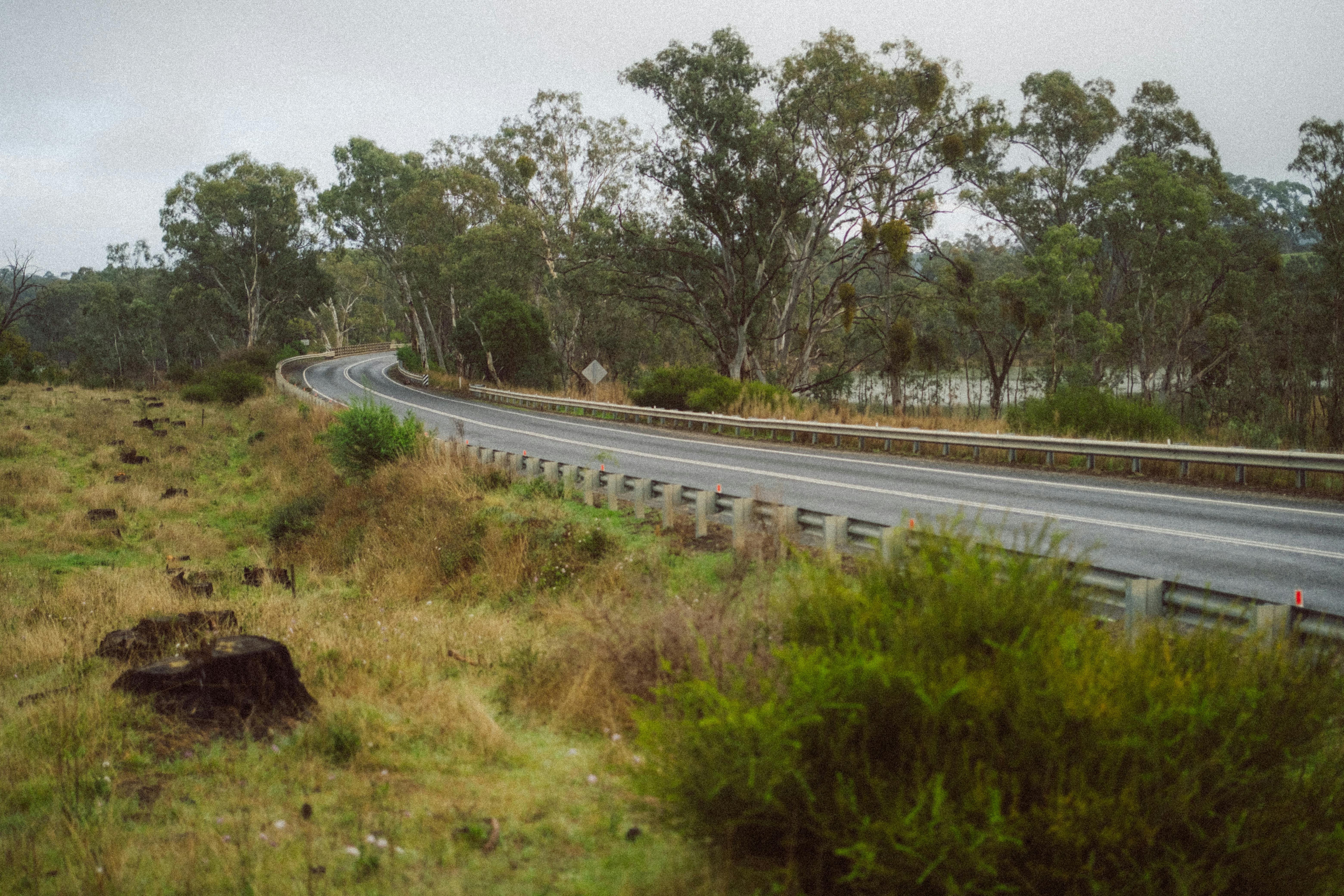
The federal budget has sent a clear message to regional Queensland and the Burdekin’s major industries that they were simply the nation’s cash cow, according to Member for Burdekin Dale Last.
Mr Last said the Burdekin’s farmers, motorists, resource workers, families and small businesses had every right to feel disappointed with the 2026/2027 Federal Budget.
“The Burdekin’s major industries have been economic powerhouses, not only for our state but our nation and the hardworking men and women in those sectors have every right to feel like they have been treated like cash cows,” Mr Last said.
“Looking across the state, there is no new infrastructure funding and an attempt by the federal government to turn their backs on a funding agreement to provide the crucial safety upgrades we need for the Bruce Highway.”
“The Crisafulli Government fought hard to reinstate the 80-20 funding deal with the federal government for the nationally recognised highway after it fell by the wayside under the former Labor state government.”
“The Bruce Highway is an artery to the beating heart of industries that drive our nation’s economy and in the North we have called for a co-ordinated approach to back the investment that artery needs, yet the federal budget fell short of this.”
Mr Last said the hit for regional communities didn’t stop at the highway with $21.4 million cut from regional communications and a key federal program supporting feral pest eradication projects stripped of funding from 2027/2028.
“Our major industries deserve to have federal government support reflecting the contribution they give to our nation’s economy, be it funding to manage biosecurity risks, having reliable communications or safer roads to connect our paddocks to export markets.
“At a time of uncertainty rather than showing leadership, the federal government has placed more pressure on our essential services, our housing and current infrastructure, leaving Queensland to do more with less.”
Contributed with thanks to Member for Burdekin, Dale Last MP’s office

Volunteers from the Burdekin SES are among the thousands of Queenslanders being recognised during the 2026 Queensland Volunteering Awards. Photo source: Burdekin SES
Thousands of volunteers across Queensland have been recognised as part of the 2026 Queensland Volunteering Awards, with the Crisafulli Government shining a spotlight on the vital role community volunteers play in regional areas like the Burdekin.
More than 49,000 volunteers were recognised through this year’s awards program, which celebrated 21 finalists, eight recipients and 275 nominations across six categories.
Queensland Minister for Volunteers Ann Leahy said volunteers remained the backbone of communities across the state.
“Volunteers are at the heart of our communities, and our government is proud to be delivering practical support and recognition for the people who selflessly give their time to help others,” Minister Leahy said.
In the Burdekin, volunteers play a critical role across sporting clubs, emergency services, youth organisations and community events, with many local groups relying heavily on community support.
“These awards are about honouring the thousands of Queenslanders who step up every day to support others, strengthen communities and deliver real impact across our state,” Minister Leahy said.
CEO of Volunteering Queensland Jane Hedger said volunteers continued to support communities despite increasing pressures.
“At a time when cost of living pressures and increasing demand for support are placing strain on Queenslanders, volunteers continue to step up and be the steady hands helping to hold our communities together,” Ms Hedger said.
The Queensland Volunteering Awards have been running since 2016 and aim to celebrate individuals and organisations making meaningful contributions to their communities.

Stock image used
A single-vehicle bus crash has sadly claimed the life of one passenger at Gumlu, north of Bowen overnight.
According to initial police investigations, at approximately 4pm on Thursday 14th May, a bus with 29 people on board was travelling south along the Bruce Highway from Cairns to Airlie Beach, when it left the roadway and rolled onto its side.
Several other passengers were injured and transported to Townsville, Ayr, and Bowen Hospitals. The bus driver, a 70-year-old Mackay man, was transported to Bowen Hospital with minor injuries.
As of Friday morning, three patients are confirmed to be in a life-threatening condition with one assessed on the scene and two airlifted to Townsville University Hospital.
Multiple people were injured and transported to Ayr Hospital before being airlifted to Townsville University Hospital by Royal Flying Doctor’s Service.
There are eight stable patients in Townsville whilst one remains in a stable condition at Ayr.
The Bruce Highway has reopened at Gumlu.
This tragic accident comes less than two years after a fatal bus crash on the same stretch of the Bruce Highway, which claimed the lives of three women in on June 3rd, 2024.
On this occasion, a Greyhound bus with 33 people on board was travelling north along the Bruce Highway, also near Gumlu, when it crossed over to the wrong side of the road and into oncoming traffic.
The bus struck a Land Cruiser station wagon travelling in the opposite direction.
A 56 year old Townsville woman and two German women aged 21 and 33 passed away as a result of the incident.
The 52-year-old bus driver from North Ward was charged with five counts of dangerous operation of a vehicle causing death or grievous bodily harm, but was subsequently found not guilty.
Anyone with relevant dash cam vision of incident last night is urged to contact police.
Investigations are continuing

The Ayr Seventh-day Adventist Church will mark a significant milestone on 16 May 2026, celebrating 100 years since the official opening and dedication of its original church building. While a small congregation of Seventh-day Adventists had been meeting in members’ homes throughout the early 1920s, the anniversary specifically commemorates the opening of the church building dedicated on Saturday, 15 May 1926.
The church’s history reflects the determination and faith of the early Burdekin Adventist community. In 1925, land was purchased on the corner of Parker and Wilmington Streets in Ayr, where the church still stands today. Soon after, members located a former blacksmith’s shop in Charters Towers that was suitable for conversion into a church. The building was dismantled, transported to Ayr by rail, and re-erected during March 1926 before its official opening two months later.
A weekend of celebrations is planned to honour the centenary. Events begin on Friday evening, 15 May, with a meet-and-greet and soup and buns in the church hall. Sabbath celebrations on Saturday will include a history presentation, worship service, and guest speaker Pastor Simon Gigliotti, President of the Northern Australian Conference. Following lunch, attendees will share memories and witness the unveiling of a commemorative plaque. Celebrations conclude on Sunday morning with a pancake breakfast at Ayr Anzac Park.
Church members say the congregation continues to play an important role in the Burdekin through worship services, Bible study groups, health and wellbeing programs, community food assistance, and disaster relief support through ADRA. All are welcome to attend the centenary celebrations.
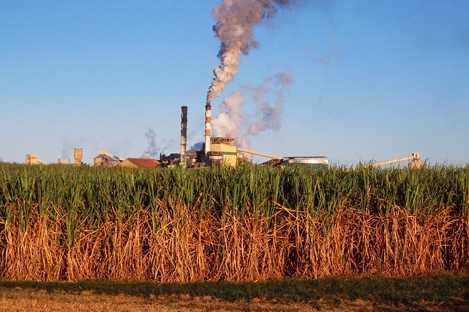
CANEGROWERS says Queensland’s growing biofuels industry could create major new opportunities for Burdekin cane growers. Photo source: CANEGROWERS
Queensland’s push to kick-start a domestic biofuels industry could unlock significant new opportunities for the Burdekin’s sugarcane sector, according to CANEGROWERS CEO Dan Galligan.
Mr Galligan welcomed the Crisafulli Government’s recent $25 million investment into biodiesel production at Ampol’s Lytton Refinery in Brisbane, describing it as an important first step towards building a stronger and more resilient economy while paving the way for future growth across regional industries.
“While this project may not directly involve sugarcane, it’s an important step in establishing the kind of industry that, with the right investment and policy settings, can unlock significant opportunities for cane growers,” Mr Galligan said.
Queensland’s sugar industry has long advocated for the expansion of a domestic biofuels sector, with the potential to significantly increase ethanol production, generate more green electricity through sugar mills and eventually produce advanced biofuels such as sustainable aviation fuel.
With the Burdekin recognised as one of Australia’s largest sugar-producing regions, Mr Galligan said local growers could play a major role in helping power Queensland’s renewable fuel future.
“This is about more than cleaner energy – it’s about building a stronger, more resilient economy, creating new markets for growers, adding value to every tonne of cane, and backing regional jobs and investment,” he said.
“It’s also about fuel security. Recent global disruptions have shown how exposed Australia is to supply shocks, and building a domestic biofuels industry helps reduce that reliance.”
Mr Galligan said ensuring sugarcane remained central to future biofuel production would be critical to delivering the industry at scale and strengthening long-term opportunities for regional Queensland communities.
The announcement comes amid growing national discussions around fuel security, regional manufacturing and reducing Australia’s reliance on imported fuel supplies.
In recent weeks, the Queensland Government announced plans to strengthen the State’s fuel security through expanded local drilling, refining and storage capacity, including unlocking additional infrastructure opportunities at ports across Queensland.
Official expressions of interest have also opened under the new Accelerating Fuel Infrastructure Program, inviting industry proposals for fuel refining and storage projects on government-owned land and ports in Townsville, Mackay, Gladstone, Abbot Point, Bundaberg and Brisbane.
Member for Burdekin, Minister for Natural Resources and Mines and Minister for Manufacturing Dale Last said the focus was now on future-proofing the industry and creating long-term opportunities.
"We know what the challenges are and I’m looking at the opportunities going forward, because that's where we can make the greatest change and get the most benefit," Mr Last said.
Federal Member for Dawson Andrew Willcox said recent fuel shortages had exposed critical gaps in Australia’s fuel storage capacity, particularly for regional and agricultural communities.
“This crisis has exposed Australia’s vulnerability to global supply shocks of critical liquid fuels, including in Dawson,” Mr Willcox said.
“We must protect our economic foundations by scrapping the Safeguard Mechanism costs on refineries and lifting the minimum stockholding obligation. This is the only way to ensure that during global disruptions, our tractors keep moving and our supermarket shelves stay stocked.”
CANEGROWERS said it would continue working with government and industry partners to ensure momentum in the biofuels sector translates into practical outcomes for growers and regional communities across Queensland.
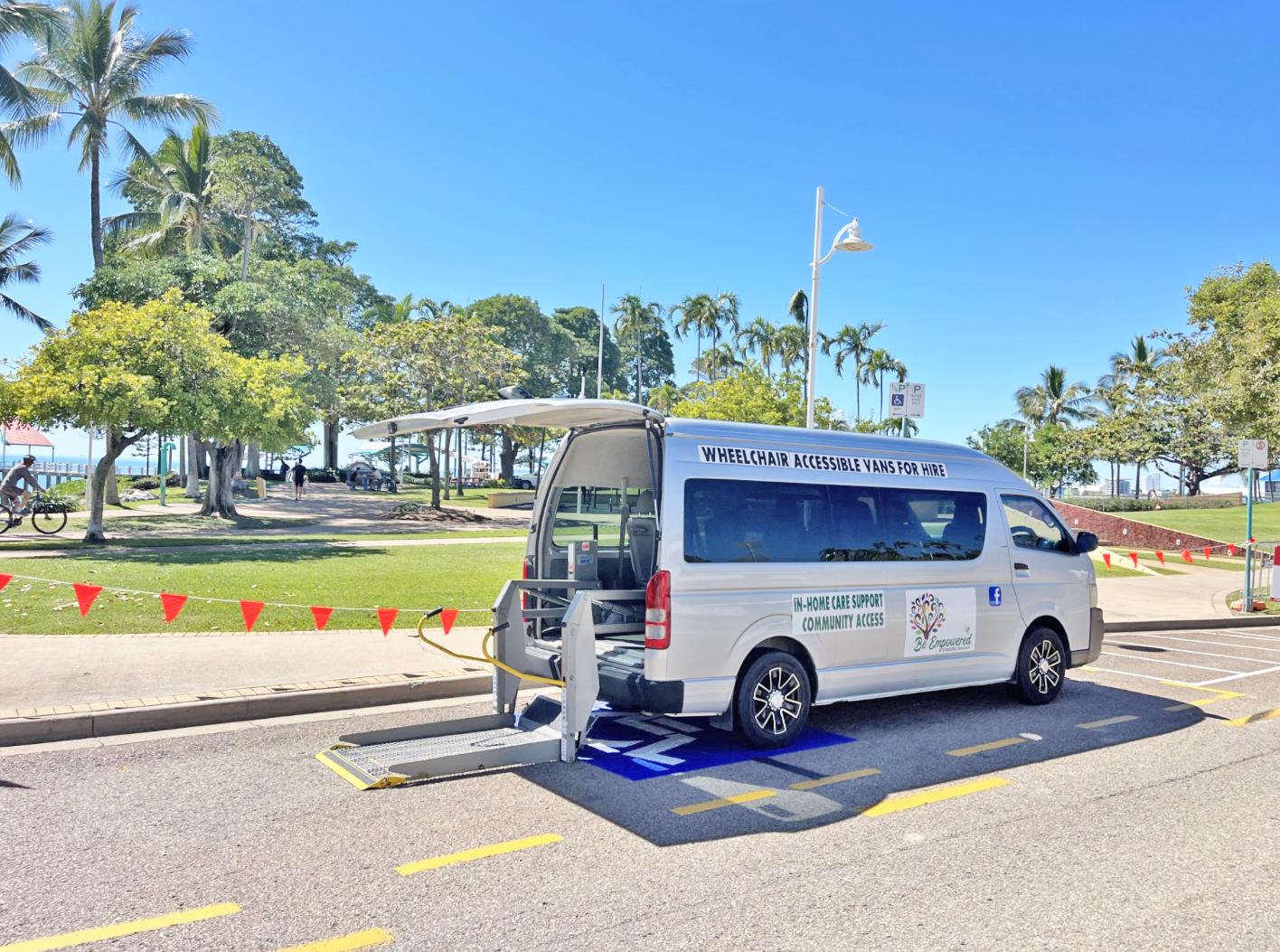
Built on the reliable Toyota Hiace Commuter platform, the van is a spacious and versatile solution tailored to your specific needs. Photo supplied
Be Empowered Disability Services believes mobility should never be a barrier to independence. Whether it’s a weekend escape, essential medical appointments, or a long-awaited family road trip, accessible transport can make the difference between staying home and staying connected.
BeEmpowered Disability Services provides a wheelchair-accessible van hire service designed to deliver comfort, flexibility, and confidence on the road.
Built on the reliable Toyota Hiace Commuter platform, the van is a spacious and versatile solution tailored to your specific needs. It features a flexible seating configuration and is equipped with a heavy-duty hoist,designed to accommodate extra-large width manual or motorised wheelchairs of up to 350 kilograms.
Despite its specialist equipment, the vehicle remains simple to operate, featuring automatic transmission and requiring only a standard car licence.
The van comes equipped with a disability parking permit, and has no kilometre limits. Rates start at just $150 per day, while those planning a longer trip are offered a “seven-day block” for $900, effectively providing one day free for longer bookings. For extended needs, BeEmpowered is happy to discuss long-term hire rates by negotiation.
Experience the comfort and reliability of Be Empowered Disability Services and get where you need to go with less hassle.
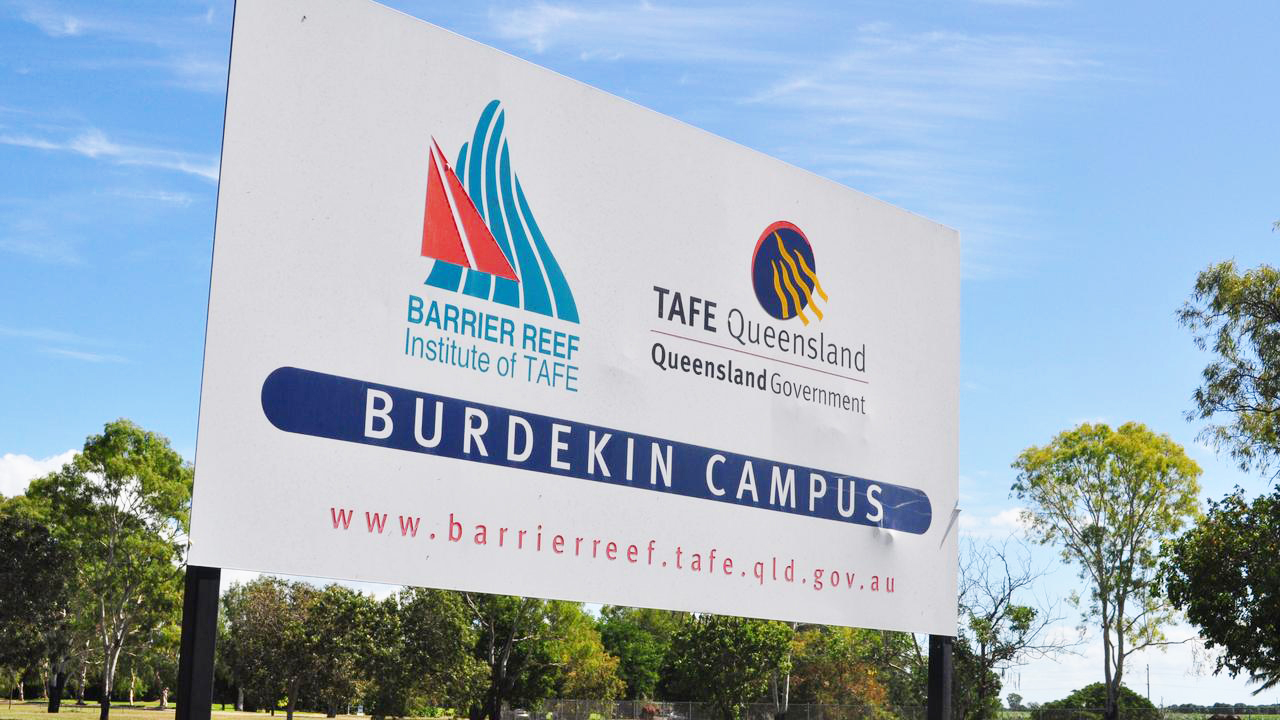
Queensland’s construction sector is seeing a rise in apprenticeship commencements as the State Government looks to address ongoing skills shortages across regional areas including the Burdekin. Photo source: Burdekin TAFE
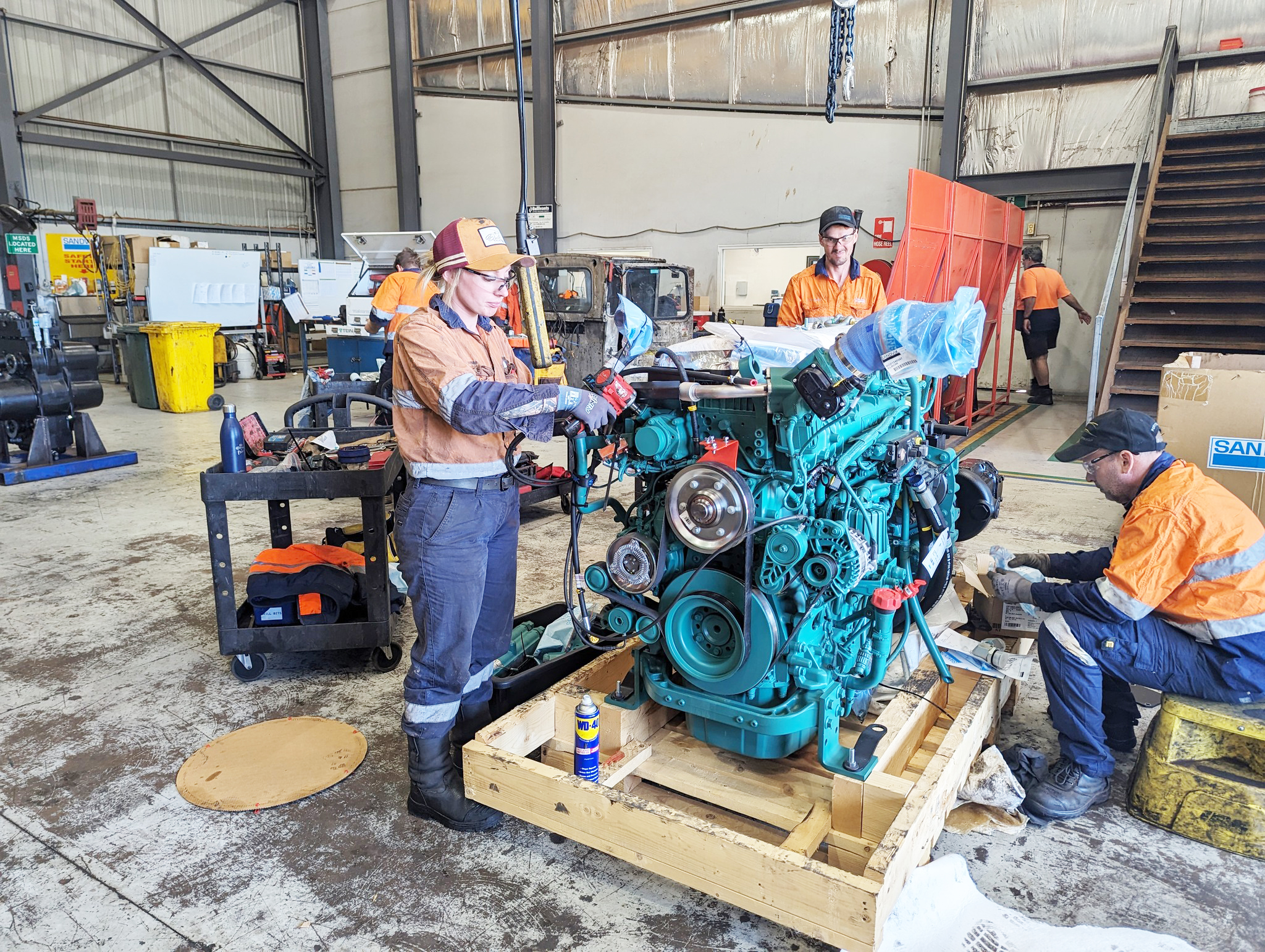
Queensland is seeing a surge in construction apprenticeships, with the State Government claiming new figures show progress in addressing long-standing workforce shortages impacting major infrastructure and housing projects across regions including the Burdekin Shire.
According to the Government, more than 10,000 new apprentices have begun training across Queensland so far this financial year, including almost 3,000 in construction trades — representing a 27.4 per cent increase in the sector.
The State has also recorded a high number of apprenticeship completions in 2025, with nearly 13,000 Queenslanders now qualified and ready to enter the workforce.
The increase comes as Queensland continues to prepare for a major pipeline of infrastructure and construction projects in the lead-up to the 2032 Olympic and Paralympic Games, alongside ongoing demand for housing and regional development.
Minister for Finance, Trade, Employment and Training Ros Bates said the figures were encouraging but acknowledged more work was still needed to address workforce shortages.
“Labor left us a skills shortage with a predicted peak the size of an empty Suncorp Stadium but there are promising signs we’re getting the workforce back on track and building a pipeline of tradies who’ll help deliver our generational infrastructure program,” Minister Bates said.
“We are delivering the initiatives and incentives to draw more young Queenslanders into trades and taking the CFMEU’s boot off the construction industry’s throat so future workers feel safe going to work.
“Whether it’s infrastructure for the 2032 Games, health projects or the thousands of homes we’re unlocking for Queenslanders, we are building the Queensland of the future and creating the pathways for anybody who wants to help us do so.”
The government said programs like the free Career Taster initiative through TAFE Queensland are also helping introduce Year 10 students to priority industries including construction and healthcare.
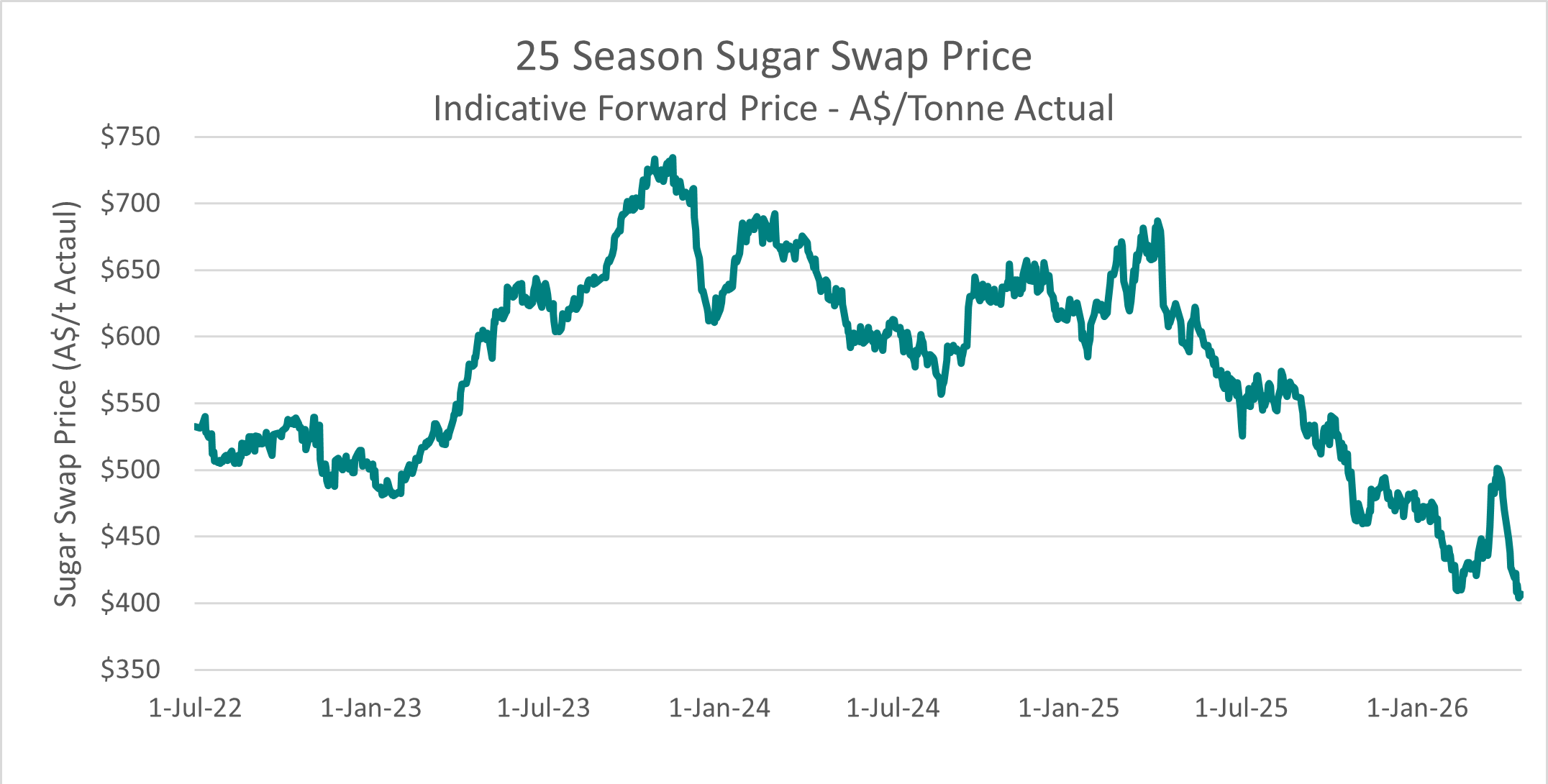
2025 season Sugar Swap prices highlight the volatility experienced by growers over the past three-and-a-half years. Image supplied
The completion of 2025 season pricing has once again shown just how important it is for growers to have a clear pricing strategy in place when markets become volatile.
Over the past few years, growers have experienced some of the biggest price swings seen in recent seasons. Those using long-term pricing strategies had opportunities to lock in prices above $600/t at different points throughout the pricing window, while prices also spent periods trading much lower. It has been a reminder that sugar markets can move quickly and unpredictably, influenced by everything from global supply and demand to oil prices, currencies, and geopolitical events.
Different pricing approaches delivered different outcomes this season. Some growers benefited from taking pricing opportunities over a longer period, while shorter-term pricing options were more exposed to weaker market conditions later in the season. Importantly, it reinforces that no single pricing mechanism will outperform every year.
One of the clearest lessons from the 2025 season is the value of diversification. Spreading pricing decisions across different timeframes and mechanisms can help reduce risk and avoid relying too heavily on trying to pick the “top” of the market. Having a disciplined approach and staying engaged with pricing opportunities over time can make a significant difference to overall returns.
The strong performance of the Managed Pool Plus this season also highlighted the benefits of having a dedicated and actively managed pricing strategy working on behalf of growers through changing market conditions.
With this in mind, nominations are now open for the 2027 Season Managed Pool Plus. The pool was designed to help growers navigate volatile markets by spreading pricing decisions across a longer timeframe and combining disciplined risk management with active market oversight. Following the positive outcomes achieved in the 2025 season, interest in the 2027 pool is expected to be strong.
Growers wanting to better understand their pricing options, risk exposure and payment choices are encouraged to speak with the team about which approach may best suit their business goals and appetite for risk.
Publishers Indemnity. Any individual or entity that places advertising, supplies copy material, or submits editorial content to Core Life Publishing agrees and undertakes to ensure that all such material:- Does not infringe upon any copyright, trademark, or other intellectual property rights;- Is free from any content that could be considered defamatory, libelous, or slanderous;- Does not infringe upon any rights related to privacy or breach of confidence;- Contains no obscene, indecent, or otherwise unlawful material;- Complies fully with the Trade Practices Act and all other applicable laws, regulations, or statutes.Furthermore, by submitting or placing such material, these individuals or entities agree to indemnify and hold harmless the publisher, Core Publishing and Events Pty Ltd, and/or its agents from and against any and all investigations, claims, demands, liabilities, damages, costs, or judgments arising out of or in connection with the material provided. All material is believed to be accurate at the time of printing and remains the copyright of Core Publishing and Events Pty Ltd.
© 2026 Life Publishing Group Pty Ltd.
