Independently Owned, Locally Grown, Community Loved

As the state heads into storm, cyclone and monsoon season, emergency authorities are reminding residents that preparing your home ahead of time is one of the most important steps you can take to protect your family and property.
Preparing early can significantly reduce damage, stress and risk during severe weather events. It also forms a key part of the Get Ready Queensland campaign, which encourages households to be disaster-ready well before warnings are issued.
A good place to start is general home maintenance. Residents are urged to check the condition of their roof, repairing loose tiles, eaves and screws, and to clean gutters and downpipes so water can drain away quickly during heavy rainfall. Trimming trees and overhanging branches can prevent damage in high winds, while securing loose outdoor items such as furniture, toys and garden equipment can stop them becoming dangerous projectiles.
Households should also take time to prepare for emergencies more broadly. This includes checking that home, contents and car insurance policies are current and provide adequate cover, including debris clean-up and disposal. Identifying the strongest room in the house - usually a small room with few or no windows - can be crucial if residents need to shelter indoors during a severe storm or cyclone. Knowing how to turn off water, electricity and gas mains is also essential.
Emergency essentials should be purchased and kept on hand, including containers for drinking water, spare fuel stored safely, wide masking tape for windows, and sandbags or hessian bags to prevent sewerage backflow through indoor drains during flooding.
For those living in flood-prone areas, additional precautions are recommended. Poisons should be stored well above ground level, and residents should plan which indoor items may need to be raised or moved if floodwaters threaten. Longer-term considerations, such as alternative flooring to carpet and raising power points and electrical sockets, can further reduce damage.
Homes in cyclone or severe storm-prone areas may benefit from window shutters or metal screens, and residents are encouraged to have a professional builder assess their home’s structural strength and recommend improvements to better withstand high winds.
When severe weather warnings are issued, preparation steps become critical. Authorities advise disconnecting electrical appliances and external aerials, securing outdoor items, filling baths and buckets with clean water, and parking vehicles under cover where possible. Families should shelter together in the strongest room with their emergency kit close by, and stay informed by tuning into local radio for updates and safety advice.
Emergency services stress that the best time to prepare your home is before disaster season begins. Taking action now can help families stay safe, reduce damage and recover more quickly when severe weather strikes.
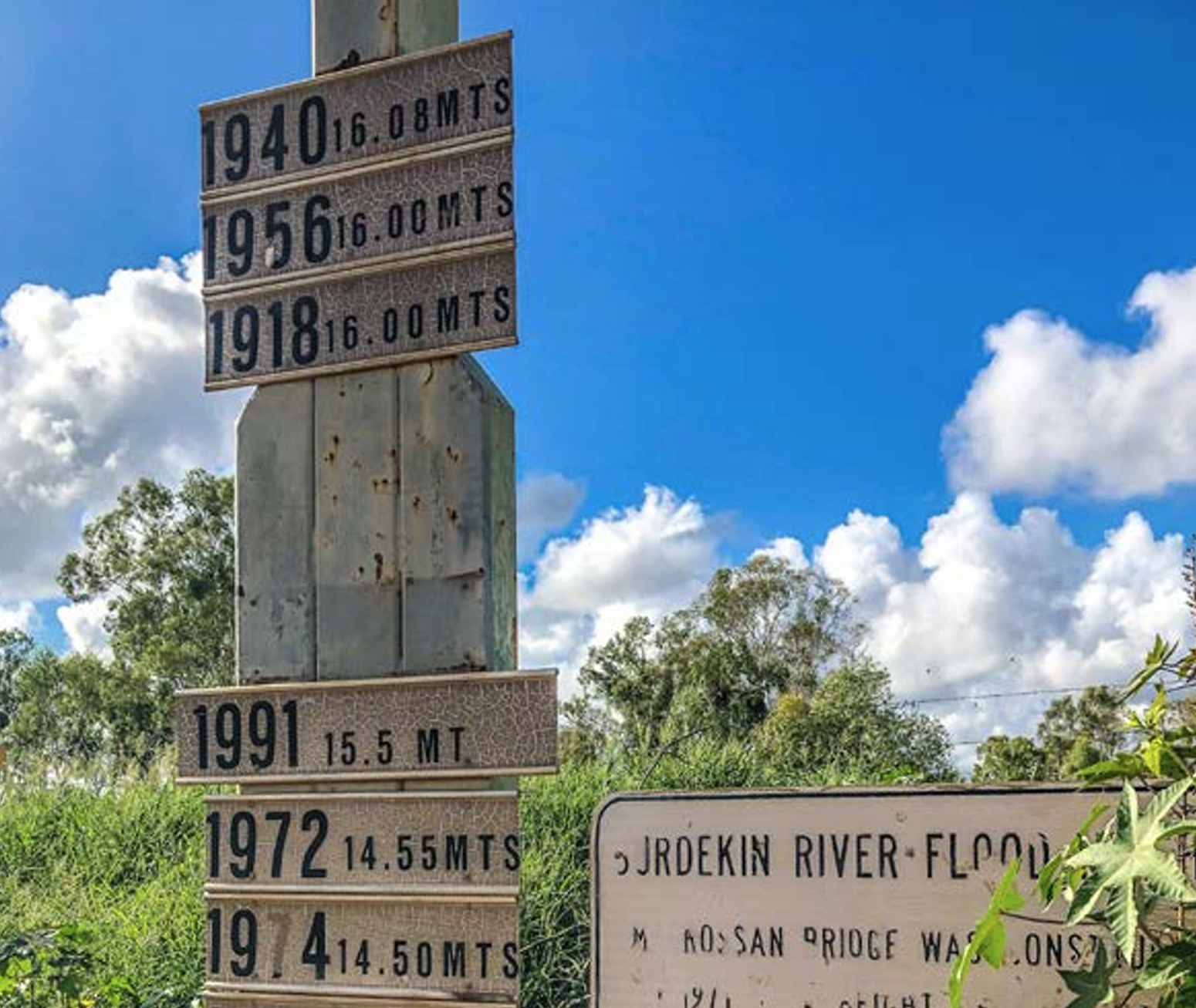
Historic flooding in the Burdekin and Haughton catchments has shaped the region's resilience over time. Photo source: QLD Government
During the wet season, there is no shortage of water flowing through the Burdekin and Haughton catchments. Photo supplied
Residents still recount 1989's Severe Tropical Cyclone Aivu to be the worst weather system to hit the region. Photo supplied
Publishers Indemnity. Any individual or entity that places advertising, supplies copy material, or submits editorial content to Core Life Publishing agrees and undertakes to ensure that all such material:- Does not infringe upon any copyright, trademark, or other intellectual property rights;- Is free from any content that could be considered defamatory, libelous, or slanderous;- Does not infringe upon any rights related to privacy or breach of confidence;- Contains no obscene, indecent, or otherwise unlawful material;- Complies fully with the Trade Practices Act and all other applicable laws, regulations, or statutes.Furthermore, by submitting or placing such material, these individuals or entities agree to indemnify and hold harmless the publisher, Core Publishing and Events Pty Ltd, and/or its agents from and against any and all investigations, claims, demands, liabilities, damages, costs, or judgments arising out of or in connection with the material provided. All material is believed to be accurate at the time of printing and remains the copyright of Core Publishing and Events Pty Ltd.
© 2026 Life Publishing Group Pty Ltd.



.jpg)