Independently Owned, Locally Grown, Community Loved


NQ Dry Tropics marked World Wetlands Day last week with the launch of a major new project aimed at improving the health and resilience of coastal wetlands across the Lower Burdekin.
The three-year, $4.4 million Climate-Ready Coastlines in the Lower Burdekin project will target key wetland systems including Wongaloo, Merryplain Creek and the Barrattas, with a strong focus on removing invasive aquatic weeds such as water hyacinth and para grass. The project is funded through the Queensland Government’s $117.84 million Natural Resource Management Expansion Program (NRMEP).
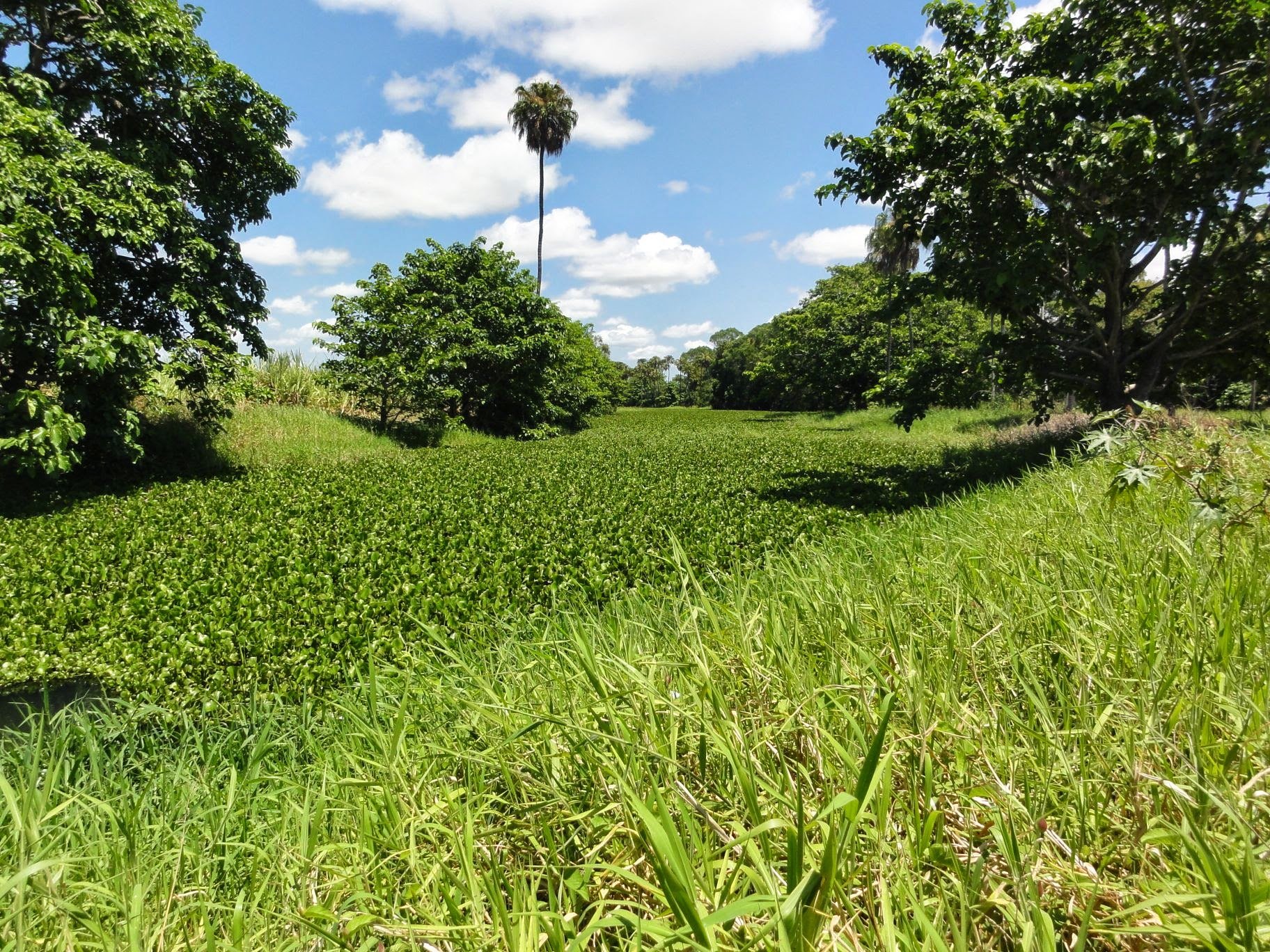
These fast-growing weeds can choke waterways, restrict water flow and increase flood risk during the wet season, placing pressure on bridges, culverts and nearby properties. Their removal will help water move more freely through creek systems, reducing risks to people, infrastructure and the environment.
Queensland’s freshwater and estuarine wetlands play a critical role in supporting native and migratory birds, providing fish nurseries, improving water quality and protecting communities from storms and erosion. They also contribute significantly to the state’s economy through agriculture, fishing, tourism and recreation.
Delivered by NQ Dry Tropics, the project will protect coastal ecosystems and communities in the Lower Burdekin and on Magnetic Island from the impacts of weeds, pests, floods and erosion. Works will improve the condition of around 60 hectares of wetlands, 58 hectares of native beach scrub vegetation, 4.8 hectares of coastal dunes and 20 kilometres of streambank vegetation. Fish connectivity will also be improved across 10 kilometres of creeks, helping juvenile species such as barramundi and mangrove jack migrate upstream to mature.
Activities including weed control and revegetation will target sites such as Lynch’s Beach, Wongaloo Wetlands, Merryplain Creek, the Barrattas Creek system and Magnetic Island, including areas adjacent to the internationally recognised Bowling Green Bay Wetlands.
NQ Dry Tropics Wetlands Team Leader Scott Fry said protecting natural assets was essential for both biodiversity and community safety.
“Protecting these beautiful, highly biodiverse waterways and coastal areas supports activities like fishing, birdwatching and boating, but the benefits go beyond that,” Mr Fry said.
Mr Fry explained creeks choked with aquatic weeds like water hyacinth or parsgrass are more likely to flood higher and for longer, furthermore increasing the risk of damage to surrounding infrastructure due to water banking up, and weeds getting caught on bridges and culverts.
“Healthy dune systems and beach scrubs provide an important buffer that can help protect coastal communities from storm surges. Proactively protecting these assets will not only benefit biodiversity but will help mitigate the need for costly disaster recovery efforts,” he added.
“NQ Dry Tropics has been working in these systems for nearly two decades with great success, but there is always more to be done. We are excited to partner with organisations including Queensland Parks and Wildlife Service, Burdekin Shire Council, Lower Burdekin Water, and Whitsunday Regional Council, to deliver this project.”
Mr Fry said launching the project to coincide with World Wetlands Day last week was an ideal opportunity to highlight the vital role wetlands play in Queensland’s way of life.
Plantation Creek before weed control work began. Photo source: NQ Dry Tropics
Plantation Creek after NQ Dry Tropics carried out weed control work. Photo source: NQ Dry Tropics
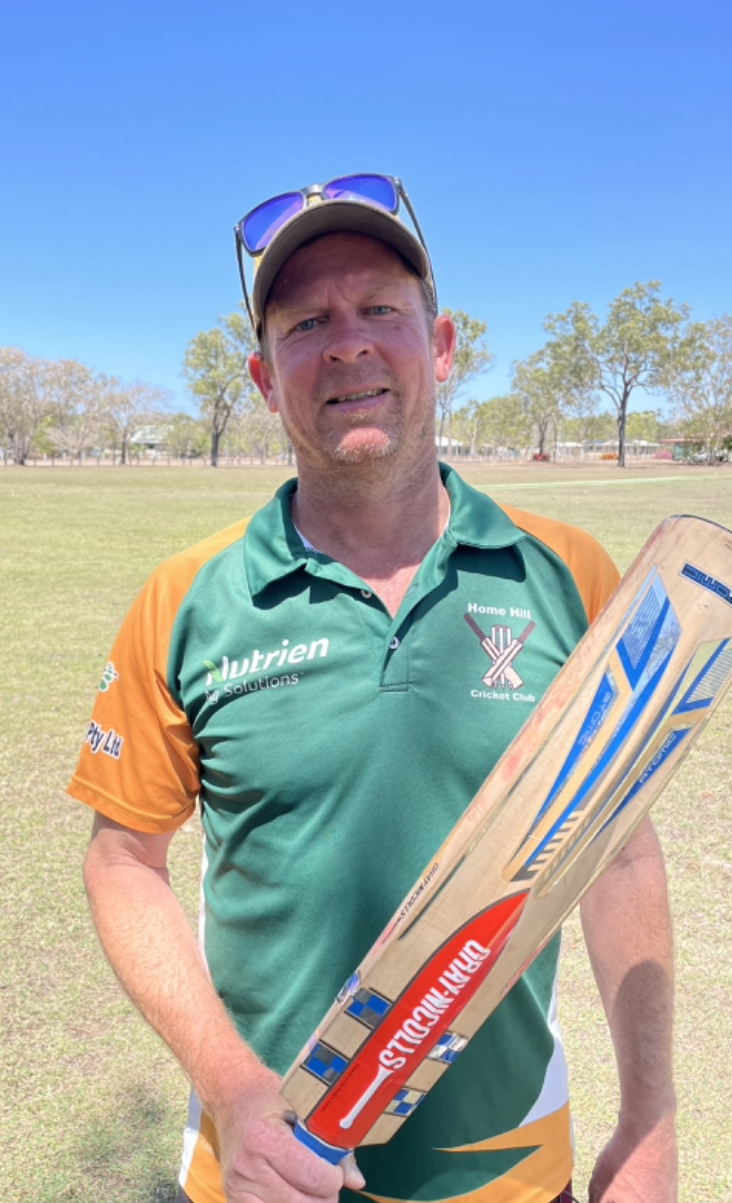
NQ Dry Tropics Wetlands Team Leader, Scott Fry, left, pictured with Burdekin Shire Council Pest Management Officer Daron Bauer. Photo source: NQ Dry Tropics
Publishers Indemnity. Any individual or entity that places advertising, supplies copy material, or submits editorial content to Core Life Publishing agrees and undertakes to ensure that all such material:- Does not infringe upon any copyright, trademark, or other intellectual property rights;- Is free from any content that could be considered defamatory, libelous, or slanderous;- Does not infringe upon any rights related to privacy or breach of confidence;- Contains no obscene, indecent, or otherwise unlawful material;- Complies fully with the Trade Practices Act and all other applicable laws, regulations, or statutes.Furthermore, by submitting or placing such material, these individuals or entities agree to indemnify and hold harmless the publisher, Core Publishing and Events Pty Ltd, and/or its agents from and against any and all investigations, claims, demands, liabilities, damages, costs, or judgments arising out of or in connection with the material provided. All material is believed to be accurate at the time of printing and remains the copyright of Core Publishing and Events Pty Ltd.
© 2026 Life Publishing Group Pty Ltd.






.jpg)