
Independently Owned, Locally Grown, Community Loved

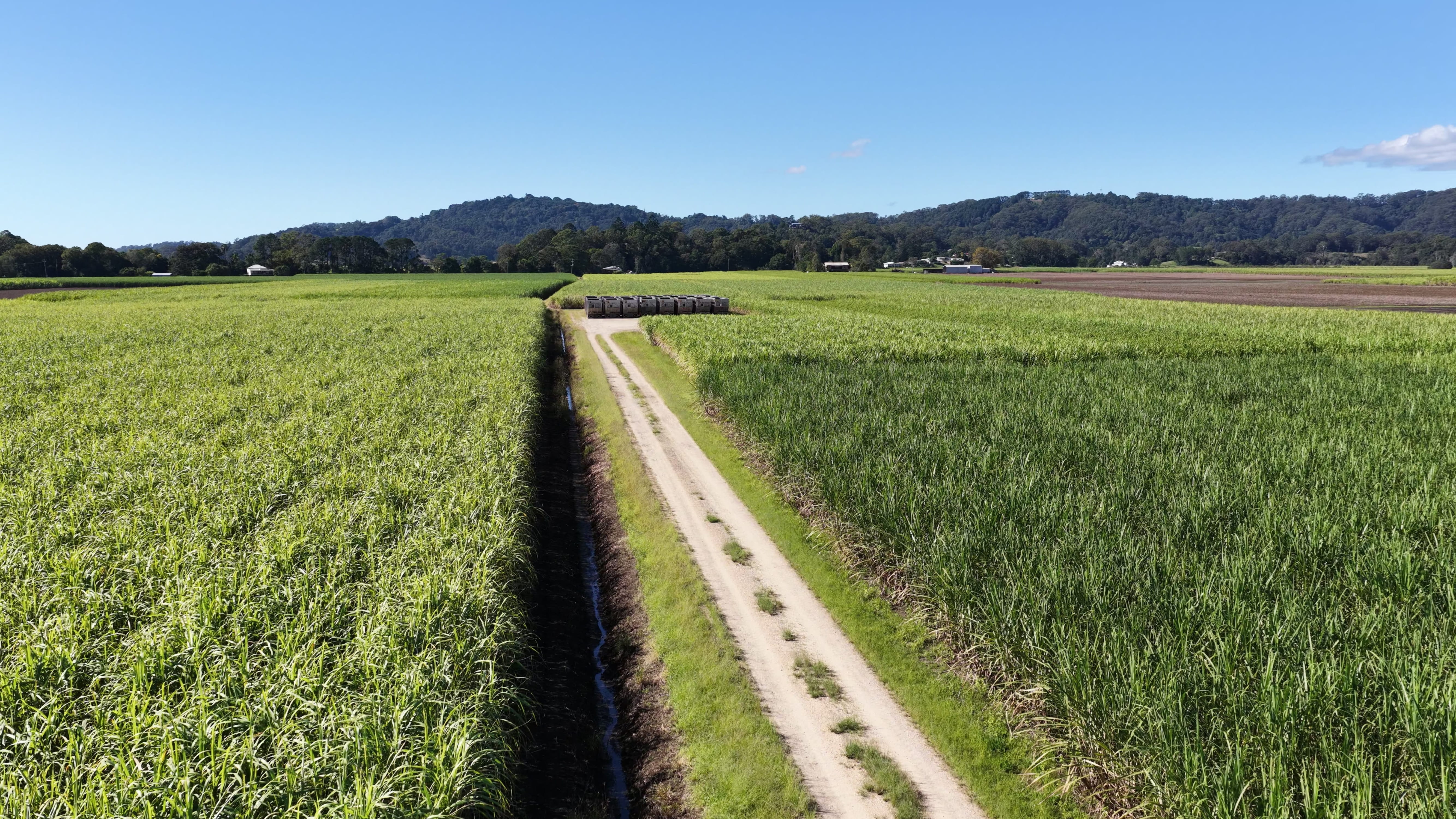
Photo source: Shutterstock
Sugar Research Australia has launched new research into Fusarium wilt after repeated reports of crop decline across other cane-growing regions; with researchers now working to establish what the disease means for districts including the Burdekin.
SRA Manager Biosecurity and Disease Screening Dr Shamsul Bhuiyan said Fusarium wilt was not currently considered a significant issue in the Burdekin, but one local field had shown symptoms consistent with the disease.
“No further investigations have confirmed the extent of the disease in the region,” Dr Bhuiyan said.
“Consequently, there is currently insufficient evidence to determine whether Fusarium wilt poses a significant risk to Burdekin growers.”
The uncertainty is one reason SRA's new research project is examining the disease across Australia's sugarcane-growing regions. Fusarium wilt is caused by fungi including Fusarium sacchari and can affect the health and longevity of sugarcane. Symptoms can include yellowing leaves, patchy or poor growth, reduced ratooning, stunted plants, root decline and unexplained areas of crop deterioration.
Dr Bhuiyan said these symptoms could easily be mistaken for other issues including soil compaction, nutrient deficiencies, soil toxicity, Pachymetra root rot or nematodes.
The research was prompted by increasing reports of poor germination, crop establishment failures, reduced ratooning, crop decline and stool mortality, particularly in Central Queensland and New South Wales. SRA investigations of affected crops had repeatedly identified Fusarium species over the past five to six years, with pathogenicity testing confirming the fungi can cause disease in sugarcane.
A major focus of the new project will be determining how widespread the disease is and identifying which Australian sugarcane varieties may be more resistant or susceptible.
“There is limited information on the susceptibility or resistance of Australian commercial sugarcane varieties to Fusarium wilt,” Dr Bhuiyan said.
There are currently no plans for field screening trials in the Burdekin, although SRA may establish local trials if future investigations indicate the disease is becoming more prevalent. For now, Dr Bhuiyan said vigilance was the most important tool for Burdekin growers.
“Early reporting will help researchers better understand the distribution and impact of the disease and ensure that any emerging issues are identified as quickly as possible.”
Growers noticing unexplained crop decline are encouraged to contact SRA for further investigation. SRA will also provide an industry update during Fusarium Wilt: Australian Industry Update, an online session on Tuesday, October 13 from 11am to 11:30am. The session is open to Australian sugarcane growers, millers and industry participants, with registration required.
Publishers Indemnity. Any individual or entity that places advertising, supplies copy material, or submits editorial content to Core Life Publishing agrees and undertakes to ensure that all such material:- Does not infringe upon any copyright, trademark, or other intellectual property rights;- Is free from any content that could be considered defamatory, libelous, or slanderous;- Does not infringe upon any rights related to privacy or breach of confidence;- Contains no obscene, indecent, or otherwise unlawful material;- Complies fully with the Trade Practices Act and all other applicable laws, regulations, or statutes.Furthermore, by submitting or placing such material, these individuals or entities agree to indemnify and hold harmless the publisher, Core Publishing and Events Pty Ltd, and/or its agents from and against any and all investigations, claims, demands, liabilities, damages, costs, or judgments arising out of or in connection with the material provided. All material is believed to be accurate at the time of printing and remains the copyright of Core Publishing and Events Pty Ltd.
© 2026 Life Publishing Group Pty Ltd.





.jpg)


.jpg)