
Independently Owned, Locally Grown, Community Loved

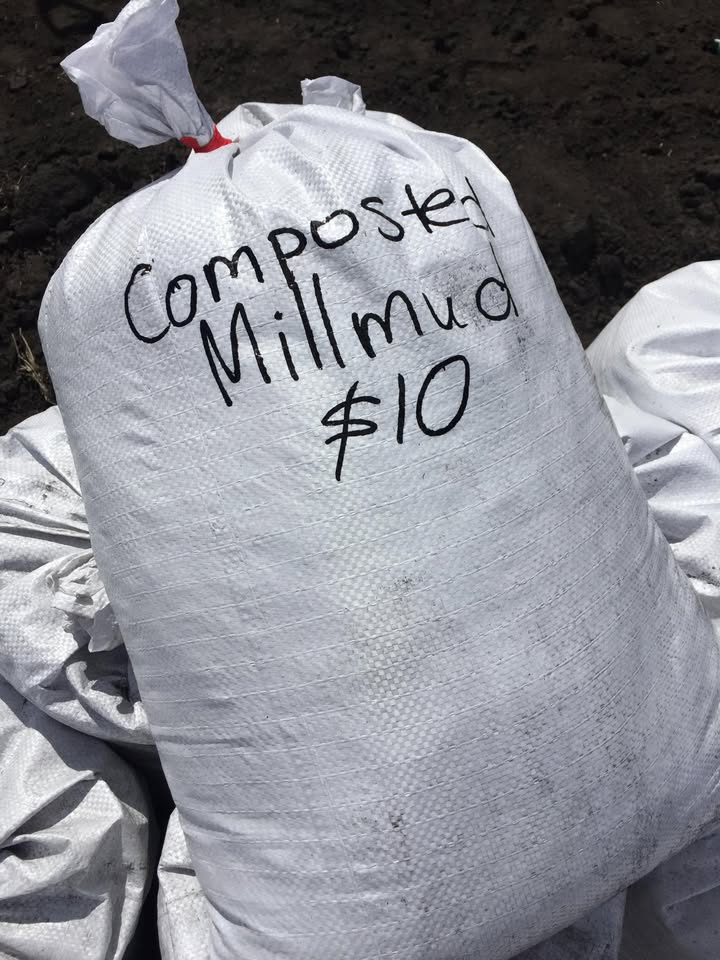
Residents of the Burdekin Shire recently took to social media to voice concerns about the lingering stench that coated the streets of Ayr last week, with all signs pointing to mill mud as the source.
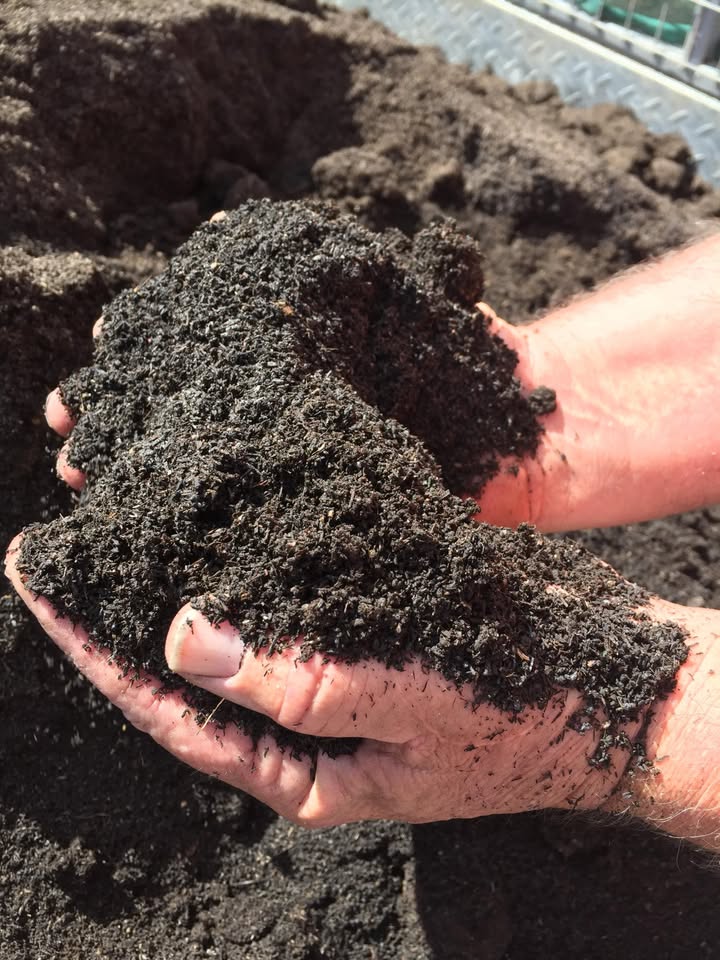
A nutrient-rich byproduct of the sugar cane milling process, mill mud consists of residues left over after sugarcane juice has been clarified and filtered. It is commonly used as a soil conditioner and organic fertiliser to improve soil structure and boost plant growth due to its high nutrient content.
Mill mud has a distinct, often pungent odour, largely because it contains high amounts of organic matter such as bagasse and fibre that begin to decompose, producing a swampy or earthy smell. While the smell can be strong, it is generally considered a normal aspect of the product’s composition.
Wilmar Sugar Australia defines mill mud as a compost or fertiliser byproduct of the sugar extraction process and notes that it is not classified as hazardous under Safe Work Australia criteria. In the past, the company has conducted trials to develop best-practice guidelines for the use of mill mud and mill ash, concluding that mill mud maximises sugarcane yields while minimising the loss of nutrients from farms.
The company also stresses that the product is widely used across the region and is an important contributor to sustainable sugarcane production, despite the occasional odour concerns raised by local residents.
Publishers Indemnity. Any individual or entity that places advertising, supplies copy material, or submits editorial content to Core Life Publishing agrees and undertakes to ensure that all such material:- Does not infringe upon any copyright, trademark, or other intellectual property rights;- Is free from any content that could be considered defamatory, libelous, or slanderous;- Does not infringe upon any rights related to privacy or breach of confidence;- Contains no obscene, indecent, or otherwise unlawful material;- Complies fully with the Trade Practices Act and all other applicable laws, regulations, or statutes.Furthermore, by submitting or placing such material, these individuals or entities agree to indemnify and hold harmless the publisher, Core Publishing and Events Pty Ltd, and/or its agents from and against any and all investigations, claims, demands, liabilities, damages, costs, or judgments arising out of or in connection with the material provided. All material is believed to be accurate at the time of printing and remains the copyright of Core Publishing and Events Pty Ltd.
© 2026 Life Publishing Group Pty Ltd.





.jpg)