Independently Owned, Locally Grown, Community Loved
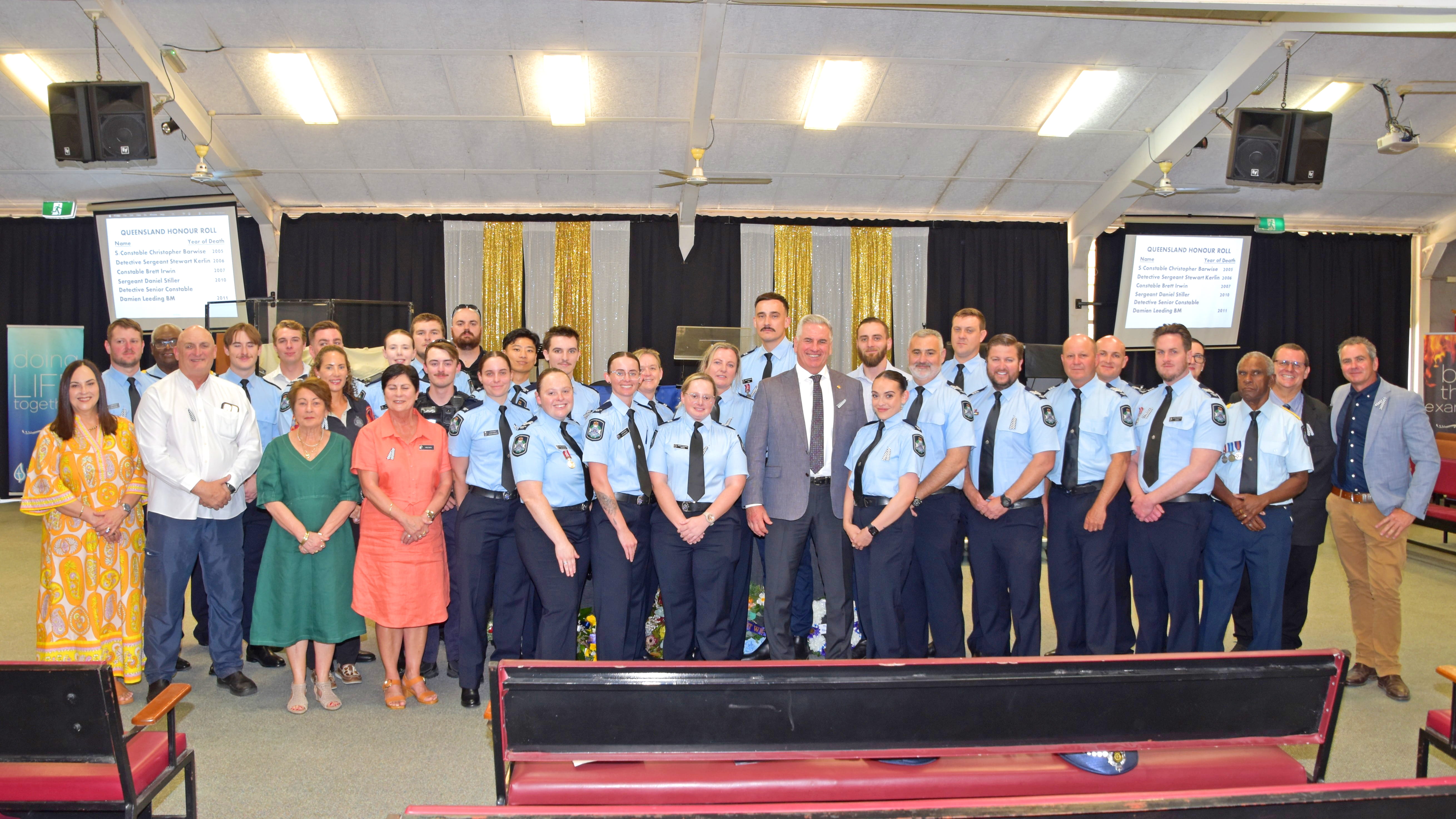


“They can see the potential in Australia. They’re keen, they're reliable, and they realise the opportunities they have here.” Photos: Ayr Backpackers
Regional communities across the country could be set to lose “millions” under a Federal Government shake-up of the backpacker visa system.
The proposal would introduce caps on second- and third-year Working Holiday Maker (WHM) visa places, with applicants now needing to win a ballot—on top of fulfilling the existing regional work requirements—to extend their Australian visit.
Home Affairs Minister Tony Burke, who announced the proposal last month, said the changes are part of broader migration reforms that would deliver a “more orderly, fair, and targeted” system.
Ayr Backpackers hostel owner David Esler called them a “betrayal.”
“This is unfair to backpackers. It is damaging to employers. It is deeply harmful to regional communities,” he said.
"The deal was very simple and mutually beneficial. Now we’re telling backpackers, ‘go and do the work anyway, and you might get a spot.’
“We’ve canvassed our [hostel] guests—they’re not going to take that chance … [and] we will lose tens and tens of thousands of workers in regional areas across the country because of this change.”
The changes would cap second-year WHM visas at 45,000, down from about 57,000 last year, with third-year places plummeting from around 31,000 to 5,000.
The mandatory 88 days of work for a second year—and six months for a third—will remain in place, although will no longer guarantee an extension.
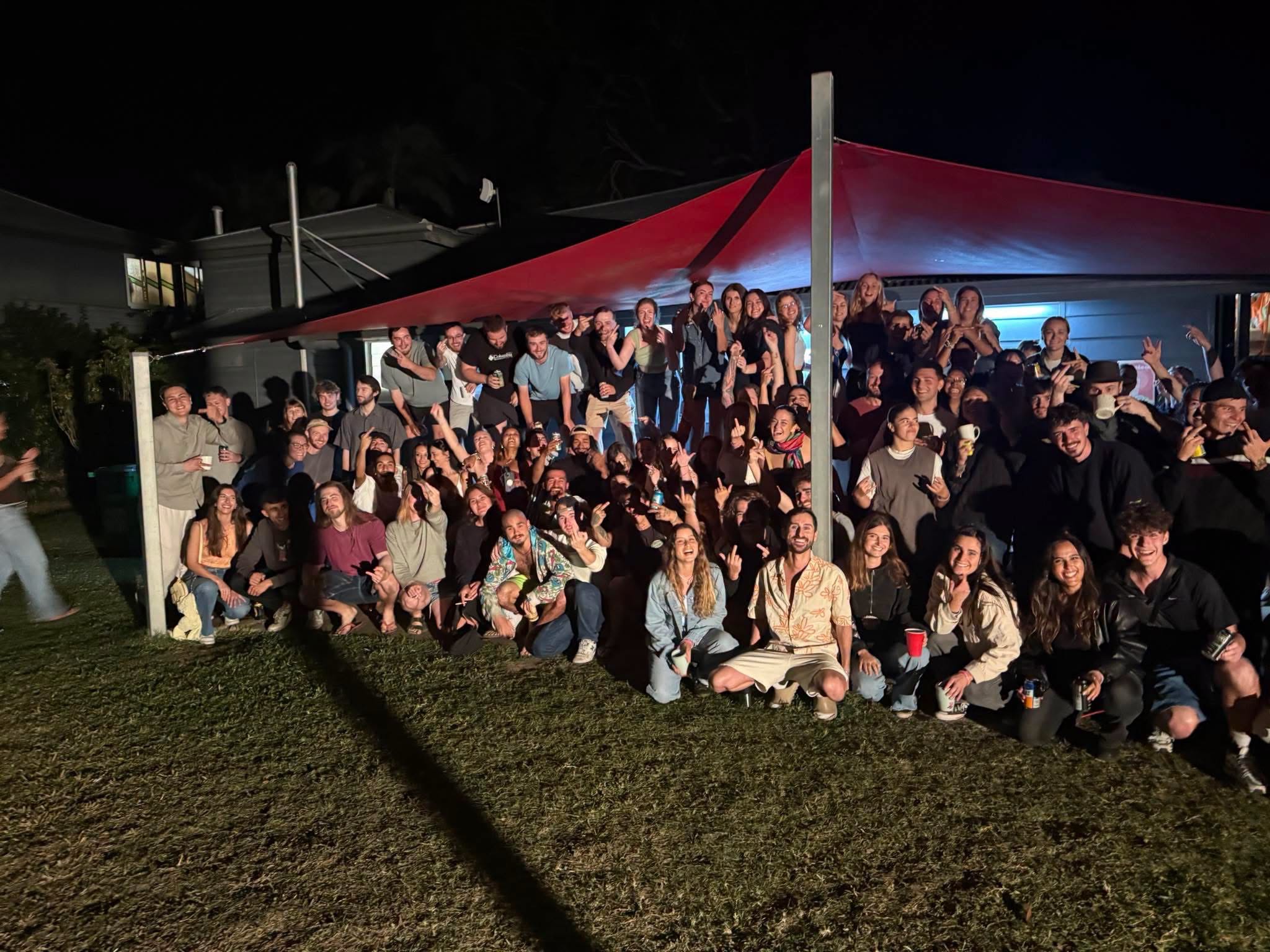
Swedish working holidaymaker Frida Dellhammar, a hospitality employee completing her regional work in the Burdekin, said her plans to extend for a third year were ultimately deterred by those odds.
“I love being in this country and I would do a lot of things to extend my visa,” she said.
“But once they [announced the ballot], I thought, ‘there's no way I would spend six months in a very remote place with only a possibility of getting a third year.’”
Ms Dellhammar is one of around 200 guests currently staying at Ayr Backpackers. According to Mr Esler, the hostel accommodates up to 1,200 travellers across a season, with each guest working in town or on surrounding farms.
Mr Esler said any reduction could leave an economic gap in the order of millions, citing Australian Tourism Export Council research that found WHMs spend “more than $32,000 in Australia” on average, with nearly a quarter of that expenditure occurring in regional towns.
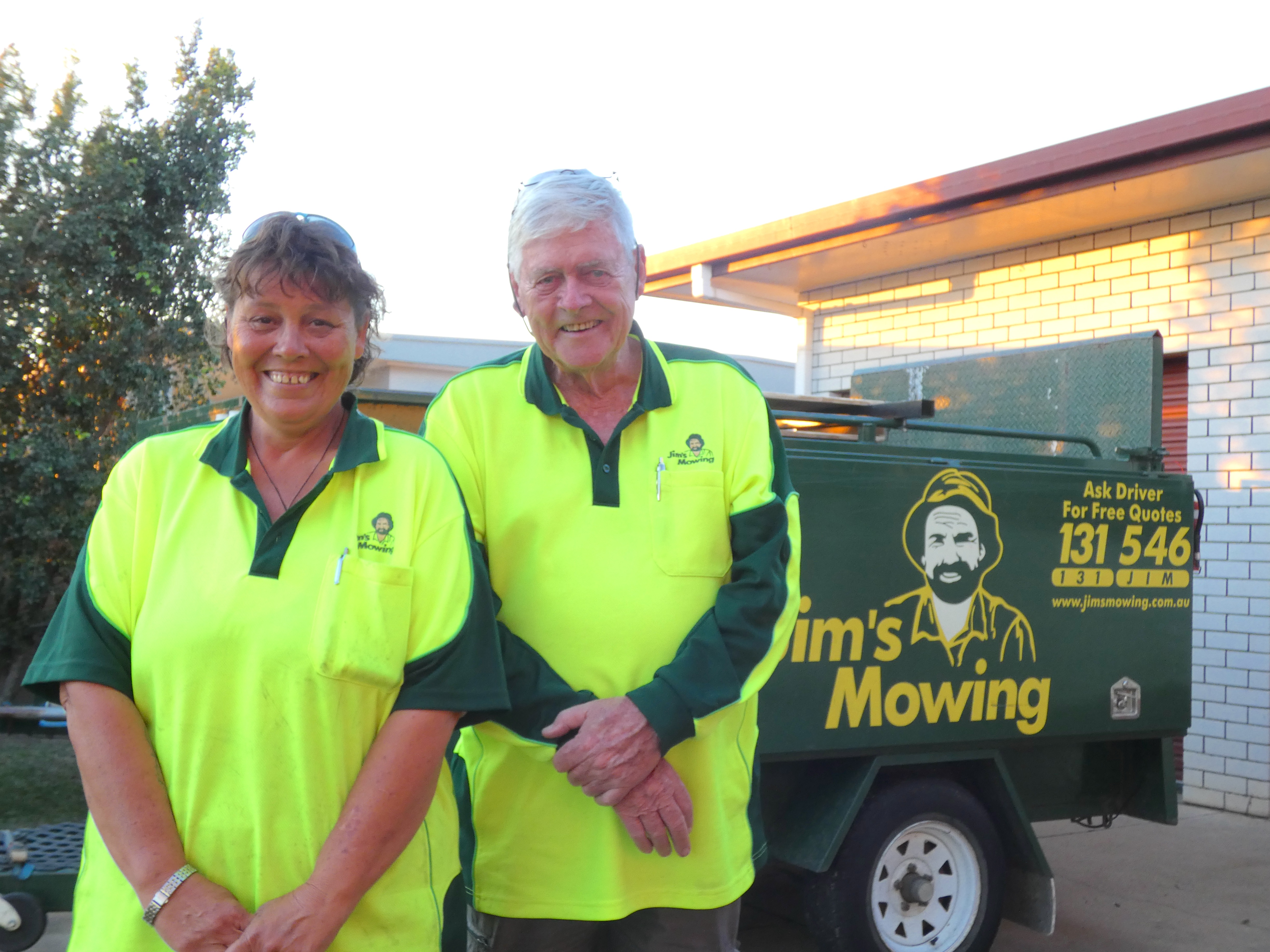
Jim’s Mowing franchisee Geoff Campbell, who will have up to five backpackers on his books later this year, said the Burdekin workforce would also feel the backpackers’ absence.
Mr Campbell said his maintenance business, which was struggling to attract workers, was on the brink of demise before backpackers stepped in.
“I had to go to backpackers—I couldn't find any local staff. I’ve been through 75 people in four years,” he said.
“They can see the potential in Australia. They’re keen, they're reliable, and they realise the opportunities they have here.”
Speaking on the reforms, Home Affairs Minister Tony Burke argued that no visa category could be exempt from efforts to reach the government’s target of reducing net overseas migration to 225,000.
He framed the WHM caps as a necessary step to ease nationwide housing pressures and give local infrastructure and housing supply a chance to catch up.
Burdekin Shire Council Mayor Pierina Dalle Cort said good intentions would not negate the impact of the changes on communities like the Burdekin.
“These people need to get out of their four walls and come out to the real Australia," she said.
“This is not just about people entering our country. These are our workers.”
Ms Dellhammar added: “We’re contributing so much—it’s not like we're just taking and taking.
“We pay taxes. We help out. I don’t know who’s going to fill this void after it gets implemented.”
Publishers Indemnity. Any individual or entity that places advertising, supplies copy material, or submits editorial content to Core Life Publishing agrees and undertakes to ensure that all such material:- Does not infringe upon any copyright, trademark, or other intellectual property rights;- Is free from any content that could be considered defamatory, libelous, or slanderous;- Does not infringe upon any rights related to privacy or breach of confidence;- Contains no obscene, indecent, or otherwise unlawful material;- Complies fully with the Trade Practices Act and all other applicable laws, regulations, or statutes.Furthermore, by submitting or placing such material, these individuals or entities agree to indemnify and hold harmless the publisher, Core Publishing and Events Pty Ltd, and/or its agents from and against any and all investigations, claims, demands, liabilities, damages, costs, or judgments arising out of or in connection with the material provided. All material is believed to be accurate at the time of printing and remains the copyright of Core Publishing and Events Pty Ltd.
© 2026 Life Publishing Group Pty Ltd.




.jpg)