
Independently Owned, Locally Grown, Community Loved
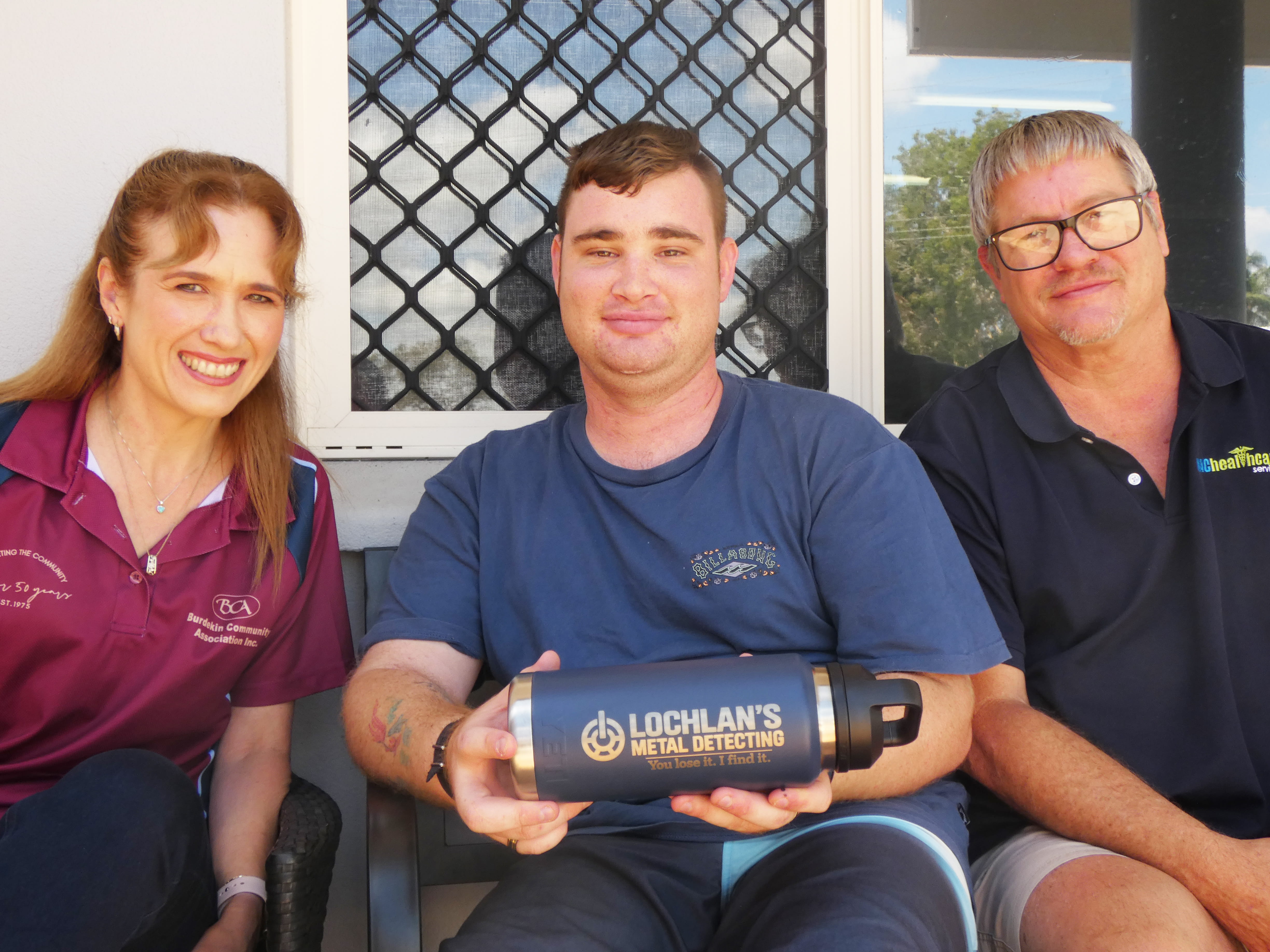
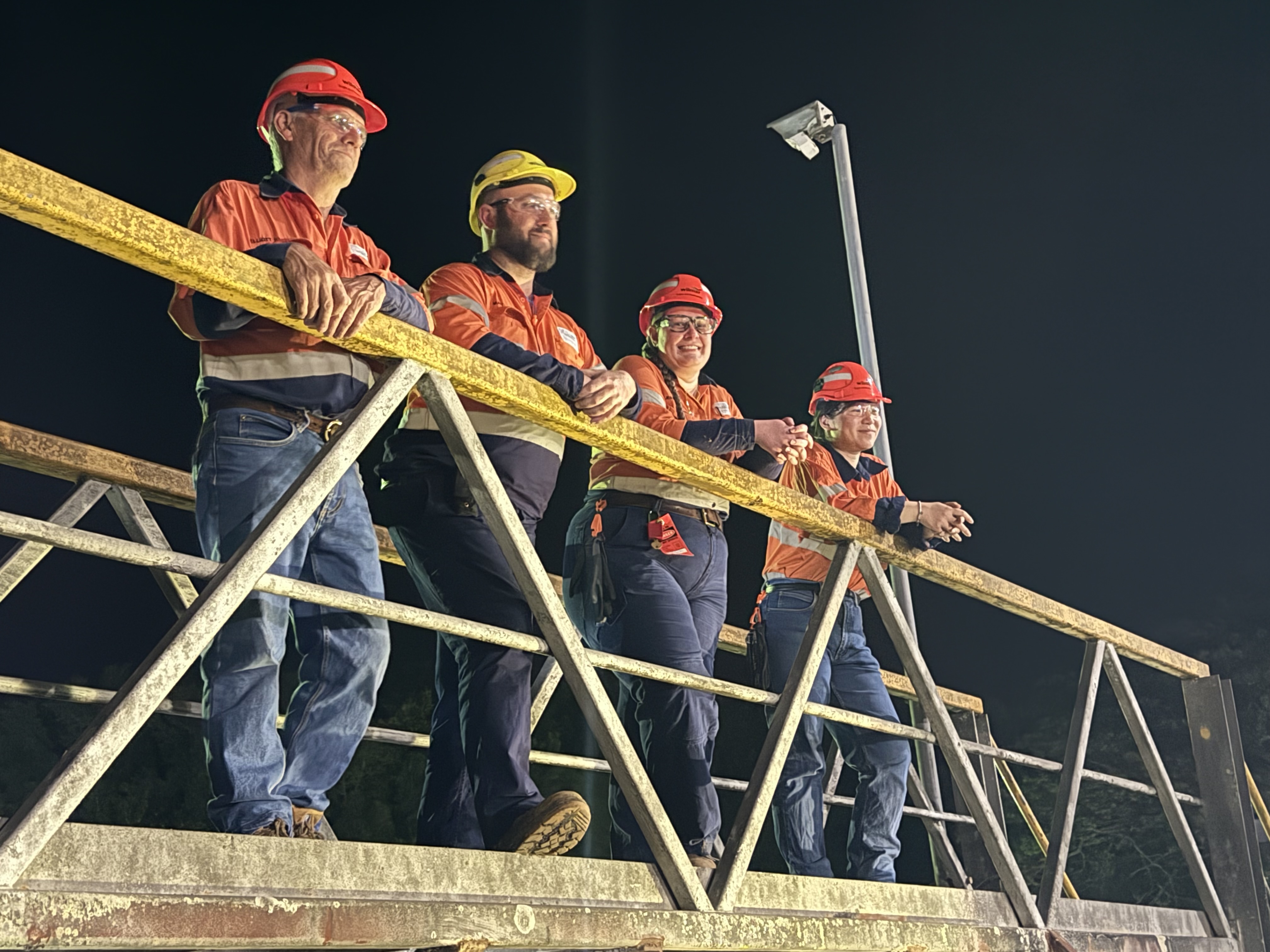



Queensland Health is urging residents to stay home if unwell and maintain good hygiene amid an unexpected rise in flu cases over the festive season.
The latest data from Queensland Health shows that, as of 14 December 2025, more than 95,000 flu cases have been recorded across the state—21 per cent higher than at the same time last year. Hospital admissions are also up, with nearly 70 public hospital beds occupied daily by flu patients, compared with just 11 beds at this time in 2024.
Dr Heidi Carroll, Executive Director of the Communicable Diseases Branch at Queensland Health, said flu cases and hospitalisations remain above expected rates for this time of year.
“While flu case numbers and hospitalisations remain well below the winter peak, the recent summertime increase in cases is unusual,” Dr Carroll said.
She explained that travel and social gatherings, combined with high Influenza A cases in the northern hemisphere, were likely contributing factors.
“This increase may be driven by more people travelling and attending social gatherings. Additionally, the northern hemisphere is currently seeing high case numbers of the Influenza A strain, and this is contributing to global spread, including within Australia.”
Dr Carroll warned that the surge is putting extra pressure on hospitals and healthcare services.
“The reality is that the flu can cause serious illness resulting in hospitalisation, and we’re currently seeing a much higher number of hospitalisations than we normally would at this time of year,” she said.
She encouraged Queenslanders to continue practicing respiratory hygiene, including washing hands regularly, covering coughs and sneezes, and staying home when sick. “It’s important to prioritise good hygiene… and stay home when you are sick to stop the spread of respiratory illnesses,” Dr Carroll said.
Queenslanders who have not yet received their influenza vaccination are urged to do so to protect themselves and the wider community. Vaccinations are available through general practices, community pharmacies, immunisation clinics, and Aboriginal and Torres Strait Islander Health Services. Those planning overseas travel are advised to consult their healthcare providers about additional protection.
This year’s influenza season has been marked by a prolonged peak and a slower decline in cases compared with the sharper rise and fall seen in previous years. Queensland Health data shows that 82 per cent of confirmed cases in 2025 were among unvaccinated individuals. Of the more than 95,000 cases, 10,087 were children under five years, while 16,176 were aged 65 years and older. Hospitalisations totalled 9,187, with nearly half of these patients aged 65 or older. The state has also recorded 289 flu-related deaths to date, up from 198 over the same period in 2024.
Dr Carroll said year-to-year variability in influenza is expected and can be influenced by circulating virus strains, environmental and behavioural factors, and population immunity shaped by prior infections and vaccine uptake.
“The unseasonal increase in flu cases shows the importance of continued vigilance against respiratory illness, even outside the traditional flu season,” she said.
Queenslanders are reminded that even during summer, the flu remains a serious threat, and taking precautions protects both individual and community health.
Residents are encouraged to get vaccinated against influenza to protect themselves and vulnerable loved ones. Photo source: Unsplash
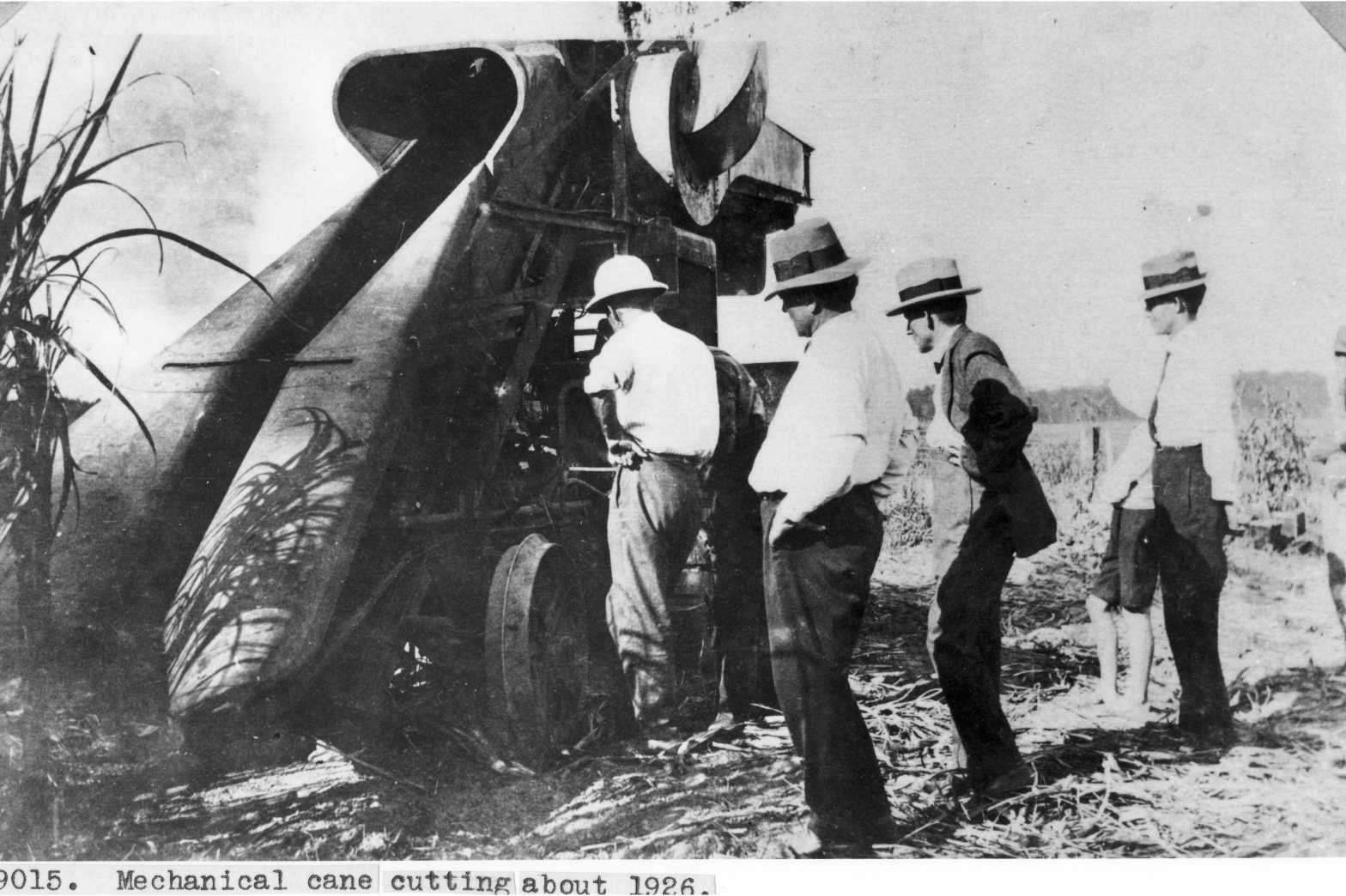
Stepping into 2026, there’s plenty to be quietly optimistic about, especially for Queensland’s iconic sugarcane industry. 2026 marks a major milestone: 100 years since the formation of CANEGROWERS.
For a century, CANEGROWERS has been woven into the fabric of regional Queensland. The organisation has been shaped by farming families, small towns, and communities built around cane fields and sugar mills. Its story mirrors the development of many parts of the state, highlighting the enduring connection between growers and the communities they support.
Centenary celebrations are planned across Queensland, with local CANEGROWERS districts organising events for their regions. If sugarcane is part of your area’s story, there’s likely to be a celebration close to home.
Two major state-level events are also on the calendar. The first will be held in Mackay in March, in partnership with the local CANEGROWERS office. Mackay holds special significance as the location where growers first met in 1926 to unite their voices and strengthen the industry.
Later in the year, the celebrations will move to Brisbane, with an event at Brisbane City Hall and a public industry display in King George Square. This will be a chance to share the industry’s story with the wider community and celebrate its achievements.
A highlight of the centenary will be the recognition of the “Legends of Cane Country” – individuals from across Queensland who have helped shape the sugarcane industry over the past 100 years. Growers and the public are encouraged to nominate a Legend from their district to ensure these important contributions are honoured.
Throughout the year, CANEGROWERS will also roll out a range of print, digital, photographic, and video projects that showcase the industry’s history, communities, and the families behind the cane fields. These stories will be shared through the organisation’s website and social media channels.
As Queensland celebrates this centenary, it’s a chance to reflect on the resilience, dedication, and innovation of the sugarcane industry. Here’s to a year of pride, progress, and recognition for those who have made it what it is today.
CANEGROWERS are set to celebrate a century of cane and community in 2026. Photo supplied
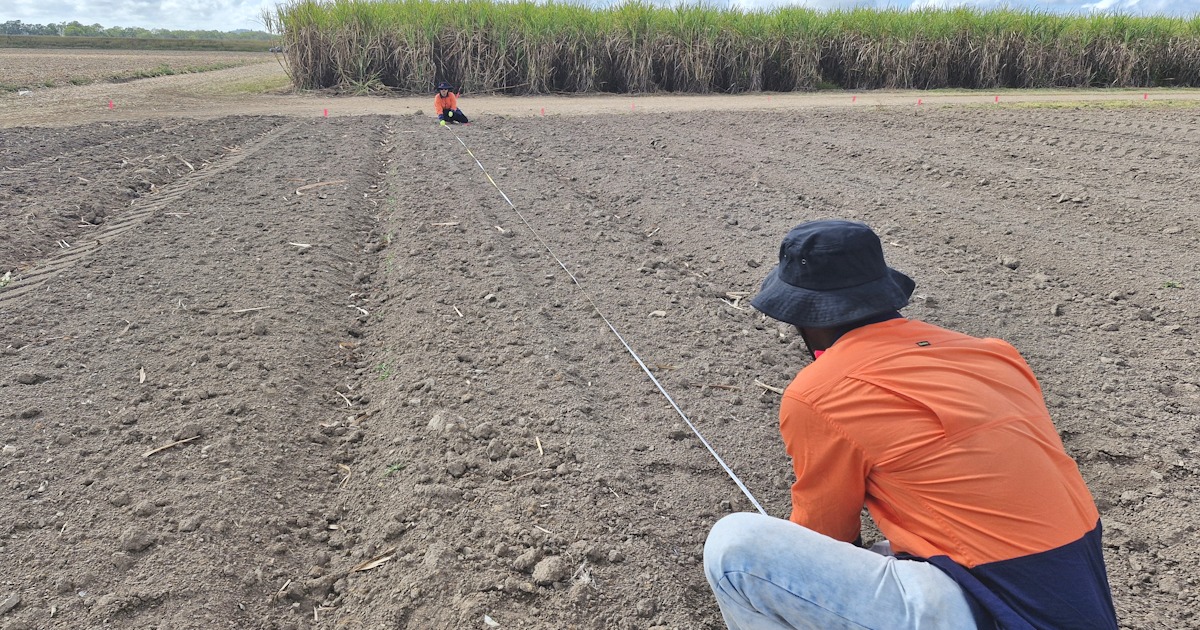
Burdekin sugarcane growers are playing a key role in major new research aimed at securing effective and sustainable canegrub control for the future, as current chemical options face possible restrictions.
Canegrubs are one of the most costly pests affecting sugarcane, with moderate infestations reducing yields by 10–20 per cent and severe outbreaks cutting production by more than 40 per cent — the equivalent of around 30 tonnes of cane per hectare. Across the industry, unchecked canegrub damage is estimated to cost up to $60 million annually.
At present, neonicotinoid insecticides such as imidacloprid are the primary control option. However, these products are under review by the Australian Pesticides and Veterinary Medicines Authority, with strong indications their use could be restricted or phased out by 2028–29.
In response, Sugar Research Australia (SRA) is leading a major project to identify alternative insecticides. Following laboratory screening of 23 products, up to 10 promising options have now progressed to large-scale field trials — including trial sites located in the Burdekin.
Chemical applications were completed in November across 12 trial sites statewide, with treatments applied to both plant cane and first ratoon crops. Over the next year, the Burdekin trials will be closely monitored to assess effectiveness, yield protection, soil persistence and water mobility, ensuring any future recommendations meet environmental standards.
SRA’s lead entomologist, Dr Kevin Powell, said the trials were critical to ensuring growers have viable control options available before current products are withdrawn. Preliminary field results are expected by the end of 2026, with full datasets ready by 2028.
The research is expected to deliver new tools that protect Burdekin yields, reduce long-term costs, and support sustainable cane farming into the next decade.
The research project ‘Beyond imidacloprid’ now has many sites treated across Queensland. Photo source: SRA
Different chemical treatments were applied to plant cane and first ratoon cane as part of the trials. Photo source: SRA

The Queensland Government is investing $3 million in the next phase of the Burdekin Major Integrated Project (MIP), continuing efforts to protect the Great Barrier Reef by improving water quality across the region. The project, known as Landholders Driving Change, works closely with graziers, other land managers, and the local community to reduce sediment run-off and develop a better understanding of land management practices that support both agriculture and reef health.
The Burdekin MIP builds on earlier successes from 2017–2021, when place-based initiatives engaged 93 per cent of large grazing properties across more than 1 million hectares in the Bowen-Broken-Bogie catchment. These projects remediated 24 gullies covering 1,600 hectares, prevented around 10,600 tonnes of sediment annually from entering waterways, and supported 78 grazing land management projects. Community engagement was also central, with 150 education, training, and knowledge-sharing events and a robust water quality monitoring program.
A three-year Gully Maintenance and Monitoring program, funded with $500,000, has provided valuable insights into effective gully remediation techniques, ensuring future projects are guided by evidence and experience.
The Burdekin MIP highlights the importance of local involvement in environmental management, showing how landholders can play a leading role in protecting reef water quality while maintaining productive and sustainable grazing operations.
For landholders or community members interested in participating or learning more about the project, contact the Office of the Great Barrier Reef at OfficeoftheGBR@des.qld.gov.au.
The irrigation innovation making waves for farmers and the Great Barrier Reef. Photo source: GBR Foundation
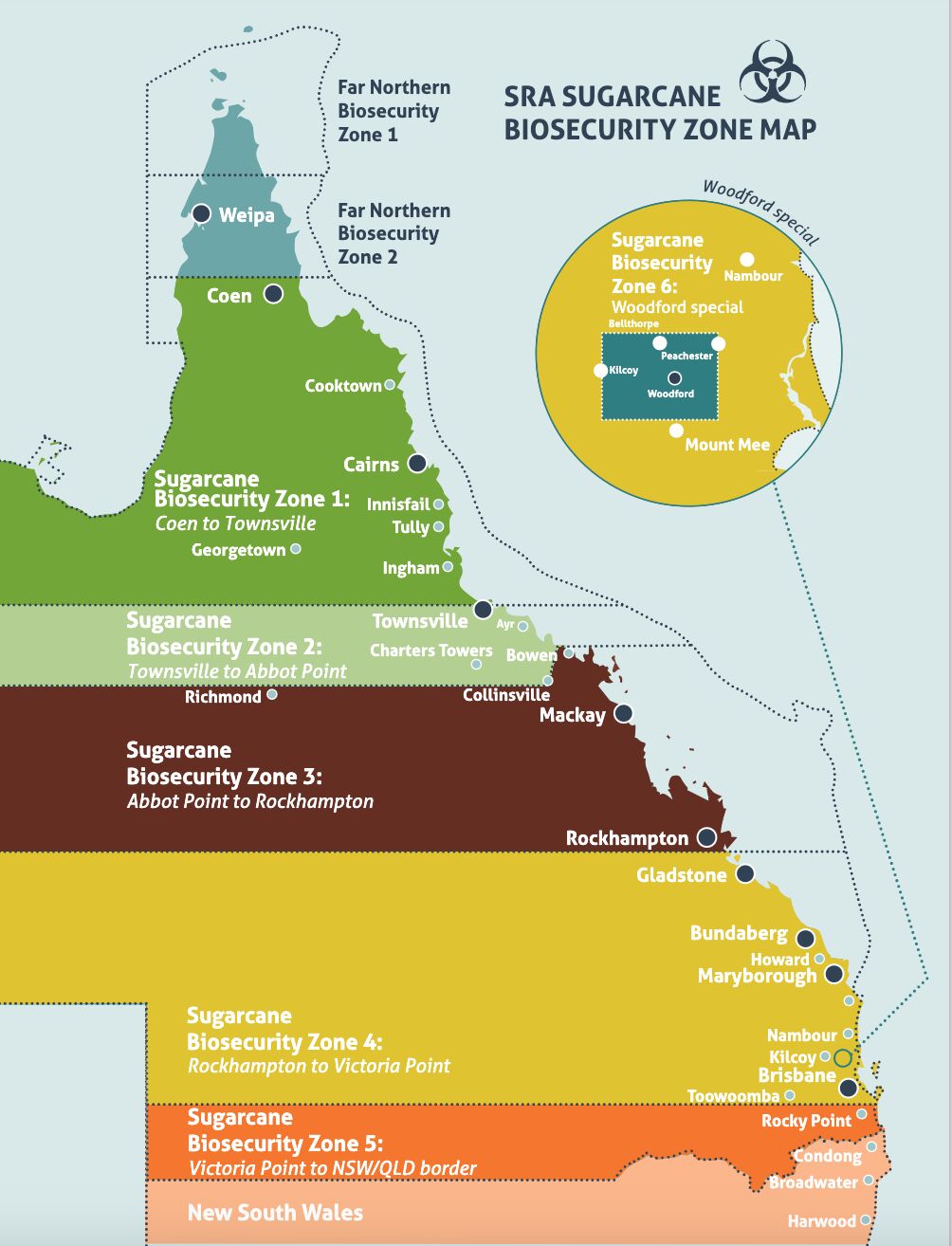
Did you know Australia’s sugarcane industry spans roughly 2,300 kilometres, divided into five biosecurity zones, each with unique climate, soil, and pest pressures? For growers, selecting the right sugarcane variety is key to optimising yield, sugar content, and disease resistance.
In Zone 2, which covers the Herbert and Burdekin regions, Sugar Research Australia (SRA) recommends several varieties suited to local conditions. These include Q240A, valued for its high sugar content (CCS) and strong ratooning ability, and SRA28A, noted for its smut resistance and reliable yield. SRA32A is a high-tonnes-per-hectare variety suited to mid-late harvests, while Q183A remains in use for its early maturity.
Using the right variety can make a substantial difference to farm productivity. Varieties like SRA28A and SRA32A are specifically selected to withstand local pests and diseases, helping growers reduce losses while maintaining sustainable practices.
SRA regularly updates variety guides to reflect research on climate adaptation, pest resistance, and harvest timing, providing growers with evidence-based recommendations tailored to their region. Local advisers, including agronomists and extension officers, can help farmers match these varieties to their soil, rainfall patterns, and crop rotation plans.
For Burdekin cane growers, understanding which sugarcane varieties perform best in the local environment is a practical way to improve yields, strengthen disease resilience, and support the region’s vital sugar industry.
For more information, growers can consult the latest SRA variety guides or contact local extension services for tailored advice.
Sugar Research Australia (SRA) recommends specific sugarcane varieties for each zone to optimize yield, disease resistance, and sugar content (CCS). Photo supplied

Local not‑for‑profit organisations, sporting clubs, and community groups are being encouraged to apply for the January round of Burdekin Shire Council’s Community Grants Program. Applications are open from the 1st to the 14th of January.
The grants offer financial or in‑kind support for projects that strengthen local connections and deliver social, cultural, and economic benefits across the region.
Mayor Pierina Dalle Cort highlighted the value of the program for groups planning their year ahead.
“January is a great time for community organisations to set their goals, and the Community Grants Program helps turn those early‑year ideas into meaningful local outcomes,” she said.
“We see first‑hand how much impact even modest funding can have–whether it’s supporting a new event, helping a group expand a program, or giving volunteers the resources they need to deliver something special for the community.”
Groups interested in applying are encouraged to review the program guidelines and clearly outline the community benefits of their proposed initiatives. Applications and guidelines are available via the Community Grants Program webpage at burdekin.qld.gov.au, or by contacting the Community Development team on (07) 4783 9800.
Applications close at 11:59pm on Wednesday the 14th of January 2026.
Not‑for‑profit organisations, sporting clubs, and community groups encouraged to apply for Burdekin Shire Council’s Community Grants Program. Photo source: Burdekin Water Festival

Looking after your mental health is just as important as caring for your physical health. Feeling stressed, anxious, overwhelmed, or depressed? Taking a day off to focus on your wellbeing is just as reasonable as calling in sick with a cold.
Here’s how to make the most of a mental health day - and what to avoid.
Remember, taking care of your mental health isn’t a luxury - it’s an essential part of looking after yourself and staying effective in everyday life.

School holidays are a time for family connection, late mornings and plenty of outdoor fun, but for many households, they also bring a noticeable spike in screen time.
Phones, tablets and gaming consoles are now a normal part of childhood, and experts agree that being online isn’t inherently harmful. The challenge for parents is helping children find a healthy balance between digital entertainment and offline activities, particularly during long holiday breaks.
A large-scale systematic review and meta-analysis published in the journal Psychological Bulletin found higher levels of screen use were associated with increased risks of anxiety, depression, aggression and attention difficulties in children. The researchers also noted a two-way relationship, where emotional and behavioural difficulties can lead to increased screen use over time.
Australian health authorities recommend moderation rather than elimination. The Australian Government’s 24-Hour Movement Guidelines advise limiting recreational screen time to no more than one hour per day for children aged two to five, and no more than two hours per day for children and adolescents aged five to 17. The guidelines also emphasise maintaining consistent sleep routines and regular physical activity.
Sleep is a key factor. Research cited by the Department of Health links evening screen use with delayed sleep onset and poorer sleep quality in children, particularly when devices are used close to bedtime.
Instead of blanket bans, the Office of the eSafety Commissioner recommends active parental involvement and open communication. Staying engaged with what children are doing online—whether watching videos, gaming or chatting with friends—helps parents understand their interests and identify potential issues early.
Creating a family-wide screen time plan can also help. Shared rules around device-free meals, set gaming hours or outdoor time can make limits feel fair and achievable. Many devices and apps offer parental control settings to support these boundaries.
For children under 16, experts stress emotional safety is as important as digital safety. Encouraging honest conversations and listening without judgement can help children develop long-term digital resilience.
Most experts agree the goal is not elimination, but balance—teaching children how to use technology intentionally and responsibly.
A major systematic review and meta-analysis published in the Psychological Bulletin found that higher screen use was associated with increased risks of anxiety, depression, aggression and attention difficulties in children. Photo source: Dreamstime

The Lower Burdekin Scout Group brought the spirit of Christmas to Home Hill on Christmas Eve, hosting a free meal for lonely or homeless members of the community at the Home Hill Bowls Club.
Held at the popular local venue, the dinner provided more than just a hot meal, offering a welcoming space filled with conversation, music and festive cheer. Scouts and volunteers worked together from the early stages, setting tables with Christmas decorations, arranging cutlery and preparing the venue before guests arrived. As final preparations were made, young Scouts took on cooking duties, proudly contributing to the evening’s success.
Members of the Uniting Church joined Scouts on the night to help serve food and lead Christmas carols, creating a warm and inclusive atmosphere. In total, around 36 people, including guests and helpers, shared in the dinner, companionship and singing, making for a memorable Christmas Eve.
This marked the first time the Lower Burdekin Scout Group has organised a Christmas Eve dinner of this kind. Organisers said the experience, combined with the overwhelming goodwill shown by the wider community, has laid strong foundations for the event to grow in coming years, with hopes of an even bigger and better gathering planned for December 2026.
The Scout Group extended heartfelt thanks to the many local organisations, businesses and individuals whose generous donations, time and support helped make the free Christmas Eve meal possible, highlighting the strength of community spirit across the Burdekin.
The Lower Burdekin Scouts meet on a Thursday night in 12th Ave Home Hill, 5–7 years meet 4-00 to 5-00pm and 8-18 years meet 5-30 to 7-30pm. People can come along for four weeks free to Try Scouting by contacting Rikki on 0419 104 035.
The Lower Burdekin Scout Group brought the spirit of Christmas to Home Hill on Christmas Eve, hosting a free meal for lonely or homeless members of the community at the Home Hill Bowls Club. Photo supplied
As the state heads into storm, cyclone and monsoon season, emergency authorities are reminding residents that preparing your home ahead of time is one of the most important steps you can take to protect your family and property.
Preparing early can significantly reduce damage, stress and risk during severe weather events. It also forms a key part of the Get Ready Queensland campaign, which encourages households to be disaster-ready well before warnings are issued.
A good place to start is general home maintenance. Residents are urged to check the condition of their roof, repairing loose tiles, eaves and screws, and to clean gutters and downpipes so water can drain away quickly during heavy rainfall. Trimming trees and overhanging branches can prevent damage in high winds, while securing loose outdoor items such as furniture, toys and garden equipment can stop them becoming dangerous projectiles.
Households should also take time to prepare for emergencies more broadly. This includes checking that home, contents and car insurance policies are current and provide adequate cover, including debris clean-up and disposal. Identifying the strongest room in the house - usually a small room with few or no windows - can be crucial if residents need to shelter indoors during a severe storm or cyclone. Knowing how to turn off water, electricity and gas mains is also essential.
Emergency essentials should be purchased and kept on hand, including containers for drinking water, spare fuel stored safely, wide masking tape for windows, and sandbags or hessian bags to prevent sewerage backflow through indoor drains during flooding.
For those living in flood-prone areas, additional precautions are recommended. Poisons should be stored well above ground level, and residents should plan which indoor items may need to be raised or moved if floodwaters threaten. Longer-term considerations, such as alternative flooring to carpet and raising power points and electrical sockets, can further reduce damage.
Homes in cyclone or severe storm-prone areas may benefit from window shutters or metal screens, and residents are encouraged to have a professional builder assess their home’s structural strength and recommend improvements to better withstand high winds.
When severe weather warnings are issued, preparation steps become critical. Authorities advise disconnecting electrical appliances and external aerials, securing outdoor items, filling baths and buckets with clean water, and parking vehicles under cover where possible. Families should shelter together in the strongest room with their emergency kit close by, and stay informed by tuning into local radio for updates and safety advice.
Emergency services stress that the best time to prepare your home is before disaster season begins. Taking action now can help families stay safe, reduce damage and recover more quickly when severe weather strikes.
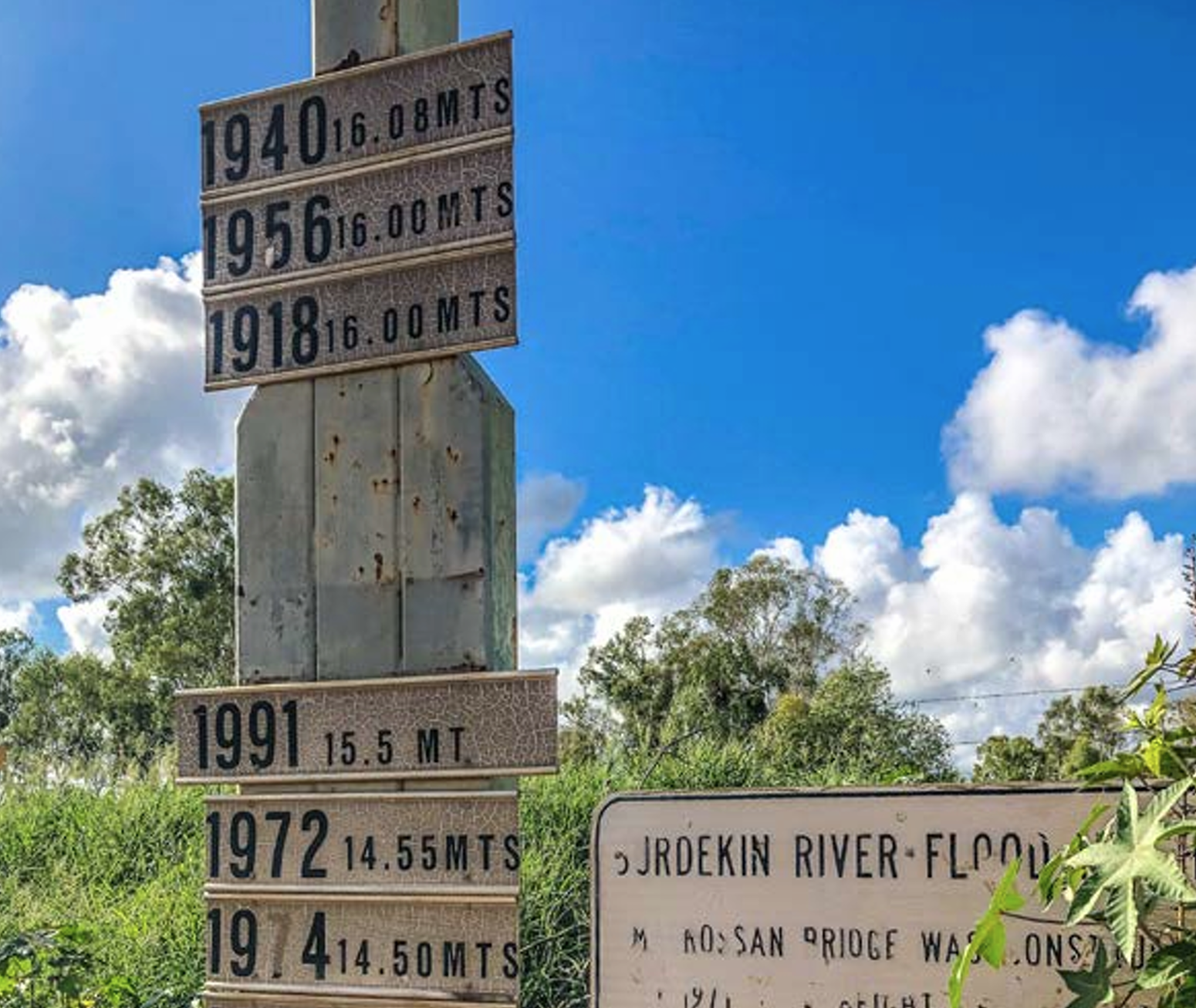
Historic flooding in the Burdekin and Haughton catchments has shaped the region's resilience over time. Photo source: QLD Government
During the wet season, there is no shortage of water flowing through the Burdekin and Haughton catchments. Photo supplied
Residents still recount 1989's Severe Tropical Cyclone Aivu to be the worst weather system to hit the region. Photo supplied

Donnington Airpark will come alive this winter as aviation and motoring enthusiasts unite for a special Wings & Wheels fundraising event in support of Angel Flight Australia.
The event will be held on Sunday, the 28th of June, from 8am to 12pm at Donnington Airpark, following strong community feedback from last year’s gathering. Organisers have opted to trial a winter event this year, hoping cooler conditions will encourage even more aircraft, cars, motorbikes and trucks to attend.
With a $10 donation per vehicle, all funds raised will go directly to Angel Flight Australia, a non-government funded charity that provides free flights for people living in remote and regional areas who need to travel long distances to access essential medical care.
Adding to the day’s momentum, the Townsville Ford Enthusiast Club will be supporting the event through promotion and fundraising efforts. The club will also host a pre-meet at the OOM Service Station in Wulguru, before cruising out to the airpark together.
Open to all makes and models, Wings & Wheels promises a relaxed, family-friendly atmosphere celebrating machines on land and in the air, all while supporting a cause that makes a real difference.
Organisers are encouraging the community to mark the date, polish their pride and joy, and help make this winter trial a standout success for Angel Flight.
What: Wings & Wheels for Angel Flight
When: Sunday 28th June
Where: Donnington Airpark
A colourful display of aircraft, cars and motorbikes will fill Donnington Airpark this June. Photo supplied

Pets Domain Ayr is set to welcome animal lovers for a heartwarming Dog Adoption Day and Sausage Sizzle later this month, giving locals the chance to support rescue animals while enjoying a relaxed community event.
Held in conjunction with Bowen Collinsville Pet Rescue, the adoption day will take place on Saturday, the 17th of January, from 10am to 2pm at Pets Domain Ayr, 93 Graham Street.
The event will feature a range of friendly rescue dogs who are searching for their forever homes. Attendees are encouraged to come along, meet the dogs, ask questions of the dedicated rescue volunteers and learn more about the adoption process. For those not quite ready to adopt, the day also offers an opportunity to show support, spread awareness and enjoy a classic sausage sizzle.
Bowen Collinsville Pet Rescue works tirelessly to rehome abandoned, surrendered and at-risk dogs, relying heavily on community support, volunteers and fundraising events like this one. Adoption days not only help find loving homes but also play a vital role in educating the public about responsible pet ownership and the importance of rescue.
Whether you are looking to welcome a new furry family member or simply want to support animal welfare in the region, organisers say everyone is welcome. And who knows — you may just leave with a new best friend!
What: Pet Adoption Day & Sausage Sizzle
When: Saturday 17th January
Where: Pets Domain Ayr
Pets Domain Ayr will join forces with Bowen Collinsville Pet Rescue to give rescue dogs new homes next Saturday! Photo source: Unsplash
Australia’s manufacturing sector is being steadily weakened under the Albanese Labor Government, not through a single bad decision, but through a pattern of failure. What we are seeing now is not economic management. It is crisis containment. Labor is applying band-aids to a bullet wound, and taxpayers are being handed the bill.
The Government’s decision to bail out Tomago Aluminium is the latest example. This is the same Tomago Aluminium facility Anthony Albanese has been promising to protect for decades. Rather than delivering on those promises by fixing the underlying problem, affordable and reliable energy, Labor has chosen another bailout to paper over the consequences of its own policies.
On 12 December 2025, the Prime Minister announced that Tomago Aluminium would continue operating beyond the end of its current energy contract in 2028. That is welcome news for workers, their families, and the Hunter region. But bailouts are not a solution. They are an admission of failure.
This deal follows a disturbing pattern, as 2025 became the year of government bailouts. A $2.4 billion taxpayer rescue of Whyalla Steelworks. Then interventions in Hobart and Port Pirie. In Queensland, a bailout to keep Glencore’s copper smelting operations afloat, and now, Tomago in NSW. A pattern of failure across the country.
Labor’s energy policy is now so broken that major manufacturers cannot survive without taxpayer life support.
Under the Albanese Labor Government, power prices are up by around 40 per cent. Families are paying roughly $1,300 more on their annual electricity bills. Business investment is stalling. Manufacturing competitiveness is collapsing. And instead of fixing the root causes, high energy prices, punitive regulation, and policy uncertainty, Labor is asking taxpayers to underwrite failure.
Corporate bailouts do not address these issues. They merely delay the reckoning. They are hospital passes that disguise Labor’s failure to confront its own terrible trifecta: soaring energy prices, high taxes, and rigid regulation.
Labor’s broader economic mismanagement compounds the problem. Reckless federal spending has fuelled inflation, pushing up costs across the economy. For energy-intensive industries like manufacturing, that pressure is relentless. When even global multinationals are struggling to operate in Australia, the question must be asked: what chance do our small and medium-sized manufacturers have?
Australia has already reduced emissions at almost double the rate of the developed world since 2005. Yet to meet Labor’s Net Zero 2050 target, emissions reductions would need to double again. Labor is setting targets it cannot realistically meet, at a cost Australia cannot afford.
The result is exactly what we are seeing today: electricity prices spiralling upwards, businesses shutting down or moving offshore, and a nation increasingly reliant on taxpayer-funded bailouts delivered through opaque mechanisms like the National Reconstruction Fund and the so-called Future Made in Australia agenda.
Australians deserve a cheaper, better and fairer solution. They deserve affordable power, responsible emissions reduction, and an energy policy grounded in reality, not ideology. The Coalition believes we can achieve emissions reduction without sacrificing competitiveness, jobs, or living standards; but affordable energy must come first.
Our plan delivers a practical pathway to lower power prices, long-term energy security, and responsible environmental outcomes.
Australians have been let down by this Government. What they need now is a circuit breaker on energy costs and leadership that fixes the system instead of subsidising its failure. That is what the Coalition offers, and that is what Australian manufacturing urgently needs.
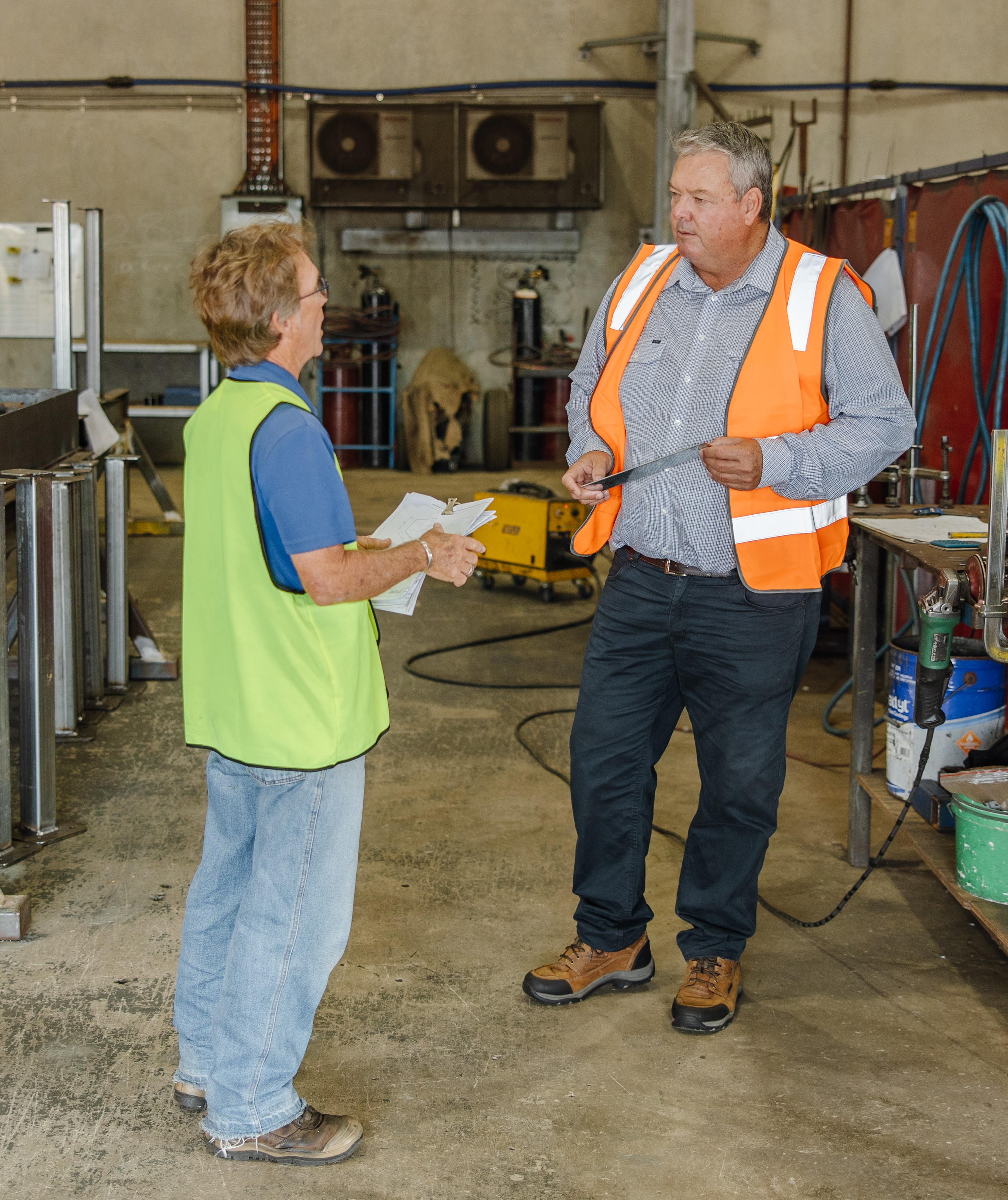
Andrew Willcox MP calls for affordable power and leadership as Labor resorts to bailouts across Australia. Photo supplied

2025 now sitting fairly in our tailwinds, this week will see many of us have a chance to come together for the festive season.
As the Member for Burdekin I have the privilege of witnessing the best of humanity in this community,
especially at Christmas time. Each year we see residents take the time to donate to our local
community organisations who provide hampers of non-perishable goods, toys for children or a hot
meal to enjoy on Christmas Day. We also see the generosity of this community in the simple acts- the
time we take to check in on our neighbours a smile or simple gesture of kindness to a stranger. It is
this level of generosity that we must continue to strive for beyond the festive season.
A year that started with much of our state facing significant flooding has brought with it challenges
and opportunities for the betterment of our community.
While our neighbours in the north bared much of the brunt of monsoonal rainfall in February, it is safe to say the Burdekin was not left unscathed. As flood waters receded and our community faced its
own clean-up we saw businesses step up to prepare extra meals and provide essential services while
our emergency services volunteers showed utmost dedication in our community’s darkest hours.
Our ability as a community to advocate for better access to health, improvement of our safety or
providing certainty for projects that matter to us has meant that in the Crisafulli Government’s first year the Ayr Hospital is looking forward to a new CT scanner, crime deterring measures are now in place in our CBD and major steps forward have been taken in the delivery of new facilities at Burdekin Netball.
Before we turn the chapter to 2026 and begin the rush of a new year I hope you and your family have
the chance to enjoy the festive season. Spend time with those you love and celebrate all that 2025
has had to offer while looking towards opportunities for the new year.
If you are packing the car and heading off on a road trip please drive safely and remember the fatal
five. With the festive season coinciding with the North’s severe weather season, it’s a timely reminder to ensure your home is prepared.
My office will be closed from December 22 and will re-open January 5.
Above all else, I’d like to wish you all a Merry Christmas and a very happy New Year.
Yours
Dale

As we wrap up another big year, I’d like to take a moment to wish everyone in our community a safe and happy Christmas and New Year.
This time of year is a wonderful opportunity to connect with family and friends, enjoy the festive season, and reflect on the achievements and challenges of the past twelve months.
If you’re travelling over the holidays, please take extra care on the roads. Plan ahead, drive safely, and look out for one another so everyone can arrive home safely.
The new year is just around the corner, bringing a fresh start and new opportunities. Whether you’re setting resolutions, starting new projects, or simply looking forward to a positive beginning, I hope 2026 is a year of growth, health, and success for you.
Wishing everyone a joyful Christmas and a bright start to the new year.
Should you wish to reach out, don’t hesitate to contact me directly by phone at 0447 150 582, or feel free to send an email to mayor@burdekin.qld.gov.au.
Publishers Indemnity. Any individual or entity that places advertising, supplies copy material, or submits editorial content to Core Life Publishing agrees and undertakes to ensure that all such material:- Does not infringe upon any copyright, trademark, or other intellectual property rights;- Is free from any content that could be considered defamatory, libelous, or slanderous;- Does not infringe upon any rights related to privacy or breach of confidence;- Contains no obscene, indecent, or otherwise unlawful material;- Complies fully with the Trade Practices Act and all other applicable laws, regulations, or statutes.Furthermore, by submitting or placing such material, these individuals or entities agree to indemnify and hold harmless the publisher, Core Publishing and Events Pty Ltd, and/or its agents from and against any and all investigations, claims, demands, liabilities, damages, costs, or judgments arising out of or in connection with the material provided. All material is believed to be accurate at the time of printing and remains the copyright of Core Publishing and Events Pty Ltd.
© 2026 Life Publishing Group Pty Ltd.