
Independently Owned, Locally Grown, Community Loved
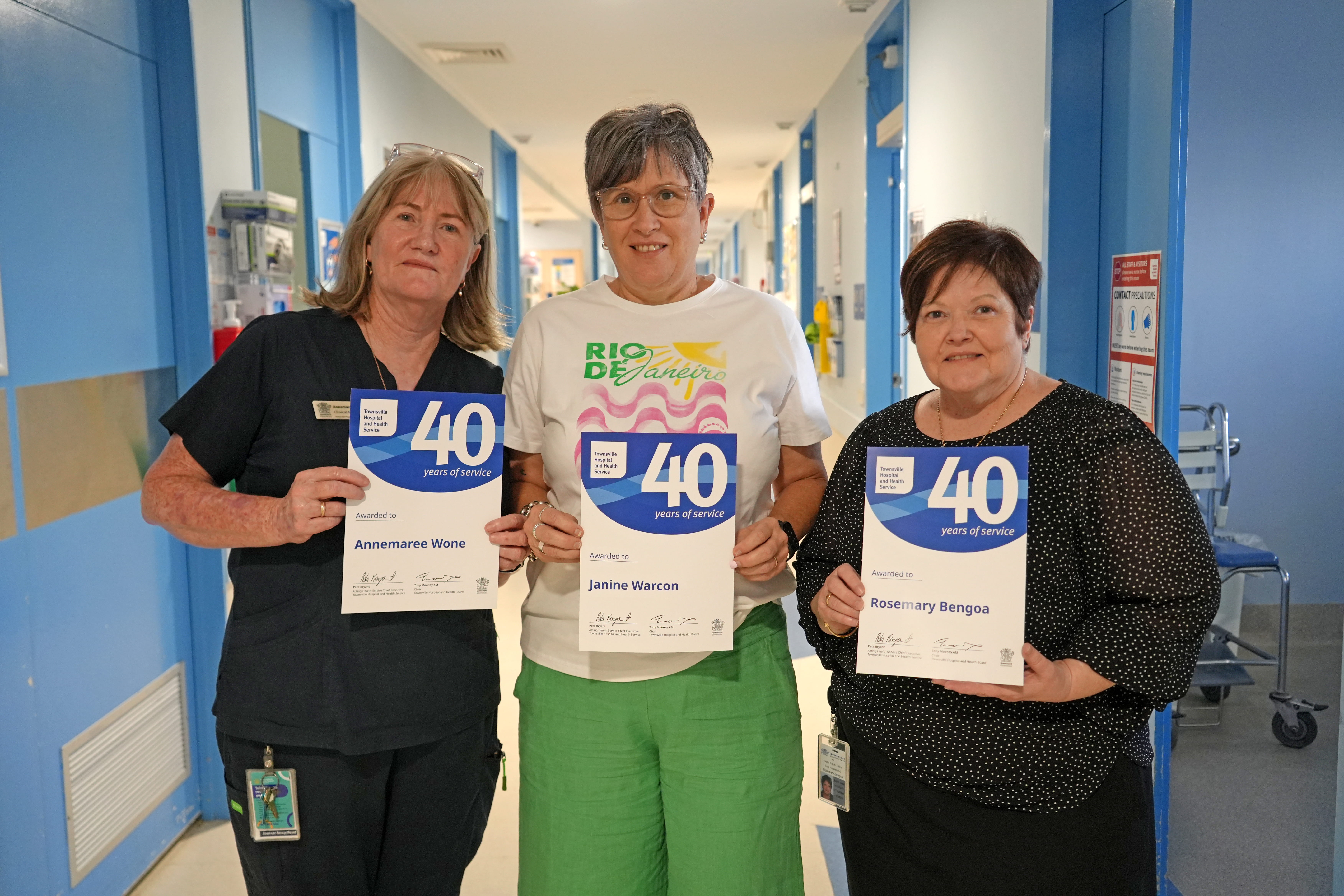
Three Burdekin hospital workers have clocked up 120 years of combined service to the Ayr and Home Hill communities. Rosemary Bengoa, Janine Warcon and Annemaree Wone have each reached 40 years of service, with the milestone recognised at local staff thank-you events. Rosemary began at Ayr Hospital in 1985 in the front office before moving into medical records, accounts payable, assets and finance. Janine started in the Home Hill Hospital kitchen and has since worked across kitchen, cleaning and laundry roles at both Ayr and Home Hill. She later became an orderly before moving into her current role as an assistant in nursing at Home Hill. Annemaree began her career at The Prince Charles Hospital in Brisbane, working as an enrolled nurse for four years before completing her registered nurse training in Townsville. She returned to the Burdekin after the birth of her first child and now works across the dialysis unit and emergency department at Ayr. The three staff members said their connection to the community, colleagues and variety of work had kept them in the health system for four decades. “Your work colleagues and the friendships you make along the way keep you in the role,” Rosemary said. For Janine, working in her own community and caring for patients has been a key part of her career. “We’ve had some funny moments; just the other night one patient was disco dancing in the hallway with me,” she said. Annemaree said working across different areas had kept her career varied. “I work in dialysis, sometimes in the emergency department, and sometimes on the ward, and because I have always worked across multiple areas, I’ve never felt stuck in one place,” she said. The breadth of responsibilities is a common feature of working in rural hospitals, Ms Wone said. “You need to know lots of different things when you work in a rural or remote hospital setting, so we are very busy,” she said. “But even with how much we have all achieved, I can’t believe it’s been 40 years; it feels like it happened overnight.” CAPTION: Rosemary Bengoa, Janine Warcon and Annemaree Wone have each reached 40 years of service, with the milestone recognised at local staff thank-you events. Photo supplied
Read the full story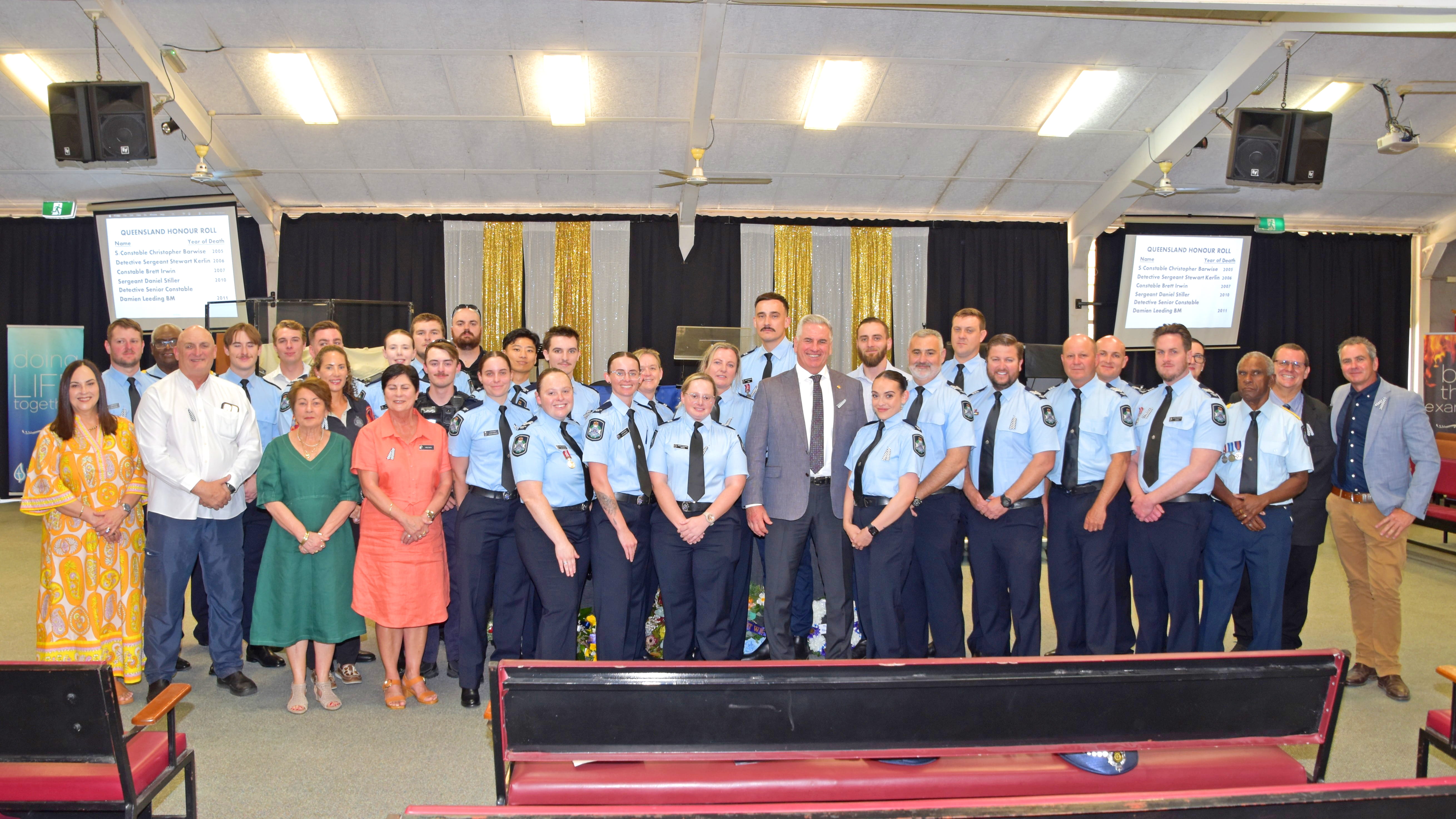
Burdekin police, dignitaries and community groups gathered Tuesday morning to honour officers killed in the line of duty. Photo: David CooperBurdekin community members, local dignitaries, and police gathered at Ayr's Burdekin Community Church on 29th September to commemorate National Police Remembrance Day. The solemn service honoured officers who made the ultimate sacrifice in the line of duty, featuring a wreath-laying ceremony and a reading of the Roll of Honour.Read more here: www.burdekinlife.com/article/burdekin-honours-fallen-officers-on-remembrance-day
Read the full story
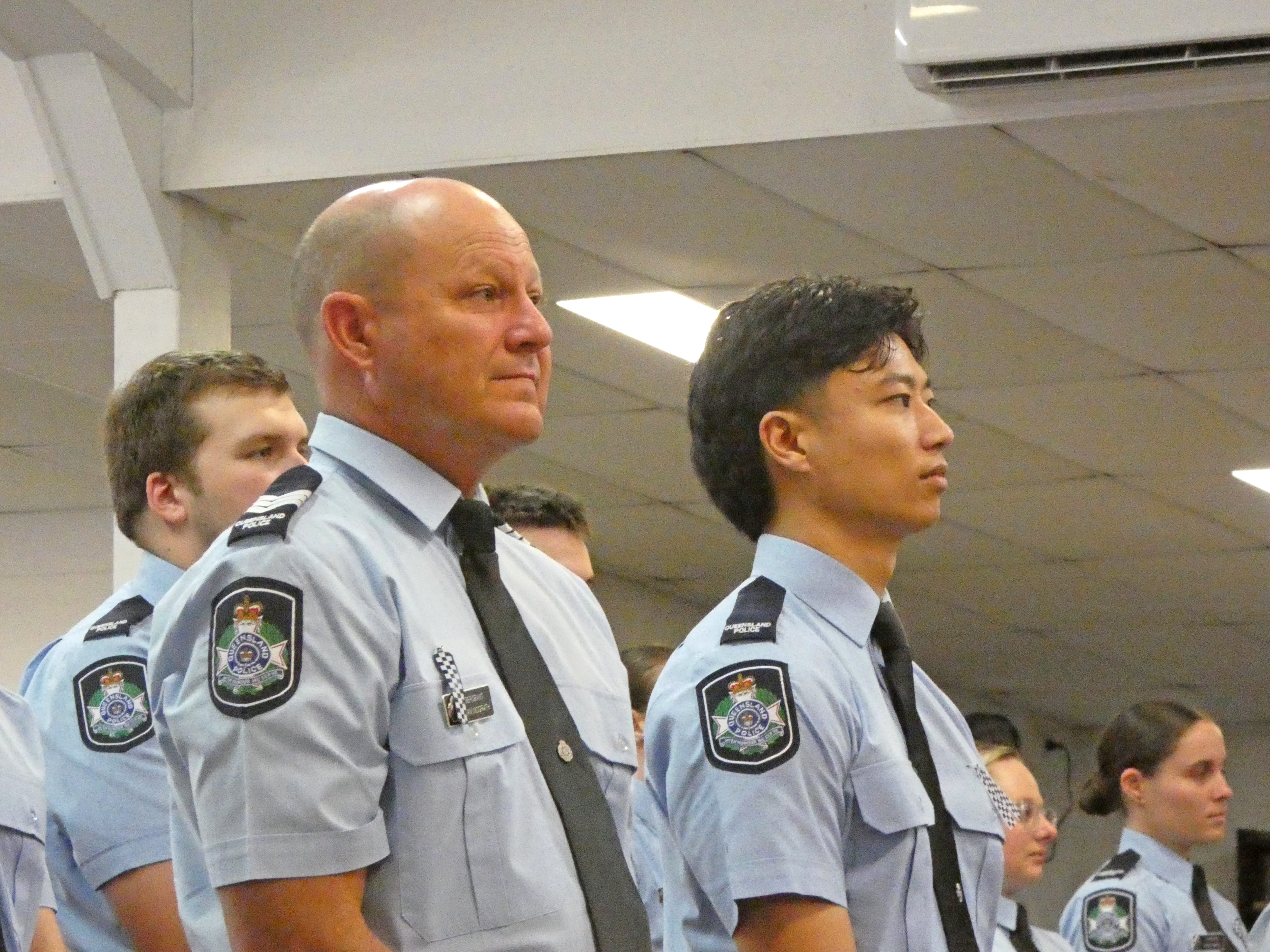
Burdekin police, dignitaries and community groups gathered on Tuesday morning to honour officers killed in the line of duty. Held at the Burdekin Community Church in Ayr, the service formed part of National Police Remembrance Day, observed each year on 29th September. Pastor Peter Holmes, who led the service, said it was a chance to pay tribute to the bravery and service of the fallen. “Someone has to protect those who cannot protect themselves. Someone has to step into the disorder and work to restore order—and that is one of the responsibilities entrusted to our police,” he said. “Today, we honour those who stood. Some stood in circumstances that ultimately cost them their lives, and this day each year ensures that their courage will never be forgotten.” A Police Commissioner’s Address was delivered by Acting Inspector Megan Benson before local officers read the Roll of Honour, commemorating police officers killed in the line of duty. Officers then lit memorial candles, before community groups joined police and dignitaries in laying wreaths. Among dignitaries were Burdekin Shire Council Mayor Pierina Dalle Cort and Member for Burdekin Dale Last, who called it a “privilege” to join local police in their commemorations. “As a former police officer, National Police Remembrance Day is an incredibly important opportunity to remember those officers who lost their lives while serving their community and to show our support to those who continue to keep our communities safe today,” Mr Last said. “Small regional towns like the Burdekin mean our police officers become involved in a variety of facets in our community and it is part of what makes these roles in our small communities so unique.” “It also means that chances to stand with our men and women in blue should not be overlooked.” A morning tea was held in the church hall following the service. CAPTIONS: 1—Burdekin police, dignitaries and community groups gathered Tuesday morning to honour officers killed in the line of duty. 2—Pastor Peter Holmes, who led the service, said it was a chance to pay tribute to the bravery and service of the fallen. 3—Held at the Burdekin Community Church in Ayr, the service formed part of National Police Remembrance Day, observed each year on 29th September. 4—Mayor Pierina Dalle Cort and Deputy Mayor Max Musumeci laid a wreath on behalf of Burdekin Shire Council 5—Among dignitaries was Member for Burdekin Dale Last 6—Local officers read the Roll of Honour, commemorating police officers killed in the line of duty 7—Liaison Officers light memorial candles 8—Senior Sergeant Lisa Shields addresses the audience 9—Community groups joined police and dignitaries in laying wreaths Photos: Jacob Casha
Read the full story

Townsville and Abbot Point have been identified as key hubs for a state-led push to boost fuel self-sufficiency, with the State Government opening expressions of interest for new refining and storage projects.
Under the newly launched Accelerating Fuel Infrastructure Program, the government is unlocking land at strategic ports to shield the state from global supply chain disruptions. The initiative is a cornerstone of the broader Queensland Fuel Security Plan, which aims to fast-track the ability to drill, refine, and store fuel locally.
Premier David Crisafulli said the program would provide relief for regional families and the commercial sector.
“We must restore our ability to drill, refine and store fuel right here in Queensland, so we are never again left at the mercy of global supply chains,” Mr Crisafulli said.
“More storage and refining fuel locally means it’s easier for families to fill up and small businesses to stay afloat amidst rising national cost pressures.”
The program includes a statewide audit of industrial land and a coordinated framework to streamline approvals for private investment. Deputy Premier Jarrod Bleijie said the move would strengthen sovereign capability, noting that "being able to refine and store more fuel locally will further strengthen our sovereign capability."
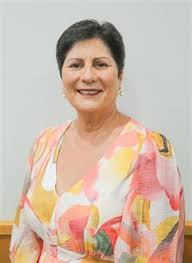
Last Sunday, I attended the Breaking Barriers Event at the Memorial Hall. It was a wonderful afternoon, featuring inspirational speakers who shared powerful messages with an engaged audience. Each speaker drew on personal experience, covering topics including domestic violence, suicide, menopause, grief and dying, and mental health. Congratulations to everyone involved in organising the event, and I hope to see more opportunities like this in the future.
The Burdekin Domestic and Family Violence group will hold a DV Walk on 31 May at Plantation Park. Attendees are asked to arrive at 8:15am for a 9:00am start. The walk will proceed to Rossiter’s Hill and return, with the aim of raising public awareness of domestic violence and the importance of community action to prevent violence in the home and broader community. BCA, Burdekin Neighbourhood Centre, Zonta, Police, and Burdekin Shire Council will support the morning’s activities, including kids’ arts and crafts and a free BBQ breakfast. Community members are encouraged to attend and wear purple to show support.
If you haven’t heard of it, here’s a great local initiative worth a mention: the Burdekin Men’s Shed.
It’s all about supporting men’s health and wellbeing—physically, socially and emotionally—by helping blokes stay connected and supported right here in the Burdekin.
The Burdekin Men’s Shed is a not-for-profit group that started in June 2011, and it was officially opened in November 2012. The Shed is located at 155–157 Young Street, Ayr. It’s a friendly place where men of all ages can pop in for a yarn and a cuppa, make new mates, share skills, learn something new, and feel part of the community. The Shed also helps connect members with men’s health information and local support services, and plays an important role in reducing isolation, loneliness and depression.
There’s plenty on offer at the Shed. Members have access to a large meeting and recreation room with a modern kitchen, storeroom, meeting area, TV/DVD lounge, book and magazine library, laptop and desktop computers, and a games area. There are also three workshops—woodcraft (Workshop 1), metalwork and welding (Workshop 2), and office and mechanical repairs (Workshop 3). They hold garage sales every two months from the large storage and showroom at the front of the building. Out the back, the veggie garden has seven raised beds that provide fresh produce for members.
“New members are always welcome”

The Forensic Crash Unit is investigating following a fatal traffic crash in Barratta, north of Ayr, on the evening of 28 April.
Initial investigations indicate that at approximately 8.20pm, a motorcycle travelling north on the Bruce Highway collided with an Isuzu light truck.
The rider of the motorcycle, a 36-year-old Gayndah man, sustained critical injuries and was declared deceased at the scene.
The driver of the Isuzu, a 48-year-old Balnagowan man, was not physically injured and is assisting police with their inquiries.
Tuesday's crash marks the second fatal motorcycle crash in the Ayr area this year, following a collision in February involving a motorcycle and a Kia Sorento on Rutherford Street.
Both incidents come amid a rise in road fatalities across Queensland. As of 19 April, 95 people have died on Queensland roads in 2026, a 17.3 per cent increase compared to the same period last year.
Police are appealing for anyone who witnessed the Barratta crash, or who has relevant CCTV or dashcam footage, to contact investigators.
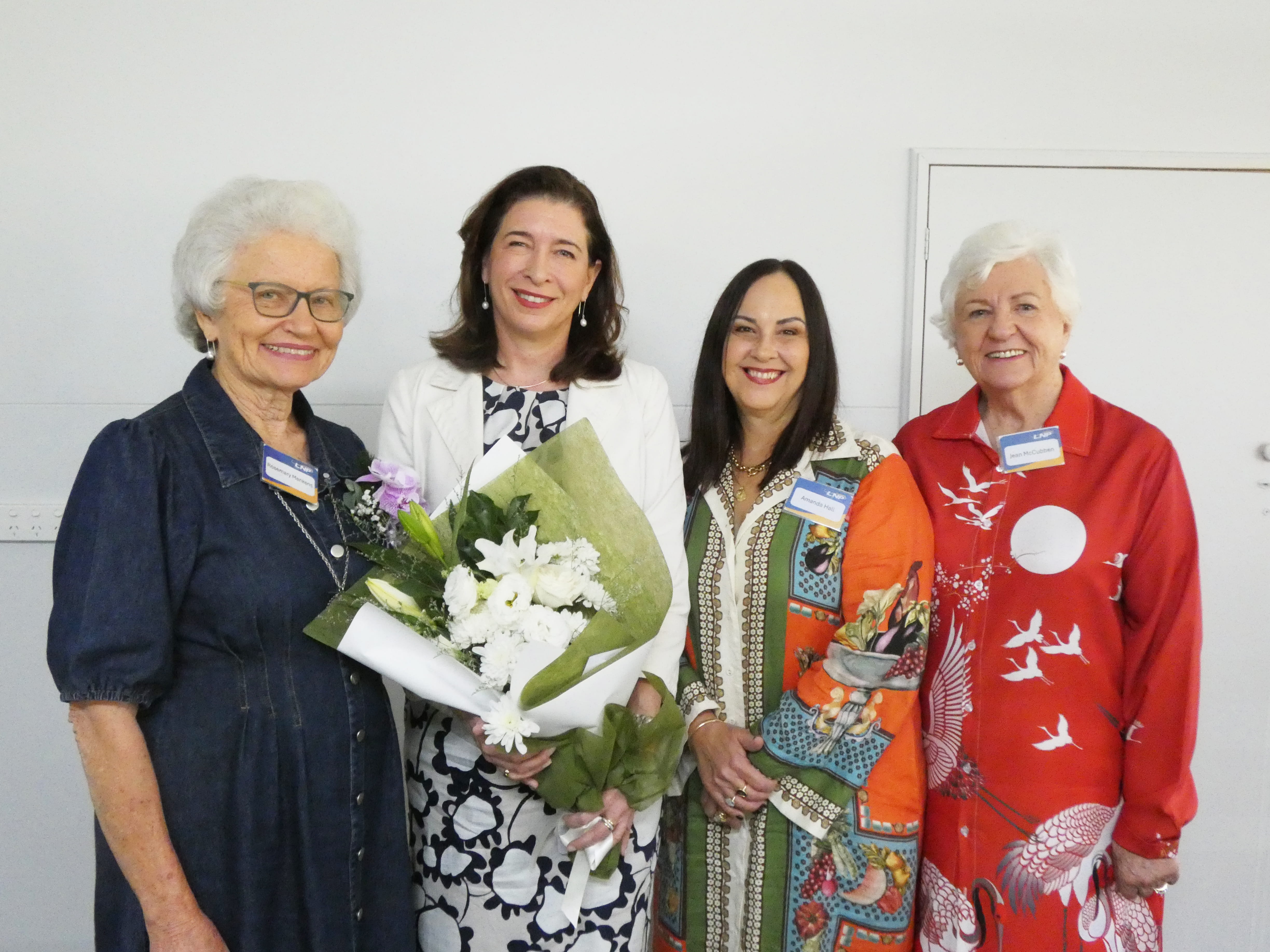
Former Member for Burdekin Rosemary Menkens, Queensland Senator Susan McDonald, Burdekin Shire councillor Amanda Hall, and Northern Regional Chair of LNP Women Jean McCubben. Photo credit: Jacob Casha
A proposal to establish a Burdekin Liberal National Party (LNP) Women’s branch has garnered strong community interest following an information meeting held last weekend at the Home Hill Community Sports Club.
If formed, the branch would connect local women with the wider LNP Women’s network and provide a platform for discussing regional issues with party representatives and policymakers.
Queensland Senator Susan McDonald, who attended the meeting as a guest speaker, said the initiative would ensure local voices are better represented.
“This is a chance to speak with a voice that is practical and grounded in the Burdekin community,” she said.
The meeting, led by Burdekin Shire councillor Amanda Hall, also featured addresses from former Member for Burdekin Rosemary Menkens, former Burdekin Shire Youth Council mayor Nicole Cervoni, and Northern Regional Chair of LNP Women Jean McCubben, who is leading the push for the branch.
Ms McCubben, a Home Hill local, said the branch aims to increase the region's influence on state and federal levels.
“People in smaller country towns don’t realise the power they’ve got. Just because they’re small, doesn’t mean they have to be quiet,” she said.
“This branch is to tell locals that they belong, and they have just as much say as someone who lives in Brisbane.”
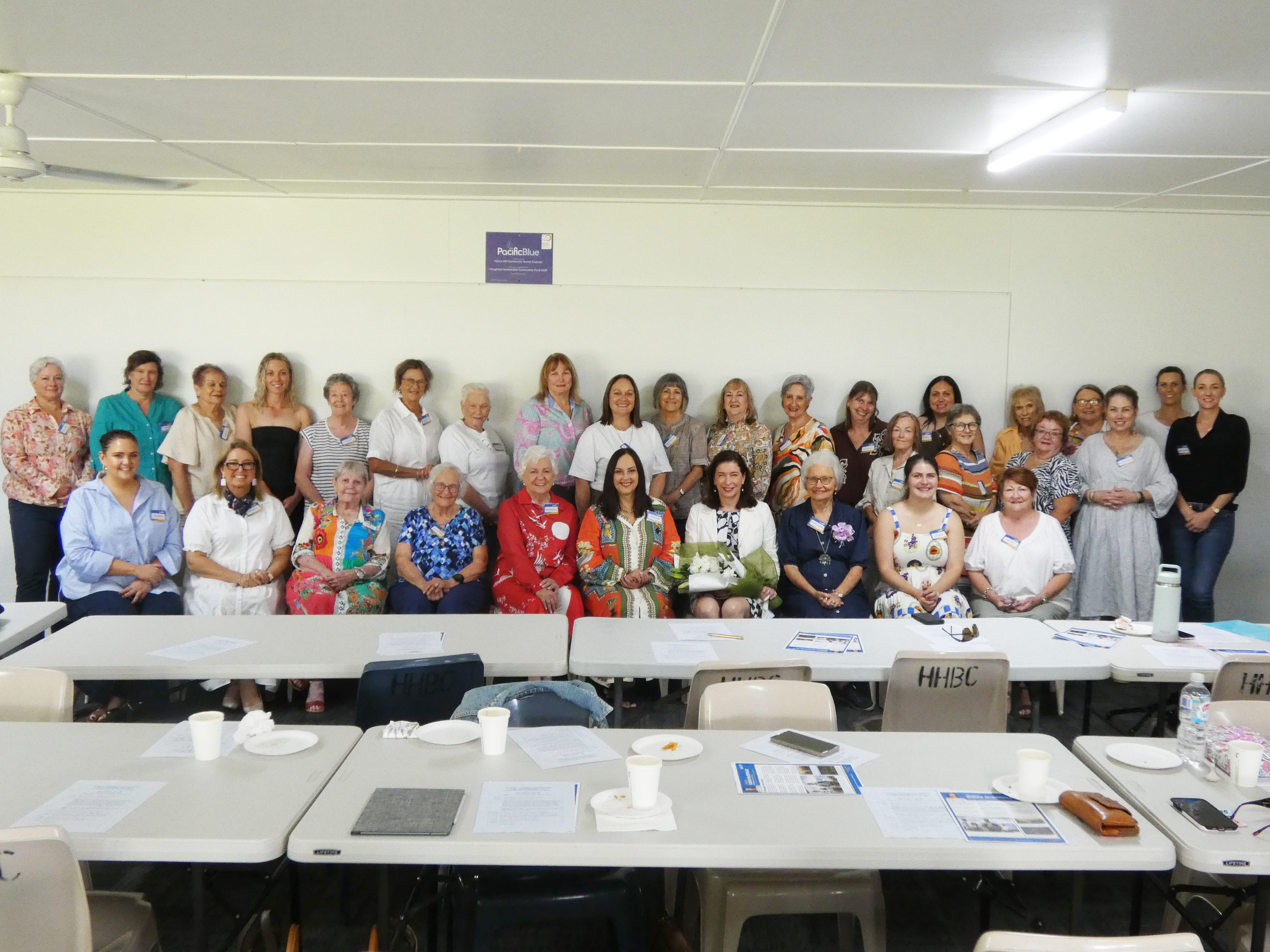
The Burdekin is part of a broader expansion of women’s branches across North Queensland that has already seen the formation of a branch in Mackay.
Ms McCubben said the branch would give local women a direct pathway to influence policy, with issues raised at branch level progressing to party conventions, where they are debated and voted on before being put to government representatives.
She said the branch will also create a pathway for women to step into leadership roles within the party.
“The women are the workers, they’re the engine, they’re the grunt work,” she said.
“You look at Rosemary [Menkens], and at people like Susan [McDonald]—she’s from Cloncurry, and now she’s in the senate in Canberra. We want more of them.”
Organisers will now submit an application to the state executive for formal approval.
Ms McCubben said that pending approval from the state executive, an inaugural AGM would be held to appoint office bearers and formally establish the branch.
She said the group would then engage with the local community to identify key issues and set its priorities moving forward.
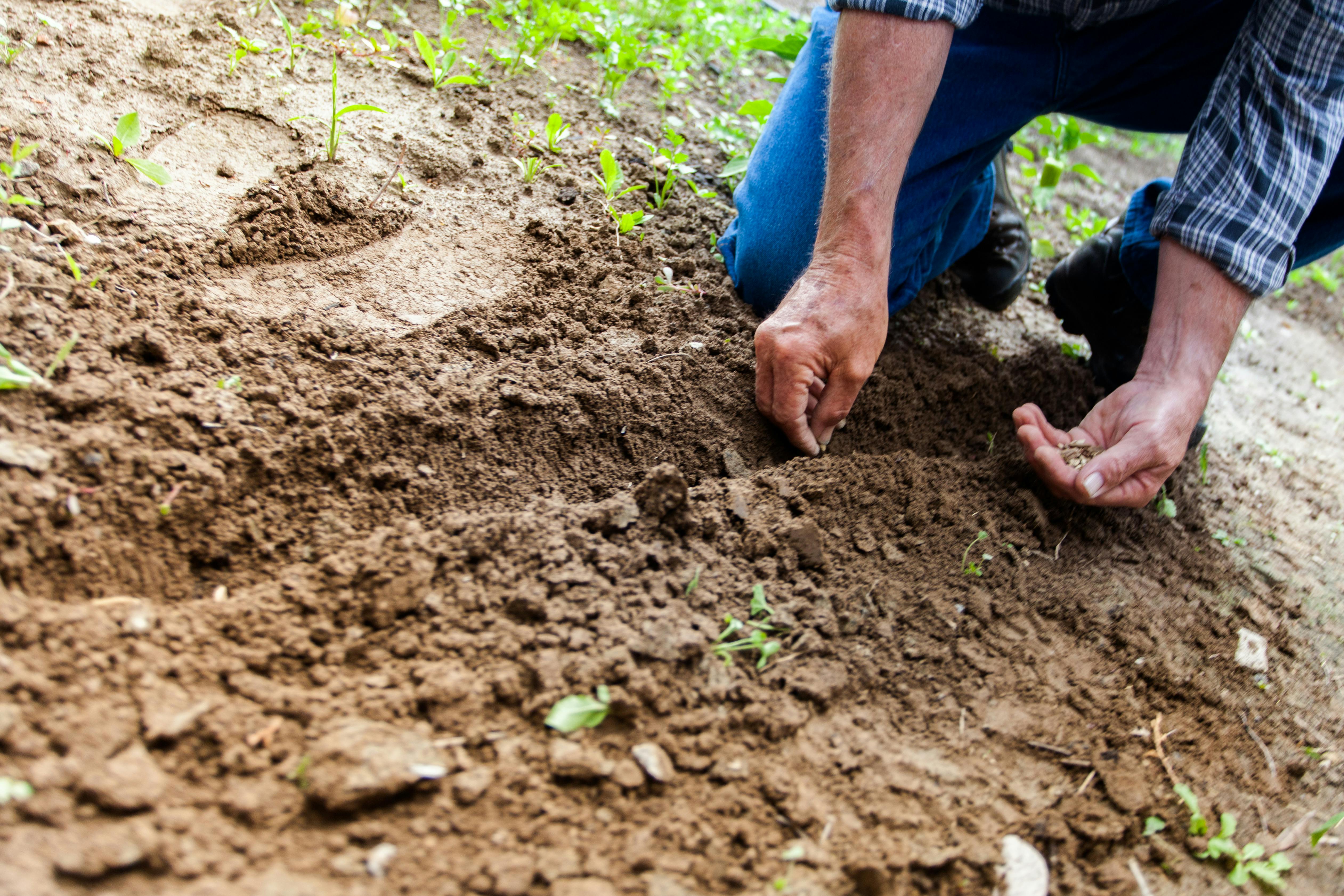
Member for Burdekin Dale Last has welcomed a $30 million boost to on-farm technology under the launch of the Crisafulli Government’s Sowing the Seeds of Farming Innovation Fund.
Commercially viable innovation with the aim of improving productivity, resilience and profitability across Queensland’s primary industries will be supported under the new fund as the Crisafulli Government works towards the ambitious target of increasing the value of primary production to $30 billion by 2030.
Mr Last said the fund provided an opportunity for Burdekin’s agricultural sector to bring their innovative ideas to life.
“The Burdekin’s agriculture sector has been at the forefront of innovation particularly in our sugar cane and horticulture industry and the benefits of that innovation flow into communities like Ayr and Home Hill,” Mr Last said.
“We know when our agricultural sector is operating efficiently and productively, we see that investment flow right through to our small businesses and community groups which is why the Crisafulli Government is backing our farmers to not grow, not just now but into the future.”
“By investing in innovation in this state we are able to strengthen commercialisation pathways and build platforms for practical technologies that make a real difference at the farm gate and ultimately the Queensland economy.”
Mr Last said the Sowing the Seeds of Farming was a game changer for the future of farming in its ability to drive and deliver the next generation of Ag Tech to boost on-farm productivity and profitability.
“Whether it is improving the efficiency of on farm practices, providing safer workplaces or embracing technology, our farmers have a global reputation for remaining at the cutting edge of production and exports,” Mr Last said.
“I’m proud to back the Crisafulli Government’s initiative to improve productivity, resilience and profitability across Queensland’s primary industries, while helping to attract additional private investment.
Businesses interested in exploring how the fund can support its growth can provide information via the QIC website for review: https://www.qic.com/Sowing-the-Seeds
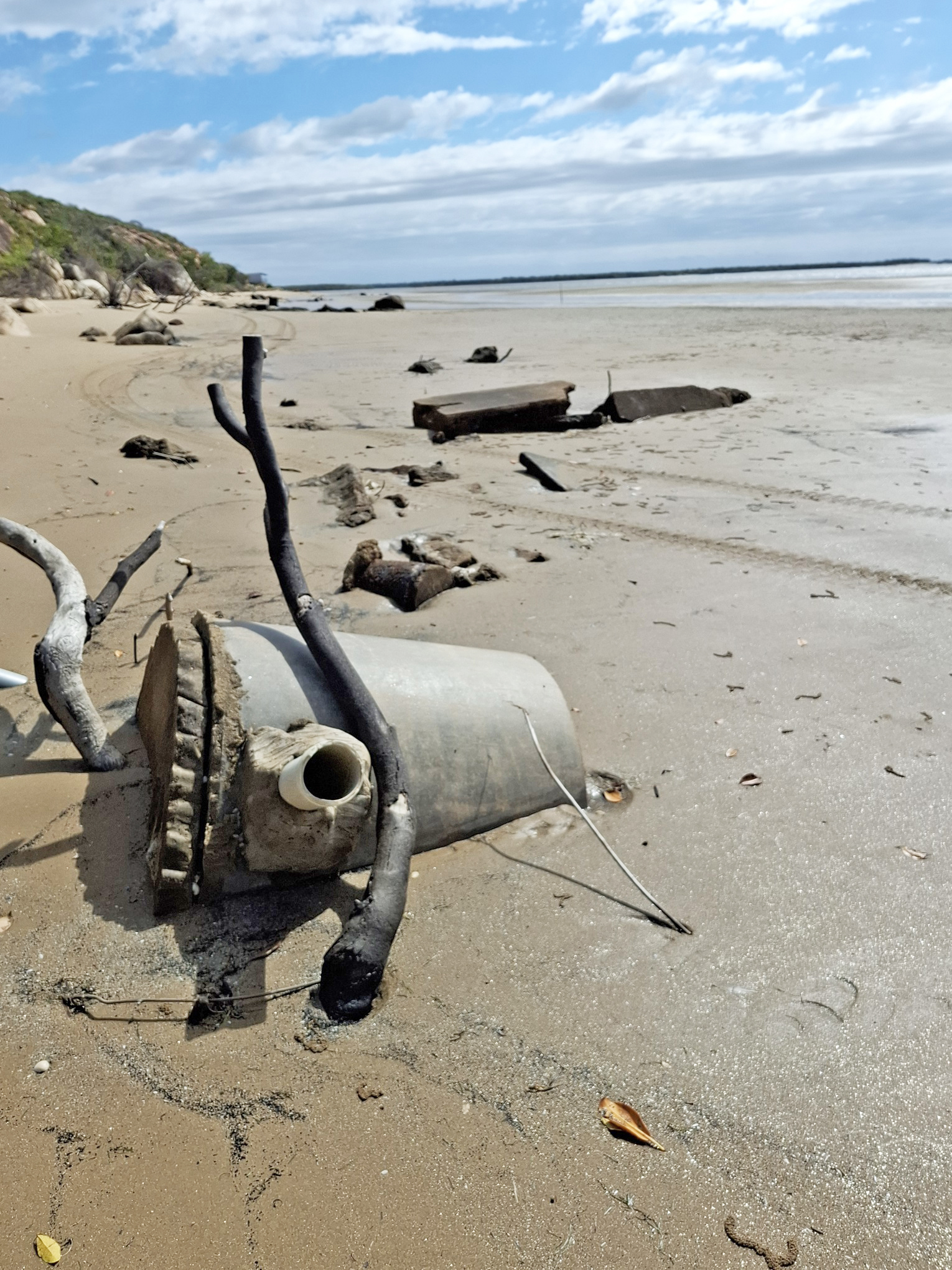
Wunjunga Beach is set for a $100,000 clean up more than a year after record-breaking floods left the coastline littered with debris. Photos supplied by Burdekin Shire Council
Wunjunga Beach is set for a $100,000 clean up more than a year after record-breaking floods left the coastline littered with debris.
The funding, announced last week, is part of a joint State and Federal Government package aimed at revitalising North and Far North Queensland communities hit by the January 2025 tropical low.
Burdekin Shire Council will use the funds to hire contractors to remove and dispose of exposed debris—including fallen trees, large trunks, scattered rock and rubble—that has remained on the beach since the floods.
Burdekin Shire Council Mayor Pierina Dalle Cort said addressing Wunjunga was “essential,” citing safety risks posed by the “significant volume” of exposed debris at the popular tourist spot.
“Wunjunga Beach is a popular destination for locals and travellers, particularly given its accessibility from the Bruce Highway,” she said.
“Restoring the beach to a safe and natural condition supports ongoing recreational use and enhances the visitor experience, which in turn contributes positively to tourism across the Burdekin.”

Jointly funded by state and federal governments under Disaster Recovery Funding Arrangements (DRFA), the project is expected to be completed well before the approved program deadline of 31 March 2027.
Mayor Dalle Cort said coastal areas like Wunjunga play a vital role in community wellbeing and environmental health.
“Maintaining these sites in good condition helps protect natural values … and allows residents and visitors to safely enjoy our unique coastal environments.”
The Wunjunga Beach clean-up is one of 30 new projects between Cape York and Winton funded by the DRFA Clean Up and Local Conversation Grants.
Queensland Minister for the Environment and Tourism Andrew Powell said the projects will bolster tourism and restore natural habitats for local wildlife.
“These projects aim to promote healthy and resilient ecosystems, from removing debris and stabilising riverbanks, to controlling invasive species and planting native trees,” Powell said.
“We’re also supporting the restoration of key habitat for wildlife such as cassowaries and turtles, protecting these species for future generations.
“In doing so, we’re not only supporting a healthy environment; we’re also supporting local tourism.”
Start dates for the Wunjunga Beach clean-up will follow funding approval and depend on weather and tidal conditions.

A simple act of kindness at a local drive-through has sparked smiles. Photo source: Shutterstock
Small acts of kindness are continuing to brighten days across the Burdekin Shire, with residents sharing heartwarming moments that show the power of community spirit.
In one recent example shared online over the long weekend through a private group, a resident anonymously expressed their gratitude after a simple but meaningful gesture at a drive-through.
“I just want to say thank you to the gentleman in front of me in a work vehicle this morning [Monday 4th May] at Macca’s drive through for paying for my order it was truly a blessing,” they wrote.
While the moment may seem small, it reflects a growing trend of everyday generosity being shared across the region, from helping hands to thoughtful surprises.
As these stories continue to surface, they serve as a reminder that even the simplest acts can make a lasting impact, strengthening the sense of connection within the community.
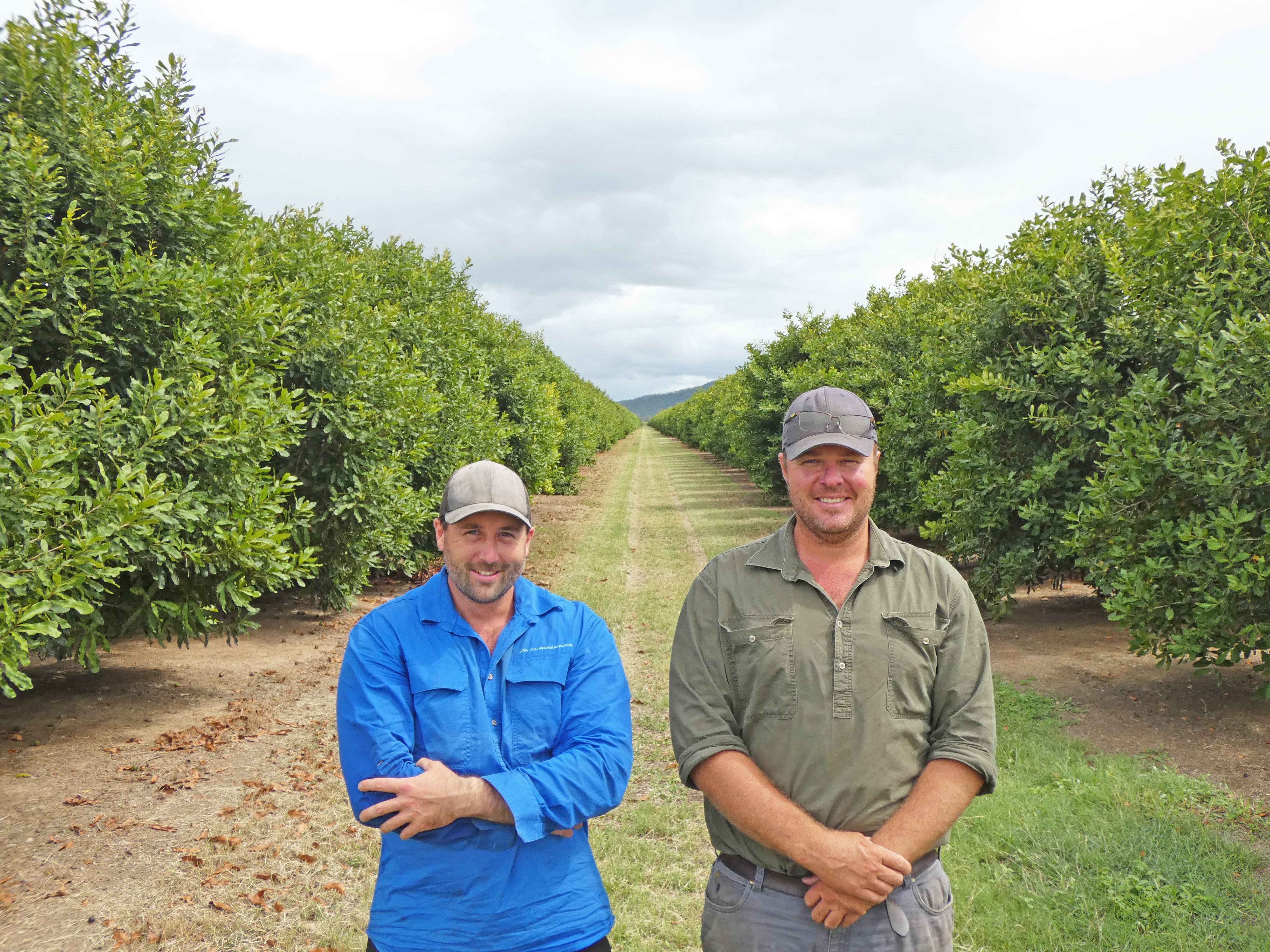
Operations manager Brandon Blakelock (left) and Burdekin area manager Andrew Cross (right) at the region’s first large-scale macadamia orchard in Horseshoe Lagoon. Photo credit: Jacob Casha
The Burdekin’s first large-scale macadamia orchard has delivered its first commercial harvest seven years after a bold break from cane, signalling a new path for local growers.
The switch, spearheaded in 2019 by Burdekin Area Manager of MH Premium Farms Andrew Cross, followed research identifying climatic similarities between the Burdekin and Bundaberg regions—the latter accounting for roughly 40 per cent of Australia’s macadamia production.
“We were trying a lot of alternatives to sugarcane to realise a bit of capital growth, and looked at macadamias for a while,” Cross said.
“We looked at Bundaberg and after a couple years of due diligence on environmental research, we realised the climates are just about a mirror-image.”
Planting began in 2021, with 8,000 macadamia trees spread across a 23-hectare orchard in Horseshoe Lagoon. After five years of negative cash flow, the current harvest has seen early yields average around five kilograms per tree.
Cross said early results had exceeded expectations, with the orchard now moving into full commercial production as yields increase across plantings in Horseshoe Lagoon and Brandon.
“I think it could definitely open the door to a new local industry, complementary to sugar,” he said.
“The existing (macadamia) land values in Bundaberg would be fourfold of what cane land is here in the Burdekin. We don't expect to realise that out here just yet… but any uptake in land valuation is certainly a big cherry.”
Cross said the seven-year process has been mostly smooth sailing, despite the switch being met with much local skepticism.
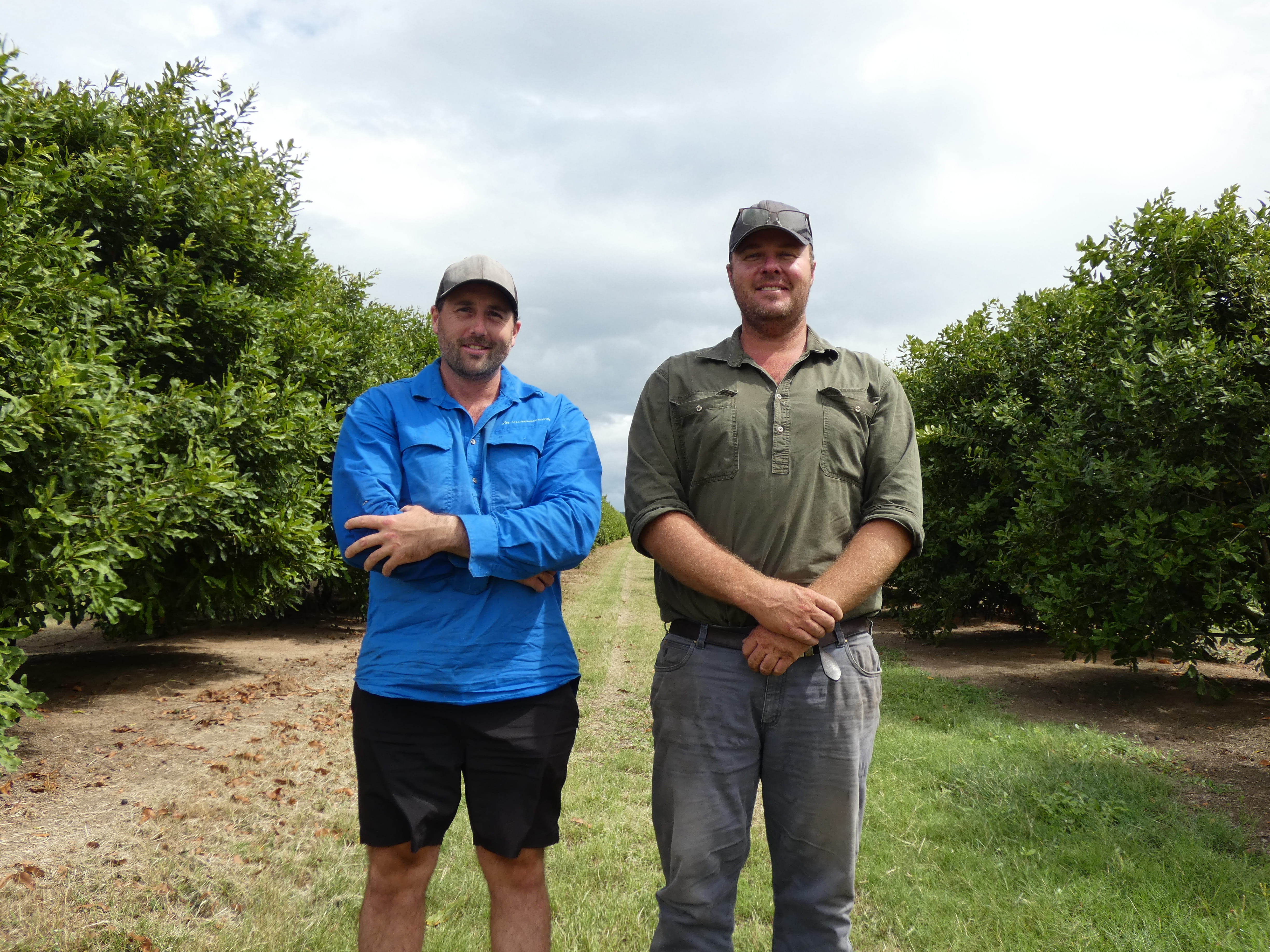
Macadamia trees have a known susceptibility to cyclones, making the Burdekin a historically risky location for mass investment in the crop.
Despite a few “sleepless nights” around this year’s Cyclone Koji scare, Cross said the team is “not worried.”
“Everyone obviously jumps straight to cyclone risks. We spent years in Bundaberg understanding the climatic and growing risks—we’re not worried,” he said.
“The cyclones the Burdekin’s had historically wouldn’t have been good, but wouldn’t have been devastating either. Even after Yasi and Larry up at Innisfail, there’s still macadamia orchards retaining there now.
“But if we get a severe cyclone, it’s going to be a mess. There’s no two ways about it.”
Cross said the project still had room for expansion, with further plantings underway as the operation scales across the Burdekin.
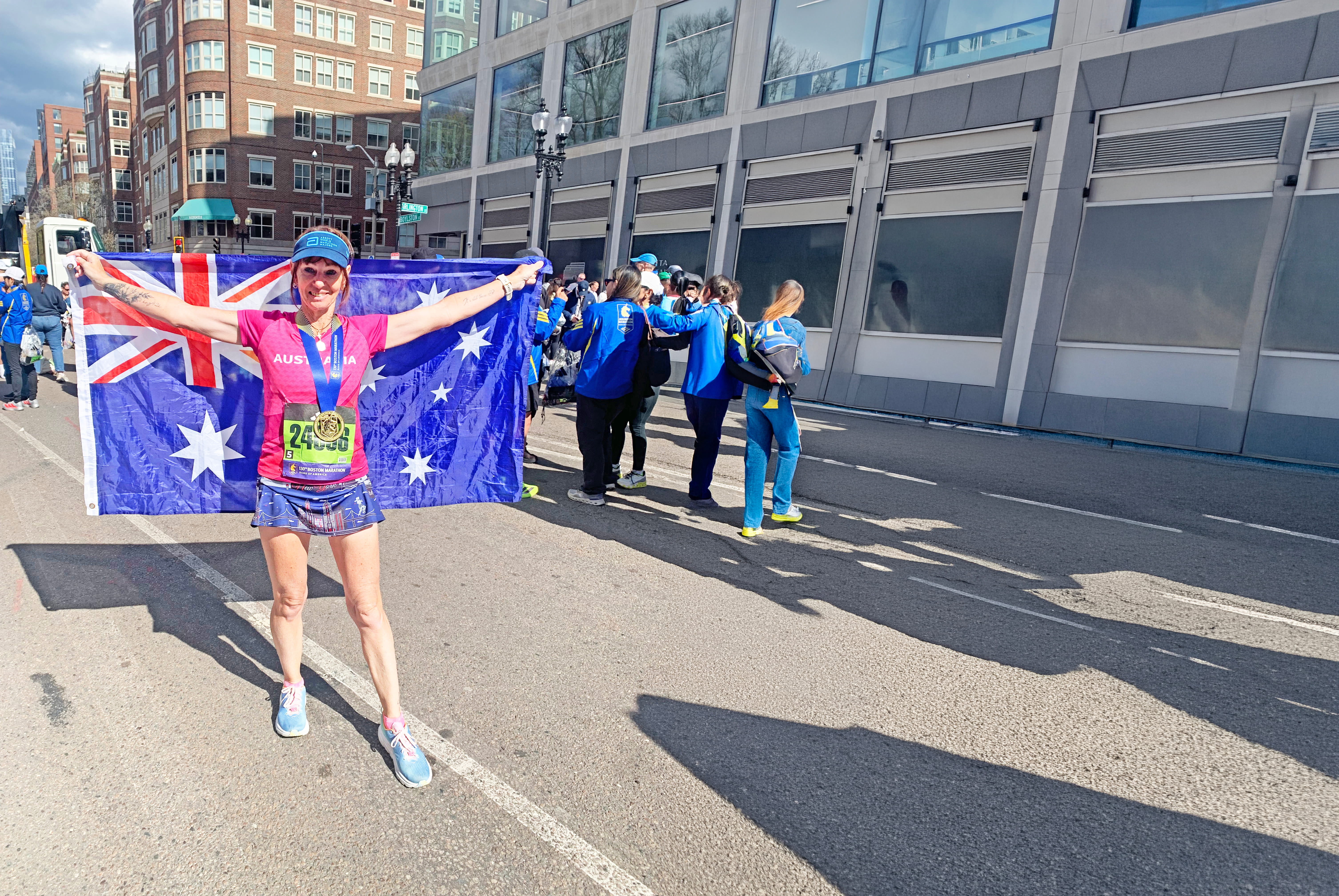
Home Hill resident Karin Thorburn returned home last week after a month spent travelling the world, though it was not exactly your typical sightseeing expedition.
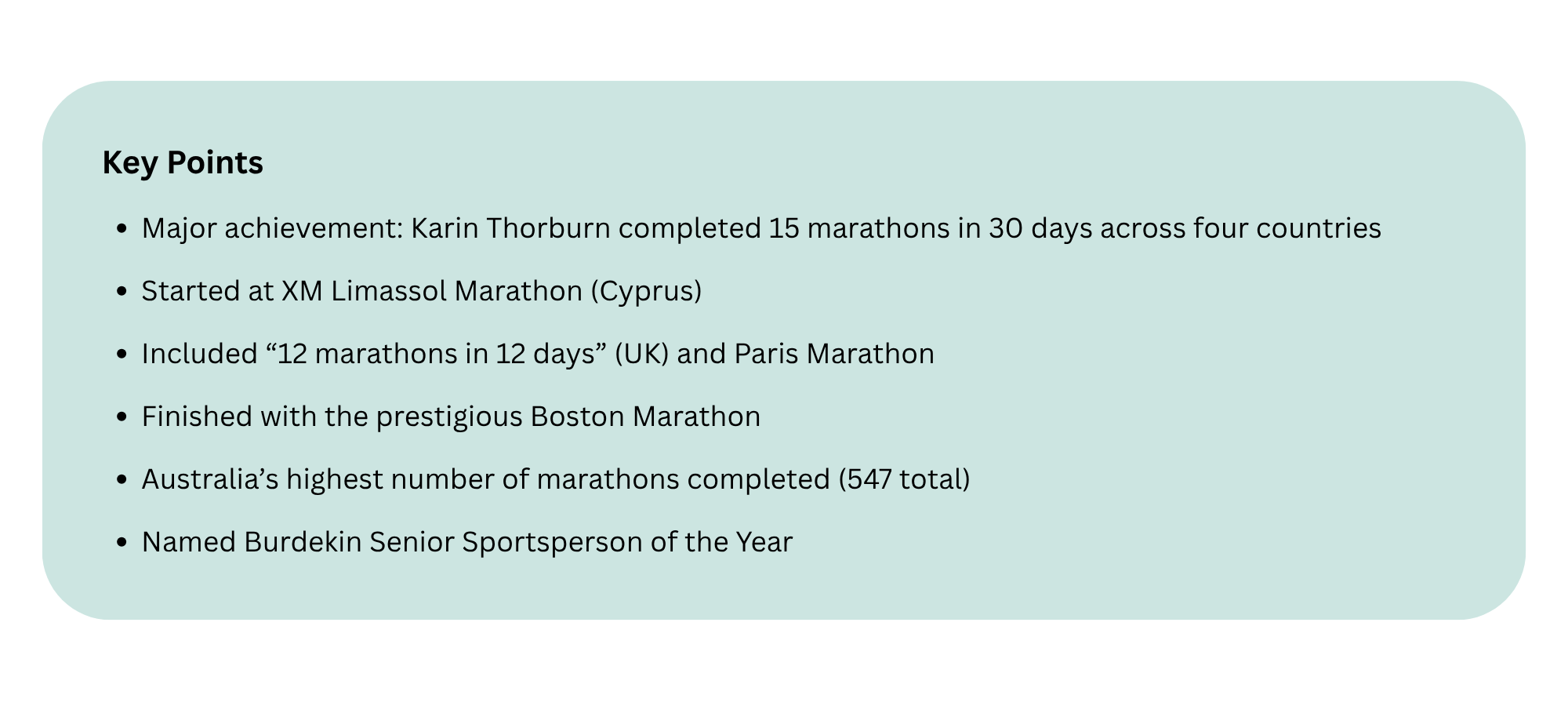
The 59-year-old local runner, recognised last year as the first Australian to complete 500 marathons, set off for Cyprus in March for the XM Limassol Marathon—the first of 15 she would run over the following 30 days.
Her itinerary took her through major European cities, including Paris, before culminating in the world-famous Boston Marathon, where her strong performance all but guarantees qualification for next year’s race.
Home Hill runner Karin Thorburn has returned to the Burdekin after successfully completing 15 marathons in 30 days across four countries.
Thorburn, a veteran runner who was this year named Burdekin Senior Sportsperson of the Year for her marathoning exploits, ran 14 marathons across Europe in preparation for the Boston Marathon, which rounded out the trip.
At 59 years old, Thorburn is currently the Australian record holder for the highest number of marathons completed, with her tally now reaching 547.
Despite having just competed in the Sugar Rush half-marathon only six days after returning from the United States, she shows no signs of slowing down, describing her intense schedule as a “lifestyle choice.”
“It’s for my mental health, it’s for my physical health, it’s for keeping me in the best shape I can be, for a lady that’s my age," Thorburn said.
“I’m not a spring chicken, and there are so many people out there saying I’m too old. I just tell them, I’m just getting started.”
The gruelling 30-day itinerary began in Limassol, Cyprus, followed by the “12 in 12” event—12 marathons in 12 days—in the UK, and the Paris Marathon, before finally tackling Boston.
The feat was as much a mental battle as a physical one, says Thorburn.

“The mind is stronger than the legs,” she said.
“Sometimes it plays tricks and says, 'You’ve done enough. Why don't you just stay in bed?' But I knew I could do it.”
She explained that the massive volume of racing was a strategic training block designed specifically to conquer the Boston Marathon, an event she considers "the pinnacle.”
“I love a challenge," Thorburn said.
“Running the other 14 marathons, they were all fantastic, but it all led me to one thing, and that’s the Boston Marathon. That’s the greatest race in the world.”
Her run in Boston was the third time she had competed in the event, finishing with a 15-minute buffer which she says effectively “guarantees” her entry into the 2027 race once applications open in September.
“I can't even describe how you feel,” Thorburn said.
“Getting to the start is one thing, but doing it, finishing it, conquering it again—especially at my age—you feel things you never felt before.”

Thorburn has lived and breathed distance running since she started taking it seriously 26 years ago. Her passion has since taken her across the globe, completing all six of the Abbott World Marathon Majors—Tokyo, Boston, London, Berlin, Chicago, and New York—earning her the prestigious official title of “Six Star Finisher.”
Her achievements have garnered much local support, but perhaps none greater than from her residents at Ozcare Home Hill.
As well as her work with Ozcare, Thorburn helps organise the Magnetic Marathon Series in Townsville, an event that attracts international competitors while also providing a space for athletes looking to kickstart their running careers.
Thorburn sees her local events as a platform for others to “have a go”—a mantra that has fuelled her own career for over two decades.
“My events are only small events, but they're a stepping stone and people get to run with me and go, ‘Okay, so this is what you do,’” Thorburn said.
“I hope I can inspire other women, including those younger than me, to look at what I do and think: ‘If she can do it, I can have a go.’”
Photos supplied

My Vibe Homewares has a growing reputation as your go-to store when searching for that unique, contemporary piece. Since opening its doors in Ayr ten months ago, the store has attracted customers from across North Queensland, building a strong local following in the Burdekin.
Boasting a wide range of earthy, textural and timeless homewares, My Vibe offers quality linen, luxury towels and exquisite rugs, all selected to deliver quality at affordable prices right here in the Burdekin.
At the heart of the store is a carefully curated range that is hand-picked to provide both functionality and practicality. Every piece is selected with durability and classic design in mind, with owner Sue ensuring that long-lasting quality remains a priority in every decision.
Sue’s strong eye for design is supported by her regular attendance at the Sydney and Melbourne gift fairs, where she gains access to the latest seasonal designs and colour updates. This, coupled with her innate ability to coordinate the range to suit most design tastes—from subtle, natural tones through to more textured and statement pieces—ensures the store is continually refreshed with new ideas and inspiration brought back to the Burdekin.
The result is a thoughtfully balanced collection that caters to a wide variety of interiors and personal styles, while maintaining a consistent focus on quality and affordability.
Supporting the store is a friendly and welcoming team who are always ready to assist and offer advice when required, ensuring a relaxed and enjoyable shopping experience.
Located on Queen Street, Ayr, My Vibe Homewares is open Tuesday to Saturday from 10am until 4pm daily, offering a local destination for stylish, practical and contemporary homewares in the heart of the Burdekin.

If you’re still scratching your head for something meaningful this Mother’s Day, two local arts groups are offering simple, thoughtful options that keep it close to home—and handmade.
At the Burdekin Art Society, a special Mother’s Day art sale will be held on Sunday 3 May 2026 at the Art Shed, 154 MacMillan Street (across from the pool), from 8am to 1pm. A wide selection of paintings will be available, with prices starting from just $20, making it easy to find an affordable, locally made gift.

For something a little more tactile, the Burdekin Potters Inc in Plantation Park will be open for anyone looking for a unique, handmade gift. The pottery studio regularly opens on Tuesday, Friday and Sunday mornings, but visitors are also welcome whenever the doors are open or the “OPEN” flag is flying. Gift vouchers are available, and private visits can be arranged by contacting Debbie on 0428 832 355.
Both options offer a chance to support local artists while picking up something with a personal touch—far more memorable than a last-minute petrol station bouquet.
.jpg)
Australia has everything we need right here at home. We have the resources, the technologies, and the people with the talent. Yet our manufacturing sector and sovereign capability have fallen off a cliff; farmers are being left out in the cold; and Australians across the country, particularly in the regions, are being left behind, while we all pay more for everything.
Labor’s Net Zero nonsense is crippling our country, while others not hamstrung by arbitrary targets advance at pace.
China, India and the United States are not taking their foot off the pedal, while we send our resources overseas on a dime and buy back the finished product at top dollar. Australian manufacturing has been in decline for decades, but in the last four years under Labor the rate at which manufacturers, smelters, refineries and food processors have closed is truly alarming.
We are making far less today and relying more and more on others. We need to turn that trend around before the only thing we are producing is a piece of paper handed out to overseas students.
At the heart of this rapid decline in manufacturing? Our weaker and more expensive energy grid. To be blunt, rising electricity costs are forcing manufacturers to close and deterring others from starting up. When I speak to manufacturers, the message is the same: “I don’t know how much longer we can keep going like this.”
The simple reality is that weather-dependent power cannot sustain a modern industrial economy on its own. Manufacturers cannot operate on intermittent electricity. Farmers cannot rely on an unstable energy system. And renters and lower-income households, who cannot afford rooftop solar or battery storage, are increasingly left paying the hidden costs of maintaining a complex grid built around intermittent supply.
Australia once prided itself on energy independence. Now we are replacing dependable Australian energy with a system dependent on imported wind turbines, solar panels and batteries, many manufactured in China. In doing so, we are hollowing out our own industrial base while increasing our reliance on foreign supply chains.
I’ll keep saying it. We need a balanced approach, and all technologies must be part of the energy mix.
The other part of the energy story is, of course, fuel. No fuel, no transport, no movement of goods. When faced with the recent fuel supply constraints, Energy Minister Chris Bowen said the solution is to buy an electric car. That may suit city commuters, but for many regional Australians travelling long distances and those needing to tow heavy loads, an EV is nothing but an expensive paperweight.
Right now, a very bad government is deploying a very bad energy policy that puts international recognition for fairytale emission targets ahead of affordable electricity and fuel security.
We need an urgent course correction on our nation’s energy policy. We need an energy mix that supports manufacturers and farmers. We need to be able to better use the resources we have so that we can stand on our two feet. And, we need a government that believes in putting Australians first.
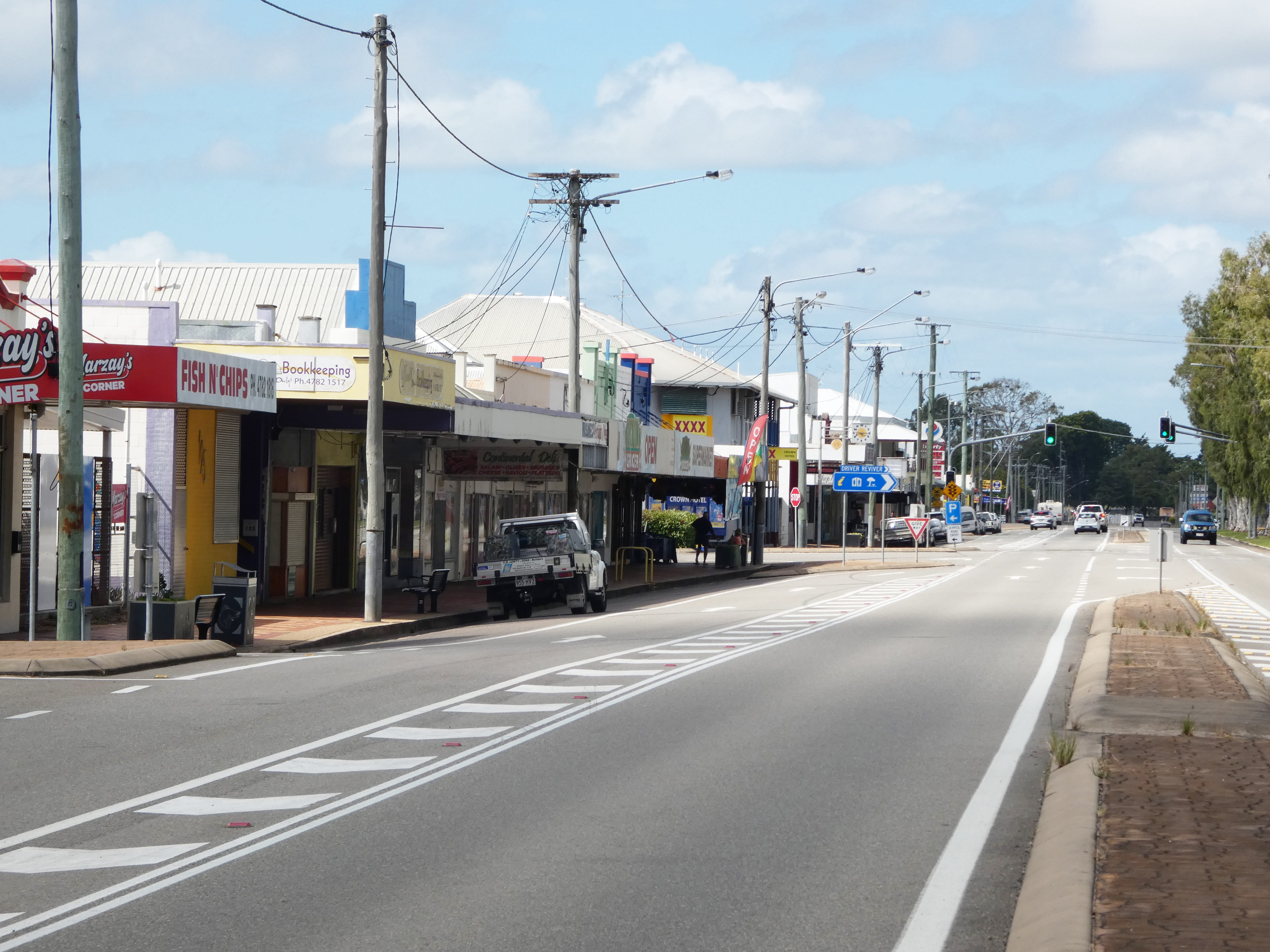
Regional tourism operators have welcomed the Tourism Support Hub, describing it as a positive step toward easing pressure on small businesses navigating rising costs and complex government processes. Photo credit: Jacob Casha
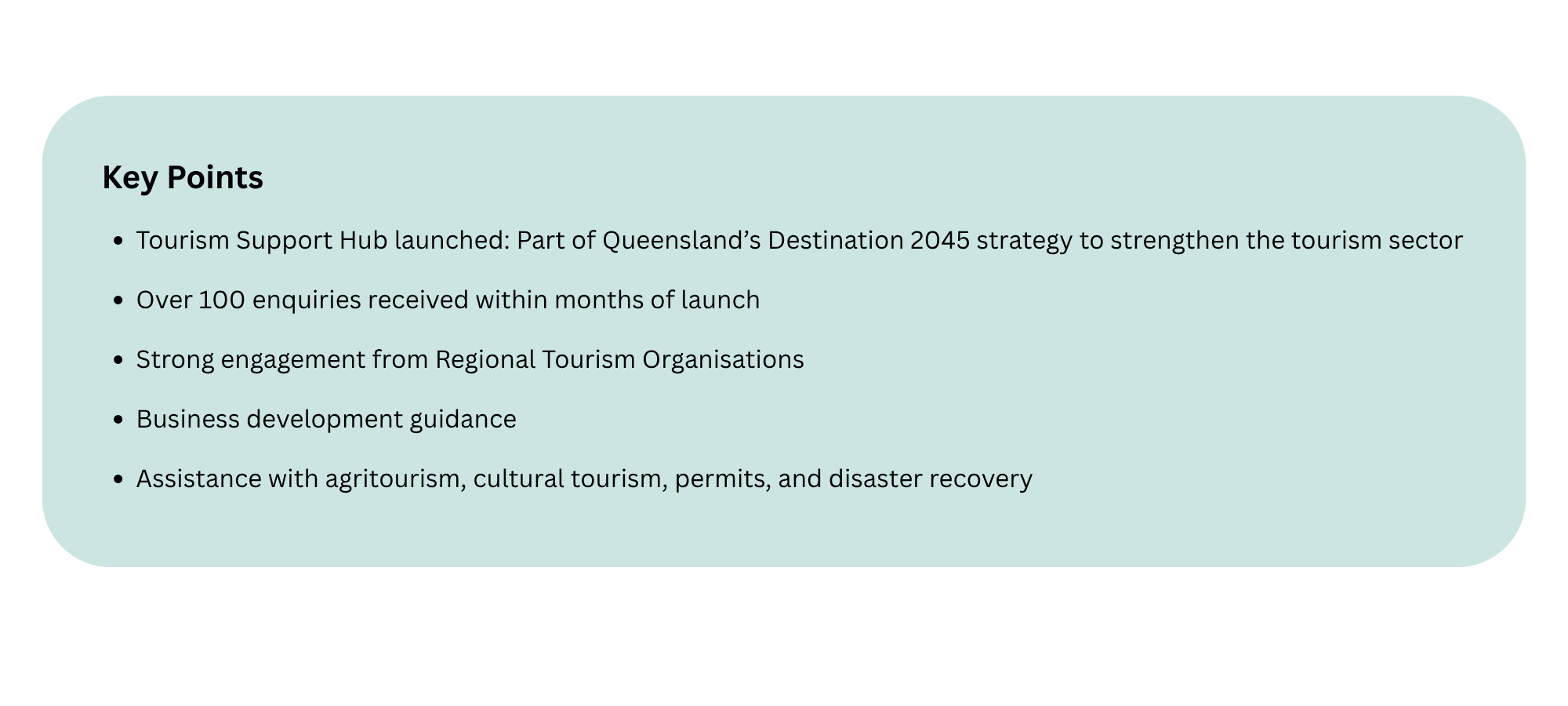
Just months after its launch, the Government’s Tourism Support Hub has surpassed 100 enquiries, marking an early milestone in its broader plan to reshape the state’s tourism future.
Developed under Queensland’s Destination 2045 initiative, the Tourism Support Hub has already drawn strong interest from Regional Tourism Organisations across the state, fielding enquiries spanning business development, agritourism, cultural tourism, national park permits and disaster recovery.
Burdekin Chamber of Commerce Secretary, Kari Ravizza, and Home Hill Chamber of Commerce Secretary Rob Antoniazzi have both welcomed the initiative, saying the Tourism Support Hub will make a meaningful difference to how small and regional businesses operate.
“To have a dedicated support officer offering step-by-step guidance sounds fantastic and would be welcome in all small business industries,” she said.
Mrs Ravizza said she hopes businesses take full advantage of the Tourism Support Hub, noting that any government support specifically targeting regional areas is a positive step forward.
“Regional businesses often operate with limited resources and wear multiple hats. Support navigating government processes would be beneficial,” she said.
It is no secret the business community is struggling through a period of ongoing uncertainty, with both Mrs Ravizza and Mr Antoniazzi pointing to mounting economic pressures. Cost-of-living impacts are reducing discretionary spending and affecting visitor numbers, while rising fuel and transport costs are making travel less affordable for tourists and increasing operating expenses for businesses. At the same time, operators are working to rebuild resilience after recent weather events, all against a backdrop of continued economic uncertainty and a noticeable decline in travellers stopping in the region.
“Smaller and family-run operators can easily be overlooked or may not have the capacity to actively seek out support. There can also be barriers around awareness, time, and confidence in engaging with government programs,” said Mrs Ravizza.
“The Tourism Support Hub is a step in the right direction, particularly with its personalised approach, but continued promotion and outreach are essential to ensure these businesses know the support exists and feel encouraged to use it.”
In 2025, a record 2.4 million international visitors injected $7.5 billion into Queensland’s economy, with total visitor expenditure soaring to $44.3 billion, equivalent to $121.5 million every day.
Chief Executive Officer of Queensland Tourism Industry Council, Natassia Wheeler, said the Tourism Support Hub was helping to build a stronger, more resilient tourism industry.
“Access to clear, practical support is critical for tourism operators, particularly in the current operating environment,” Ms Wheeler said.
“The Tourism Support Hub is playing an important role in helping businesses navigate processes and connect with the right information when they need it.”
Tourism operators can find more information on the Tourism Support Hub at www.qld.gov.au/tourismsupporthub, or contact the team directly on 07 3101 2002 or via email at tourismsupporthub@detsi.qld.gov.au.

16V71 in place at Burdekin Machinery Preservationists. Photo supplied
Burdekin Machinery Preservationists has added a new exhibit to its collection: a 16V71 Detroit Diesel. So why is this engine special?
BMP proudly showcases a range of engines representing the evolution of power generation over the centuries—live steam plant, hot-air engines, hot-bulb internal combustion engines, semi-diesels, and finally, modern diesel engines.
Among the diesel exhibits is the historic Walkers No.1 air-fuel-injected diesel engine, built around 1930 by Walkers Ltd. Maryborough under licence to Mirrlees Watson and based on Rudolf Diesel’s original design. At 25 tonnes, this rare engine powered a 150 kW standby alternator at Kalamia Mill. Only two air-injected diesels are known to still operate in Australia.
From Inkerman Mill, we also display a Ruston 7VEB, a four-stroke diesel weighing about 18 tonnes and manufactured around 1950 to the highest British engineering standards. It powered a 350 kW standby alternator set.
Now, thanks to 4QN, BMP is proud to present a 16V71 Detroit Diesel. This 3-tonne unit powered a 184 kW standby alternator at the local 4QN transmitter. An iconic two-stroke diesel, the 71-series was manufactured from 1938 to 1995. Developed just before WWII, these engines powered landing craft and many other military applications. Their robust design made them popular across transport industries worldwide.
Locally, many sugar mill locomotives ran 6-71 Detroit Diesels, often clocking up around 2,000 hours per season. Our newly acquired 16V71 has only 1,800 hours on the meter—barely run in. Fuel consumption is notable at around 70 litres per hour under load, though our diesel mechanics, President Bruce and Secretary Al, are confident they can “turn the wick down a bit.”
Retrieving the engine proved straightforward. The contractor upgrading the transmitter power supply needed the unit removed and kindly provided cranage and assistance. Transport was arranged by our club’s go-to man, Graham Seib.
At the Brandon site, the only available space was across one end of the powerhouse—an arrangement originally proposed by our late treasurer Alf Shand for an earlier project that never eventuated. It turned out to be the perfect solution.
Contributed with thanks to Burdekin Machinery Preservationists
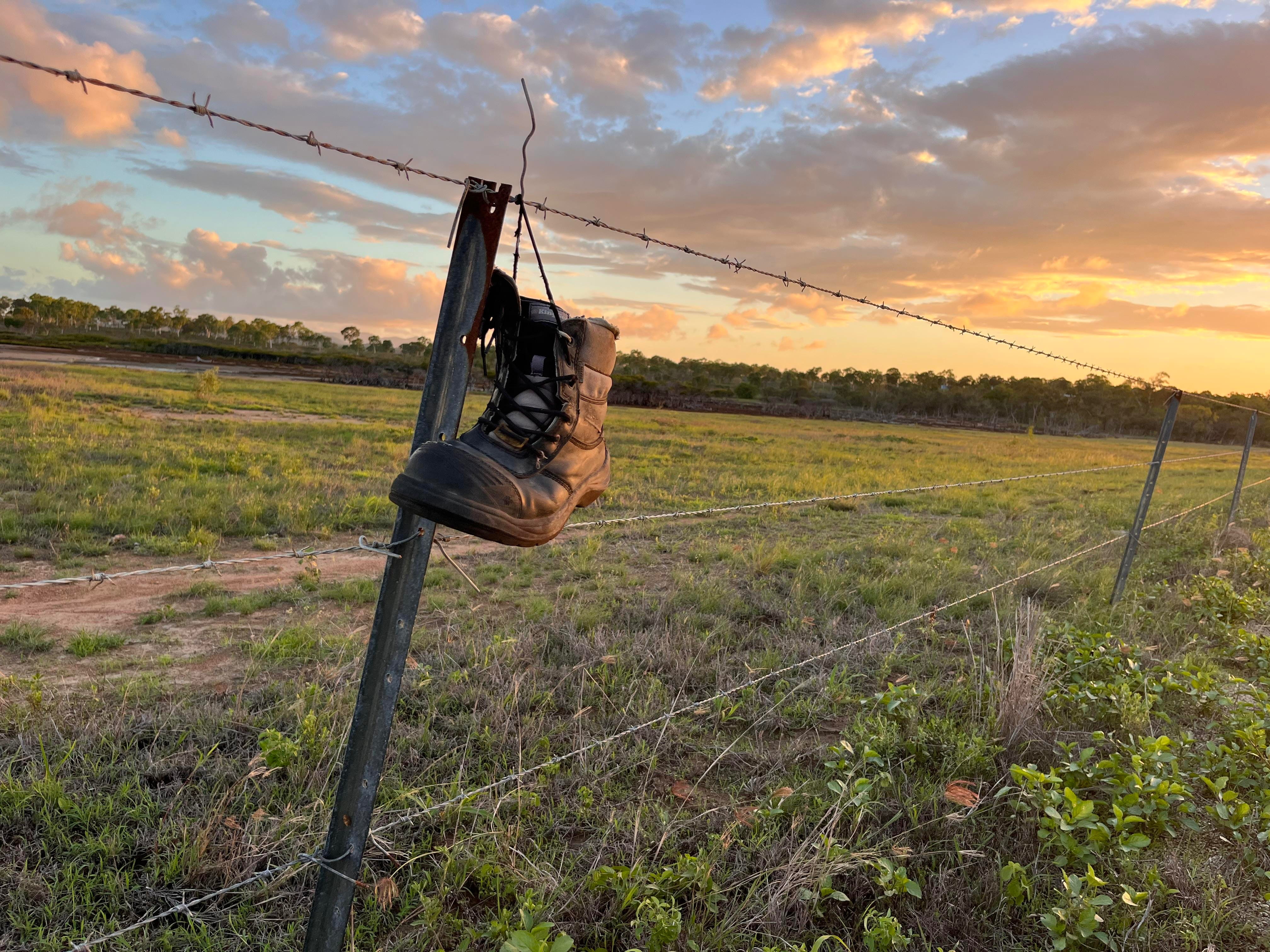
Dry paddocks and rising costs signal a tough season ahead for rural Queensland, as El Niño heightens the risk of drought, fire and economic strain across regional communities. Photo source: Shutterstock
Rural communities across the state are facing mounting pressure as intensifying drought conditions compound the challenges of ongoing flood recovery and test local resilience.
With El Niño bringing hotter, drier weather, farmers are grappling with worsening soil moisture deficits and water scarcity, placing livelihoods at risk and raising concerns about long-term sustainability.
With conditions expected to deteriorate in the coming weeks, the 2026 El Niño is forecast to be one of the strongest on record, bringing an increased risk of drought, extreme heat and bushfires. Rural Fire Service Queensland Deputy Chief Officer Clint Tunnie said residents could expect fire conditions to return to more typical levels through autumn as the state heads into winter, with growing fuel loads emerging as a key concern.
“Northern parts of the state have experienced significant rainfall and severe weather events throughout summer, leading to increased fuel loads in some areas,” Mr Tunnie said.
“Now is the time for landholders to start preparing for the heightened bushfire period later this year. It is important to remember that managing Queensland’s bushfire risk is a shared responsibility and landowners are legally responsible for managing bushfire hazards on their properties.”
Dale Last MP, Member for Burdekin, said the primary concern for the region lies in the uncertainty surrounding growers’ access to fuel, fertiliser and the rising costs of freight.
“The Burdekin district’s reputation as an agricultural powerhouse is built on our access to water so we are rarely impacted by the droughts that El Nino can bring,” he said.
“The main threat to our local producers lays in the increase in costs for supplies like fuel and fertiliser that can be caused by El Nino.”
Mr Last said farmers value rainfall during the growing season, but in the lead-up to and throughout the cane harvest, dry conditions are generally preferred. He noted that while drought remains a risk in the Burdekin, growers in the Isaac Regional Council area are particularly vulnerable, with many crops relying solely on rainfall.
“Drought conditions are a definite risk in the western areas of the Burdekin electorate,” he said.
“When you look at cattle grazing for example, the effect of drought means a dramatic increase in workload at best and, at worst, an absolute disaster for livestock, primary producers and the communities that rely on them.”
Mr Last said that despite the challenges, he remains confident the Burdekin Shire is well placed to respond, pointing to the strength of its close-knit community and its willingness to support one another.
“Challenges are nothing new to the people of the Burdekin. We are fortunate, in the agricultural sector, to have the resources like water and the knowledge that has been built up over several generations, including during challenging times,” said Mr Last.
“We keep an eye out for each other and pitch in to help when times get tough. That can honestly be the difference between making it through and the worst possible outcome.”
Publishers Indemnity. Any individual or entity that places advertising, supplies copy material, or submits editorial content to Core Life Publishing agrees and undertakes to ensure that all such material:- Does not infringe upon any copyright, trademark, or other intellectual property rights;- Is free from any content that could be considered defamatory, libelous, or slanderous;- Does not infringe upon any rights related to privacy or breach of confidence;- Contains no obscene, indecent, or otherwise unlawful material;- Complies fully with the Trade Practices Act and all other applicable laws, regulations, or statutes.Furthermore, by submitting or placing such material, these individuals or entities agree to indemnify and hold harmless the publisher, Core Publishing and Events Pty Ltd, and/or its agents from and against any and all investigations, claims, demands, liabilities, damages, costs, or judgments arising out of or in connection with the material provided. All material is believed to be accurate at the time of printing and remains the copyright of Core Publishing and Events Pty Ltd.
© 2026 Life Publishing Group Pty Ltd.
