
Independently Owned, Locally Grown, Community Loved
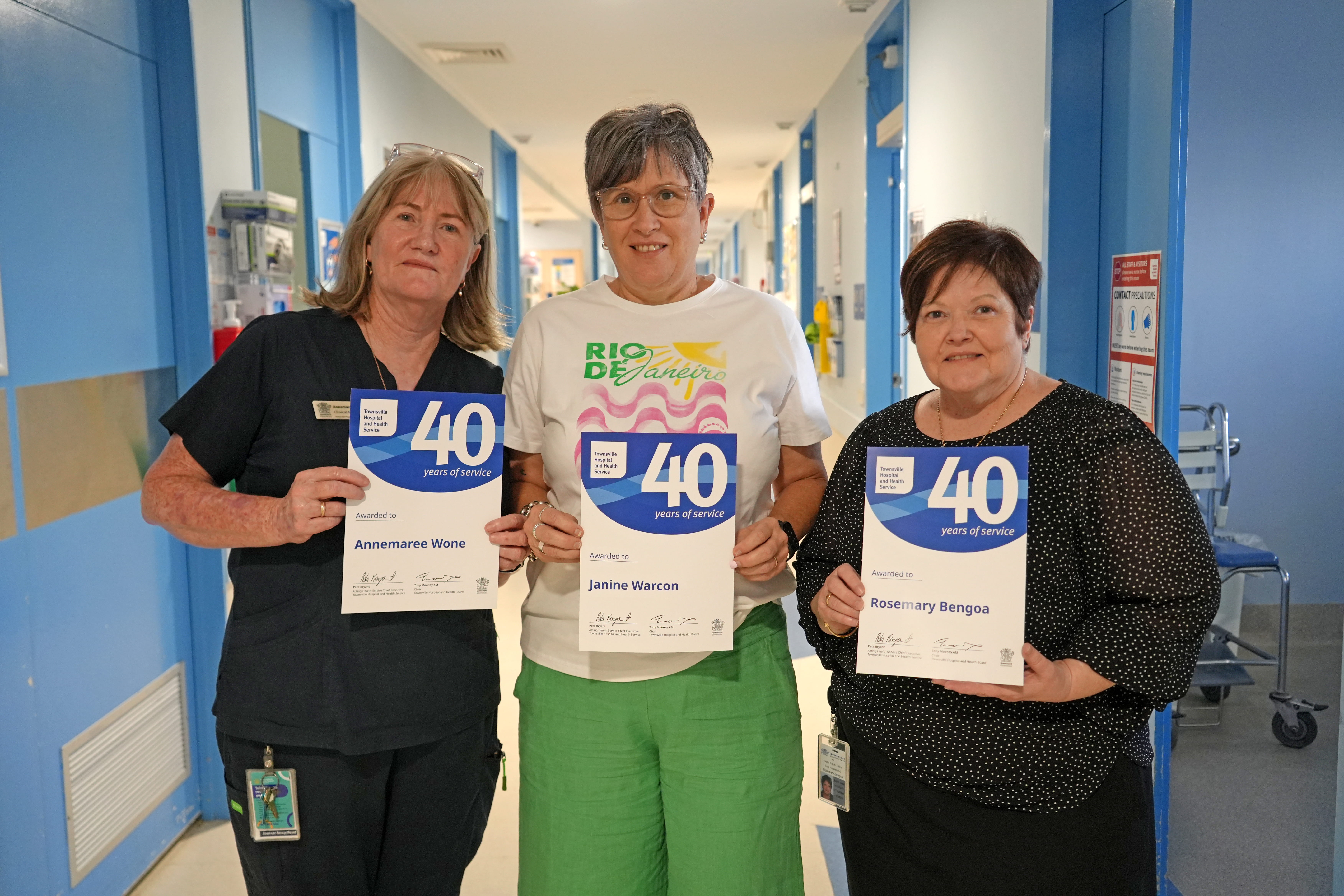
Three Burdekin hospital workers have clocked up 120 years of combined service to the Ayr and Home Hill communities. Rosemary Bengoa, Janine Warcon and Annemaree Wone have each reached 40 years of service, with the milestone recognised at local staff thank-you events. Rosemary began at Ayr Hospital in 1985 in the front office before moving into medical records, accounts payable, assets and finance. Janine started in the Home Hill Hospital kitchen and has since worked across kitchen, cleaning and laundry roles at both Ayr and Home Hill. She later became an orderly before moving into her current role as an assistant in nursing at Home Hill. Annemaree began her career at The Prince Charles Hospital in Brisbane, working as an enrolled nurse for four years before completing her registered nurse training in Townsville. She returned to the Burdekin after the birth of her first child and now works across the dialysis unit and emergency department at Ayr. The three staff members said their connection to the community, colleagues and variety of work had kept them in the health system for four decades. “Your work colleagues and the friendships you make along the way keep you in the role,” Rosemary said. For Janine, working in her own community and caring for patients has been a key part of her career. “We’ve had some funny moments; just the other night one patient was disco dancing in the hallway with me,” she said. Annemaree said working across different areas had kept her career varied. “I work in dialysis, sometimes in the emergency department, and sometimes on the ward, and because I have always worked across multiple areas, I’ve never felt stuck in one place,” she said. The breadth of responsibilities is a common feature of working in rural hospitals, Ms Wone said. “You need to know lots of different things when you work in a rural or remote hospital setting, so we are very busy,” she said. “But even with how much we have all achieved, I can’t believe it’s been 40 years; it feels like it happened overnight.” CAPTION: Rosemary Bengoa, Janine Warcon and Annemaree Wone have each reached 40 years of service, with the milestone recognised at local staff thank-you events. Photo supplied
Read the full story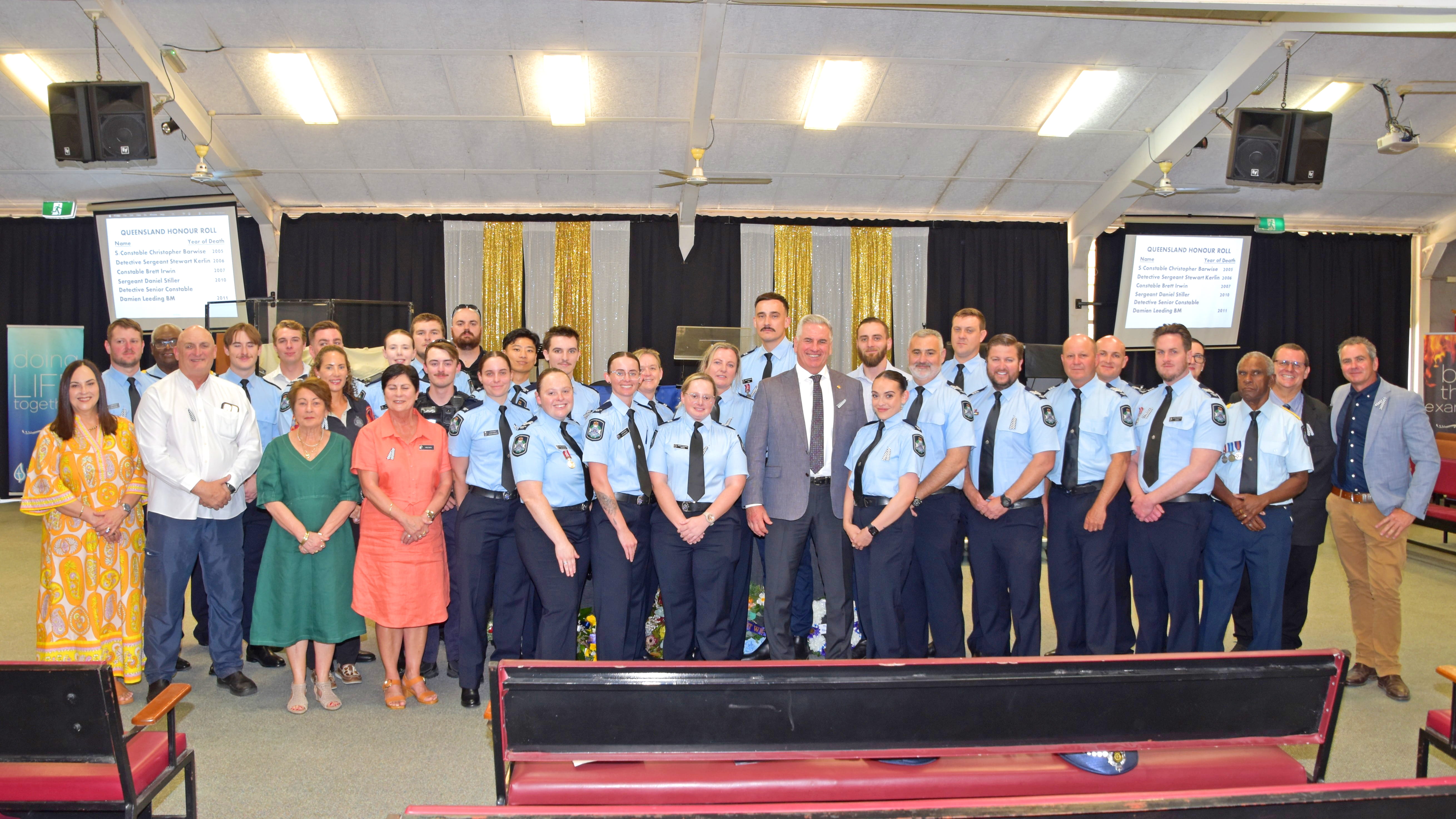
Burdekin police, dignitaries and community groups gathered Tuesday morning to honour officers killed in the line of duty. Photo: David CooperBurdekin community members, local dignitaries, and police gathered at Ayr's Burdekin Community Church on 29th September to commemorate National Police Remembrance Day. The solemn service honoured officers who made the ultimate sacrifice in the line of duty, featuring a wreath-laying ceremony and a reading of the Roll of Honour.Read more here: www.burdekinlife.com/article/burdekin-honours-fallen-officers-on-remembrance-day
Read the full story
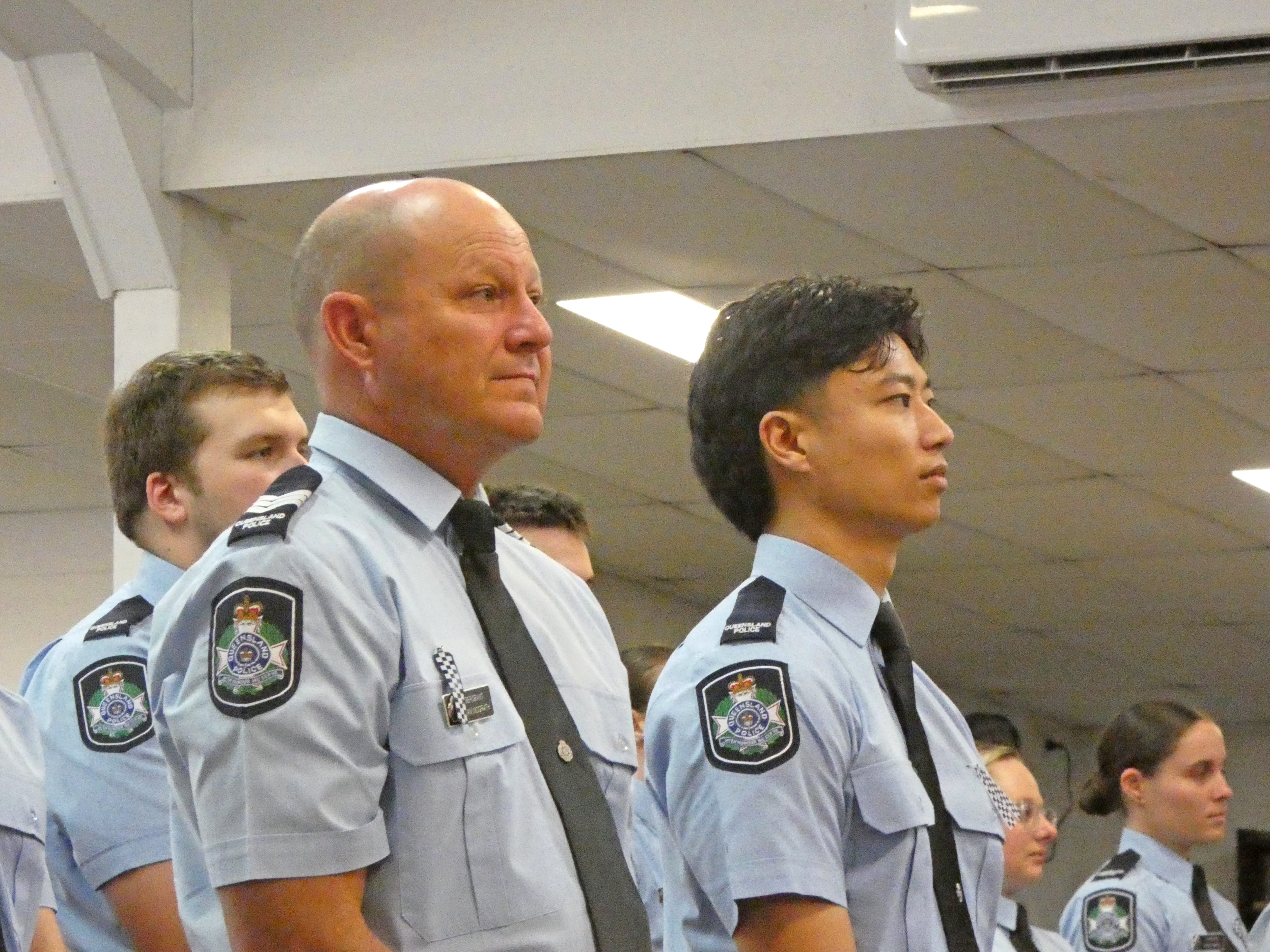
Burdekin police, dignitaries and community groups gathered on Tuesday morning to honour officers killed in the line of duty. Held at the Burdekin Community Church in Ayr, the service formed part of National Police Remembrance Day, observed each year on 29th September. Pastor Peter Holmes, who led the service, said it was a chance to pay tribute to the bravery and service of the fallen. “Someone has to protect those who cannot protect themselves. Someone has to step into the disorder and work to restore order—and that is one of the responsibilities entrusted to our police,” he said. “Today, we honour those who stood. Some stood in circumstances that ultimately cost them their lives, and this day each year ensures that their courage will never be forgotten.” A Police Commissioner’s Address was delivered by Acting Inspector Megan Benson before local officers read the Roll of Honour, commemorating police officers killed in the line of duty. Officers then lit memorial candles, before community groups joined police and dignitaries in laying wreaths. Among dignitaries were Burdekin Shire Council Mayor Pierina Dalle Cort and Member for Burdekin Dale Last, who called it a “privilege” to join local police in their commemorations. “As a former police officer, National Police Remembrance Day is an incredibly important opportunity to remember those officers who lost their lives while serving their community and to show our support to those who continue to keep our communities safe today,” Mr Last said. “Small regional towns like the Burdekin mean our police officers become involved in a variety of facets in our community and it is part of what makes these roles in our small communities so unique.” “It also means that chances to stand with our men and women in blue should not be overlooked.” A morning tea was held in the church hall following the service. CAPTIONS: 1—Burdekin police, dignitaries and community groups gathered Tuesday morning to honour officers killed in the line of duty. 2—Pastor Peter Holmes, who led the service, said it was a chance to pay tribute to the bravery and service of the fallen. 3—Held at the Burdekin Community Church in Ayr, the service formed part of National Police Remembrance Day, observed each year on 29th September. 4—Mayor Pierina Dalle Cort and Deputy Mayor Max Musumeci laid a wreath on behalf of Burdekin Shire Council 5—Among dignitaries was Member for Burdekin Dale Last 6—Local officers read the Roll of Honour, commemorating police officers killed in the line of duty 7—Liaison Officers light memorial candles 8—Senior Sergeant Lisa Shields addresses the audience 9—Community groups joined police and dignitaries in laying wreaths Photos: Jacob Casha
Read the full story
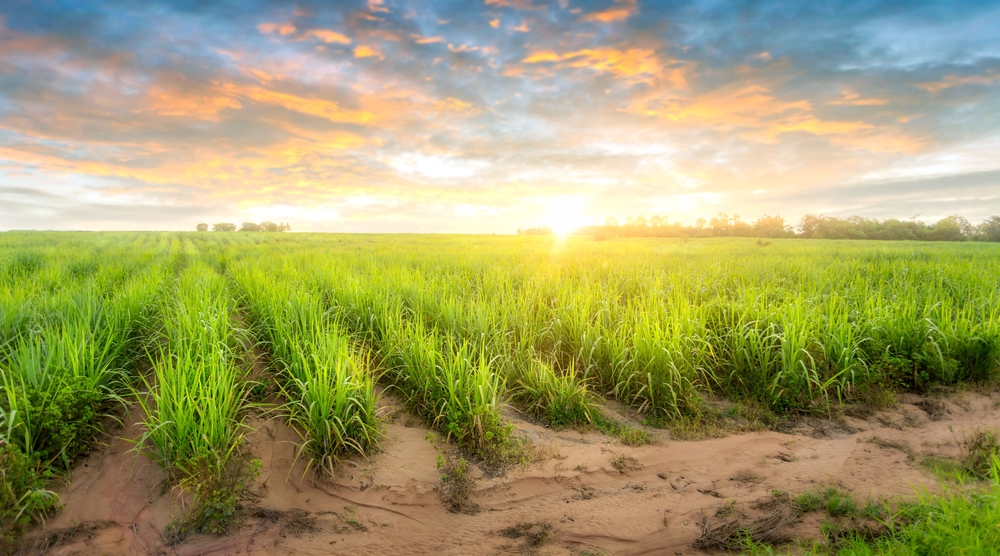
New research into how nitrogen moves through soil could offer useful lessons for Burdekin cane growers; but Professor Mike Bell says findings from rainfed wheat country cannot simply be transferred to the district’s irrigated sugarcane systems.
Bell, from The University of Queensland, led a project through the Australian Government’s $20 million Soil Science Challenge Program examining nitrogen movement in clay soils used for rainfed grain production in southern Queensland. Bell said applying the findings directly to flood-irrigated cane would be “a fair stretch”, however, the research does provide insight into how soil type, water and nitrogen interact.
Nitrogen moves through soil with water, meaning the way it behaves can vary considerably depending on the soil. In freely draining soils, nitrogen can potentially move below the active root zone, while heavier clay soils can hold water for longer and create conditions where nitrogen is lost through denitrification.
Bell's research tested whether applying nitrogen to dry soil soon after a previous crop was harvested could improve nitrogen recovery in the following wheat crop, rather than applying it close to planting. Across two seasons, the approach produced better nitrogen recovery in a dry year without additional losses in a wetter year. However, Bell stressed that further testing is required before the approach becomes mainstream.
In the Burdekin, local agronomist Jayson Dowie said the research reinforced principles already relevant to cane production, while highlighting the differences between farming systems.
“There really isn't one nitrogen story for the Burdekin,” Dowie said, pointing to the district’s diverse soils and fully irrigated production system.
He said nitrogen use efficiency was influenced by more than fertiliser rates, with soil health, compaction, drainage, irrigation, weeds, crop establishment and seasonal conditions all affecting how effectively a crop could use available nitrogen. Dowie also pointed to local research into nitrogen timing.
“In one of our larger nitrogen trials we saw better crop responses where nutrition was applied after the first irrigation, and again with later application, compared with applying it immediately behind the harvester,” he said.
While the result raised questions around timing, Dowie cautioned against attributing the response to a single mechanism. He said later applications could also create additional labour and operational challenges, particularly where irrigation fluming needs to be moved. Irrigation itself remains an important part of the nitrogen equation.
On heavier soils, prolonged saturation can increase the potential for nitrogen loss through denitrification, while excessive water movement through lighter soils can increase the risk of nitrogen moving below the active root zone.
Dowie said the next challenge for local research was understanding how nitrogen and irrigation management could be better matched to individual soils and crops.
“The bigger question is how much better we can become at matching nitrogen and irrigation management to what the crop actually needs across the Burdekin's different soils and landscapes, while improving productivity and profitability.”
For Burdekin growers, the national research therefore provides useful evidence about the relationship between nitrogen, soil and water; but not a one-size-fits-all prescription. Further local testing will be needed to determine what strategies deliver benefits under the district’s specific soils, irrigation systems and commercial cane-growing conditions.
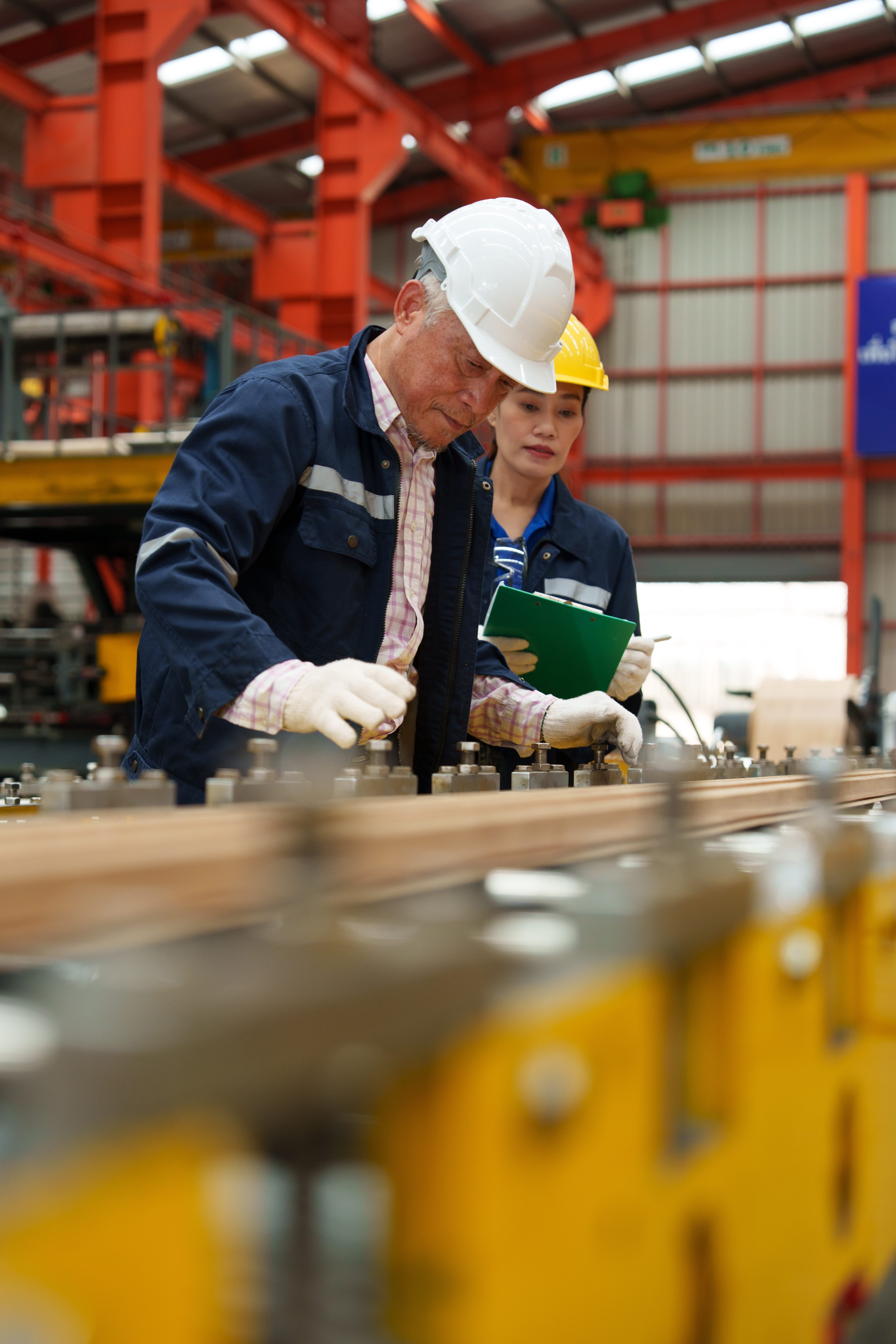
Photo source: Shutterstock
Burdekin manufacturers could be in line for a share of a $12.5 million Queensland Government funding round aimed at helping regional businesses invest in new technology and improve productivity.
Round Two of the Transforming Queensland Manufacturing Grants Program is now open, with at least half of the available funding reserved for projects located in regional Queensland.
The Department of Natural Resources and Mines, Manufacturing and Regional and Rural Development has confirmed Round One attracted 119 applications across Queensland, with 18 businesses receiving funding. Eleven of those recipients were based in regional Queensland, but the Department has not disclosed any Round One application or recipient figures specifically for the Burdekin.
The latest round offers eligible manufacturers grants between $100,000 and $1.5 million, covering up to 50 per cent of eligible project costs. Applications close at 1pm on 25th November.
The program is aimed at established small and medium-sized manufacturers looking to invest in advanced equipment or manufacturing technology, including robotics, automation, artificial intelligence and systems designed to improve production processes.
Businesses must have between five and 200 full-time equivalent employees, a majority of their turnover must come from manufacturing, and they must have operated in Queensland for at least three consecutive years.
For the Burdekin, manufacturing opportunities are closely tied to the region’s broader agricultural economy, including engineering, fabrication and businesses supplying equipment and services to primary industries.
The Townsville Manufacturing Hub, which services the Burdekin, has also been increasing its focus on technology and workforce capability.
In August and September, subsidised two-dimensional and three-dimensional computer-aided design training was offered in the Burdekin for the first time, including training at the Home Hill campus. The program was designed to help local manufacturers improve digital design capability, accuracy and product development.
The Queensland Government says Round One projects across the State are expected to create more than 300 new jobs and upskill more than 550 existing workers, although those figures are projected outcomes rather than jobs already created.
For Burdekin businesses, the next question will be whether local manufacturers put forward projects capable of competing for the funding.
Round Two is being delivered through a single-stage competitive process, with $12.5 million available and at least 50 per cent allocated to projects located solely in regional Queensland.
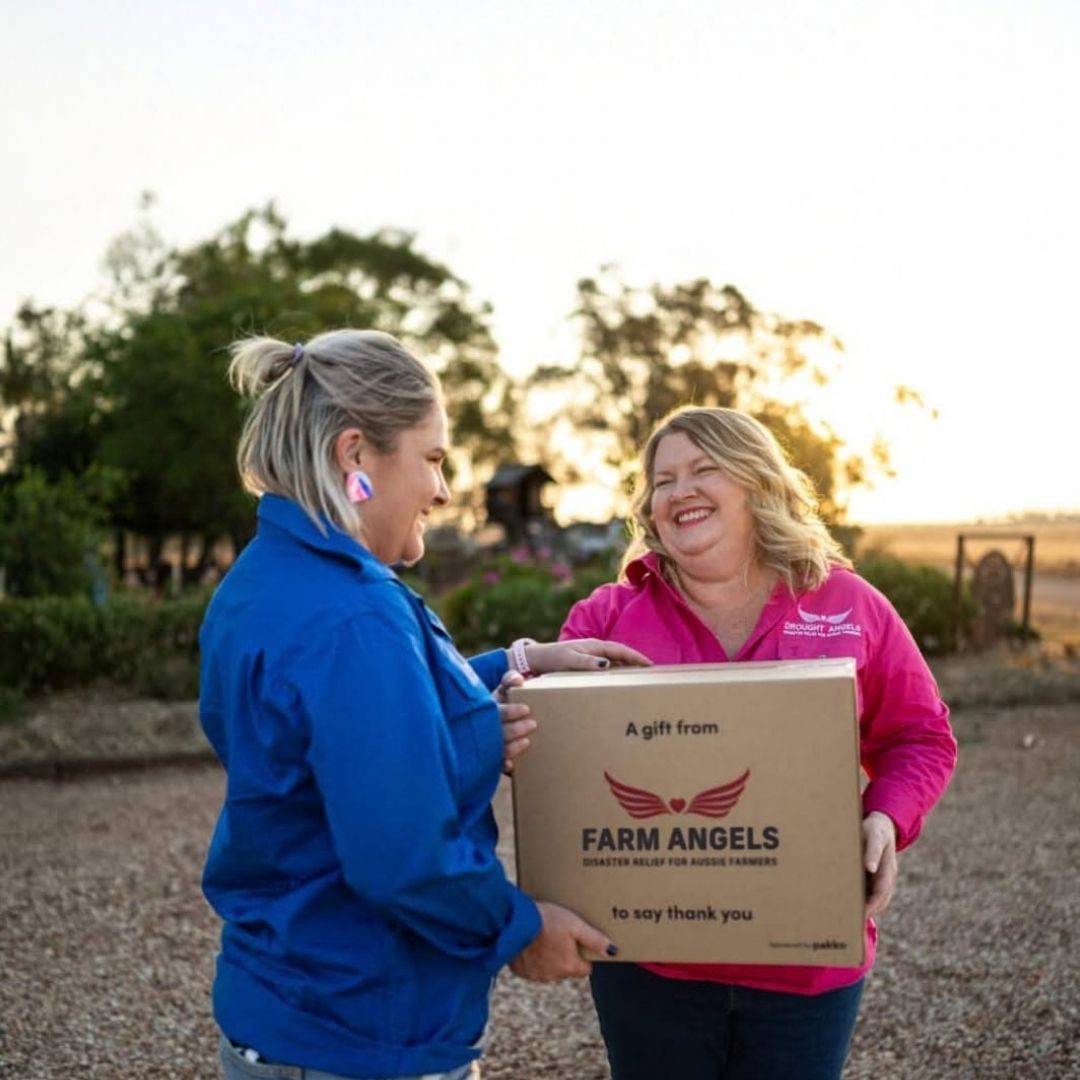
Women from across the Burdekin and surrounding districts are being encouraged to secure their place at Beyond the Gate: Celebrating the Women at the Heart of Rural Communities. Photo supplied
Contributed by Community Bank Home Hill & Ayr
With final tickets now available, women from across the Burdekin and surrounding districts are being encouraged to secure their place at Beyond the Gate: Celebrating the Women at the Heart of Rural Communities.
Hosted by Community Bank Home Hill & Ayr, the luncheon will bring women together to connect, share their experiences and celebrate the resilience, leadership and contribution that help rural communities thrive.
Coinciding with the International Day of Rural Women, celebrated globally on October 15, Beyond the Gate recognises the many roles women play across agriculture, local business, community organisations, volunteering and family life.
Community Bank Home Hill & Ayr Branch Manager Sally Smith said the strong response to the event demonstrated the value of creating opportunities for rural women to come together.
“We are delighted to see so many women embracing this event, and with only the final tickets remaining, we encourage anyone considering attending to book as soon as possible,” Sally said.
“Women make an enormous contribution to rural communities, whether they are working on the land, operating a business, leading a community organisation, supporting their families or quietly helping others behind the scenes.
“Beyond the Gate gives us an opportunity to recognise those contributions, strengthen local connections and enjoy a well-deserved celebration together.”
A highlight of the luncheon will be an inspiring presentation from Farm Angels, a national charity dedicated to supporting primary producers and farming families through some of their most challenging times.
Originally established as Drought Angels in Queensland in 2014, the organisation has expanded its support to farmers affected by drought, floods, fires and plagues throughout Australia.
Farm Angels has now assisted more than 4,700 primary producers across over 1,300 communities by providing tailored financial assistance, food hampers, care packs and mental wellbeing support.
Through personal phone conversations and on-farm visits, the organisation works directly with farmers to understand their individual circumstances and provide practical and compassionate support.
Its work recognises the considerable pressure carried by farming families and the importance of helping primary producers remain on the land. This support contributes not only to individual wellbeing, but also to the strength of regional economies, Australia’s food security and the social fabric of rural communities.
Sally said the work of Farm Angels closely reflected the values behind Beyond the Gate and Community Bank Home Hill & Ayr’s commitment to rural communities.
“Farm Angels understands that behind every farm is a person, a family and a story,” she said.
“Their work is a powerful example of what can be achieved when people genuinely care for one another and provide meaningful support when it is needed most.
“We are proud to welcome a speaker from Farm Angels and give our guests an opportunity to learn more about the important difference the organisation is making throughout rural Australia.”
Guests can also look forward to a special “On the Couch” panel session featuring a range of perspectives and personal experiences, along with valuable networking opportunities, a delicious lunch and drinks.
For Community Bank Home Hill & Ayr, the event represents more than a single day of celebration. It is part of a broader commitment to recognising, supporting and investing in the people who sustain the Burdekin and surrounding rural communities.
“As a Community Bank, our connection to the region extends well beyond providing banking services,” Sally said.
“We want to support initiatives that bring people together, create stronger networks and recognise those whose efforts make our communities better places to live and work.
“Strong rural women help build strong rural communities, and we are committed to continuing to celebrate and support them.”
Beyond the Gate: Celebrating the Women at the Heart of Rural Communities will be held from 11am to 3pm on Friday, October 16, at Populins Hall.
Only the final tickets remain, making this the last opportunity to join an afternoon of connection, inspiration and celebration dedicated to the remarkable women at the heart of rural life.
Bookings through Humanitix - https://events.humanitix.com/beyond-the-gate-celebrating-the-women-at-the-heart-of-rural-communities
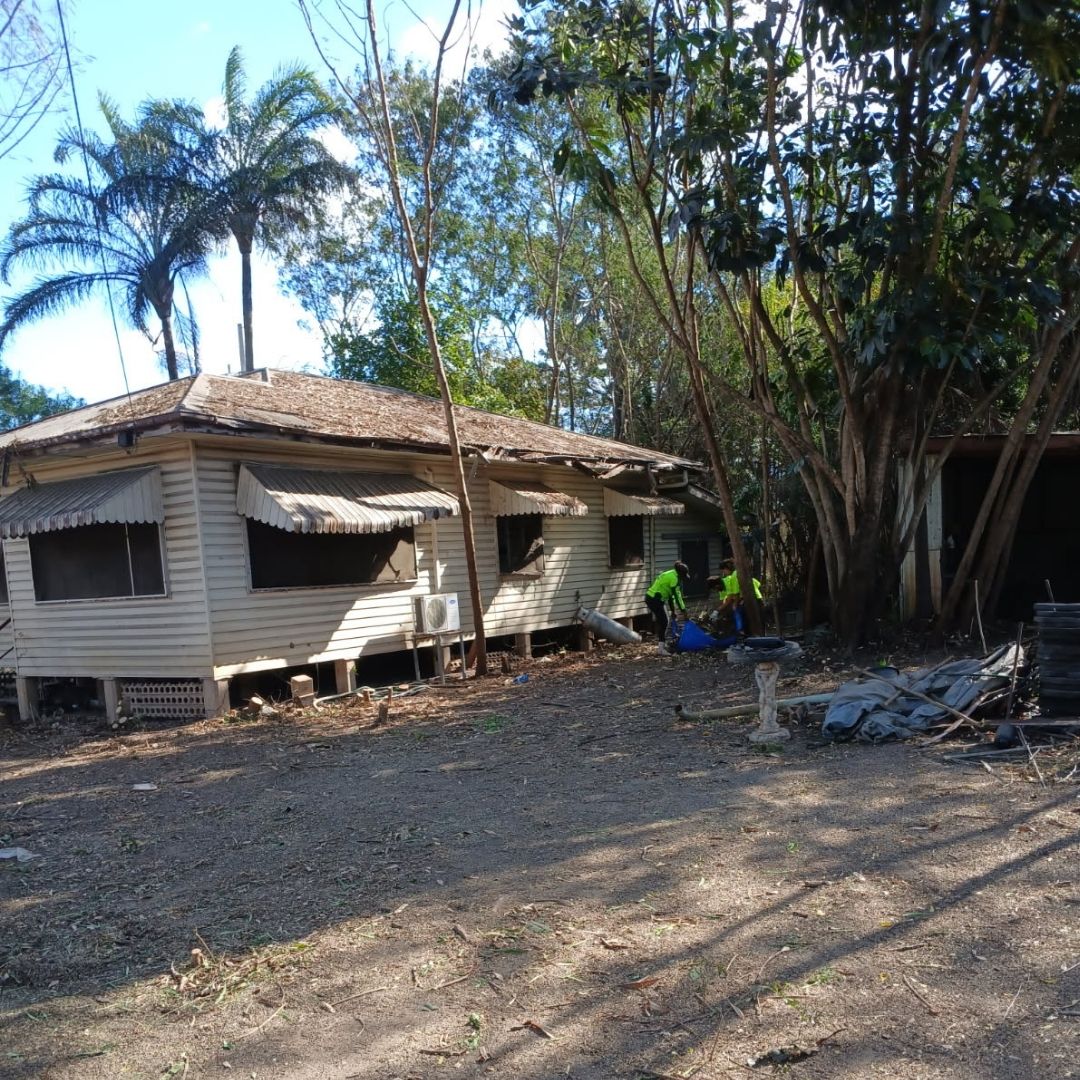
The Jim’s Mowing moniker has long been synonymous with freshly manicured lawns and inch-perfect hedges. In the Burdekin, its operation has evolved well beyond that.
Jim’s Window and Pressure Cleaning, one of the franchise’s latest ventures, has seen homes, offices and public spaces across the region look a little tidier.
Driven by the know-how of Gayl Campbell, a lifelong cleaner, and daughter Kayleen McKenzie, who brings years of pressure cleaning expertise with her from Perth, the service specialises in both interior and exterior property cleaning.
Now offering pressure cleaning for driveways and footpaths, the cleaning arm has grown into a comprehensive property maintenance operation, with free quotes available for regular and once-off work.
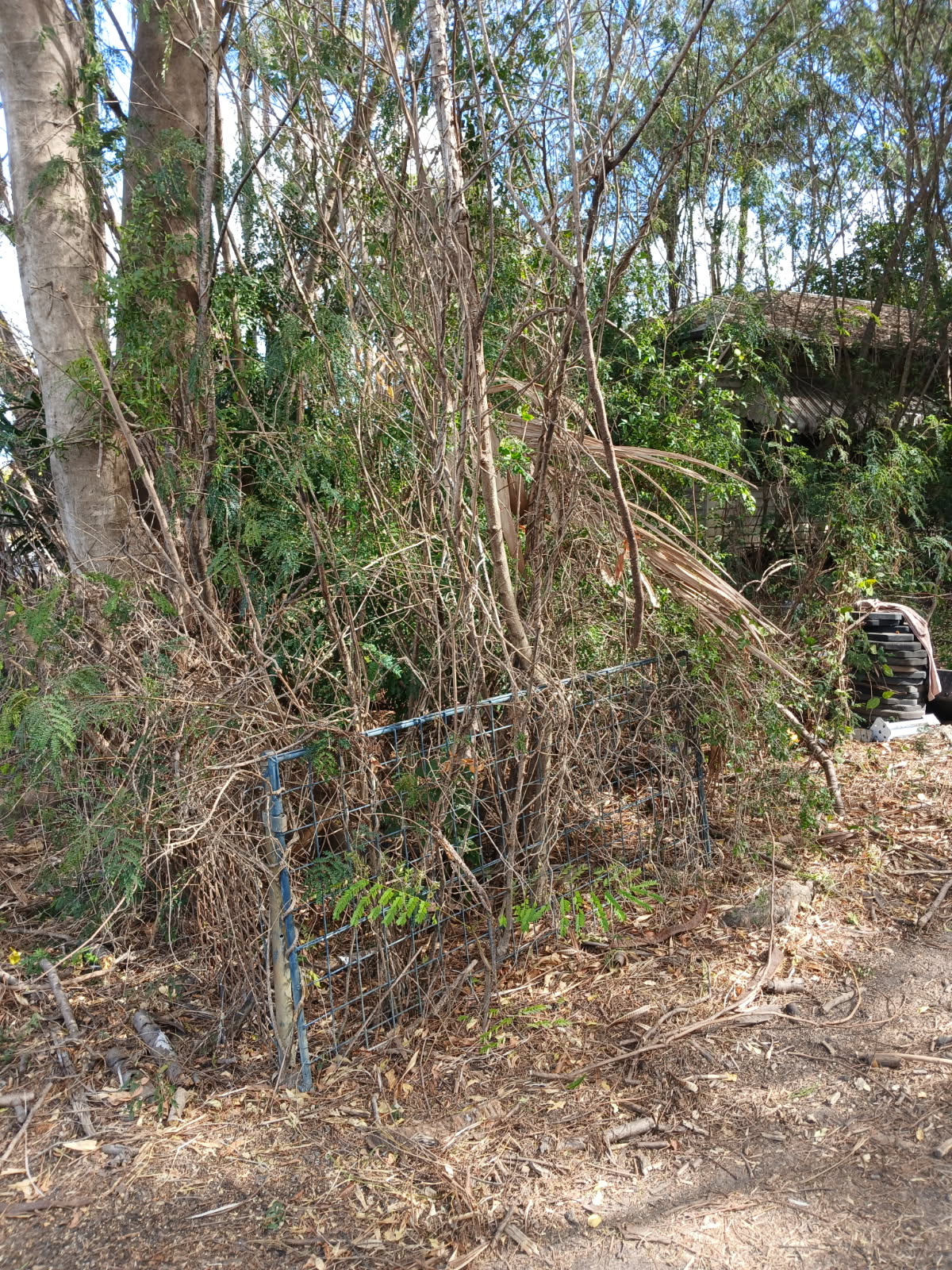
Although only 12 months old, the service has already taken on major projects for Burdekin Shire Council and multinational companies across the region, including Shell.
Franchise owner Geoff Campbell said it all grew out of a client demand and the same principles that had helped its other operations become successful.
“We would go to mow a lawn and people would ask, ‘can you clean our house?” he said.
“The whole success of everything has been down to paying attention to detail and quality of workmanship.”
The cleaning service complements the business’s trademark mowing work, which spans everything from lawn mowing and weed spraying to pruning, hedging, gardening, fertilising and rubbish removal.
Need a clean-up? Contact Jim’s Window and Pressure Cleaning on 131 546 for a free quote.
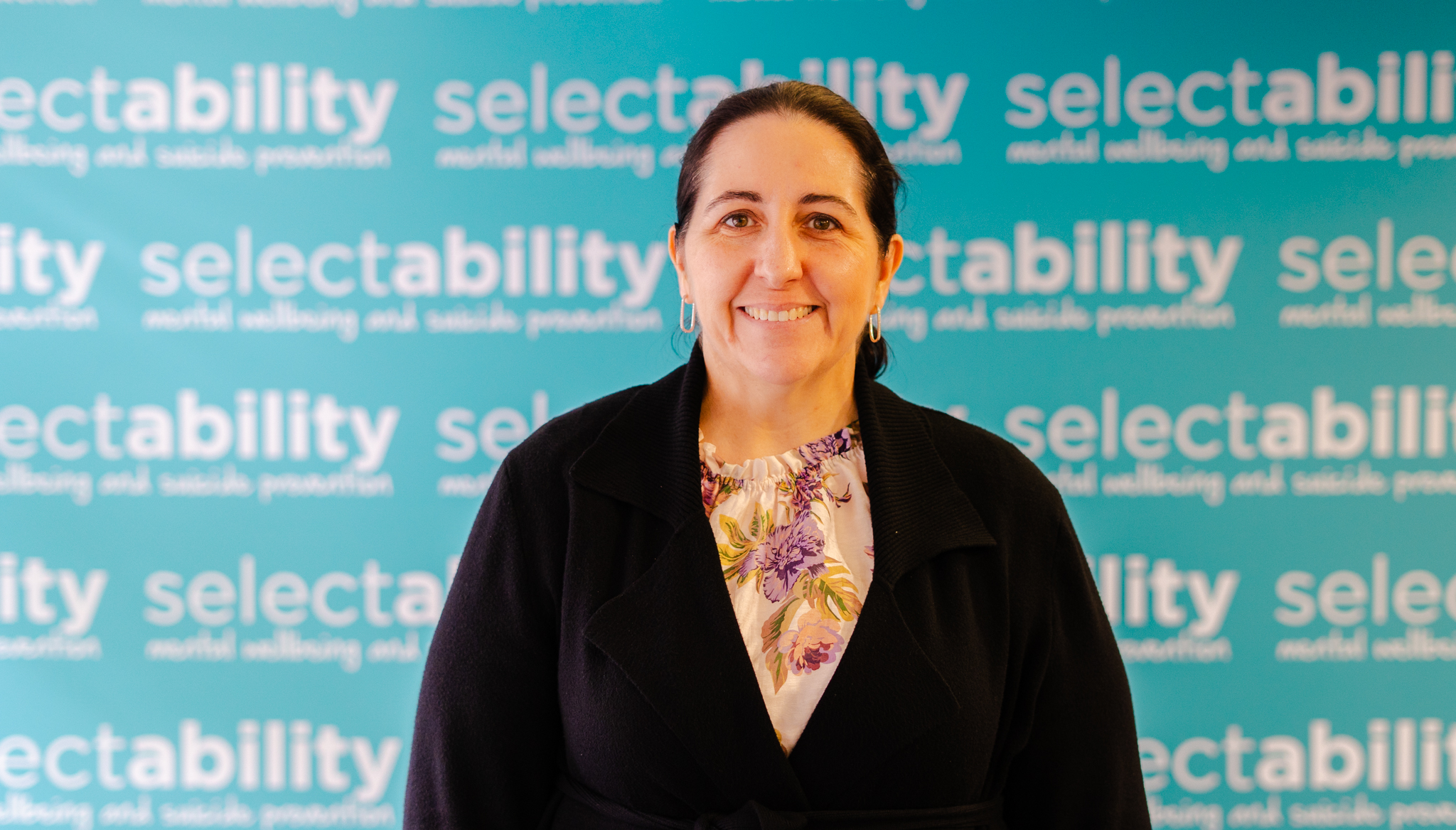
Contributed by selectability
With Queensland Mental Health Week (3-11 October) fast approaching, it's a good time to recognise the impact locals are making to build community and build wellbeing.
For regional coordinator Melissa, supporting people across the Burdekin is strengthened by her lifelong connection to the community she loves.
Born and raised in the region, Melissa joined selectability, bringing almost a decade of experience in the disability sector and a passion for ensuring regional communities have access to the support they need.
“I am passionate about helping people in regional and remote areas as it is often overlooked and assistance is needed,” said Melissa.
In her role, Melissa oversees the day-to-day operations of services across the Burdekin, supporting local employees and ensuring recipients receive high-quality, person-centred support.
While Melissa has only been with selectability for a short time, she has spent almost 10 years working in the disability sector and brings previous experience in childcare.
Taking on the regional coordinator position offered an opportunity to use her experience in a new way while continuing to make a difference close to home.
“I am excited to be challenged in a new role and helping people that need our support in a regional community.”
Having lived in the Burdekin her entire life, Melissa knows firsthand the value of the connections within a close-knit regional community.
“Everything is close and easily accessible, and everyone knows you and is willing to help.”
Since stepping into the role, Melissa says one of the biggest surprises has been discovering the breadth of support already available through selectability locally.
“I didn’t realise how much selectability had to offer in the Burdekin. “There is something for everyone that needs support.”
From NDIS supports to mental wellbeing programs and community connection, Melissa is looking forward to building her knowledge of selectability’s services and strengthening their impact across the region.
For those considering a career supporting others, Melissa says the opportunity to make a difference can be equally meaningful for the person providing the support.
“It is a life changing experience helping others.”
Meet Melissa and the team on Thursday 8 October at the Mental Health Hub, 182 Edwards Street, Ayr for their free community wellbeing event to celebrate Queensland Mental Health Week, learn more about local support and services and connect with the community.
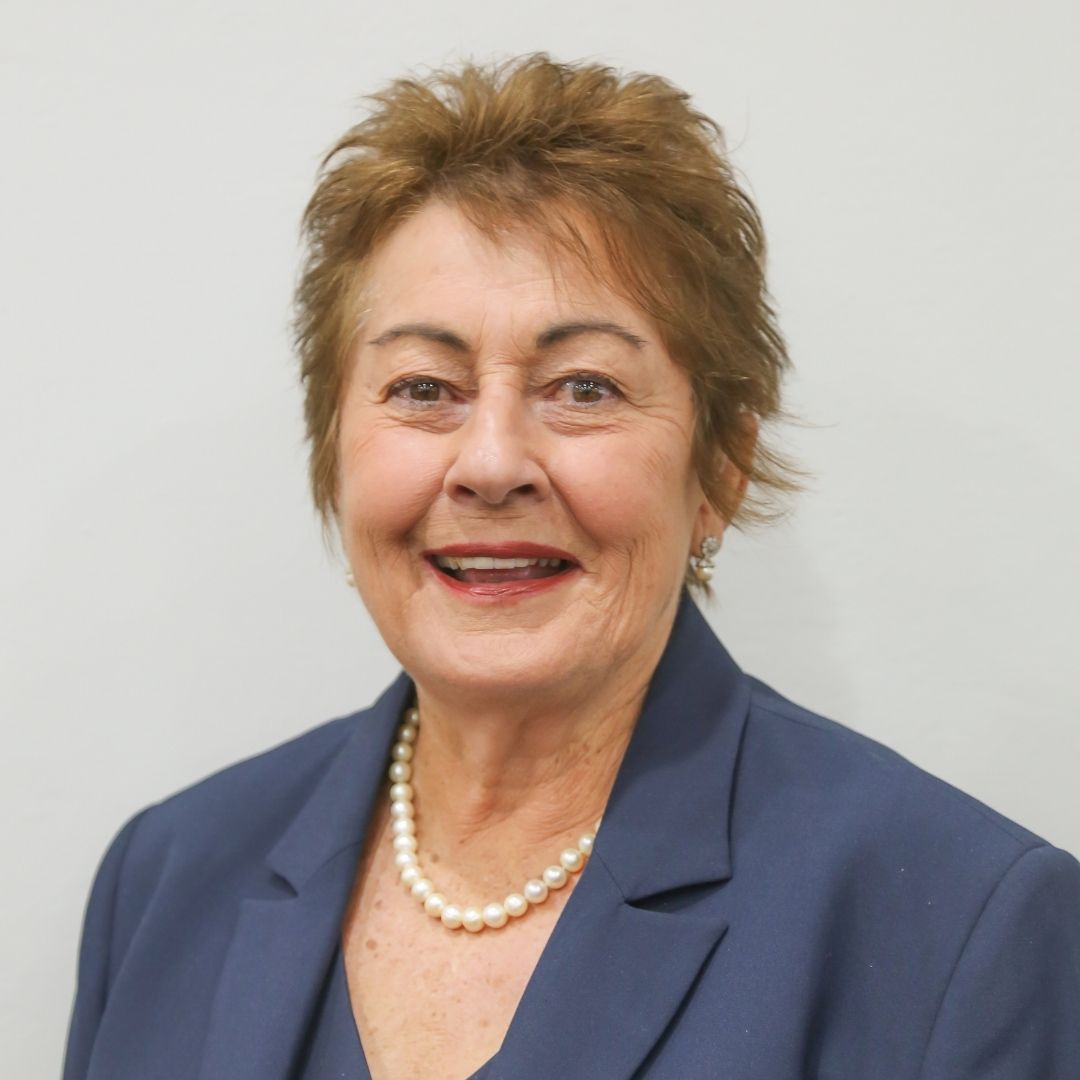
There have been several important community events and opportunities across the Burdekin recently, and I’d like to take a moment to share some highlights with you.
On Tuesday, communities across Australia observed Police Remembrance Day, a significant occasion to honour the men and women of the police service who have lost their lives in the line of duty. It is a day to remember their courage, dedication and sacrifice, and to acknowledge the families, friends and colleagues who continue to carry their legacy. We thank all current and former police officers for their service and commitment to keeping our communities safe.
On Friday evening, I hosted a Catch Up with the Mayor at the Clare Club. It was a wonderful opportunity to meet with locals, listen to their concerns and discuss the issues that matter most to their community. I would like to thank everyone who came along and shared their thoughts and feedback. If you have never visited the Clare Club, I encourage you to stop by on a Friday night. The atmosphere, company and food were all excellent.
Finally, I’m excited to share news of a fun new initiative as part of the lead-up to the 2027 Sweet Days Hot Nights Festival. We have launched the search for the first-ever Sweet Days, Hot Farmers Calendar - think firefighters’ calendar, but Burdekin style. We’re looking for local farmers, contractors and agricultural workers who help make our region the productive and vibrant community it is today. Men and women of all ages are encouraged to nominate themselves, or even nominate a mate, for the chance to become one of the twelve faces of the 2027 calendar. Entries are open until 18 October, and I encourage everyone to get involved and have some fun with this uniquely Burdekin project.
As always, if you have any questions or would like to discuss any Council matters, please contact me directly by phone on 0447 150 582 or by email at mayor@burdekin.qld.gov.au.

It was an honour to attend the ‘National Police Remembrance Day’ at the Burdekin Community Church last Tuesday morning. The Remembrance Day is held to honour fallen officers who have served community since 1864. The solemn occasion drew local community members, public representatives and serving officers in the Burdekin. Local police work hard to keep the peace and maintain law and order, thank you for your service.
A reminder tickets are on sale for the ‘Seniors Expo and Luncheon’ on Friday 30th October at the Burdekin Memorial Hall. Join us and enjoy a roast lunch and desert whilst entertainment is provided. Tickets are only $20 and can be booked at the Burdekin Theatre Box office on 4783 9880.
Burdekin Plantation Park Markets take place this Sunday 4th of October, 8am – 12pm.
Some of our major sporting codes are coming to an end whilst others are starting up. The AFL was exciting to watch and I’m afraid Freo didn’t have a fairytale ending. It was shown that you need to play the game right to the end as the Lions came home with a strong burst to win the title. Newcastle Knights had a hard fought win over Penrith in the preliminary NRL final. It was unfortunate one of the game’s elite players, Nathan Cleary, sustained a compound fracture of his ankle.
Sport is a popular pastime in the Burdekin from the younger years to older. Sport espouses qualities of teamwork, cooperation, communication, respect and fair play to name just a few.
Play fair. Wishing you health & happiness.

The service on Chippendale Street, Ayr screened more than 1,710 local women during its last visit in 2024. Photo: Jacob Casha
Townsville Hospital and Health Service (THHS) has confirmed there are “no plans to reduce or withdraw” the BreastScreen Queensland mobile screening service in the Burdekin amid rumours it could be axed due to low usage.
A THHS spokesperson said the Ayr service is “secure” and “one of the most active mobile screening locations in the north Queensland region,” with more than 650 Burdekin women attending appointments since August.
The service will remain on Chippendale Street until mid-December.
Burdekin Shire Council Mayor Pierina Dalle Cort welcomed the news, calling the service “valuable for our community.”
“I make it a priority to have a screening every two years when the van visits the Burdekin,” she said.
“The appointment takes only around 15 minutes, it is free, and it could save your life.”
BreastScreen Queensland has screened more than one million Queensland women since 1991, detecting over 34,000 breast cancers.
The spokesperson encouraged eligible women aged between 50 and 74 to book their screening every two years.
Appointments can be made by visiting breastscreen.qld.gov.au or by calling 13 20 50.
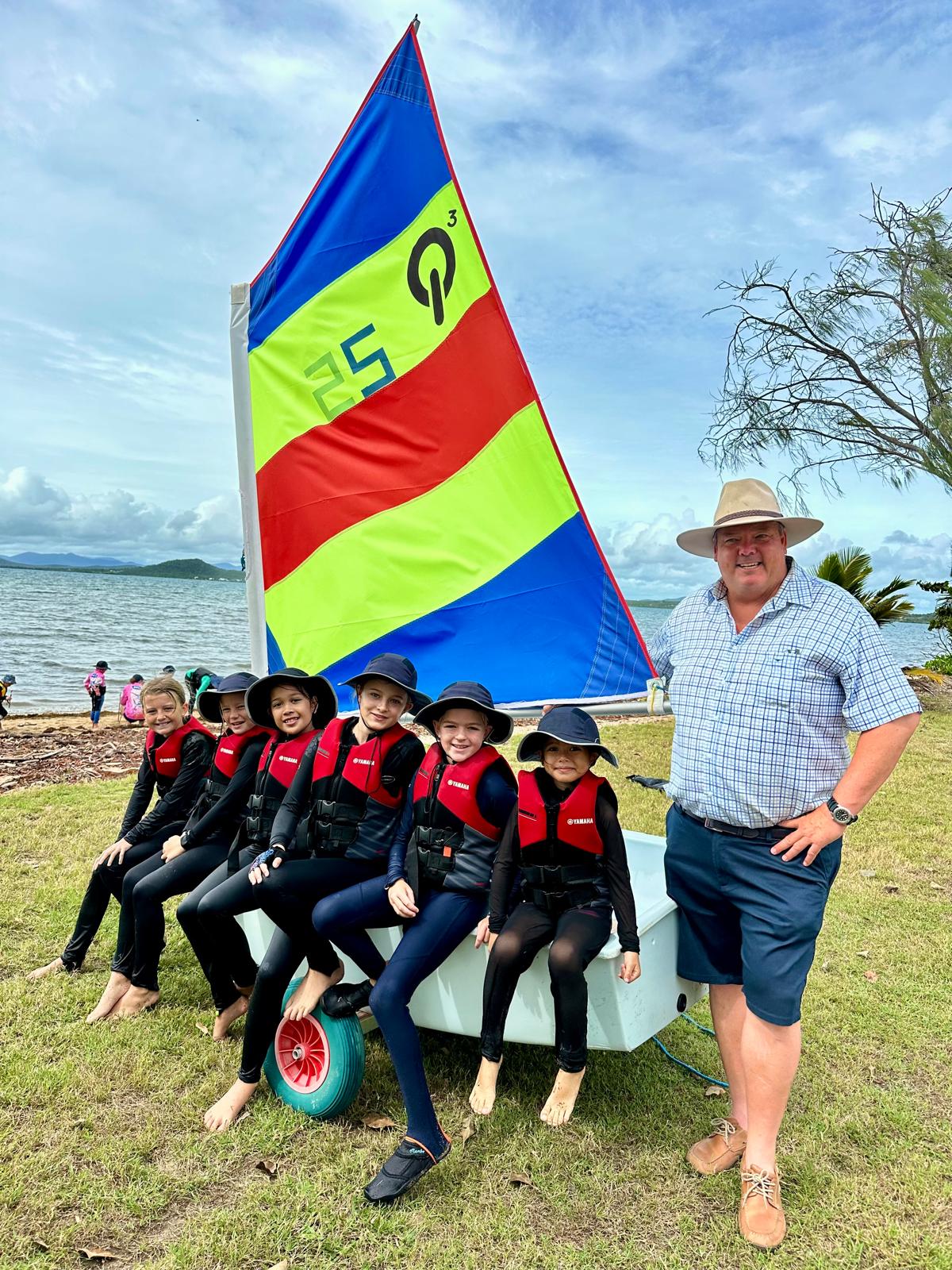
Stronger Communities Programme—Andrew Willcox MP with students and sailing boat. Photo supplied
Community groups across Dawson can apply for a share of $150,000 in Federal Government funding for local projects.
Grants of between $2,500 and $20,000 are available through the Stronger Communities Programme for small capital and infrastructure projects that deliver social benefits to local communities.
Federal Member for Dawson Andrew Willcox said the funding could help groups turn long-held plans into reality.
“Our communities are full of people with great ideas, but sometimes it is the funding that stands between a good idea and getting it off the ground,” Mr Willcox said.
“The Stronger Communities Programme is about backing those local ideas and helping community organisations deliver projects that will benefit the people they serve.
“That could mean new equipment, improvements to a community facility, creating a better shared space or a project that brings people together.”
Projects must cost no more than $50,000 and be completed by 31st March 2028.
Eligible organisations must have an Australian Business Number and meet the programme’s eligibility requirements.
Funding can cover up to 100 per cent of eligible project costs for eligible applicants other than local governing bodies, which can receive up to 50 per cent and must provide matching funding.
Mr Willcox encouraged local groups to put forward projects that would benefit their members and communities.
“Local volunteers do an enormous amount with very little, and I know there are plenty of groups across Dawson with projects sitting on a wish list waiting for the opportunity to make them happen,” he said.
“This is a chance to move some of those projects from the wish list to the work list.”
Expressions of Interest close at 5pm on Sunday 25th October.
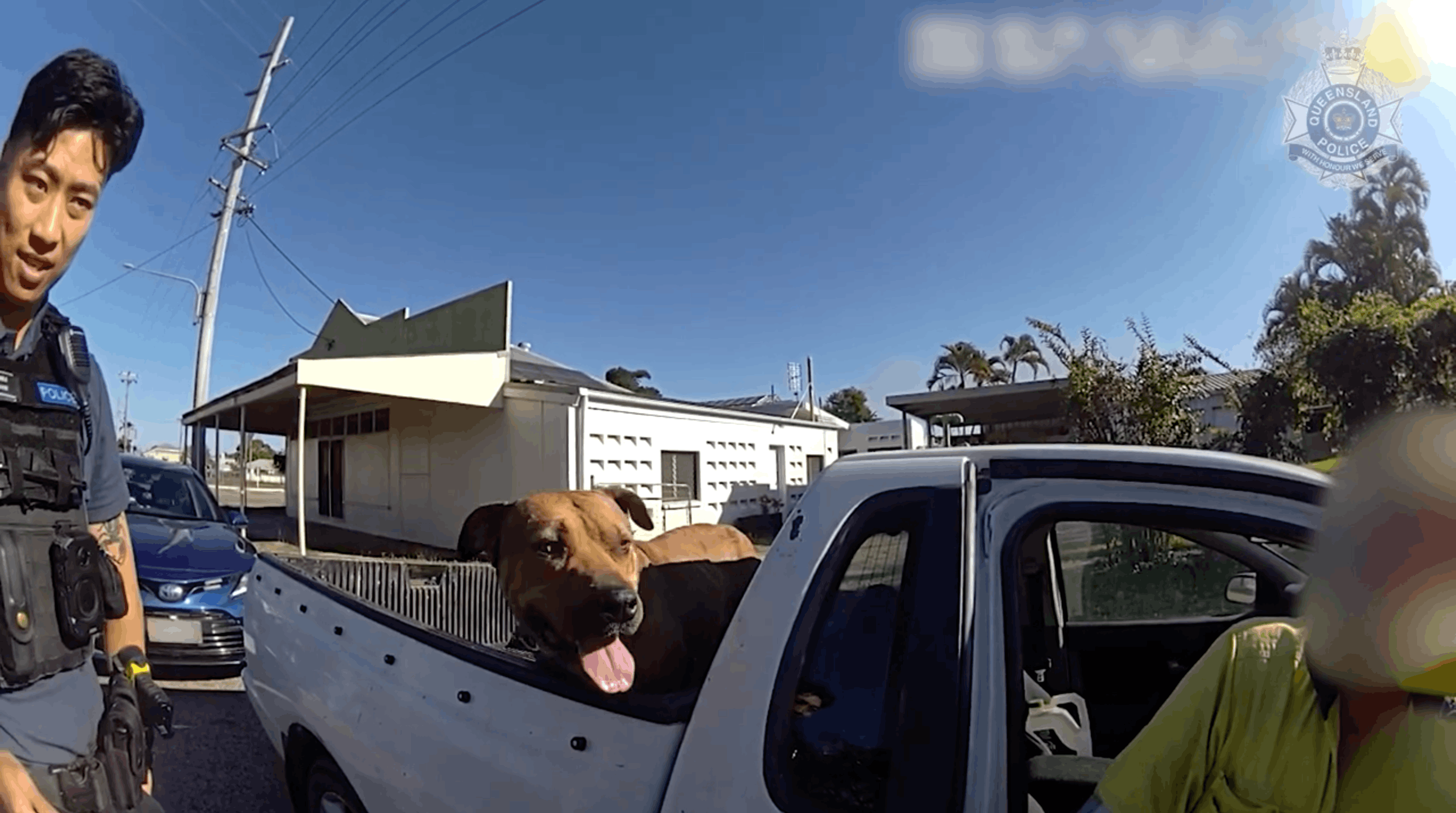
Police were parked on Graham Street at 4pm when a white Ford Falcon utility—carrying a dog in the tray—allegedly performed the burnout. Photo: QPS
A 45-year-old Ayr man is facing multiple traffic and animal cruelty charges after allegedly performing a burnout in front of an unmarked police vehicle on Sunday 20th September.
Police were parked on Graham Street at 4pm when a white Ford Falcon utility—carrying a dog in the tray—allegedly performed the burnout.
Officers intercepted the vehicle on Drysdale Street shortly after. The driver was breath-tested and returned an alleged blood alcohol concentration of 0.198.
He was subsequently charged with one count each of driving under the influence of liquor, wilfully making unnecessary smoke, driving an unregistered vehicle, driving an uninsured vehicle, unlicensed driving, and animal cruelty.
Police confiscated the vehicle's registration plates for 90 days.
Senior Sergeant Lisa Shields condemned the alleged actions.
“This is deliberate driving conduct that can put lives at risk and undermines community safety,” Senior Sergeant Shields said.
“The consequences of this dangerous behaviour can be catastrophic.
“Ayr Police are committed to targeting dangerous driving offences through high-visibility patrols and strong enforcement action.”
The man is scheduled to appear in the Ayr Magistrates Court on 19th October.

“They can see the potential in Australia. They’re keen, they're reliable, and they realise the opportunities they have here.” Photos: Ayr Backpackers
Regional communities across the country could be set to lose “millions” under a Federal Government shake-up of the backpacker visa system.
The proposal would introduce caps on second- and third-year Working Holiday Maker (WHM) visa places, with applicants now needing to win a ballot—on top of fulfilling the existing regional work requirements—to extend their Australian visit.
Home Affairs Minister Tony Burke, who announced the proposal last month, said the changes are part of broader migration reforms that would deliver a “more orderly, fair, and targeted” system.
Ayr Backpackers hostel owner David Esler called them a “betrayal.”
“This is unfair to backpackers. It is damaging to employers. It is deeply harmful to regional communities,” he said.
"The deal was very simple and mutually beneficial. Now we’re telling backpackers, ‘go and do the work anyway, and you might get a spot.’
“We’ve canvassed our [hostel] guests—they’re not going to take that chance … [and] we will lose tens and tens of thousands of workers in regional areas across the country because of this change.”
The changes would cap second-year WHM visas at 45,000, down from about 57,000 last year, with third-year places plummeting from around 31,000 to 5,000.
The mandatory 88 days of work for a second year—and six months for a third—will remain in place, although will no longer guarantee an extension.
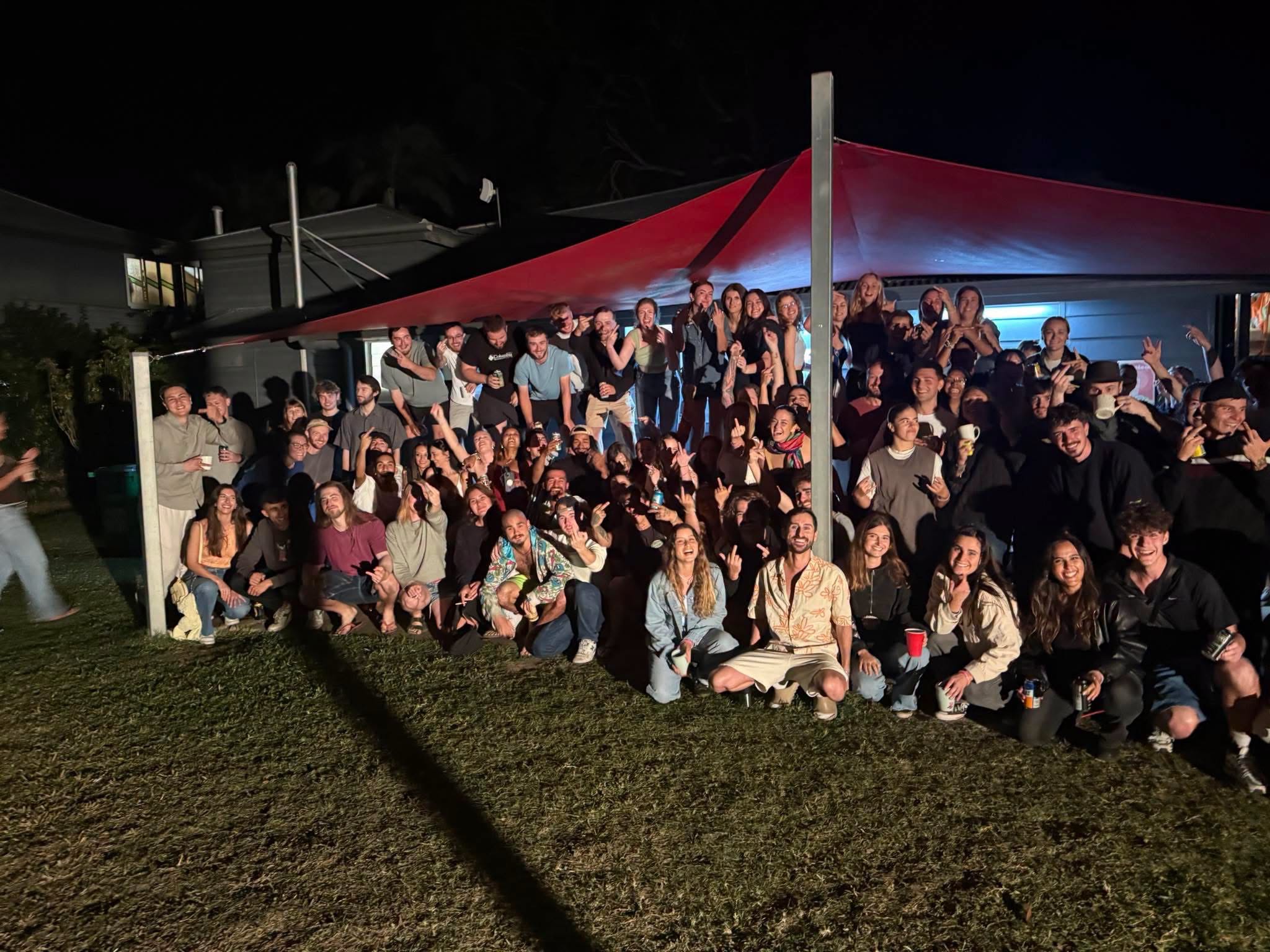
Swedish working holidaymaker Frida Dellhammar, a hospitality employee completing her regional work in the Burdekin, said her plans to extend for a third year were ultimately deterred by those odds.
“I love being in this country and I would do a lot of things to extend my visa,” she said.
“But once they [announced the ballot], I thought, ‘there's no way I would spend six months in a very remote place with only a possibility of getting a third year.’”
Ms Dellhammar is one of around 200 guests currently staying at Ayr Backpackers. According to Mr Esler, the hostel accommodates up to 1,200 travellers across a season, with each guest working in town or on surrounding farms.
Mr Esler said any reduction could leave an economic gap in the order of millions, citing Australian Tourism Export Council research that found WHMs spend “more than $32,000 in Australia” on average, with nearly a quarter of that expenditure occurring in regional towns.
Jim’s Mowing franchisee Geoff Campbell, who will have up to five backpackers on his books later this year, said the Burdekin workforce would also feel the backpackers’ absence.
Mr Campbell said his maintenance business, which was struggling to attract workers, was on the brink of demise before backpackers stepped in.
“I had to go to backpackers—I couldn't find any local staff. I’ve been through 75 people in four years,” he said.
“They can see the potential in Australia. They’re keen, they're reliable, and they realise the opportunities they have here.”
Speaking on the reforms, Home Affairs Minister Tony Burke argued that no visa category could be exempt from efforts to reach the government’s target of reducing net overseas migration to 225,000.
He framed the WHM caps as a necessary step to ease nationwide housing pressures and give local infrastructure and housing supply a chance to catch up.
Burdekin Shire Council Mayor Pierina Dalle Cort said good intentions would not negate the impact of the changes on communities like the Burdekin.
“These people need to get out of their four walls and come out to the real Australia," she said.
“This is not just about people entering our country. These are our workers.”
Ms Dellhammar added: “We’re contributing so much—it’s not like we're just taking and taking.
“We pay taxes. We help out. I don’t know who’s going to fill this void after it gets implemented.”

Ayr and Home Hill police, along with Ayr CIB, has charged six people with a total of 32 drug offences following an operation targeting drug offences across the Burdekin last week.
As part of the operation, police executed a search warrant at a Home Hill address on 20th September.
A 36-year-old man was charged with trafficking in dangerous drugs (methylamphetamine), 23 counts of supplying dangerous drugs and one count of unlawful supply of a firearm.
Police objected to the man's bail and he was remanded in custody.
On 24th September, police executed a search warrant at an Ayr address.
A 62-year-old man was charged with possessing dangerous drugs, supplying dangerous drugs, possessing utensils and possessing proceeds of crime after police located him with $15,000 in cash.
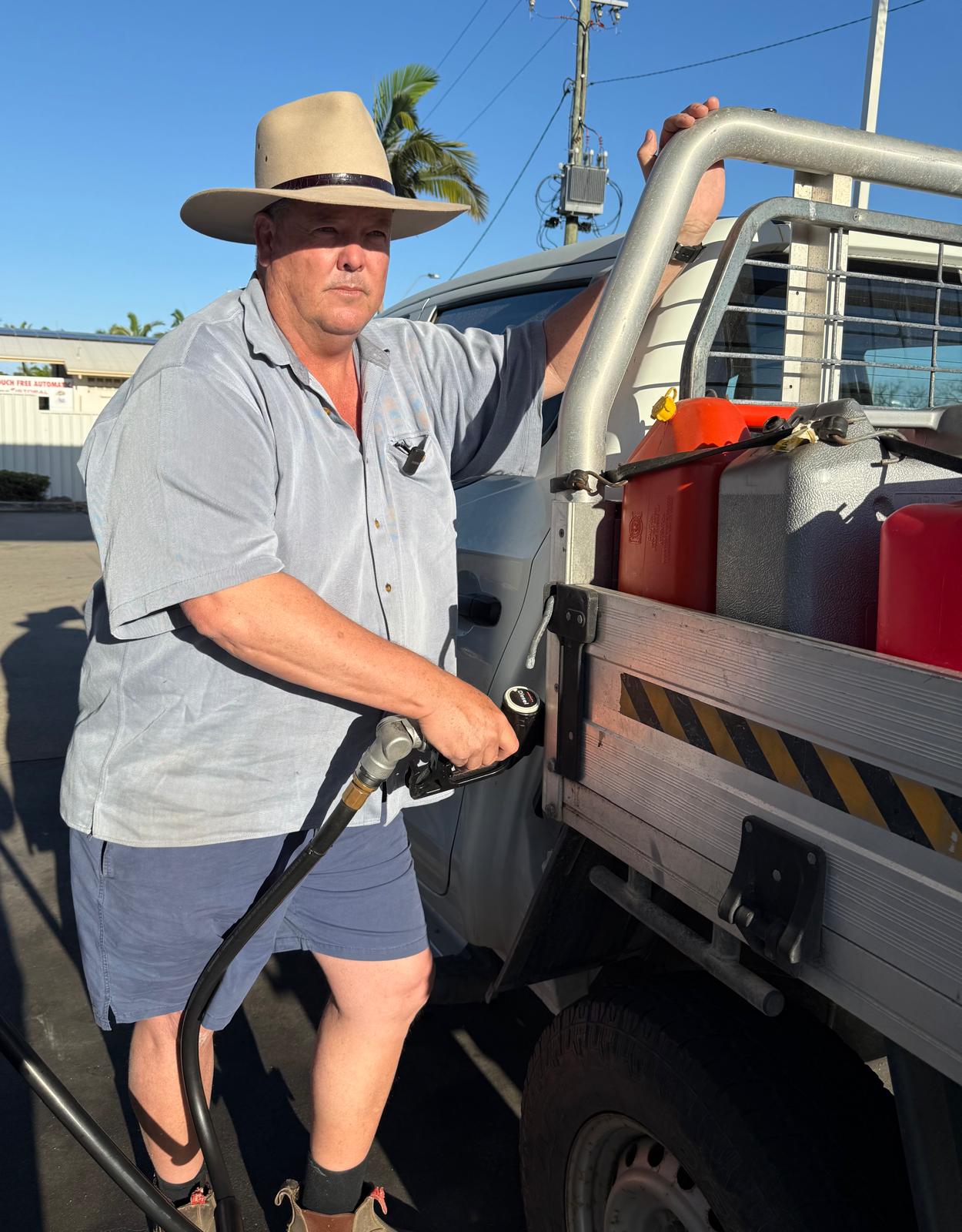
Federal Member for Dawson Andrew Willcox MP says regional Australians feel fuel price spikes hardest, with long distances and limited public transport making affordable fuel essential for families, farmers and local businesses. Photo supplied
A Coalition proposal would halve fuel excise when global oil prices rise above a set threshold, with the party estimating the measure could reduce fuel costs by 27 cents a litre.
Federal Member for Dawson Andrew Willcox MP said the proposed Fuel Price Shield would be triggered when the two-week average closing price of Brent crude rises above US$100 a barrel.
The Coalition estimates the measure would save motorists around $15 on a typical tank of fuel.
Mr Willcox said regional Australians could benefit from the proposal due to the distances often travelled between major centres.
“Fuel is not optional in Dawson. We have hundreds of kilometres between major centres, limited public transport and families who need their cars to get to work, school, medical appointments, the shops and everything in between,” Mr Willcox said.
“When fuel prices spike, regional Australians feel it first and feel it hardest. There is simply no easy alternative to driving when you live hundreds of kilometres from the next major centre.”
He said higher fuel costs also affected agricultural producers and businesses reliant on transport.
“Our farmers feel that pressure right through the supply chain. They need diesel to plant, harvest, irrigate, transport and get Australian produce to market. When the cost of fuel goes up, the cost of getting that food from the paddock to the supermarket goes up with it.”
Coalition Leader of the Opposition Angus Taylor said the proposal was intended to provide temporary relief when international oil prices rose sharply.
“Fuel is not a luxury. Australians need it to get to work, take the kids to school and keep their businesses running,” Mr Taylor said.
“When global events send oil prices through the roof, Australians should know there is a clear automatic safeguard in place to provide temporary and targeted relief.”
“The Fuel Price Shield would provide certainty. When a serious oil shock hits, the tax comes down automatically. When oil prices return to more normal levels, the ordinary rate is restored.”
Leader of the Nationals and Queensland Senator Matt Canavan said higher fuel prices could also affect the wider economy.
“Higher fuel prices also flow through the entire economy. They increase the cost of moving food, freight and supplies around our country.”
“The Fuel Price Shield is designed to provide temporary relief when international oil markets experience an exceptional shock, while ensuring the ordinary arrangements return once that shock has passed.”
Mr Willcox said the proposal would also help address costs associated with transporting goods.
“This is about more than what people pay at the bowser. Fuel is an input into almost everything we buy in Dawson,” he said.
“It moves our food, our freight, our building materials and our tourism products. When fuel spikes, those costs don't disappear. They are passed through the economy.”
The Coalition has included the Fuel Price Shield and stronger fuel security as part of its broader economic policy platform.
Supplied by the office of Federal Member of Dawson Andrew Willcox
The service on Chippendale Street, Ayr screened more than 1,710 local women during its last visit in 2024. Photo: Jacob Casha
Townsville Hospital and Health Service (THHS) has confirmed there are “no plans to reduce or withdraw” the BreastScreen Queensland mobile screening service in the Burdekin amid rumours it could be axed due to low usage.
A THHS spokesperson said the Ayr service is “secure” and “one of the most active mobile screening locations in the north Queensland region,” with more than 650 Burdekin women attending appointments since August.
The service will remain on Chippendale Street until mid-December.
Burdekin Shire Council Mayor Pierina Dalle Cort welcomed the news, calling the service “valuable for our community.”
“I make it a priority to have a screening every two years when the van visits the Burdekin,” she said.
“The appointment takes only around 15 minutes, it is free, and it could save your life.”
BreastScreen Queensland has screened more than one million Queensland women since 1991, detecting over 34,000 breast cancers.
The spokesperson encouraged eligible women aged between 50 and 74 to book their screening every two years.
Appointments can be made by visiting breastscreen.qld.gov.au or by calling 13 20 50.

A field of 69 players took to the course, which greenkeeping staff and volunteers had prepared extensively throughout the week. Photo source: Ayr Golf Club
Ann Phelan and Dennis Mondin delivered outstanding performances to capture victory at the historic Clive & Olive Williams Memorial Day at Ayr Golf Club.
Both golfers carded impressive scores of 41 points to top their respective divisions and claim prestigious Honourboard titles.
A field of 69 players took to the course, which greenkeeping staff and volunteers had prepared extensively throughout the week.
In the Ladies competition, Phelan narrowly edged out runner-up Betty Durrant and third-place finisher Kathy Cortabitarte, who both posted solid rounds of 38 points. Sharon Bozzetto, Rhonda Martin, Pat Lawson, and Shirley Jones filled out the rundown.
In the Men's field, Mondin held off a tight challenge from Doug Gudge, who took second place with 40 points, while David McBride secured third with 39 points. Jackson Plate, David Christensen, Garry Spelta, Adam Eathorne, and John Kapeechkin rounded out the top men’s division leaderboard.
The tournament marked a remarkable milestone for the club, celebrating 58 years of continuous sponsorship from the Williams family. Family members Terry and John Williams attended the presentation, reflecting on the tradition honoring their late parents, Clive and Olive.
Ladies' pin shot prizes went to Janet Trezise, Sandra Wight, and Pat Lawson. The men's pin shots were awarded to Shane Power, Joe Spelta, Gerald Henaway, John Cockfield, John Reid, Garry Spelta, Joe Henaway, and Dennis Mondin.
Publishers Indemnity. Any individual or entity that places advertising, supplies copy material, or submits editorial content to Core Life Publishing agrees and undertakes to ensure that all such material:- Does not infringe upon any copyright, trademark, or other intellectual property rights;- Is free from any content that could be considered defamatory, libelous, or slanderous;- Does not infringe upon any rights related to privacy or breach of confidence;- Contains no obscene, indecent, or otherwise unlawful material;- Complies fully with the Trade Practices Act and all other applicable laws, regulations, or statutes.Furthermore, by submitting or placing such material, these individuals or entities agree to indemnify and hold harmless the publisher, Core Publishing and Events Pty Ltd, and/or its agents from and against any and all investigations, claims, demands, liabilities, damages, costs, or judgments arising out of or in connection with the material provided. All material is believed to be accurate at the time of printing and remains the copyright of Core Publishing and Events Pty Ltd.
© 2026 Life Publishing Group Pty Ltd.
